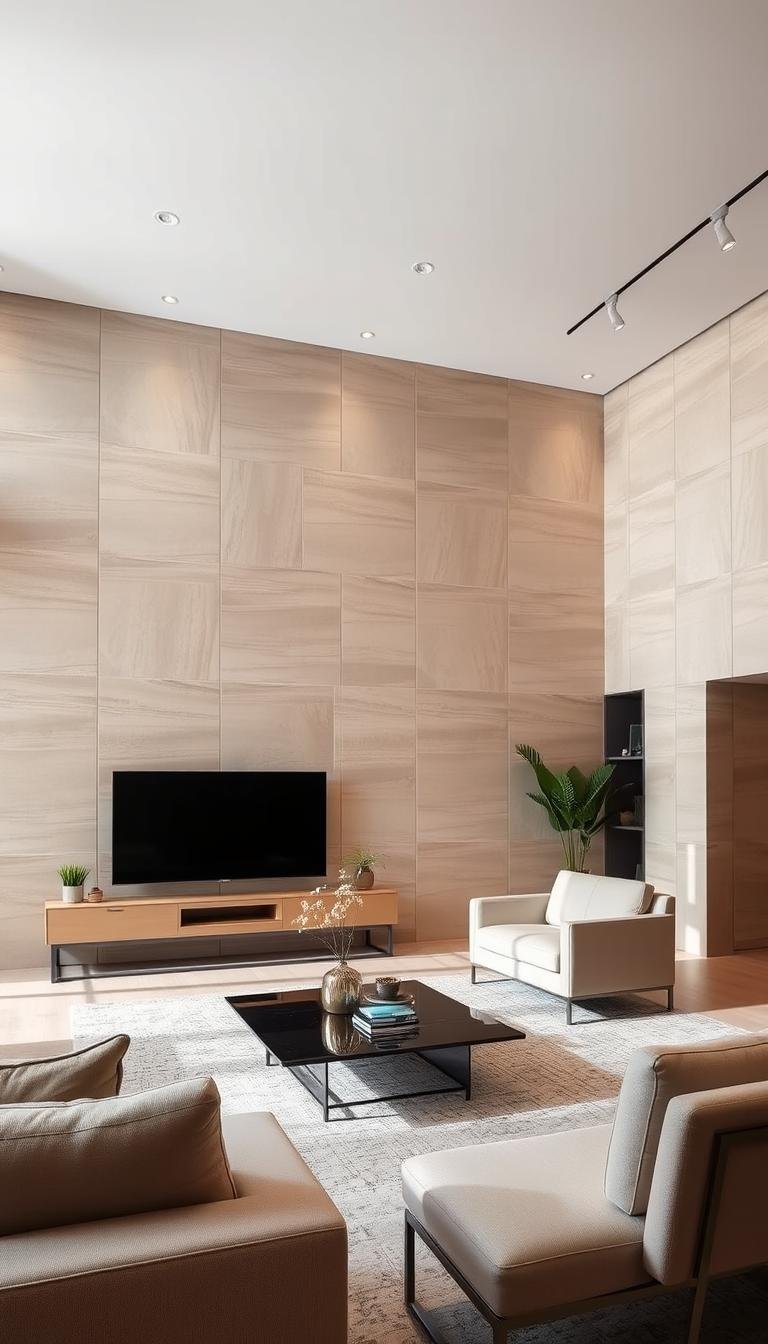
Want to give your home a fresh, stylish upgrade? Consider adding wood paneling to your space. This design element brings instant charm and character to any room. It creates a beautiful focal point that draws the eye and adds warmth.
Originally, panels were used for insulation and protection. Today, they are loved for their decorative appeal. You can choose from many styles, like classic board-and-batten or chic geometric patterns.
Think about your room’s size and layout. A subtle accent wall can add just the right touch. Or go bold with a full wall treatment for maximum impact. Either way, you’ll enhance your interior with rich texture and depth.
Ready to explore more creative designs? Check out these inspiring wall paneling ideas to transform your home.
Why Modern Wall Paneling is Your Secret Design Weapon
Have you ever walked into a room and felt something was missing? That extra spark of personality? Paneling might be your answer. This design element brings instant charm to your space.
It creates beautiful focal points that draw the eye. You can transform plain surfaces into dynamic features. The result is added depth and character.
Paneling works with many styles. Love rustic charm? Natural wood brings warmth. Prefer sleek looks? Geometric patterns add modern flair.
Think about your living room or bedroom. An accent wall with panels makes a statement. It enhances the overall aesthetic without major renovations.
Real examples show its power. Board-and-batten running floor-to-ceiling adds visual interest. Geometric designs create drama in contemporary spaces.
Integration is simple. Match existing decor with paint or natural finishes. DIY projects become achievable for homeowners.
| Style | Best For | Visual Impact |
|---|---|---|
| Natural Wood | Rustic, Cozy Spaces | Warmth and Texture |
| Painted Panels | Modern, Bright Rooms | Clean Contrast |
| Geometric Patterns | Contemporary Areas | Dynamic Depth |
| Board-and-Batten | Traditional Settings | Classic Character |
Paneling adds that special layer of visual interest. It makes spaces feel inviting and sophisticated. Your home gains personality with minimal effort.
This versatile element adapts to your needs. It’s truly a secret weapon for interior design. Discover how panels can elevate your space today.
Modern Wall Paneling Ideas to Add Texture and Depth
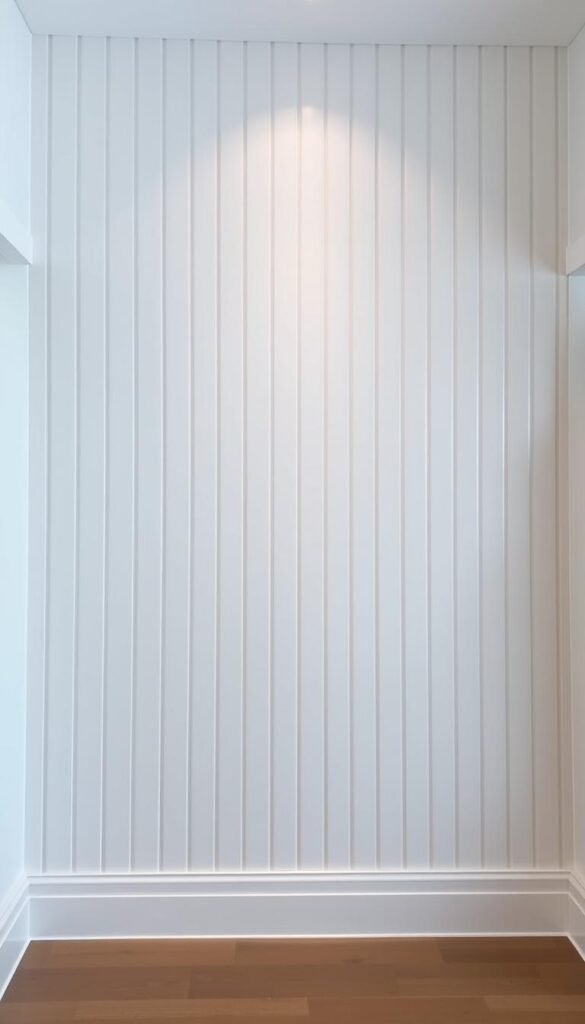
Classic panel styles offer incredible versatility for your home. They create instant character while adding rich visual texture. With a few clever updates, these traditional elements feel fresh and current.
Board-and-Batten: A Classic with a Contemporary Twist
This style uses narrow battens over flat boards. It brings beautiful rhythm to your space. Originally seen in Craftsman and cottage homes, it now fits many interior styles.
Try a floor-to-ceiling installation in your bedroom. It draws the eye upward, enhancing room height. The clean lines offer a refreshing look that feels both classic and current.
Vertical Wood Paneling: Elevating Height and Style
Vertical panels add striking texture to any room. They create a sense of upward movement. This makes ceilings feel higher and spaces more open.
Update older panels with a fresh coat of paint. A two-tone scheme like hunter green and white works wonders. It achieves a modern aesthetic perfect for mudrooms or entries.
“Paneling transforms plain surfaces into dynamic design features with minimal effort.”
Shiplap: Beyond the Farmhouse Trend
Shiplap brings wonderful character to your home. It goes far beyond rustic farmhouse decor. Varying the board widths creates a contemporary twist.
Choose extra-wide boards for a soft, updated feel. This works beautifully in bedrooms or living areas. It adds depth without overwhelming the space.
| Panel Style | Best Application | Visual Effect |
|---|---|---|
| Board-and-Batten | Bedrooms, Entryways | Adds vertical rhythm and classic character |
| Vertical Paneling | Mudrooms, Hallways | Creates height and textured interest |
| Shiplap | Living Rooms, Bedrooms | Offers warmth with modern adaptability |
These projects are surprisingly DIY-friendly. Installing board-and-batten or painting existing panels are achievable weekend tasks. They add incredible character without major renovation.
Each style creates a strong focal point in your room. They enhance texture and make your space feel more designed. Real examples show how they elevate ordinary rooms into special spaces.
Consider a statement wall in your living room or a full treatment in your bedroom. Play with color combinations and finishes. Even small applications make a big impact on your home’s aesthetic.
These ideas prove that classic designs can adapt to contemporary tastes. Simple twists like new colors or proportions keep them feeling current. They add that perfect layer of visual interest your space deserves.
Creating Dynamic Focal Points with Geometric Patterns
Geometric shapes bring a fresh, artistic energy to your home. They create visual interest that draws the eye and adds depth. These patterns work beautifully as statement features in any room.
You can achieve a modern look with clean lines and angles. They serve as strong focal points without extra decor. This approach is perfect for minimalist spaces seeking character.
The Striking Appeal of Herringbone Designs
Herringbone uses narrow wood strips set at sharp angles. Small gaps between pieces add definition and shadow play. Varying wood tones create rich texture across the surface.
Imagine this pattern in your bedroom as a headboard wall. It becomes an instant focal point against neutral decor. The dynamic lines add movement and sophistication.
DIY Fretwork for Subtle Sophistication
Fretwork involves creating intricate geometric designs. Use round wood plaques and half-round molding for patterns. Paint them in bold hues like deep blue for subtle texture.
The painted elements recede slightly, adding depth without overwhelming. This technique brings artistic flair to your interior. It feels both custom and achievable for DIY enthusiasts.
3D Geometric Patterns for Maximum Impact
Sketch your desired pattern directly onto the wall first. Install narrow boards along these lines for dimension. A glossy paint finish makes the design stand out dramatically.
This approach creates impressive shadow effects throughout the day. It transforms ordinary walls into conversation-starting art. Your living area gains incredible visual impact.
- Start with graph paper to plan your geometric layout
- Use pre-cut materials to simplify installation
- Experiment with scale – larger patterns make bold statements
- Consider two-tone finishes for added contrast
- Allow the pattern to shine by keeping other decor simple
These designs prove that powerful style doesn’t require complexity. Geometric patterns add that perfect layer of visual interest. They transform your space into a contemporary showcase.
The Power of Paint: Transforming Paneling with Color
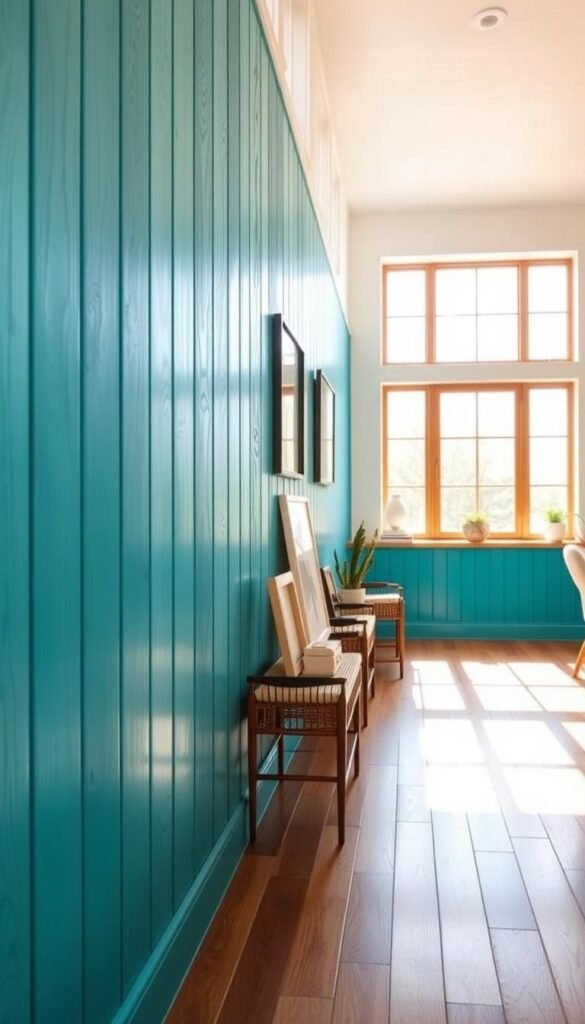
Color holds incredible power to transform ordinary paneling into extraordinary design features. A fresh coat can completely reinvent your space’s character and mood. This approach lets you personalize your interior without major renovations.
You can achieve stunning results with basic painting techniques. The right color choices enhance texture and depth beautifully. Your panels become true works of art with thoughtful color application.
Two-Tone Designs for Dramatic Contrast
Two-color combinations create striking visual interest. Deep teal paired with crisp white makes board-and-batten wainscoting pop. The contrast emphasizes the pattern’s geometric qualities.
This technique works wonderfully in traditional spaces seeking edge. Darker shades on lower sections ground the room. Lighter tones above maintain airiness and height.
Consider black and cream for a sophisticated statement. The bold contrast draws immediate attention to your wall treatment. It becomes a powerful focal point in any room.
Bold Hues to Make Your Paneling Pop
Vibrant colors inject energy and modern appeal. Hunter green paneling creates rich depth in contemporary spaces. Bright tones transform functional areas into style statements.
These bold choices work particularly well in kids’ rooms or creative spaces. They add playful character while maintaining sophistication. The color becomes the main attraction.
Remember that intense shades work best as accent features. Balance them with neutral furnishings and decor. This prevents overwhelming your space’s aesthetic.
The Seamless Look of Monochromatic Painting
Single-color schemes create cohesive, expansive feelings. White shiplap blending with surrounding walls achieves clean simplicity. This approach enhances light and spaciousness.
Monochromatic treatments work beautifully in bedrooms seeking serenity. They provide texture without visual competition. The result feels intentionally designed and peaceful.
You can use slight tone variations within the same color family. This adds subtle depth while maintaining harmony. The effect is sophisticated and restful to the eye.
| Painting Technique | Best Room Applications | Visual Effect Created | Recommended Color Families |
|---|---|---|---|
| Two-Tone Contrast | Dining Rooms, Entryways | Dramatic definition and modern edge | Teal/White, Black/Cream, Navy/Light Gray |
| Bold Statement Colors | Kids’ Rooms, Creative Spaces | Energetic focal points with vibrant appeal | Hunter Green, Sapphire Blue, Terracotta |
| Monochromatic Scheme | Bedrooms, Living Areas | Seamless expansion of space and light | Whites, Light Grays, Soft Beiges |
Choosing colors based on room mood ensures perfect harmony. Vibrant shades suit active spaces like playrooms. Softer tones create calm retreats in bedrooms.
DIY painting is surprisingly achievable with proper preparation. Always start with a quality primer for best adhesion. Latex paints offer durable, washable finishes.
Simple techniques yield professional-looking results. Use painter’s tape for crisp lines between colors. Multiple thin coats beat one thick application.
Paint transforms existing paneling affordably. It lets you update character to match current decor trends. Your space gains fresh personality through color’s magic.
These ideas show how color enhances texture and depth. They add that personalized touch your home deserves. Your panels become true expressions of your style.
Embracing Natural Wood for Warmth and Character
Natural wood brings organic beauty into your home. It creates a welcoming atmosphere that feels both timeless and personal. The grain patterns and natural variations tell a story no other material can match.
You can choose from many finishes to suit your style. Each option offers unique benefits for your space. They add that special layer of warmth and character you desire.
Reclaimed Wood for Rustic, One-of-a-Kind Charm
Reclaimed boards offer incredible history and texture. Each piece carries unique knots, scuffs, and nail marks. These features create a rustic look full of personality.
Install them in shiplap patterns for your accent wall. This treatment becomes an instant focal point in living areas. The varied tones and textures add visual depth.
Source reclaimed materials from local suppliers. Many offer pre-cut options for easier installation. You’ll create a truly unique feature in your home.
Warm Stains for a Cozy and Sophisticated Atmosphere
Dark stains create rich, inviting backgrounds for your rooms. They add sophistication while maintaining natural warmth. Your bedroom gains a cozy retreat feeling.
Choose deep walnut or espresso tones for maximum impact. They provide beautiful contrast against lighter furnishings. A brass mirror or upholstered bed stands out beautifully.
Staining is a DIY-friendly project with proper preparation. Always test your stain on a sample piece first. Multiple thin coats achieve the deepest color.
White-Washed Finishes for a Light and Airy Feel
White-washing uses latex paint diluted with water. It allows wood grain to show through while lightening the tone. This creates an airy, relaxed aesthetic.
This finish works wonderfully in bathrooms or smaller spaces. It makes rooms feel larger and brighter. Pair it with dark fixtures for modern contrast.
Apply with a cloth for a soft, uneven appearance. The technique adds texture while maintaining lightness. Your space gains character without feeling heavy.
- Pair natural wood with neutral decor to let its beauty shine
- Consider the room’s lighting when choosing stain darkness
- Test finishes on sample boards before committing
- Use quality brushes for smooth stain application
- Seal stained wood with protective clear coat
These natural options bring organic texture into your home. They create inviting spaces with genuine character. Your rooms gain warmth and personality through wood’s natural beauty.
Innovative Materials and Mixed Media Approaches
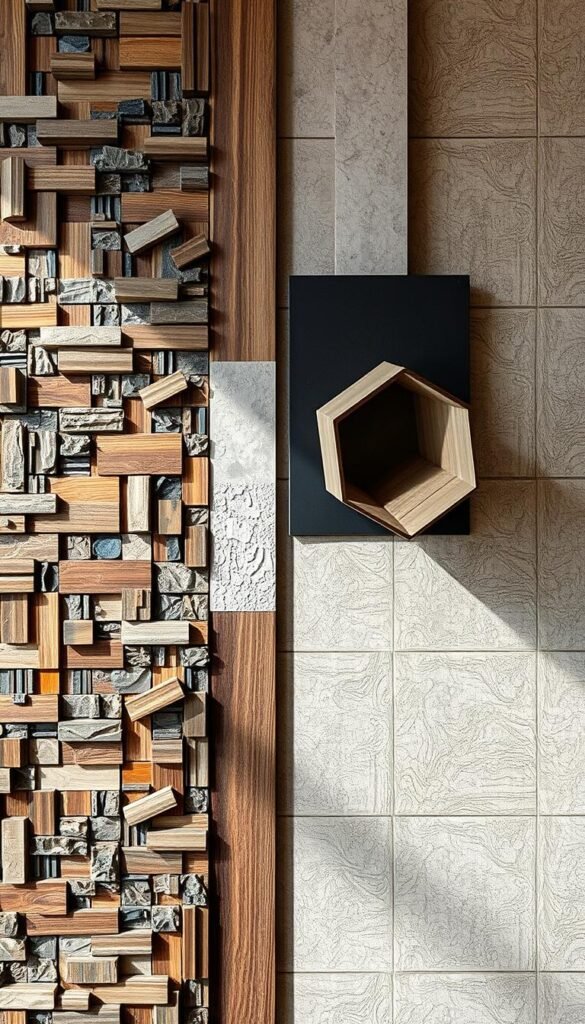
Ready to take your interior design to the next level? Mixing different materials creates stunning visual effects. These combinations add unique character and sophistication to your space.
You can blend traditional elements with contemporary touches. The result is a personalized look that stands out. This approach transforms ordinary surfaces into extraordinary features.
Combining Wood with Stone for a Luxurious Touch
Pairing wood with stone creates instant elegance. Imagine rich marble panels alongside warm wood slats. This combination brings both texture and refinement.
Use this technique behind a fireplace or as an accent wall. The natural elements complement each other beautifully. Your room gains a high-end aesthetic with genuine character.
Granite or slate also work wonderfully with wood tones. They add cool contrast to warm wooden surfaces. This balance creates visual interest that draws the eye.
Integrating Mirrors to Enhance Space and Light
Mirrors make rooms feel larger and brighter. Add grid molding over mirrored surfaces for extra dimension. This technique works beautifully in entries or smaller spaces.
The reflective surface bounces light around your room. It creates the illusion of more space and height. Your interior feels more open and airy.
This approach adds both function and style. You gain practical reflection with decorative appeal. It’s a smart solution for enhancing any area.
Using Lattice and Trim for Intricate Textures
Lattice work creates beautiful patterns on your surfaces. Alternate between diagonal and straight grids for variety. This adds sophisticated texture without overwhelming.
These designs are surprisingly DIY-friendly. Pre-cut materials make installation straightforward. You can achieve professional-looking results over a weekend.
Paint the lattice to match or contrast your wall color. This emphasizes the pattern and adds depth. Your room gains custom character with minimal effort.
These mixed media approaches offer creative freedom. They let you experiment with different materials and finishes. Your space becomes a true reflection of your personal style.
Remember that balance is key. Let one material dominate while others play supporting roles. This creates harmony while maintaining visual interest.
Don’t be afraid to try unexpected combinations. Sometimes the most striking designs come from bold choices. Your home deserves that special touch only mixed media can provide.
Panel Applications for Every Room in Your Home
Your home deserves special touches in every area. Panels work beautifully throughout your house. They bring character and charm to each unique space.
You can create stunning focal points in living areas. Bedrooms gain cozy retreat feelings. Even functional spots like mudrooms become stylish.
Each room offers different opportunities for creativity. Your choices should match the room’s purpose and mood. The right application enhances daily living.
Creating a Statement Wall in Your Living Room
Your living room deserves a beautiful focal point. Shiplap panels behind your fireplace create clean horizontal lines. This draws attention to your room’s best feature.
Geometric patterns make dramatic statements. They add artistic flair to your main gathering space. These designs become conversation starters.
Consider your room’s existing decor. Choose finishes that complement your furniture and artwork. Your statement wall should feel integrated yet special.
Designing a Serene and Textured Bedroom Retreat
Your bedroom should feel like a peaceful sanctuary. Warm wood paneling as a headboard wall creates cozy scenes. Natural materials promote relaxation.
Neutral color palettes enhance the calm atmosphere. Soft tones like warm gray or creamy white work beautifully. They provide texture without visual noise.
Consider the lighting in your sleeping space. Panels can reflect or absorb light differently. This affects the room’s overall mood and comfort.
Adding Character to Functional Spaces like Mudrooms and Hallways
Mudrooms and hallways deserve style too. Crisp white board-and-batten paneling creates bright, welcoming textures. This cottage-inspired aesthetic feels both charming and practical.
Pair panels with herringbone tile floors for extra character. Wood accents on benches or hooks complete the look. These spaces become functional and beautiful.
Consider durability in high-traffic areas. Choose finishes that withstand daily use. Your mudroom can handle busy family life while looking great.
- Use light colors in small spaces to enhance brightness
- Try dark tones in bedrooms for moody, intimate atmospheres
- Mix materials for unique combinations in living areas
- Consider room function when choosing panel styles
- Balance bold statements with simpler surrounding decor
These applications show how panels transform any room. Your living space gains drama and style. Bedrooms become cozy retreats with rich texture.
Functional areas like mudrooms gain character and charm. Each room benefits from added depth and visual interest. Your whole home feels more designed and personal.
You can adapt these ideas to your specific layout. Consider your room sizes and natural light. The right panel application enhances your space perfectly.
Strategic Placement to Maximize Visual Impact
Where you put your panels makes all the difference. Smart placement creates stunning effects throughout your home. It draws attention to your best features and enhances your room’s flow.
Think about your room’s proportions and natural light. These factors help determine the perfect panel position. The right choice adds drama without overwhelming your space.
Wainscoting: The Art of the Lower Wall
Wainscoting covers the lower third of your walls. It adds classic charm while protecting against scuffs and dings. This traditional approach brings elegance to any room.
Chair rails often top wainscoting for a finished look. They create a clean horizontal line that guides the eye. This technique works beautifully in dining rooms and hallways.
Update this style with bold color choices. Deep charcoal or navy blue creates modern contrast. Your space gains contemporary appeal with traditional roots.
Floor-to-Ceiling Paneling for a Grand Statement
Full-height treatments make dramatic impressions. Vertical boards stretching upward enhance room height. Your space feels larger and more impressive.
Light oak or pale finishes maximize this effect. They reflect light and create airy atmospheres. Staircases become stunning features with this approach.
Geometric patterns add extra visual interest. They create movement and depth across entire surfaces. Your room gains artistic character through careful placement.
Using Paneling to Highlight Architectural Features
Panels can frame your room’s best elements. Fireplaces become commanding focal points with surrounding treatment. Windows gain importance with thoughtful framing.
Use color and pattern to draw attention. Darker tones make features stand out against lighter walls. This technique adds definition to your architecture.
Built-in shelves benefit from paneled backs. This creates depth and makes displayed items pop. Your storage becomes part of your decor.
“Strategic panel placement transforms ordinary rooms into designed spaces with purpose and flow.”
Consider your room’s layout before installing. Measure carefully to ensure proportional balance. Paneling should enhance rather than dominate your space.
Open-plan areas benefit from zone definition. Panels can separate living and dining spaces visually. This creates cohesion while maintaining openness.
Dark charcoal treatment emphasizes tall ceilings. It draws the eye upward and adds sophistication. Your room gains vertical emphasis through color contrast.
| Placement Style | Room Applications | Visual Effect | Recommended Materials |
|---|---|---|---|
| Wainscoting | Dining Rooms, Hallways | Classic protection with elegant proportions | MDF, Pine, Pre-finished panels |
| Floor-to-Ceiling | Living Rooms, Staircases | Grand statements with height enhancement | Vertical oak, Light-toned wood |
| Feature Framing | Fireplaces, Windows | Architectural emphasis with focused attention | Contrasting colors, Geometric patterns |
These placement ideas show how position affects impact. Your panels become integral to your room’s design. They work with your architecture rather than against it.
Always consider your existing decor and furniture. Paneling should complement your overall aesthetic. The right placement creates harmony throughout your space.
You can achieve these effects through careful planning. Start with one wall or feature to test the look. Your home gains character through thoughtful panel positioning.
DIY Tips for Your Wall Paneling Project
Ready to tackle your own panel project? These simple tips help you achieve professional results. You can refresh your space with confidence and creativity.
Proper preparation makes all the difference. Clean surfaces ensure smooth finishes. Good materials lead to beautiful outcomes.
Cleaning and Prepping Existing Wood Panels
Start with a thorough cleaning of your surfaces. Use wood soap and warm water with microfiber cloths. Avoid harsh detergents that might damage the finish.
Work in circular motions for deep cleaning. This removes dirt without scratching. Dry panels completely to prevent moisture issues.
Restore brightness without causing harm. Proper cleaning reveals the true beauty of your wood. It prepares surfaces for painting or staining.
Simple Painting and Refinishing Techniques
Sanding creates smooth surfaces for better adhesion. Use fine-grit paper for best results. Always wipe away dust with mineral turpentine.
Prime with latex before applying your top coat. This ensures even coverage and durability. Choose colors that create your desired mood.
Apply paint or varnish in thin, even layers. Multiple coats beat one thick application. This technique prevents drips and uneven finishes.
Consider your room’s lighting when selecting shades. Dark tones add cozy atmosphere. Light colors make spaces feel airy and bright.
Where to Find Pre-Cut and Easy-to-Install Options
Home improvement stores offer wonderful solutions. Look for board-and-batten or shiplap pieces. These pre-cut options simplify your installation.
Many retailers provide complete kits with instructions. These make DIY projects accessible for beginners. You can achieve quick updates without professional help.
Online suppliers also stock various materials. Compare prices and read customer reviews. Choose quality products that match your vision.
| Project Type | Recommended Materials | Time Estimate | Skill Level |
|---|---|---|---|
| Cleaning Existing Panels | Wood soap, Microfiber towels | 1-2 hours | Beginner |
| Painting Treatment | Latex primer, Quality paint | Weekend project | Intermediate |
| New Installation | Pre-cut panels, Adhesive | 1-2 days | Advanced Beginner |
Caulking gaps creates seamless appearances. This small detail makes big visual impact. Your work looks professional and polished.
Remember that preparation ensures success. Clean, smooth surfaces accept finishes better. Your efforts yield beautiful, lasting results.
These projects offer great cost savings. DIY transformations bring personal satisfaction. You gain a custom look without custom prices.
Your home gains rich character through these techniques. Added texture and depth enhance any room. Start your project today and see the difference.
How to Choose the Right Paneling for Your Space
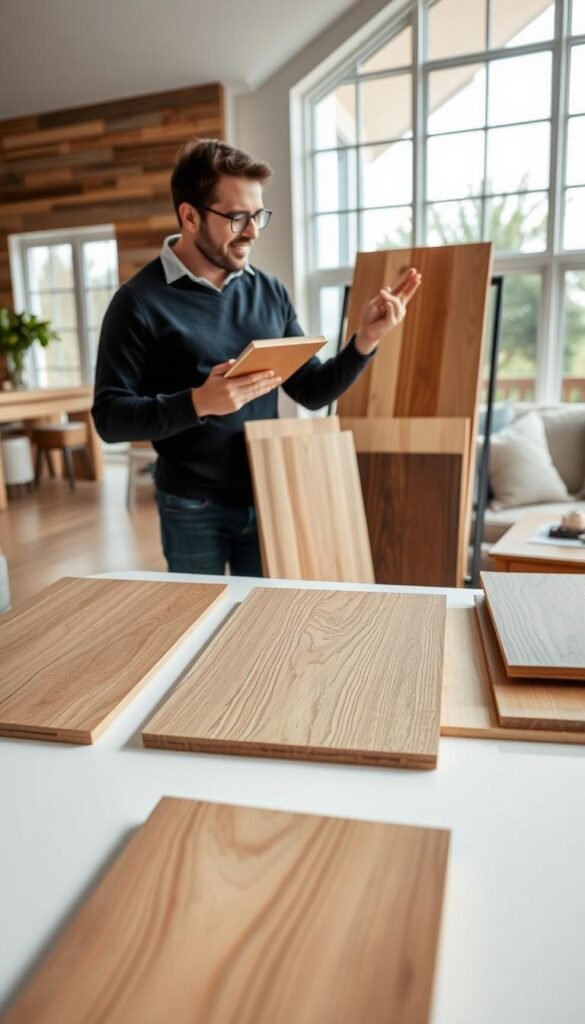
Selecting the perfect treatment for your room involves thoughtful consideration. You want something that enhances your space while reflecting your personal taste. The right choice creates harmony and adds that special touch your home deserves.
Considering Your Room’s Size and Layout
Your room’s dimensions guide your panel selection. Small spaces benefit from vertical patterns. They create a sense of height and openness.
Light colors make compact areas feel larger. They reflect natural light beautifully. Your room gains an airy, spacious feel.
Large rooms handle bold designs well. Geometric patterns add dramatic interest. They become stunning focal points in expansive areas.
Always measure your space before deciding. Consider window placement and ceiling height. Your treatment should enhance proportions perfectly.
Matching Paneling Styles to Your Home’s Architecture
Your home’s structure suggests certain styles. Craftsman homes suit board-and-batten treatments. They honor traditional craftsmanship beautifully.
Contemporary spaces embrace sleek geometrics. Clean lines and angles complement modern aesthetics. They add artistic flair without overwhelming.
Cottage styles welcome shiplap applications. This classic look feels both cozy and current. It brings charming character to your interior.
Always consider your home’s existing features. Your treatment should feel integrated and intentional. It becomes part of your architecture’s story.
Balancing Pattern and Color with Your Existing Decor
Your current furnishings guide color choices. Neutral tones create cohesive, harmonious looks. They allow other elements to shine.
Bold contrasts make powerful statements. Deep hues against light walls draw immediate attention. They create dramatic focal points in any room.
Consider your flooring and furniture finishes. Warm wood tones complement traditional decor. Cool grays suit contemporary settings perfectly.
Monochromatic schemes offer sophisticated simplicity. They provide texture without visual competition. Your space feels designed and deliberate.
“The right paneling choice transforms your room into a cohesive, beautiful space that feels both intentional and inviting.”
Always test colors in your actual space. Lighting affects how shades appear throughout the day. Your final choice should feel right in all conditions.
Remember that balance creates beauty. Let your treatment complement rather than dominate. Your room gains character through thoughtful coordination.
Beyond the Walls: Paneling on Ceilings and Built-Ins
Your ceiling offers untapped potential for creating immersive environments. This fifth wall deserves as much attention as your vertical surfaces. Wood paneling overhead adds wonderful texture and coziness.
Imagine natural wood planks stretching across your bedroom ceiling. They create a warm, enveloping feeling that enhances relaxation. The design becomes a complete experience rather than partial treatment.
Geometric patterns work beautifully overhead too. They add visual interest that draws the eye upward. Your room gains height and dimension through clever ceiling treatment.
Built-in features like benches or shelves benefit from integrated paneling. Horizontal treatment above these elements creates seamless character. It makes built-ins feel like natural extensions of your walls.
Consider a hallway bench with colorful pillows beneath paneled treatment. This combination adds both function and style. The accent becomes a deliberate focal point rather than afterthought.
These applications create unified aesthetic throughout your space. Consistent textures on multiple surfaces enhance cohesion. Your interior feels thoughtfully designed from every angle.
“Extending paneling beyond traditional walls creates immersive environments that engage all senses and perspectives.”
DIY possibilities make these ideas achievable for homeowners. Pre-cut panels simplify ceiling installation. Adding trim to existing built-ins requires basic tools.
Think about wood-slatted ceilings in contemporary designs. They add rhythm and movement overhead. The look feels both current and timeless.
Your home gains complete character through these extended applications. Every surface contributes to the overall statement. The result is truly immersive design.
These patterns and treatments show innovation in action. They demonstrate how paneling evolves beyond traditional applications. Your space becomes a showcase of creative thinking.
Remember that balance remains important. Let ceiling treatments complement rather than overwhelm. Built-in accents should integrate seamlessly.
Your room deserves this complete approach to design. Explore these possibilities beyond vertical surfaces. The transformation will surprise and delight you.
Textured Accent Walls: Blending Classic and Modern
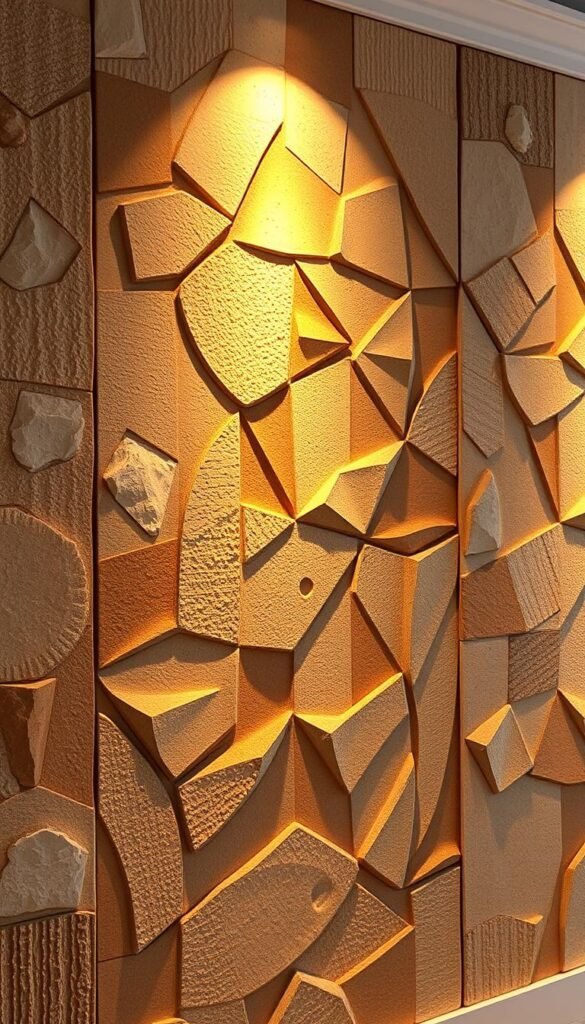
Imagine transforming a plain surface into a stunning focal point with rich texture. Textured accent walls blend timeless materials with contemporary designs. They create visual interest that draws the eye and adds depth to your room.
These walls combine classic wood elements with modern patterns. The result is a versatile look that suits many styles. Your space gains character through thoughtful material combination.
Reclaimed wood brings rustic charm to contemporary design. Its natural variations create unique textures across your surface. This approach adds warmth and character to any interior.
Lattice panels offer intricate patterns for sophisticated appeal. They create shadow play that changes throughout the day. Your entryway gains artistic statement with this technique.
Paint techniques add texture without structural changes. Faux finishes create the illusion of depth and movement. Your wall becomes a canvas for creative expression.
“Textured accent walls serve as artistic focal points that elevate room aesthetics with minimal effort.”
Herringbone patterns in bedrooms create dynamic designs. The angled wood pieces add rhythm and movement. This pattern becomes a beautiful focal point behind your bed.
Lattice designs in entryways welcome guests with style. The geometric patterns add sophistication without overwhelming. Your home makes a great first impression.
DIY projects make these ideas accessible for homeowners. Painting techniques require basic tools and creativity. Pre-made panels simplify installation for quick updates.
Experiment with different textures and colors. Mix classic wood with modern patterns for personal expression. Your accent wall should reflect your unique taste.
These designs connect to overall interior themes beautifully. They add that special layer of visual interest your space deserves. The result feels both intentional and inviting.
Textured walls represent a key trend for contemporary homes. They offer endless possibilities for adding warmth or minimalist charm. Your room gains luxury through thoughtful finish choices.
| Texture Type | Best Room Application | Visual Effect | DIY Difficulty |
|---|---|---|---|
| Reclaimed Wood | Living Rooms, Bedrooms | Rustic warmth with natural character | Intermediate |
| Lattice Patterns | Entryways, Hallways | Sophisticated geometric interest | Beginner |
| Painted Textures | Any Room | Custom depth through color technique | Beginner |
| Herringbone Design | Bedrooms, Dining Areas | Dynamic movement and rhythm | Advanced |
Consider your existing decor when choosing textures. Balance bold patterns with simpler surrounding elements. Your accent wall should complement rather than dominate.
Lighting affects how textures appear in your space. Natural light enhances shadow play and depth. Artificial lighting creates different moods throughout the day.
These ideas show how blended styles create beautiful spaces. Your home gains personality through textured walls. Start your project today and see the transformation.
Maintaining the Beauty of Your Wall Paneling
Your beautiful panel installation deserves proper care to stay stunning for years. Regular maintenance keeps your surfaces looking fresh and vibrant. Simple routines preserve that special character you worked so hard to create.
Think about gentle cleaning with wood-specific soaps. Use soft cloths to avoid scratching delicate finishes. This approach removes dirt without causing harm.
Always dry your panels thoroughly after cleaning. Moisture can damage both paint and natural finishes. Proper drying prevents warping or discoloration over time.
For painted surfaces, keep some matching paint for touch-ups. Small scuffs and scratches happen in active homes. Quick fixes maintain that seamless appearance you love.
“Regular care preserves your paneling’s beauty and ensures it continues adding value to your home for years to come.”
Natural wood may need occasional varnishing. This protects against moisture and UV damage. Your finishes stay vibrant and protected.
Avoid harsh chemicals that can strip finishes. Abrasive tools might cause scratches or dull surfaces. Gentle methods keep your treatment looking its best.
Inspect panels periodically for cracks or gaps. Fill them with quality wood compound when found. This maintains that clean, integrated look.
Your care routine doesn’t need to be complicated. Simple attention preserves your investment beautifully. You’ll enjoy that rich texture and depth long-term.
| Panel Type | Cleaning Method | Maintenance Frequency | Special Considerations |
|---|---|---|---|
| Painted Surfaces | Soft cloth with mild soap | Monthly dusting, annual deep clean | Keep touch-up paint for quick repairs |
| Natural Wood | Wood-specific cleaner | Bi-annual cleaning, occasional varnishing | Protect from direct sunlight and moisture |
| Geometric Patterns | Soft brush attachment on vacuum | Weekly dusting, quarterly cleaning | Pay attention to intricate corners and edges |
| Stained Finishes | Damp microfiber cloth | Monthly light cleaning, annual conditioning | Reapply protective sealant every 2-3 years |
Consider your home’s specific conditions. High-humidity areas might need more frequent attention. Dry climates could require occasional conditioning.
These simple practices become part of your regular home care. They ensure your beautiful treatment continues enhancing your space. Your investment remains protected and beautiful.
Remember that proper maintenance preserves value. Well-cared-for paneling adds to your home’s appeal. It continues providing that wonderful texture and character you enjoy daily.
Start your maintenance routine today. You’ll appreciate how easy it is to keep your surfaces looking fantastic. Your home deserves this ongoing care and attention.
Your Home’s Transformation Awaits
Your journey toward a more beautiful home begins with a single step. These creative treatments offer endless possibilities for adding personality to your space.
From simple accent walls to full-room makeovers, you can achieve stunning results. Even basic DIY projects create impressive focal points with rich character.
Imagine transforming plain surfaces into artistic statements. Geometric patterns add dynamic movement while natural wood brings warm texture. Each option adds that special layer of visual interest.
Start by assessing your room’s layout and lighting. Choose treatments that complement your existing decor. Your perfect design solution awaits discovery.
These projects remain accessible for any skill level. Pre-cut panels simplify installation while painting techniques offer quick updates. Your dream space is closer than you think.
Begin your transformation today and watch your home gain new depth and character.