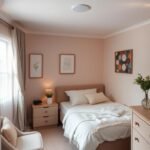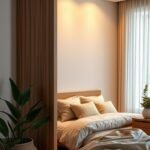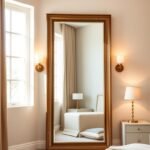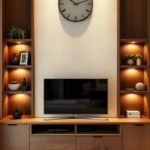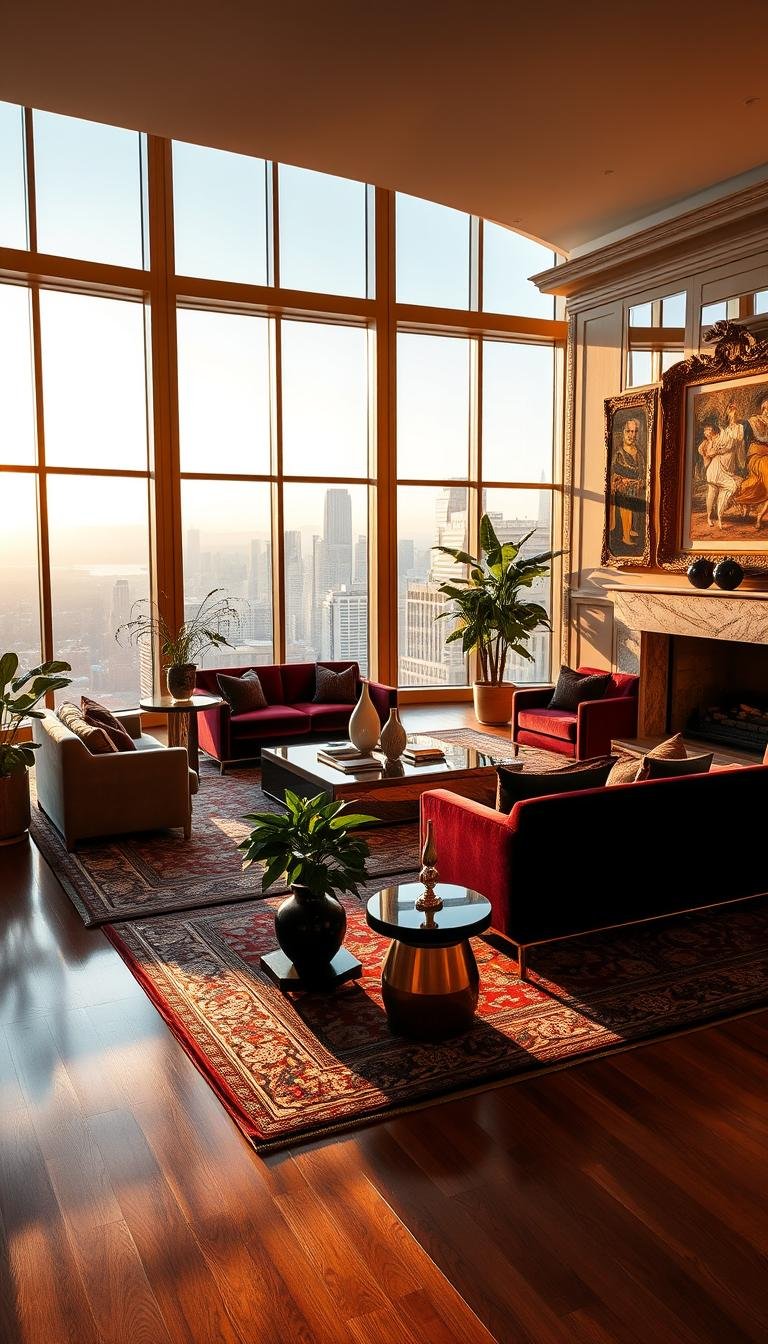
Welcome to your personal guide for creating a beautiful and elegant home environment. We believe your personal space should reflect your unique style and provide ultimate comfort.
Whether you have a cozy nook or a spacious area, smart design choices can transform any room. It’s all about creating a place that feels both inviting and refined.
You’ll discover practical tips that blend aesthetics with everyday function. Our ideas focus on quality and intentional choices, not just expensive items.
Let’s explore how to make your living area a true sanctuary of style and comfort. Get ready to reimagine your apartment with confidence and creativity!
1. Start with Smart Space Planning for Your Luxury Living Room
Creating an elegant home begins with thoughtful arrangement. Smart planning transforms any area into a functional and beautiful environment.
Good design makes your space work for you. It creates harmony between style and daily life.
Understanding Your Room’s Dimensions and Flow
Start by measuring your entire area. Know exactly what you’re working with before choosing furniture.
Consider how people move through the space. You want clear pathways that feel natural and unobstructed.
Think about your daily activities. Do you entertain often? Need quiet reading nooks? Your layout should support your lifestyle.
“Designing a luxurious apartment in a limited space requires a thoughtful approach to blend elegance, style, and functionality seamlessly.”
Creating Functional Zones in Open Concept Spaces
Open floor plans need defined areas. Use furniture placement to create distinct zones without walls.
Area rugs help anchor different sections. They visually separate spaces while maintaining cohesion.
Consider these popular zone types for open layouts:
| Zone Type | Purpose | Key Furniture |
|---|---|---|
| Conversation | Social gathering | Sofas, chairs, coffee table |
| Entertainment | Media viewing | TV console, comfortable seating |
| Dining | Meals & casual work | Table, chairs, lighting |
| Reading | Quiet relaxation | Armchair, side table, lamp |
Modular furniture offers flexibility. You can rearrange pieces for different occasions and needs.
Always test your layout before finalizing. Use painter’s tape on the floor or try virtual tools.
Remember to look upward too. Tall bookshelves and vertical art create height, making rooms feel more spacious.
Your goal is balance—beauty and practicality working together. This foundation supports all your other design choices.
2. Choose Multifunctional Furniture That Maximizes Space
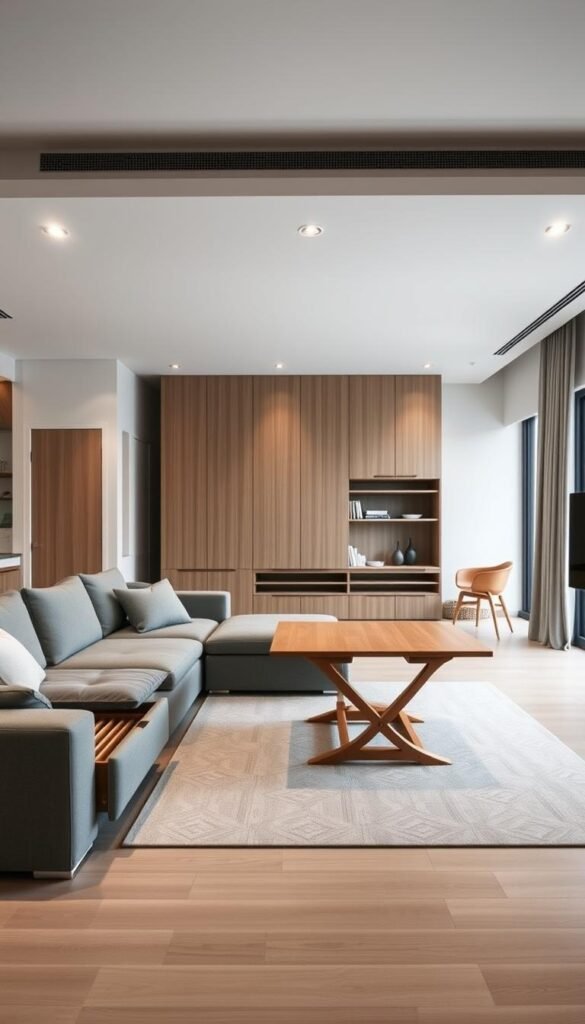
Smart furniture choices can transform how you experience your home. The right pieces serve multiple purposes while maintaining elegance.
This approach makes every inch work harder for you. You gain function without sacrificing style.
Sofa Beds and Convertible Seating Solutions
Consider a sofa that converts into a bed for overnight guests. This dual-purpose solution saves valuable space.
Look for models with comfortable cushions and sturdy frames. Quality construction ensures lasting performance.
Ottomans with hidden compartments offer extra seating and storage. They provide versatility while keeping your interior tidy.
Storage-Integrated Coffee and Side Tables
Choose a coffee table with built-in storage compartments. These hidden spaces keep your surfaces clutter-free.
Side tables with drawers or shelves add practical function. They hold essentials while contributing to your design aesthetic.
Opt for pieces with clean lines and refined materials. This creates a cohesive look throughout your space.
Modular Furniture for Flexible Arrangements
Modular sectionals allow you to customize your seating layout. You can rearrange pieces for different occasions.
Shelving units that reconfigure offer adaptable storage solutions. They grow with your changing needs.
These flexible pieces make your home feel more spacious. They adapt rather than dominate your environment.
“Modern design often incorporates pieces that blend seamlessly into the overall decor while serving multiple functions.”
Always measure your area before selecting any furniture. Proper sizing ensures each piece fits perfectly and performs its intended role.
Focus on slim profiles and elevated materials. These choices maintain an airy feel while delivering practical benefits.
Multifunctional furniture represents a smart investment in your home. It combines practicality with sophistication for truly intelligent living.
3. Implement an Elegant Color Scheme That Expands Your Space
Color transforms how you experience your home. The right palette creates visual expansion while adding personality.
Smart color choices make your area feel more open and inviting. They work with your layout to enhance the overall design.
Your selection should reflect your taste while serving practical purposes. It’s about creating harmony between beauty and function.
Neutral Base Palettes with Luxury Accents
Begin with soft neutrals like whites, beiges, or light grays. These tones create a calm, expansive backdrop.
Add metallic touches in gold or silver for subtle glamour. These accents introduce richness without overwhelming your space.
Consider these popular neutral combinations:
- Warm white walls with brass fixtures
- Light gray base with chrome details
- Beige foundation with bronze elements
These combinations create depth while maintaining airiness. They provide flexibility for changing accessories over time.
Using Monochromatic Schemes for Sophistication
Monochromatic color schemes use varying shades of one hue. This approach creates a cohesive, elegant look.
Different intensities of blue or green add visual interest. The unified palette makes rooms appear larger and more intentional.
Layer textures within your single-color scheme. This adds dimension while keeping the aesthetic clean and sophisticated.
Your monochromatic plan should include:
- Light base shade for walls and large surfaces
- Medium tone for furniture and textiles
- Darker accent for decorative elements
Incorporating Bold Colors Strategically
Deep hues like navy blue or emerald green add drama. Use them on accent walls or statement pieces.
Balance bold colors with reflective surfaces. Mirrors and glossy finishes maintain brightness and prevent a cramped feel.
Consider color psychology when making selections. Cool tones promote relaxation while warm hues add energy.
“Color selection plays a significant role in shaping the perception of space. Lighter tones create an illusion of openness and airiness.”
Test paint samples in different lighting conditions. Colors change throughout the day with natural and artificial light.
Use color to highlight architectural features or favorite furniture. This draws attention to your space’s best assets.
Your final palette should reflect your personal style while enhancing spaciousness. The right combination makes your home feel both luxurious and uniquely yours.
4. Select High-End Materials That Elevate Your Decor
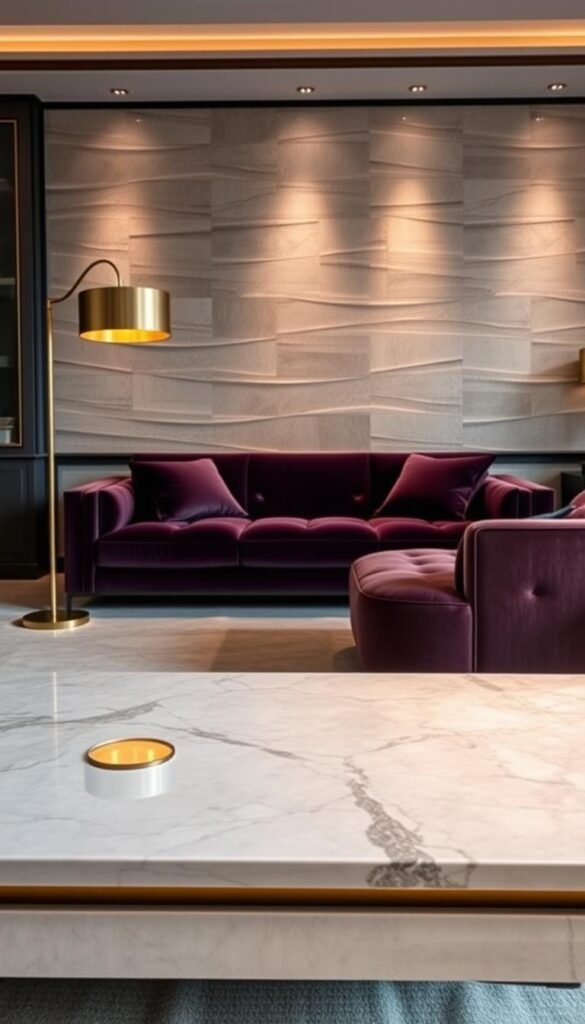
Your choice of materials transforms ordinary spaces into extraordinary environments. Quality surfaces and finishes create a rich sensory experience.
Thoughtful material selection brings depth and character to your home. It’s about creating harmony between visual appeal and tactile comfort.
Luxurious Upholstery Fabrics: Velvet, Leather, and Silk
Velvet brings opulent softness to seating areas. Its plush texture invites comfort while adding visual richness.
Choose this fabric for accent chairs or statement sofas. It creates immediate focal points in your arrangement.
Leather offers timeless durability and sophistication. It develops beautiful patina over time, telling your home’s story.
Silk accents introduce delicate shimmer through pillows or drapery. This natural fiber catches light beautifully throughout the day.
Consider these upholstery options for different needs:
| Material | Best For | Maintenance Level |
|---|---|---|
| Velvet | Accent seating, formal areas | Medium – requires regular brushing |
| Leather | Primary seating, high-use areas | Low – easy cleaning |
| Silk | Decorative elements, low-traffic zones | High – professional cleaning recommended |
Natural Elements: Marble, Wood, and Stone Accents
Marble surfaces bring elegant permanence to your design. Each piece features unique veining patterns.
Use marble for coffee tables or console surfaces. It pairs beautifully with both modern and traditional styles.
Wood elements add warmth and organic texture. Different grains and finishes create varied aesthetic effects.
Stone features like slate or granite offer rugged beauty. They work well in fireplace surrounds or accent tables.
“Natural materials bring authenticity and texture to interiors, creating spaces that feel both refined and connected to the earth.”
Metallic Finishes for Added Glamour
Metallic details catch and reflect light throughout your space. They add sparkle without overwhelming the design.
Brass and gold finishes create warm, inviting accents. Use them on lighting fixtures or hardware details.
Chrome and nickel provide cooler, contemporary touches. They work well in modern minimalist environments.
Mix metal finishes for layered sophistication. Just maintain a dominant metal for cohesive results.
Your material choices should reflect both beauty and practicality. Select surfaces that suit your lifestyle while elevating your overall aesthetic.
5. Create a Focal Point That Anchors Your Living Room
Every great interior design starts with a strong center of attention. Your focal point becomes the visual heart of your space.
This element guides all other decisions in your room. It creates harmony and purpose in your overall design.
Choose something that truly speaks to your personality. Your focal point should make you smile every time you enter the room.
Statement Furniture Pieces as Centerpieces
Select one extraordinary furniture item to build around. This could be a bold sofa with unique upholstery.
An ornate coffee table with interesting details works beautifully. These pieces naturally draw the eye and start conversations.
Consider these popular statement furniture options:
| Furniture Type | Impact Level | Best Placement |
|---|---|---|
| Velvet Sectional | High visual impact | Center of seating area |
| Artisan Coffee Table | Medium impact | Between seating pieces |
| Unique Accent Chair | Focal accent | Corner or reading nook |
| Console Table | Background statement | Behind sofa or entryway |
Ensure your chosen piece fits the scale of your room. You want balance rather than overwhelming the space.
Architectural Features to Highlight
Many homes have built-in features that deserve attention. A fireplace naturally becomes a wonderful focal point.
Large windows with beautiful views create instant drama. Frame them with simple treatments to keep the focus.
Exposed beams or architectural details add character. These elements give your space unique personality.
Arrange your furniture to face these special features. This creates natural flow and emphasizes their importance.
Artwork as a Visual Anchor
A large painting or sculpture makes a powerful statement. Artwork expresses your personal taste and style.
Choose pieces that complement your color scheme. They should enhance rather than clash with your decor.
Proper lighting makes artwork shine. Use spotlights or picture lights to highlight your favorite pieces.
“Art has the power to transform a space, creating an emotional connection and serving as the soul of the room.”
Consider these artwork placement tips:
- Hang pieces at eye level for best viewing
- Leave adequate space around the artwork
- Mix sizes for visual interest
- Choose frames that complement your style
Your focal point makes your home feel intentional and polished. It’s the element that ties everything together beautifully.
6. Master the Art of Layered Lighting Design
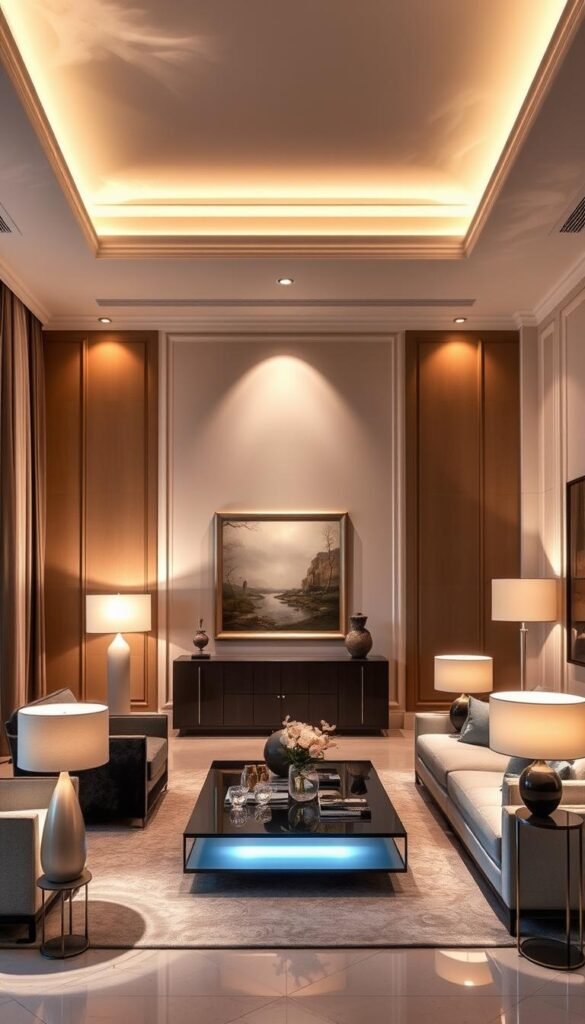
Light transforms your environment more than any other element. A thoughtful lighting plan creates both beauty and function in your home.
Proper illumination makes your area appear larger and more inviting. It highlights your best features while creating comfortable atmospheres.
Ambient Lighting for Overall Illumination
Start with general illumination that fills your entire space. Ceiling fixtures or recessed lights provide this foundational layer.
This base lighting sets the overall mood and tone. It ensures you can move safely and see clearly throughout the area.
Choose fixtures that complement your design aesthetic. Their style should enhance rather than distract from your decor.
Task Lighting for Functional Areas
Add focused illumination where you need it most. Reading nooks and workspaces benefit from directed light sources.
Floor lamps and desk lamps offer perfect task lighting. They provide bright, concentrated light without glare.
Position these lights to avoid shadows on your work surfaces. Proper placement prevents eye strain during activities.
Accent Lighting to Highlight Features
Use directional lights to showcase special elements. Artwork, architectural details, and decor pieces deserve spotlight attention.
Wall sconces and track lighting work beautifully for accents. They create visual interest and draw the eye to favorite features.
This layer adds depth and dimension to your design. It makes your space feel curated and intentionally designed.
“Lighting plays a crucial role in enhancing both functionality and aesthetics. A carefully designed lighting plan can transform the space, making it feel brighter and more spacious.”
Combine all three lighting types for maximum impact. Layering creates versatility for different occasions and moods.
Dimmable options let you control brightness levels. You can shift from energetic brightness to soft coziness instantly.
Smart systems add modern convenience to your lighting design. Voice control or mobile apps offer effortless adjustment.
Choose fixtures that serve as decorative elements themselves. Chandeliers and sculptural lamps become beautiful focal points.
Strategic placement ensures even light distribution throughout your room. This eliminates dark corners and creates balanced illumination.
Quality lighting makes your entire design look more polished. It emphasizes textures, colors, and your personal style perfectly.
7. Incorporate Strategic Mirror Placement
Strategic mirror placement creates instant visual expansion and brightness. These reflective surfaces work magic in your home environment.
They amplify both natural and artificial illumination beautifully. This approach makes your area feel more open and inviting.
Positioning Mirrors to Maximize Natural Light
Place large mirrors directly opposite your windows. This placement captures and reflects sunlight throughout your space.
You’ll notice an immediate brightness boost in your environment. The reflected light makes everything feel more airy and spacious.
Consider the sun’s path when choosing positions. Morning light differs from afternoon illumination in quality and intensity.
“Mirrors are one of the most effective design tools for visually expanding a small space. Placing a large mirror opposite a window amplifies natural light and makes the room feel more open.”
Using Mirrored Furniture for Depth and Reflection
Mirrored consoles and cabinets add functional glamour. They serve practical purposes while creating visual interest.
These pieces reflect light from multiple angles. The effect adds dimension and depth to your arrangement.
Choose furniture with quality mirror surfaces. They should complement your overall aesthetic seamlessly.
Decorative Mirror Arrangements as Art
Group smaller mirrors in artistic patterns on your walls. This creates stunning visual elements that serve dual purposes.
They function as both practical mirrors and decorative art. This approach adds personality without consuming much space.
Select frames that enhance your decor style. Ornate frames suit traditional settings while sleek options work for modern environments.
Always position mirrors to reflect attractive views or features. Avoid areas that might show clutter or less appealing spots.
Combine mirrors with your lighting plan for maximum impact. They’ll bounce artificial light around your space beautifully.
These strategic choices elevate your entire design scheme. They create sophistication while solving practical challenges.
8. Curate a Cohesive Texture Story Throughout Your Space
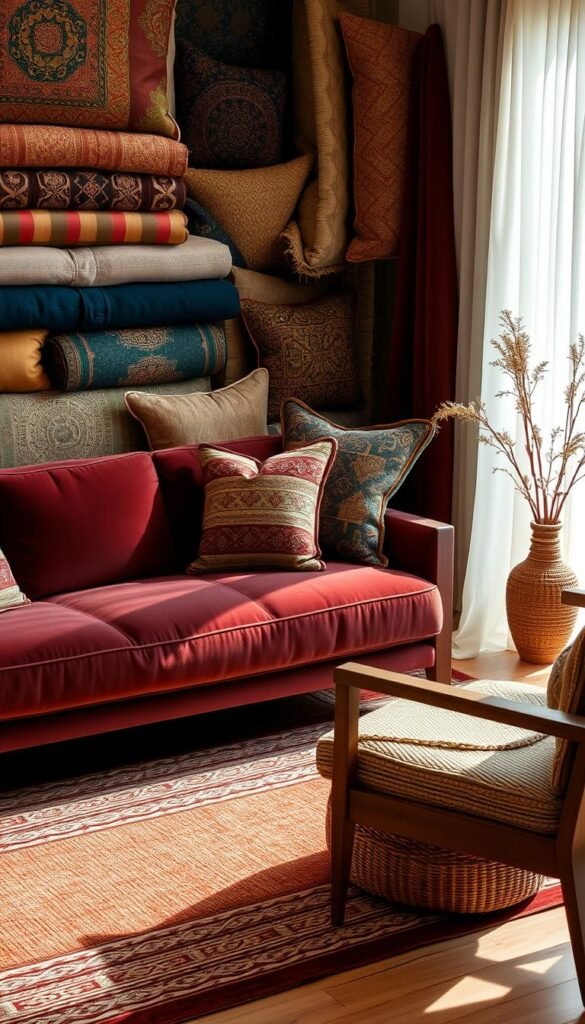
Texture creates depth and personality in your environment. It’s the secret ingredient that makes your design feel complete and inviting.
Thoughtful texture combinations add richness without overwhelming your space. They create visual interest while maintaining harmony.
Mixing Complementary Textures for Depth
Combine different surface qualities for a layered effect. Smooth velvet against rough wood creates beautiful contrast.
Soft silk paired with hard metal adds sophistication. These combinations engage both your eyes and fingertips.
Consider these popular texture pairings:
- Plush upholstery with sleek metallic accents
- Natural wood grains with smooth stone surfaces
- Woven textiles with glossy finishes
Balancing Smooth and Textured Surfaces
Create equilibrium between different surface types. Glossy tables balance well with nubby area rugs.
Marble floors gain warmth from knit throws. This balance prevents your space from feeling too cold or too busy.
Pay attention to how light interacts with surfaces. Matte textures absorb light while shiny ones reflect it.
Using Textiles to Add Warmth and Comfort
Textiles bring softness and coziness to your environment. Plush carpets make your floor feel welcoming underfoot.
Heavy curtains add weight and drama to windows. Cozy blankets invite relaxation on cooler evenings.
Layer different fabrics through pillows and upholstery. This builds a rich story that feels intentionally designed.
“Textures and materials can transform the space, making it feel more expansive and sophisticated.”
Adjust your texture choices with the seasons. Light linen works beautifully in summer while wool feels perfect for winter.
Use texture to define different areas in open layouts. A shag rug marks the seating zone distinctly.
Choose high-quality materials that feel as good as they look. Your tactile experience matters as much as visual appeal.
Experiment with combinations that reflect your personal style. The right texture story makes your home feel uniquely yours.
9. Implement Hidden Storage Solutions
Smart storage keeps your home organized and beautiful. Clever solutions maintain your design while hiding everyday items.
You can enjoy a tidy environment without sacrificing style. Hidden compartments and dual-purpose pieces work magic.
Built-In Storage That Blends Seamlessly
Custom shelving units built into walls create seamless storage. They maintain clean lines while offering practical function.
These solutions use your available space efficiently. You gain organization without visual clutter.
Consider recessed cabinets or floating shelves. They provide storage while enhancing your overall look.
Dual-Purpose Furniture with Concealed Storage
Ottomans with hidden compartments offer extra seating and storage. They keep blankets or magazines neatly tucked away.
Beds with built-in drawers maximize underutilized space. These pieces serve multiple roles in your home.
Choose furniture that matches your interior style. The storage function should feel like a pleasant surprise.
“Built-in storage solutions, hidden compartments, and dual-purpose furniture pieces ensure that the apartment remains clutter-free and luxurious.”
Creative Storage for Small Items and Accessories
Decorative boxes and trays keep small essentials organized. They add style while concealing everyday items.
Wall-mounted units utilize vertical space effectively. They store items without consuming floor area.
Consider these smart storage options:
- Stylish trunks that double as coffee tables
- Bookcases with concealed compartments
- Console tables with hidden drawers
Organize based on how often you use items. Keep daily necessities accessible while storing seasonal pieces.
Custom solutions can be tailored to your specific needs. This ensures every inch works perfectly for you.
Good storage creates a calm and orderly environment. It enhances your space’s luxurious atmosphere beautifully.
10. Design with Luxury Apartment Living Room Decor Ideas in Mind
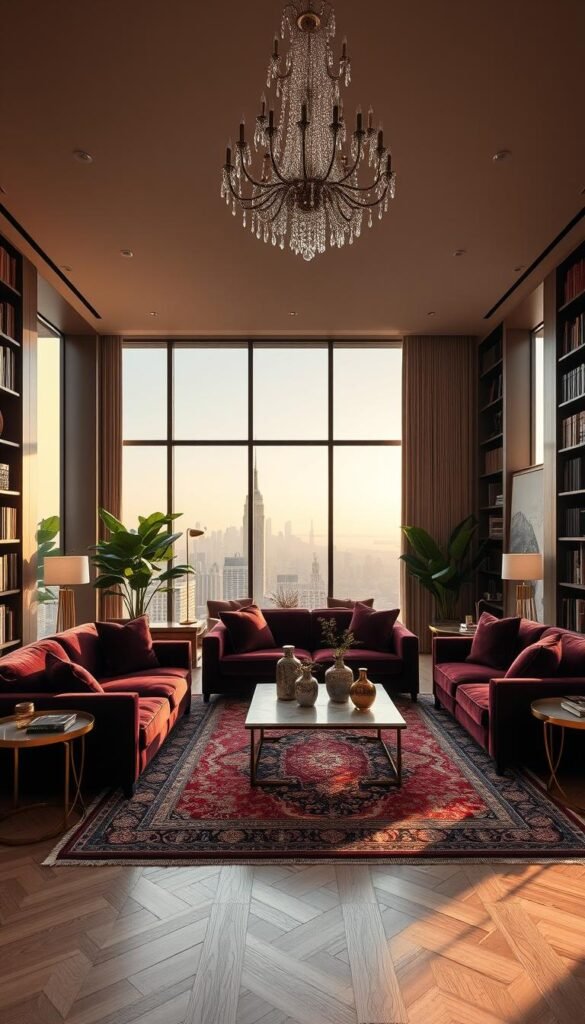
Your journey to a beautiful home environment reaches its peak when you blend all elements thoughtfully. The final touches make your space truly yours.
Great design balances visual appeal with everyday function. It creates an environment that works for your lifestyle while expressing your personality.
Remember that elegance comes from intention, not just expense. Your choices should reflect what makes you feel most comfortable and inspired.
Balancing Aesthetics with Functionality
Choose pieces that serve dual purposes in your environment. A beautiful ottoman can offer both seating and hidden storage.
Every decorative element should contribute to your daily comfort. Your arrangement must support how you actually use the space.
Consider these practical yet stylish approaches:
- Select furniture with clean lines and durable materials
- Incorporate lighting that sets mood while providing illumination
- Use textiles that feel luxurious yet are easy to maintain
Your home should be as practical as it is beautiful. This balance creates lasting satisfaction with your design choices.
Creating a Personalized Luxury Experience
Incorporate elements that tell your unique story. Display artwork or objects that hold special meaning for you.
Your color preferences and texture choices reflect your personality. Don’t be afraid to mix styles that feel authentic to you.
Personal touches transform a beautiful space into your sanctuary. They create emotional connections that make your home truly special.
“Luxury apartments are perfect places to showcase trendy interior design and your personality.”
Consider these personalization strategies:
- Family photos in elegant frames
- Travel souvenirs integrated into your decor
- Custom pieces that reflect your hobbies or interests
Your environment should feel like an extension of yourself. This personal connection enhances your daily experience.
Adapting High-End Design to Your Space
Modify design principles to fit your specific layout. Consider your room’s dimensions and natural light patterns.
Quality always triumphs over quantity in elegant spaces. Select fewer statement pieces rather than crowding your area.
Attention to detail separates good design from great design. Finishes, textures, and arrangements should feel intentional.
Adapt inspiration to suit your actual living needs. Your home should function beautifully for your unique lifestyle.
By keeping these concepts in mind, you create a space that feels both refined and authentically yours. The result is a home that truly reflects your vision.
11. Select Statement Artwork That Reflects Your Personality
Art transforms your space into a personal sanctuary. The right pieces express who you are while enhancing your overall design.
Your choices should feel authentic and meaningful. They create emotional connections that make your environment truly yours.
Choosing Pieces That Complement Your Color Scheme
Select artwork that harmonizes with your existing palette. Look for pieces that incorporate or accent your room‘s dominant color tones.
This creates visual cohesion throughout your space. The art feels integrated rather than separate from your design.
Consider these approaches:
- Choose artwork with subtle hints of your accent colors
- Select pieces that introduce complementary new tones
- Use monochromatic art for sophisticated simplicity
Your selections should enhance without overwhelming. They become part of your overall aesthetic story.
Proper Sizing and Placement Techniques
Scale your artwork to fit your wall proportions. Large walls need substantial pieces or grouped arrangements.
Smaller areas benefit from more intimate artwork. Always consider the surrounding furniture and architecture.
Hang pieces at average eye level for comfortable viewing. This typically means center points around 57-60 inches from the floor.
Align artwork with key furniture elements. This creates balanced relationships throughout your space.
“Artwork hangs personality. A nice piece of art hanging on your wall puts your personality in the room.”
Mixing Art Styles for Eclectic Elegance
Combine different artistic approaches for personal expression. Traditional landscapes can work beautifully with modern abstracts.
This mixed style approach creates curated sophistication. It reflects a collected rather than matched look.
Consider these combination ideas:
- Pair classical portraits with contemporary photography
- Mix textured sculptures with flat canvas works
- Combine vintage prints with digital art pieces
Frame selection unifies diverse artwork styles. Choose consistent framing materials or colors for cohesion.
Leave adequate space between pieces. This prevents visual overcrowding and maintains elegance.
Lighting enhances your artwork’s impact dramatically. Use directional lights to highlight favorite pieces.
Rotate your collection seasonally for fresh perspectives. This keeps your environment dynamic and engaging.
Your final selections should spark joy and conversation. They become the soul of your personal sanctuary.
12. Incorporate Premium Window Treatments
Window treatments serve as the elegant finishing touch that transforms your space. They blend practical function with beautiful design to complete your overall aesthetic.
These elements control light and privacy while adding texture and style. The right choices make your entire room feel more polished and intentional.
Layered Drapery for Depth and Dimension
Create visual interest with multiple curtain layers. Sheer panels under heavier drapes offer flexible light control throughout the day.
This approach adds sophistication to your walls and windows. The combination creates a rich, custom look that feels professionally designed.
Adjust layers based on your needs and preferences. You can enjoy soft filtered light or complete privacy as desired.
Selecting Fabrics That Enhance Natural Light
Choose materials that work with your lighting conditions. Light-colored or translucent fabrics allow sunshine to filter in beautifully.
These selections brighten your space while maintaining privacy. They create a soft, inviting aesthetic that makes your home feel warm and welcoming.
Consider these fabric options for different effects:
| Fabric Type | Light Control | Best For |
|---|---|---|
| Sheer Voile | Soft diffusion | Living areas, daytime privacy |
| Linen Blend | Medium filtration | Balanced light throughout day |
| Blackout | Complete darkness | Bedrooms, media spaces |
| Silk Blend | Gentle glow | Formal spaces, elegant appeal |
Your fabric choices affect both function and mood. Select materials that complement your overall interior style.
Hardware Choices That Elevate Your Windows
Don’t overlook the importance of quality hardware. Rods, finials, and brackets contribute significantly to your final look.
Elegant metals like brass or bronze add refined touches. These elements should complement your decor rather than distract from it.
“The right hardware completes the window treatment, turning functional pieces into decorative statements that enhance the room’s character.”
Consider motorized options for modern convenience. These systems offer effortless operation and a sleek feel.
Always measure carefully before installation. Proper fitting ensures your treatments hang beautifully and function perfectly.
Your window treatments should frame views rather than block them. They become part of your overall design story while serving practical needs.
13. Use Area Rugs to Define Spaces and Add Warmth
Rugs transform your floors into inviting foundations that pull your entire design together. They create visual boundaries while adding comfort underfoot.
These textile elements serve both practical and decorative purposes. They soften hard surfaces and bring cozy texture to your environment.
Choosing the Right Size and Shape for Your Room
Select a rug that fits your furniture arrangement perfectly. It should anchor your seating group without looking cramped.
Rectangular shapes work well in traditional layouts. Round rugs create softer, more organic feels in your space.
Always measure your area before making a purchase. The right proportions make your entire design feel balanced.
Layering Rugs for Textural Interest
Layer different rugs to create depth and visual intrigue. Place a smaller patterned piece over a larger neutral foundation.
This technique adds dimension to your floor design. It allows you to experiment with patterns without overwhelming your aesthetic.
Mix textures for added tactile appeal. A soft sheepskin over a flat-weave rug creates beautiful contrast.
“Treat rugs as a décor element. Layer rugs or use them to denote zones in any open-concept area.”
Material Selection for Luxury and Durability
Choose materials that balance elegance with practicality. Wool offers natural softness and lasting durability.
Silk blends add subtle sheen and luxury feel. Synthetic fibers provide excellent performance in high-traffic areas.
Consider these popular rug materials:
| Material | Best Features | Ideal Placement |
|---|---|---|
| Wool | Natural softness, durable | Living areas, bedrooms |
| Silk | Luxurious sheen, delicate | Formal spaces, low traffic |
| Polypropylene | Stain-resistant, affordable | Entryways, dining areas |
| Jute | Natural texture, eco-friendly | Casual spaces, layering base |
Your rug should complement your overall color scheme. Coordinate patterns and hues for harmonious results.
Regular maintenance keeps your investment looking beautiful. Vacuum frequently and schedule professional cleaning when needed.
A well-chosen rug ties everything together beautifully. It adds both style and comfort to your personal space.
14. Accessorize with Intention and Refinement
Thoughtful accessories complete your space with personality and polish. They add the final layer that makes your environment feel curated and complete.
Each piece should serve a purpose or tell your unique story. This approach creates depth without overwhelming your beautiful design.
Curating Decorative Objects That Tell a Story
Choose items that reflect your personal journey and interests. Travel souvenirs or family heirlooms add meaningful character to your space.
These special pieces create emotional connections in your home. They transform your room from beautiful to personally significant.
Display collections in intentional groupings. Odd numbers often create the most visually pleasing arrangements.
Using Throw Pillows for Color and Texture Pops
Throw pillows bring comfort and personality to seating areas. They introduce vibrant color and interesting textures throughout your space.
Vary sizes and shapes for dynamic visual interest. Mix patterns carefully to maintain a cohesive look.
Seasonal pillow changes keep your environment feeling fresh. This simple update requires minimal effort for maximum impact.
“Throw pillows are versatile and comfortable. They add colour and personality.”
Selecting Books and Objects That Enhance Your Style
Choose books that reflect your interests and complement your aesthetic. Beautiful covers add to your overall design while sharing your passions.
Decorative objects should enhance rather than compete with larger elements. Select items that contribute to your desired feel without creating clutter.
Consider these arrangement principles:
- Group items by color or material for cohesion
- Vary heights for visual dynamism
- Leave breathing space between objects
- Edit regularly to maintain refinement
Quality always triumphs over quantity. A few well-chosen accessories make stronger statements than many random items.
Your final selections should feel both intentional and authentic. They complete your space with personal charm and sophistication.
15. Incorporate Plants and Natural Elements
Bringing nature indoors transforms your environment with life and energy. Greenery adds vibrant freshness while connecting your space to the natural world.
Plants introduce organic beauty that complements any design style. They create a calming atmosphere that feels both refined and welcoming.
Choosing Low-Maintenance Luxury Plants
Select varieties that thrive indoors with minimal attention. Snake plants and peace lilies offer elegant greenery without demanding care.
These resilient species adapt well to indoor conditions. They maintain their beauty while purifying your air quality.
Consider these popular low-maintenance options:
- ZZ plants with glossy leaves that tolerate low light
- Pothos vines that trail beautifully from shelves
- Succulents that add sculptural interest with little water
Your selections should suit your lifestyle and lighting conditions. This ensures they remain healthy and attractive.
Using Greenery to Soften Architectural Lines
Place plants near corners or sharp edges to create organic flow. Their soft forms balance structured elements throughout your space.
Trailing varieties work beautifully on shelves or mantels. They introduce movement that feels both intentional and natural.
Larger specimens like fiddle leaf figs make stunning focal points. Their substantial presence commands attention while softening hard lines.
“Add plants and greenery. Plants add life and vibrancy to a room at an affordable price.”
Selecting Planters That Complement Your Decor
Choose containers that enhance your overall aesthetic. Ceramic, metal, or woven styles should match your existing elements.
Natural materials like stone or wood reinforce the connection to nature. They create harmony between your plants and decor.
Consider these planter options for different styles:
| Material | Best For | Style Match |
|---|---|---|
| Glazed Ceramic | Modern spaces | Clean, colorful aesthetics |
| Natural Terracotta | Rustic settings | Warm, earthy environments |
| Metallic Finishes | Glamorous interiors | Sophisticated, reflective surfaces |
| Woven Baskets | Bohemian styles | Textural, casual spaces |
Group plants in varying heights for visual interest. This layered approach creates a lush, intentional appearance.
Always consider light requirements when positioning your greenery. Proper placement ensures healthy growth and lasting beauty.
Regular maintenance keeps your plants looking their best. Simple care contributes to your space’s refined atmosphere.
Natural elements make your home feel alive and inviting. They add texture and color while promoting calm sophistication.
16. Bringing Your Luxury Living Room Vision to Life
Transforming your living area into a personalized sanctuary is an exciting journey of creative expression. You’ve explored everything from smart space planning to intentional accessorizing.
Remember to start with one element that inspires you most. Maybe it’s your color scheme or furniture selection. Build gradually from there.
True elegance comes from thoughtful choices, not just expensive items. Your space should reflect your unique personality and comfort needs.
Small changes create significant impact. Don’t feel overwhelmed – even one new accessory can refresh your entire environment.
Revisit these concepts as your tastes evolve. Your home should grow with you, always providing that sanctuary of style you deserve.
Share your results and continue exploring new inspiration. Your dream space awaits – embrace the creative process with confidence!