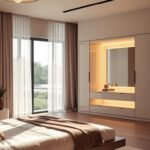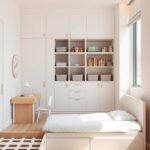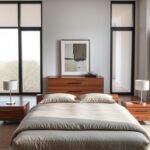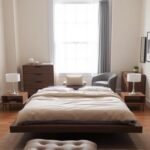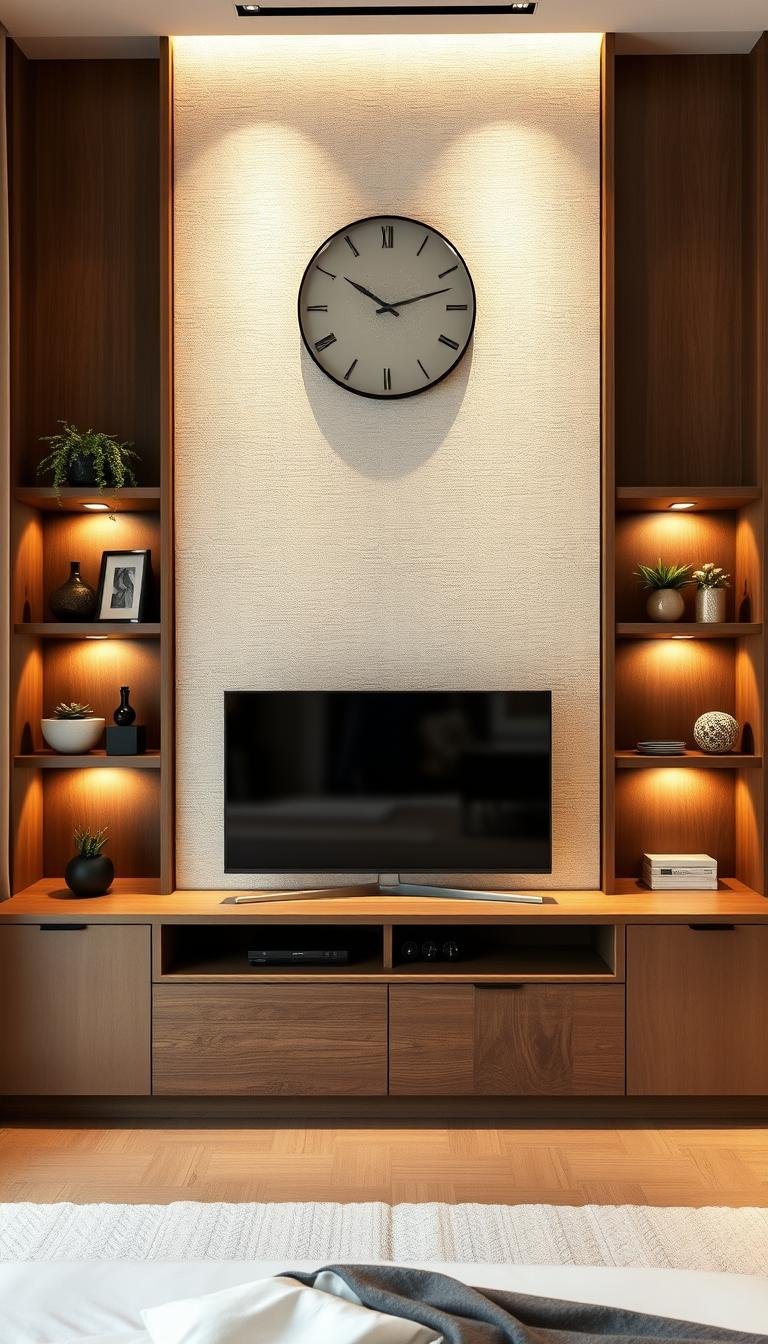
Welcome to your ultimate guide for transforming your personal space with a television feature that enhances both style and function. The way we incorporate screens into our homes has evolved dramatically in recent years.
Modern design shifts focus from simply placing a screen to integrating it thoughtfully into your room. Today’s approach creates a cohesive experience where technology blends seamlessly with your interior decor.
We’ll explore standout concepts from top designers across the country. These include warm woods, layered lighting, and creative finishes that make your space look good.
Whether you prefer technology hidden, highlighted, or blended into artwork, this article offers smart options. Get ready to discover how your television can become an elegant feature rather than just an electronic presence.
1. Embrace Multi-Sensory Textures and Finish Variations
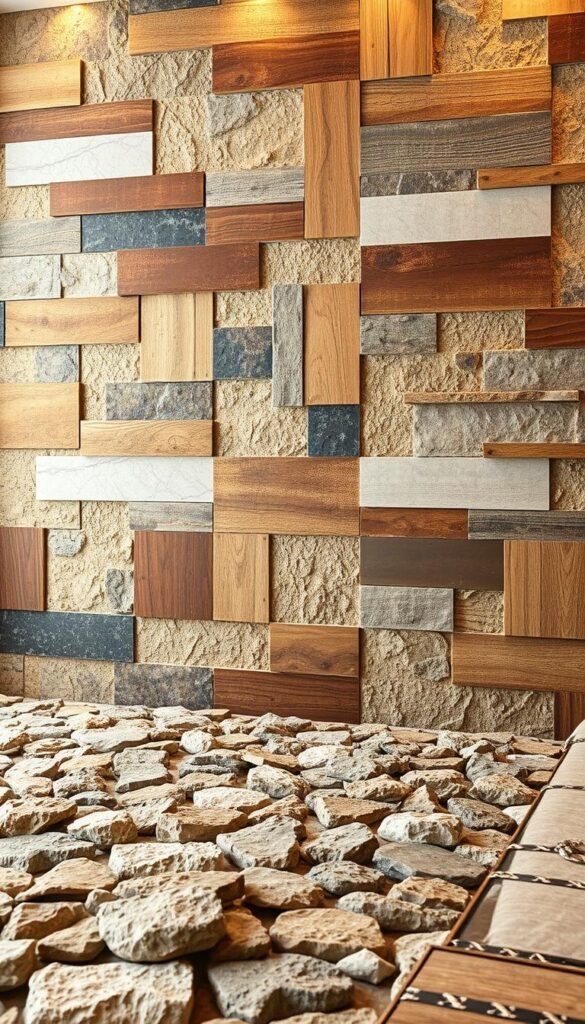
Texture plays a starring role in creating a high-end backdrop for your screen. It adds depth and character without loud colors or busy patterns. This approach makes your technology feel like a natural part of your decor.
Focus on materials that change with light and time. They keep your space feeling fresh and dynamic. These finishes work with your screen, not against it.
Why Plaster and Grasscloth Work So Well
Plaster finishes bring a soft, dry look to your room. Hand-applied trowel marks catch light beautifully. This creates movement and interest throughout the day.
Grasscloth wallpaper offers natural texture through its woven surface. It breaks up large areas with subtle shadow play. Even neutral color schemes gain dimension and warmth.
Mixing Matte and Glossy for Dynamic Contrast
Combine matte and glossy surfaces for visual balance. Place your screen on matte areas to keep it grounded. This prevents a flashy or overwhelming appearance.
Glossy elements like back-painted glass add reflective quality. They bounce light around darker spaces gently. The mix creates calm contrast that feels both modern and cozy.
| Material Type | Best For | Lighting Effect |
|---|---|---|
| Plaster Finish | Adding organic texture | Soft shadows, matte appearance |
| Grasscloth Wallpaper | Natural dimension | Catches light in woven pattern |
| Antique Mirror | Soft reflections | Warm, diffused light bounce |
| Back-Painted Glass | Sleek modern look | Crisp reflections, glossy finish |
Consider tactile surfaces like etched glass or bronzed mirror panels. They soften reflections and change the room’s mood gradually. Your space gains elegance without sacrificing comfort.
These multi-sensory materials transform how your room feels and functions. They provide a sophisticated setting that integrates technology seamlessly. Your screen becomes part of a cohesive, beautiful design.
2. Focus on Architectural Integration, Not Just Decoration
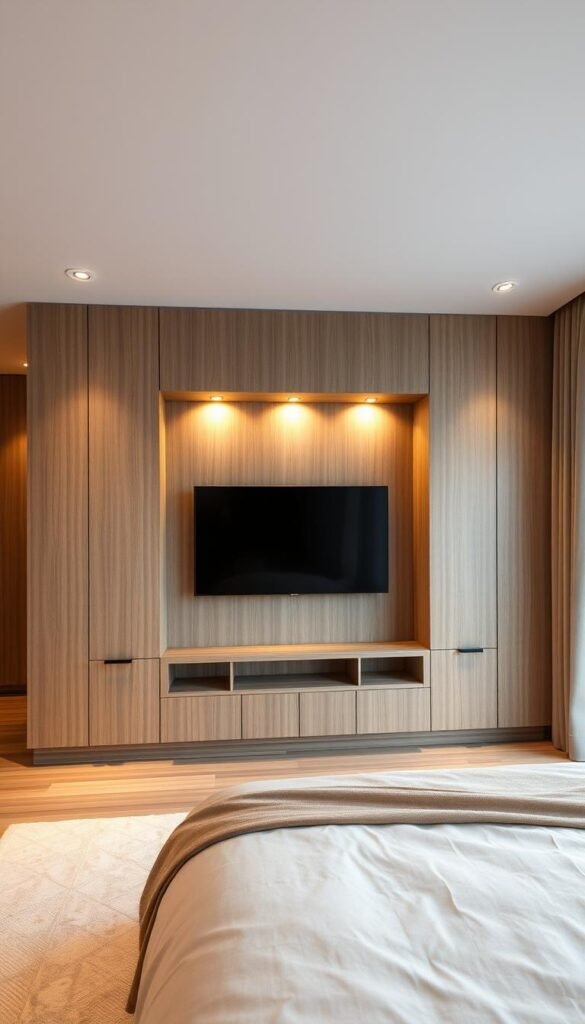
Great design makes your television feel like part of the room’s bones, not just an added piece. This approach blends technology with structure for a seamless, built-in appearance.
You create harmony between function and form. The result feels intentional and polished, not temporary or cluttered.
Full-height treatments work wonders in achieving this built-in look. They extend from floor to ceiling, making the entire surface feel connected.
Full-Height Treatments for a Cohesive Look
Vertical slats or continuous paneling draw your eye upward. This technique enhances the sense of height in your space.
It creates a unified backdrop that frames your screen beautifully. The design becomes part of the architecture itself.
Materials like wood or mirrored panels add depth. They make the area feel expansive and thoughtfully planned.
Hidden Hardware and Flush Mounting for a Clean Finish
Concealed hinges and push-to-open mechanisms keep surfaces smooth. You won’t see handles or brackets disrupting the flow.
This clean approach makes your technology appear to float. It integrates so well that it almost disappears when not in use.
Proper cable management is key here. All wires stay out of sight for a truly polished finish.
“Integration means your television belongs to the room, not just sits in it.”
Grid layouts and millwork niches offer both style and function. They provide spots for lighting, decor, or useful storage.
This method works in rooms of any size. It brings order and sophistication to your personal area.
For more inspiration on blending screens into your space, explore these television integration techniques.
Built-in elements transform your viewing experience into something elegant. They ensure your room remains a calm, cohesive retreat.
3. Incorporate Soft Illumination and Indirect Lighting
Lighting plays a crucial role in shaping the mood and depth of your personal area. The right glow transforms your viewing experience into something truly special.
It creates a calming atmosphere that reduces visual strain. Your technology blends beautifully into the surroundings.
Indirect lighting offers a gentle approach. It highlights textures without overwhelming your space.
This method changes how surfaces appear throughout the day. Even neutral colors gain depth and interest.
Backlit Panels and LED Strips for a Calming Glow
Frosted glass panels provide a soft perimeter around your screen. They act like a quiet halo that softens sharp edges.
This gentle radiance makes evening viewing more comfortable. It creates an immersive experience without harsh contrast.
LED strips hidden along edges produce a floating effect. They separate surfaces with warm brightness.
This technique adds dimension to your design. It makes your feature appear to hover gracefully.
Using Sconces to Highlight Texture, Not Overpower the Space
Vertical sconces draw attention to beautiful materials. They emphasize wood slats or fabric panels subtly.
Built-in shelf lighting showcases objects without washing out the area. It maintains a restful environment perfect for relaxation.
These fixtures ensure no harsh spots or glare disrupt your peace. They help you wind down comfortably each evening.
| Lighting Type | Primary Benefit | Ideal Placement |
|---|---|---|
| Frosted Backlit Panels | Creates soft perimeter glow | Behind or around screen |
| Concealed LED Strips | Produces floating effect | Along edges or behind units |
| Vertical Sconces | Highlights texture gently | Beside or above display |
| Shelf Lighting | Adds depth to displays | Within millwork or niches |
Embrace illumination as a design tool. It integrates your screen seamlessly while enhancing cozy ambiance.
Your space gains a layered, tailored appearance. Both function and beauty come together harmoniously.
4. Mix Warm Woods with Sophisticated Monochromes
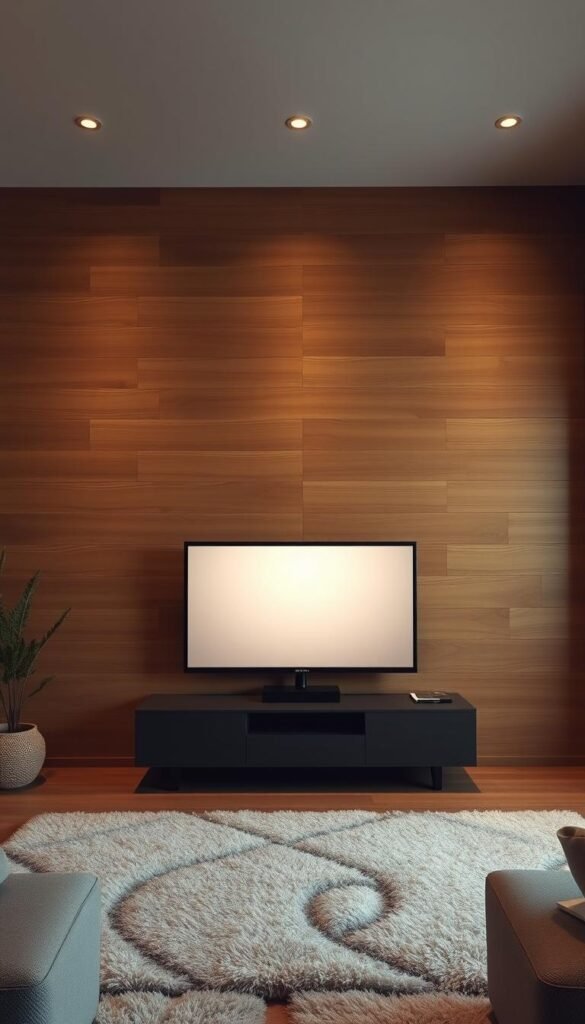
Natural materials and neutral colors come together to create a space that feels both cozy and polished. This combination brings warmth and structure to your area, making it inviting yet refined.
Wood grains add organic texture while monochromatic tones provide calm contrast. The result is a balanced look that never feels too busy or too stark.
Vertical Slats for Height and Acoustics
Vertical wood slats draw your eye upward, making ceilings appear taller. They create a sense of height and openness in your personal area.
These slats also help control sound within your space. They reduce echo and make audio from your screen clearer and more immersive.
Choose woods like oak or walnut for their rich grain patterns. They add depth without overwhelming your design.
Creating Balance Between Warmth and Cool Contrast
Pair warm wood tones with cool grays or charcoal for visual harmony. The dark tones help your black screen blend seamlessly into the background.
This contrast prevents your space from feeling too minimal or too cluttered. It creates a fresh, intentional look that welcomes relaxation.
Add soft lighting or textured accessories to highlight the wood’s natural beauty. These details make the design feel complete and personal.
| Wood Type | Best Paired With | Visual Effect |
|---|---|---|
| Light Oak | Soft gray tones | Bright, airy feel |
| Walnut | Charcoal or black | Rich, deep contrast |
| Reclaimed Wood | Mushroom gray | Rustic, cozy ambiance |
| Ash | Warm white | Clean, natural look |
Horizontal wood planks work well in rustic or mountain-inspired spaces. They create a broader, cohesive feel across your surface.
This approach grounds your technology while adding comfort. Your screen becomes part of a harmonious, natural design.
For more inspiration on blending materials, explore these simple design techniques.
Thoughtful material mixing transforms how your space functions and feels. It creates an elegant backdrop that integrates technology beautifully.
5. Use Reflection and Illusion with Softened Mirrors
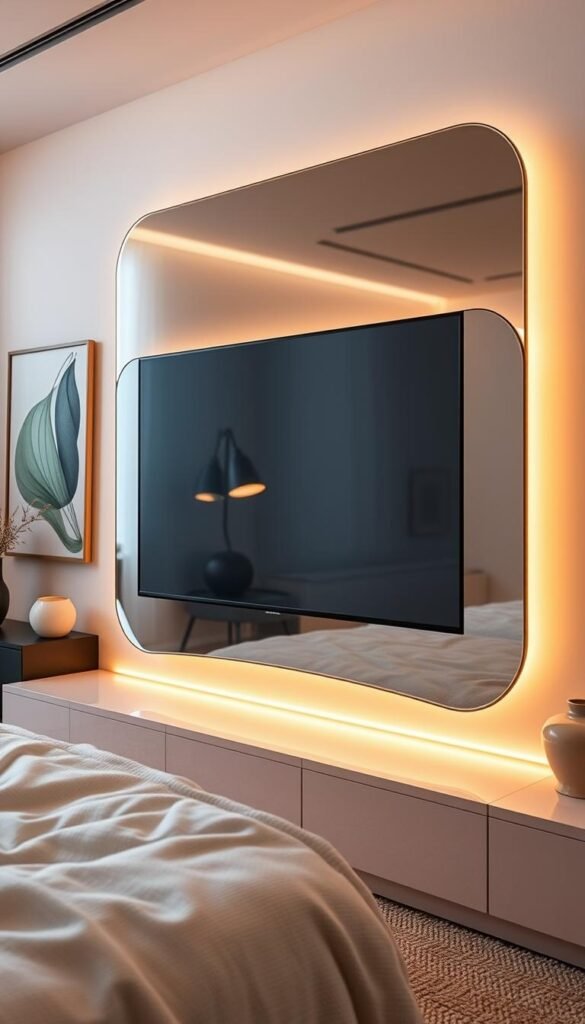
Reflective surfaces offer a clever way to add dimension and intrigue to your personal area. They create visual interest while helping your technology blend gracefully into the surroundings.
These materials work by softening edges and adding depth. They transform a flat surface into something dynamic and engaging.
Choosing the right reflective finish makes all the difference. You want warmth and subtlety rather than harsh, clear reflections.
Antiqued and Smoked Glass to Add Depth
Antiqued mirror panels provide a gentle, foggy reflection. They catch light softly without creating sharp, distracting images.
This approach adds richness to your decor. It makes the area feel more expansive and thoughtfully designed.
Smoked glass offers a similar effect with a modern twist. Its tinted surface helps your screen disappear when not in use.
Both options work beautifully in low-light conditions. They maintain a restful atmosphere perfect for relaxation.
Blending the Screen into its Surroundings
Place your television on a tinted mirrored surface for seamless integration. When turned off, it becomes part of the background rather than a black rectangle.
This technique creates a continuous, intentional look. Your technology feels like a natural element of the design.
Frosted glass panels lit from behind add a soft glow. They turn your surface into a layered, artistic feature.
These solutions ensure your equipment doesn’t stand out awkwardly. Instead, it enhances both style and function harmoniously.
| Material Type | Primary Effect | Best Lighting Conditions |
|---|---|---|
| Antiqued Mirror | Warm, softened reflections | Low to medium light |
| Smoked Glass | Modern, subtle integration | Soft, ambient lighting |
| Frosted Backlit Panels | Gentle perimeter glow | Evening or dim settings |
| Tinted Mirrored Surface | Seamless screen blending | All light conditions |
By avoiding high-shine mirrors, you maintain a calm environment. The space feels sophisticated yet perfectly restful.
These reflective techniques add brightness and depth without overwhelming. They make technology seamlessly disappear into beautiful design.
Your personal area gains a polished, intentional appearance. Both elegance and function come together beautifully.
6. Practice Curated Minimalism With Personalized Touches
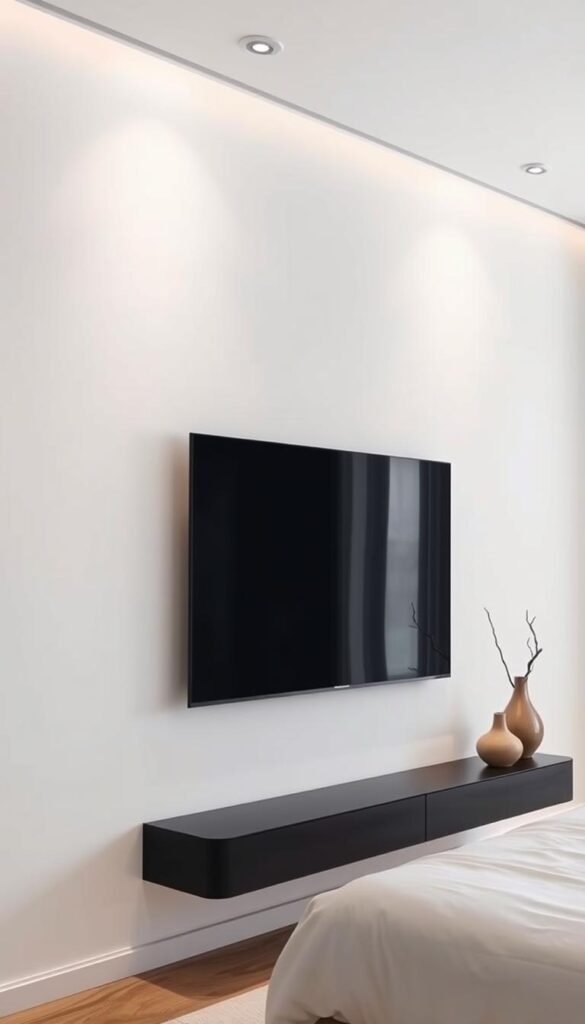
Curated minimalism brings together clean design and personal expression. This approach creates a space that feels both intentional and uniquely yours.
It focuses on meaningful items rather than empty surfaces. Your technology becomes part of a thoughtful composition.
This style keeps your area calm and breathable. Each element earns its place through beauty or function.
You create visual interest without clutter. The result feels collected rather than decorated.
Intentional Asymmetry for a Collected Feel
Balance your screen with off-center arrangements. Place a framed print on one side and a sculptural object on the other.
This creates visual weight without perfect symmetry. Your design feels organic and comfortable.
Choose items with personal meaning. A ceramic vase or natural coral adds texture without crowding.
These touches make your space feel lived-in. They add warmth to clean lines.
Integrating the Television into a Gallery Wall
Blend your screen with framed pieces for a cohesive arrangement. This softens its technological presence beautifully.
Use similar frame styles or colors to create unity. Your equipment becomes part of the artistic display.
This solution makes the black rectangle feel intentional. It transforms from tech item to design feature.
Your gallery tells a story beyond electronics. It reflects your tastes and experiences.
| Element Type | Placement Tip | Visual Effect |
|---|---|---|
| Framed Artwork | Offset from center | Creates balanced asymmetry |
| Sculptural Objects | Opposite side of screen | Adds dimensional interest |
| Personal Collections | Grouped on shelves | Brings character and warmth |
| Textural Items | Scattered throughout | Prevents flat appearance |
Focus on quality over quantity in your selections. Allow each piece room to breathe and stand out.
This method ensures your area remains restful. It avoids visual noise while maintaining personality.
Your technology integrates seamlessly into the composition. Both function and beauty work together harmoniously.
7. Explore Subtle Color Work Beyond Plain White or Gray
Color selection transforms how your screen integrates into your personal area. Moving beyond basic neutrals creates depth and character while maintaining a restful atmosphere.
Thoughtful hues reduce the visual contrast between your technology and surroundings. They help your equipment feel like a natural part of the decor rather than an added item.
Greige and Mushroom Tones for Adaptable Neutrals
Greige offers the perfect balance between gray and beige. It shifts appearance based on lighting conditions throughout the day.
This chameleon-like quality reduces the stark contrast against black screens. Your television blends more seamlessly into the background.
Mushroom tones bring earthy sophistication to your space. They add warmth without overwhelming your design scheme.
These adaptable neutrals work beautifully with natural materials like wood and stone. They create a cohesive, grounded feeling in your room.
Muted Blush and Earth Tones for Warmth
Dusty pink tones introduce subtle warmth to your area. They soften the technological presence of your screen gently.
These hues add personality without dominating the space. They create a welcoming environment that feels both modern and cozy.
Consider regional earth tones like soft clay or sage green. These colors connect your personal area to its natural surroundings.
Sandy taupes and warm grays provide excellent alternatives to basic whites. They add dimension while maintaining a calm, sophisticated atmosphere.
These subtle color choices work harmoniously with indirect lighting. They enhance textures and materials throughout your design.
Your technology becomes an integrated feature rather than a focal point. The overall experience feels intentional and polished.
Embrace color work that adds personality while maintaining restful ambiance. This approach ensures your space remains both stylish and functional.
8. Strategically Choose Between Symmetry and Off-Center Placement
Strategic placement transforms how your screen integrates with your personal environment. Your choice between balanced and asymmetrical arrangements affects both visual appeal and daily function.
This decision impacts how your technology blends with your surroundings. It determines whether your display becomes a focal point or blends seamlessly into your design.
Centered Layouts for a Structured, Calm Feel
Symmetrical arrangements create order and tranquility in your space. Centering your screen with matching elements on both sides establishes visual balance.
This approach works beautifully in traditional settings with existing architectural symmetry. Flanking sconces or shelving units create a composed, intentional appearance.
Your display becomes part of a harmonious composition rather than standing alone. The result feels polished and professionally designed.
Asymmetrical Designs for Flexibility and Function
Off-center placement offers practical solutions for unique room layouts. It accommodates architectural features like windows or doors gracefully.
This flexible approach creates a collected, personal feel in your environment. It allows you to incorporate reading nooks or display columns naturally.
Asymmetry works particularly well in compact areas where space is limited. It maintains intentional design without rigid structure.
Combine your screen with multi-functional furniture for enhanced utility. A console that doubles as seating or storage blends comfort with technology seamlessly.
Your choice between these approaches depends on your room’s existing features and your personal preferences. Both options create beautiful, functional integration when executed thoughtfully.
9. Master Hidden Technology and Seamless Cable Management
Hidden components elevate your viewing experience while maintaining aesthetic purity. This approach creates a serene environment where technology integrates seamlessly into your design.
You achieve a polished appearance that feels both modern and tranquil. Every element works together harmoniously without visual distractions.
Recessed Mounts and Floating Consoles for a Polished Look
Flush mounting creates a sleek, integrated appearance for your screen. It appears to float against the surface rather than protrude awkwardly.
This technique eliminates visible brackets and hardware. Your equipment becomes part of the architecture itself.
Floating consoles offer smart storage solutions with hidden compartments. They house soundbars and media devices discreetly.
These units keep cables completely out of sight. You maintain a clean, uncluttered environment perfect for relaxation.
Choosing Materials That Aid Acoustics
Certain surfaces do more than just look beautiful—they improve sound quality. They soften audio bounce for a more comfortable experience.
Wood slats and woven textiles absorb excess sound naturally. This creates a balanced acoustic environment in your space.
Grasscloth wallpaper offers both visual texture and sound-dampening properties. It reduces echo without specialized panels.
These materials make viewing more immersive and enjoyable. They enhance both function and design simultaneously.
“The best technology disappears into the background until you need it.”
| Concealment Method | Primary Benefit | Ideal For |
|---|---|---|
| Recessed Mount | Creates flush appearance | Minimalist designs |
| Floating Console | Hides cables and devices | Modern interiors |
| Wood Slat Wall | Improves acoustics | Enhanced audio experience |
| Textured Wallpaper | Softens sound reflection | Cozy environments |
Proper cable management completes the polished look. All wiring remains completely invisible for a finished appearance.
This attention to detail transforms your personal area. It becomes a sophisticated entertainment space that feels intentionally designed.
Embrace these techniques to create harmony between technology and decor. Your screen integrates beautifully while maintaining full functionality.
10. Bringing It All Together: Your Bedroom TV Wall Ideas
You now have a toolkit of design strategies to blend technology into your personal area beautifully. From textured finishes to smart lighting, each element helps create harmony.
Start with one change that excites you most. Maybe add soft illumination or improve cable concealment. Small steps lead to big transformations over time.
These approaches suit various styles, from sleek to cozy. Your space can feel both restful and entertaining with thoughtful choices.
Experiment freely to find what fits your lifestyle. A well-integrated screen becomes part of your decor, not a distraction.
Take action today. Turn your vision into a reality that reflects your unique taste and enhances daily comfort.