Creating a magical room for your little one is an exciting journey. This special space should balance fun with function while reflecting her unique personality.
Thoughtful design choices make a big difference. The right color palette can improve mood and sleep quality. Your child’s room becomes a canvas for imagination.
There’s no single way to create the perfect environment. This guide explores various approaches from storage solutions to decorative accents. Each suggestion helps build a safe, loved space that grows with her.
Small details add charm and make the room feel uniquely hers. From playful murals to cozy reading nooks, every element contributes to a joyful atmosphere.
Foundational Elements for a Joyful Toddler Girl’s Room
Building a wonderful space for your child starts with smart choices. The right colors and furniture set the tone for years of happy memories.
Choosing a Calming Yet Playful Color Palette
Colors shape how your little one feels in her special area. Experts suggest using the 60-30-10 rule for balance. This means 60% neutral background, 30% complementary shade, and 10% bold accent.
Soft pastels create harmony throughout the space. Think blush pink, light blue, or delicate yellow. These gentle tones promote calmness while keeping things fun.
Consider how natural light changes colors during the day. North-facing windows need warmer tones. South-facing rooms can handle cooler shades.
Create different zones using color psychology. Use calming blues near the sleep area. Add stimulating yellows or oranges in play spaces.
Timeless combinations work beautifully. Pink and brown offer both warmth and sophistication. This palette grows beautifully with your child.
| Color Type | Percentage | Example Colors | Best Use |
|---|---|---|---|
| Neutral Base | 60% | Soft white, cream | Walls, large furniture |
| Complementary | 30% | Blush, light blue | Bedding, curtains |
| Accent | 10% | Mustard yellow, coral | Decor, small accessories |
Selecting Functional and Whimsical Furniture
Choose pieces that serve multiple purposes while sparking imagination. Look for storage beds with drawers underneath. These keep the room tidy while saving space.
Consider how furniture will adapt as your child grows. Convertible cribs become toddler beds. Changing tables transform into dressers.
Add whimsical touches through unique materials. Rattan chairs bring natural texture. Acrylic bookshelves keep things light and airy.
Create dedicated areas for different activities. A small table for arts and crafts. Cozy seating for reading time.
Safety comes first with all furniture choices. Round edges prevent bumps and bruises. Secure tall pieces to the wall for stability.
Transform Your Walls with Creative and Imaginative Decor
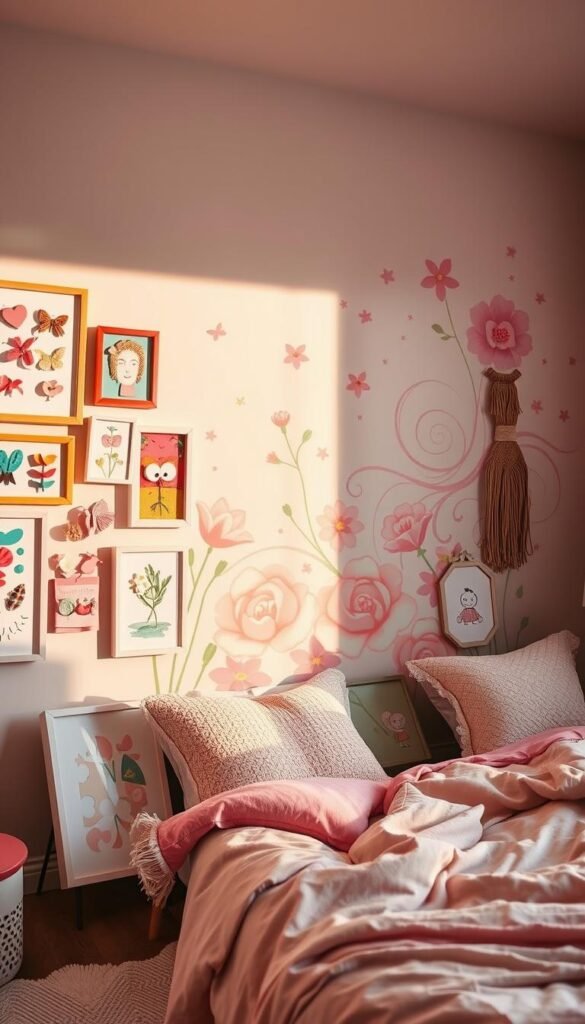
Your walls offer the perfect canvas for bringing magic into your child’s space. Thoughtful wall treatments can completely transform the room’s atmosphere while reflecting your little one’s unique personality.
Wall art serves as the room’s centerpiece. It sets the tone for the entire design scheme. Choose pieces that inspire imagination and create lasting memories.
Making a Statement with Murals and Wallpaper
Murals create instant wow moments in any space. They bring storybook charm to life through beautiful visuals. You can choose hand-painted designs or pre-made wallpaper options.
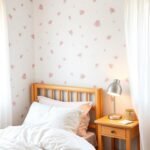
Consider oversized pastel wall dots for playful energy. Sprinkle decals add whimsical charm throughout the room. Star patterns create dreamy nighttime magic above the bed.
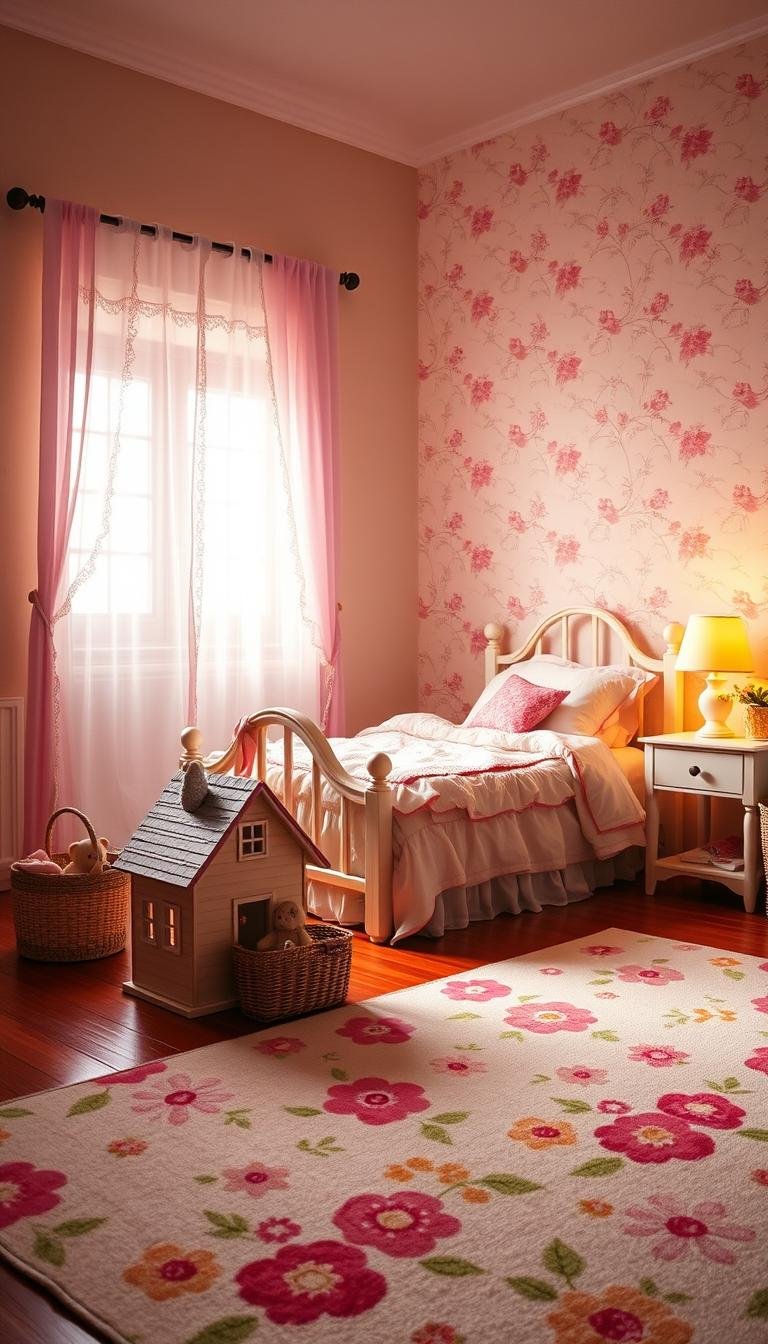
Floral wallpaper establishes a romantic, gentle tone. Geometric patterns offer modern, clean appeal. Both options work beautifully in a young girl’s room.
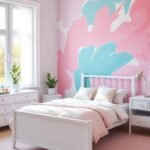
Removable wallpaper provides commitment-free transformations. Watercolor designs add soft, artistic accents. You can change the look as your child’s tastes evolve.
Wall treatments often inspire the rest of your color scheme. Use them as your starting point for bedding and accessories. This creates a cohesive, well-designed space.
Adding Personality with Decals and Easy Art Projects
Wall decals offer quick personality upgrades. They’re perfect for renters or those avoiding permanent changes. Choose designs that tell a story your child loves.
DIY projects add personal touches to the room. Pom pom wall hangings bring texture and color. Rainbow art made from pool noodles creates cheerful accents.
Educational elements make learning fun. Alphabet designs help with letter recognition. Maps encourage curiosity about the world.
Balance bold wall statements with softer elements. Pair dramatic murals with neutral furniture. Let the walls be the room’s main focal point.
Consider scale when placing wall art in children’s rooms. Large pieces work best on big, empty walls. Smaller accents perfect near windows or reading nooks.
Real design projects show how walls transform spaces. One room features a magical forest mural behind the bed. Another uses removable cloud decals for dreamy ceiling effects.
Smart Storage Solutions That Are as Cute as They Are Functional
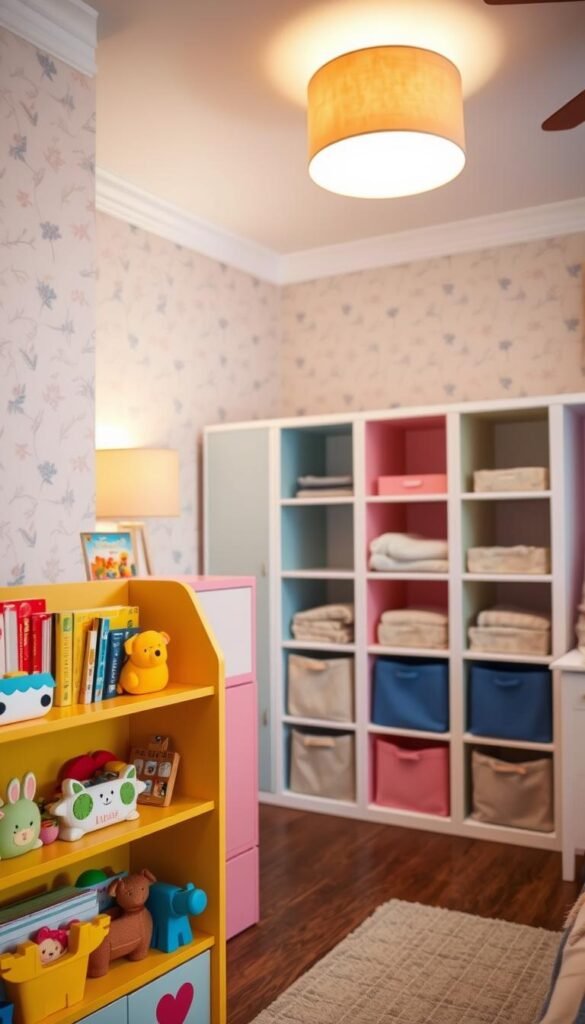
Organizing your little one’s space doesn’t mean sacrificing style. Clever storage solutions keep the room tidy while adding decorative charm. These ideas help maintain order while encouraging independence.
The right storage system makes daily routines smoother. Your child can find toys and books easily. This builds confidence and responsibility from an early age.
Utilizing Open Shelving for Books and Display
Open shelves create accessible storage for favorite items. They turn everyday objects into decorative displays. Choose materials that complement your room’s style.
Cube storage units offer versatile organization options. These pieces work beautifully in small spaces. They provide perfect spots for books and special treasures.
Consider mounting shelves at your child’s eye level. This makes everything reachable for little hands. Floating shelves save floor space while adding visual interest.
Mix practical storage with personal touches. Display beloved storybooks alongside art projects. This creates a space that truly reflects your child’s personality.
Incorporating Hidden Storage with Bins and Baskets
Bins and baskets keep clutter out of sight beautifully. They transform messy areas into organized zones. Choose materials that add texture to the room.
Rattan and wicker pieces bring natural warmth to the space. Fabric bins offer softness and come in various colors. Both options provide hidden storage for toys and supplies.
Labeling systems help your child know where things belong. Use picture labels for pre-readers. Color-coded bins make cleanup fun and easy.
Furniture with concealed compartments works wonders. Storage benches hold blankets and out-of-season clothes. Ottoman with lids provide extra seating and hidden space.
Creative DIY projects add personal style to organization. Beaded blanket holders keep throws neat and accessible. Scalloped picture ledges display art while saving wall space.
| Storage Type | Best Uses | Materials | Accessibility |
|---|---|---|---|
| Open Shelving | Books, display items | Wood, acrylic | Very accessible |
| Cube Storage | Toys, supplies | MDF, rattan | Moderately accessible |
| Bins & Baskets | Small toys, clothes | Fabric, wicker | Some adult help needed |
| Furniture Storage | Larger items, bedding | Wood, upholstery | Adult assistance required |
Adjust storage solutions as your child grows. Lower closet rods allow outfit selection independence. Accessible systems encourage self-care skills development.
The right storage creates defined areas within the room. Use different solutions for play, reading, and sleep zones. This organization makes the space feel larger and more functional.
Design a Cozy and Inviting Reading Nook
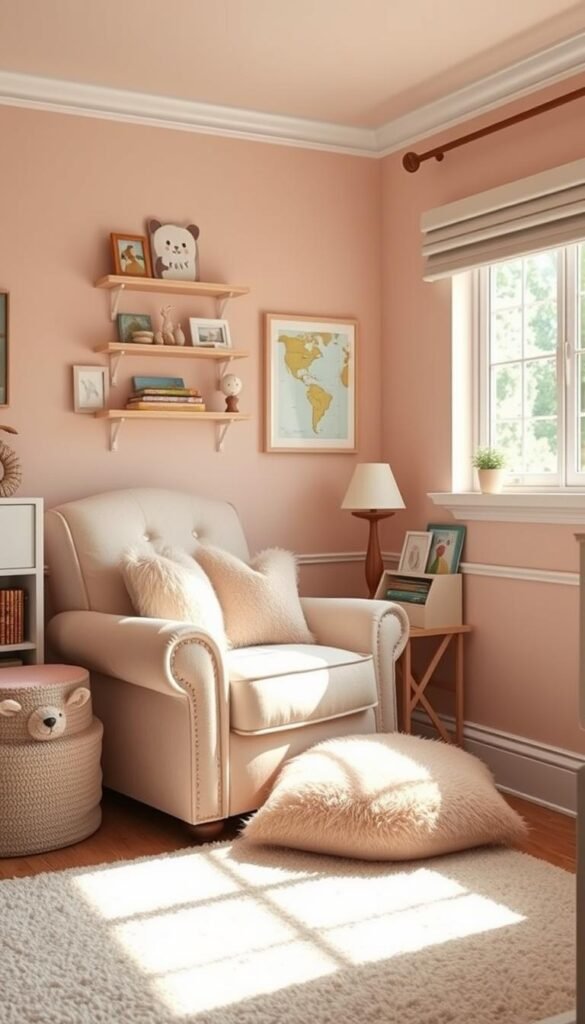
A dedicated reading corner transforms your child’s space into a literacy haven. This special zone encourages quiet time with books while adding charming decor to the room.
Your little one will love having her own retreat for story adventures. The right setup makes reading feel like a special treat rather than a chore.
Selecting the Perfect Spot and Seating
Choose a location with good natural light but away from high traffic areas. Corners near windows work beautifully for creating intimate reading zones.
North-facing windows provide soft, consistent light perfect for reading. South-facing windows might need sheer curtains to diffuse harsh sunlight.
Consider these seating options for comfort and style:
- Plush floor cushions for flexible arrangements
- Small upholstered chairs for proper support
- Window seats that maximize space and light
- Bean bags that mold to your child’s body
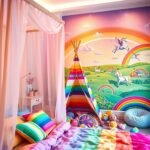
Create enclosure using simple structures. Canopies made from fabric streamers add whimsy. Teepees create magical hideaways for immersive reading sessions.
Proper lighting ensures comfortable reading after dark. Add a wall sconce or gooseneck lamp near the seating area. Fairy lights create magical ambiance while providing functional illumination.
Making Books Accessible and Enticing
Books should be visible and reachable to encourage independent reading. Low shelves at your child’s eye level make selection easy and fun.
Open bookshelves display colorful covers like decorative art. Front-facing shelves let little ones see all their options at once.
Incorporate storage that grows with your child. Adjustable shelving systems adapt as her reading collection expands. Milk crates on their sides create charming book displays.
Use color psychology to make the area inviting. Warm tones like peach and soft yellow create cheerful energy. Cool blues and greens promote calm concentration.
Add personal touches that reflect your child’s interests. Display favorite character bookends. Create themed reading corners based on beloved stories.
Rotate book selections seasonally to maintain excitement. Feature holiday stories during appropriate times. Highlight new library finds regularly.
| Element | Recommendation | Age Appropriateness | Maintenance Level |
|---|---|---|---|
| Seating | Floor cushions, small chairs | 2-5 years | Easy to clean |
| Lighting | Wall sconces, fairy lights | All ages | Low maintenance |
| Storage | Front-facing shelves, crates | 2-8 years | Easy access |
| Enclosure | Canopies, teepees | 2-6 years | Seasonal cleaning |
The best reading nooks feel both special and functional. Cozy reading spaces can be created even in smaller rooms using clever design tricks.
Your child will treasure this personal retreat for years. The reading habit you nurture today will grow alongside her.
Incorporate Playful Themes That Encourage Imagination
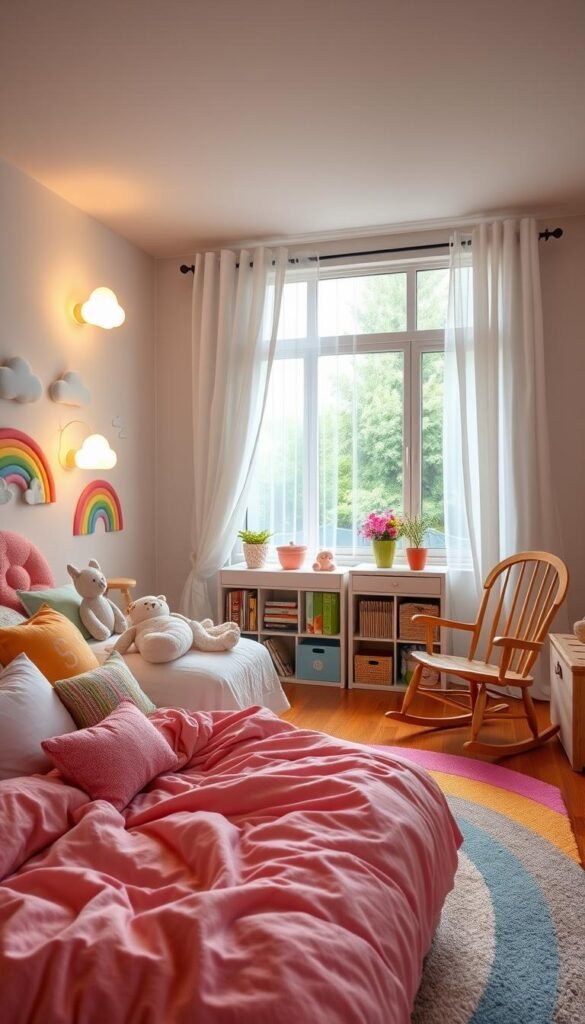
The right theme turns your child’s room into a magical world. It sparks creativity and makes everyday moments special. Choose a concept that reflects her unique personality.
Themes create cohesive design throughout the space. They tie together colors, patterns, and decorative elements. This approach makes the room feel intentional and complete.
Soft Rainbow and Pastel Wonderlands
Pastel rainbows offer a gentle take on this classic theme. Use soft peach, mint, and lavender instead of bright primaries. This creates a soothing yet playful atmosphere.
Implement the rainbow concept through subtle accents. Try an ombre effect on curtains or bedding. Gradient wall art adds color without overwhelming the space.
Consider these implementation ideas:
- Rainbow bookshelf with color-coded bins
- Cloud-shaped pillows with pastel rainbow trim
- Floating shelves arranged in arch formation
- Rainbow rug with muted, watercolor tones
Balance colorful elements with plenty of white space. This prevents visual overload while maintaining the theme. Your child will enjoy the cheerful yet calm environment.
Whimsical Storybook and Fairy Tale Motifs
Storybook themes transport children to magical worlds. They encourage literacy and imaginative play. Choose elements from beloved stories or create original fantasies.
House-frame beds create cozy sleeping nooks. They make bedtime feel like entering a special little world. Add fairy lights for extra magic after dark.
Wall treatments establish the storybook atmosphere. Try subtle forest murals with friendly animals. Castle silhouettes create royal adventure vibes.
Accessories complete the magical feeling. Plush character toys join the adventure. Themed storage bins keep things organized while maintaining the fantasy.
Mix elements from different stories for personalization. This approach grows with your child’s changing interests. You can easily update pieces as her favorites evolve.
Themes should enhance rather than dominate the space. Use them as inspiration rather than strict rules. This creates a room that feels both magical and livable.
Your child will treasure her special themed environment. It becomes the backdrop for countless imaginative adventures and sweet dreams.
Layer in Texture and Softness for a Cozy Feel
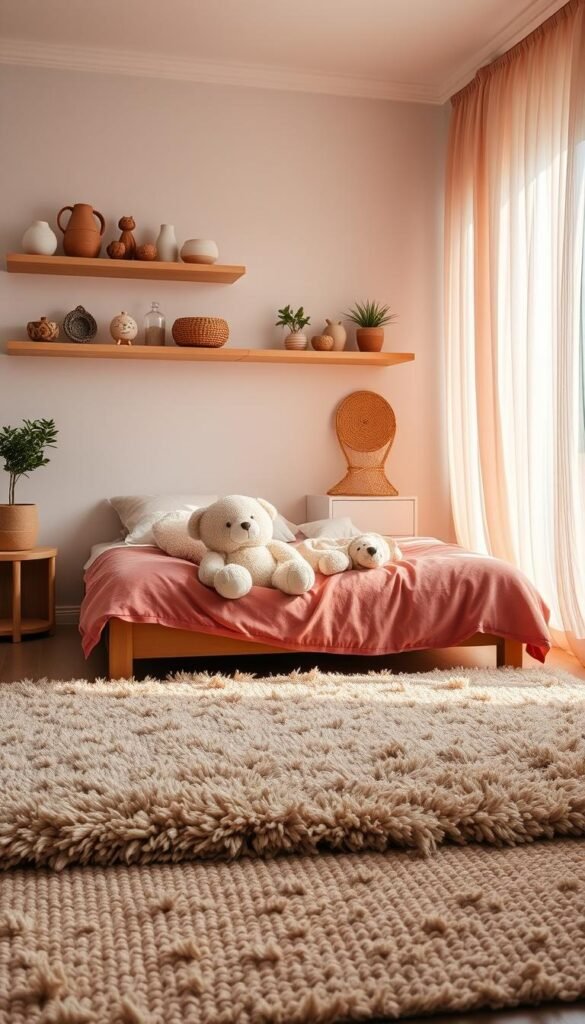
Textures transform a room from simply pretty to wonderfully inviting. They add depth and comfort that make the space feel lived-in and loved. The right mix creates a sensory-rich environment perfect for growing kids.
Soft elements provide both visual and tactile appeal. They make the room more comfortable for play and rest. Your child will enjoy spending time in her special zone.
Layering different materials builds interest throughout the design. Combine smooth, rough, and fluffy surfaces for balance. This approach makes the room feel complete and carefully planned.
Choosing Plush Rugs and Comfy Bedding
Start with a soft rug that defines the play area. It provides warmth underfoot and reduces noise from active moments. Choose materials that are easy to clean and maintain.
High-pile carpets feel luxurious but require more care. Low-pile options work better for messy play years. Both add comfort and color to the floor space.
Bedding plays a huge role in sleep quality and room style. Look for natural fabrics that breathe well during warm nights. Cotton and linen offer durability and softness.
Mix patterns for a collected, personal look. Try gingham sheets with floral comforters. Add pom-pom trim for playful accents your child will love.
Consider these popular bedding combinations:
- Solid color sheets with patterned quilt
- Textured throw blankets for layering
- Embroidered pillowcases for special detail
- Themed bedding that matches room decor
Quality bedding lasts through many washes and years. Invest in pieces that maintain their softness over time. Your child will appreciate the comfort every night.
Adding Canopies and Tents for a Hideaway Feel
Canopies create magical sleeping spaces that feel extra special. They frame the bed with softness and structure. Your little one will love her cozy nest.
Pleated designs from brands like Cam Cam Copenhagen add elegance. They bring architectural interest while maintaining softness. These pieces become focal points in the room.
Tents and teepees provide perfect retreats for quiet activities. They offer privacy for reading or imaginative play. These hideaways encourage independent time.
Consider placement near windows for natural light. Corner locations maximize space while feeling enclosed. Your child will treasure her personal retreat.
DIY options add personal charm to the space. Try hanging fabric from a ceiling hook. Add fairy lights inside for magical evening glow.
| Texture Element | Best Materials | Comfort Level | Maintenance Needs |
|---|---|---|---|
| Area Rugs | Wool, synthetic blends | High comfort | Regular vacuuming |
| Bedding | Cotton, linen | Very comfortable | Machine washable |
| Throw Pillows | Velvet, knitted | Medium comfort | Spot cleaning |
| Canopies | Cotton, muslin | Visual softness | Gentle washing |
| Tents | Canvas, cotton | High enclosure | Wipe clean |
Texture supports sensory development in important ways. Different materials help children understand their environment through touch. This variety makes the room both educational and comfortable.
Maintain textured elements with regular care. Vacuum rugs weekly and wash bedding often. Spot clean fabrics immediately to prevent stains from setting.
The right textures make the room feel complete and welcoming. Your child will enjoy both the look and feel of her special space.
Select Lighting That Adds Magic and Function
Lighting transforms your child’s space from ordinary to extraordinary. The right illumination creates both practical functionality and enchanting atmosphere. Layered lighting approaches work best for young children’s rooms.
Think about different activities happening throughout the day. Bright light supports active play and creativity. Softer illumination prepares for restful sleep. Dimmable options provide flexibility for all moments.
Quality lighting affects mood and visual comfort. Proper illumination reduces eye strain during reading sessions. Warm tones create cozy feelings throughout the space.
Opting for Soft Overhead and Task Lighting
Start with gentle overhead lighting as your foundation. Choose fixtures that diffuse light evenly without glare. Flush mount ceiling lights provide ample illumination while maintaining clean lines.
Consider LED options for energy efficiency and safety. These bulbs stay cool to the touch during extended use. They also last longer than traditional incandescent bulbs.
Task lighting supports specific activities beautifully. Place adjustable lamps near reading areas and play zones. Gooseneck designs offer perfect directional control.
Night lights provide comfort and safety during sleep hours. Choose models with automatic dusk-to-dawn sensors. Soft glow options won’t disrupt sleep patterns.
Safety remains paramount with all electrical elements. Use cord covers to prevent tripping hazards. Secure all lamps firmly to prevent tipping.
Incorporating Whimsical Fairy Lights and Lamps
Fairy lights add magical sparkle to any room design. Drape them along walls or canopy frames for dreamy effects. Battery-operated options offer placement flexibility without outlet concerns.
Themed lamps become delightful focal points throughout the space. Cloud-shaped fixtures create whimsical overhead statements. Flower designs bring natural beauty indoors.
Personalized neon signs add special character to the room. Display your child’s name or inspirational messages. These pieces create wonderful nighttime glow.
DIY lighting projects add unique personal touches. Create custom lampshades using favorite artwork. Decorate plain fixtures with decorative trim or paint.
Consider these placement strategies for maximum impact:
- Cluster fairy lights around reading nooks for cozy ambiance
- Use themed lamps on bedside tables for functional charm
- Install wall sconces above storage areas for task lighting
- Place floor lamps in corners to illuminate entire rooms
Lighting should enhance your overall design scheme. Match fixture styles with your room’s theme and colors. This creates cohesive visual appeal throughout the space.
Your child will love the magical atmosphere created through thoughtful lighting choices. These elements make her room feel both functional and fantastical.
Personalize the Space to Reflect Her Unique Personality
Your little one’s room should feel like her own special world. Personal touches transform a beautiful space into a cherished sanctuary. These elements celebrate her growing identity and make the room truly hers.
Children thrive in environments that reflect their unique spirit. Personalized spaces boost confidence and create emotional connections. Your child will love having a room that tells her story.
Displaying Artwork and Cherished Possessions
Create rotating gallery walls to showcase your child’s creativity. Use simple clip frames for easy artwork swaps. Magnetic boards offer interactive display options.
Designate special shelves for beloved collections and treasures. These displays honor your child’s interests and accomplishments. They become conversation starters during playdates.
Consider these display ideas for cherished items:
- Shadow boxes for three-dimensional art projects
- Floating shelves for special plush friends
- Memory boxes for seasonal artwork rotation
- DIY magnet boards using repurposed toys
Low clothing racks encourage fashion expression. Your child can select outfits that match her mood. This fosters independence and personal style development.
“A child’s room should be a mirror of their soul – reflecting their dreams, interests, and unique perspective on the world.”
Incorporating Her Name and Favorite Colors
Personalized name signs create wonderful focal points. Wood letters painted in her favorite shades add custom charm. These elements make the space feel intentionally hers.
Integrate preferred colors throughout the design scheme. Use them in accent pieces rather than permanent fixtures. This allows easy updates as tastes evolve.
Create a color integration strategy:
| Element Type | Personalization Method | Update Frequency | Child Involvement |
|---|---|---|---|
| Wall Decor | Removable name decals | Yearly | High participation |
| Textiles | Favorite color pillows | Seasonal | Medium input |
| Accessories | Customized art pieces | Monthly | Full choice |
| Storage | Color-coded bins | As needed | Some guidance |
Interactive elements let your child participate in room updates. Chalkboard walls allow temporary personal expressions. These features grow with her changing interests.
Balance personal touches with design cohesion. Choose a neutral base for longevity. Add personality through changeable accessories and art.
The emotional benefits of personalized spaces are profound. Children feel seen and valued in rooms that reflect their identity. This foundation supports healthy self-expression throughout childhood.
Bringing It All Together to Create Her Dream Room
Crafting a special space for your little one blends creativity with comfort. A thoughtful design balances fun elements with practical needs. This harmony creates a room that feels both magical and functional.
Combine colors, textures, and lighting for a cohesive look. Soft pastel tones establish a calm base. Playful accents add personality through wall art and decor.
Choose adaptable furniture and smart storage solutions. These pieces grow with your child over the years. The room evolves while maintaining its charm and character.
Personal touches make the space uniquely hers. Display favorite collections and incorporate preferred colors. These details create a room full of love and inspiration.
Remember—the best designs break rules for happiness. Create a world that reflects who she is now. For more creative room ideas, explore our full gallery.
Your efforts build a sanctuary of imagination and comfort. This special place will host countless joyful memories.