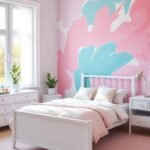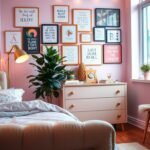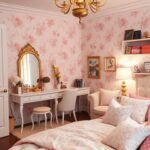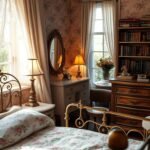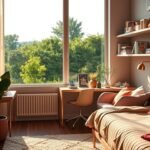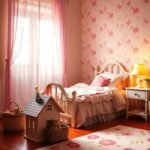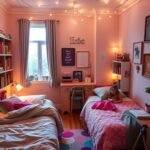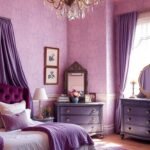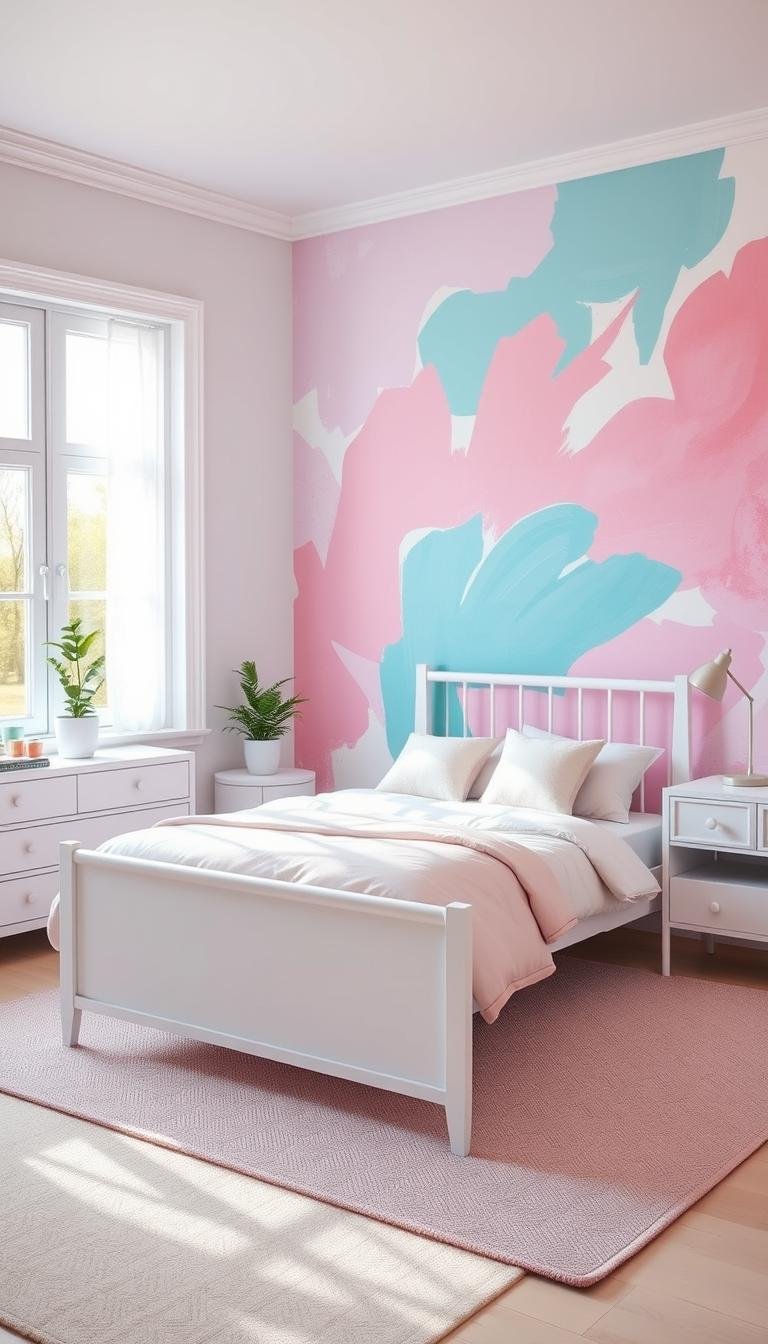
Transforming your daughter’s space with fresh color creates a magical atmosphere she’ll adore. A simple paint project brings incredible personality to any room.
You don’t need special skills to achieve stunning results. From soft pinks to bold blues, countless options exist for every taste.
This guide helps you navigate choices and create a beautiful bedroom your child will love for years. Well-chosen colors grow with her from toddler to teen.
We’ll explore color psychology, techniques, and age-appropriate ideas. Get ready to create a space that’s both functional and filled with joy!
Understanding Color Psychology for Your Girl’s Bedroom
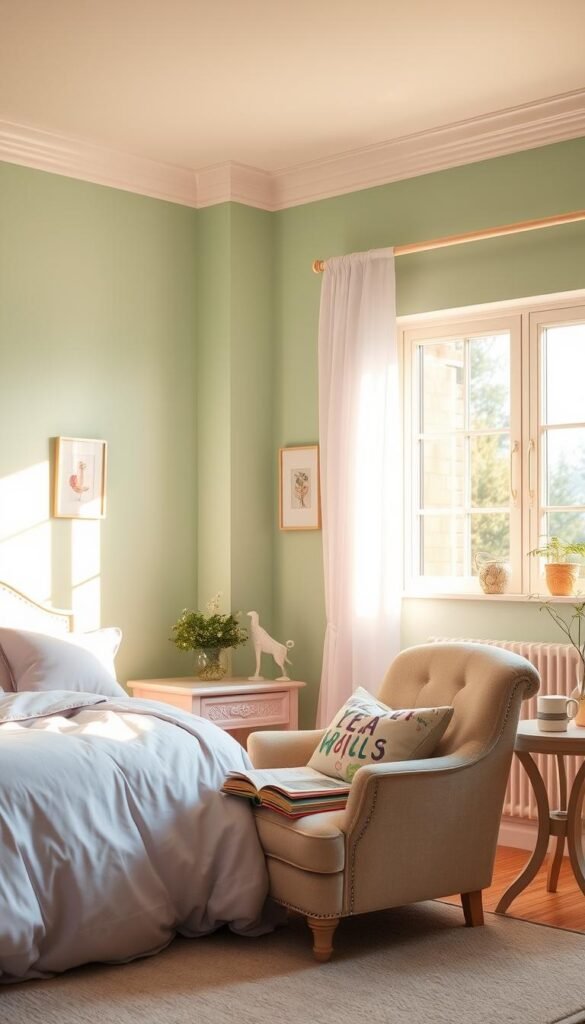
The colors you choose for your daughter’s personal space do more than just look pretty. They actually influence her mood and behavior every day. This makes your color selection one of the most important design decisions you’ll make.
Different hues create different atmospheres. Some promote calm while others spark energy. Understanding this helps you create a room that supports your child’s needs.
Calming Colors for Peaceful Spaces
Soft blues and lavenders work wonders for relaxation. These shades can lower heart rates and encourage restful sleep. They’re perfect for creating a serene retreat.
Muted greens also offer calming benefits. According to color psychology research, green can increase reading ability while soothing anxious children. These tones make excellent choices for study areas or bedtime zones.
Energetic Hues for Playful Rooms
Bright yellows and oranges stimulate creativity and excitement. These vibrant paint colors work well in play spaces or for active children. They encourage socialization and confidence.
Remember that strong colors affect different children uniquely. While orange can make kids more cooperative, too much yellow might make calming down difficult. Always test samples before committing to a full color scheme.
Neutral Tones for Growing Girls
Beige, gray, and white provide versatile backdrops that grow with your child. These neutral tones allow you to change the room’s look with accessories rather than repainting. This saves time and money over the years.
A neutral base makes updating easy as tastes change. You can add pops of color through bedding, artwork, or an accent wall. This approach keeps the space feeling fresh without constant repainting.
Most importantly, involve your daughter in the choice process. When she helps select the palette, the room truly reflects her personality. This creates a special place she’ll love for years to come.
Creative Painting Techniques That Transform Walls
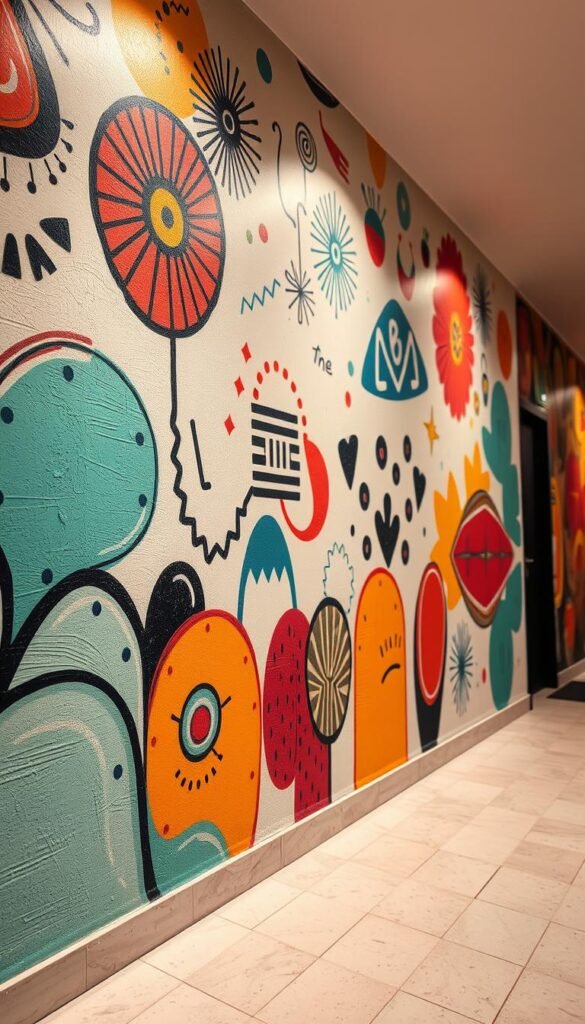
Elevate your daughter’s personal sanctuary with artistic wall treatments that require minimal expertise. These creative approaches add depth and character to any space without professional help.
You can achieve stunning visual effects with simple tools and patience. These methods let you customize the room to reflect your child’s unique personality.
Many parents find these projects become cherished bonding experiences. They create lasting memories while transforming the space together.
DIY Striped Patterns for Dynamic Impact
Horizontal or vertical stripes create instant visual interest. Use painter’s tape to ensure crisp, clean lines between colors.
Choose complementary shades from your preferred palette. Contrasting tones make the most dramatic statement.
Follow these steps for perfect stripes:
- Measure and mark your wall space evenly
- Apply tape firmly, ensuring no gaps
- Paint your base color first and let it dry completely
- Apply second color carefully between taped lines
- Remove tape while paint is slightly wet for clean edges
This technique works wonderfully behind beds or along accent walls. It adds movement and energy to the entire room.
Whimsical Wavy Walls and Curved Designs
Create soft, flowing patterns that feel playful and modern. Sugar & Cloth’s innovative approach uses flexible peel-and-stick tile trim.
You form gentle curves along the wall surface. Then fill gaps with chaulk before applying your chosen hues.
This method offers several advantages:
- Forgiving for first-time painters
- Allows for organic, free-form designs
- Works with any color scheme
- Creates soft, welcoming atmosphere
These flowing patterns feel especially magical in reading nooks or above sleeping areas. They bring gentle movement to the space.
Geometric Murals for Modern Appeal
Young House Love demonstrates how geometric shapes create contemporary statements. You can customize triangles, diamonds, or hexagons in any palette.
This approach lets you incorporate multiple colors in a cohesive design. It’s perfect for creating focal points behind furniture.
Consider these planning tips:
- Sketch your design on paper first
- Use a level and measuring tape for precision
- Start with larger shapes as anchors
- Step back frequently to check proportions
“Geometric designs allow for personal expression while maintaining clean, modern aesthetics that grow well with children.”
These murals make excellent alternatives to traditional accent walls. They feel fresh and current while allowing color experimentation.
Remember that these techniques extend beyond walls. Consider painting dressers, desks, or headboards using similar patterns.
This creates a coordinated look throughout the space. It ties all elements together beautifully.
If you prefer temporary options, stencils offer similar effects. Removable wall decals provide another non-permanent alternative.
Most importantly, have fun with the process. This project should feel creative and joyful for both you and your child.
Girls Bedroom Paint Ideas for Every Mood and Age
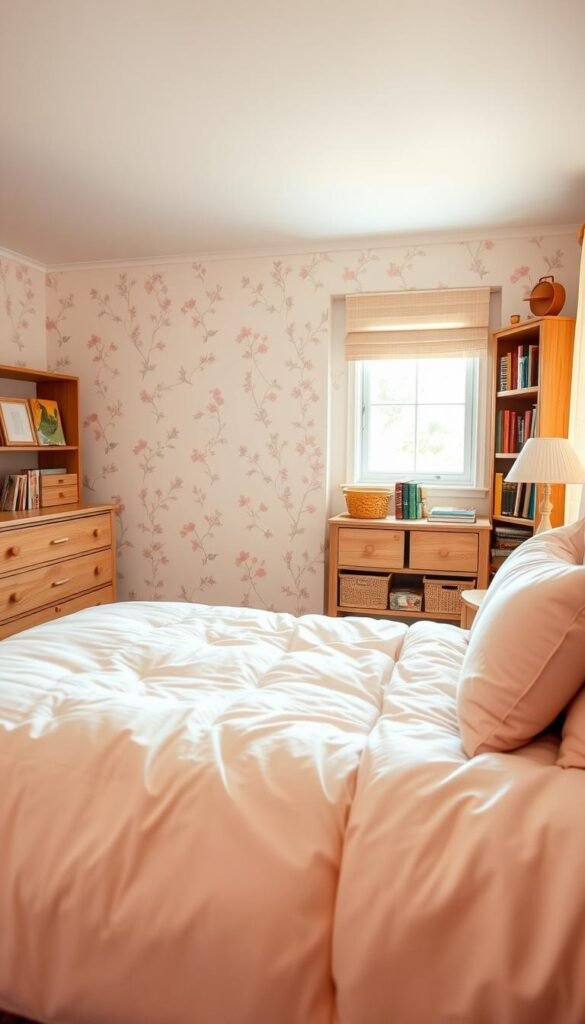
Your daughter’s personal space should evolve as she grows. Smart color choices create rooms that remain functional through different life stages.
The right palette supports developmental needs while reflecting changing tastes. This approach saves you from constant redecorating.
Benjamin Moore offers timeless shades that transition beautifully. Their collections provide excellent options for every age group.
Nursery Paint Ideas for Little Ones
Infants thrive in calm, soothing environments. Soft pastels create peaceful atmospheres perfect for sleep and relaxation.
Consider these gentle hues for your baby’s first room:
- Pale pink for warmth and comfort
- Light blue for serenity and calm
- Mint green for natural tranquility
These tones work well on all walls or as subtle accents. They provide a gentle backdrop for early development.
Big Girl Room Color Schemes
Children aged 5-12 need spaces that spark imagination. Vibrant colors encourage play and creative expression.
Involve your child in selecting her favorite shades. This creates a space that truly reflects her personality.
Popular combinations include:
- Bright yellow with accent walls
- Playful purple with complementary tones
- Energetic orange with neutral balances
These schemes support active play and learning. They make the room feel lively and engaging.
Teen Bedroom Paint Options
Teens desire sophisticated spaces that express individuality. Moody blues and deep purples offer mature elegance.
Neutral bases with bold accents work beautifully. This approach allows for personal style without overwhelming the space.
Consider these sophisticated combinations:
| Base Color | Accent Option | Overall Effect |
|---|---|---|
| Soft Gray | Deep Teal | Modern and refined |
| Warm White | Berry Purple | Creative and bold |
| Light Beige | Navy Blue | Classic and timeless |
These combinations grow with your teen’s evolving taste. They create spaces that feel both current and enduring.
Practical considerations matter when choosing paint. Durable, washable finishes withstand daily wear and tear.
Benjamin Moore’s Regal Select line offers excellent coverage. Their paints resist stains and clean easily.
“Choosing timeless colors means fewer repaints over the years. This saves both time and money while maintaining a beautiful space.”
Remember that lighting affects how colors appear. Test samples in the actual room before making final decisions.
Your daughter’s room should reflect her journey. Smart color choices ensure it remains a special place through every stage.
Accent Wall Strategies That Make a Statement
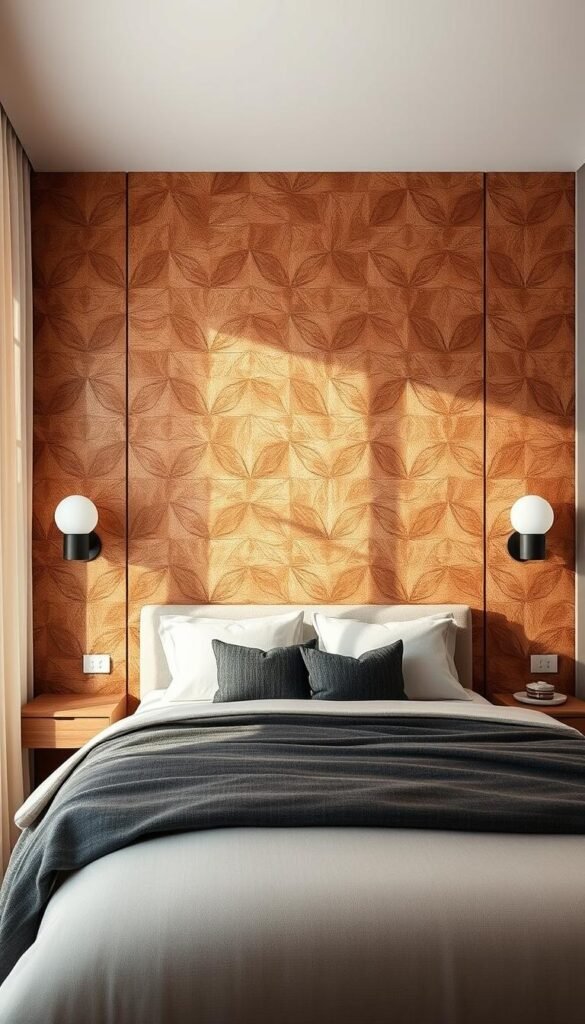
Transform any room instantly with a single wall that commands attention and expresses personality. This powerful design choice creates visual interest without painting the entire space.
Accent walls define areas and add depth to your child’s personal environment. They serve as fantastic focal points behind beds or desks.
These creative solutions work for any age or style preference. From playful nurseries to sophisticated teen spaces, accent walls adapt beautifully.
Color Blocking Techniques
Color blocking uses contrasting hues in geometric shapes for modern impact. This approach creates dynamic visual interest that draws the eye immediately.
You can achieve stunning results with simple painter’s tape and careful planning. Choose complementary colors from your preferred palette for maximum effect.
Follow these steps for perfect color blocking:
- Sketch your design on paper before starting
- Use a level and measuring tape for precise lines
- Apply tape firmly to prevent bleeding
- Paint your lightest color first for easier coverage
- Remove tape while paint is slightly wet for clean edges
This technique works wonderfully behind furniture or as a bold statement piece. It adds energy and contemporary style to any space.
Ombre and Gradient Effects
Ombre walls feature colors that blend smoothly from light to dark. This creates a calming, artistic touch with beautiful depth.
Gradient effects work with any color scheme you choose. They’re particularly effective for creating serene atmospheres in sleeping areas.
Consider this approach for seamless blending:
| Tools Needed | Time Required | Skill Level | Visual Impact |
|---|---|---|---|
| 3-4 paint shades | 4-6 hours | Intermediate | High |
| Blending brush | Plus drying time | Patience needed | Artistic finish |
| Painter’s tape | Plan extra time | Wet blending technique | Smooth transition |
Start with your lightest shade at the top and darkest at the bottom. Blend where the colors meet while still wet for the best results.
Arch and Sunburst Designs
Arch designs create whimsical focal points behind beds or desks. The House of Smiths demonstrates how these shapes add dramatic flair.
Sunburst patterns radiate energy and movement throughout the space. Both options serve as fantastic alternatives to traditional headboards.
You can combine these with other techniques for added impact. Try color blocking within an arch design for extra visual interest.
These designs work particularly well for defining specific areas. They create natural focal points that organize the room beautifully.
Always choose accent wall colors that complement your main palette. This ensures cohesion and balance throughout the space.
Remember that accent walls require less time and paint than full-room changes. They’re manageable DIY projects that deliver dramatic results.
“Accent walls allow for personal expression while maintaining overall harmony in the room’s design scheme.”
Your child will love having a special wall that reflects their unique personality. This approach creates a space that feels both coordinated and personally meaningful.
Benjamin Moore Color Palettes for Girls’ Rooms
Selecting the perfect color scheme creates a personalized space your daughter will cherish. Benjamin Moore offers exceptional paint colors designed specifically for young girls.
Their curated collections provide endless possibilities for creating magical environments. You’ll find options for every personality and preference.
Exploring their extensive color inspiration gallery helps visualize potential combinations. This resource showcases real room applications and creative ideas.
Best Pink Tones and Combinations
Benjamin Moore’s pink shades range from delicate blushes to vibrant magentas. “First Light” offers a soft, airy quality that feels both modern and timeless.
“Pink Bliss” creates a warmer, more saturated look while maintaining sophistication. Both options work beautifully as primary wall colors or subtle accents.
Consider these winning combinations:
- Pair soft pinks with crisp white trim for clean contrast
- Combine with light gray for a contemporary feel
- Blend with lavender for a dreamy, feminine atmosphere
These paint colors adapt beautifully to changing decor styles. They provide a wonderful foundation for growth.
Unexpected Color Pairings That Work
Step beyond traditional combinations with creative color partnerships. Green and pink might seem unconventional but create stunning visual impact.
Blue and orange offer another exciting contrast that feels both playful and polished. These combinations break from expected norms while maintaining harmony.
Benjamin Moore’s “Windmill Wings” blue paired with “Honeybee” orange creates energetic sophistication. “Teacup Rose” pink alongside “Pale Moon” green offers fresh, modern appeal.
These unexpected palettes make the space feel uniquely personal. They encourage creativity and self-expression.
Timeless Shades That Grow With Her
Neutral tones provide flexible backdrops that transition through years. “White Dove” offers warm brightness that complements any accent color.
“Revere Pewter” delivers sophisticated gray with subtle warmth. Both shades work beautifully in natural and artificial light.
These timeless choices offer practical benefits:
- Coordinate easily with changing bedding and decor
- Require fewer repaints as tastes evolve
- Create calming environments conducive to rest and study
“Neutral bases allow for creative expression through accessories and artwork while maintaining overall design cohesion.”
Consider “Paper White” for those preferring brighter backgrounds. This versatile off-white accommodates bold accent walls and colorful furnishings.
Always test paint colors in your actual room before committing. Natural and artificial lighting significantly affect how colors appear on walls.
Benjamin Moore’s Color Portfolio system helps visualize how shades work together. Their online tools provide excellent guidance for creating harmonious schemes.
Invest in quality low-VOC options for healthier indoor air quality. This choice ensures a safer environment for your child.
Remember that quality paint provides better coverage and durability. It maintains beautiful appearance through years of use.
Your daughter’s bedroom should reflect her unique spirit while supporting practical needs. Benjamin Moore’s extensive palette offers perfect solutions for creating this special place.
Practical Painting Tips for DIY Success
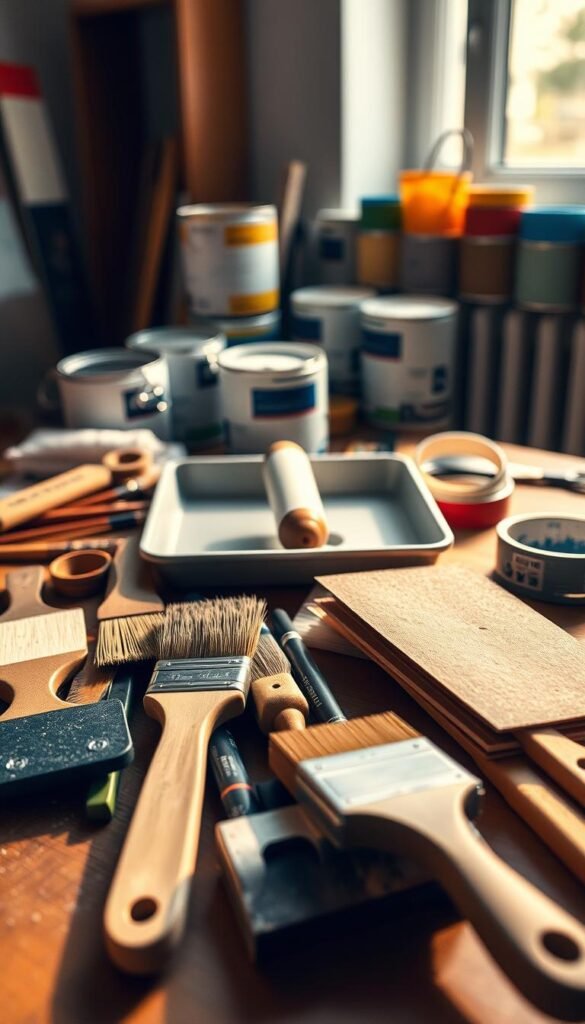
Getting ready to transform your child’s space? Proper preparation makes all the difference between an amateur job and professional results. Taking your time with these steps ensures a beautiful finish that lasts for years.
Good planning saves both time and money in the long run. You’ll avoid common mistakes and achieve the look you want more easily.
Preparing Your Space for Painting
Start by clearing the room completely. Remove all furniture or push it to the center and cover with drop cloths. Take down curtains, artwork, and switch plates.
Clean walls thoroughly with mild soap and water. Let them dry completely before starting any repairs.
Fill holes and cracks with spackling compound. Sand smooth once dry for a perfect surface. Wipe away dust with a damp cloth.
Apply painter’s tape along trim, ceilings, and windows. Press edges firmly to prevent paint from bleeding through.
Tools and Materials You’ll Need
Quality tools make the job easier and deliver better results. Invest in good brushes and rollers for smooth application.
Here’s what you’ll need for a successful project:
| Essential Tools | Purpose | Quality Brands |
|---|---|---|
| Angled brush | Cutting in edges | Purdy, Wooster |
| Roller and frame | Wall coverage | Purdy, Shur-Line |
| Paint tray | Loading roller | Any sturdy option |
| Drop cloths | Floor protection | Canvas preferred |
| Painter’s tape | Clean lines | 3M Blue Tape |
Choose low-VOC paint for better air quality. This is especially important for children’s spaces. Primer helps cover dark colors and ensures even coverage.
Maintaining Your Painted Walls
Keep walls looking fresh with proper care. Use mild cleaners for routine cleaning. Avoid harsh chemicals that might damage the finish.
Touch up small marks with leftover paint. Keep a small amount stored for future repairs. Label the container with the color name and room.
Dust walls regularly with a soft cloth. This prevents dirt from building up over time. Address stains promptly for best results.
Consider washable paint finishes for high-traffic areas. These withstand cleaning better than flat finishes. They’re perfect for active kids’ spaces.
“Proper preparation prevents poor paint performance. Taking time at the beginning saves frustration later and ensures beautiful, long-lasting results.”
Calculate paint needs before shopping. Measure your room’s dimensions carefully. Most gallons cover 350-400 square feet.
Work in natural light when possible. This helps you see coverage and spots you might miss. Good ventilation is important while painting.
Take breaks and work in manageable sections. Allow proper drying time between coats. Rushing can lead to streaks and uneven coverage.
Remember that mistakes happen. Most can be fixed with a little touch-up paint. Don’t stress over small imperfections.
Your finished room will reflect the care you put into preparation. Enjoy the process and the beautiful results!
Bringing Your Vision to Life: Final Inspiration
You now have all the tools to create a magical personal space for your child. From rainbow walls to floral murals, your design can reflect any personality.
Combine an accent wall with creative storage or personalized decor. This makes the room both functional and uniquely hers.
Involve your daughter in the choice process. This creates a special place she will truly love and feel connected to.
Pull the look together with coordinating bedding and accessories. These elements enhance your color scheme beautifully.
Remember that even small changes make a big impact. Your finished space will provide a sanctuary for years of joy and growth.