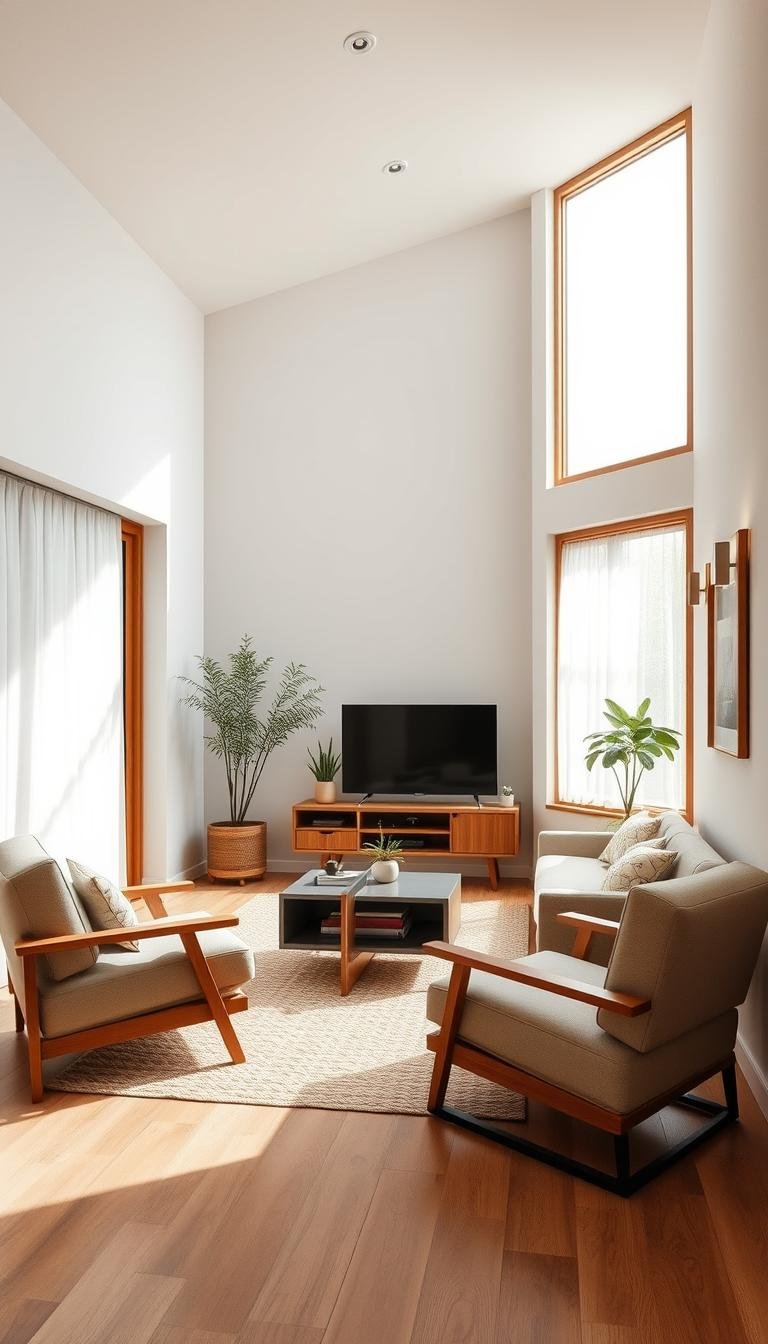
Do you have a compact area that needs to feel more open and inviting? Many homes feature cozy gathering spaces that require smart solutions.
You can transform your area into something special with the right approach. Modern design principles work wonders in these situations.
Strategic furniture choices and clever layouts make a huge difference. They help create the illusion of more floor space and better flow.
Color selection plays a crucial role in how your room feels. Lighter tones and reflective surfaces enhance natural light beautifully.
This guide will show you practical ways to achieve both function and beauty. You’ll discover how to create a comfortable environment that appears larger than its actual dimensions.
Get ready to implement changes that bring both style and practicality to your home. Your transformed space awaits!
Understanding the Basics of Small Living Room Design
Creating a cozy yet functional gathering area requires thoughtful planning from the start. The right approach transforms your compact area into a comfortable retreat that works beautifully for daily life.
Professional interior design principles guide this process effectively. They help you make smart choices that enhance both form and function.
Why Less is More in Compact Spaces
Embracing minimalism creates breathing room both visually and mentally. Removing excess items allows your essential pieces to shine while making the area feel more open.
This philosophy extends beyond physical objects to visual elements too. Clean lines and simple layouts prevent overwhelming the senses in your intimate gathering spot.
“Simplicity is the ultimate sophistication when working with limited square footage.”
You’ll notice immediate benefits to this approach. The space feels calmer and more organized, which positively impacts your daily experience.
Key Principles for Maximizing Every Inch
Successful compact areas follow several important guidelines. These concepts help you utilize all available dimensions effectively.
- Scale matters – Choose pieces that fit your room’s proportions perfectly
- Multi-functional furniture – Select items that serve multiple purposes
- Visual continuity – Maintain consistent design elements throughout
- Strategic storage – Incorporate smart solutions that hide clutter
- Rhythmic flow – Create movement that guides the eye around the area
These principles work together to create harmony in your environment. They ensure every element contributes positively to the overall feel and function.
For more inspiration on implementing these concepts, explore these small living room decorating ideas that demonstrate successful space optimization techniques.
Remember that quality always triumphs over quantity in these situations. Investing in well-designed pieces that fit your needs perfectly creates lasting satisfaction.
Smart Furniture Selection for Your Compact Living Room
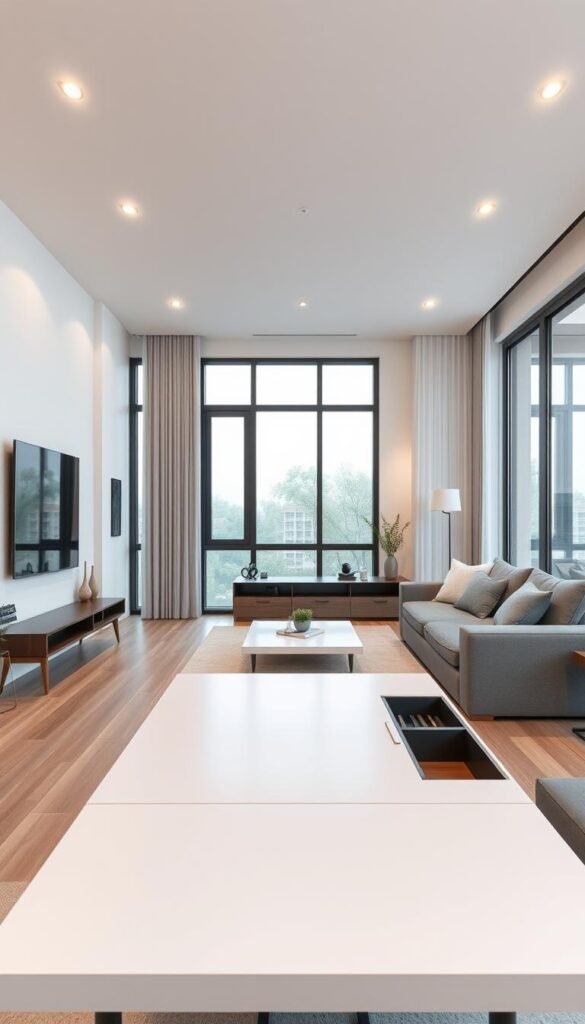
Your furniture choices dramatically impact how your area functions and appears. The right pieces can transform a cozy gathering spot into an efficient, beautiful environment.
Thoughtful selection creates both comfort and visual appeal. You’ll enjoy spending time in a well-designed space that meets all your needs.
Choosing Scale-Appropriate Pieces
Measure your area carefully before selecting any furniture. This ensures each piece fits perfectly without overwhelming the room.
Furniture with exposed legs creates an airy feeling. You see more floor space, which makes the entire area feel larger.
Consider these scale-appropriate options:
- A compact sofa that provides comfortable seating without dominating
- Armchairs that offer generous comfort in a modest footprint
- Coffee tables and side tables that provide surface area without crowding
These choices maintain visual lightness while delivering full functionality. Your space will feel open yet completely equipped for daily living.
The Power of Multi-Functional Furniture
Multi-purpose pieces serve double duty in your interior. They provide essential functions while conserving precious square footage.
Look for items that offer hidden storage compartments. Ottomans with lift-up lids keep blankets and remotes organized yet accessible.
Convertible sofa beds accommodate overnight guests beautifully. Modular furniture adapts to different occasions and configurations.
| Furniture Type | Primary Function | Secondary Benefit | Space Saving Impact |
|---|---|---|---|
| Storage Ottoman | Seating/Footrest | Hidden Storage | High |
| Convertible Sofa | Daily Seating | Guest Bed | Very High |
| Nesting Tables | Surface Space | Compact Storage | Medium |
| Sectional with Storage | Seating Area | Built-in Organization | High |
Invest in a few quality pieces rather than numerous smaller items. Well-chosen furniture creates a cohesive look while minimizing visual clutter.
Choose materials and colors that complement your existing decor. Lighter tones and transparent materials enhance the airy feeling you want to achieve.
Arrange your furniture to create natural conversation areas. Maintain clear pathways for comfortable movement throughout your space.
Strategic Layouts That Create Flow and Movement
How you arrange your furnishings dramatically impacts how your area functions. A thoughtful layout creates natural movement patterns that make your compact area feel more spacious.
Professional designers use specific techniques to achieve this effect. They understand how placement affects both visual perception and practical use.
Floating Furniture Techniques
Pulling pieces away from walls creates breathing room around them. This technique makes your area feel more open and intentional.
Designer Sarah Solis demonstrated this with a floating desk in a Los Angeles den. The thin surface appears to levitate, consuming less visual square footage.
Consider these floating approaches:
- Position your sofa several inches from the wall behind it
- Use console tables behind seating instead of pushing against walls
- Choose pieces with slender legs that elevate them from the floor
- Install wall-mounted shelves instead of freestanding bookcases
This method creates visual depth and improves traffic patterns. Your space will feel more dynamic and less confined.
Creating Clear Pathways
Unobstructed walkways ensure comfortable movement throughout your area. They prevent that cramped feeling that often plagues compact spaces.
Aim for at least 30 inches between major furniture pieces. This allows easy passage without sacrificing seating capacity.
Maintain visual continuity by keeping sightlines open. Arrange your furnishings so you can see across the entire room.
Area rugs can define zones without creating physical barriers. Choose low-pile options that lie flat against the floor.
Conversation groupings should feel intimate yet accessible. Position chairs and sofas facing each other with adequate knee space between them.
Your coffee table should sit within easy reach of all seating. But ensure it doesn’t block natural movement paths.
These strategies work together to create harmonious circulation. You’ll enjoy both beautiful aesthetics and practical functionality.
Color Strategies to Expand Your Space Visually
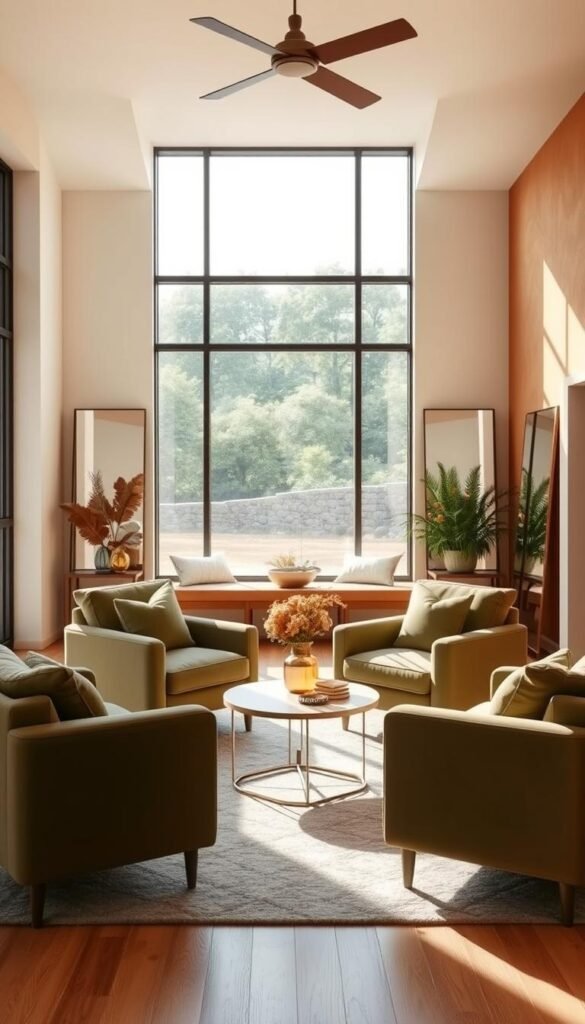
Your paint choices can dramatically transform how your area appears. Strategic color selection creates optical illusions that enhance your interior.
Professional designers use specific techniques to manipulate spatial perception. These methods work wonders in compact environments.
Light vs. Dark: What Works Best
Lighter shades generally make areas feel more open and airy. They reflect natural and artificial lighting beautifully.
Cool tones like soft blues and greens appear to recede visually. This creates the impression of more depth in your design.
Darker colors can feel cozy but may reduce perceived dimensions. Warm tones tend to advance toward the viewer.
Consider these approaches for different effects:
- Light walls with slightly darker flooring for grounded elegance
- Ceilings painted lighter than walls to heighten the space
- Monochromatic schemes using varying intensities of one color
- Strategic accent walls to create focal points or depth
Your ceiling color significantly impacts perceived height. Lighter overhead surfaces generally make rooms feel taller.
The Color Drenching Technique
This bold approach uses one color family throughout your area. It creates seamless visual expansion by eliminating contrast breaks.
Color drenching makes walls appear to recede into the distance. The technique works particularly well with lighter, softer hues.
“Monochromatic schemes create calm continuity that feels both expansive and intentional.”
You can achieve this look with large-format tiles in matching shades. Use similar colors for floors, walls, and overhead surfaces.
This method works beautifully in contemporary interior design. It creates a sophisticated, cohesive environment.
Test paint samples at different times of day before committing. Natural and artificial lighting dramatically affects how colors appear.
Consider the psychological effects of your chosen palette. Some colors promote calmness while others energize the space.
Strategic color placement can highlight architectural features. It can also minimize elements you want to downplay.
Combine light and dark tones for depth without crowding. The right balance creates visual interest while maintaining openness.
Your color choices should complement your existing decor and furniture. They work together to create your desired atmosphere.
Lighting Solutions That Enhance Space Perception
Strategic illumination choices can make your cozy environment feel more expansive and inviting. The right approach to both natural and artificial sources transforms how your area appears.
Thoughtful lighting design creates optical illusions that enhance dimensions. It affects both mood and visual perception significantly.
Soft, light colors and accessories beautifully enhance natural sunlight flowing into your room. They work with your illumination strategy to create a welcoming atmosphere.
Free up valuable floor space with wall-mounted options and hanging fixtures. This approach maintains openness while providing adequate brightness.
Natural Light Maximization
Window treatments play a crucial role in controlling sunlight. Sheer curtains allow illumination while maintaining privacy.
Mirror placement opposite windows doubles incoming brightness. This technique creates the illusion of additional windows.
Strategic furniture arrangement keeps pathways clear for light flow. Avoid blocking windows with tall pieces or bulky items.
Draw attention to the window where natural illumination floods in. The views beyond can double as artistic elements in your decor.
“Natural illumination serves as the foundation for any successful lighting plan in compact environments.”
Keep your color palette neutral to enhance sunlight effects. Introduce various textures for visual interest without overwhelming the space.
Faux fur throws and lantern pendants add comfort and style. These elements work together for enduring appeal in your interior.
Strategic Artificial Lighting Placement
Layered illumination creates depth and makes areas feel larger. Combine different types for the best results in your design.
Wall sconces and pendant lights free up surface area. They provide adequate brightness without consuming valuable real estate.
Different color temperatures affect how colors appear in your environment. Warmer tones create cozy atmospheres while cooler ones feel more energetic.
Lighting control through dimmers and multiple switches adapts to various needs. This flexibility enhances your experience at different times.
Task lighting serves specific activities without adding visual clutter. Choose focused options for reading or work areas.
Creative solutions like LED strips and hidden cove lighting add illumination without bulk. They provide subtle brightness that enhances your space.
Develop a comprehensive plan that addresses general, task, and accent needs. This approach ensures your environment functions beautifully for all activities.
Use illumination to create visual focus points that draw attention. Strategic placement makes your room feel intentionally designed rather than limited.
Wall Treatments That Add Depth and Character
The surfaces that surround you can dramatically influence the atmosphere and apparent dimensions of your personal sanctuary. Strategic choices in materials and finishes create visual interest while maintaining an open, airy feeling throughout your environment.
Professional approaches to vertical surfaces focus on creating seamless expanses that trick the eye. They use patterns, textures, and reflective qualities to enhance your perception of available square footage.
Using Large Format Tiles and Slabs
Oversized porcelain panels create remarkably clean surfaces with minimal visible seams. This continuity makes walls appear more expansive than they actually are.
Light-toned slabs in white or gray hues contribute to that desired airy atmosphere. They reflect available illumination beautifully throughout your interior.
Wood-effect porcelain offers warmth without the maintenance concerns of natural materials. These innovative surfaces provide texture while maintaining visual lightness.
Proper installation ensures perfect alignment for that seamless look you want. Professional techniques minimize grout lines for uninterrupted visual flow.
Statement Walls Without Overwhelm
Mural wallpapers create fascinating depth illusions when used strategically. They suggest landscapes or architectural features beyond the actual boundaries of your space.
Vertical patterns draw the eye upward, making ceilings feel higher. Horizontal designs can make your area appear wider than its true dimensions.
Reflective finishes bounce light around, creating additional visual square footage. They work particularly well in areas with limited natural illumination.
Architectural paneling adds character without consuming physical space. These details provide texture and interest without overwhelming your environment.
Removable treatments let you experiment with patterns and colors temporarily. This approach offers flexibility for changing your look over time.
Balance bold wall statements with simpler elements elsewhere. This maintains visual harmony while allowing your feature surface to shine.
“A well-executed feature wall creates focus without dominating the entire room. It should complement rather than compete with other design elements.”
Your wall choices should work with your overall color scheme and furniture pieces. They contribute significantly to that cohesive, intentional look you want to achieve.
Consider how different materials interact with your lighting plan throughout the day. Some finishes change character dramatically under various illumination conditions.
Flooring Choices That Unify and Expand
Your floor serves as the foundation of your entire design scheme. The right selection can dramatically transform how your area appears and functions.
Thoughtful flooring decisions create visual continuity and spatial expansion. They work with your furniture and lighting to achieve a cohesive look.
Large format porcelain tiles offer an excellent solution for your project. Their generous dimensions create fewer visible seams across your surface.
This seamless appearance makes your floor space feel more continuous and open. The effect enhances the overall perception of your interior.
Large Format Tiles for Seamless Look
Oversized tiles minimize grout lines that can interrupt visual flow. This creates a cleaner, more expansive appearance throughout your area.
These materials reflect both natural and artificial illumination beautifully. Their light-bouncing qualities brighten your entire environment.
Consider these advantages for your design:
- Visual expansion through continuous surface appearance
- Easy maintenance with fewer crevices for dirt accumulation
- Style flexibility with various colors and patterns available
- Durability that withstands daily wear while maintaining beauty
Light-colored porcelain enhances that airy feeling you want to achieve. It pairs beautifully with your existing decor and furniture pieces.
Directional installation can further influence spatial perception. Lengthwise placement makes areas appear longer than their actual dimensions.
Using Flooring to Define Zones
Open-plan environments benefit from strategic material differentiation. You can create distinct areas without physical barriers.
This approach gives each section its own identity while maintaining visual harmony. Your dining area and reading nook can coexist beautifully.
Area rugs offer temporary zone definition without permanent commitment. They anchor furniture groupings while adding texture and color.
Follow these guidelines for rug selection:
| Room Size | Recommended Rug Size | Placement Tip | Visual Effect |
|---|---|---|---|
| Under 10′ x 10′ | 5′ x 8′ | Front legs on rug | Defined seating area |
| 10′ x 12′ to 12′ x 15′ | 8′ x 10′ | All legs on rug | Unified conversation zone |
| Over 12′ x 15′ | 9′ x 12′ | 18″ border around | Spacious anchored look |
Continuous flooring flowing between rooms creates connection and expansion. This technique makes your entire home feel more cohesive.
Lighter tones generally make spaces feel larger and more open. They provide a neutral backdrop for your colorful accessories and artwork.
Innovative options like luxury vinyl plank offer practicality and style. These materials combine visual appeal with exceptional durability.
Regular maintenance keeps your surfaces looking fresh and spacious. Simple cleaning routines preserve that expansive feeling you’ve created.
“The right flooring choice can make your compact area feel significantly more open and intentional through visual continuity and strategic zone definition.”
Your final selection should complement your overall design vision. It should work harmoniously with your color scheme and furniture arrangement.
Test samples in your actual environment before making final decisions. Observe how materials look under different lighting conditions throughout the day.
Creative Storage Solutions for Clutter-Free Living
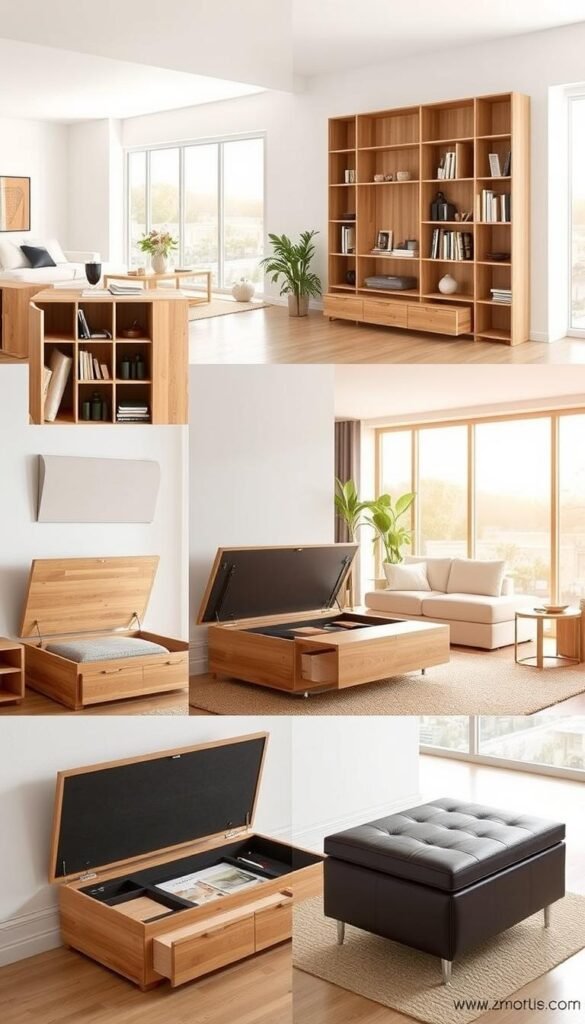
Keeping your area organized transforms how you experience daily life. Smart storage approaches maintain visual calm while providing practical function.
Well-planned organization systems prevent that crowded feeling. They help your environment appear more spacious and intentional.
Professional designers use innovative techniques to maximize every inch. These methods combine beauty with exceptional utility.
Vertical Storage Ideas
Wall-mounted solutions free up valuable floor area beautifully. They utilize often-overlooked vertical surfaces throughout your interior.
Consider floating shelves that create display space without bulk. These pieces hold books and decor while maintaining airy openness.
Designer Serena Dugan demonstrated clever use of space above windows. Her shelving installation provides storage without consuming visual square footage.
Tall, slender bookcases draw the eye upward effectively. This creates the illusion of higher ceilings in your compact area.
Built-in cabinetry offers customized organization perfectly. It fits your exact needs while maintaining clean lines.
Hidden Storage in Plain Sight
Multi-functional furniture provides secret compartments throughout your room. These pieces serve dual purposes without appearing bulky.
Ottomans with lift-top lids offer hidden space for blankets. They maintain a clean look while keeping essentials accessible.
Liz Dutton’s antique coffee table demonstrates smart organization. She stores books underneath while keeping surfaces clear for use.
Consider these hidden storage options:
- Side tables with drawers for remote controls and small items
- Sofas with built-in compartments under cushions
- Benches that open to reveal generous storage space
- Beds with drawers underneath for seasonal items
These solutions keep clutter out of sight but within reach. Your room feel remains open and organized.
Custom built-ins can transform awkward areas into functional space. They maximize every inch while adding architectural interest.
Use storage to display favorite items while hiding necessities. Open shelving shows decorative pieces, while closed cabinets conceal practical items.
“The best storage disappears into the background while providing essential function. It should serve your needs without announcing its presence.”
Organize based on how frequently you use items. Keep everyday things accessible and seasonal belongings tucked away.
Regular editing prevents accumulation over time. Remove items you no longer need to maintain that clutter-free look.
Your storage solutions should complement your overall decor. Choose materials and colors that blend seamlessly with existing pieces.
Focal Points That Draw Attention Strategically
Every great interior needs a central element that captures interest immediately. Strategic focal points guide the eye and create visual hierarchy throughout your environment.
These anchors make your design feel intentional and well-planned. They distract from limitations while highlighting your best features.
A beautiful stone top coffee table works perfectly as a centerpiece. This smart design hack reduces time spent noticing room dimensions.
Draw attention to windows where natural light floods inward. The views beyond can double as artistic elements in your decor.
Keep your color palette neutral and introduce various textures. Designer Sam Sacks used this approach for enduring comfort.
Choosing Your Room’s Centerpiece
Select a focal point that naturally commands attention. This becomes the visual anchor for your entire space.
Consider architectural features like fireplaces or built-ins. These elements often make ideal starting points for your design.
Furniture pieces can serve as excellent focal points too. A striking sofa or unique coffee table draws immediate interest.
Artwork creates wonderful visual anchors on feature walls. Large-scale pieces make strong statements without overwhelming.
Enhance natural focal points through lighting and arrangement. Strategic illumination makes them stand out beautifully.
Create focal points where none exist naturally. Use color, texture, or lighting to draw attention intentionally.
Balance your centerpiece with supporting elements throughout. It should stand out without dominating the entire room.
Window Emphasis Techniques
Windows offer wonderful opportunities for focal point creation. They bring natural illumination and exterior views inside.
Frame your windows with treatments that highlight rather than hide. Choose draperies that complement rather than compete.
Arrange furniture to direct attention toward window areas. Position your sofa or chairs to face the light source.
Keep window areas free of visual clutter and obstruction. Allow the glass itself to become the starring feature.
Use mirrors to amplify both light and views effectively. Strategic placement doubles the impact of your windows.
Consider these window treatment options for different effects:
| Treatment Type | Visual Impact | Light Control | Space Perception |
|---|---|---|---|
| Sheer Curtains | Soft, diffused look | Filters light | Expansive |
| Roman Shades | Clean, tailored appearance | Adjustable | Structured |
| Minimal Blinds | Modern, sleek aesthetic | Precise control | Open |
| Valance Only | Architectural emphasis | Full light | Spacious |
Maintain your focal point as the star while ensuring harmony. The rest of your decor should support rather than compete.
Understand the psychology behind focal point placement. These elements affect how people experience and remember your space.
Your window area can become the most memorable feature. Proper emphasis makes both interior and exterior views part of your design.
Textural Elements That Add Depth Without Bulk
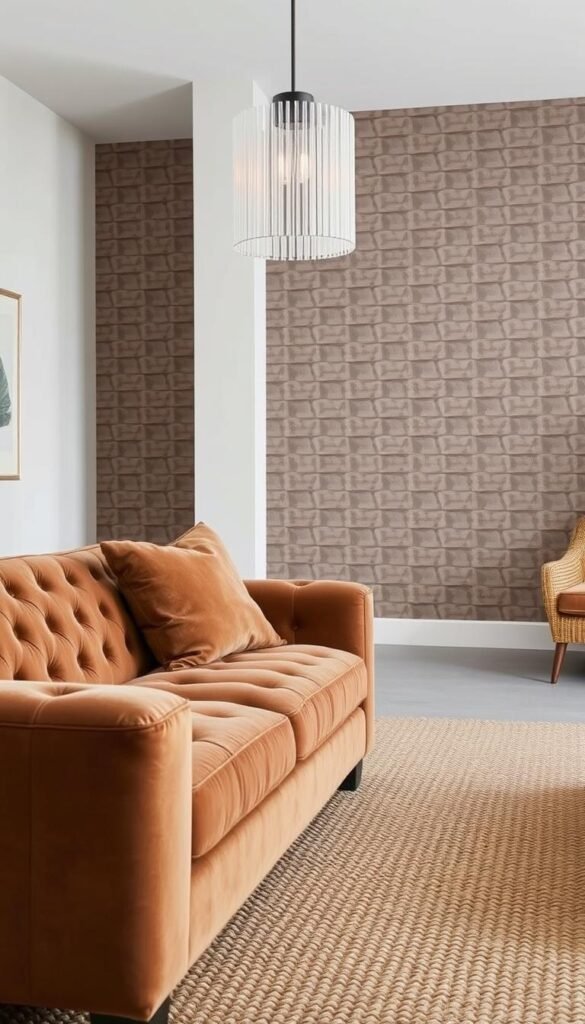
Textural elements create visual richness without adding physical bulk to your environment. They add character and dimension while maintaining that open, airy feeling you want.
The right combination of surfaces and materials makes your area feel curated and intentional. Textures work with your existing decor to create sensory interest throughout.
French & French Interiors demonstrated bold pattern mixing in a beautiful blue scheme. Their approach created a jewel box effect that feels both cozy and sophisticated.
Sam Sacks incorporated faux fur throws and lantern pendants for lasting comfort. These elements add tactile appeal without overwhelming the visual space.
Layering Patterns Successfully
Pattern mixing requires careful balance to avoid visual chaos. Combine different scales and types for the best results in your design.
Start with one dominant pattern as your foundation. Add supporting patterns in varying sizes and intensities.
Consider these successful layering techniques:
- Geometric patterns with organic floral designs
- Large-scale prints with subtle textures
- Bold stripes paired with delicate dots
- Traditional motifs mixed with contemporary graphics
Maintain color continuity throughout your pattern choices. This creates cohesion despite the variety of designs.
Mixing Materials for Visual Interest
Material combinations create depth and richness in your interior. They add visual variety while maintaining spatial openness.
Natural elements like wood and stone bring warmth to modern spaces. Textiles and metals provide contrasting surfaces that engage the senses.
Different textures affect how light behaves in your room. Matte surfaces absorb illumination while glossy ones reflect it beautifully.
| Texture Type | Visual Effect | Light Interaction | Best Applications |
|---|---|---|---|
| Glossy/Smooth | Reflective, modern | Bounces light | Surfaces, accessories |
| Matte/Rough | Absorbs light, cozy | Softens illumination | Walls, textiles |
| Tactile/Textured | Invites touch, rich | Creates shadows | Throw pillows, rugs |
| Natural/Organic | Warm, authentic | Varied response | Furniture, decor |
Layer textures from large elements down to small details. Your flooring and furniture set the foundation for smaller accessories.
Balance bold textural statements with calmer elements. This creates rhythm and prevents sensory overload in your space.
“Texture adds soul to a room—it’s what makes spaces feel lived-in and loved rather than sterile and staged.”
Seasonal texture changes let you refresh your look easily. Swap heavier textiles for lighter options as temperatures change.
Choose durable materials for high-traffic areas in your home. They maintain their beauty while withstanding daily use over time.
Regular maintenance keeps textural elements looking their best. Different surfaces require specific care methods for longevity.
Your textural choices should complement your overall design vision. They work with color and lighting to create a harmonious environment.
Curved Furniture for Softness and Flow
Have you considered how furniture shapes influence your daily comfort? Curved pieces bring organic elegance that transforms how you experience your area.
These designs create natural movement patterns throughout your interior. They eliminate harsh angles that can interrupt visual flow.
Designer Sarah Stacey demonstrated this beautifully with a welcoming corner arrangement. Her curved sofa and rounded tables create an inviting atmosphere.
This approach works particularly well in compact environments. Rounded forms often feel less imposing than angular alternatives.
Benefits of Rounded Edges
Curved furniture offers psychological comfort that straight lines sometimes lack. The human eye naturally follows smooth, flowing shapes.
These pieces feel more inviting and approachable in your daily life. They create a sense of softness that enhances relaxation.
Safety improvements become immediately apparent with rounded corners. You’ll experience fewer bumped knees and elbows in tight quarters.
Visual perception changes dramatically with curved elements. Rounded forms appear to occupy less visual space than their actual dimensions.
“Curved furniture creates natural pathways for both movement and sightlines, making compact areas feel more open and accessible.”
Mid-century modern designers perfected this approach decades ago. Their timeless creations remain popular for good reason.
Implementing Curves in Small Spaces
Start with one signature curved piece as your focal point. A rounded sofa or organic-shaped coffee table makes an excellent foundation.
Consider these curved furniture options for your area:
- Sinuous sofas that encourage conversation and connection
- Nesting tables with rounded edges that save precious floor space
- Armchairs with curved backs that provide visual lightness
- Storage pieces with rounded fronts that feel less bulky
Mix curved and straight-line furniture for balanced appeal. This combination creates visual interest while maintaining functionality.
Custom solutions work beautifully for awkward architectural features. Patrick Gallagher demonstrated this in his Rome apartment with specially designed pieces.
Arrange your curved furniture to maximize movement pathways. Position pieces to create natural circulation routes throughout your area.
Choose pieces with exposed legs to enhance that airy feeling. This design feature makes your furniture appear lighter visually.
Your color scheme should complement rather than compete with curved forms. Soft, neutral tones work particularly well with organic shapes.
Lighting plays a crucial role in highlighting curved furniture’s beauty. Use strategic illumination to emphasize the graceful lines of your pieces.
Regular editing prevents visual clutter around your curved furniture. Keep surfaces clean to allow the beautiful forms to shine.
Your curved pieces should work harmoniously with existing decor. They contribute to a cohesive, intentional look throughout your interior.
Vertical Space Utilization: Walls and Ceilings
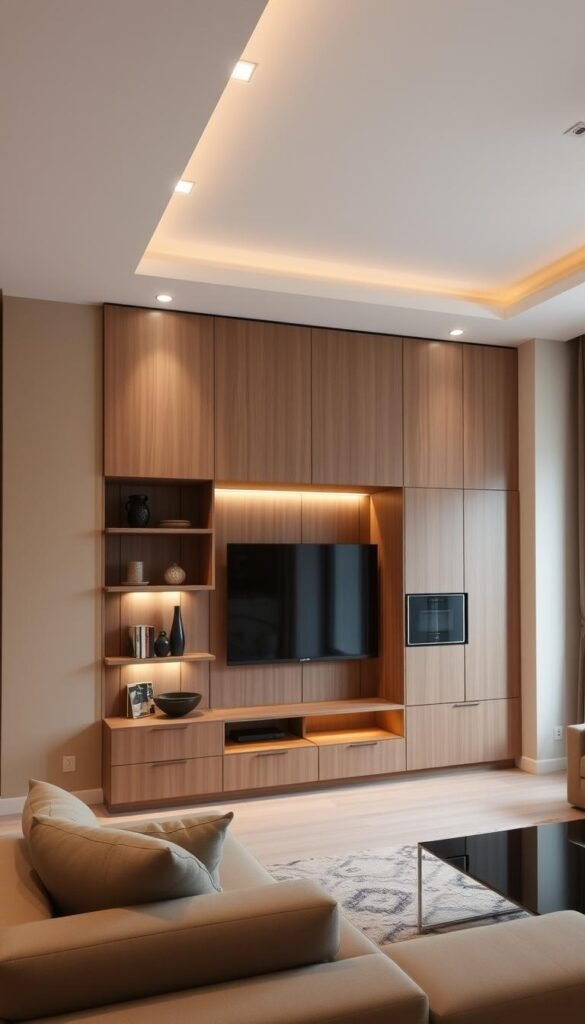
Have you ever looked up and noticed unused potential right above your head? Many homeowners overlook the vertical surfaces that can dramatically expand your functional area.
Smart use of walls and overhead areas creates valuable storage without crowding your floor plan. These solutions add both practicality and visual interest to your environment.
Designer Serena Dugan demonstrated brilliant use of often-wasted space above windows. She installed handy bookshelves that display paperbacks without creating clutter.
This approach keeps your collection accessible yet out of the way. It transforms dead space into functional display area beautifully.
Shelving Above Windows
Window tops offer perfect spots for shallow shelving units. These installations provide storage without blocking natural light.
Consider these practical solutions for overhead storage:
- Floating shelves that mount directly above window frames
- Custom built-ins that match your existing trim work
- Glass shelves that maintain light flow while providing display space
- Adjustable systems that adapt to different window sizes and styles
Safety matters when installing high storage areas. Ensure shelves are securely mounted and accessible with a small step stool.
Choose materials that complement your existing decor. Lightweight options prevent visual heaviness in your upper wall areas.
Ceiling Treatments That Heighten Space
Your overhead surface offers incredible opportunities for visual expansion. Thoughtful treatments can make your entire area feel taller and more spacious.
Suzanne Kasler used ceiling color to define a smaller living area within an open plan. Her deep blue choice created elegance while adding perceived height.
The slight glossy finish helped reflect light throughout the space. This technique makes any area feel more open and airy.
Consider these innovative overhead treatments:
- Coffered ceilings that add architectural depth and dimension
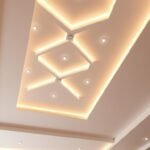
- Tray ceilings that create layered lighting opportunities
- Mirrored panels that double visual space through reflection
- Vertical stripes that draw the eye upward dramatically
“A well-designed ceiling treatment can add both character and the illusion of height to even the most compact spaces.”
Balance vertical elements with horizontal features for visual harmony. Your overall design should feel cohesive rather than competitive.
Lighting integration enhances ceiling treatments beautifully. Consider recessed options or subtle cove lighting for ambient effects.
Your color palette should work with existing walls and furnishings. Lighter tones generally create more expansive feelings overhead.
Professional installation ensures safety and perfect results. Complex treatments require expert handling for best outcomes.
Regular maintenance keeps your ceiling looking fresh and intentional. Simple cleaning preserves that spacious feeling you’ve created.
Seating Arrangements That Foster Connection
How you position your furniture directly impacts social interaction in your home. Thoughtful seating arrangements create environments where conversation flows naturally and connections deepen.
Design professionals understand that furniture placement affects more than just aesthetics. It influences how people interact and communicate within your interior.
Conversation-Focused Layouts
Amanda Jacobs demonstrated brilliant design thinking in her approach. She positioned chairs facing the sofa to encourage family interaction rather than television viewing.
This arrangement creates intimate circles where everyone can see and hear each other comfortably. It transforms your area into a hub for meaningful connection.
Consider these conversation-friendly configurations:
- Facing sofas with a central coffee table for balanced discussion
- L-shaped arrangements that create cozy corners for small groups
- Circular formations that allow equal participation from all seats
- Angled chairs that maintain open sightlines while fostering interaction
Lichelle Silvestry chose a daybed-style sofa for her Parisian project. This backless piece doesn’t block visual connection across the room.
“Furniture should facilitate human connection first—everything else follows naturally from that intention.”
Your seating should allow guests to turn and face each other easily. This flexibility makes your space work for various social situations.
Flexible Seating Options
Modular furniture offers incredible adaptability for different occasions. These pieces can be rearranged to suit intimate gatherings or larger groups.
Lightweight chairs with slender legs provide easy mobility. They can be pulled into conversation circles when needed then tucked away.
Consider these versatile seating solutions:
- Nesting stools that stack compactly when not in use
- Ottomans that serve as extra seats during gatherings
- Bench seating that accommodates multiple people without crowding
- Swivel chairs that rotate to face different directions easily
Multi-directional seating allows engagement with various parts of your room. People can participate in different conversations or activities comfortably.
Scale your furniture appropriately for your available floor space. Choose pieces that provide comfort without dominating the area.
Clear pathways between seating ensure comfortable movement. Maintain at least 30 inches between pieces for easy circulation.
Your color scheme should complement rather than compete with your seating arrangement. Neutral tones create calm backgrounds for social interaction.
Lighting plays a crucial role in conversation areas. Ensure adequate illumination for comfortable face-to-face communication.
Regular editing keeps your seating area functional and inviting. Remove unnecessary pieces that might hinder social connection.
Mirror and Reflection Techniques
Have you ever wondered how mirrors can transform your environment? These clever tools create optical illusions that expand your perception dramatically.
Strategic reflection techniques make any area appear more open and bright. They work with your existing decor to enhance both function and beauty.
Reflective surfaces bounce light around your room beautifully. This approach maximizes natural illumination throughout your space.
Add wall decorations at eye level to make your area feel taller. You can use this technique with artwork and large format tiles too.
Strategic Mirror Placement
Position mirrors opposite windows to capture incoming sunlight. This placement doubles natural brightness in your interior.
Consider these effective placement strategies:
- Large mirrors behind lighting sources to amplify illumination
- Full-length options near entryways to check your appearance
- Grouped smaller mirrors creating artistic gallery walls
- Oversized pieces above sofas or fireplaces as focal points
Mirrors can create the illusion of windows where none exist. This technique works wonders in darker areas of your home.
Choose frames that complement your overall design style. Slim metallic borders work well in contemporary spaces.
Safety matters when hanging heavy reflective pieces. Ensure proper mounting hardware for secure installation.
Using Reflective Surfaces
Beyond traditional mirrors, many surfaces offer reflection benefits. Glossy finishes and metallic elements add sparkle.
Consider these creative alternatives:
- Glass tabletops that maintain visual lightness
- Metallic accessories that catch and redirect light
- High-gloss paint finishes on walls or ceilings
- Polished stone surfaces that reflect beautifully
Balance reflective elements with matte textures for visual interest. This combination prevents overwhelming brightness.
Choose flooring and wall colors that enhance light reflection. Lighter tones work particularly well for this purpose.
Mirrored furniture serves functional purposes while adding dimension. These pieces provide storage without visual bulk.
Regular cleaning keeps reflective surfaces clear and bright. Use appropriate products for different materials.
“Strategic reflection transforms how we experience space—it’s not just about seeing more, but feeling more expansive.”
Your reflection techniques should work with your lighting plan. They create harmony throughout your interior design.
Experiment with different approaches to find what works best. The right combination makes your room feel larger and brighter.
Investing in Quality Pieces That Last
What if your furniture could actually improve with age rather than showing wear? This approach transforms how you view your environment and the items within it.
Designer Ashley Gilbreath understood this perfectly when selecting furnishings for her sun-drenched project. She chose pieces that would develop character over years rather than needing replacement.
In compact environments, every selection carries significant visual weight. Your choices need to work harder and last longer than in larger areas.
Focus on essential items like comfortable seating and functional surfaces. Remove unnecessary pieces that create visual clutter.
Choosing Timeless Over Trendy
Timeless designs transcend temporary fashion movements. They maintain their appeal through changing decor trends.
Look for classic silhouettes and neutral color palettes. These elements blend seamlessly with various styles over time.
Quality construction often accompanies timeless design. Well-made pieces feature solid joinery and durable materials.
Consider these enduring style characteristics:
- Clean lines that avoid extreme proportions
- Natural materials that develop beautiful patinas
- Neutral tones that work with changing color schemes
- Balanced proportions that fit various spatial configurations
Your investment pieces should serve as foundation elements. They anchor your decor while allowing for seasonal updates.
Furniture That Ages Gracefully
Certain materials actually improve with years of use and care. Solid wood develops character through minor scratches and color changes.
Leather gains richness as it absorbs oils and develops subtle variations. These natural materials tell the story of your daily life.
Construction quality determines how well pieces withstand daily use. Look for these indicators of longevity:
- Dovetail joints in drawer construction
- Eight-way hand-tied spring systems in upholstery
- Solid wood frames rather than particle board
- Reinforced corners and stress points
“The true cost of furniture isn’t the purchase price—it’s the cost per use over its lifetime. Quality pieces often cost less in the long run.”
Consider the environmental impact of your choices too. Well-made items reduce waste by lasting decades rather than years.
Proper maintenance extends the life of even the finest pieces. Regular cleaning and occasional professional care keep them looking their best.
Balance your investment selections with more affordable accents. This approach creates a layered, thoughtful environment.
Your space deserves pieces that grow more beautiful with each passing year. They transform your area into a truly special place.
Bringing Your Small Modern Living Room Vision to Life
You now possess all the tools to transform your compact area into something truly special. These design strategies work together to create harmony and function.
Start with a clear plan that prioritizes your most impactful changes first. Focus on elements that enhance both visual space and daily comfort.
Remember that quality pieces often deliver better long-term value than numerous smaller items. Invest in furnishings that serve multiple purposes beautifully.
Your personalized approach makes all the difference in achieving outstanding results. Trust your instincts while implementing these proven techniques.
Now embrace the exciting journey ahead with confidence and creativity. Your dream environment awaits your personal touch!