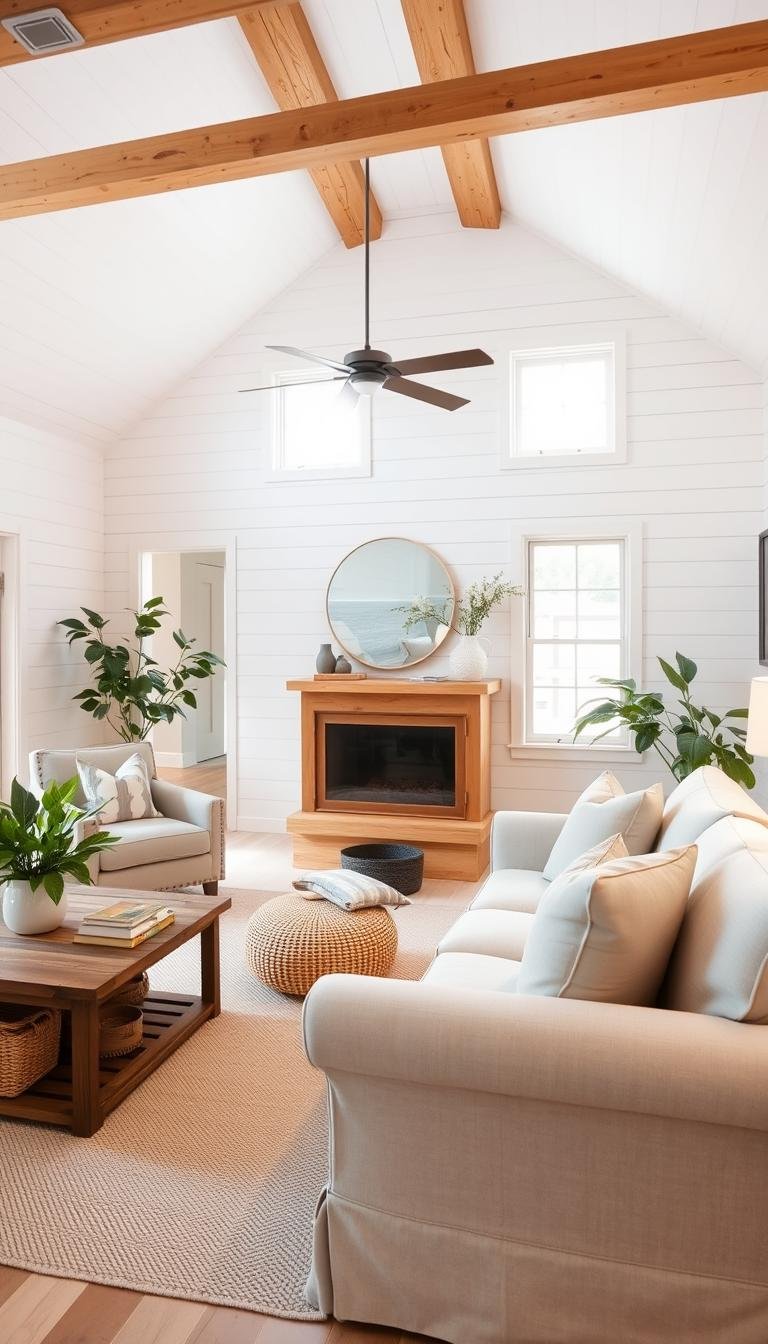
Welcome to your complete guide for choosing the perfect shades for your home. The right selection can transform your space into a cozy yet elegant retreat.
This style blends rustic charm with clean, contemporary lines. Your color choice sets the foundation for the entire design aesthetic.
In 2024, refreshing your interior with these hues creates a timeless look. They make any area feel brighter and more inviting.
Our guide walks you through selecting, testing, and applying these shades. You will achieve professional results that reflect your personal style.
Get ready to create a harmonious blend of warmth and sophistication. Your living space will become a fresh, welcoming haven.
Understanding Modern Farmhouse Living Room Paint Colors That Feel Fresh
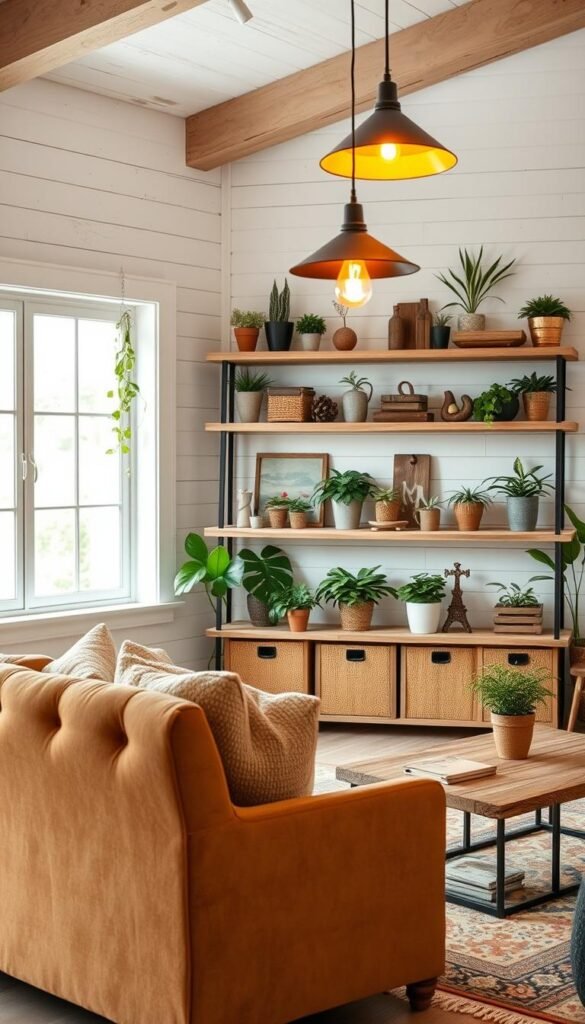
Your journey to creating the perfect atmosphere begins with understanding how different elements work together. The right combination creates a space that feels both timeless and current.
Blending Rustic Charm with Contemporary Style
This design approach beautifully merges traditional warmth with clean, current lines. Think exposed wooden beams paired with sleek lighting fixtures.
Natural textures like reclaimed wood floors complement minimalist furniture. This balance creates an inviting atmosphere that honors tradition while feeling updated.
The color palette bridges these contrasting elements. Neutral tones provide the perfect backdrop for both rustic and contemporary features.
“The magic happens when old-world character meets new-world simplicity”
Why Your Paint Choice Sets the Entire Tone
Your wall color decision influences everything in your space. It establishes the mood before you add any furniture or decor.
Lighter shades make rooms feel more open and airy. Darker tones create intimacy and coziness in larger areas.
The right selection ties all design elements together. It ensures your space feels harmonious rather than chaotic.
| Color Effect | Room Impact | Best For |
|---|---|---|
| Light Neutrals | Expands space, enhances light | Small rooms, north-facing spaces |
| Warm Greiges | Adds coziness, maintains brightness | Family gathering areas |
| Cool Grays | Creates crisp, clean backdrop | Contemporary furniture pairing |
| Soft Greens | Brings nature indoors | Spaces with outdoor views |
Your paint selection should complement existing architectural features. It should enhance rather than compete with wood tones and textures.
Consider how natural light changes throughout the day. Test samples at different times to see true color variations.
Remember that neutrals provide flexibility for future changes. They allow you to update accents without repainting.
The Core Principles of the Modern Farmhouse Palette
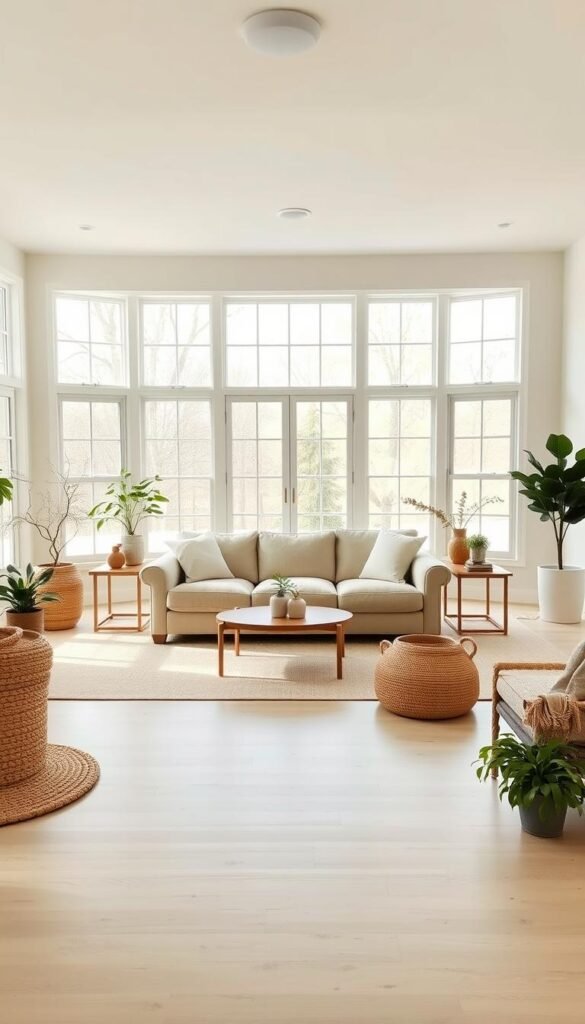
Mastering your color scheme starts with understanding fundamental design principles. These guidelines help you create a cohesive look that feels both fresh and timeless.
The right combination of neutrals and accents creates harmony throughout your space. This approach ensures your home reflects authentic farmhouse character.
Building Your Neutral Foundation
Your neutral base sets the stage for everything else in your design. Soft whites, warm beiges, and light grays form the perfect foundation.
These shades reflect natural light beautifully. They make any area feel more spacious and welcoming.
Neutral walls provide a calm backdrop for architectural details. They allow textural elements like wood beams or stone fireplaces to stand out.
According to this modern farmhouse color guide, neutrals offer incredible flexibility. You can introduce color through furniture and accessories without repainting.
“Neutrals aren’t just safe choices—they’re strategic foundations for building character”
Consider these popular neutral categories for your base:
| Neutral Type | Visual Effect | Best Lighting Conditions |
|---|---|---|
| Warm Whites | Creates cozy, inviting feeling | North-facing rooms, limited natural light |
| Cool Grays | Offers crisp, clean appearance | South-facing rooms, abundant sunlight |
| Greige Tones | Blends warm and cool elements | East or west-facing spaces |
| Soft Beiges | Adds warmth without yellow tones | Rooms with mixed lighting sources |
Introducing Depth with Accent Colors
Accent colors bring personality and depth to your neutral foundation. They create visual interest without overwhelming the space.
Muted blues, greens, and earthy tones work particularly well. These hues complement natural materials like wood and stone.
Use accent colors strategically in furniture, artwork, or decorative pieces. This approach maintains balance while adding character.
The psychological impact of color choices contributes significantly to your atmosphere. Cool tones create calm, while warm hues add energy.
Follow these principles for successful accent color integration:
- Choose 2-3 accent maximum to maintain cohesion
- Test colors against your neutral base in different lighting
- Consider existing fixed elements like flooring or cabinetry
- Use accent colors to highlight architectural features
Your accent choices should enhance rather than dominate. They complete your palette while maintaining that essential farmhouse aesthetic.
Top-Rated Modern Farmhouse Paint Colors to Consider
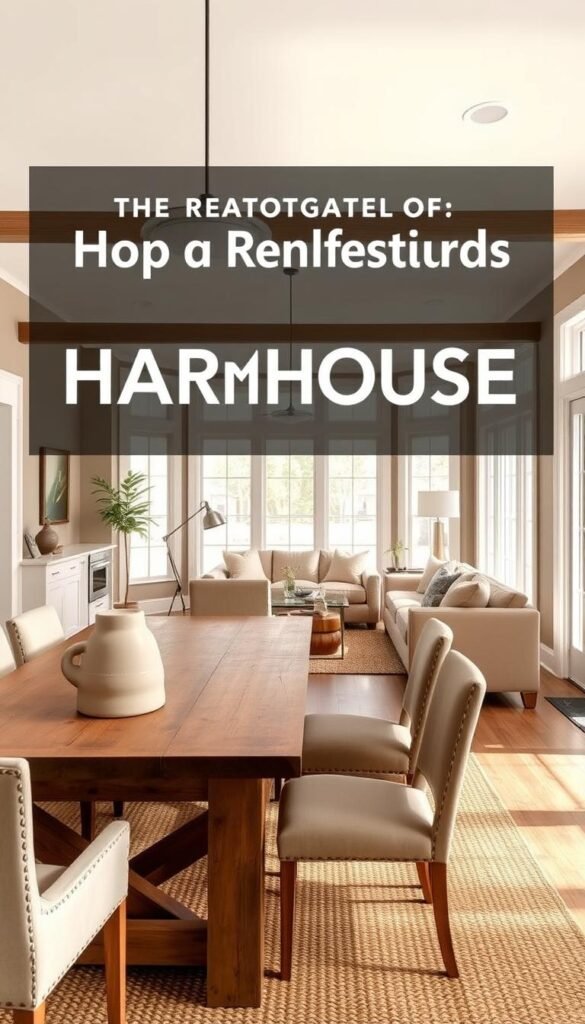
You now have the foundation to explore specific shades that bring your vision to life. These carefully selected hues have proven their worth in countless homes across the country.
Each option offers unique characteristics that enhance different aspects of your design. Understanding their technical properties helps you make informed decisions.
We’ve gathered detailed information about five exceptional choices. These colors work beautifully with natural elements and various lighting conditions.
Sherwin-Williams Alabaster (SW 7008): The Warm, Welcoming White
This beautiful off-white shade creates instant warmth in any space. Its subtle greige undertones provide coziness without appearing too yellow.
Alabaster coordinates beautifully with both warm and cool color palettes. It serves as an excellent backdrop for wood accents and metal finishes.
Your living area gains a soft, inviting atmosphere with this choice. It works particularly well in rooms with limited natural light.
Behr Silver Drop: The Subtle, Airy Gray
Silver Drop offers a light reflectance value of 70, making spaces feel open and airy. This subtle gray reflects light beautifully throughout your home.
The RGB values of #DDDACF create a sophisticated neutral base. It provides a crisp yet warm foundation for your decor elements.
Your gathering space feels more spacious and bright with this selection. It pairs wonderfully with both traditional and contemporary furnishings.
Benjamin Moore Revere Pewter: The Versatile Greige
Revere Pewter stands out with its versatile warm gray tone and 55.05 LRV. This popular greige performs excellently in various lighting conditions.
It creates a perfect balance between cool and warm undertones. Your walls gain depth while maintaining a neutral foundation.
This color works beautifully with natural wood tones and stone features. According to Benjamin Moore’s modern farmhouse color palette, versatile neutrals like this provide flexibility for changing accents over time.
Sherwin-Williams Sea Salt (SW 6204): The Soothing Green-Gray
Sea Salt blends green and gray tones to create a calm, serene environment. With its 64 LRV, it brings nature indoors without overwhelming your space.
This unique hue often reveals blue undertones in certain lighting conditions. It adds character while maintaining a peaceful atmosphere.
Your home gains a touch of organic charm with this selection. It complements natural textiles and rustic elements beautifully.
Benjamin Moore Simply White (OC-117): The Clean, Bright Classic
Simply White offers one of the brightest options with an impressive 91.7 LRV. This clean classic provides a crisp backdrop with minimal undertones.
It makes rooms feel more spacious and airy while maintaining warmth. Your space gains brightness without feeling sterile or cold.
This white works exceptionally well in south-facing rooms with abundant sunlight. It creates the perfect canvas for showcasing architectural details and personal accents.
These top-rated selections have remained popular for good reason. They each contribute uniquely to creating that authentic aesthetic you desire.
Understanding their technical specifications helps you predict how they’ll perform in your specific environment. Test samples in your actual space before making final decisions.
Choosing the Perfect Color for Your Living Room’s Vibe
Transform your space by selecting hues that establish the perfect mood for daily living. Your shade selection directly influences how your area feels and functions.
Consider both the physical characteristics and emotional impact of different pigments. The right combination creates harmony throughout your gathering space.
Creating a Bright and Airy Sanctuary
Light-reflective shades make areas feel more spacious and welcoming. Soft whites and pale grays work beautifully for this effect.
These tones maximize available illumination from windows and fixtures. They create an open, refreshing environment that feels uplifting.
Consider these techniques for enhancing brightness:
- Choose shades with high light reflectance values
- Use satin or semi-gloss finishes to bounce light
- Coordinate with light-colored flooring and ceiling treatments
- Select furnishings that complement rather than absorb light
North-facing spaces benefit from warmer undertones. South-facing rooms can handle cooler variations without feeling cold.
“The right luminous shade can transform even the smallest area into a sanctuary of light”
Designing a Cozy and Inviting Gathering Space
Deeper tones and warmer undertones create intimate, comfortable environments. They make large areas feel more contained and welcoming.
Earthy browns, muted reds, and warm greiges establish comforting atmospheres. These selections work particularly well for evening relaxation.
Your color psychology knowledge helps craft the perfect mood. Warm hues evoke feelings of security and nostalgia perfect for family time.
Greens with gray undertones bring natural elements indoors beautifully. They create grounded, peaceful environments for daily living.
Consider these elements when planning your cozy space:
| Room Feature | Color Consideration | Atmospheric Impact |
|---|---|---|
| Large open areas | Deeper accent walls | Creates intimate zones |
| Low ceilings | Lighter ceiling treatment | Enhances perceived height |
| Architectural details | Complementary tones | Highlights character |
| Existing wood elements | Coordinating undertones | Maintains harmony |
Always test samples in your actual environment before final decisions. Observe how shades change throughout the day with varying light conditions.
Your perfect atmosphere awaits through thoughtful color selection. The right choice transforms daily living into a truly special experience.
How Light and Paint Finish Transform Your Color
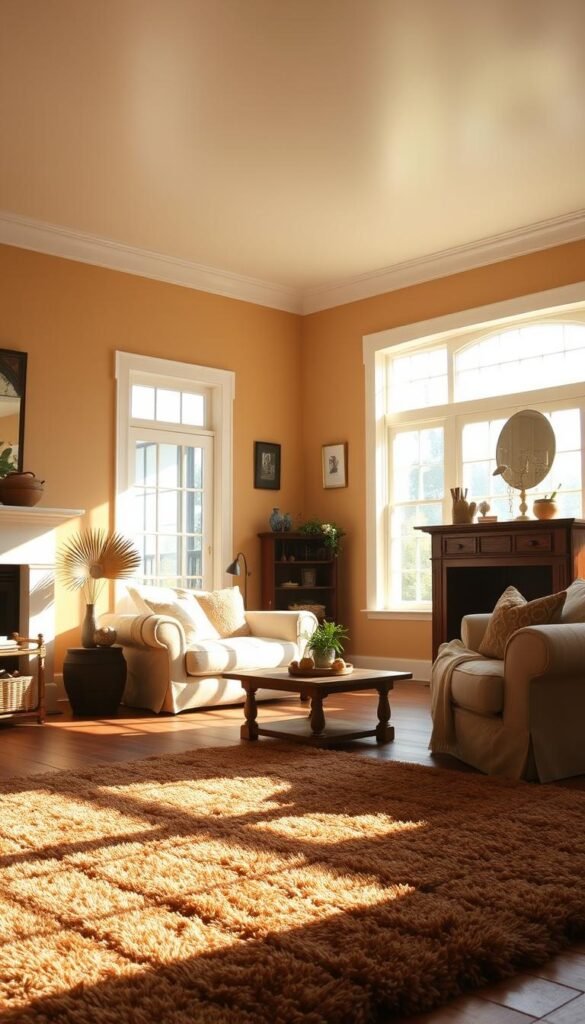
You might choose the perfect shade only to discover it looks completely different once applied. This transformation happens because light and finish work together to create the final appearance.
Understanding this relationship helps you achieve the exact look you want. Your selections will perform beautifully in your actual environment.
Maximizing Natural vs. Artificial Light
Natural illumination changes throughout the day, altering how your walls appear. Morning light creates cool tones while afternoon sun brings warmth.
North-facing rooms receive soft, consistent light. South-facing spaces get intense sunlight that can make colors appear brighter.
Artificial lighting also dramatically affects perception. Warm bulbs enhance yellow and red undertones. Cool bulbs emphasize blue and gray notes.
Test your samples under both daylight and evening conditions. Observe how they change with different light sources.
“Light doesn’t just reveal color—it actively participates in creating the final effect”
Selecting the Right Sheen: Matte, Eggshell, and Satin
Your finish choice impacts both appearance and functionality. Each option offers unique benefits for different areas.
Matte finishes create a soft, velvety appearance that absorbs light. They work beautifully for creating cozy atmospheres and hiding wall imperfections.
Eggshell provides a subtle sheen that’s easier to clean than flat finishes. It offers excellent durability for moderate-traffic areas.
Satin finishes reflect more light and stand up to frequent cleaning. They work well in high-traffic zones and moisture-prone spaces.
| Finish Type | Light Reflection | Best Applications |
|---|---|---|
| Matte/Flat | Absorbs light | Adult bedrooms, formal spaces |
| Eggshell | Subtle reflection | Living areas, hallways |
| Satin | Moderate shine | Kitchens, bathrooms, trim |
| Semi-Gloss | High reflection | Doors, cabinets, moldings |
Consider your room’s function when choosing sheen. High-traffic areas need more durable finishes.
Your finish selection should complement your overall aesthetic. It works with your color choice to create depth and dimension.
Remember that higher sheens make colors appear slightly darker. Lower sheens make the same color look lighter.
Test your color samples in the actual finish you plan to use. This gives you the most accurate representation.
Coordinating Your Paint with Furniture and Decor
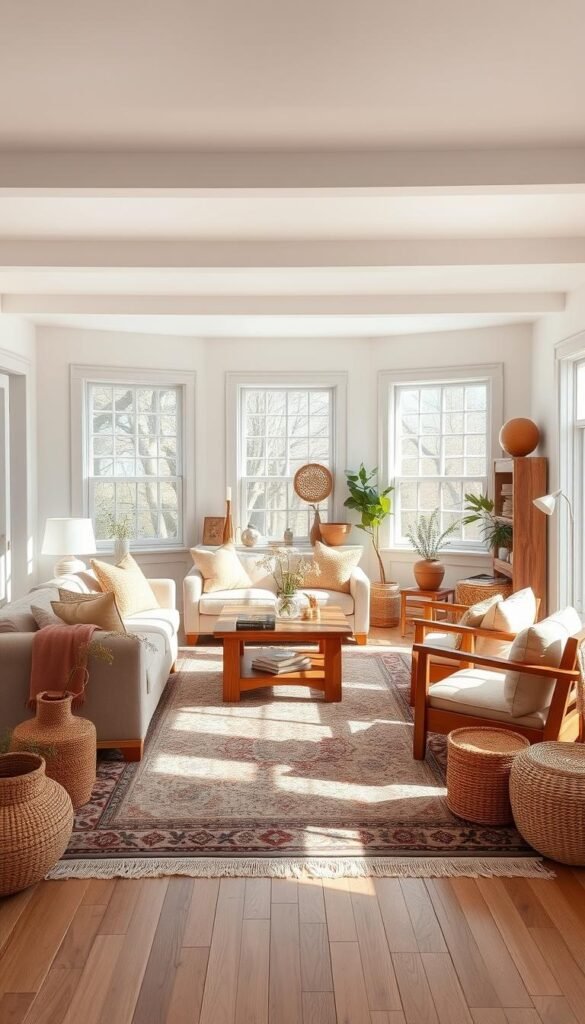
Your wall color selection works best when it harmonizes with everything else in your room. This coordination creates a unified appearance that feels intentional and well-designed.
The right combination makes your area feel complete and balanced. It brings together different textures and materials beautifully.
Matching Colors with Wood Tones and Textiles
Different wood finishes require specific color pairings for optimal results. Light oak looks wonderful with soft grays and pale blues.
Rich walnut tones pair beautifully with warm whites and creamy beiges. These combinations enhance the wood’s natural beauty.
Your textiles should complement rather than match your walls exactly. Choose rug patterns and throw pillows that share similar undertones.
Natural fabrics like linen and wool add wonderful texture. They bring softness that balances harder surfaces.
Consider these successful pairings for various elements:
| Wood Type | Ideal Wall Colors | Textile Suggestions |
|---|---|---|
| Light Oak | Soft grays, pale blues | Natural linen, cotton blends |
| Medium Cherry | Warm whites, soft beiges | Wool throws, textured weaves |
| Dark Walnut | Creamy whites, warm greiges | Heavy cottons, patterned fabrics |
| Reclaimed Wood | Earthy greens, muted grays | Homespun textiles, natural fibers |
Metal finishes also influence your color decisions. Brushed nickel works with cooler tones while aged brass prefers warmer hues.
Stone elements like fireplaces or accent walls need consideration too. Choose shades that highlight their natural variations.
Using Accent Walls and Decor for Pops of Color
Accent walls create focal points without overwhelming your entire area. They add visual interest while maintaining overall harmony.
Choose a wall with architectural significance for maximum impact. This could be behind your sofa or featuring a fireplace.
Your accent color should relate to your main scheme. It might be a darker version of your primary shade or a complementary hue.
Decor elements offer another way to introduce color variety. Throw pillows, artwork, and accessories provide perfect opportunities.
These items let you experiment with different shades safely. You can change them easily if you want a new look later.
“The most successful spaces use color to tell a story that connects all elements together”
Follow these guidelines for effective accent usage:
- Limit accent walls to one per room for balance
- Choose decor items that share color relationships
- Use accent colors to highlight architectural features
- Create color stories that flow throughout your home
Your final result should feel cohesive and intentional. Every element works together to create a welcoming environment.
Remember that less is often more with accent colors. Strategic placement creates impact without visual chaos.
Your Step-by-Step Plan for Testing and Application
You are ready to turn your vision into reality with careful preparation. The right approach ensures your project delivers professional results.
Testing shades in your actual environment prevents costly mistakes. Proper application techniques create lasting beauty.
How to Use Sample Boards and Swatches Effectively
Create sample boards using large poster boards or foam core. Paint generous sections to see true color representation.
Move boards around your room at different times. Observe how shades change with morning and evening illumination.
Place samples near fixed elements like flooring and cabinetry. This shows how tones work with existing features.
Test against textiles and furniture fabrics too. Ensure everything harmonizes beautifully.
“The true test happens not in the store, but in your home’s unique lighting conditions”
Follow this effective testing sequence:
- Apply two coats to sample boards for accurate color
- Test both natural and artificial lighting conditions
- Observe samples over 2-3 days at various times
- Compare options against each other for contrast
Professional Tips for a Flawless Finish
Begin with thorough surface preparation. Clean walls remove dust and grease that affect adhesion.
Sand surfaces lightly to create better bonding. Fill any holes or imperfections with spackling compound.
Use high-quality primer for optimal coverage. This ensures true color representation and durability.
Select brushes and rollers designed for your paint type. Quality tools minimize streaks and ensure smooth application.
These professional techniques deliver excellent results:
| Technique | Purpose | Best Tool |
|---|---|---|
| Cutting-in | Clean edges along trim | Angled sash brush |
| W-rolling | Even distribution | Medium-nap roller |
| Feathering | Blend wet edges | Dry brush technique |
| Cross-hatching | Complete coverage | Overlapping strokes |
Apply two thin coats rather than one heavy application. Allow proper drying time between layers.
Maintain consistent temperature and humidity during application. This prevents drying issues and ensures uniform finish.
Your careful preparation and technique create stunning results. The final look reflects your thoughtful planning and execution.
Bringing Your Fresh Modern Farmhouse Vision to Life
Your design journey combines practical knowledge with personal expression. The right choices create a space that truly reflects your unique taste.
Balance technical principles with your own preferences. This approach ensures your home feels both stylish and authentic.
Quality materials and proper techniques deliver lasting results. Your investment pays off in beautiful, durable finishes.
Your newly transformed area serves as a flexible foundation. It allows for easy updates as your needs evolve over time.
Trust your instincts while applying what you’ve learned. The perfect blend creates an environment you’ll love for years.
Enjoy the process of making your house truly feel like home. Your careful planning brings wonderful rewards in daily living.