Your sleeping area should be a peaceful retreat. It’s where you recharge after long days. The right pieces can make this space truly special.
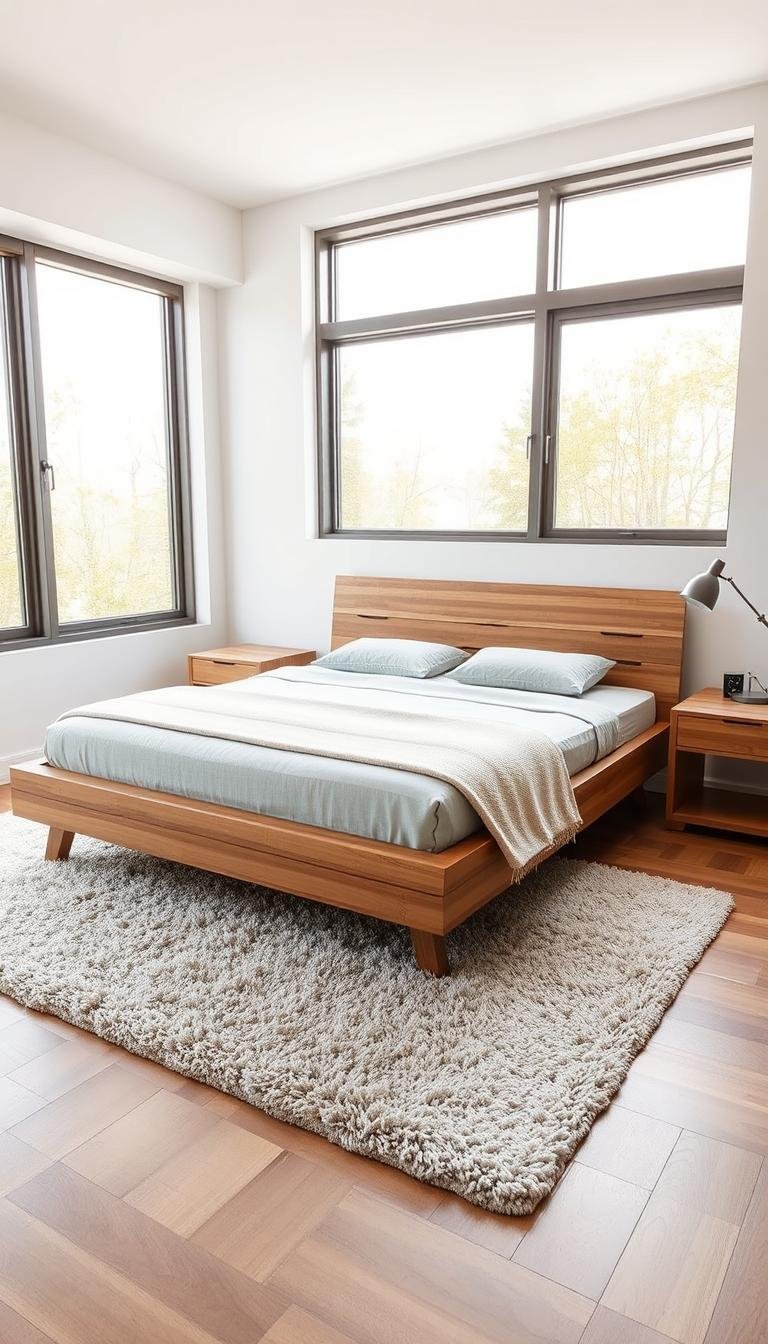
Natural materials bring warmth and character to your room. They create a cozy atmosphere that feels both inviting and stylish. These elements form the foundation of your personal sanctuary.
Choosing quality items ensures your space remains functional and beautiful. You want pieces that reflect your taste while providing comfort. This approach helps you build a room you’ll love for years.
We’ll explore how different styles and finishes can transform your area. From light natural tones to rich dark stains, each choice creates a unique mood. Let’s discover how to make your space truly yours.
1. Anchor Your Space with Bold Black Wood Tones
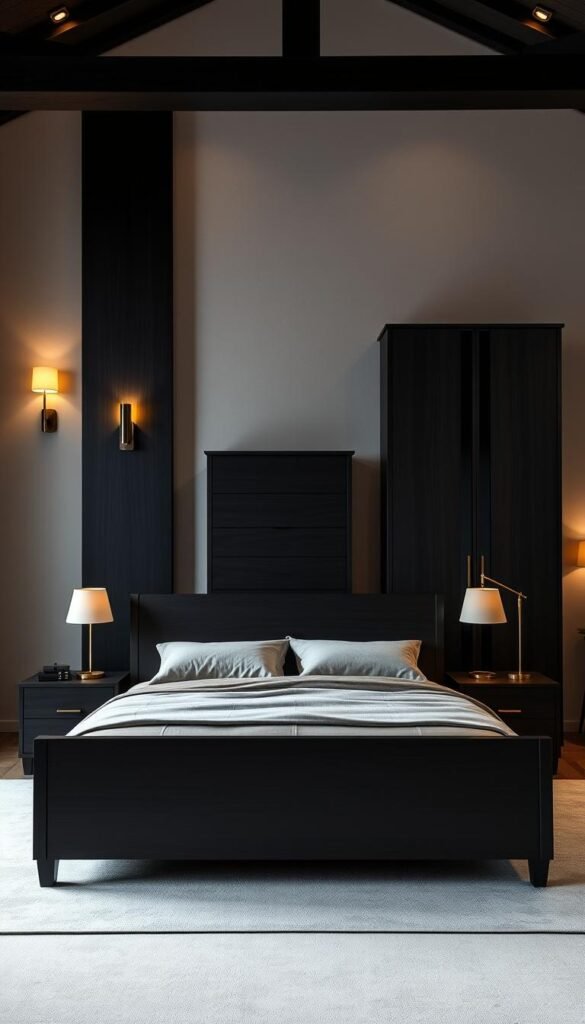
Black wood tones create a striking foundation for your personal retreat. They add depth and sophistication that transforms ordinary spaces into extraordinary ones. This approach makes your room feel intentional and well-designed.
Expert designers recommend treating black as a core element rather than an accent. Victoria Armour suggests incorporating it through key pieces like bed frames or side tables. This creates a layered, connected color story throughout your space.
Treat Black as a Core Element, Not an Accent
Think of black wood furniture as the anchor of your room. Designer Maja Owens explains it works best when planned from the beginning. This approach prevents it from feeling like an afterthought.
Consider starting with a black bed frame or dresser as your foundation. These substantial pieces ground the entire room. They create a cohesive look that flows throughout your space.
Even small black accents can make a big impact. Designer Brianna Untener shows how hardware details or sculptural vases add sophistication. They contribute to the overall design without dominating the space.
Pair Dark Finishes with Soft Textures for Balance
Balance is key when working with dark tones. Pair black wood with softer elements to prevent the room from feeling heavy. This creates a comfortable, inviting atmosphere.
Try these effective combinations:
- Linen upholstery on chairs or bedding
- Natural wood elements in lighter tones
- Muted color palettes for walls and accessories
An Austin design team created stunning contrast using black walnut against white walls. The crisp bedding and dark paneling created visual interest without overwhelming the space. This shows how contrast can work beautifully in your bedroom design.
Even children’s spaces benefit from this approach. Jet black bed frames balanced mauve pink paneling in one bunk room. The combination gave the room both weight and playful sophistication.
“Black-toned furniture should be paired with softer elements like linen upholstery, natural woods, or muted color palettes.”
Remember to incorporate varying textures and materials. This adds warmth and prevents the space from feeling too stark. The result is a balanced, sophisticated room you’ll love spending time in.
2. Embrace a Simplified, Neutral Color Palette
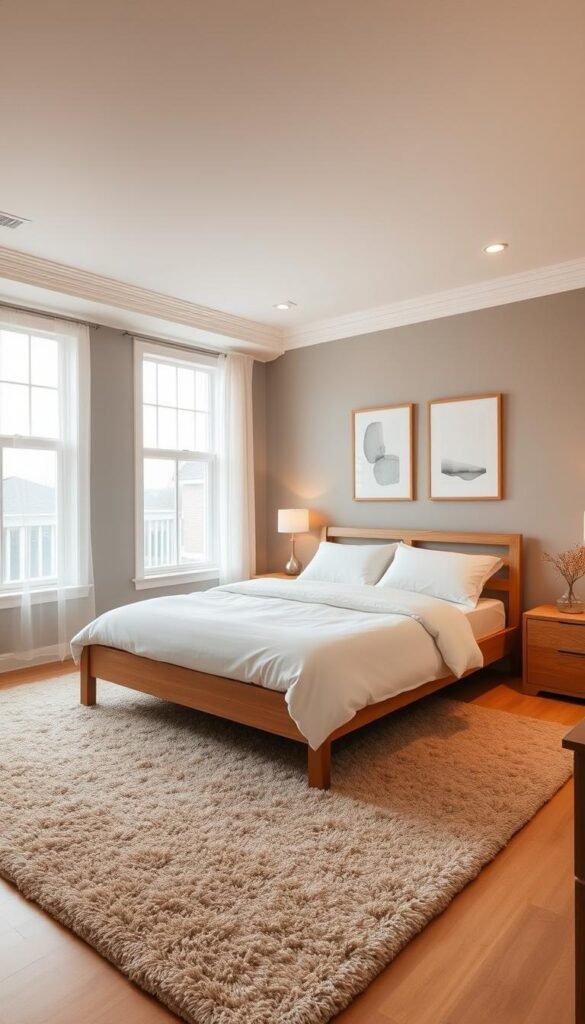
A neutral color scheme brings calm and balance to your personal retreat. It creates a peaceful environment where you can truly unwind. This approach lets your furniture become the star of the show.
Designer Kylie K. Bass champions this method for creating inviting spaces. She suggests layering neutral tones throughout your area. This builds a calming atmosphere perfect for relaxation.
Layer Neutral Tones to Create a Calming Atmosphere
Start with a foundation of soft, neutral shades for your walls and larger pieces. Think creamy whites, gentle grays, or warm beiges. These colors provide a serene backdrop for your entire room.
Add depth through textured elements like linen bedding or woven throws. Nicole Salceda recommends textured benches and potted plants. These additions bring warmth without overwhelming your space.
Consider this approach for building your neutral palette:
| Base Layer | Middle Layer | Accent Layer |
|---|---|---|
| Wall color | Bedding sets | Throw pillows |
| Large furniture | Window treatments | Decorative objects |
| Floor covering | Lighting fixtures | Artwork |
Remember to vary your textures within the same color family. This creates visual interest while maintaining harmony. The result feels both cohesive and thoughtfully designed.
Let Natural Light Showcase Textures and Silhouettes
Natural illumination transforms neutral spaces into dynamic environments. It highlights the beautiful grain patterns in your wooden pieces. Sunlight also emphasizes the texture of fabrics and finishes.
Position your bed and seating areas to maximize daylight exposure. This strategy works particularly well in rooms with abundant windows. The light becomes your design partner, enhancing every element.
Simple designs shine under natural illumination. The Häti Home ladder chair demonstrates this perfectly. Its clean silhouette transforms any corner into a curated display when sunlight hits it.
“A single piece in an unexpected color, texture, or silhouette can anchor the entire room without overwhelming the peaceful atmosphere.”
For smaller spaces, consider lighter furniture options. White or cerused oak pieces create architectural detail while providing storage. They reflect light beautifully, making your area feel more spacious.
Your lighting choices matter too. During evening hours, soft artificial lighting maintains the serene mood. It continues to highlight textures and shapes just like daylight does.
3. Incorporate Rustic and Cottagecore Touches
Bringing rustic charm into your personal space creates instant coziness. These design elements add character and personality to your room. They transform ordinary areas into welcoming retreats full of charm.
This approach combines traditional craftsmanship with contemporary sensibilities. You get the best of both worlds – timeless appeal with modern comfort. The result feels both nostalgic and fresh.
Explore Heritage Color Palettes for a Timeless Feel
British heritage colors create rich, inviting atmospheres in any room. Victoria Armour highlights deep greens, muted reds, and muddy yellows. These tones feel both rustic and refined.
These colors work beautifully with natural wood finishes. They complement rather than compete with your existing pieces. The combination creates depth and visual interest.
Consider these heritage color applications:
| Color Family | Best Use | Pairing Suggestions |
|---|---|---|
| Deep Greens | Accent walls or large furniture | Natural wood tones, cream accents |
| Muted Reds | Textiles and accessories | White walls, dark wood finishes |
| Muddy Yellows | Wall color or bedding | Wicker elements, floral patterns |
Designer Amity Worrel demonstrates how dark walls can modernize traditional elements. She combines heritage colors with updated upholstery techniques. This creates spaces that feel current yet timeless.
Mix Natural Textures Like Wicker, Linen, and Florals
Texture mixing adds depth and personality to your room. Nicole Salceda recommends combining wicker, linen, and floral patterns. These elements work together to create cohesive charm.
Wicker pieces are particularly popular right now. Painted wicker adds both color and texture to your space. These items bring cottage charm without feeling dated.
Pattern layering creates visual interest while maintaining harmony. Try combining stripes, gingham, and florals together. This approach feels curated rather than matchy-matchy.
Practical implementation makes the style accessible. A ruffled gingham bed skirt adds instant cottage appeal. “Piglet in Bed” offers patterns reminiscent of English gardens.
“Layering patterns including stripes, gingham, and florals creates a current yet timeless space when mixed with traditional elements.”
Finishing touches complete the look beautifully. Fresh flowers on nightstands add life and fragrance. A scalloped skirt rattan silhouette from Birch Lane provides the perfect final touch.
Your space will feel welcoming and personally curated. These elements combine to create a room you’ll love returning to daily. The style feels both fresh and comfortably familiar.
4. Choose Furniture with Streamlined, Modern Silhouettes
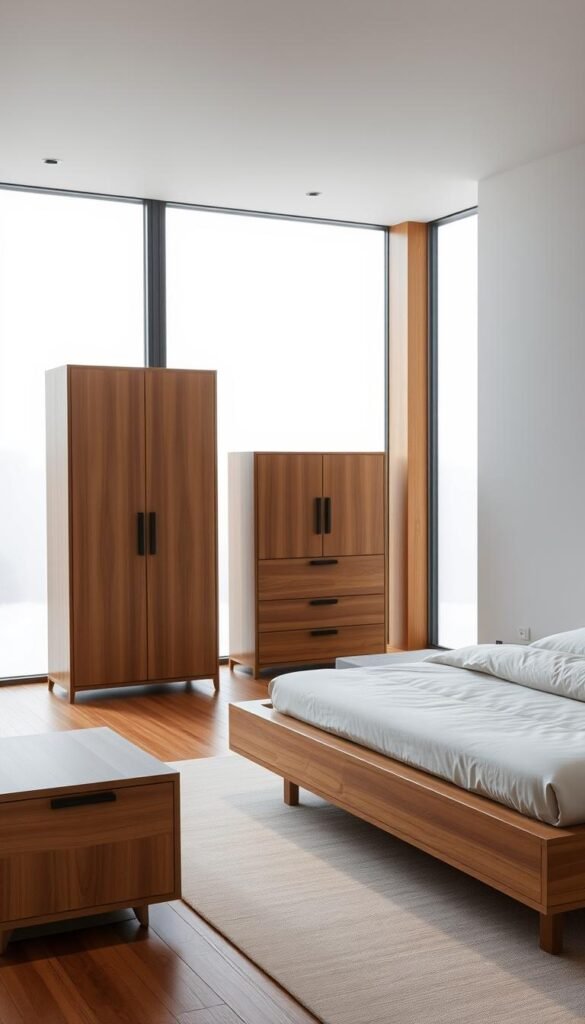
Clean, simple designs create a calming environment in your sleeping area. These pieces bring a fresh, updated feel while maintaining warmth and comfort. They help your room feel organized and intentionally designed.
Architectural Digest editors note the growing popularity of streamlined silhouettes in deep hues. These designs work beautifully with natural materials, creating spaces that feel both current and inviting.
Opt for Clean Lines and Uncluttered Designs
Simple shapes let the natural beauty of materials shine through. Unadorned pieces highlight beautiful grain patterns and rich finishes. They create visual interest without overwhelming your space.
Consider these benefits of clean designs:
- They make smaller areas feel more spacious and open
- Clean lines create a sense of order and tranquility
- Simple silhouettes work with various decor styles over time
Natural illumination enhances these designs beautifully. Sunlight showcases textures and elegant shapes throughout the day. Even basic pieces appear sophisticated when light highlights their forms.
Select Pieces that Emphasize Function and Form
Your furniture should work as beautifully as it looks. Choose items that serve practical needs while enhancing your room’s aesthetic. This approach ensures your space remains both usable and attractive.
Look for pieces with thoughtful details that improve daily life. A nightstand with integrated charging ports or a bed frame with hidden storage combines style with functionality. These elements make your routine easier while maintaining a clean look.
Designer Amity Worrel advises,
“The best designs marry purpose with beauty—they serve your needs while elevating your entire space.”
Consider how each piece contributes to your room’s flow and utility. Every item should have a clear purpose while complementing your overall design vision.
5. Maximize Functionality with Smart Storage Solutions
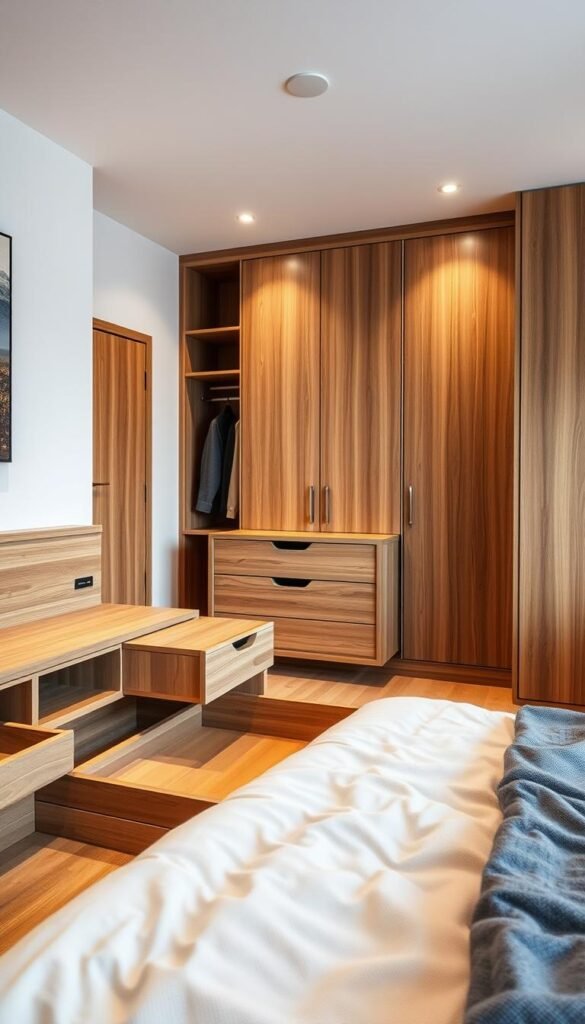
Smart storage solutions transform your sleeping area into an organized oasis. They help maintain a clean, peaceful environment where everything has its place. These clever options keep your space both beautiful and highly functional.
Designer Kylie K. Bass recommends multifunctional pieces that serve dual purposes. Think benches with hidden compartments or nightstands that double as desks. These choices maximize your area without sacrificing style.
Integrate Multifunctional Pieces like Storage Benches
Multipurpose furniture works wonders in any room size. A storage bench provides both seating and hidden space for blankets or pillows. This approach keeps your area tidy while adding practical seating options.
Consider these versatile pieces for your space:
- Nightstands with drawers for bedside organization
- Ottomans with lift-up tops for hidden storage
- Platform beds with built-in drawers underneath
Radio host Tom Joyner’s Miami home features custom headboards with concealed shoe storage. This innovative approach shows how creative solutions work in limited areas. Your furniture can become both decorative and incredibly practical.
Utilize Vertical Space with Tall Armoires or Shelving
Looking upward opens new possibilities for organization. Tall wooden armoires provide ample storage without occupying valuable floor space. They create vertical interest while keeping your essentials accessible.
Built-in shelving units make excellent use of wall areas. They provide functional space for clothing, bedding, and personal items. These solutions add architectural interest while serving practical needs.
Designer Brianna Untener suggests Murphy beds and multipurpose daybeds for compact bedrooms. These can transform a sleeping area into a home office or playroom when needed. Proportion matters greatly in smaller spaces.
“Substantial pieces often enhance room proportions and can make small bedrooms feel larger than they actually are.”
Remember to balance your storage choices throughout the room. Mix closed cabinets with open shelving for visual variety. This creates both hidden storage and display areas for your favorite decor items.
6. Layer Textures to Add Warmth and Dimension
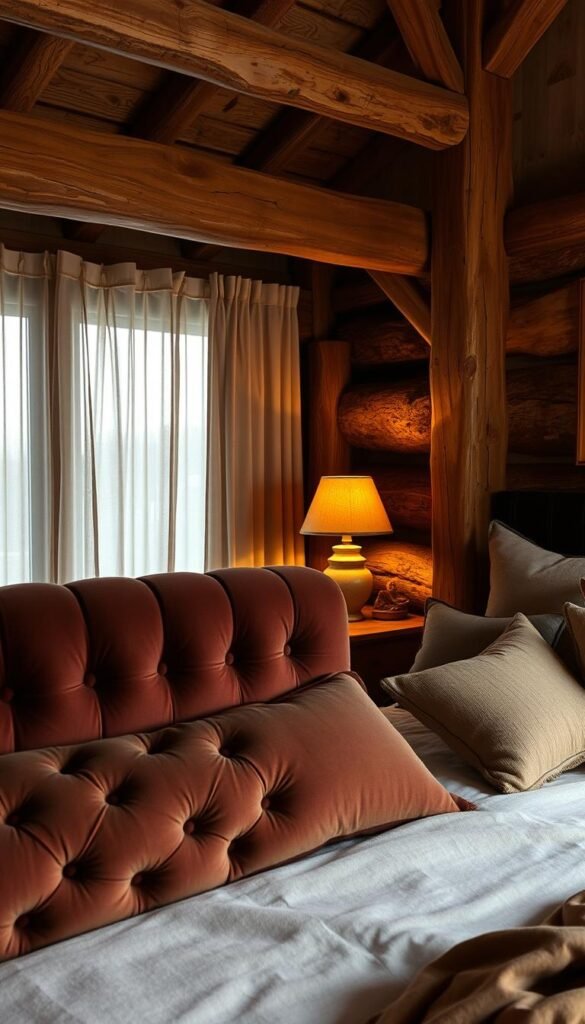
Texture layering transforms your room into a sensory experience. It adds depth and character that makes your space feel complete. This approach creates visual interest while enhancing comfort.
Nicole Salceda recommends textured benches and woven accents. These elements create warmth without overwhelming your area. Potted trees bring natural texture while purifying air.
Combine Wood with Plush Rugs and Soft Bedding
Wood surfaces pair beautifully with soft textiles. A plush rug adds comfort underfoot while defining your space. It creates a cozy foundation for your entire room.
Your bed becomes the ultimate comfort zone with layered bedding. Mix crisp cotton sheets with a nubby wool throw. Add velvet pillows for luxurious touch contrasts.
Sheepskin rugs bring organic shapes and cloud-like comfort. They work wonderfully beside your bed or favorite chair. These natural elements add warmth and texture.
Consider this approach for balanced texture pairing:
- Smooth wood nightstands with textured table lamps
- Hardwood floors with thick, soft area rugs
- Wood bed frame with layered bedding combinations
Introduce Woven Accents and Tactile Fabrics
Woven elements add handmade charm to your space. Try a macramé wall hanging or rattan baskets. These pieces bring artisanal quality to your room.
Parisian designers master monochrome texture mixing. They use bouclé headboards alongside soft rugs. This creates dimension within a limited color palette.
Linen curtains add breezy texture while filtering light. Their natural wrinkles create beautiful shadow patterns. This adds movement and organic feeling.
“Texture mixing creates spaces that feel both designed and authentically lived-in—it’s where comfort meets style.”
Patterned pillows introduce visual texture through design. Mix geometric prints with organic floral patterns. This creates eclectic sensibility throughout your space.
Your room becomes a tactile experience through thoughtful layering. Every surface invites touch while contributing to overall harmony. The result feels both curated and comfortably personal.
7. Design a Layout that Prioritizes Flow and Safety
A thoughtful layout transforms your room into a sanctuary that feels both secure and functional. It creates natural pathways that make your space easy to navigate. This approach ensures every area serves its purpose beautifully.
Good design considers both movement and mood throughout your room. You want to feel comfortable moving between different activity zones. The right arrangement makes your entire space work harmoniously.
Position Your Bed to See the Doorway
Feng shui principles offer valuable insights for creating a secure environment. Rachael Grochowski explains the ideal placement lets you see the door without direct alignment. This creates a subtle sense of safety throughout your space.
Entering at the foot of the bed feels more natural than approaching from the side wall. This positioning gives you visual control of your room’s entrance. It helps you feel more relaxed and protected while resting.
Consider these placement options for different room shapes:
- Diagonal positioning for square-shaped bedrooms
- Centered placement in longer rectangular spaces
- Angled arrangements for rooms with multiple windows
Your bed becomes the anchor point for your entire design scheme. Everything else radiates from this central piece of furniture. This creates a natural hierarchy in your room’s organization.
Create Defined Zones for Sleeping, Sitting, and Dressing
Zone creation maximizes your room’s functionality and purpose. Amity Worrel recommends treating large bedrooms as “three rooms in one.” This approach makes expansive spaces feel complete and intentionally designed.
A bench at the end of your bed creates a perfect sitting area. It provides space for putting on shoes or simply relaxing. This small addition significantly increases your room’s utility.
Consider placing a desk behind your headboard for work space. This clever positioning keeps your sleeping area separate from work activities. The psychological separation helps maintain better sleep habits.
“Bed hangings can make large bedrooms feel complete and cozy while creating distinct functional areas within one space.”
Even smaller bedrooms benefit from clear zoning strategies. Use area rugs to define different functional spaces visually. Floating shelves can create separation without consuming floor space.
Your lighting choices should support each zone’s specific purpose. Task lighting near your dressing area makes morning routines easier. Soft ambient lighting around your bed promotes relaxation and rest.
Every element should contribute to your room’s overall flow and function. Thoughtful arrangement makes your space both beautiful and incredibly practical. You’ll enjoy a room that truly supports your daily life.
8. Illuminate Your Room with Intentional Lighting
Lighting transforms your space from functional to magical. It sets the mood and enhances every element in your room. Thoughtful choices make your area feel complete and welcoming.
Maja Owens emphasizes lighting as one of the most important furniture decisions. Intentional lamps, sconces, and flush mounts add character and scale. They prevent rooms from feeling bare or unfinished.
Use a Mix of Overhead, Task, and Ambient Lighting
Layered illumination serves different purposes throughout your day. Overhead lighting provides general brightness for cleaning or organizing. Task lighting focuses on specific activities like reading or dressing.
Ambient lighting creates atmosphere and mood. Soft, diffused light makes your space feel cozy and inviting. This combination ensures your room works beautifully at any hour.
Consider these lighting types for your space:
| Lighting Type | Primary Purpose | Ideal Locations |
|---|---|---|
| Overhead | General illumination | Ceiling fixtures, chandeliers |
| Task | Focused activities | Nightstands, dressing areas |
| Ambient | Mood creation | Wall sconces, floor lamps |
Natural light plays a crucial role too. Large windows flood spaces with beautiful daylight. They highlight textures and create dynamic shadows throughout your room.
Window treatments can enhance natural illumination. Bojagi artworks in New York apartments diffuse light beautifully. They create soft, earthy hues that complement your decor.
Consider Sconces or Flush Mounts to Save Space
Wall-mounted options free up valuable surface area. Sconces provide excellent reading light without occupying nightstand space. They add architectural interest to your walls.
Flush mounts sit close to the ceiling, making rooms feel taller. They provide ample light without hanging down into your space. Both options work wonderfully in compact bedrooms.
For nightstands without accessible outlets, cordless lamps offer smart solutions. Tulip-shaped Visual Comfort pieces provide beautiful illumination without cords. They maintain clean lines while adding character.
Oversize paper pendant lights bounce illumination around small rooms. They create soft, diffused light that feels warm and inviting. These pieces make compact spaces feel brighter and more open.
“Lighting adds both character and scale to prevent rooms from feeling bare—it’s one of the most important furniture decisions you’ll make.”
Your lighting choices should complement your overall design scheme. They work with other pieces to create a cohesive look. The right illumination makes your entire room feel intentional and complete.
9. Curate a Collected Look by Mixing Furniture Styles
Creating a truly personal space means breaking free from matching furniture sets. Design experts consistently recommend against perfectly coordinated pieces. They believe matched sets can make your room feel impersonal.
Avoid Matchy-Matchy Sets for a Personal Feel
Mel Bean explains that perfectly matched bedroom furniture often robs a space of its soul. Victoria Armour adds that collectedness makes a room interesting. Blending different elements creates uniqueness.
Kylie K. Bass notes matchy-matchy pieces can appear flat. Combining materials and silhouettes brings character. Your space gains dimension through thoughtful mixing.
Blend Different Woods, Finishes, and Periods
Mixing styles creates visual interest and depth. Try a midcentury-style bed with traditional nightstands. This combination offers timeless sophistication.
Consider these practical mixing strategies:
- Combine complementary wood tones rather than matching
- Mix different design periods for eclectic charm
- Use varied finishes to create depth
Your space will feel more natural and lived-in. The mix reflects your personal taste and history. You create a room that truly represents you.
“Avoiding matchy-matchy sets allows for creativity and choosing different pieces that can be married together to truly reflect your personality and style.”
This approach makes your room feel curated rather than store-bought. You build a space with character and warmth. Every piece tells part of your story.
10. Bringing Your Modern Wooden Bedroom Ideas to Life
Now it’s time to turn inspiration into reality. Start with a plan that fits your budget and style. Choose one area to focus on first, like your bed or storage.
Add personality with textures and colors. Mix pillows, rugs, and wall decor for warmth. Architectural details like mantels can elevate the whole space.
Remember to balance beauty with function. Your room should feel both stylish and relaxing. Create a sanctuary that truly reflects you.