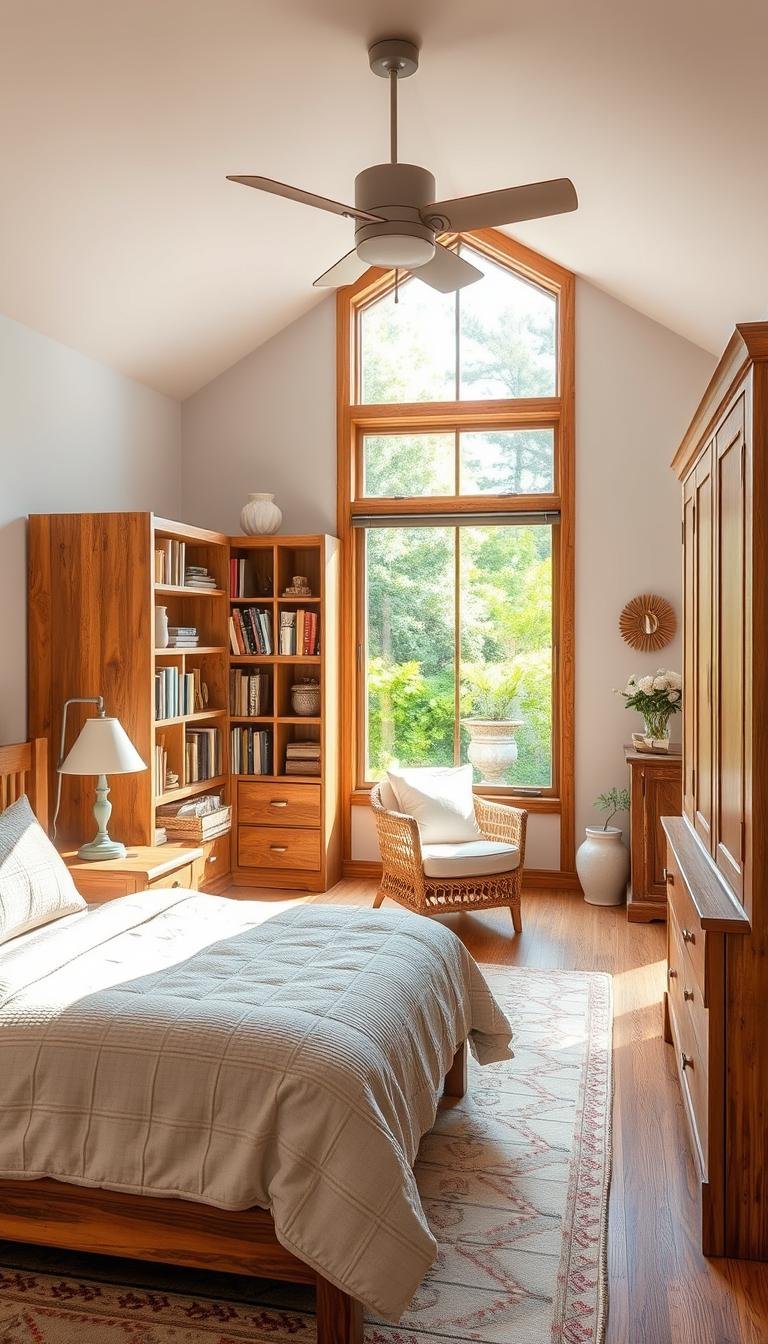
Welcome to our guide on designing a special place for your child. We understand how important it is to create a room that feels both fun and functional.
As a mom who has designed rooms for my own kids, I want to share tips that work for all ages. From little ones to teens, every child deserves a space they love.
You will learn how to make a room that grows with your daughter. It won’t feel too young or too themed. Instead, it will reflect her unique personality.
We will explore smart storage ideas that keep things tidy. You will also discover color schemes that stay stylish for years. Let’s build a cozy environment for sleep, play, and study together!
Welcome to Your Guide for a Dream Bedroom
Creating a special place for your child means thinking about both today and tomorrow. Your daughter’s needs will change over the years. This guide helps you build a room that grows with her.
We cover smart layouts and pretty details. You will find ideas that work for all ages. From play zones to study spots, every area matters.
Good storage keeps things neat and tidy. Choose options that are easy for kids to use. They should also look nice enough for your home.
The best rooms balance fun and function. They feel personal without being too themed.
Involve your child in picking colors and patterns. This makes the space truly hers. Together, you can create a place she loves.
Think about different age groups. Young kids need open floor space. Teens want cozy spots for rest and friends.
| Age Group | Key Needs | Design Focus |
|---|---|---|
| Ages 5-10 | Play area, easy storage | Bright colors, safe materials |
| Tweens | Study nook, personal space | Flexible layouts, muted palette |
| Teens | Privacy, seating for friends | Sophisticated tones, ample storage |
Remember the ceiling and walls. They offer extra space for creativity. A fun ceiling can make the room feel magical.
Your goal is a sanctuary she enjoys. A place that reflects her unique style. With planning, you can make it happen.
Mastering the Foundation: Smart Bed Layouts
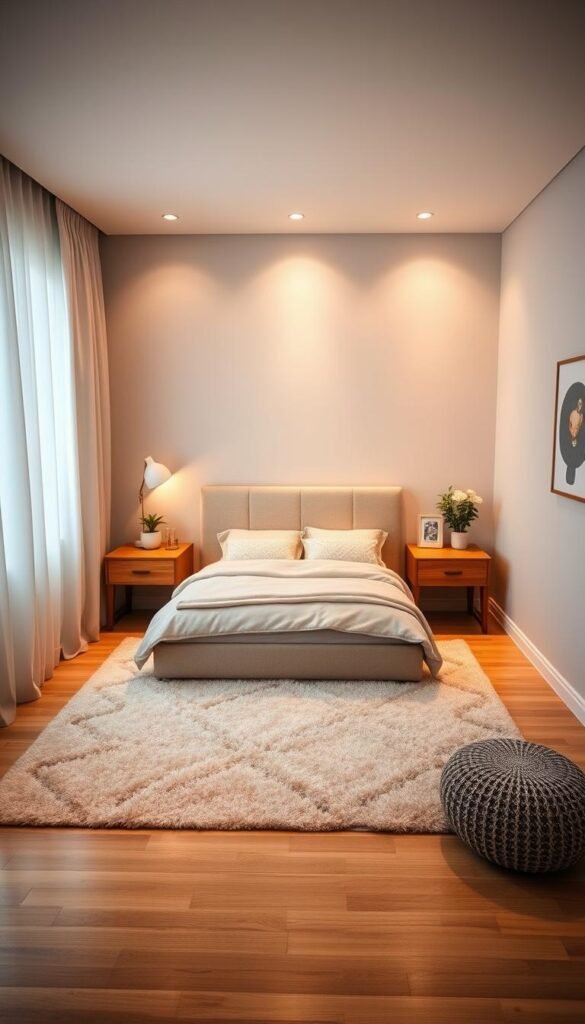
How you position sleeping areas impacts both function and style in your space. The right arrangement creates harmony between different zones. It also makes the most of your square footage.
Think about traffic flow and daily routines. Your choices affect how the room feels and works. Each option serves different needs and room shapes.
Symmetrical Flanking for a Centered Window
When your window sits perfectly centered, flank beds on either side. This creates beautiful balance throughout the space. It allows for a centered rug between them.
Consider adding a window seat or dresser in the middle. This maximizes both storage and seating options. The symmetry feels calm and organized.
Head-to-Head Beds for Maximized Floor Space
Place beds head-to-head along one wall to save precious floor space. This popular design creates privacy without blocking the room. It works wonderfully for shared spaces.
Built-out walls between beds offer extra separation. Try bold patterned wallpaper for personality. The arrangement keeps the room feeling open and airy.
“Good design solves problems while creating beauty. The right bed layout does both beautifully.”
The Classic Space-Saver: Bunk Beds Against a Wall
Bunk beds against a wall remain the ultimate space-saving solution. Choose minimalist designs with clean lines. They work well with built-in bookshelves.
Add sconce lights for reading and ambiance. Integrated shelving keeps essentials within reach. This approach creates functional sleeping spaces without overwhelming the room.
Each layout option serves different needs and room shapes. Consider what works best for your specific space. The foundation you create supports everything else.
Creative Solutions for Shared Rooms
Sharing a room can be a wonderful experience for siblings. It teaches cooperation and creates lasting bonds. But it also presents unique design challenges that require smart thinking.
You need to maximize every inch while keeping the space functional. Each child deserves their own personal area. The right layout makes all the difference.
We explore three innovative approaches that balance privacy and togetherness. These ideas work for various room sizes and age groups. They transform tight spaces into cozy retreats.
Corner-Meeting Beds for a Sleepover Vibe
Position beds in a corner formation to create an intimate sleeping nook. This unconventional layout maximizes underutilized corner space. It works especially well in rooms with limited wall areas.
Choose a corner without windows for the best results. The arrangement evokes childhood sleepover memories. It feels cozy and special every night.
Use matching bedding to unite the space visually. Add individual reading lights for personal touch. This design makes bedtime something to look forward to.
The Ultimate Space-Saver: A Loft Bed Over a Full
Modern bunk designs now feature loft beds positioned above full-size beds. This innovative approach represents the latest in space-saving technology. It grows beautifully with your children over time.
Younger kids love the fort-like feeling of the upper level. Safety features include sturdy ladders and protective rails. The design provides more foot space than traditional bunks.
Many models include built-in desks or shelves on the side. This adds functionality to your vertical space. It’s perfect for rooms that need to serve multiple purposes.
“Vertical thinking transforms cramped rooms into spacious sanctuaries. The right loft bed can double your functional area.”
The Daybed & Trundle Combo for Tiny Rooms
For the smallest shared spaces, consider a daybed with pull-out trundle. This combination takes up minimal floor space during the day. It transforms from seating to sleeping area in seconds.
The daybed serves as a comfortable couch for daytime use. At night, the trundle provides an extra sleeping surface. It’s the ultimate solution for tight quarters.
Plan carefully for nighttime bathroom breaks to avoid disruptions. Position the trundle with clear access pathways. This ensures peaceful nights for everyone.
| Solution | Best For | Key Benefits | Considerations |
|---|---|---|---|
| Corner-Meeting Beds | Rooms with awkward corners | Creates intimate sleep space, maximizes unused areas | Works best in corners without windows |
| Loft Over Full Bed | Growing children | Vertical space utilization, adapts to changing needs | Requires adequate ceiling height |
| Daybed with Trundle | Very small rooms | Dual functionality, minimal footprint | Needs planning for nighttime access |
Each solution addresses different challenges of shared living spaces. Consider your room dimensions and children’s ages. The right choice creates harmony and functionality.
Involve your children in selecting their preferred option. Their comfort and happiness matter most. Together, you can create a space everyone loves.
Unlocking Potential with Built-In Furniture
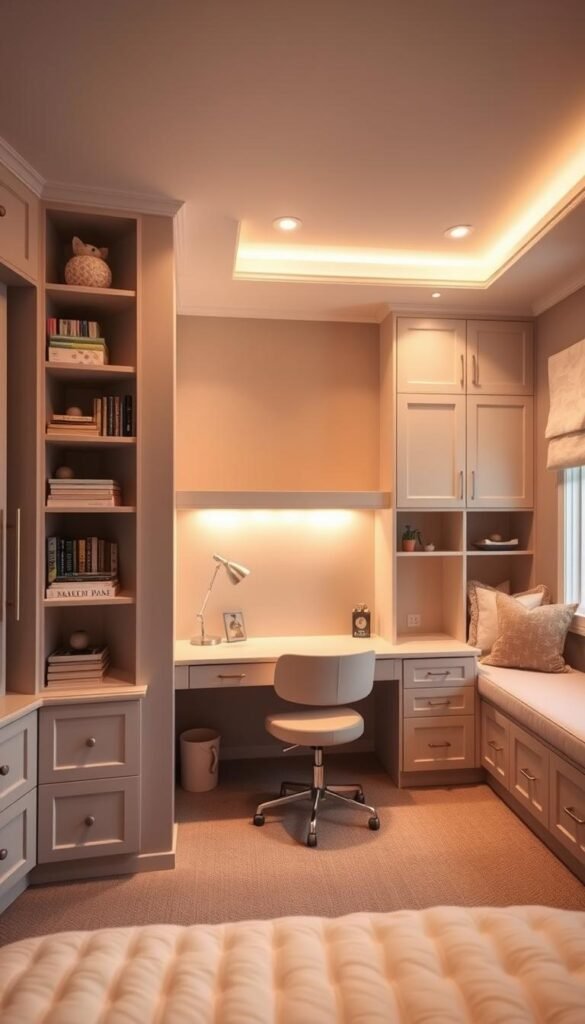
Custom solutions transform ordinary areas into extraordinary spaces. Built-in options make every inch count while adding character. They create a polished look that feels intentional and complete.
These designs work especially well in challenging layouts. Odd corners become functional zones. Limited square footage gains new purpose.
You can incorporate lighting, storage, and sleeping areas in one unit. This approach saves valuable floor space. It also creates a cohesive aesthetic throughout the room.
Custom Built-In Bunks for a Seamless Look
Built-in bunk beds represent the height of custom design trends. They incorporate timeless elements like sconce lighting and rolling ladders. These features add both function and charm.
The structure appears to take up no floor space when designed properly. Integrated shelving keeps essentials within easy reach. Safety rails provide peace of mind for parents.
Choose materials that match your existing decor for continuity. Neutral tones allow for easy updates over time. This investment often increases your home’s value while solving practical needs.
Transforming a Closet into a Cozy Bed Nook
Empty closets offer fantastic potential for magical sleeping spaces. With some creativity, you can create a secret hideaway your child will adore. This transformation frees up significant floor area for other uses.
Add curtains to enhance the cozy, enclosed feeling. Built-in shelves along the sides provide perfect spots for books and treasures. Soft lighting creates a warm, inviting atmosphere for rest.
This solution works wonderfully for single sleepers wanting privacy. It turns underutilized space into a special retreat. Your daughter will enjoy having her own little sanctuary within her room.
“Built-in solutions turn limitations into opportunities, creating spaces that feel both magical and practical.”
Both options offer smart ways to maximize your available area. They provide lasting solutions that grow with your child. With careful planning, you can create a room that feels both spacious and special.
Girls Bedroom Furniture Layout Inspiration for Small Spaces
Limited square footage doesn’t mean compromising on style or function. You can create amazing rooms that feel both spacious and special. Thoughtful planning makes all the difference in compact areas.
Two approaches work particularly well for tight quarters. The opposite ends layout maximizes long, narrow rooms. The minimalist approach focuses on essential pieces only.
Opposite Ends Layout for a Long Room
This smart arrangement places sleeping areas at each end of elongated rooms. It creates defined personal spaces for each child. The middle becomes perfect for shared functions.
You can use the center area for desks, storage, or seating. This works especially well for older children wanting privacy. They appreciate having their own designated territory.
Consider adding sliding barn doors between sections. These save valuable floor space while providing separation. The layout gives everyone their own cozy nook for rest.
The Minimalist Approach: Less Furniture, More Room
This design philosophy focuses on essential pieces only. You avoid clutter to make small rooms feel more spacious. The result is bright, airy spaces that promote calm.
Start with white walls and simple bedding. Add soft color pops through accessories and textiles. Natural textures and boho elements bring warmth without overwhelming the room.
Every piece should serve multiple purposes when possible. This strategy proves that even compact areas can be amazing. Thoughtful choices transform limited spaces into functional, beautiful rooms.
Both approaches demonstrate how layout decisions impact your space. They show that intention creates rooms your daughter will love for years. The right design makes small feel spacious and special.
Designing for Your Little Girl (Ages 5-10)
Young children need rooms that spark imagination while providing comfort. This age group loves spaces that feel magical and personal. You can create an environment that supports both play and rest.
Focus on elements that encourage creativity and calm. Your daughter will appreciate having areas just for her. These features make her room a special place in your home.
Go Big with a Playful Wall Mural
Large blank walls offer perfect opportunities for artistic expression. Murals fill these spaces with color and personality. They transform ordinary rooms into dream environments.
Choose designs that reflect your child’s current interests. Peel-and-stick options allow easy changes over time. This way, the room grows as her tastes evolve.
Murals serve as stunning focal points for the entire space. They make decorating other areas simpler and more cohesive. Your little girl will love having such a personal touch.
Creating an Imaginative Reading Nook
Dedicated reading areas encourage literacy and quiet time. These cozy spots become favorite retreats for relaxation. They provide perfect spaces for rest and imagination.
Design with comfort as your top priority. Canopies create a sense of magic and enclosure. Plush cushions and easy book access make reading appealing.
This represents one of the most effective design parenting hacks. It makes literature enjoyable through comfort and aesthetics. Your daughter will cherish her special reading corner.
| Feature | Benefits | Best Placement | Maintenance Tips |
|---|---|---|---|
| Wall Mural | Adds color and personality, serves as focal point | Largest blank wall area | Use removable wallpaper for easy updates |
| Reading Nook | Encourages literacy, provides quiet retreat | Quiet corner with good light | Choose washable cushions and accessible storage |
| Canopy | Creates magical enclosure, adds texture | Above reading area or bed | Regular dusting, machine washable fabrics |
| Book Storage | Keeps favorites organized and accessible | Within arm’s reach of seating | Low shelves for independent access |
Both elements allow young children to express their personalities. They create functional, beautiful spaces that adapt to changing interests. These features maintain their benefits through the years.
Involve your daughter in selecting colors and themes. Her input makes the space truly special. Together, you can create a room she’ll love for years to come.
Transitioning to a Tween & Teen Room
As your child grows, their needs evolve from play-focused to study and social spaces. This transition period requires thoughtful adjustments to their personal environment. You want to create a room that supports both academic focus and comfortable socializing.
These changes don’t need to be overwhelming or expensive. Simple updates can transform the space to meet new requirements. The key is balancing function with personal style.
Creating a Dedicated Study Space
Academic demands increase significantly during these years. A dedicated work area becomes essential for homework and projects. This space should promote concentration and organization.
You don’t need complicated solutions. Simple tables with brackets work perfectly for creating effective work surfaces. Position the desk near natural light sources when possible.
Consider adding wall-mounted shelves above the work area. These keep supplies organized and within easy reach. Good task lighting is crucial for evening study sessions.
Adding Additional Seating for Friends
Tweens and teens spend considerable time in their personal spaces with friends. Comfortable seating options prevent crowding on sleeping areas or the floor. This makes hangouts more enjoyable for everyone.
Look for versatile pieces that serve multiple functions. Loveseats provide perfect seating for two, while ottomans offer extra surface space when needed. These elements acknowledge the changing social needs of growing children.
Flexible arrangements allow the area to serve multiple purposes without feeling cluttered. Social seating encourages positive peer interactions and makes the room welcoming.
“The transition from childhood to teenage years requires spaces that support both academic success and social development. Smart furniture choices make this possible.”
| Element | Purpose | Space Requirements | Budget-Friendly Options |
|---|---|---|---|
| Study Desk | Homework and projects | 30-36 inches wide | IKEA tables with brackets |
| Task Lighting | Evening study sessions | Desktop or wall-mounted | Adjustable desk lamps |
| Additional Seating | Friend gatherings | Compact footprint | Ottomans, loveseats |
| Storage Solutions | Organization | Vertical space utilization | Wall shelves, baskets |
These transitional elements help create a room that grows with your child. They provide both work and social areas that meet evolving needs. With careful planning, you can achieve this without major renovations.
Involve your daughter in selecting these new pieces. Her comfort and satisfaction with the space matter most. Together, you can create an environment she’ll enjoy through her teen years.
Infusing Personality with Color & Pattern
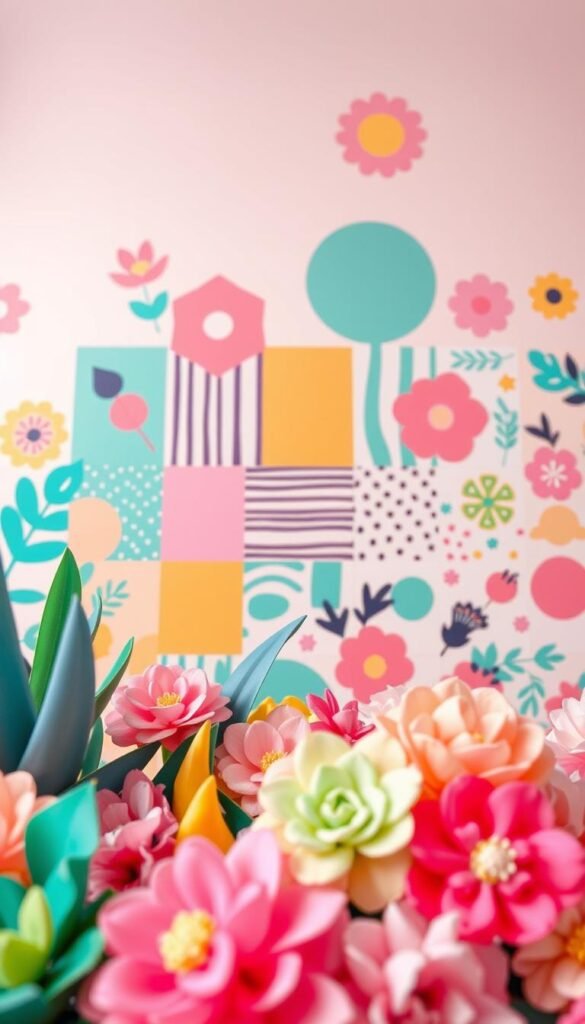
Colors and patterns bring life to any space. They express your daughter’s unique spirit while creating a cohesive look. Thoughtful choices make the room feel special and personal.
You can achieve this without overwhelming the design. The right combinations add depth and character. They transform ordinary areas into extraordinary environments.
Mixing Shades of a Favorite Color
Choose one color family and explore its different tones. For example, mix soft blush with vibrant coral and hot pink. This creates visual interest while maintaining harmony.
The layered approach adds sophistication to the space. It feels intentional rather than random. Your daughter can enjoy her favorite hue in various intensities.
Try this technique with bedding, walls, and accessories. Different shades work together beautifully. The result feels curated and personal.
Going Bold with Graphic Wallpaper
Graphic patterns make powerful statements without being fussy. They add energy and personality to the room. Choose designs that reflect your child’s current interests.
Pair bold wallpaper with complementary patterns like gingham. This creates fun, funky spaces that feel current. The combination works especially well as an accent.
Consider using graphic patterns on one wall or in a nook. This defines areas without overwhelming the entire space. It’s an easy way to inject personality.
“Unexpected color combinations like lilac and lime green promote discovery and wonder in young minds. They encourage creativity while feeling fresh and modern.”
Both approaches allow for personal expression. They create rooms children love while maintaining aesthetic appeal. These strategies work for various age groups.
| Design Approach | Best Application | Color Combination Examples | Age Group Suitability |
|---|---|---|---|
| Color Layering | Bedding, wall colors, accessories | Blush, coral, hot pink tones | All ages |
| Graphic Patterns | Accent walls, reading nooks | Bold prints with gingham | Tweens and teens |
| Unexpected Combos | Decor elements, textiles | Lilac and lime green | Younger kids |
| Neutral Base | Main walls, large furniture | Whites and grays with color pops | All ages, grows well |
These design choices demonstrate that children’s spaces don’t need juvenile schemes. They can be fun and engaging while maintaining sophistication. The right colors and patterns create rooms everyone enjoys.
Involve your child in selecting colors and patterns. Her input makes the space truly hers. Together, you can create an environment that reflects her unique personality.
The Power of Smart Storage Solutions
Smart organization transforms chaotic areas into peaceful retreats. Good storage keeps your child’s space tidy and functional. It also makes the room feel more spacious and inviting.
Children naturally collect treasures and toys over time. These items need proper homes to prevent clutter. The right solutions blend seamlessly with your design.
Benches with Baskets for Hidden Storage
Basic white bench seats offer clever dual functionality. They provide comfortable seating while hiding organization needs. Add cushions for extra comfort and style.
Integrated basket storage keeps toys and books out of sight. This approach maintains visual cleanliness throughout the area. Your daughter can easily access her favorite items.
These benches create cute reading nooks in corners. They work wonderfully under windows or along empty walls. The storage remains hidden but always accessible.
Wall-Mounted Shelving for Books & Treasures
Wall systems maximize your vertical space beautifully. They create designated spots for books and collectibles. This eliminates stacks on surfaces throughout the room.
Floating shelves keep essentials organized and within reach. They work perfectly above desks or beside sleeping areas. Your child can display special treasures proudly.
Consider spice rack shelves for small items and books. These solutions turn empty wall areas into functional storage. They help maintain a clutter-free environment.
“Smart storage should be both accessible for children and stylish enough to complement room decor. The best solutions disappear into the design while serving practical needs.”
| Storage Solution | Best Placement | Items It Holds | Age Appropriateness |
|---|---|---|---|
| Bench with Baskets | Under windows, in corners | Toys, books, blankets | All ages |
| Wall-Mounted Shelves | Above desk, beside bed | Books, treasures, photos | Tweens and teens |
| Floating Spice Racks | Near study area | Small items, art supplies | Younger children |
| Corner Cabinets | Unused corners | Toys, games, collections | All ages |
These organization ideas address constant accumulation of items. They provide practical solutions while maintaining aesthetic appeal. Your child’s space stays functional and beautiful.
Involve your daughter in organizing her treasures. This teaches responsibility while keeping her area tidy. Together, you can create a space that works for everyone.
Don’t Forget the Fifth Wall: Ceiling Ideas
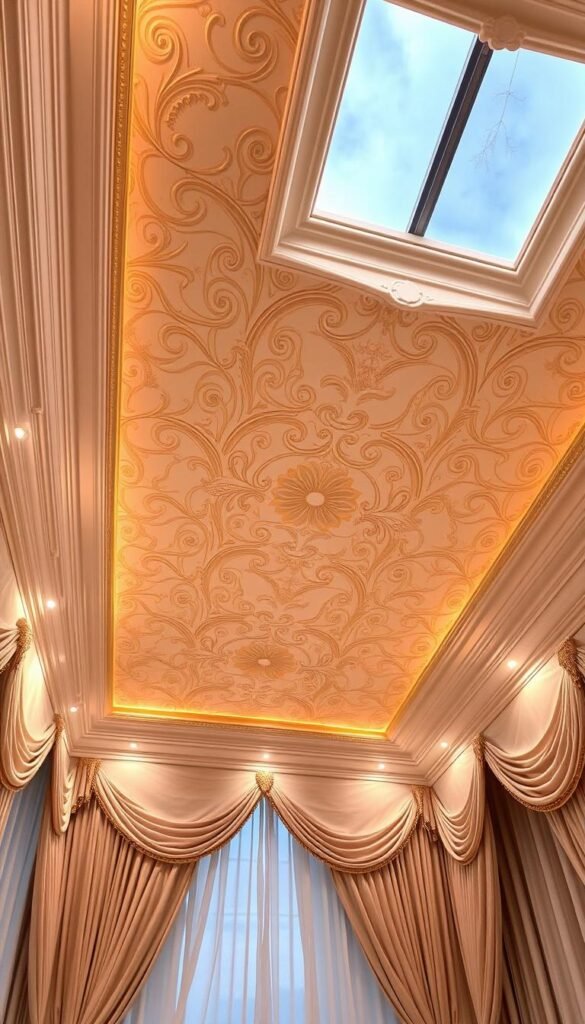
Many people overlook the ceiling when designing a room. This surface offers fantastic opportunities for creativity. It can transform the entire feel of your space.
Overhead treatments add surprise and delight to any area. They create memorable moments that children adore. These ideas work well in various room sizes.
You can achieve dramatic effects without major renovations. Simple changes make big impacts. The ceiling becomes a canvas for imagination.
Adding Whimsy with Ceiling Wallpaper
Wallpaper isn’t just for vertical surfaces anymore. Covering the ceiling creates fun surprises. Your daughter will love waking up to cheerful patterns.
Choose designs that complement your color scheme. Exuberant prints add energy and personality. This approach works especially well above sleeping areas.
The element of surprise makes rooms feel special. It demonstrates thoughtful attention to every detail. Ceiling wallpaper transforms ordinary spaces into extraordinary ones.
Painting a Simple Architectural Mural
Hand-painted designs create focal points without clutter. Simple architectural elements add sophistication. They work beautifully in minimalist rooms.
Consider soft clouds or geometric patterns. These murals add dimension and interest. They look especially magical from lying positions.
This treatment ties together your overall design. It introduces complementary colors or patterns. The ceiling becomes an integral part of your room’s story.
“Decorated ceilings create WOW moments that elevate entire spaces. They turn the often-neglected fifth wall into a dramatic design element.”
Both approaches demonstrate that every surface matters. They add visual interest without overwhelming the area. Your child’s room becomes more inspiring and complete.
These ideas prove that creativity has no limits. Even overhead spaces contribute to the overall magic. You can create a room that feels truly special.
Choosing the Right Bedding for Your Layout
The perfect bedding transforms your sleeping area into a cozy sanctuary. It completes your design while making daily routines easier. Your choices affect both comfort and style in the space.
Consider how bedding works with your specific arrangement. Some designs work better against walls or in tight corners. Others shine in open, centered positions.
Good bedding should be beautiful and practical. It needs to withstand frequent washing while maintaining its appeal. The right selection makes your bed a highlight of the room.
Why Zip-Up Bedding is a Game-Changer
Zip-up systems revolutionize how you make beds in challenging layouts. They work wonderfully for arrangements against walls or in bunk setups. Large zipper tabs make them easy for small fingers to manage.
These innovative designs feature blanket panels that pull out for coverage. They wash easily every couple of weeks, maintaining freshness. Coordinating pillow cases and shams complete the polished look.
Additional blankets with minky lining provide extra warmth for cooler nights. The system accommodates different sleep preferences effortlessly. It turns bed-making from a chore into a simple, satisfying task.
“Zip-up bedding transforms difficult bed-making situations into effortless routines, giving children independence while maintaining beautiful aesthetics.”
Styling Tips for a Beautifully Made Bed
Create visual appeal with thoughtful pillow arrangements. Start with stacked sleeping pillows against the headboard. Add large throw pillows for comfort and style.
Finish with lumbar pillows for that designer touch. This layered approach adds depth and texture to your sleeping area. It makes the bed feel inviting and complete.
Choose colors and patterns that complement your overall design scheme. Mix solids with prints for visual interest. Your bedding becomes a focal point that ties the room together.
Consider the practical aspects too. Select fabrics that withstand frequent washing. Ensure everything coordinates for a put-together look.
| Bedding Element | Function | Best For | Maintenance Tips |
|---|---|---|---|
| Zip-Up Comforter | Easy bed-making, adjustable warmth | Bunk beds, wall-side arrangements | Machine wash every 2 weeks |
| Throw Pillows | Adds comfort and visual appeal | Creating layered, designer look | Spot clean as needed |
| Minky Blanket | Extra warmth, soft texture | Cooler climates, sensitive sleepers | Gentle cycle, low heat dry |
| Coordinating Shams | Completes the ensemble | Polished, finished appearance | Wash with main bedding |
These styling techniques work for various age groups and room designs. They create beds that are both functional and beautiful. Your sleeping area becomes a true highlight of the space.
Involve your child in selecting patterns and colors she loves. This makes her feel ownership over her personal environment. Together, you can create a bed she’ll enjoy for years.
Final Touches: Decor That Makes a Difference
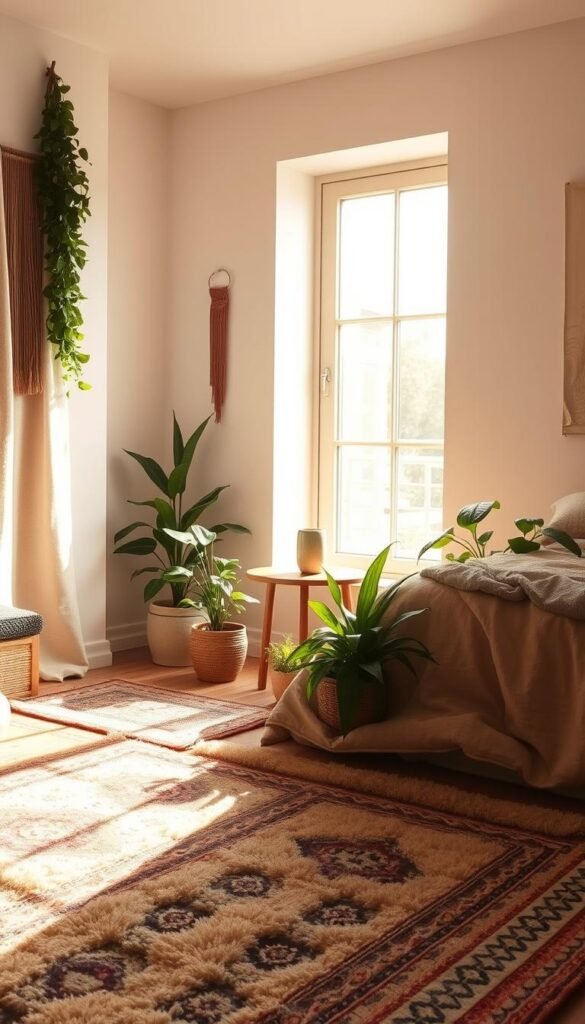
The last details transform your child’s space from functional to fantastic. These finishing elements add personality and comfort to the entire area. They create a welcoming environment your daughter will love spending time in.
Thoughtful accents make the room feel complete and cohesive. They reflect your child’s unique spirit while maintaining design harmony. These touches turn a well-planned space into a true sanctuary.
Layering Rugs for Warmth and Coziness
Area rugs create instant coziness underfoot while anchoring your design. Layering works beautifully even over existing carpet. This technique adds texture and visual interest throughout the space.
Choose complementary patterns and colors for your layers. The bottom rug should be larger for stability. Top with a smaller, contrasting piece for definition.
This approach defines different zones within the room. It provides extra comfort for play and relaxation. Your child will appreciate the softness during daily activities.
Incorporating Plants for a Breath of Fresh Air
Living plants bring natural beauty and improved air quality indoors. They add life and freshness to any environment. Choose varieties that tolerate occasional neglect since kids forget watering chores.
Snake plants and pothos make excellent low-maintenance options. They thrive in various light conditions and require minimal care. These resilient plants survive occasional missed waterings.
Place plants on shelves, desks, or hanging planters. They introduce organic shapes and calming green hues. This natural element completes your room’s transformation.
“The final layer of decor turns a house into a home—these personal touches make spaces feel lived-in and loved.”
Both elements contribute to the overall sensory experience. They create environments that feel inviting and complete. Your child’s space becomes a true reflection of their personality.
- Rug layering defines areas while adding comfort underfoot
- Plant selection should prioritize easy-care varieties
- Both elements work together to create a cohesive look
- Final choices should reflect your child’s personal style
These finishing touches complete your room’s journey from plan to reality. They make the space feel thoughtfully designed and personally meaningful. Your daughter will enjoy her special environment for years to come.
Involving Your Daughter in the Design Process
Creating a personal space together builds lasting memories while ensuring the final result reflects her unique personality. This collaborative approach transforms the design journey into a special bonding experience for your family.
When you include your child in decisions, she develops pride and ownership over her environment. The process becomes more meaningful than just decorating a room. It becomes about creating a space that truly feels like hers.
Choosing a Color Scheme Together
Color selection becomes an exciting adventure when you explore options together. Your daughter might love rainbow brights or prefer sophisticated jewel tones like purple and teal. Each child has unique preferences that deserve consideration.
This collaborative process ensures the final palette reflects her tastes while maintaining design integrity. You can guide her toward choices that will work well for years. The result is a color scheme you both love.
Consider creating mood boards with paint samples and fabric swatches. This visual approach helps younger children understand how colors work together. It turns abstract concepts into tangible choices.
Selecting Pieces That Reflect Her Style
Furniture and decor should authentically represent your daughter’s evolving personal style. One child might prefer feminine details while another chooses more tailored elements. These differences make each space uniquely special.
Involve her in selecting key pieces that will grow with her over time. Look for items that can adapt to changing tastes through accessories and linens. This approach creates a room that evolves as she does.
The selection process teaches valuable lessons about design principles. It also respects her individual tastes and preferences. Your guidance helps balance practicality with personal expression.
“When children help design their space, they develop a deeper connection to their environment. The room becomes a true reflection of their personality rather than a generic template.”
This collaborative approach works for siblings with dramatically different aesthetic preferences. Each child deserves a space that feels personally meaningful. The process creates rooms that truly reflect their occupants.
Remember that the journey matters as much as the destination. The time you spend planning together creates memories that last beyond the physical space. Your daughter will cherish both the process and the result.
Your Journey to the Perfect Room Starts Now
You have all the ideas and strategies to create a special space your daughter will cherish. Remember, the best rooms grow and change over time, just like your child.
Enjoy this creative process together. It builds wonderful memories while making the design truly hers. You don’t need to do everything at once.
Start with one or two elements that matter most. Add personal touches gradually as needs evolve. Trust that functional layouts with heart will create a home within your home.
Your perfect room awaits—happy creating!