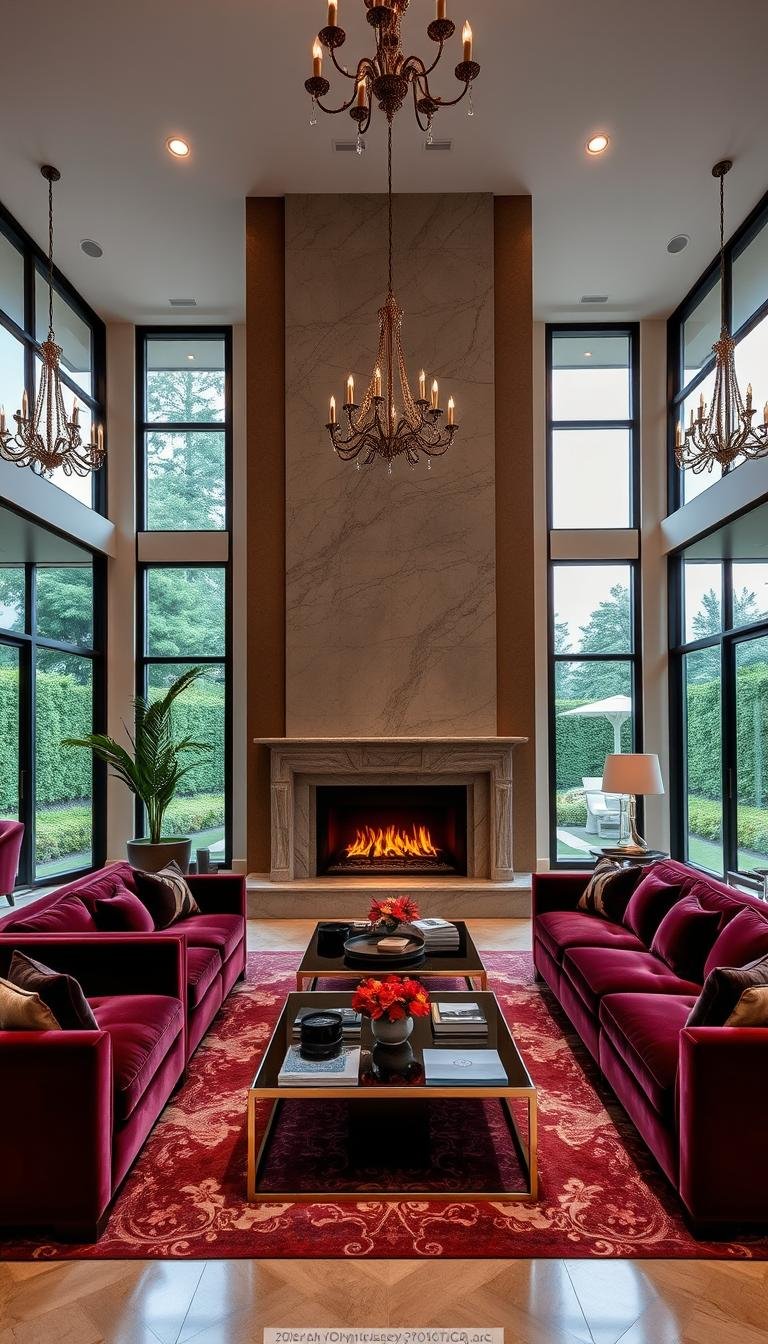
Your home should be your sanctuary. A place where you can unwind and escape daily stress. This guide helps you create that perfect personal retreat.
You don’t need a mansion or unlimited budget. Great design works in any space, from cozy apartments to spacious houses. Your comfort and personal style should lead the way.
We’ll share 16 practical tips covering everything from color palettes to lighting. These ideas work for all styles, whether you prefer minimalist or maximalist approaches.
Your living area can become the heart of your home. A place for relaxation, entertainment, and making memories with loved ones. True elegance comes from creating a space that feels uniquely yours.
1. Establish a Foundation with a Cohesive Color Palette
Colors form the foundation of your lounge’s atmosphere. They set the mood before you even choose furniture. Your palette determines whether your space feels energetic or peaceful.
Designers know that color impacts emotions. It transforms ordinary rooms into special places. Choosing the right shades makes your interior feel complete.
Embrace Deep, Moody Tones for Sophistication
Deep colors create intimacy and elegance. Navy blue, charcoal gray, or burgundy add drama. These rich hues make your space feel cozy and inviting.
Designer Hannah Ozburn uses bold wall colors for statement-making interiors. She balances these with neutral furnishings and opposite tones on the color wheel. This approach creates visual interest without overwhelming the space.
Dark tones work particularly well in rooms with good natural light. They can make large spaces feel more intimate. Deep colors also hide imperfections better than light ones.
Utilize a Monochromatic Scheme for Serene Harmony
Monochromatic designs use varying shades of one color. This creates a harmonious and tranquil environment. Designer James Farmer recommends this approach for peaceful spaces.
Amber Lewis selects relaxing colors that work best when used throughout the room. A single-color scheme makes small spaces appear larger. It also creates a cohesive look that feels intentionally designed.
Try different textures within your monochromatic palette. This adds depth while maintaining color harmony. The result is a space that feels both unified and interesting.
Incorporate Soft Pastels for a Light and Airy Feel
Soft pastel tones enhance natural light beautifully. They create serene environments that feel open and airy. These colors work especially well in smaller spaces.
Light blues, gentle greens, and soft pinks bring warmth without darkness. They make rooms feel fresh and modern. Pastels pair well with both light and dark wood tones.
These colors create a calming backdrop for your furniture and decor. They allow other elements in your room to stand out. Pastels provide flexibility for changing accessories over time.
| Room Feature | Recommended Colors | Visual Effect |
|---|---|---|
| Small Spaces | Light pastels, soft blues | Creates airy, expanded feel |
| Large Rooms | Deep blues, charcoal gray | Adds intimacy and warmth |
| North-Facing Rooms | Warm tones, soft yellows | Adds sunlight effect |
| South-Facing Rooms | Cool blues, greens | Balances abundant light |
| Evening Use Spaces | Rich burgundy, navy | Creates cozy nighttime atmosphere |
Always test your colors in the actual space before committing. Paint large swatches on different walls. Observe how colors change throughout the day under various lighting conditions.
Consider your room’s size, natural light, and how you use the space. These factors help determine the perfect palette for your needs. The right colors will make your lounge feel exactly how you want it to.
2. Maximize and Layer Your Lighting for Ambiance
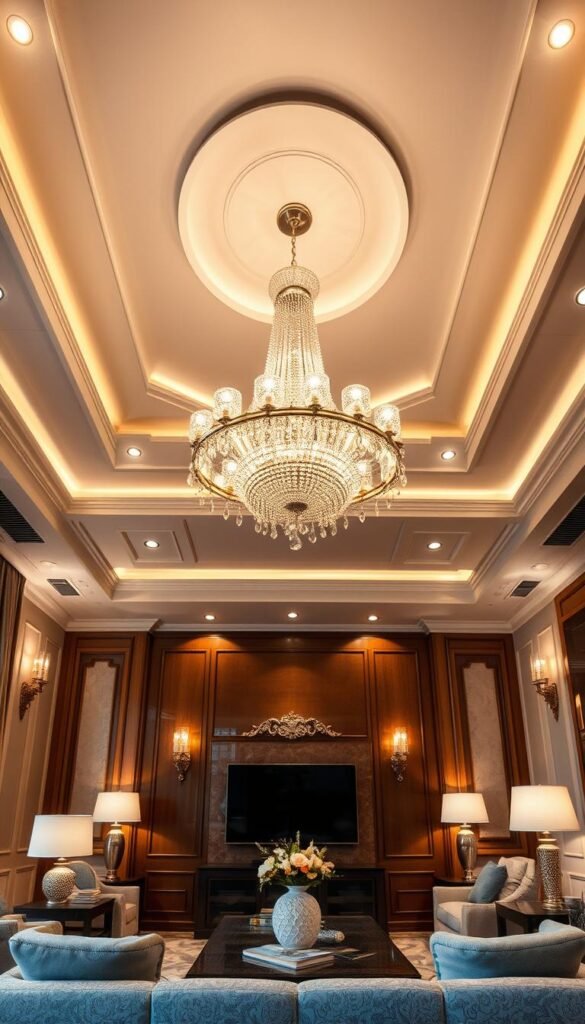
Light transforms your space more than any other element. It creates mood, highlights features, and makes your lounge feel inviting. Proper lighting combines function with beauty.
Great lighting design uses multiple sources at different heights. This approach gives you flexibility throughout the day. You can adjust the atmosphere for any occasion.
Harness the Power of Natural Light
Sunlight brings life to your interior. It enhances colors and textures while boosting your mood. Maximize windows with smart treatments.
Choose sheer curtains that filter light beautifully. Position mirrors to reflect sunlight deeper into the room. These simple tricks optimize daylight throughout your space.
Natural light makes your lounge feel more spacious. It creates a connection to the outdoors that feels refreshing. This foundation supports all your other lighting choices.
Install a Statement Chandelier as a Focal Point
A dramatic light fixture defines your room’s character. It becomes an artistic centerpiece that commands attention. Choose pieces that reflect your personal style.
Designer Corey Leamon used oversized pendants effectively. His eight-foot-long fixtures brought vaulted ceilings to human scale. This approach creates intimacy in large spaces.
Your chandelier should complement your furniture and decor. Consider the size and height of your room carefully. The right statement piece adds elegance instantly.
Use Lamps and Sconces for Warm, Layered Illumination
Layered lighting creates depth and warmth in your lounge. Combine floor lamps, table lamps, and wall sconces. This approach gives you control over the ambiance.
Place reading lamps near seating areas for task lighting. Use accent lights to highlight artwork or architectural features. General ambient lighting fills the room with soft glow.
Choose warm white bulbs (2700-3000K) for cozy atmosphere. Install dimmer switches to adjust brightness throughout the day. These small choices make a big difference in how your space feels.
Energy-efficient LED options now offer excellent color quality. They provide luxury aesthetics while being practical for everyday use. You can create beautiful illumination without high energy costs.
3. Select a Statement Sofa That Commands Attention
Your sofa becomes the heart of your lounge. It sets the tone for your entire interior design. This piece often receives the most use and attention.
Choose a sofa that reflects your personal style while offering exceptional comfort. The right selection creates both visual impact and daily enjoyment. Your choice influences how you experience your home.
Choose Plush, Supersized Furniture for Ultimate Comfort
Oversized sofas create an inviting atmosphere. Deep cushions and generous proportions offer cloud-like comfort. They make your space feel cozy and welcoming.
Designer Serena Dugan prefers furniture that envelopes you in softness. Her approach combines visual appeal with physical comfort. This creates pieces you’ll love both looking at and using.
Consider your room dimensions when selecting size. A too-large sofa can overwhelm a small space. Measure carefully to ensure proper proportion and flow.
Test sofa depth and cushion firmness before purchasing. Everyone has different comfort preferences. What feels perfect to one person might not suit another.
Opt for Performance Fabrics That Balance Luxury and Practicality
Modern fabrics offer incredible durability without sacrificing style. Performance materials resist stains, fading, and wear. They maintain their beauty through years of use.
Serena Dugan uses these innovative textiles on all her sofa designs. She proves practical choices can still feel luxurious. This approach works especially well for families with children or pets.
Look for fabrics with high rub counts for longevity. Many options now mimic the feel of natural materials. You get the look of linen or cotton with much better performance.
Consider your lifestyle when selecting materials. Formal spaces might allow delicate fabrics. High-use areas benefit from tougher, cleanable options.
Here’s what to consider when choosing your perfect sofa:
- Measure your space twice before shopping
- Test different cushion densities and depths
- Consider how many people regularly use the space
- Choose colors that complement your existing palette
- Look for quality construction and durable materials
Your sofa represents a significant investment in your home’s comfort and style. Take time to find the perfect balance between aesthetics and practicality. The right choice will serve you beautifully for years to come.
4. Incorporate Rich Textures and Luxurious Fabrics
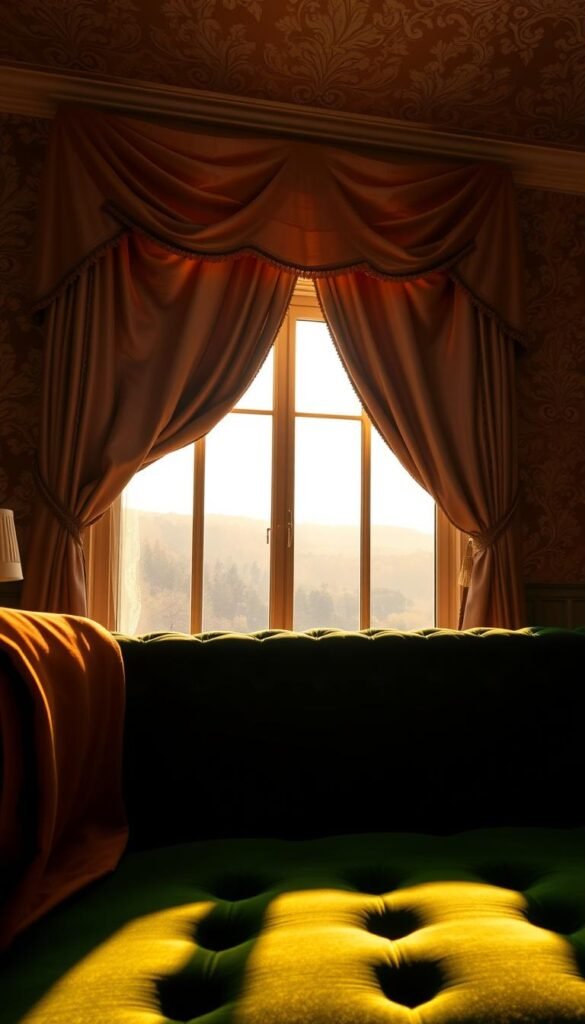
Your fingers know luxury before your eyes do – that’s the power of thoughtful texture choices. The right combination of materials creates depth and sensory richness that transforms ordinary spaces into extraordinary environments.
Texture adds dimension and character to your design. It makes your space feel complete and intentionally curated. These elements work together to create an atmosphere of refined comfort.
Layer with Velvet, Silk, and Plush Throws
Velvet upholstery brings instant sophistication to any room. This fabric catches light beautifully and feels incredible to touch. It adds tactile appeal that elevates your entire interior.
Silk cushions and drapes introduce shimmer and refinement. They create subtle movement and reflect light in captivating ways. These pieces work wonderfully against matte surfaces.
Plush throws and blankets invite relaxation and coziness. Drape them over sofas or chairs for instant warmth. They make your space feel welcoming and comfortable.
Add Depth with a Variety of Tactile Elements
Successful texture combinations balance smooth and rough elements. Try velvet pillows against a nubby wool throw. Add silk curtains beside a textured jute rug.
Consider seasonal changes in your fabric choices. Heavier materials like wool and velvet work well for winter. Lighter linens and cottons suit summer months perfectly.
Maintain your luxurious fabrics properly to preserve their beauty. Vacuum velvet regularly with a soft brush attachment. Dry clean silk items to maintain their shimmer.
Incorporate texture through various elements in your room:
- Area rugs with interesting patterns and piles
- Curtains with substantial weight and texture
- Throw pillows in multiple fabric types
- Upholstery with character and depth
The right texture combination creates visual interest without clutter. It makes your space feel rich and dimensional. Your room will have that magazine-worthy look and feel.
5. Anchor the Room with a Defining Area Rug
Your floor deserves as much attention as your walls and furniture. A well-chosen rug grounds your entire space. It pulls everything together into a cohesive look.
Area rugs define zones within open floor plans. They create visual boundaries without walls. This helps organize your space beautifully.
Janine Genower shows how bold choices transform rooms. Her orange retro-style rug creates a fun and unique vibe. It proves patterns and colors make powerful statements.
Sarah Stacey took this concept further. She used a colorful carpet designed by a tattoo artist. The striking snake pattern became her room’s centerpiece.
Choose Unique Patterns and Bold Colors
Your rug can become the star of your interior. Don’t shy away from vibrant colors or eye-catching designs. These elements add personality to your home.
Patterns tell a story about your style. Geometric shapes create modern energy. Floral designs bring softness and tradition.
Consider how your rug complements other decor pieces. It should enhance your space without competing. The right balance creates harmony.
Bold colors work wonderfully in neutral rooms. They provide that pop of excitement your space might need. Even one colorful rug can transform a bland area.
Select the Right Size and Texture for Coziness
Size matters more than you might think. Too small a rug makes furniture feel disconnected. Too large can overwhelm your entire room.
Standard sizing guidelines help immensely. Allow 18 inches of bare floor around room edges. Front furniture legs should rest on the rug.
Texture contributes greatly to comfort underfoot. Plush piles feel luxurious and warm. Flat weaves offer easier cleaning and modern appeal.
Different materials serve various needs. Wool provides natural durability and softness. Synthetic fibers offer stain resistance for busy homes.
Always use quality padding beneath your rug. It enhances comfort and protects your investment. Proper installation prevents slipping accidents.
Layering rugs creates incredible visual interest. Try a patterned rug over a larger neutral one. This technique adds depth and dimension.
Your perfect rug combines beauty and function. It should feel wonderful underfoot while looking amazing. This balance creates truly inviting spaces.
6. Integrate Natural and Organic Elements
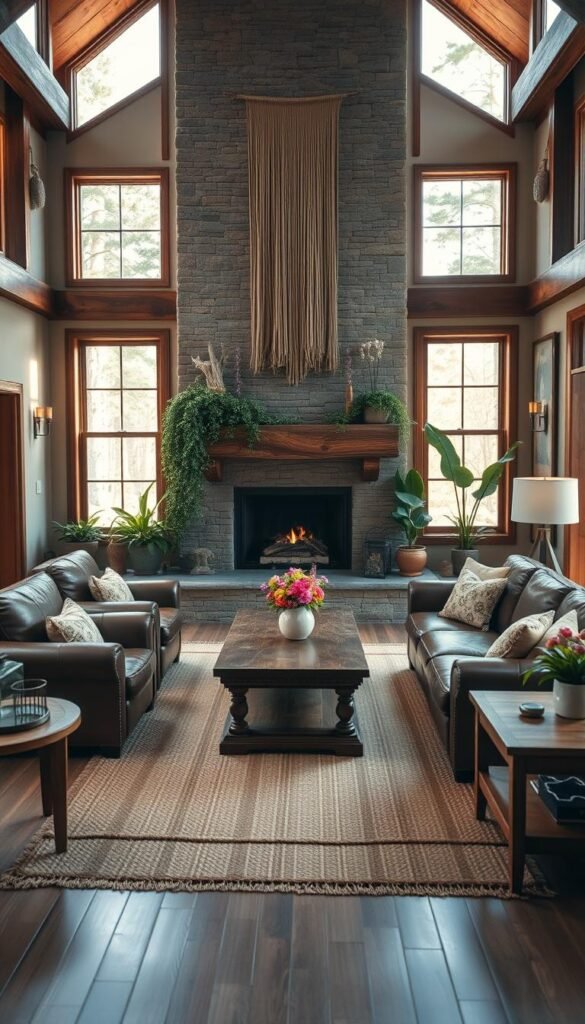
Nature’s touch transforms your space into a peaceful retreat. It brings life and energy into your home. These elements create harmony between indoors and outdoors.
Organic materials add depth and character to your design. They make your interior feel grounded and authentic. This approach celebrates natural beauty in everyday living.
Bring the Outdoors In with Lush Greenery
Plants purify your air while boosting your mood. They add vibrant color and texture to your decor. Choose varieties that thrive in your light conditions.
Low-light plants like snake plants and pothos work well in dim areas. Bright spaces suit fiddle leaf figs and monsteras. Always consider your home’s specific environment.
Group plants together for greater visual impact. Use different heights and leaf shapes for interest. This creates a mini indoor garden effect.
Regular care keeps your greenery looking its best. Water according to each plant’s needs. Wipe leaves occasionally to maintain their natural shine.
Incorporate Wood and Other Natural Materials
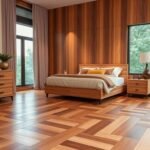
Wood brings warmth and character to any room. Different types offer unique grains and colors. Oak provides strength while pine offers lightness.
Live edge furniture pieces make stunning statements. They preserve the tree’s natural shape and beauty. These items become conversation starters.
Stone accents add timeless elegance to your space. Marble, granite, or slate each have distinct personalities. Use them in tabletops, fireplace surrounds, or decorative objects.
Woven elements like rattan and jute introduce texture. Baskets, chairs, and lampshades add organic charm. These materials create relaxed, inviting atmospheres.
Designer Alessandra shows how proportions matter in small spaces. Her tiny house uses scaled-down natural elements perfectly. This creates comfort without overwhelming the area.
Balance these organic pieces with your existing decor. They should complement rather than compete with other elements. The result feels both intentional and effortless.
7. Create a Striking Focal Point
Your eyes naturally seek a central point of interest in any well-designed space. This visual anchor gives your room purpose and hierarchy. It creates immediate impact when anyone enters your home.
Strategic focal points guide attention to your best features. They make your interior feel intentional and complete. Every element should support this central vision.
Highlight an Architectural Feature Like a Fireplace
Existing architectural elements make perfect natural focal points. Fireplaces often become the heart of a room’s design. They offer both visual interest and functional warmth.
Designer Hilary Colia understands this power perfectly. She notes how her historic living space “starts and ends with the fireplace.” This approach honors the room’s original character while creating modern appeal.
Enhance your fireplace with thoughtful styling. Place artwork or mirrors above the mantel. Add complementary decor pieces on the hearth.
Consider painting the surround a contrasting color. This makes the feature stand out even more. Use lighting to highlight its texture and form during evening hours.
Design a Conversation-Starting Gallery Wall
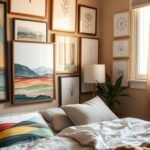
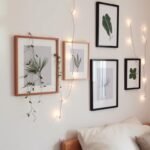
Gallery walls personalize your space with meaningful art. They tell your unique story through collected pieces. This approach adds character and cozy vibes throughout your home.
Mix framed artwork, photography, and personal memorabilia. Vary frame styles and sizes for visual interest. Create cohesion through color themes or subject matter.
Lay out your arrangement on the floor first. This helps you visualize the final look. Take a photo for reference during installation.
Include negative space between pieces. This prevents the display from feeling overcrowded. Your gallery should feel curated, not chaotic.
Consider these elements for successful focal points:
- Choose locations visible from main entry points
- Balance bold statements with supporting elements
- Use lighting to enhance importance after dark
- Select pieces that reflect your personal style
- Create seasonal updates for changing interests
Large contemporary art makes dramatic statements. Oversized sculptures command attention beautifully. These pieces become instant conversation starters.
Remember that focal points can serve multiple purposes. They provide both aesthetic appeal and functional value. Your choices should reflect how you actually use the space.
Proper lighting increases any focal point’s impact. Use spotlights or picture lights to highlight artwork. Install dimmer switches for adjustable ambiance.
Your focal point should feel intentional but not forced. It naturally draws the eye while complementing other elements. This creates harmony throughout your entire design.
8. Embrace a Blended Design Style
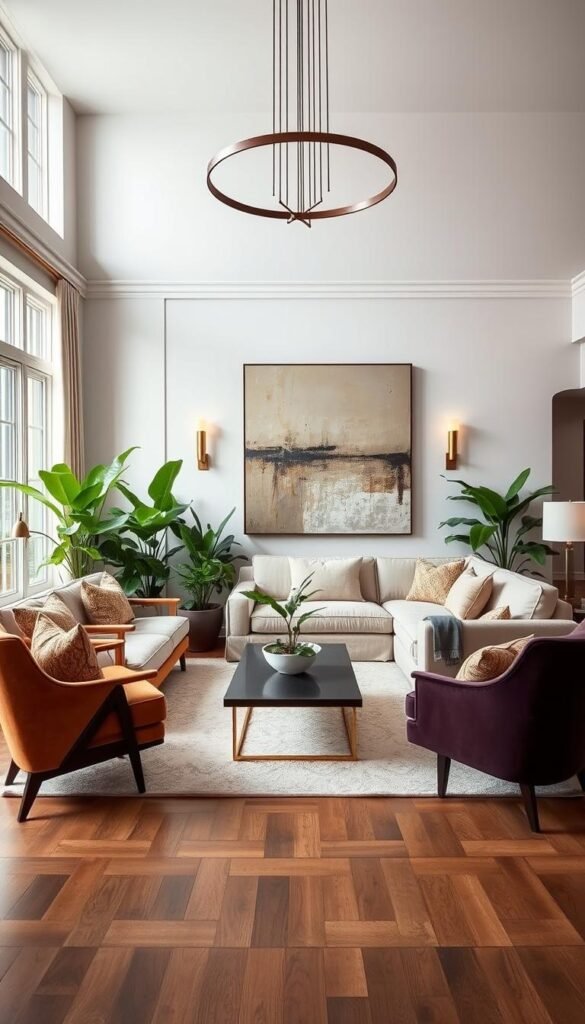
Your home should reflect your unique personality, not just one specific trend. Blended styles create spaces that feel both personal and polished. This approach lets you combine elements you truly love.
Designer Stefanie Zielke shows how mixing aesthetics creates depth. She pairs modern glass with shaggy rugs for visual interest. This balance makes rooms feel curated yet comfortable.
Andrea Granger focuses on personal preference over strict trends. Her artfully layered rooms combine diverse elements harmoniously. This method ensures your space feels authentically yours.
Mix Modern Minimalism with Boho Comfort
Clean lines meet cozy textures in this balanced approach. Start with a minimalist foundation of neutral colors and simple furniture. Then layer in boho elements like macrame wall hangings and plush floor pillows.
Choose natural materials that bridge both styles. Rattan light fixtures work beautifully with sleek modern tables. Wool throws add warmth to minimalist leather sofas.
Keep your color palette cohesive to maintain harmony. Earth tones often work best for this combination. They create a soothing environment that feels both structured and relaxed.
Fuse Midcentury Modern Lines with Traditional Elegance
This combination creates timeless appeal with character. Midcentury furniture brings clean shapes and organic curves. Traditional pieces add warmth and familiarity through detailed craftsmanship.
Blend materials thoughtfully for the best results. Try a sleek leather chair beside a carved wood table. Use modern lighting above classic upholstered furniture.
Maintain balance through proportional arrangements. Avoid overcrowding with too many statement pieces. Let each item have its own space to shine.
Follow these tips for successful style blending:
- Choose one dominant style as your foundation
- Select complementary colors that work across aesthetics
- Mix textures to create visual and tactile interest
- Use lighting to unify different design elements
- Edit carefully to avoid visual clutter
Your blended space should feel intentional, not random. Every piece should contribute to the overall harmony. The result will be a home that truly represents your unique taste.
9. Design with Intention Using Feng Shui Principles
Your home environment affects your daily mood and energy levels. Feng Shui offers ancient wisdom for creating harmonious spaces. This practice helps you arrange your interior for better flow and comfort.
Thoughtful placement of furniture and decor makes rooms feel more inviting. It transforms ordinary areas into peaceful retreats. Your space becomes both beautiful and functional.
Arrange Furniture to Promote Positive Energy Flow
Furniture placement impacts how energy moves through your room. Avoid blocking natural pathways between doors and windows. This allows chi (life force energy) to circulate freely.
Position your main seating so it faces the room’s entrance. This commanding position provides security and awareness. You can see who enters without feeling startled.
Keep sofas and chairs away from direct alignment with doors. Energy moves quickly through openings. You want gentle flow rather than rushing currents.
Create clear walking paths around your furniture arrangement. Avoid cramped spaces that feel restrictive. Open pathways make rooms feel larger and more welcoming.
Create a Balanced and Harmonious Layout
Balance creates visual stability in your design. Pair similar items on either side of a central point. This symmetry feels calming and organized.
Use the Bagua map to identify different life areas in your room. This octagonal grid corresponds to specific life aspects. Placement varies based on your room’s entrance direction.
Incorporate the five natural elements for complete harmony. Wood, fire, earth, metal, and water should all appear in your space. They create a balanced environment that supports all aspects of life.
Declutter regularly to maintain clear energy pathways. Clutter represents stuck energy and creates stress. Keep surfaces clear and organized for optimal flow.
Plants bring wonderful energy and life to any room. They purify air while adding natural beauty. Choose healthy plants with rounded leaves for best energy.
Natural materials like wood and stone ground your space. They connect your interior to the natural world. This creates stability and warmth in your design.
Conversation areas should feel intimate yet open. Arrange seating in circular or U-shaped formations. This encourages connection and comfortable interaction.
| Feng Shui Element | Representation | Design Application |
|---|---|---|
| Wood | Growth, vitality | Plants, vertical lines, green color |
| Fire | Passion, energy | Candles, red accents, triangular shapes |
| Earth | Stability, nourishment | Ceramics, square shapes, earthy tones |
| Metal | Precision, clarity | Metallic finishes, circular shapes, white color |
| Water | Flow, wisdom | Mirrors, black accents, wavy patterns |
Always maintain your personal style while applying these principles. Feng Shui should enhance, not restrict, your design choices. The goal is creating spaces that feel both energetically balanced and authentically yours.
Your room should reflect who you are while supporting how you live. These ancient principles work with modern interiors beautifully. They help create homes that truly nurture and inspire.
10. Add Personality with Curated Art and Decor
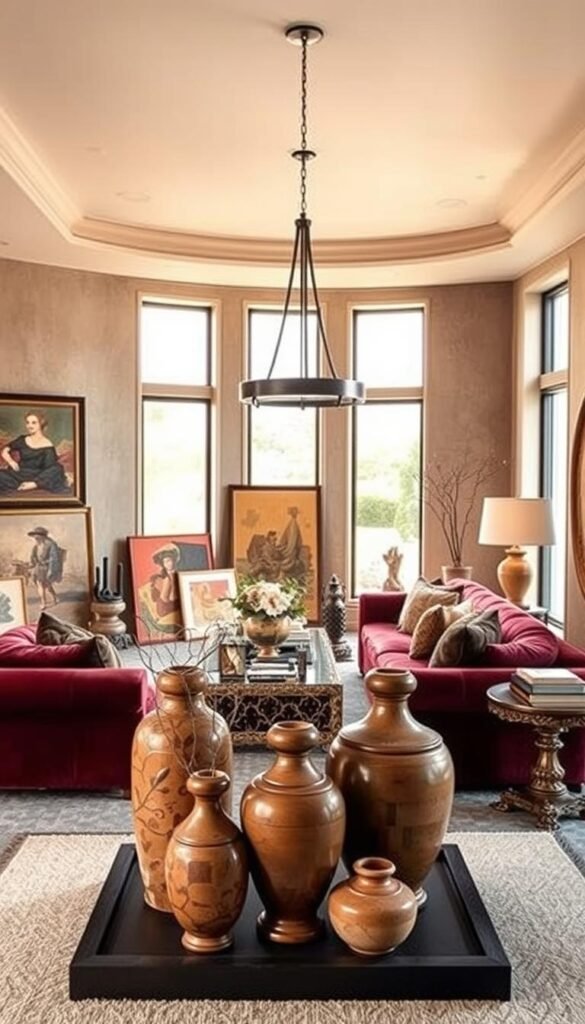
Your walls and surfaces tell your unique story. They reflect your journey and personal taste. This is where your space truly becomes yours.
Carefully chosen items transform ordinary rooms into personal sanctuaries. They add layers of meaning and character. Your selections should spark joy every time you see them.
Select Pieces That Resonate with Your Personal Taste
Choose art that speaks to your soul rather than following trends. Your favorite pieces should evoke emotion and connection. They become conversation starters and daily inspiration.
Designer Helen Sellwood recommends collecting from small businesses. Unique finds create totally individual looks. This approach supports artisans while giving your home distinctive character.
Jenna Gross shows how repeating patterns creates custom charm. She reused a Manuel Canovas design throughout her space. This technique builds visual harmony while expressing personal style.
Incorporate Vintage and Secondhand Finds for Character
Vintage items bring history and warmth to modern spaces. They add that homey, lived-in feel new pieces often lack. Each find carries its own story and charm.
Tina Bousu sources from Facebook Marketplace and thrift stores. She’s passionate about giving older pieces new life. Her approach proves elegance doesn’t require big budgets.
Mixing eras creates depth and interest in your interior. Pair contemporary art with antique frames. Combine modern furniture with vintage textiles.
Follow these tips for successful decor hunting:
- Shop with specific colors or materials in mind
- Check item condition thoroughly before purchasing
- Imagine how pieces will work with your existing collection
- Don’t be afraid to repaint or reupholster finds
- Trust your instincts about what truly speaks to you
Proper placement maximizes your collection’s impact. Group items by theme, color, or era for cohesive displays. Use lighting to highlight special pieces after dark.
Your home should feel like a curated gallery of your life. Every item should have meaning and purpose. This creates spaces that truly reflect who you are.
11. Don’t Shy Away from Bold Patterns and Maximalism
Your personality deserves to shine through every corner of your home. Bold patterns and maximalist approaches create spaces that feel truly alive. They add energy and character that reflects your unique spirit.
Designer Betsy Wentz proves how powerful patterns can transform a room. She built an entire tea room around botanical wallpaper. This choice created a regal, sophisticated mood instantly.
Heather French shows another successful approach to pattern mixing. She keeps the same color palette throughout her spaces. Deep blue acts as her anchor color for harmony.
Mix and Match Prints with a Cohesive Color Story
Successful pattern mixing starts with color coordination. Choose one dominant shade that appears in all your prints. This creates visual continuity despite different designs.
Scale matters when combining patterns. Pair large-scale prints with smaller ones for balance. This prevents visual competition between elements.
Consider pattern types for the best combinations. Geometric patterns often work well with organic designs. Stripes can complement floral prints beautifully.
Here’s how to mix patterns successfully:
- Select one color that appears in all patterns
- Vary pattern scales from large to small
- Mix different pattern types for interest
- Include solid colors for visual resting spots
- Test combinations in natural light before deciding
Colorful maximalism uses varied hues and shades expertly. This approach adds warmth and coziness through rich color stories. Your space feels inviting and personal.
Use Wallpaper to Make a Dramatic Impact
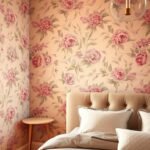
Statement wallpaper transforms ordinary walls into artistic features. It creates instant focal points that define your room’s character. The right pattern sets the entire mood.
Consider creating a single accent wall for maximum impact. This allows bold patterns without overwhelming your space. Other walls can remain neutral for balance.
Scale patterns appropriately for your room’s dimensions. Large patterns work best in spacious rooms with high ceilings. Smaller prints suit cozier spaces beautifully.
Test wallpaper samples in your actual space first. Observe how patterns look at different times of day. Lighting changes how colors and designs appear.
Patterns work across various elements in your room. Upholstery, curtains, and rugs can carry different designs. Accessories like pillows add pattern in smaller doses.
Always balance bold patterns with negative space. Solid-colored furniture provides visual relief. This prevents your space from feeling too busy.
Your home should feel like a true reflection of you. Bold patterns and maximalist approaches create spaces with personality. They turn ordinary rooms into extraordinary expressions of style.
12. Focus on Symmetry and Balanced Proportions
Visual harmony makes your home feel both polished and peaceful. When elements work together in proper scale and arrangement, your space achieves a natural elegance. This balance creates environments that are both beautiful and functional.
Symmetry provides a sense of order and stability. It makes rooms feel intentionally designed rather than randomly arranged. This approach brings refined sophistication to any interior.
Create a Sense of Order and Refined Elegance
Symmetrical arrangements create instant visual appeal. Place matching lamps on either side of your sofa. Flank your fireplace with identical chairs or bookshelves.
This mirroring technique establishes rhythm throughout your space. It feels organized without being rigid. The result is a calm, cohesive environment.
Consider the golden ratio for naturally pleasing proportions. This mathematical principle appears throughout nature and art. It helps create arrangements that feel instinctively right.
Scale furniture appropriately for your room’s dimensions. Oversized pieces overwhelm small spaces. Tiny items get lost in large rooms.
Leave adequate breathing room around furniture. This prevents a cramped feeling. Your space maintains an airy, open quality.
Avoid Clutter to Maintain an Airy, Spacious Feel
Modern minimalism focuses on essential elements. It eliminates unnecessary items that create visual noise. This approach emphasizes quality over quantity.
Edit your possessions regularly. Keep only items that serve a purpose or bring joy. This mindful approach prevents accumulation.
Storage solutions keep essentials accessible but out of sight. Built-in cabinets provide seamless organization. Multi-functional furniture offers discreet hiding places.
Open surfaces contribute to that spacious feel. Keep tabletops and shelves mostly clear. This creates visual resting spots for your eyes.
Here’s how to achieve balanced proportions:
- Measure your room before selecting furniture
- Use the 2:3 ratio for area rug to room size
- Leave 30-36 inches for main walkways
- Group items in odd numbers for visual interest
- Create focal points using the rule of thirds
Asymmetrical rooms can achieve visual balance too. Use careful placement to distribute visual weight. Larger items can balance several smaller pieces.
Different design styles handle proportions uniquely. Mid-century modern uses low profiles and clean lines. Traditional design features more substantial, symmetrical arrangements.
Your space should reflect your personal style while maintaining harmony. The right balance makes your home feel both comfortable and elegant. This creates environments you’ll love spending time in.
13. Elevate Your Space with Dream-Like Luxury Living Room Inspiration to Copy
Great design often begins with observing how professionals approach spaces. You can learn from their methods without copying their exact choices. This approach helps you create something uniquely yours.
Draw Inspiration from High-End Designers and Curated Sources
Roman Plyus demonstrates how careful style selection creates harmony. His minimalist spaces achieve “unity” through mid-century modern elements. He fills rooms with light and calm atmospheres.
Alexander Reid shows another effective approach. He drew inspiration from his vaulted ceilings. This led to covering walls in Pierre Frey Bengali bird wallpaper.
Professional designers offer expert tips on balancing elements. They understand how textures, colors, and functionality work together. Their insights can guide your own decisions.
Research inspiration from various quality sources:
- Design magazines showcase current trends and timeless ideas
- Showrooms let you experience materials and textures firsthand
- Online platforms offer endless visual references and tutorials
- Social media provides real-life examples from design professionals
Adapt Professional Ideas for Your Own Space
Identify the underlying principles behind beautiful designs. Look beyond surface appearances to understand why arrangements work. This helps you apply concepts rather than copy looks.
Interpret professional ideas for your specific space and budget. A large statement piece might become a smaller accent in your room. Expensive materials could be simulated with more affordable options.
Adaptation maintains your individuality while benefiting from expert knowledge. Your home should reflect your personality and needs. Professional concepts serve as starting points, not strict rules.
Create inspiration boards to visualize adapted concepts. Collect images, fabric swatches, and color samples. Arrange them to see how elements work together before committing.
Consider working with designers for specific projects if desired. Many offer consultation services without full-scale commitments. Their expertise can help solve particular challenges in your living area.
Your space should ultimately provide comfort and reflect your taste. Professional inspiration guides rather than dictates your choices. The result will feel both personally meaningful and beautifully designed.
14. Design Functional and Stylish Storage Solutions
Smart storage keeps your home organized without sacrificing beauty. It transforms clutter into calm while maintaining your personal aesthetic. The right solutions blend seamlessly into your overall design.
Serena Dugan shows how creative thinking maximizes every inch. She installed shelving above windows for efficient space use. This approach adds function without visual clutter.
Integrate Built-Ins for a Seamless Look
Custom built-ins provide the ultimate storage solution. They fit your exact space dimensions and needs. This creates a polished, intentional appearance throughout your home.
Built-in bookcases flanking a fireplace add symmetry and function. Window seat storage offers hidden space for blankets and pillows. These elements become part of your room’s architecture.
Consider your room’s existing features when planning built-ins. Work with alcoves, awkward corners, or under-stair spaces. This turns challenging areas into valuable storage real estate.
Choose materials that match your existing finishes for cohesion. Paint built-ins the same color as your walls for seamless integration. This maintains clean lines and elegant appearances.
Choose Furniture That Offers Discreet Storage
Multifunctional furniture solves storage needs beautifully. Ottomans with hidden compartments store extra blankets. Coffee tables with drawers keep remotes and magazines organized.
These pieces maintain clean lines while adding practicality. They provide elegance without sacrificing function. Your space feels both stylish and livable.
Look for furniture with thoughtful design details. Hidden hinges, soft-close mechanisms, and integrated handles. These features enhance both aesthetics and user experience.
Assess your storage needs based on daily life. Consider what items you use regularly versus seasonal pieces. This helps determine the right storage solutions for your lifestyle.
| Storage Type | Best For | Style Considerations |
|---|---|---|
| Built-in shelving | Books, decor collections | Match existing trim and finishes |
| Storage ottomans | Blankets, board games | Choose upholstery that complements seating |
| Console tables | Entryway essentials | Select depth appropriate for your space |
| Media cabinets | Electronics, media storage | Consider cord management features |
| Window seats | Seasonal items, linens | Add cushions for extra seating comfort |
Strategic placement maximizes both space efficiency and accessibility. Place frequently used items in easily reached locations. Seasonal or occasional pieces can go in harder-to-reach spots.
Consider custom versus ready-made solutions for your needs. Custom built-ins offer perfect fit and personalization. Ready-made pieces provide quicker, more budget-friendly options.
Incorporate hidden storage in unexpected places for maximum utilization. Stair treads that lift up, hollow bench seats, or behind-wall medicine cabinets. These clever solutions maintain clean surfaces throughout your home.
Your storage should enhance rather than detract from your room design. Beautiful baskets, elegant boxes, and stylish containers add texture while hiding clutter. The result is a space that feels both organized and intentionally designed.
15. Create Intimate Conversation Areas
Great conversation areas bring people together naturally. They make your home feel welcoming and connected. These spaces encourage meaningful interaction and comfort.
Designers use clever techniques to define zones within rooms. Amber Lewis created two separate seating areas around fireplaces in an extra-long space. This approach makes large rooms feel cozy and functional.
Alexander Reid used back-to-back sofas to create distinct spaces. Kevin Sawyers employed wood slats for subtle separation in open floor plans. These methods maintain openness while defining areas beautifully.
Arrange Seating to Foster Connection and Comfort
Furniture placement directly impacts how people interact. Face chairs and sofas toward each other for easy conversation. This arrangement promotes eye contact and engagement.
Keep seating close enough for comfortable talking. About four to eight feet works well for most spaces. This distance creates intimacy without feeling crowded.
Consider different furniture configurations for various needs. U-shaped arrangements work great for larger groups. L-shaped setups suit smaller conversations perfectly.
Include occasional chairs for flexible seating options. These pieces can be moved as needed for different occasions. They add versatility to your space.
Use Rugs and Lighting to Define Separate Spaces
Area rugs anchor furniture groupings beautifully. They create visual boundaries without physical barriers. Kevin Sawyers’ wood slats offer similar definition with elegance.
Choose rugs large enough to fit all furniture legs. This creates a unified look for each conversation area. Different rug patterns can distinguish separate zones.
Lighting creates intimate pools within larger rooms. Use table lamps and floor lamps to highlight seating areas. This technique makes each space feel cozy and defined.
Consider traffic flow around your conversation areas. Leave clear pathways between furniture groupings. This ensures practical functionality alongside beautiful design.
Here are effective ways to create intimate spaces:
- Position seating to encourage face-to-face interaction
- Use area rugs to define separate conversation zones
- Employ strategic lighting for cozy atmosphere
- Maintain clear walkways between furniture groupings
- Choose comfortable seating that invites lingering
Your conversation areas should feel both intentional and natural. They become places where connections flourish and memories are made. This approach transforms your home into a truly social space.
16. Begin Your Journey to a Luxury Living Room Makeover
Your journey to a beautiful space starts with small, confident steps. Focus on one area first rather than a full overhaul. This approach builds momentum and keeps the process enjoyable.
Try the DecorMatters app to experiment with different layouts and color schemes virtually. It helps you visualize changes before committing. Free interior design consultations also offer professional guidance for larger projects.
Remember, great style comes from personal expression. Trust your taste and embrace what makes you feel at home. Any space can become a warm, welcoming retreat with thoughtful touches.
Start today with one change that brings you joy. Your perfect home awaits your creative touch.