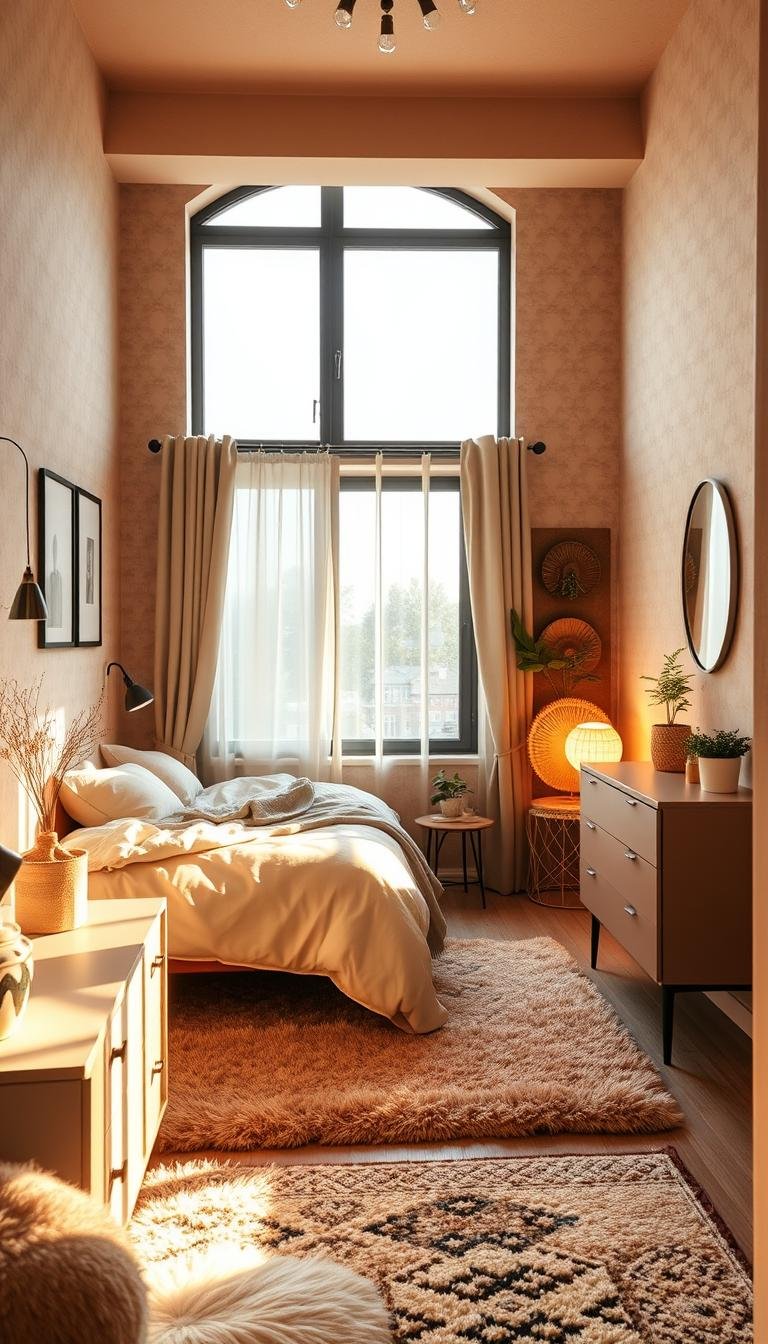
Living in a compact home presents a unique chance to craft your personal retreat. Limited square footage becomes a canvas for thoughtful design where every item serves a purpose.
The secret lies in mastering your space to create an atmosphere that feels both open and intimate. With clever strategies, you can transform even the tiniest room into a functional sanctuary.
This guide offers practical solutions to maximize your area while expressing your unique style. You’ll discover how to select furniture that works harder and decor that adds character without clutter.
These budget-friendly tips work for both renters and homeowners. They come from design professionals who specialize in making the most of compact living spaces.
View your limited area not as a restriction but as an opportunity for creativity. Let’s explore how to build a space that truly reflects you and meets all your needs.
1. Start with a Smart and Intentional Plan
Before buying anything, create a strategy for your compact sleeping area. A thoughtful approach prevents clutter and ensures each element serves multiple purposes.
Begin by assessing your specific needs. Do you require extra storage? Will this room double as a workspace? Answering these questions guides your furniture selection.
Sketch a simple floor plan to visualize your layout. This helps ensure proper breathing room between pieces for comfortable movement.
Prioritize key furniture items that fit your space appropriately. Designer Jennifer Press advises,
“Choosing a bed that’s too large disrupts the entire layout and makes the room feel cramped.”
Multifunctional furniture maximizes your square footage beautifully. Consider pieces like:
- Beds with built-in drawers underneath
- Desks that double as nightstands
- Ottomans with hidden storage compartments
Think about scale and proportion when selecting pieces. Items that are too oversized or too small disrupt visual balance.
Look upward for storage solutions! Wall-mounted shelves and vertical units free up valuable floor area.
Intentional planning helps create defined zones within your room. Even in studio apartments, you can establish separate areas for sleeping and relaxing.
A well-executed plan sets the foundation for a functional sanctuary that reflects your personality. This approach transforms limited square footage into an advantage rather than a limitation.
2. Choose a Color Palette That Expands Your Space
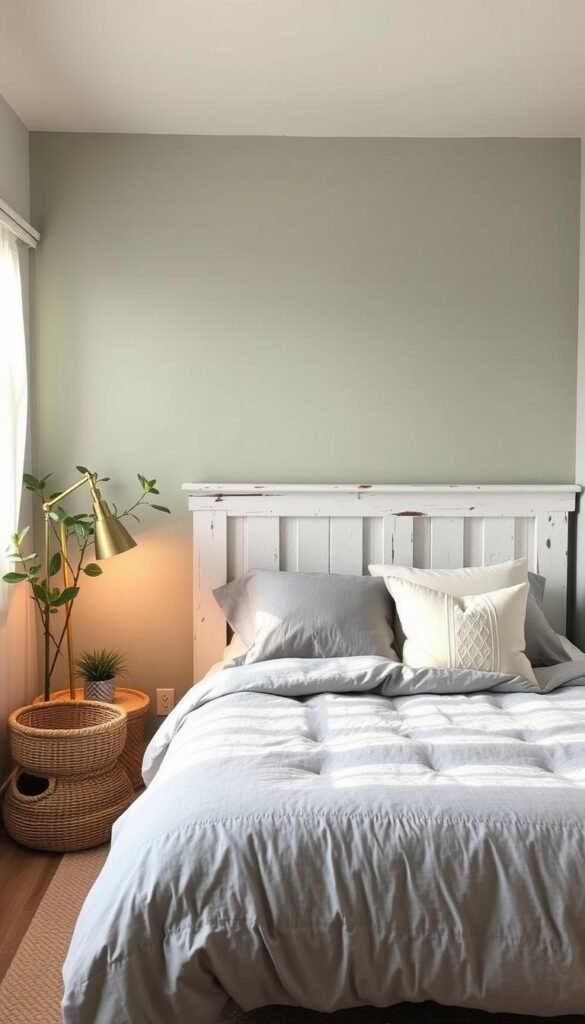
Your color selection creates the first impression when you enter any room. It establishes mood and dramatically affects how large your space feels.
Strategic color choices can make walls appear to recede or advance. This visual trickery helps maximize your square footage through perception.
Embrace Warm, Light Neutrals as Your Base
Start with a foundation of soft, warm neutrals on your walls. Colors like cream, beige, and light gray reflect both natural and artificial light.
This reflection creates a brighter environment that feels more open. These tones provide a serene backdrop that doesn’t overwhelm your senses.
Light neutrals make your ceiling appear higher too. They create a seamless flow that expands the perceived boundaries of your room.
Incorporate Rich Accent Colors for Personality
Introduce deeper hues through accessories and textiles. Terracotta, navy blue, or emerald green add character without dominating.
Use these colors in throw pillows, artwork, or area rugs. This approach lets you express your unique style while maintaining visual space.
Accent colors create depth and interest in your design. They draw the eye to specific areas without closing in the walls.
Consider a Dark, Cocooning Hue for Sophistication
Contrary to popular belief, dark colors can work wonderfully in compact rooms. Deep blue or charcoal gray creates an intimate, sophisticated atmosphere.
Designer Tanner Sammons proves this approach effectively:
“I used dark wallcoverings to create a cocoon-like retreat perfect for resting. The rich tone adds drama while feeling incredibly inviting.”
Balance dark walls with adequate lighting and lighter elements. This prevents the space from feeling too enclosed while maintaining its cozy appeal.
Consider tonal patterned wallpaper for added texture. This adds visual interest while keeping a cohesive look throughout your room.
The right color combination transforms your personal sanctuary. It creates both the illusion of more space and a strong sense of personality.
3. Select the Right Bed Frame for Your Square Footage
Your sleeping area’s centerpiece deserves special attention. The right foundation transforms your entire layout and enhances daily comfort.
This choice impacts both function and visual appeal. A well-selected frame maximizes your available area while reflecting personal style.
Opt for a Low-Profile Frame to Elevate the Ceiling
Low platform beds create an airy, open feeling in compact rooms. They make ceilings appear higher by eliminating visual bulk.
Designer Noz Nozawa demonstrates this approach beautifully. Her Lake Tahoe home features a minimalist frame that enhances the sense of space.
These frames work with various mattress types. They provide excellent support without overwhelming your room.
Explore a Space-Saving Murphy Bed Solution
Murphy beds represent the ultimate space-saving innovation. They fold vertically against the wall when not in use.
This clever solution frees up valuable floor area. You gain flexibility for daytime activities in multifunctional spaces.
Architect Michael K. Chen created a stunning powder blue version. His design proves these beds can be both practical and beautiful.
Many companies offer custom and ready-made options. You’ll find styles to match any decor preference.
A Bare Canopy Bed Adds Height Without Bulk
Canopy frames create vertical interest without closing in the room. Choose simple structures without heavy drapery for best results.
These elegant pieces draw the eye upward. They make the room feel more spacious through clever visual tricks.
Noz Nozawa again provides inspiration with her minimalist approach. Her designs show how canopy beds can work in tight quarters.
Consider these factors when selecting your foundation:
| Frame Type | Best For | Space Impact | Style Notes |
|---|---|---|---|
| Low Platform | Modern decor | Creates openness | Works with any mattress |
| Murphy Bed | Multifunctional rooms | Frees floor space | Custom colors available |
| Bare Canopy | Adding elegance | Adds vertical height | Keep drapery minimal |
| Storage Frame | Extra organization | Redces furniture needs | Choose smooth drawers |
Scale matters tremendously in compact rooms. Queen-sized frames often work better than king versions.
They leave room for nightstands and comfortable movement. Proper proportion maintains visual balance throughout your space.
Many frames now include built-in storage features. Drawers underneath provide hidden organization without additional furniture.
Consider materials that complement your overall design scheme. Wood, metal, or upholstered options each create different atmospheres.
Designer Jennifer Press offers valuable perspective:
“The right bed foundation should feel substantial but not overwhelming. It must balance the room both visually and functionally.”
Your chosen piece serves as both practical furniture and style statement. It anchors the room while providing crucial resting space.
Thoughtful selection ensures your sleeping area remains both beautiful and highly functional. This approach transforms limited square footage into your personal retreat.
4. Maximize Every Inch with Multifunctional Furniture
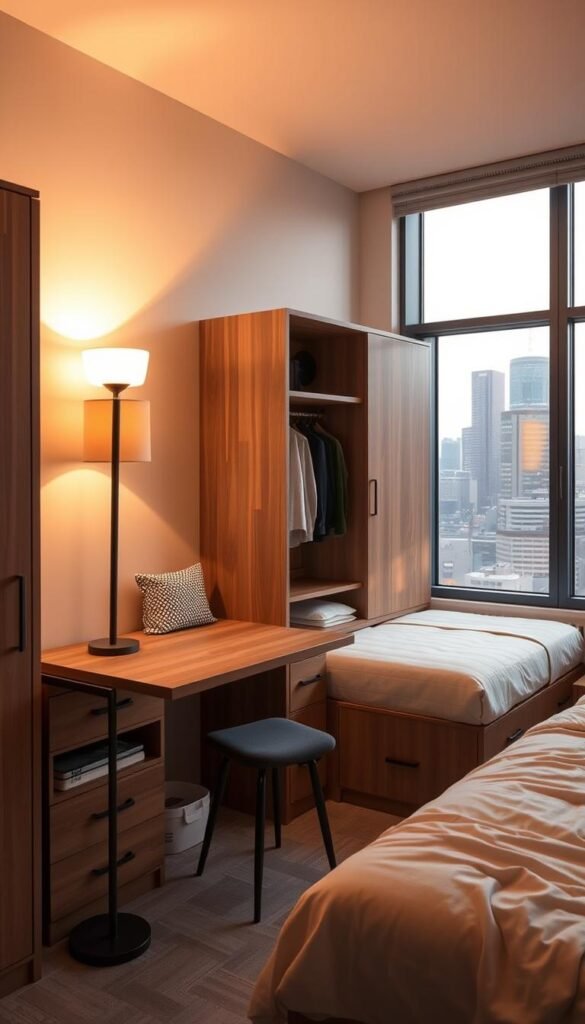
Smart furniture choices transform your limited area into a highly functional retreat. Each piece should serve multiple purposes while maintaining style and comfort.
This approach lets you do more with less square footage. You gain flexibility without sacrificing your personal design preferences.
Design experts emphasize selecting items that work harder for your space. Winsome Interior Design demonstrates this beautifully with integrated solutions.
Their projects show how thoughtful furniture choices create seamless transitions between activities. You can enjoy both rest and productivity in one room.
Choose an Ottoman or Daybed with Hidden Storage
Ottomans with hidden compartments offer brilliant dual functionality. They provide comfortable seating while storing blankets or pillows out of sight.
This clever solution reduces visual clutter in your living area. You maintain a clean, organized look without sacrificing comfort.
Daybeds serve as both seating and sleeping solutions. They work perfectly in studio layouts or multipurpose rooms.
During daytime hours, they function as comfortable sofas. At night, they transform into proper sleeping spaces.
Many modern designs include built-in drawers underneath. This adds valuable storage without requiring additional furniture pieces.
Use a Desk as a Nightstand to Free Up Floor Space
Combining your workspace with bedside functions saves precious square footage. A compact desk can serve as both work surface and nightstand.
This approach eliminates the need for separate furniture pieces. You gain functionality without crowding your room.
Winsome Interior Design created a brilliant example of this concept. They integrated drawers with a desk to accommodate both work and sleep needs.
The surface holds your lamp and nighttime essentials perfectly. During the day, it transforms into a productive workspace.
Choose pieces that match your room’s scale to avoid overcrowding. Proper proportion maintains visual balance and comfortable movement.
Multifunctional furniture often features compact, minimal designs. Midcentury-inspired pieces work particularly well in limited areas.
Look for built-in features like shelves or hidden compartments. These elements reduce your need for additional storage units.
Every piece should contribute to your room’s overall organization. This approach ensures maximum efficiency in your layout.
| Furniture Type | Primary Function | Secondary Function | Space Saving Benefit |
|---|---|---|---|
| Storage Ottoman | Seating | Hidden Storage | Reduces need for separate storage |
| Daybed | Sleeping | Daytime Lounging | Replaces sofa and bed |
| Desk/Nightstand | Workspace | Bedside Surface | Combines two furniture pieces |
| Storage Bed | Sleeping | Underbed Storage | Eliminates dresser need |
This intelligent approach to furniture selection transforms your area. It creates an adaptable space that meets various needs beautifully.
You maintain style while maximizing every inch of your home. Multifunctional pieces prove that limited square footage inspires brilliant solutions.
5. Implement Clever and Stylish Storage Solutions
Smart storage transforms your compact sleeping area from cluttered to curated. These solutions keep everything organized while maintaining your personal style.
Thoughtful organization creates visual calm and practical function. You gain easy access to essentials without sacrificing precious square footage.
Utilize Vertical Space with Tall Shelving Units
Tall, narrow units maximize your wall area beautifully. They store books, decor, and daily essentials while minimizing floor impact.
Choose pieces that reach toward the ceiling for maximum efficiency. This approach draws the eye upward, making the room feel more spacious.
Open shelving displays your favorite items as decorative features. Curate collections that reflect your personality while serving practical needs.
Build Shelving into the Wall for a Streamlined Look
Built-in solutions create a custom, integrated appearance. They avoid protruding furniture that can make a room feel crowded.
Designers Catherine and VW Fowlkes demonstrate this approach effectively. Their projects show how built-ins provide storage without visual clutter.
These units can disguise functional elements like radiators. Custom covers integrate necessities seamlessly into your design scheme.
Repurpose a Closet into a Functional Nook
Transform underutilized areas into valuable functional spaces. A closet can become a home office, reading nook, or dressing area.
Add shelves and cabinets to maximize storage potential. Personalize the space with paint and wallpaper that reflects your style.
Designer Liz Carroll created a brilliant workspace conversion. She used peachy pink paint and fun wallpaper to make the area inviting.
This approach adds functionality without expanding your room’s footprint. You gain dedicated areas for specific activities.
Consider these storage solutions for your space:
| Solution Type | Best Use | Space Impact | Style Benefit |
|---|---|---|---|
| Tall Shelving Units | Book storage | Minimal floor use | Displays decor items |
| Built-in Shelves | Wall integration | Zero protrusion | Custom appearance |
| Closet Conversion | Multifunctional nook | Uses existing space | Personalized design |
| Vertical Cabinets | Hidden storage | Floor space saved | Clean lines |
Designer Liz Carroll shares her perspective:
“Transforming a closet into a workspace adds function without sacrificing style. The key is integrating storage that works with your daily routine.”
These intelligent solutions keep your area organized and beautiful. They prove that limited square footage inspires creative problem-solving.
Your sleeping area becomes both highly functional and personally expressive. Clever storage creates the efficient retreat you deserve.
6. Layer Your Lighting to Create a Warm Ambiance
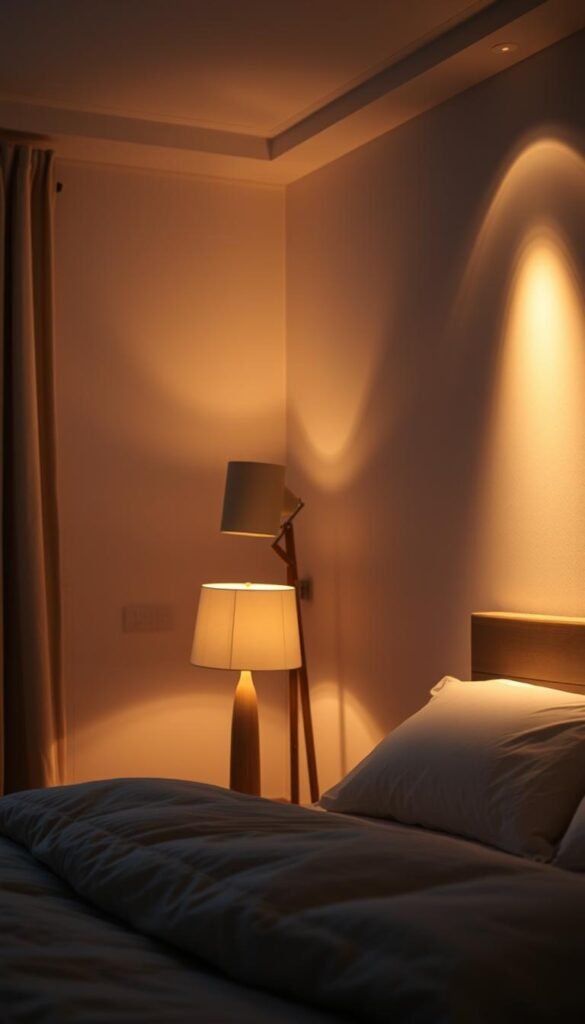
Lighting transforms your personal space more than any other element. It shapes mood, enhances function, and defines the entire atmosphere of your room.
Multiple light sources work together to create depth and warmth. This approach avoids harsh overhead fixtures that can make spaces feel flat and uninviting.
Designers Ashley Maddox and Hilary Walker demonstrate this principle beautifully. They used wall sconces in a compact sleeping area to save surface space while achieving perfect ambient glow.
Install Wall Sconces to Save Precious Surface Space
Wall-mounted lights free up your nightstands and dressers. They provide focused illumination without consuming valuable surface area.
Sconces direct light exactly where you need it for reading or relaxing. This smart solution keeps your layout clean and functional.
Choose designs that complement your overall decor style. They become both practical fixtures and decorative elements on your walls.
Add a Statement Floor Lamp for Ambient Glow
A striking floor lamp anchors your room with soft, diffused light. It creates a welcoming atmosphere that enhances your entire space.
Arc lamps work particularly well in compact layouts. Their sweeping design distributes light evenly without overwhelming the area.
Combine floor lamps with other sources for dynamic lighting effects. This layered approach makes your room feel more expansive and interesting.
Incorporate Warm Candlelight for Evening Intimacy
Grouped candles in glass holders create a flickering, calming centerpiece. They add sophistication and romance to your evening routine.
This natural light source provides the ultimate relaxing ambiance. The gentle glow helps you unwind after a long day.
Always practice candle safety in your sleeping area. Consider flameless LED options for worry-free atmosphere.
Maximize natural daylight with strategically placed mirrors. They reflect sunlight to make your room feel brighter and more spacious.
Choose lighting that aligns with your color scheme and decor. Cohesive choices maintain a harmonious look throughout your space.
Dimmable fixtures and smart bulbs offer incredible versatility. Adjust brightness levels based on your activities and time of day.
Well-planned illumination transforms your personal retreat. It creates both functional practicality and emotional comfort in your daily life.
7. Master the Art of the Multifunctional Layout
A smart layout makes your room serve many purposes beautifully. It turns limited square footage into a versatile area that works hard for your lifestyle.
This approach keeps your space feeling open and organized. You can enjoy different activities without the room ever feeling cramped.
Define Clear Zones for Sleeping, Relaxing, and Dressing
Create separate areas for different activities within your room. Use area rugs to anchor your sleeping space visually.
A bookshelf can divide your dressing area from your relaxation zone. This clever trick makes one room feel like several distinct spaces.
Tiny house design principles show how zoning creates separation. Even in studio layouts, you can achieve this sense of organization.
Prioritize Flow and Leave Breathing Room Between Pieces
Arrange furniture to allow easy movement throughout your room. Leave enough space between pieces for comfortable walking paths.
This breathing room prevents that crowded, cluttered feeling. Negative space actually makes your curated items stand out more beautifully.
Respect scale when placing your furniture pieces. Proper proportion maintains visual balance and functional flow.
Consider these layout strategies for your space:
| Layout Technique | Primary Benefit | Best For | Implementation Tip |
|---|---|---|---|
| Zone Definition | Creates functional separation | Multipurpose rooms | Use rugs or low dividers |
| Breathing Room | Prevents crowded feeling | All small spaces | Leave 30-inch pathways |
| Focal Point Emphasis | Enhances visual harmony | Any layout | Arrange around windows |
| Flexible Furniture | Adapts to different needs | Changing requirements | Choose foldable pieces |
For couples sharing a compact room, compromise becomes essential. Discuss priorities to ensure the layout works for both people.
Choose furniture that can be rearranged or folded away easily. This adaptability lets you host guests or create a temporary workspace when needed.
Natural pathways should remain clear of obstacles. This thoughtful consideration makes your room feel more accessible and inviting.
Designer Michelle Berwick shares valuable insight:
“The most successful small rooms always have defined zones. This organization makes the space feel larger and more functional than its actual square footage.”
Mastering your layout transforms your personal retreat into a highly efficient space. You gain both visual appeal and practical functionality in one smart design.
8. Anchor the Room with a Perfectly Sized Rug
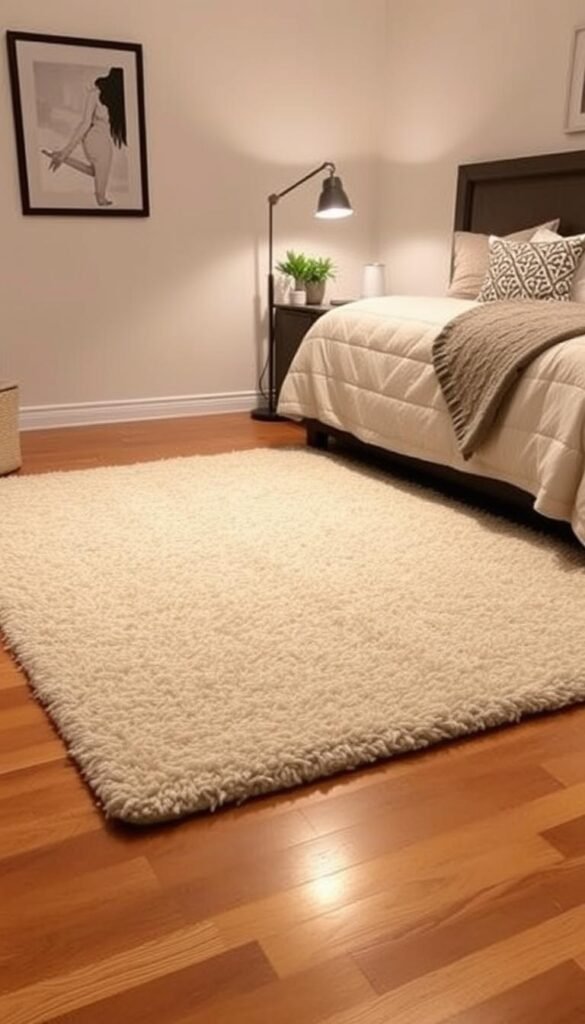
A well-chosen floor covering transforms your personal retreat instantly. It grounds your entire design while adding comfort underfoot.
Your rug serves as the foundation that ties everything together. It creates visual harmony and defines the boundaries of your space.
Select a rug that fits your area appropriately. It should extend beyond your bed to create a cohesive look throughout.
Design experts warn against choosing pieces that are too small. Interior designer Emily Henderson notes:
“A tiny rug makes your space feel disjointed and visually cluttered. Always go larger than you think you need for proper proportion.”
Use rugs to define specific zones within your layout. This technique works beautifully in studio apartments or multipurpose rooms.
Patterns and textures add warmth and personality to your design. Persian rugs bring sophistication while natural fibers create organic appeal.
Consider these rug characteristics for your space:
- Natural materials like jute or wool enhance the organic feel
- Sound absorption qualities create a quieter environment
- Unexpected placements add character throughout your home
Coordinate your rug’s color and pattern with your overall decor. It should complement rather than overwhelm your existing style.
The right choice creates an intentional, comfortable atmosphere. It completes your room in a way that feels both practical and beautiful.
9. Treat Your Walls as Functional and Decorative Space
Your vertical surfaces offer incredible potential beyond basic decoration. They become valuable real estate for both storage and personal expression.
Smart use of wall space keeps your floor area clear and functional. You gain organization and style without sacrificing precious square footage.
Create a Gallery Wall with Smaller-Scale Art
Miniature artwork creates big impact without overwhelming your room. Kobel + Co recommends this approach to maintain visual balance.
Arrange smaller pieces in thoughtful groupings that tell your story. This curated look adds personality while keeping the space feeling open.
Mix photographs, prints, and small paintings for visual interest. The variety creates depth without making walls feel crowded.
Use a Large Mirror to Reflect Light and Views
Strategic mirror placement doubles both light and perceived space. Position it opposite a window to maximize natural illumination.
This clever trick makes your room feel brighter and more expansive. You gain the illusion of additional square footage through reflection.
Choose a frame that complements your overall design style. It becomes both functional fixture and decorative element.
Install Floating Shelves for Display and Storage
Wall-mounted shelves provide practical storage without floor footprint. They hold books, decor items, and daily essentials beautifully.
The streamlined look maintains visual cleanliness throughout your space. You keep everything organized while expressing personal style.
Designer Liz Carroll demonstrates this approach in her closet conversion. She used fun wallpaper and shelves to create a functional nook.
Consider these wall solutions for your space:
| Wall Element | Primary Function | Style Benefit | Space Impact |
|---|---|---|---|
| Gallery Wall | Personal expression | Adds character | Minimal projection |
| Large Mirror | Light reflection | Creates depth | Illusion of space |
| Floating Shelves | Storage & display | Clean lines | Zero floor use |
| Wallpaper Accent | Visual interest | Adds texture | Depth creation |
Wall-mounted sconces free up surface space on nightstands. They provide focused lighting while contributing to your decor scheme.
Built-in shelving offers custom storage solutions for any room. These integrated units maximize functionality while maintaining sleek appearance.
Designer Michelle Berwick shares her perspective:
“Walls are your greatest asset in compact rooms. They provide both practical organization and opportunities for personal expression that make the space truly yours.”
Your walls transform into multifunctional features that enhance daily living. They create both efficiency and character in your personal retreat.
10. Layer Textures for Ultimate Comfort and Depth
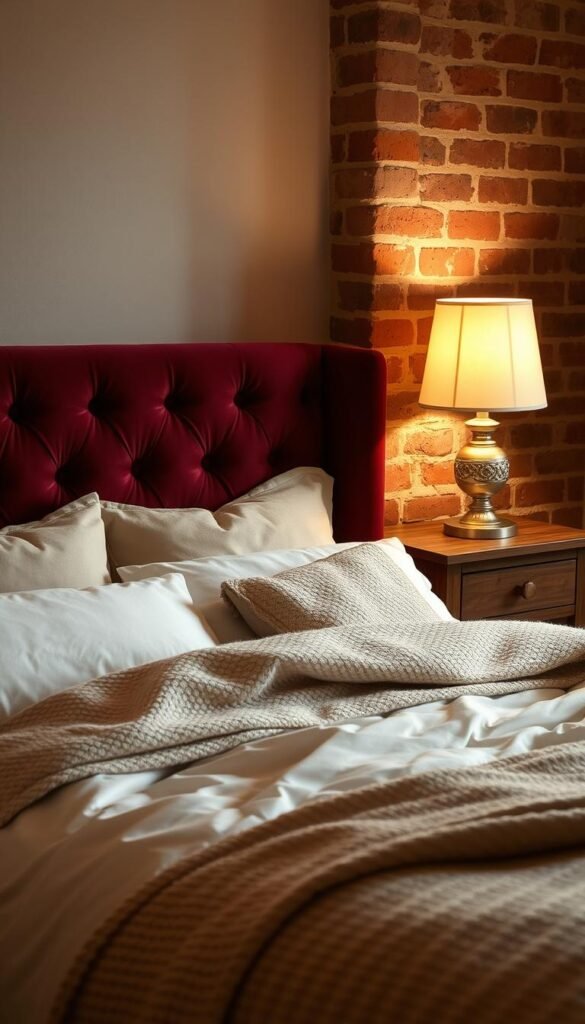
Texture creates a welcoming atmosphere that makes your room feel complete. It adds visual richness and tactile comfort that transforms your space into a true sanctuary.
Thoughtful texture combinations prevent flat, sterile environments. They introduce character and warmth without adding physical clutter.
“Layering different textures creates a sense of luxury and comfort. It’s about balancing softness with natural elements to achieve that lived-in, welcoming feel.”
Add a Plush Rug and Soft Knit Throws
Begin with a quality rug that feels wonderful underfoot. Choose materials like wool or shag for maximum comfort.
This foundation piece anchors your room while adding instant coziness. It provides both visual and physical warmth throughout your space.
Drape knit throws across your bed or seating area. These soft additions invite relaxation and create visual interest through varied patterns.
Mix different knit styles for added depth. Chunky cables pair beautifully with finer weaves for a curated look.
Incorporate Natural Textures Like Wood and Jute
Natural materials bring organic warmth to your personal retreat. Wood furniture pieces add character through grain patterns and natural variations.
Jute accessories introduce earthy texture while maintaining lightness. Baskets and plant holders made from this material provide both function and style.
These elements connect your space with nature’s calming influence. They create a grounded, peaceful atmosphere perfect for resting.
Consider these texture combinations for your room:
| Texture Type | Best Placement | Comfort Benefit | Visual Impact |
|---|---|---|---|
| Plush Rug | Bedside area | Warm underfoot | Anchors the space |
| Knit Throws | Bed or chair | Tactile softness | Adds pattern interest |
| Wood Elements | Furniture pieces | Natural warmth | Brings organic character |
| Jute Accessories | Storage solutions | Textural contrast | Earth-friendly appeal |
Balance is key when working with multiple textures. Too many competing elements can feel overwhelming rather than inviting.
Start with two or three primary textures and build from there. This approach ensures harmony while still achieving depth.
Textured elements contribute to the hygge concept of comfort and well-being. They create that cherished sense of contentment in your daily life.
Your layered approach transforms your room into a multidimensional retreat. It achieves both visual appeal and physical comfort in one beautiful design.
11. Infuse Your Personality into the Decor
Your space becomes truly special when it reflects who you are. Personal touches transform generic rooms into unique sanctuaries that feel genuinely yours.
Designers emphasize displaying items that showcase your interests and memories. This approach creates an authentic environment that evolves with your life experiences.
Meaningful objects tell your story better than any store-bought decor. They add character and create emotional connections to your space.
Style with Books and Meaningful Personal Items
Books bring intellectual depth and visual interest to your shelves and surfaces. Both art books and favorite novels serve as decorative elements that reveal your tastes.
Display collections that matter to you personally. Skateboards, musical instruments, or travel souvenirs add character without significant cost.
Functional items can express your personality too. A beloved basket holds blankets while adding rustic charm to your corner.
Vintage trays make excellent nightstand accessories with history and character. They organize small items while contributing to your overall look.
Curate an Eclectic Mix of Art and Objects
Combine pieces from different eras and styles for dynamic visual interest. This curated approach creates a space that feels collected rather than designed.
Thrifted finds and affordable art build a collection that’s uniquely yours. Mix frames, textures, and sizes for a gallery wall that tells your story.
Personal photographs create the most comforting environment of all. They surround you with happy memories and familiar faces.
Designer Michelle Berwick shares her perspective:
“The most inviting rooms always contain pieces with personal history. These items create a sense of belonging that new decor simply can’t replicate.”
This approach moves beyond temporary trends. Your space evolves naturally with your changing tastes and experiences.
Small touches make big impacts on your room’s ambiance. A favorite mug holding pens or a special rug beside your bed adds personality instantly.
Consider these personalization strategies for your space:
| Personal Item | Display Method | Functional Benefit | Emotional Impact |
|---|---|---|---|
| Favorite Books | Stacked on shelves | Easy access reading | Intellectual connection |
| Travel Souvenirs | Grouped on surfaces | Conversation starters | Memory triggers |
| Personal Photos | Framed gallery wall | Visual interest | Comfort and familiarity |
| Collections | Curated displays | Organization solution | Personal expression |
Your decor should make you happy every time you enter the room. Choose items that spark joy and reflect your unique journey.
This personalized approach creates a sanctuary that genuinely feels like home. It’s the perfect way to make your space truly yours.
12. Bring Life and Nature into Your Sanctuary
Natural elements transform your personal space into a living retreat. They add organic beauty and create a peaceful atmosphere that promotes relaxation.
Greenery introduces vibrant energy while softening modern interiors. It connects your indoor environment with the calming influence of nature.
Weave in Greenery with Potted Plants and Fresh Flowers
Plants bring dynamic energy to your sleeping area. They add color, texture, and a wonderful sense of vitality throughout your space.
Choose varieties that match your light conditions and care routine. Monsteras thrive in moderate light while succulents handle brighter spots beautifully.
Hanging plants like pothos or ivy create beautiful cascading effects. They draw the eye upward and maximize your vertical space efficiently.
Fresh flowers provide instant brightness and fragrance. A simple vase on your nightstand makes the whole room feel fresher.
Design experts love using plants to create urban jungle themes. These lush arrangements transform spaces into serene, nature-inspired retreats.
Interior designer Summer Thornton shares her perspective:
“Plants add life and movement to any room. They create that connection to nature that makes spaces feel instantly more inviting and relaxed.”
Beyond beauty, plants offer practical health benefits too. They purify air and reduce stress levels for better sleep quality.
Position plants strategically throughout your room. Windowsills, shelves, and empty corners become perfect display spots.
Combine greenery with other natural materials for cohesion. Wood furniture and stone accessories reinforce the organic theme beautifully.
For those without gardening experience, low-maintenance options work wonderfully. Artificial plants provide permanent greenery without any care required.
Even small touches make significant impacts. A single succulent or seasonal bouquet refreshes your entire space instantly.
| Plant Type | Light Needs | Care Level | Visual Impact |
|---|---|---|---|
| Monstera | Moderate indirect | Moderate | Large dramatic leaves |
| Succulents | Bright direct | Easy | Varied shapes and colors |
| Pothos | Low to moderate | Very easy | Trailing vines |
| Snake Plant | Any light level | Extremely easy | Vertical architectural form |
This natural approach transforms your personal retreat. It creates a lively sanctuary that feels connected to the outdoors.
Your space gains both visual appeal and improved well-being. Nature’s touch makes your room truly special.
13. Choose Window Treatments That Enhance Space
Window coverings impact your room’s atmosphere more than you might realize. They control light, provide privacy, and contribute to the overall sense of space in your personal retreat.
Smart choices make your area feel larger and more inviting. The right treatments balance function with beautiful design elements.
These solutions work with your existing layout to maximize natural light. They create visual harmony while serving practical needs.
Opt for Roman Shades for a Clean, Tailored Look
Roman shades offer a streamlined alternative to traditional curtains. Their custom fit provides a polished appearance that saves valuable space.
These shades stack neatly when raised to maximize your window view. They avoid the bulk of fabric that can make a room feel crowded.
The tailored design complements various decor styles beautifully. You can choose from multiple fabric options to match your color scheme.
Light-filtering versions create a soft, serene atmosphere throughout your space. They diffuse sunlight while maintaining privacy during daytime hours.
Extend Drapery Behind the Bed for a Cocooning Effect
Create a unified backdrop by extending fabric behind your bed frame. This technique makes your sleeping area feel more intimate and intentionally designed.
Designer Galeana Younger demonstrates this approach with vibrant yellow-green damask. Her use of rich fabric creates an elegant, cohesive look.
The draped material adds texture and visual interest to your walls. It transforms plain surfaces into decorative features that enhance your room.
This cocooning effect makes your space feel more secure and restful. It’s a clever way to add drama without reducing perceived square footage.
Consider these window treatment options for your space:
| Treatment Type | Space Benefit | Light Control | Style Impact |
|---|---|---|---|
| Roman Shades | Minimal projection | Adjustable filtering | Tailored, clean lines |
| Sheer Curtains | Light diffusion | Soft illumination | Airy, open feeling |
| Blackout Shades | Space efficiency | Complete darkness | Modern, functional |
| Extended Drapery | Creates focal point | Variable control | Dramatic, cocooning |
Functional aspects like blackout shades improve sleep quality significantly. They block external light for a truly restful environment.
Your treatments should complement your room’s color palette and overall design. Choose fabrics that enhance rather than overwhelm your existing decor.
Lightweight materials maintain an airy, open feeling in compact spaces. Avoid heavy fabrics that might make your room feel smaller.
Well-chosen window solutions enhance both aesthetics and daily comfort. They contribute to a space that feels both spacious and perfectly inviting.
14. Work With Awkward Architecture, Not Against It
Unique architectural features often become your greatest design assets. Instead of fighting unusual angles or alcoves, embrace them to create a room that feels custom-made for your space.
These special elements add character that standard layouts simply cannot match. They transform challenges into opportunities for truly innovative solutions.
Designer Martha Mulholland demonstrates this approach beautifully. Her attic bunk room uses pitched roofs to create intimate sleeping nooks perfect for guests.
This philosophy turns limitations into advantages. You gain both functionality and distinctive style that reflects your home’s unique personality.
Transform an Alcove into a Cozy Sleeping Nook
Alcoves and recessed areas make perfect sleeping spots. Built-in beds fit these spaces exactly, eliminating wasted square footage.
Custom furniture maximizes every inch of your unusual layout. It creates a tucked-away feeling that feels both secure and spacious.
Designer sunnie_decor shows how curved elements add elegance to boxy rooms. Soft arches break up straight lines for visual interest.
Consider these alcove transformation ideas:
- Built-in storage beneath sleeping platforms
- Curtained areas for privacy in open spaces
- Integrated lighting for reading and relaxation
These solutions make awkward corners functional rather than frustrating. They turn dead space into cherished features.
Incorporate Soft Architectural Arches for Elegance
Arches introduce graceful curves that soften angular rooms. They create visual flow between areas while adding sophistication.
These elements work beautifully in compact layouts. They make spaces feel more expansive through clever visual tricks.
Designer Martha Mulholland shares her perspective:
“Pitched roofs and unusual angles create the most charming spaces. They offer opportunities for custom solutions that standard rooms lack.”
Architectural niches provide perfect display areas for art and collections. They become focal points that enhance your overall design.
Highlight these features with contrasting paint or wallpaper. This emphasizes their unique shape while adding personality.
Your approach transforms limitations into distinctive advantages. It creates a room that feels intentionally designed rather than accidentally awkward.
This creative thinking results in spaces that work better and look more interesting. You gain both function and character in one smart solution.
15. Drench the Space in Pattern for a Bold Statement
Bold patterns create a powerful impact in any compact sleeping area. They add energy and visual interest that transforms ordinary rooms into extraordinary spaces.
This approach makes a dramatic statement through confident design choices. You express personality while creating an optical illusion of expanded dimensions.
Designer Wendy Labrum demonstrates this technique beautifully. She used oversized gingham to create a cohesive, immersive environment that feels both vibrant and spacious.
Pattern-drenching involves using one design extensively throughout your room. Apply it to walls, bedding, and curtains for maximum effect.
This method distracts from limited square footage. It emphasizes personal style instead of room size through clever visual tricks.
Choose patterns that reflect your unique taste. Geometric, floral, or abstract designs all work wonderfully when implemented consistently.
Pair bold patterns with tonal solids to avoid overwhelming the senses. This balance maintains harmony while still making a strong statement.
Designer Wendy Labrum shares her insight:
“Oversized gingham creates rhythm and movement that makes rooms feel larger. The repetition establishes visual continuity that expands perceived space.”
This approach works particularly well for renters. Removable wallpaper and decor elements achieve the look without permanent changes.
Experiment with pattern scale for different effects. Large designs make big impacts while smaller patterns offer subtle sophistication.
Consider extending your pattern to ceilings or floors for unexpected twists. This comprehensive approach enhances the room’s uniqueness dramatically.
Proper lighting and simple furniture maintain balance in pattern-drenched rooms. These elements prevent visual chaos while supporting the bold statement.
This transformative technique creates confident, joyful spaces that feel anything but ordinary. It proves that limited square footage inspires the most creative solutions.
| Pattern Type | Visual Effect | Best Paired With | Room Impact |
|---|---|---|---|
| Oversized Geometric | Creates movement | Neutral furniture | Expands perceived space |
| Botanical Prints | Adds organic energy | Wood elements | Brings nature indoors |
| Classic Stripes | Lengthens walls | Solid color accents | Creates visual height |
| Abstract Designs | Adds modern flair | Minimal decor | Focuses on artistry |
Your pattern choice should make you happy every time you enter the room. Select designs that spark joy and reflect your personal journey.
This bold approach transforms your sleeping area into a truly personalized retreat. It demonstrates how confidence in design creates the most memorable spaces.
16. Your Journey to a Perfectly Personal Small Bedroom
Your transformation journey blends smart design with personal touches. Every choice from lighting to storage creates a space that feels uniquely yours.
Remember, this isn’t about perfection. It’s about crafting a room that tells your story and brings daily joy. Start with one change that excites you most.
Maybe add floating shelves or a new bed frame. Small spaces inspire creativity, turning limits into advantages.
Your sanctuary evolves with you. Embrace the process and enjoy making a retreat that truly reflects your personality.