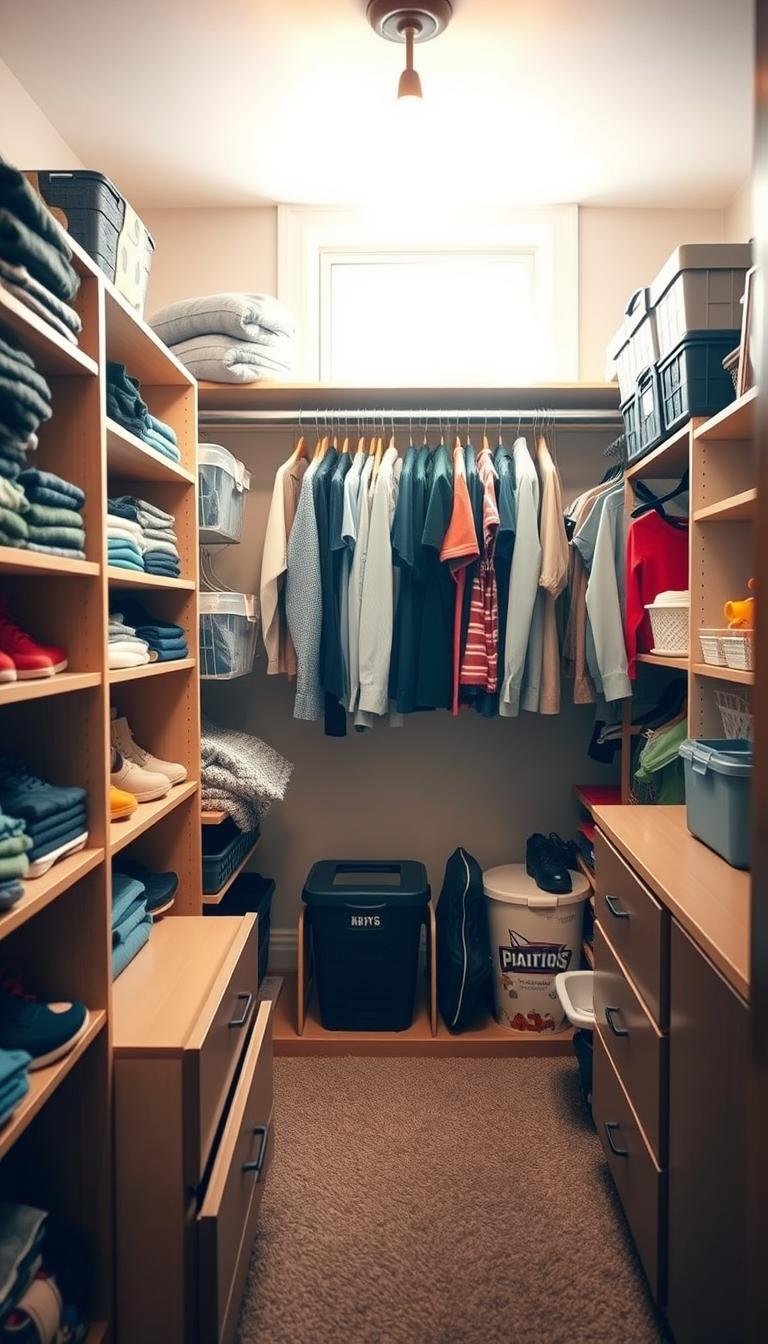
Welcome to your complete guide for creating a storage space that evolves alongside your sons. As they grow, their needs change, and so should their storage solutions.
You’ll discover smart approaches that eliminate bulky dressers. This frees up precious floor space in the bedroom for play and other activities.
Adaptable systems can also simplify your laundry routine. Imagine having all garments stored in one convenient, easy-to-reach location.
This guide walks you through assessing needs and choosing the right systems. We’ll share creative storage solutions perfect for any active child.
You’ll see real examples from parents who consolidated two spaces into one. They created an efficient, tidy room that fosters independence.
Embrace a friendly method that grows with your family. Make daily routines smoother while keeping everything in its place.
Why You Need a Closet That Grows With Your Boys
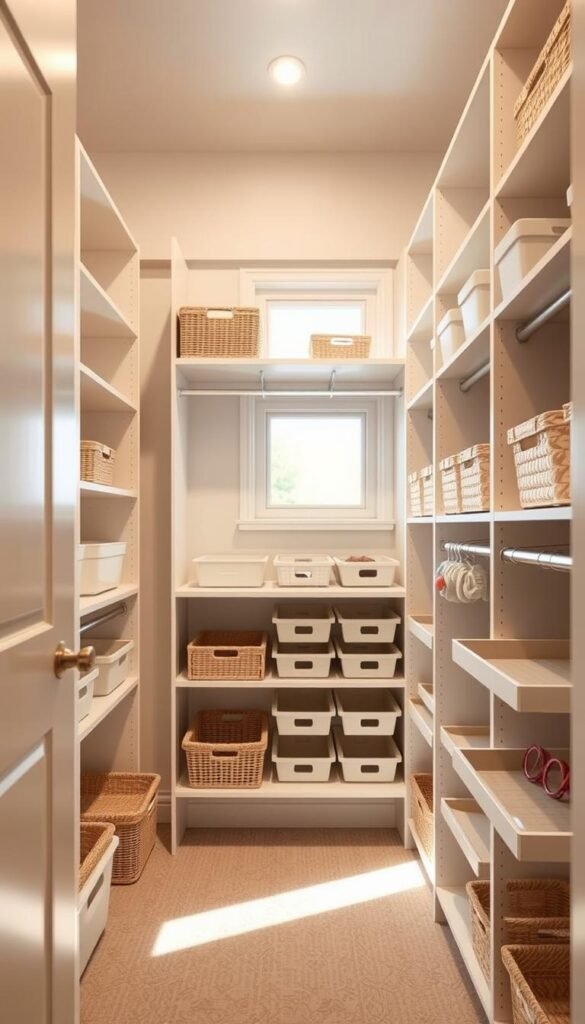
Children’s spatial needs evolve considerably as they mature, requiring thoughtful storage solutions. What works for toddlers becomes inadequate for school-aged kids and completely insufficient for teenagers.
Understanding the changing needs of growing children
Youngsters quickly outgrow their clothing sizes and storage requirements. From tiny toddler outfits to larger teen garments, your storage must accommodate these changes.
Adjustable shelving and modular components allow you to reconfigure the space as needed. This flexibility means the system remains functional through multiple growth stages.
The benefits of eliminating dressers from bedroom space
Removing bulky dressers creates valuable floor area in the bedroom. This extra room allows for more play space or additional furniture.
Consolidating all garments into one central location simplifies your routine. You’ll appreciate having everything in one convenient place during laundry put-away.
| Traditional Dresser System | Adaptable Storage Solution |
|---|---|
| Fixed configuration | Adjustable components |
| Multiple furniture pieces | Single organized space |
| Frequent reorganization needed | Long-term adaptability |
| Scattered storage locations | Centralized clothing storage |
How an adaptable system saves you time and energy
Flexible storage reduces daily clutter and simplifies maintenance. Many parents report significantly easier laundry management with this approach.
You’ll spend less time reorganizing and more time enjoying family activities. The system grows with your children, eliminating frequent overhauls.
“Since consolidating our storage into one adaptable system, the morning routine became so much smoother. The kids can easily access everything they need without assistance.”
This method encourages independence as children can reach their belongings easily. Families discover that centralized storage promotes tidiness and responsibility.
In shared rooms, efficient space use becomes particularly valuable. It helps maintain order and reduces sibling conflicts over storage areas.
Assessing Your Current Closet Space and Needs
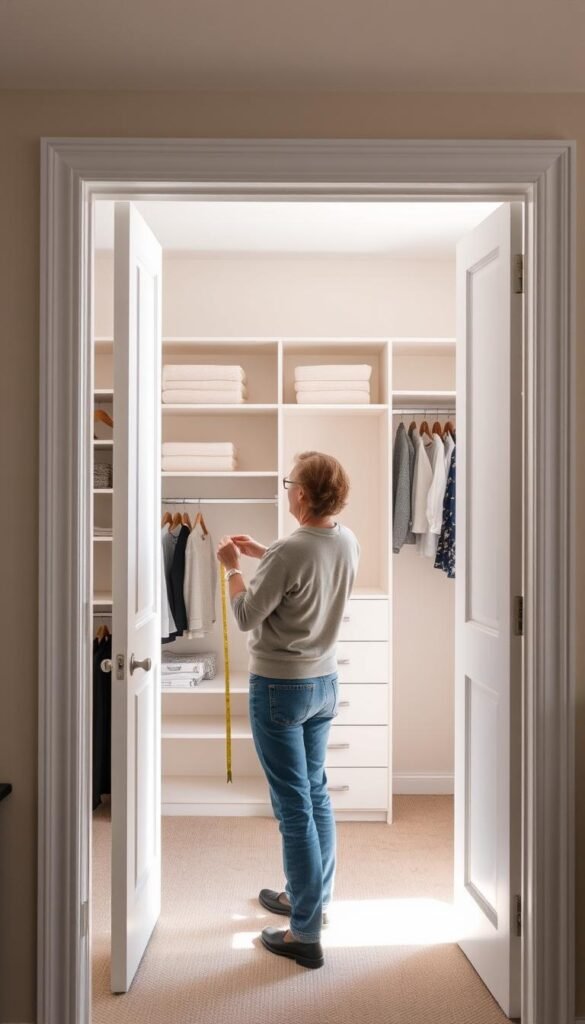
Before diving into any organizational project, taking a thoughtful look at your existing setup makes all the difference. This crucial step helps you create a functional plan that works perfectly for your family’s lifestyle.
Measuring your closet dimensions accurately
Grab your tape measure and note the width, depth, and height of your storage area. These numbers ensure any system you install fits perfectly.
Don’t forget to measure door openings and ceiling clearance too. This prevents surprises when installing new components.
Identifying what really needs to be stored
Take everything out and sort through each piece. Be ruthless about removing unused items like board games or extra blankets.
Separate seasonal clothing and sentimental things that don’t need daily access. This inventory process reveals what truly belongs in your primary storage area.
Considering your boys’ daily routine and habits
Observe how your children interact with their belongings each day. Do they rush through mornings? Consider open bins for quick access.
If they tend to be messy, opt for simple solutions rather than complicated systems. Neat kids might enjoy more structured organizers.
| Common Clutter Items | Smart Storage Solutions |
|---|---|
| Out-of-season clothing | Vacuum bags or high shelves |
| Rarely used toys | Labeled bins elsewhere in home |
| Multiple shoe pairs | Vertical racks or cubbies |
| Sports equipment | Designated baskets or hooks |
Involving your kids in this assessment helps understand their preferences. They’ll more likely maintain a space they helped create.
This evaluation phase sets the foundation for a functional closet that truly supports your family’s lifestyle. You’ll appreciate the thoughtful approach later.
Choosing the Right Closet System Foundation
Selecting the perfect foundation for your storage area requires careful consideration of several factors. The right choice will serve your family for years while adapting to changing needs.
Professional installation vs DIY closet systems
Professional services like Space Crafters offer custom designs and quick installation. This option provides a hassle-free experience with expert results.
DIY systems from companies like Easy Closets offer significant cost savings. Many families find these kits cost half of professional quotes.
Consider your comfort level with tools and available time. Professional installation takes minimal effort while DIY projects require hands-on work.
Modular systems that can adapt over time
Modular components are essential for long-term functionality. They allow you to adjust shelves and drawers as needs change.
Look for systems with adjustable shelving that can accommodate different clothing sizes. This flexibility ensures your investment grows with your children.
These adaptable solutions maximize functionality while replacing traditional dressers. You’ll appreciate how easily they reconfigure over time.
Budget-friendly options that don’t compromise quality
Many affordable systems use durable materials that withstand daily use. Easy Closets offers cut-to-size components shipped directly to your home.
Read reviews and consider consultations before making your decision. Jason from Space Crafters recommends balancing cost with quality and adaptability.
This choice impacts daily use, so weigh all factors carefully. The right system will provide excellent value for years to come.
“We chose a DIY system and completed installation in half a day. The accurate measurements made all the difference in creating a perfect fit.”
Whether you select professional installation or a DIY approach, ensure the design includes adjustable features. This thoughtful planning creates a storage space that truly serves your family’s evolving needs.
Smart Closet Organization Ideas That Grow With Your Boys
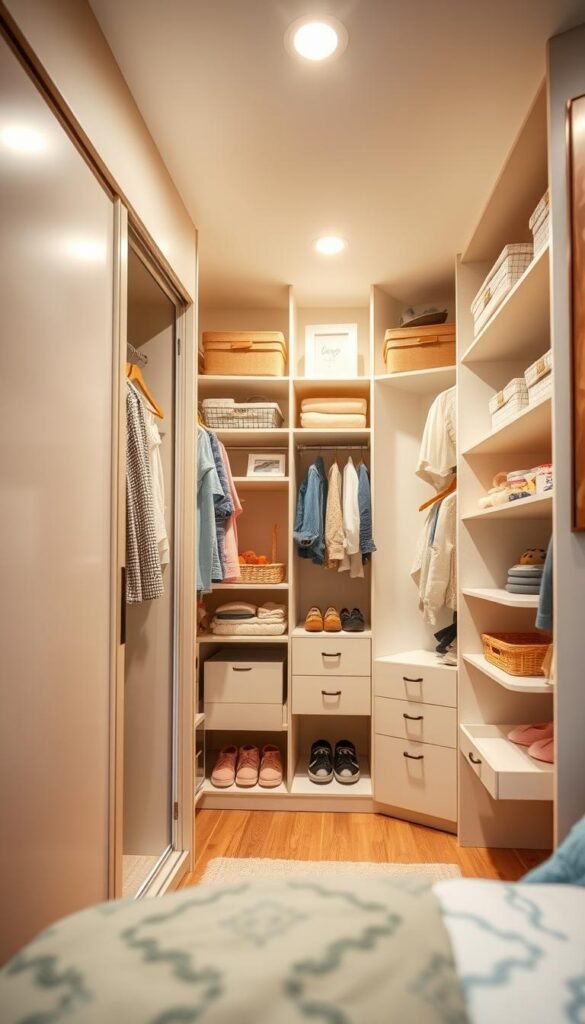
Creating a flexible storage system makes daily life easier while adapting to changing needs. These practical approaches help you maximize functionality without constant redesigns.
Adjustable shelving for changing storage needs
Install shelves that move up or down as your child grows. This simple feature accommodates everything from tiny shirts to teen hoodies.
Modular components let you reconfigure the entire layout over time. You can add more hanging space as formal clothing becomes part of the wardrobe.
Divided spaces for shared closet situations
A central tower with divided sides works perfectly for siblings. Color-coded sections prevent arguments and keep items separate.
Assign specific areas for each family member using labeled bins. This organization method makes finding things quick and simple.
Incorporating drawers that replace dressers
Built-in drawers store socks, underwear, and pajamas efficiently. This eliminates the need for separate furniture pieces.
These practical ideas create a streamlined kids closet that grows with your family. Real-life successes show divided spaces with dedicated storage reduce morning chaos.
“The drawer system changed everything. No more digging through dressers – everything has its place and the kids can manage their own belongings.”
These solutions ensure your storage area evolves from toddler years to adolescence. You’ll appreciate the flexibility without requiring complete overhauls.
Creative Storage Solutions for Different Clothing Types
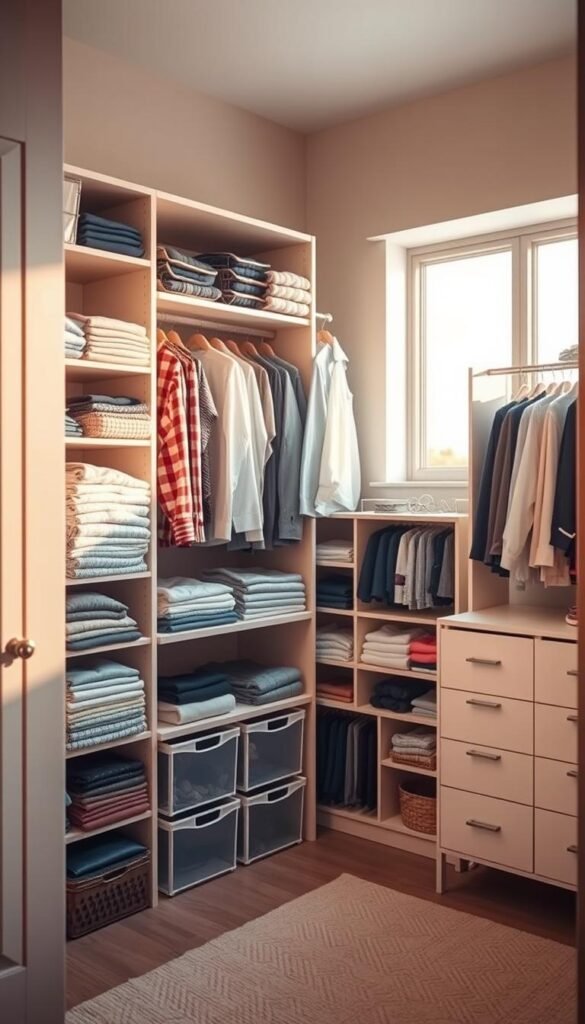
Transform your approach to children’s clothing storage with category-specific solutions that keep everything in its proper place. Different garments have unique requirements that deserve thoughtful consideration.
Customized systems make morning routines smoother and maintenance simpler. You’ll appreciate how targeted approaches reduce daily clutter.
Organizing systems for shirts and pants
Open shelves work beautifully for folded shirts and pants. This method provides quick visibility and easy access during busy mornings.
Arrange garments by type or color to streamline the dressing process. Many families find this approach reduces decision fatigue for younger children.
Fabric baskets offer lightweight storage for frequently worn items. They keep everything visible while maintaining a neat appearance.
Shoe storage that’s accessible yet tidy
Keep shoes contained yet easy to grab with smart solutions. Baskets, bins, or slanted racks prevent clutter from accumulating on the floor.
Metal baskets work particularly well for athletic footwear. They provide durability while allowing air circulation.
Consider pull-out shelves or bins for frequently used pairs. This ensures even young children can reach their favorite shoes without assistance.
Small item solutions for socks and underwear
Socks and underwear thrive in organized compartments that prevent mix-ups. Drawer dividers create dedicated spaces for these essential items.
Repurpose shoeboxes without lids for neat and accessible storage. This clever approach keeps small items contained while remaining visible.
Small fabric baskets work perfectly for organizing these necessities. They make it easy to maintain order while adapting to changing needs.
“Using labeled fabric baskets for our boys’ socks and underwear changed our morning routine completely. Everything has its place and they can dress themselves without help.”
Label all storage solutions to maintain order, especially in shared spaces. Everyone will know exactly where things belong.
These targeted ideas keep every clothing type organized as preferences evolve. You’ll create a system that grows with your children’s changing styles.
Safety and Accessibility Considerations
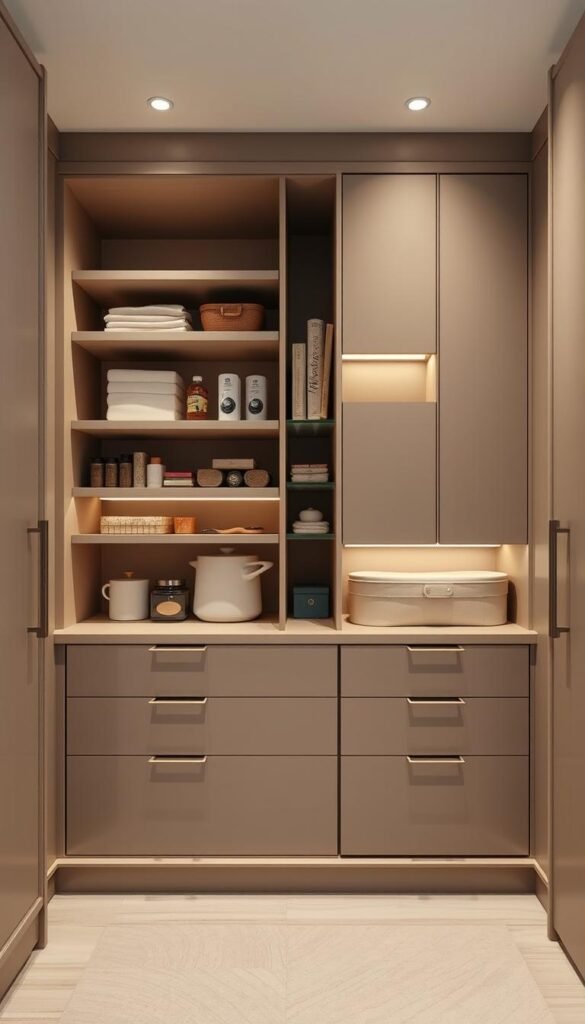
Creating a safe environment for your children to access their belongings independently is just as important as the storage system itself. Thoughtful planning prevents accidents while encouraging self-sufficiency.
Choosing lightweight, child-friendly baskets
Select fabric containers instead of heavy alternatives. These soft options prevent injuries if they tumble down.
Target offers affordable options in their $1-$5 section. Lightweight baskets keep everything accessible without risk.
Proper step stool integration for younger boys
Include a compact step stool that stores neatly when not in use. This helps little ones reach higher shelves safely.
Teach proper stepping techniques to prevent falls. Many families find this approach builds confidence over time.
Avoiding heavy storage solutions at high levels
Keep weighty items on lower shelves or near the floor. This prevents dangerous situations if something falls.
Store frequently used things at waist level for your child. This simple adjustment makes daily access easier for kids.
“We switched to soft baskets after a heavy one fell on our son’s face. Now everything is both safe and accessible for both our boys.”
Regularly check that all containers remain stable and secure. Ensure nothing tips over during normal use.
These considerations create a space where children can help themselves without risk. You’ll appreciate the peace of mind that comes with thoughtful planning.
Design Features That Support Growing Needs
Thoughtful design elements can transform a basic storage area into a highly functional space that adapts to your family’s changing lifestyle. These smart additions make daily routines smoother while preparing for future requirements.
Many parents discover that integrated features significantly enhance their storage system’s usefulness. You’ll appreciate how these elements work together to create a comprehensive solution.
Incorporating laundry systems within the closet
Built-in laundry bins revolutionize how you handle dirty clothes collection. These integrated hampers encourage consistent use by making disposal effortless.
Pull-out designs work particularly well for keeping everything tidy yet accessible. Many families find this approach eliminates piles of clothes on the floor.
Designate separate compartments for lights and darks if space permits. This simple organization method streamlines your washing routine significantly.
Tech-friendly features for older boys
Integrated charging stations keep devices organized and powered throughout the day. These dedicated spots prevent cord tangles and misplaced electronics.
Consider adding USB outlets at accessible heights for convenience. This thoughtful addition supports the digital needs of modern teenagers.
Small shelves near charging areas provide perfect spots for headphones and accessories. Everything stays together in one convenient location.
Creative organization solutions for accessories
Strategic hooks offer excellent storage for bags, hats, and frequently used items. They keep these essentials visible yet neatly contained.
Magnetic boards create perfect spots for notes, reminders, or small metal items. This clever solution adds functionality without consuming valuable space.
Small cubbies work beautifully for watches, jewelry, and other delicate accessories. These dedicated compartments prevent loss and damage.
“The built-in laundry bin changed our daily routine completely. No more piles on the floor, and the kids actually use it without reminders.”
Consider adding a compact seating area if your layout permits. This provides a comfortable spot for trying shoes or organizing outfits.
Task lighting ensures excellent visibility during early mornings or late evenings. You’ll appreciate how this simple feature makes finding items effortless.
| Traditional Storage | Design-Enhanced Solution |
|---|---|
| Separate laundry hamper | Built-in pull-out bins |
| Charging cords everywhere | Integrated charging station |
| Accessories scattered | Dedicated organizer systems |
| Poor lighting | Strategic task lighting |
| No seating area | Compact built-in bench |
These design elements create a storage system that evolves from childhood to teenage years. You’ll enjoy the enhanced functionality without requiring major renovations.
Maximizing Space in Shared Boy Closets
Dividing a single storage area between brothers calls for innovative approaches that ensure fairness and functionality. Smart solutions can transform even the smallest area into an efficient system that serves multiple users.
These strategies help maintain peace while keeping everything organized. You’ll discover how to create a shared system that works for everyone.
Dividing closet space fairly between siblings
A central organizer tower works beautifully for creating equal sections. This approach gives each child their own dedicated area for personal items.
Assign specific zones using clear visual boundaries. Many families find this method eliminates arguments over territory.
Involve your children in the division process to ensure everyone feels the arrangement is fair. When kids help create the system, they’re more likely to maintain it properly.
Color-coding systems for easy identification
Color-coded bins and hangers make identification instant during busy mornings. This simple visual system reduces confusion and speeds up routines.
Assign each child their favorite color for maximum engagement. Brightly colored containers also add a fun element to the storage area.
Labeling systems complement color coding for additional clarity. These methods work particularly well for younger children who are still learning to read.
Vertical storage solutions for small closets
Tall shelves maximize every inch of available height in compact areas. Store less frequently used items on higher levels while keeping daily essentials within easy reach.
Multi-level hanging rods accommodate different clothing lengths efficiently. This approach doubles your hanging capacity without consuming additional floor space.
Over-door organizers provide bonus storage without affecting the main area. They’re perfect for accessories, shoes, or out-of-season garments.
“The vertical shelves and color-coded system transformed our tiny shared closet. Both boys can now find what they need without our help, and everything stays organized.”
These approaches work beautifully in any size room. You’ll be amazed how much storage space you can create with thoughtful vertical planning.
Real examples show that clear divisions and smart use of height can hold twice the items without feeling cramped. The system grows with your children’s changing needs while maintaining order.
Maintaining Your Organized Closet System
Keeping your storage area tidy requires simple habits that become second nature over time. A well-maintained space continues to serve your family beautifully as needs evolve.
These practical approaches make upkeep feel effortless rather than overwhelming. You’ll discover how small daily actions prevent major cleanups later.
Establishing simple put-away routines
Create easy habits that fit naturally into your daily flow. Putting clothes away immediately after laundry prevents piles from forming.
Make this way part of your regular routine without extra effort. Many families find this approach keeps everything neat throughout the week.
Clear labels and designated zones help everyone know where things belong. Even young children can participate successfully when the system remains intuitive.
Seasonal purging and reorganization tips
Schedule regular reviews to remove unused or outgrown items. Many families do this during seasonal changes when swapping clothing.
Donate quality pieces that no longer fit your children. This thoughtful plan keeps your storage area functional and current.
Adjust shelves and bins during these sessions to accommodate new needs. This maintenance ensures your system grows along with your family.
Teaching your boys to maintain their space
Involve your children in simple upkeep tasks appropriate for their age. They’ll develop pride and responsibility for their belongings.
Start with easy jobs like placing dirty clothes in hampers. Gradually introduce more complex tasks as they mature.
Many parents report that consistent involvement leads to better habits. Children learn valuable life skills while keeping their area organized.
“Our boys now put their own laundry away without reminders. The clear labels and simple system made all the difference in building this independence.”
Regular maintenance ensures your investment continues serving your family beautifully. These practical tips keep everything working smoothly day after day.
You’ll appreciate how effortless upkeep becomes with good habits established early. Your storage area remains functional and tidy with minimal ongoing effort.
Creating a Closet That Serves Your Family for Years
Building a flexible storage area brings lasting benefits to your home life. Smart systems evolve alongside your children’s changing needs.
Choose modular components that reconfigure easily over time. Durable materials withstand daily use while maintaining their function.
Accessible designs encourage independence in young ones. Your child can reach their own clothes and learn responsibility.
These practical approaches save time during busy mornings. Everything stays organized in one convenient room space.
Real families report smoother routines for years after installation. Their storage solutions eliminated bulky dressers completely.
Your investment today provides long-term value and convenience. The system supports your family through every growth stage beautifully.