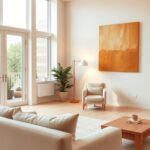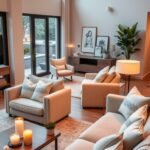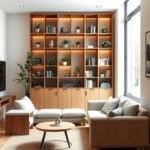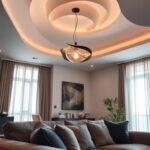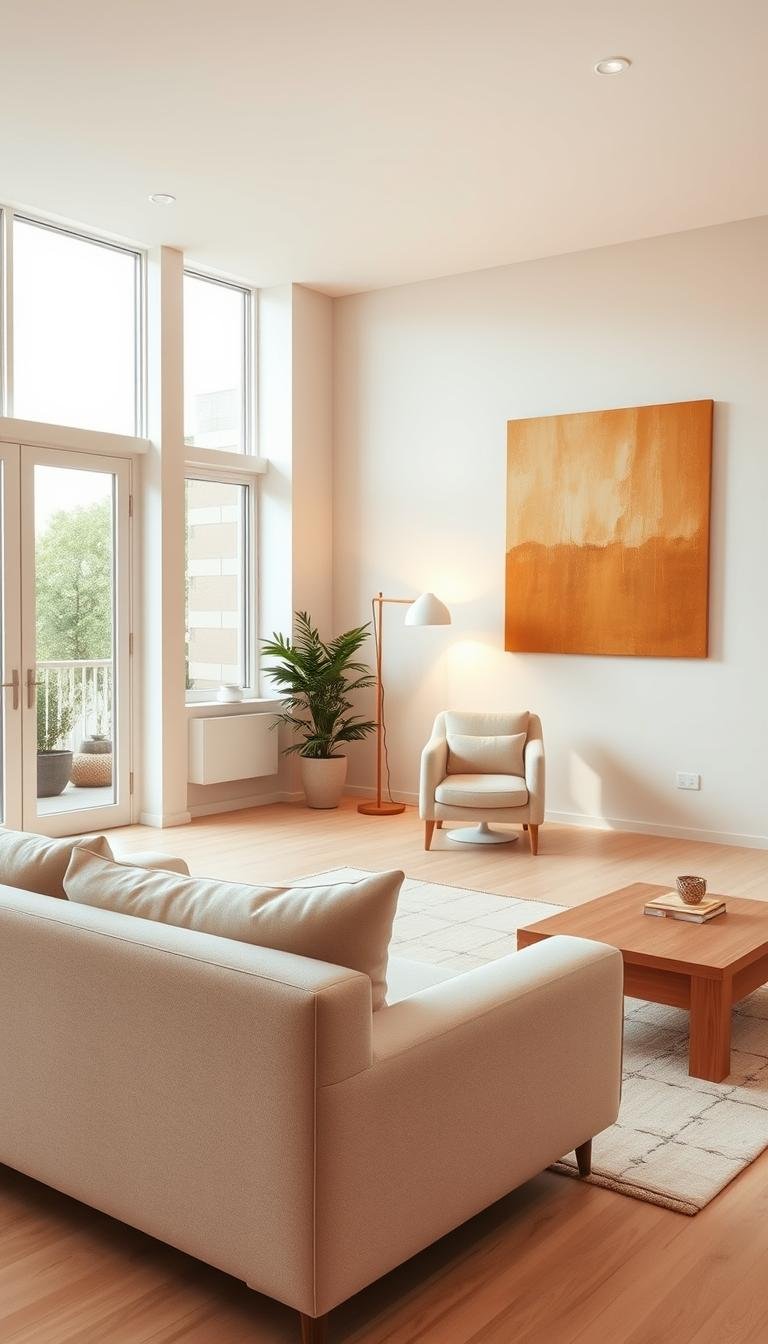
A calm room does not need to be empty; it needs a clear reason for every visible piece. If you want minimalist living room inspiration, begin with the home you have, not an idealized blank room. Minimalism means choosing fewer, useful pieces and letting texture, light, and a personal detail or two bring warmth.
A clean space can still feel lived in. A color palette of soft neutrals, wood, or one muted accent gives the room a clear style without making every surface match. Clean lines help the eye rest, while a favorite book, framed print, or handmade bowl adds a little history.
These ideas can adapt to different homes and budgets. You do not need to replace everything or strip away objects that matter to you. A useful edit might mean moving one chair, clearing a shelf, or giving everyday items a proper home.
Start by noticing which objects you use every day and which ones only occupy space.
Minimalist Living Room Inspiration for a Small Space
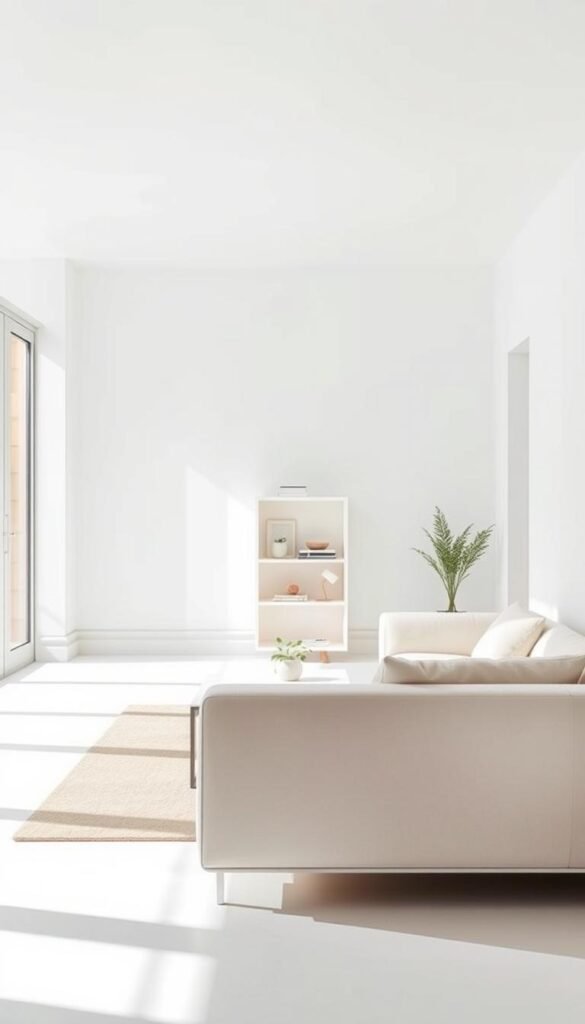
A clear route through the room can matter more than one extra piece of furniture. In a small minimalist living room, breathing room comes from arranging useful pieces around the way you move. A minimalist living room in a small space feels more comfortable when you check its main route before placing furniture.
Keep 36 inches clear along primary walkways. A constrained secondary route may work at 30 inches, though it feels tighter. A 2024 U.S. apartment averaged about 908 square feet, while studios averaged 457 square feet.
A walkway under 30 inches feels cramped, 30 inches is tight but usable, and 36 inches feels comfortable and natural.
That distinction can help you judge a plan without relying on the room’s appearance alone. Small living room ideas work best when furniture leaves visible floor around the seating area. For more ways to use a compact footprint, try these minimal decor ideas for living rooms.
Plan the Main Route Before Buying
Trace the route from the doorway to the sofa, windows, and other places you visit often. A minimalist room feels easier to use when the route does not cut through the middle of a seating group. Check how cabinet doors and drawers open, too.
- Measure the main walkway.
- Mark the sofa and table footprint on the floor.
- Keep the secondary route clear where possible.
Make a Compact Layout Feel Open
Choose a focal point, then arrange pieces to face or support it. A narrow side table can serve a seat without occupying the center, and a chair can angle toward conversation instead of blocking a path. These practical minimalist living ideas can make a small room feel considered, not crowded.
Measure the tightest passage after the layout is in place, not just on an empty floor.
Choose a Restrained Palette That Still Feels Warm
A restrained palette feels more personal when its materials are warm to the touch and varied in finish. Choose two or three complementary tones for a calm base, then repeat them with care. Modern minimalist living room inspiration can come from warm neutrals, a focused monochrome scheme, or a muted accent against a quiet base.
Repeat colors and materials with purpose, rather than adding new tones at random. Modern minimalist living room ideas work well when the palette connects paint, furnishings, and decor. Warm minimalism might pair earthy tonal paint with linen and mohair for a soft, tactile effect.
Build Around Two or Three Tones
Start with a main tone, such as cream, taupe, or gray, then add a close companion. A third shade can provide contrast without taking over. A dark charcoal accent, for example, gives a pale room definition while keeping the number of colors in check.
Western minimalist design took shape in the early 20th century, with Bauhaus among its influences. Traditional Japanese design also informs minimalist approaches through restraint and natural materials. Those traditions offer useful ideas, but your living room does not need to imitate either one.
Add Contrast Through Color and Materials
Contrast can come from a dark detail against a light wall, or from finishes that catch light differently. A matte painted surface beside a polished wood frame brings interest without busy patterns. Mid-century rooms also offer approachable ideas for warm colors and natural materials.
Current minimalist design puts usability and adaptability ahead of extreme reduction. That means your colors can support daily life, not just a striking photo. Repeat one of your main tones in a small accent so the palette feels connected rather than matched.
Select Furniture That Fits the Room and Earns Its Place
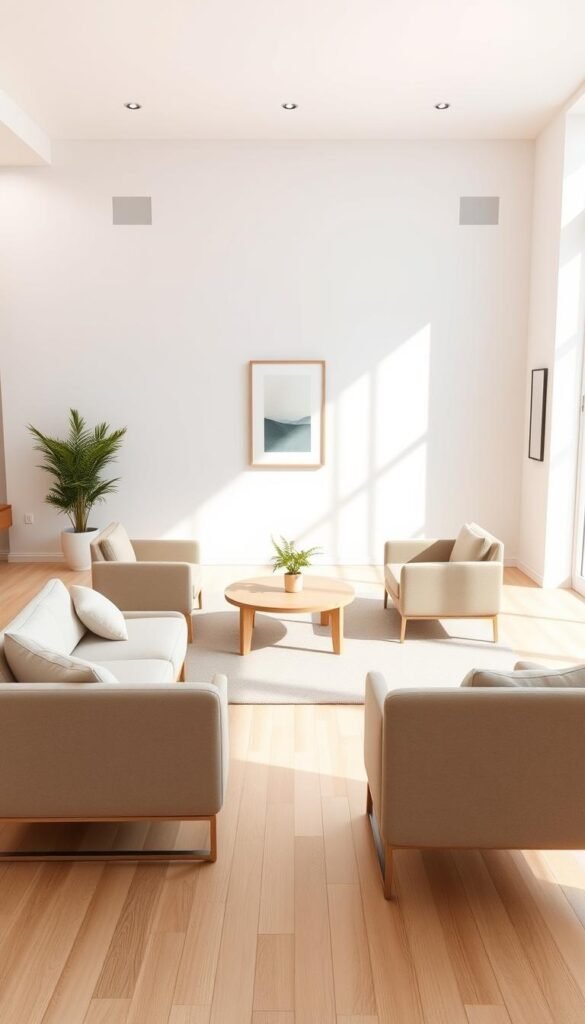
A sofa’s width is only useful if the seat depth and remaining walking space also suit your room. Scale matters when fewer pieces share the view, so start with the footprint and choose comfort that fits. For a small living room, a sofa around 65-80 inches wide is a useful starting point.
Compare full dimensions, not width alone. The West Elm Bogart loveseat is 60 inches wide, 32 inches deep, and 25.2 inches high, listed at $899. A slim profile may help a compact room, but the seat still needs to feel comfortable for you.
| Model | Width | Listed price |
|---|---|---|
| West Elm Bogart | 60 inches | $899 |
| HERNEST Brisa | 84 inches | $1,619 |
| Article Sanders | 85.5 inches | $1,099 |
| Article Abisko | 91 inches | $1,199 |
| West Elm Eddy | 82 inches | Approximately $799-$1,549 before promotions |
Choose a Sofa by Its Footprint
The Article Ceni loveseat measures 61 inches wide and about 35 inches deep. The Povison Modular White Armless Sofa module is 72.5 inches wide, uses waterproof chenille, and has an optional ottoman. It is listed at $999, with prices varying by promotions.
The modular Burrow Nomad Sofa has integrated USB and is listed at $1,462 on sale or $1,949 at list price. The Joybird Briar Sofa is listed at $1,520 on sale, with slim arms and a tufted seat.
Balance Clean Lines With Comfort
Straight lines give furniture a crisp look, while a curved chair or rounded edge can soften the room. A tailored sofa does not have to feel rigid; cushions and a supportive seat matter just as much as the outline.
Check upholstery for durability as well as appearance. A Martindale abrasion rating of 20,000-30,000 cycles is generally suitable for everyday residential use. The 84-inch HERNEST Brisa sofa, listed at $1,619, gives you one size and price point to compare against other options.
Check the full dimensions of any sofa against your marked floor footprint before ordering.
Keep the TV, Storage, and Surfaces Visually Quiet
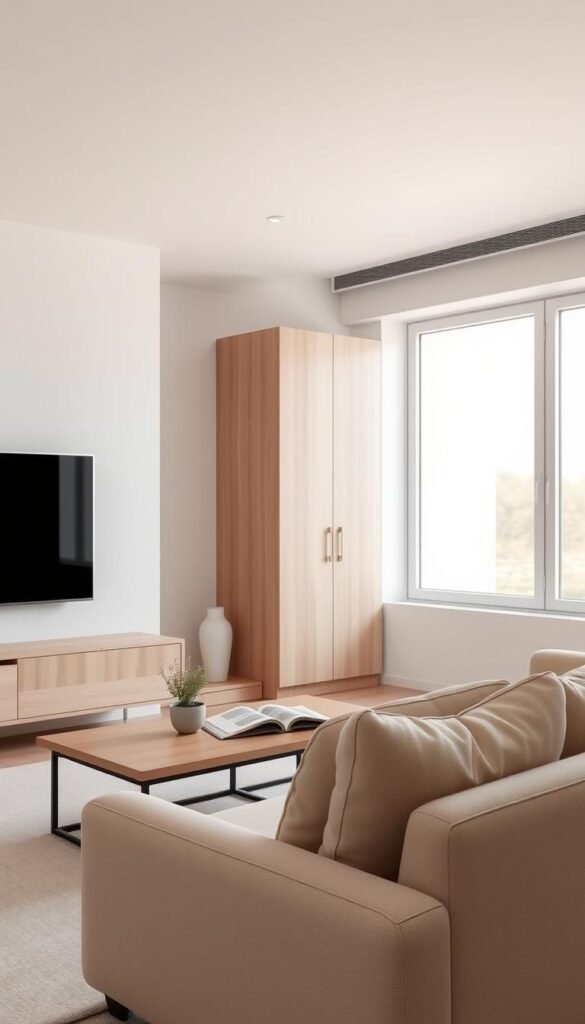
A TV setup looks quieter when the equipment has a hidden place to go after viewing. Closed storage keeps remotes, game controllers, and spare cables out of sight, while clear surfaces make the room feel less busy. A minimalist living room with a TV can still be practical and personal.
Give cords and everyday equipment a designated home. A concealed TV unit or sideboard can hold devices behind doors, and a cable route can keep wires from crossing the wall. Put away items after use instead of leaving them on open shelves.
How to Keep a TV Minimalist
A wall-mounted screen can leave the cabinet surface open, while closed media storage hides gear you do not need to see. If you use a stand, choose one with doors or drawers that suit the equipment. Keep frequently used items accessible, but give everything else a place inside.
Choose a Coffee Table That Works Hard
A useful coffee table supports daily routines without taking over the room. The Cozey Stella Square starts at $235, has lift-top storage, and comes in modules that can be arranged together or separately. The Burrow Carta costs $449 and has three removable tabletop trays that can serve as serving trays or laptop tables.
| Coffee table | Listed price | Useful feature |
|---|---|---|
| Cozey Stella Square | Starts at $235 | Lift-top storage; modules grouped or separate |
| Burrow Carta | $449 | Three removable trays |
| Castlery Modern Peri | $599 | Open storage shelf |
| AllModern Bayou Breeze Duncombe | $550 | Open shelf and two hidden drawers |
The Modern Peri has an open shelf, and the Duncombe adds two hidden drawers. Keep each surface to a maximum of three objects, grouped in an odd number, so there is room for everyday use. For more practical coffee table styling ideas, make space for the things you actually set down.
Keep only the objects you reach for regularly on open shelving.
Layer Light for Different Parts of the Day
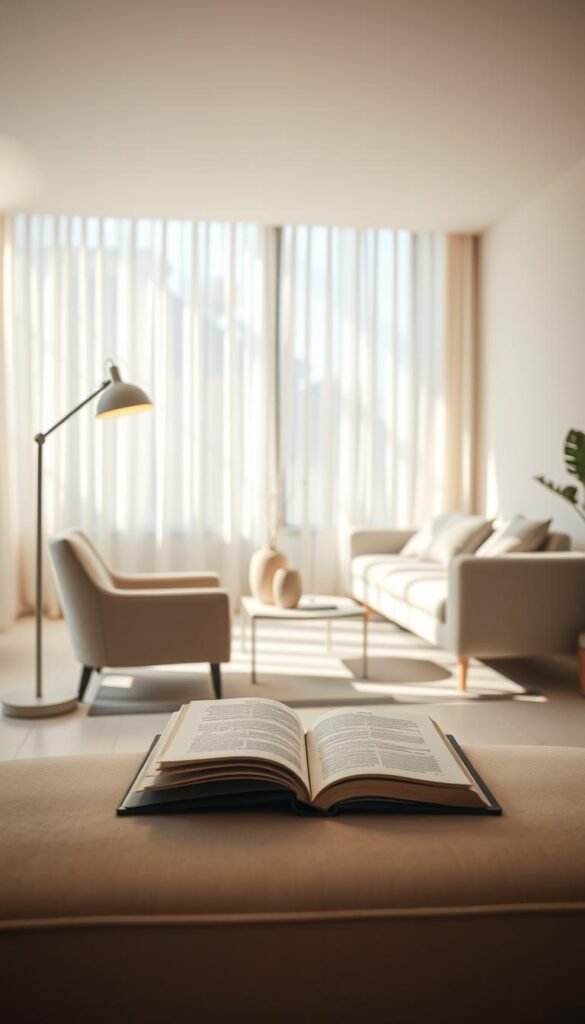
A dimmable floor lamp can make one room work for both a quiet evening and focused reading. Lumens per square foot means the amount of light recommended for each square foot of floor area. Living rooms generally need 10-20 lumens per square foot, so a 120-square-foot room needs 1,200-2,400 lumens for ambient lighting.
Use several light sources rather than relying on one ceiling fixture. Preserve natural light with light curtains, then layer these options:
- Floor lighting for reading or a darker corner.
- Table lighting near a seat or work surface.
- Accent lighting to draw attention to a wall or artwork.
Dimmers let you adjust the layers for different activities. A softly lit minimalist room can feel welcoming without adding extra decor. Use a warm bulb in the 2700K-3000K range when you want the light to soften a neutral interior.
Use Rugs and Texture to Make Minimalism Feel Comfortable
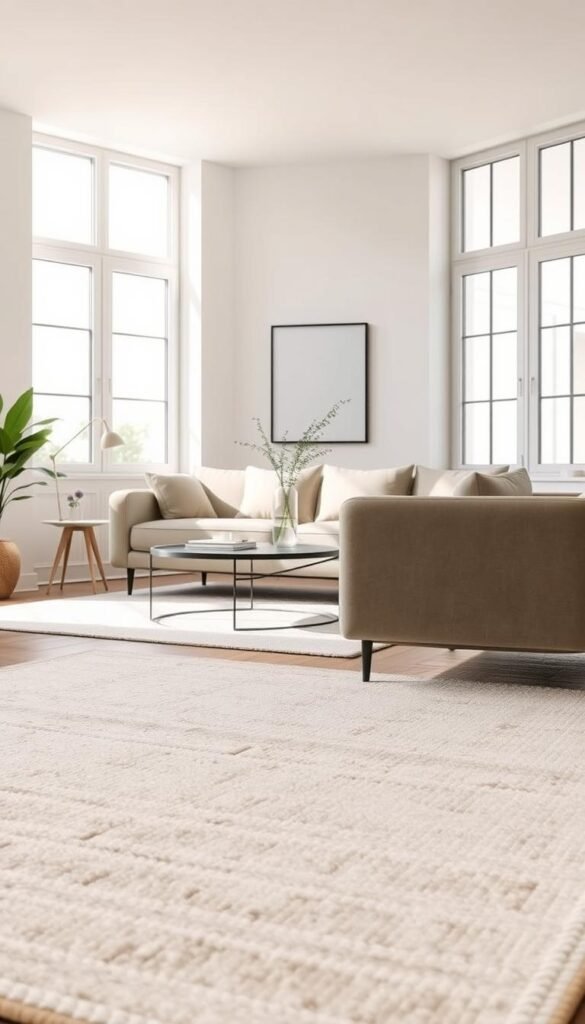
A rug can define the seating area without adding another strong color or pattern. One grounding rug gives a room a clear center, while varied surfaces and a small amount of greenery bring depth. Minimalist living room inspiration ideas can feel inviting without filling every corner.
Choose a rug at least 20-30 centimeters wider than the sofa on each side. Common U.S. living-room rug sizes include 5×8 feet for compact apartments, 8×10 feet for standard rooms, and 9×12 feet for larger rooms or sectionals.
Set the Rug to Anchor the Seating
Furniture can relate to the rug in three straightforward ways. Front legs on the rug are a popular middle ground, connecting the seating without covering the whole floor.
- Place all furniture legs on the rug.
- Place only the front legs on the rug.
- Keep all furniture legs off the rug.
The right option depends on the arrangement and the rug’s reach. Natural textures can make the floor feel warmer without competing with the rest of the room. Linen, wood, and glass each bring a different finish, and matte surfaces help limit shine.
Add Warmth With Tactile Materials
A linen cushion, a wood side table, and a glass vase offer contrast through feel and finish, not a jumble of patterns. A single plant adds a living element and a small shift in shape. These textures help minimalist living feel comfortable while keeping decor purposeful.
For a calm approach to materials and soft furnishings, these minimal bedroom ideas offer related inspiration. A rug does not need a bold design to anchor a seating area; its size and placement can do that work quietly.
Check the rug’s edge against the sofa on both sides before settling on its final position.
How to Create a Minimalist Living Room on a Budget
A budget works harder when you buy the pieces that solve a daily need first. Prioritize the sofa and lighting before optional accents, then add only what earns its place.
In 2026, a budget three-seat sofa costs $350-$700, while a floor lamp costs $30-$80. A budget plan can start with those useful pieces, then leave room for storage and finishing touches.
Choose the daily essentials before decorative extras, and keep the plan small enough to live with.
| Item | 2026 budget price range |
|---|---|
| 8×10-foot area rug | $80-$200 |
| Three-seat sofa | $350-$700 |
| Coffee table | $50-$150 |
| Floor lamp | $30-$80 |
| Budget furnishing total for listed items | $745-$1,750 |
| Mid-range furnishing total | $2,260-$5,460 |
A mid-range coffee table costs $200-$600, while the IKEA LACK coffee table is listed at $49.99 in a 2026 budget living-room shopping list. Leave some of the budget unspent until you have lived with the layout.
Make One Thoughtful Change at a Time
A calm home comes from choices you can maintain, not from clearing everything in one afternoon. Comfort and usefulness matter as much as visual restraint, so keep the things that support how you actually live. A clear space is not a test of how little you own.
Your style can include one personal object with a real story behind it. A framed photograph, a travel keepsake, or a handmade bowl can belong when it has meaning and a clear place. Let that item stand on its own instead of surrounding it with filler.
Small changes are easier to judge than a full-room makeover. Remove one unused object, notice how the room feels, and decide whether the new space works for your routines. You can keep what feels right and adjust what does not.
Choose one surface to edit this week, then keep only what you use or genuinely value there.