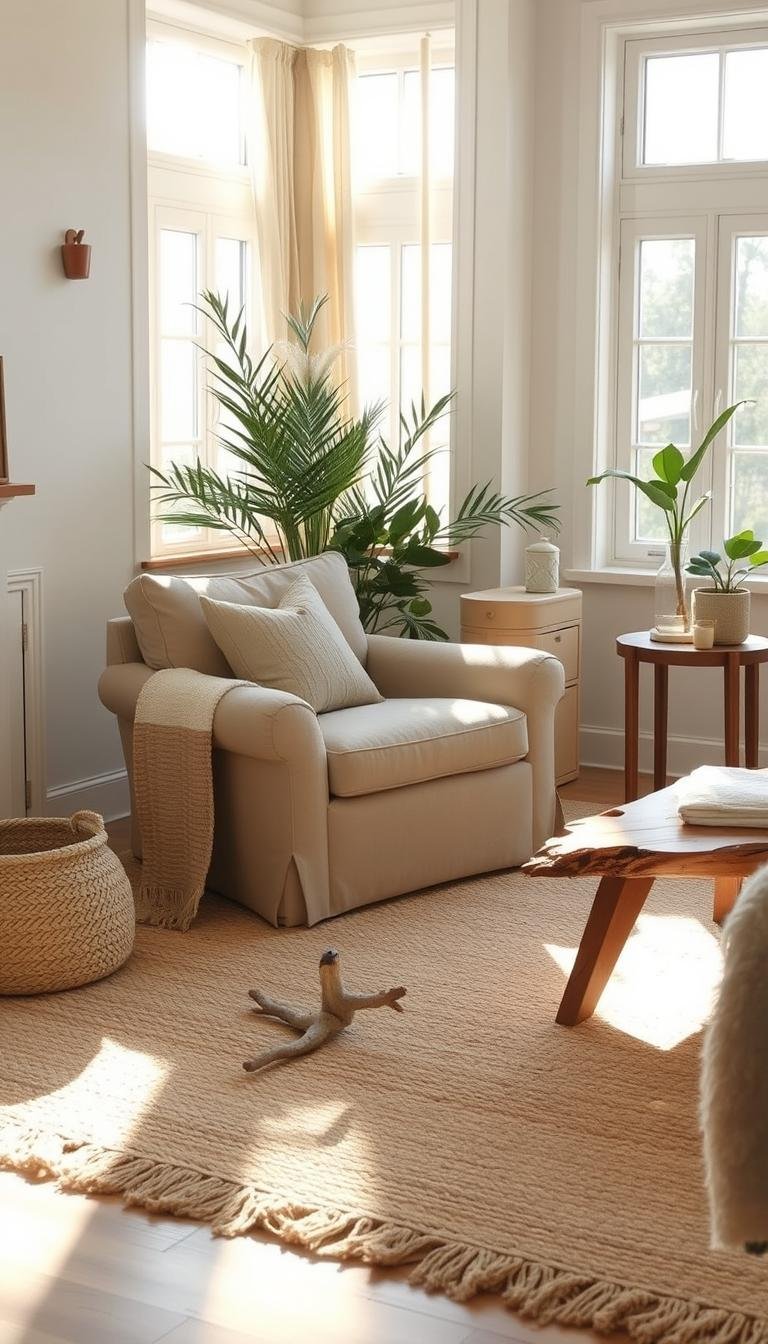
Your home is your personal refuge, a place where you can truly unwind and feel safe. The way you design your living space has a huge impact on your daily mood and overall wellbeing.
A clutter-free room filled with items you love promotes relaxation and reduces stress. According to interior design experts, thoughtful decor can turn any house into a soothing sanctuary.
This guide offers friendly, practical tips to help you achieve that serene atmosphere. You’ll learn how to blend functionality with beauty using nature-inspired touches.
Simple changes like adding plants, soft textures, and warm lighting can make your entire home feel more inviting. These ideas work in any room, no matter your style or available space.
Start small, focus on what brings you joy, and watch your environment become a true haven of comfort and peace.
Understand the Foundation of a Serene Sanctuary
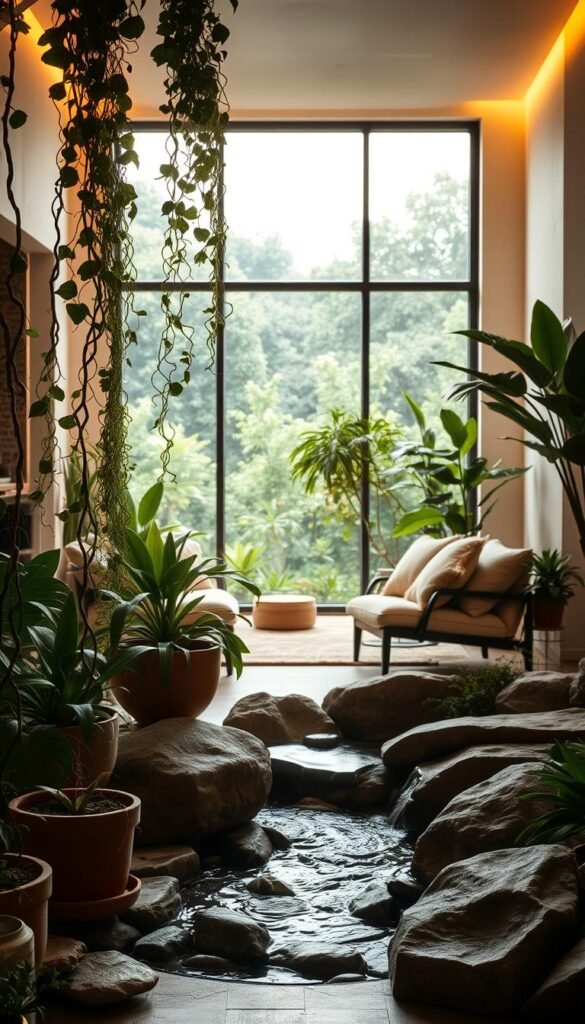
Building a tranquil environment starts with recognizing the powerful connection between your space and your mental state. Research consistently shows that cluttered rooms increase anxiety levels, while organized, nature-inspired spaces promote genuine calm.
Your daily environment significantly impacts how you feel and function. Studies reveal that spending time outdoors improves mood and reduces stress. This explains why bringing nature indoors through thoughtful design creates such positive effects.
Why Your Environment Impacts Your Wellbeing
Your living area directly influences your emotional state. Clutter creates visual noise that overwhelms your senses. Organized spaces with natural elements help your mind relax and recharge.
Research confirms that nature-inspired rooms lower cortisol levels. They also improve focus and creativity. Your home should support your wellbeing, not work against it.
The Core Principles of Biophilic Design
Biophilic design taps into your innate desire to connect with nature. This approach uses natural light, organic materials, and plants to recreate outdoor experiences indoors.
Key principles include maximizing sunlight through windows. Using wood, stone, and other natural materials creates warmth. Incorporating greenery improves air quality by filtering toxins.
Even small changes make a difference. Adding a single plant or choosing earthy colors initiates peace. These elements help your home feel like an extension of the natural world.
Design experts recommend opening windows for fresh air and natural sounds. Sustainable decor choices also reduce environmental impact. This foundation supports all other design decisions.
Start by assessing your current space for clutter. Identify where natural touches could be added easily. Your home can become a retreat where you and your loved ones truly thrive.
Understanding these principles helps you make intentional choices. You’ll create a sanctuary that supports your wellbeing every day.
Choose a Soothing Color Palette as Your Base
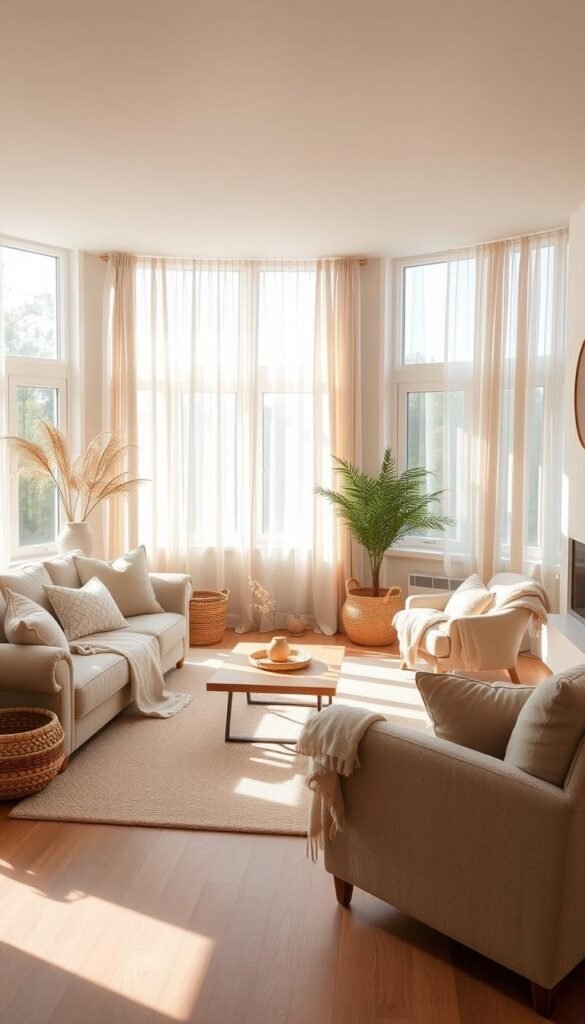
Your choice of palette forms the visual foundation for your entire living space’s atmosphere. Colors influence your mood more than you might realize, making this decision crucial for creating that peaceful retreat you deserve.
Research confirms that certain hues promote relaxation better than others. Navy blue, for instance, ranks as the most calming color according to color psychology studies.
Opt for Muted Neutrals and Earthy Tones
Start with soft, neutral bases like cream or taupe for your walls and larger furniture pieces. These gentle tones create a calm backdrop that’s easy on the eyes.
Designer Karin Bohn recommends,
“Neutral spaces immediately feel like sanctuaries. They provide that blank canvas where you can truly unwind after a long day.”
Consider these relaxing options for your room:
- Cream or off-white – creates warmth without being too stark
- Taupe or greige – offers sophisticated neutrality
- Soft gray tones – provides modern tranquility
- Pale tan or gold – adds subtle warmth
Layer different textures within your neutral palette to add depth. This prevents your space from feeling flat or clinical. Mix matte and glossy finishes for visual interest.
Incorporating Calming Accent Colors
Once you’ve established your neutral base, introduce accent colors through removable items. Pillows, throws, and artwork in jewel tones can boost positivity without overwhelming your serene atmosphere.
Follow these simple steps to test colors in your home:
- Paint large samples directly on your wall
- Observe how colors look at different times of day
- Start with one room before expanding throughout your home
- Choose hues that genuinely make you feel happy and relaxed
Successful color schemes often pair beige walls with blue accents for coastal calm. Monochromatic gray schemes create modern chic appeal. Earthy green accents bring nature’s serenity indoors.
Remember that color preferences are personal. Trust what makes you feel most at peace in your own space. Your home should reflect your unique comfort needs above all trends.
Master the Art of Layered and Natural Lighting
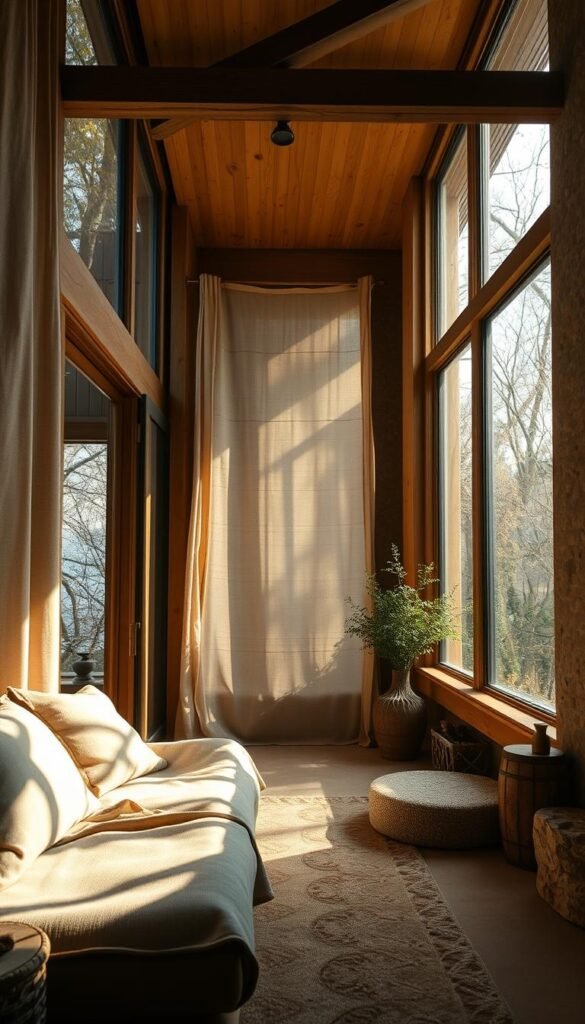
Lighting plays a vital role in setting the mood of your interior. It affects how your room looks and how you feel throughout the day. By blending different light sources, you can craft a warm and functional environment.
Layering light involves using natural, ambient, and task lighting together. This approach avoids harsh overhead lights. It creates depth and makes your home feel more inviting.
Maximizing Natural Sunlight
Start your day by opening blinds to welcome sunlight. Natural light boosts your mood and reduces anxiety. It makes any space feel brighter and more alive.
Designer Sara Barney recommends using sheer drapes. They allow light in while maintaining privacy. Positioning mirrors opposite windows can also amplify sunlight.
Benefits of natural light include improved focus and energy. It helps regulate your sleep cycle. Make the most of daylight hours to enhance your wellbeing.
Creating Ambient Light for Evening Coziness
As daylight fades, switch to warm-toned bulbs. These mimic the soft glow of a sunset. They help your room transition into a cozy retreat.
Use lamps and sconces to distribute light evenly. Avoid relying solely on ceiling fixtures. This creates a soothing ambiance perfect for relaxation.
Interior expert Jade Joyner suggests lighting candles daily. Their gentle flicker adds a luxe touch. Keep candles and holders handy for instant atmosphere.
Utilizing Task Lighting for Functionality
Task lighting supports specific activities like reading or working. Desk lamps and pendants provide focused illumination. They ensure functionality without sacrificing style.
Choose fixtures that complement your decor. Metal accents suit industrial chic looks. Woven materials offer a natural aesthetic.
Place floor lamps in corners to brighten darker areas. Dimmable switches let you adjust light based on time and activity. This flexibility enhances daily comfort.
| Lighting Type | Purpose | Best Fixtures | Ideal Placement |
|---|---|---|---|
| Natural | Mood boosting, energy | Windows, mirrors | Opposite windows |
| Ambient | Evening coziness | Lamps, sconces | Around seating areas |
| Task | Focused activities | Desk lamps, pendants | Workstations, corners |
Experiment with different setups to find what works for you. Good lighting can transform any room into a personal haven. Embrace these tips to make your home a true sanctuary of light and comfort.
Incorporate Textures from the Natural World
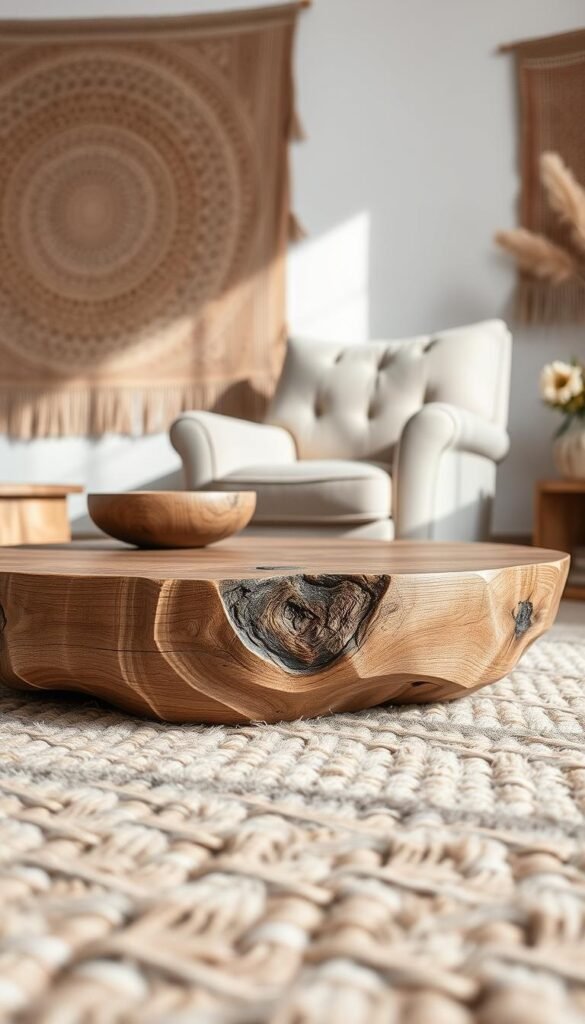
Texture transforms your home into a tactile sanctuary. It adds depth and character to every room. Natural textures connect you to the outdoors while boosting comfort.
These elements make your decor feel authentic and lived-in. They invite you to touch and engage with your surroundings. This sensory experience promotes true relaxation.
Selecting Warm and Inviting Textiles
Choose textiles that feel as good as they look. Cable knits, velvet, and suede offer luxurious softness. These materials create instant coziness in any space.
Designer Caitlin Murray suggests seasonal swaps for freshness. Rotate throw pillows and blankets easily. This approach keeps your decor feeling current without major changes.
Consider these textile combinations for your room:
- Plush rug with woven baskets for contrast
- Leather chair paired with linen curtains
- Velvet pillows mixed with cable knit throws
Drapes that pool on the floor add elegance. Loose slipcovers provide relaxed sophistication. These touches make your home feel effortlessly inviting.
Integrating Organic Materials Like Wood and Stone
Natural materials bring earthy beauty into your design. Wood and stone offer timeless appeal. They age gracefully, developing character over years.
Reclaimed wood furniture tells a story. Stone accents in bathrooms create spa-like serenity. These choices align with sustainable living principles.
Try these organic material applications:
- Hardwood floors instead of carpet
- Stone fireplace surround as a focal point
- Wooden coffee table with natural grain
- River stone DIY bathmat for texture
These elements add visual weight and stability. They ground your space in nature’s authenticity. Your home feels more connected to the outdoors.
| Material Type | Best Uses | Sensory Benefit | Sustainability Factor |
|---|---|---|---|
| Wood | Furniture, flooring | Warm visual texture | Renewable resource |
| Stone | Accents, surfaces | Cool tactile feel | Long-lasting durability |
| Textiles | Soft furnishings | Comforting touch | Natural fiber options |
Mix textures based on your personal style. Layer different materials for depth and interest. Your home becomes a unique reflection of your tastes.
These natural elements work together beautifully. They create warmth and comfort throughout your living area. Enjoy crafting a space that feels truly yours.
Bring the Outdoors In with Plants and Botanicals
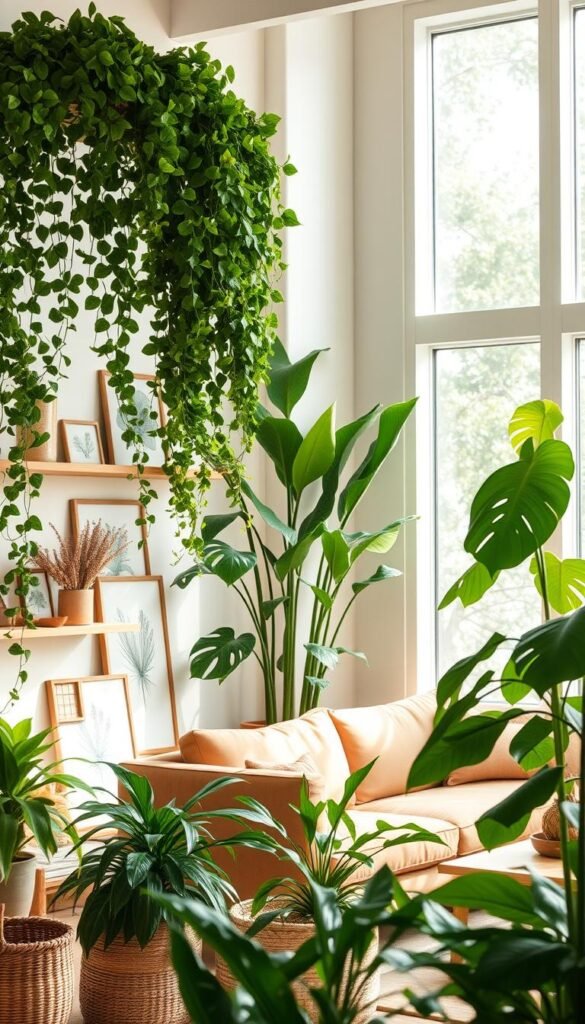
Greenery instantly transforms any room into a living sanctuary. Plants breathe life into your decor while connecting you to nature’s rhythms. They purify air and lift spirits naturally.
“Plants are living art. They add movement, color, and texture while improving your home’s air quality. Even one plant changes a space’s energy.”
Start with easy-care varieties. Gradually build your collection as your confidence grows. Your home will flourish alongside your plants.
Choosing Low-Maintenance Houseplants
Begin with forgiving plants that thrive indoors. Snake plants tolerate low light and irregular watering. Succulents need bright light but minimal attention.
Always consider safety if you have pets or children. Many common plants contain mild toxins. Choose non-toxic options like spider plants or ponytail palms.
Perfect starter plants include:
- Snake plant – purifies air day and night
- ZZ plant – thrives with little light
- Pothos – grows quickly in hanging baskets
- Succulents – perfect for sunny windowsills
Place larger plants like Fiddle Leaf Figs in empty corners. Use smaller plants on shelves and desks. Each plant adds its unique beauty to your home.
Using Dried Florals and Foraged Elements
Dried botanicals offer lasting beauty without maintenance. They maintain their color and shape for months. Foraged branches and flowers cost nothing but add immense charm.
Create simple arrangements with branches from your yard. Pop them in a vase for instant elegance. Dried lavender or eucalyptus brings subtle fragrance.
Linda Eyles suggests, “Float blooms in water-filled bowls for spa-like centerpieces. This look feels luxurious yet requires minimal effort.”
Foraged treasures personalize your space uniquely:
- Collect interesting branches during walks
- Display seashells from beach visits
- Arrange colorful stones on trays
- Press wildflowers for framed art
These elements tell your personal story. They make your decor truly one-of-a-kind.
| Plant Type | Care Level | Ideal Location | Special Features |
|---|---|---|---|
| Snake Plant | Very Easy | Low light areas | Air purifying |
| Spider Plant | Easy | Hanging baskets | Non-toxic |
| Succulents | Moderate | Sunny windows | Drought tolerant |
| Dried Florals | No Care | Anywhere | Long-lasting |
Plants do more than beautify your space. Studies show they reduce stress and boost mood. Your home feels more alive and vibrant with greenery.
Start with one plant today. Watch how it transforms your corner of the world. Soon you’ll have a lush, green sanctuary that nourishes your soul.
Curate Personal Touches and Meaningful Accessories
Your home becomes truly yours when you add items that reflect your unique story. These personal touches transform any room from a generic space into your personal haven. They infuse warmth and character that mass-produced decor simply cannot match.
Interior designer Abbe Fenimore suggests starting with your happiest memories. “Framed photos from beach trips or family weddings instantly spark joy,” she notes. These pieces add emotional depth to your living area.
Displaying Art and Photos That Spark Joy
Choose artwork that genuinely makes you smile. Avoid pieces that simply match your color scheme. Your art should tell your story and evoke positive feelings.
Create a gallery wall of cherished moments. Mix framed photographs with children’s drawings or travel souvenirs. This approach makes your decor deeply personal and meaningful.
Consider these tips for displaying meaningful art:
- Use uniform frames for a cohesive look
- Arrange pieces at eye level for best impact
- Include black and white photos for timeless appeal
- Rotate seasonal pieces to keep things fresh
Cluster Your Favorite Items as Focal Points
Group your most loved accessories together on surfaces like mantels or entryway tables. These clusters become instant conversation starters. They also create visual interest without clutter.
Try this simple approach: gather three to five related items. Vary their heights and textures. Place them where you’ll enjoy them daily.
Effective clustering ideas include:
- Family heirlooms on a console table
- Travel souvenirs on bookshelves
- Artisan ceramics on kitchen open shelving
- Favorite books with decorative bookends
Baskets provide smart storage for throw blankets or toys. They keep essentials handy but organized. Your space stays polished and serene.
Macramé wall hangings add handcrafted charm. Decorative screens can block distracting views. These elements personalize while maintaining calm.
Regularly assess your accessories. Keep only those that continue to bring happiness. Your home will feel both cozy and authentically yours.
Engage All Senses for a Fully Immersive Experience
Your sanctuary becomes complete when it appeals to more than just your eyes. Engaging multiple senses deepens your connection to your environment. This holistic approach transforms ordinary moments into extraordinary experiences.
Simple additions can dramatically enhance your daily life. They make your room feel more alive and intentional. These sensory elements work together to create lasting comfort.
Introducing Calming Natural Scents
Fragrance powerfully influences your mood and memories. Natural scents can instantly shift your atmosphere toward tranquility. They create subtle but noticeable changes in how you feel.
Darla Bankston May recommends,
“Scent is the quickest way to alter a space’s energy. It welcomes you home before you even step through the door.”
Try these easy scent integration ideas:
- Place essential oil diffusers in entryways
- Use lavender-scented candles during evening relaxation
- Display fresh eucalyptus in bathrooms for spa-like freshness
- Create custom blends that remind you of favorite outdoor places
Morning routines become more meaningful with intentional scents. Light a citrus candle while preparing breakfast. Diffuse peppermint oil during work hours for focus.
These aromatic touches require minimal effort but deliver maximum impact. Your home becomes a true retreat for all your senses.
Adding the Soothing Sounds of Nature
Auditory elements complete your multi-sensory experience. Gentle nature sounds mask distracting noises from outside. They help your mind relax and recharge throughout the day.
Consider these simple soundscape additions:
- Play ocean wave recordings during morning meditation
- Use a small tabletop fountain for continuous water sounds
- Open windows to hear birdsong during pleasant weather
- Stream forest sounds through speakers during evening reading
Sound quality matters more than volume. Soft, consistent background noises work best. They should enhance rather than dominate your environment.
Experiment with different nature recordings at various times of day. Morning bird choruses energize your start. Evening cricket sounds signal time to unwind.
These auditory elements blend seamlessly with your existing decor. They require no permanent changes to your space.
Start with one sensory enhancement today. Notice how it transforms your daily experience. Soon you’ll have a home that nourishes all your senses equally.
Dedicate a Specific Corner for Relaxation
Everyone deserves a special spot to unwind after a long day. This designated area becomes your personal escape within your home. It offers a quiet place to recharge your mind and body.
You don’t need an entire room to create this retreat. Even a small corner can transform into your relaxation zone. The key is intentional design focused on comfort and peace.
How to Carve Out Your Personal Reading Nook
Create your perfect reading nook with just a few elements. Start with a comfortable chair that supports good posture. Add a floor lamp for proper lighting and a side table for your book and tea.
Designer Linda Eyles recommends,
“Your reading nook should feel like a warm hug. Choose furniture that invites you to sit and stay awhile.”
Consider these essential components:
- Plush armchair with adequate back support
- Adjustable floor lamp for task lighting
- Compact side table for beverages and books
- Soft throw blanket for added coziness
Use folding screens or bookshelves to separate your nook from busier areas. This creates visual privacy and reduces distractions. Your reading time becomes truly uninterrupted.
Making Your Bedroom a True Sleep Sanctuary
Your bedroom should serve one primary purpose: restful sleep. Begin with quality bedding that feels luxurious against your skin. High-thread-count sheets make a noticeable difference in comfort.
Keep surfaces clear of clutter to promote mental calmness. Store only essential items visibly. Use drawers or baskets for other belongings.
Add soft area rugs for warm footing in the morning. Choose artwork that brings you joy without overstimulating. These touches make your room feel both serene and personal.
Blackout curtains help create optimal sleeping conditions. They block outside light for deeper rest. Your sleep quality improves significantly with this simple addition.
Remember that your loved ones benefit from this peaceful environment too. A calm bedroom helps everyone wake up refreshed and ready for the day.
Begin Your Journey to a More Peaceful Home Today
Your journey toward a peaceful home begins with simple, intentional steps. Start with one room, like your entryway, to create an organized welcome.
Recruit loved ones to help clear clutter together. Use baskets for smart storage and seasonal decor swaps.
Remember that creating comfort is an ongoing process. Each small change brings more warmth to your daily life.
These nature-inspired tips reduce stress and improve wellbeing. Your living space becomes a true sanctuary that reflects your personal style.
Begin today with one plant or fresh colors. Share your progress and enjoy the transformation!