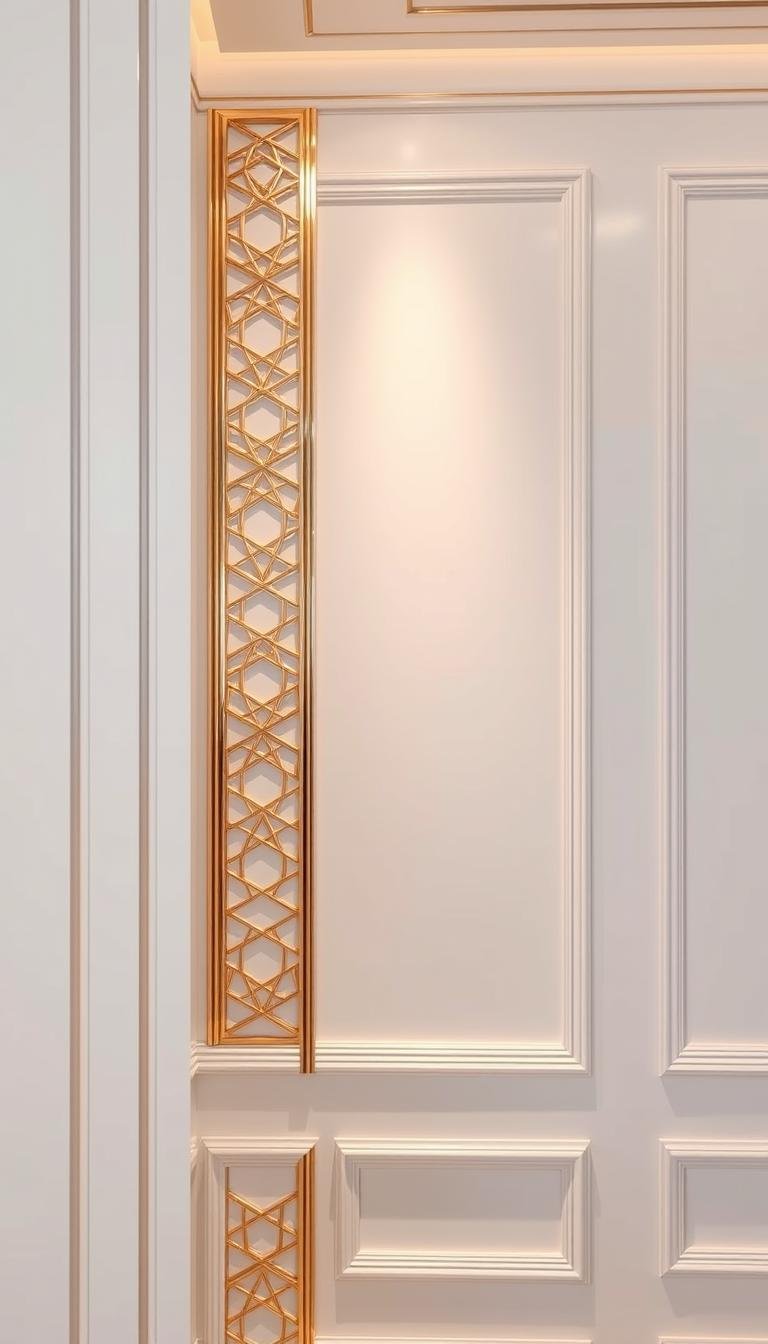
Welcome to your journey into beautiful interior upgrades. You can transform any room with thoughtful decorative elements. These features bring sophistication and personality to your home.
Discover how these details completely change the feel of your space. They add depth and visual interest to your design. Your living area gains a fresh, polished look.
Learn about various styles that infuse character into your decor. Designers use these techniques to create stunning effects. Light plays beautifully across these surfaces, creating artful shadows.
Get ready to blend classic craftsmanship with contemporary style. These elements make a strong statement in your environment. Let’s explore how to bring this elegance into your own home.
Why Wall Molding is the Secret to Elevating Your Home’s Design
Many homeowners overlook one simple element that transforms ordinary spaces into extraordinary ones. This feature adds instant sophistication to any room in your house.
Interior designers consider molding their secret weapon for good reason. It creates visual interest where flat surfaces once existed. Your walls gain depth and dimension that catch the eye.
These architectural details bring personality to your living area. They make your space feel complete and intentionally designed. Even basic rooms gain elegance with this addition.
“Moldings often create a dialogue between modern furnishings and more traditional detailing. They make a room feel inviting by giving it a sense of depth and completeness.”
Different types serve various purposes in your design plan. Crown molding draws attention upward, creating height. Chair rails protect walls while adding horizontal interest.
These elements work beautifully with light throughout the day. They cast subtle shadows that change with sunlight. Your room gains movement and dynamic visual effects.
Molding also provides perfect framing for your favorite artwork. It creates natural display areas for personal treasures. Your photos and paintings gain importance when properly highlighted.
This architectural feature adds warmth and charm to any environment. It makes your home feel more established and thoughtfully crafted. These details deliver that designer look you love.
Beyond the Basics: Understanding Modern Molding Applications
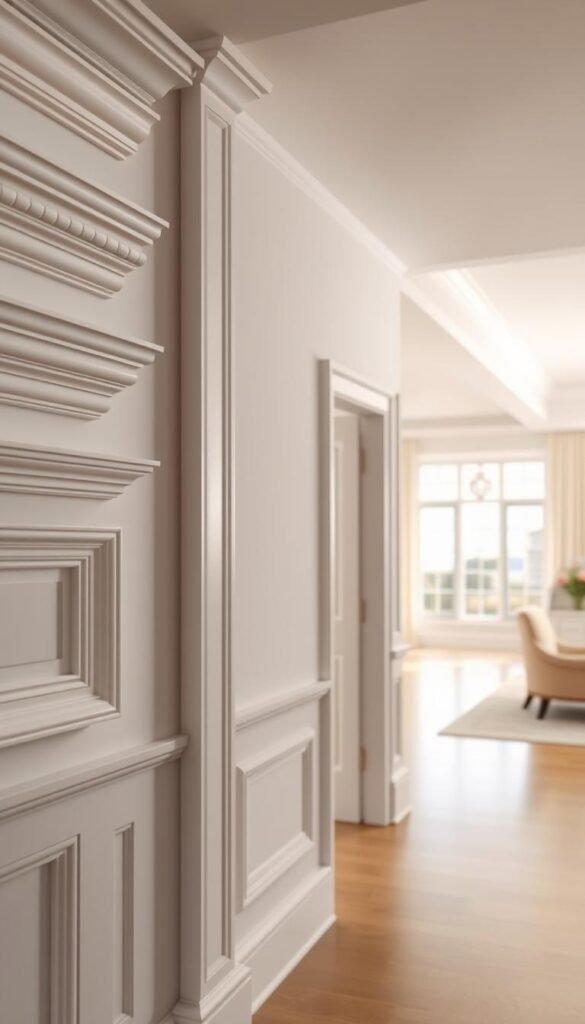
The world of architectural trim extends far beyond simple gap coverage. These elements serve both practical and aesthetic purposes in your home. Understanding this distinction helps you make smarter design choices.
Your trim can either solve problems or create visual impact. Some types protect walls from furniture damage. Others purely enhance your room’s character.
Functional vs. Purely Decorative Moldings
Functional trim serves practical purposes in your space. Chair rails protect walls from moving furniture. Baseboards hide uneven transitions between surfaces.
Decorative pieces add visual interest without utility. Picture frame molding creates elegant wall panels. Ceiling medallions draw attention upward beautifully.
Many designs blend both approaches seamlessly. Wainscoting adds texture while protecting lower walls. Crown molding conceals seams while adding elegance.
Common Molding Profiles and Their Uses
Several classic profiles work in various room designs. Crown molding finishes where walls meet ceilings. It adds height and sophistication to your space.
Baseboards ground your room visually. They cover expansion gaps along flooring edges. Choose taller profiles for more dramatic effects.
Window casings frame your views beautifully. They transition between glass and wall surfaces. These elements make windows feel intentional.
Chair rails run horizontally at furniture height. They protect walls from table and chair impacts. Many homeowners place them 32-36 inches high.
Designers often layer multiple profiles together. This creates depth and dimension throughout your home. Your rooms gain architectural personality through thoughtful combinations.
Each profile contributes to your overall design statement. They work with light to create shadow patterns. Your space gains movement and visual warmth.
Exploring Different Types of Wall Molding for Your Project
Your home deserves the perfect finishing touches that reflect your personal taste. Various trim options offer unique benefits and visual appeal. Each type brings its own special character to your environment.
Understanding these differences helps you make informed choices. You can select pieces that match your room’s purpose and style. Let’s explore some popular options for your space.
Chair Rails and Picture Rails
Chair rails serve both practical and decorative purposes in your home. They protect walls from furniture impacts while adding visual interest. These horizontal elements break up large wall surfaces beautifully.
Picture rails offer a clever solution for displaying your favorite artwork. You can hang pieces without damaging your walls with nails. This system creates flexible gallery arrangements that change easily.
Both options add architectural charm to any room. They work particularly well in dining areas and hallways. Your space gains depth and historical character with these additions.
Wainscoting and Beadboard
Wainscoting brings texture and warmth to your living areas. This treatment covers lower wall sections with protective paneling. It creates a cozy, inviting feel in any room.
Beadboard offers a classic look with its distinctive vertical grooves. This style adds cottage charm to bathrooms and kitchens. The repeating lines create visual rhythm throughout your space.
Designer Tori Alexander demonstrated how color enhances these elements. She used Sherwin-Williams Little Boy Blu on wainscoting and trim. This created a beautiful balance with watercolor wallpaper patterns.
These options work wonderfully in entryways and living rooms. They add personality while protecting walls from daily wear. Your home gains elegance through these thoughtful details.
Board-and-Batten and Picture Frame Molding
Board-and-batten creates strong vertical interest on your walls. This style features wide boards with narrow strips covering the seams. It adds height and dramatic impact to any room.
Picture frame molding builds elegant paneling effects on flat surfaces. You create rectangular or square frames that highlight wall sections. This technique adds dimension and sophistication to your space.
Designer Ashley Gilbreath combined molding with wallpaper creatively. She used Cole & Son’s Cambridge Stripe in pale blue on ceilings and walls. Thick molding at the joints created a stunning tent effect.
These styles work well in modern and traditional homes alike. They bring architectural interest to plain walls effortlessly. Your room gains a custom, designer look through these elements.
Mixing different molding types creates layered, sophisticated designs. You can combine chair rails with picture frame molding for added depth. Each piece contributes to your overall design statement.
Consider your room’s function when selecting trim styles. Formal spaces might benefit from elaborate picture frame molding. Casual areas often work well with simple beadboard treatments.
Your home’s character shines through these carefully chosen details. They work with light and color to create welcoming environments. These elements transform ordinary rooms into extraordinary spaces.
How to Choose the Perfect Molding Style for Your Room’s Vibe
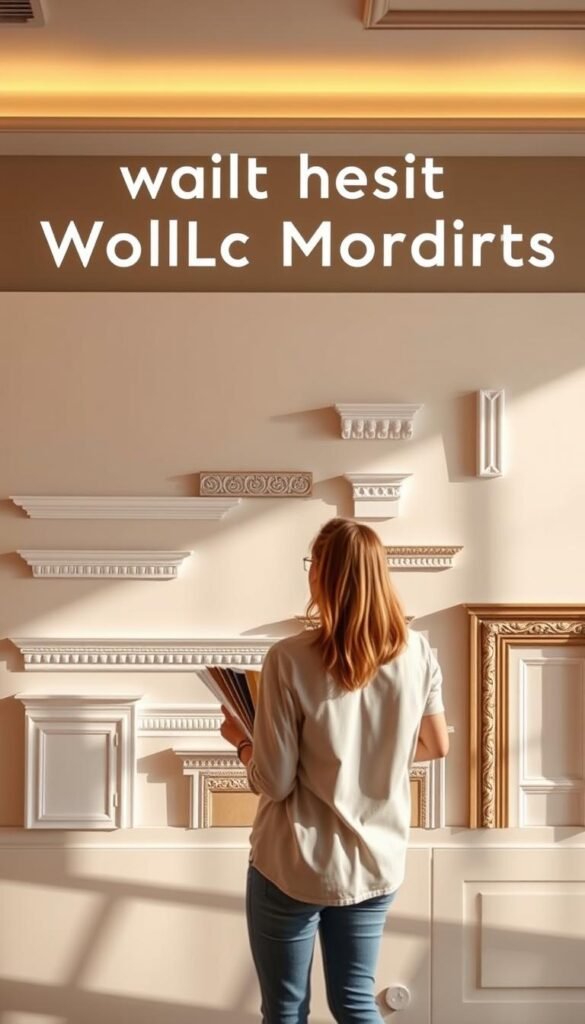
Your room’s personality shines through when you select molding that matches its energy. This choice creates harmony between your space and its decorative elements. The right trim brings out your home’s best qualities.
Consider your existing decor when choosing profiles. Traditional homes often suit elaborate crown molding. Contemporary spaces might prefer simpler, cleaner lines.
Room size and ceiling height matter greatly. Tall ceilings can handle dramatic crown pieces. Lower ceilings benefit from simpler trim that doesn’t overwhelm.
Designer Alex Tate shares valuable insight about color choices.
“Where a column has artistic value rather than just structural, as it does here, I look to establish it as a key part of the room in relation to the rest of the design. A black and white color palette allows the ornamentation to feel modern.”
Color transforms traditional elements into current statements. Dark paint on wood trim creates striking contrast. Light colors make ornate details feel fresh and updated.
Your furniture and accessories should guide your decisions. Choose trim that complements your pieces rather than competes. This creates a cohesive look throughout your space.
Different styles create distinct moods in your room. Wainscoting adds warmth and character to dining areas. Picture frame molding brings elegance to formal living spaces.
Use trim to highlight your room’s best features. Draw attention to beautiful windows with elaborate casings. Create focal points with dramatic paneling on blank walls.
Select pieces that feel timeless yet current. Classic profiles in updated colors stay relevant for years. This approach gives your home lasting appeal with modern sensibility.
Balance your molding choices with other elements. The trim should enhance your overall design concept. Every piece should contribute to your room’s harmonious feeling.
Your final selection should reflect your personal taste. Trust your instincts about what looks right in your space. The perfect trim choice will make your room feel complete.
Inspirational Modern Luxury Wall Molding Ideas That Add Architectural Charm
Ready to explore creative approaches that transform your space? These innovative techniques bring fresh energy to your interior design. They showcase how trim work creates stunning visual impact.
Each idea offers unique ways to enhance your room’s character. You can mix and match these concepts for personalized results. Let’s dive into these inspiring approaches.
Monochromatic Elegance for a Subtle Statement
Single-color schemes create sophisticated, cohesive environments. Your molding blends seamlessly with walls for understated elegance. This approach adds depth without overwhelming your space.
Designer Charlotte Lucas demonstrated this technique beautifully. She used Sherwin-Williams Barely Pear in high gloss finish. The subtle contrast created delicate shadow play throughout the room.
This method works particularly well in formal areas. Your dining room gains refined elegance through monochromatic treatment. The result feels both timeless and contemporary.
Two-Tone Drama with Contrasting Colors
Bold color combinations make your trim work stand out dramatically. Contrasting shades highlight architectural details beautifully. Your room gains instant personality through this approach.
Designer Andrew Howard created stunning effects with color. He transformed a dining area with glossy mauve paint. Teal accents complemented detailed wainscoting perfectly.
This technique adds visual interest to any living area. Dark trim against light walls creates strong definition. Your space gains dimension through strategic color placement.
Creative Ceiling Treatments with Lattice and Molding
Don’t forget your fifth wall when planning your design. Ceiling treatments add incredible height and character to your room. They create complete, enveloping environments that feel intentional.
Charlotte Lucas again inspired with her innovative approach. She used trellis-like latticework on both walls and ceiling. This created continuous visual flow throughout the dining space.
Such treatments work wonderfully in rooms with good height. They draw the eye upward, enhancing perceived space. Your room gains architectural charm through these thoughtful details.
These ideas demonstrate molding’s transformative power. Whether through color, contrast, or creative applications, trim work elevates your home’s design. Each approach adds unique character and warmth to your living environment.
Using Crown Molding to Draw the Eye Upward and Add Height
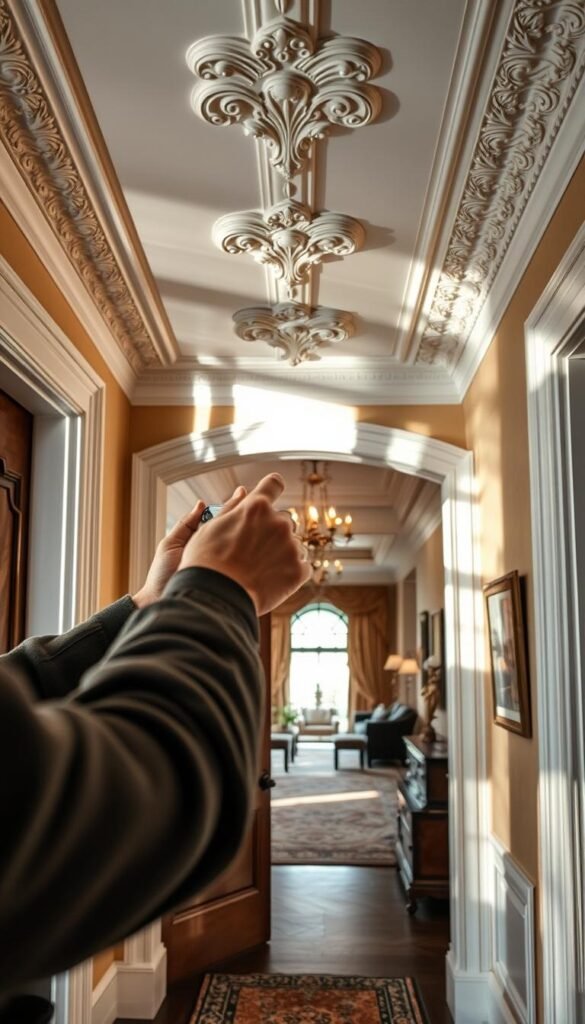
Your ceiling becomes a canvas for architectural artistry with the right trim. Crown molding creates elegant transitions between walls and ceilings. It guides your gaze upward, making rooms feel taller and more spacious.
This technique works wonders in rooms with lower ceilings. The visual trick adds perceived height without construction. Your space gains sophistication through this simple addition.
“Ceiling moldings can transform the often-overlooked ‘fifth wall’ into an architectural feature. They guide the eye upward beyond typical crown moldings, enhancing the character of a space with clean lines.”
Different profiles create varying effects in your room. Larger moldings make bold statements in grand spaces. Smaller profiles suit cozy areas with subtle elegance.
Professional installation ensures perfect results for your home. Precise angles and seamless joints create polished finishes. Your investment looks intentional and expertly crafted.
Color choices dramatically affect your molding’s impact. Painting trim the same shade as ceilings heightens the illusion. Contrasting colors define the architectural detail beautifully.
Light interacts with crown molding throughout the day. It creates shifting shadow patterns that add depth. Your room gains dynamic visual interest naturally.
| Molding Profile | Room Height Recommendation | Visual Effect |
|---|---|---|
| Simple Cove | 8 feet or less | Subtle elevation |
| Classic Dentil | 9-10 feet | Traditional elegance |
| Elaborate Crown | 10 feet or more | Dramatic statement |
| Stepped Crown | Any height | Modern layered look |
These elements work with other design features harmoniously. They frame artwork and complement furniture arrangements. Your interior feels cohesive and thoughtfully designed.
Psychological effects make rooms feel more expansive. The upward draw creates airy, open sensations. Your living area gains comfort through visual tricks.
Consider the overall style of your home before choosing. Traditional spaces might suit ornate profiles. Contemporary homes often prefer cleaner, simpler lines.
Your crown molding should enhance without overwhelming. It adds the perfect finishing touch to any room. This detail brings complete sophistication to your space.
Making a Statement with Bold and Geometric Molding Patterns
Geometric patterns bring dynamic energy to your interior design. These shapes create visual excitement on flat surfaces. Your room gains instant personality through these striking details.
Art Deco inspired designs offer glamorous elegance. They feature rich textures and bold patterns. This style brings sophistication to your living area.
Chevron, hexagon, and diamond shapes work beautifully. They add striking visual interest without overwhelming your space. Your furnishings remain the star while gaining enhanced framing.
These patterns create focal points in any room. They draw attention to specific wall sections. Your eye travels along the interesting lines and angles.
Professional designers balance bold patterns carefully. They ensure geometric elements complement other features. Your overall design feels cohesive and intentional.
“Geometric molding patterns create rhythm and movement in a space. They guide the eye around the room while adding contemporary flair to traditional architecture.”
Color choices enhance these patterns dramatically. Contrasting shades make the designs pop beautifully. Monochromatic schemes offer subtle sophistication.
Different rooms suit various geometric approaches. Living areas handle dramatic chevron patterns. Bedrooms might prefer softer hexagon designs.
These elements work with light throughout the day. They cast interesting shadows that change with sunlight. Your space gains dynamic visual effects naturally.
| Pattern Type | Best Room Applications | Visual Impact Level |
|---|---|---|
| Chevron | Living rooms, entryways | High drama |
| Hexagon | Bedrooms, studies | Medium interest |
| Oversized Diamond | Dining rooms, halls | Bold statement |
| Art Deco Geometric | Formal spaces | Elegant glamour |
Traditional homes gain contemporary flair through these additions. The mix of old and new creates exciting tension. Your space feels both timeless and current.
Consider your existing furniture when planning. The patterns should enhance your pieces, not compete. This approach creates harmonious environments.
These designs add depth and character to plain walls. They transform basic surfaces into artistic statements. Your home gains unique personality through these elements.
Geometric molding brings mathematical beauty to your interior. The repeating patterns create visual rhythm throughout your space. Your room feels both organized and creatively expressive.
Incorporating Wall Molding to Showcase Art and Personal Treasures
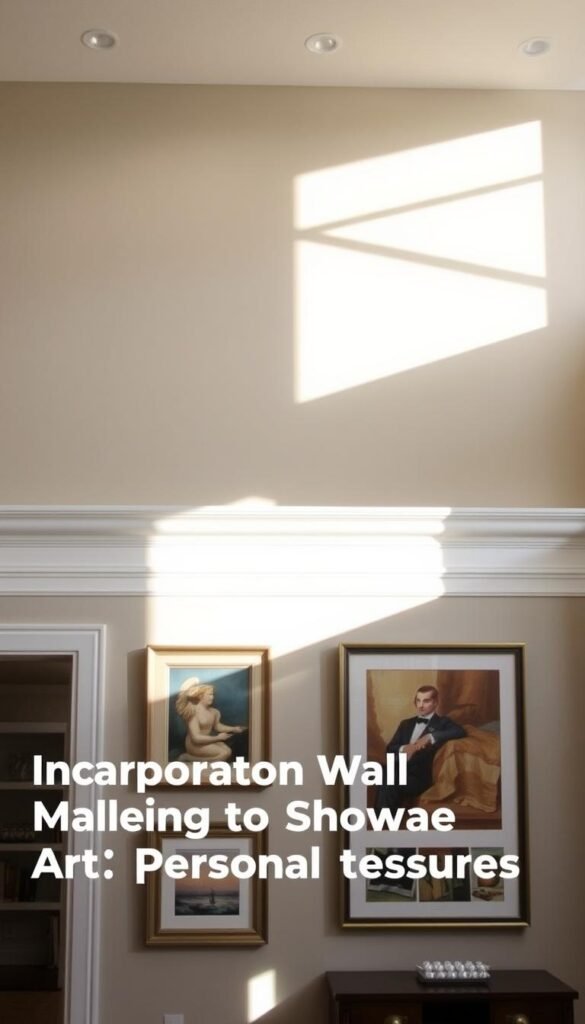
Your most cherished pieces deserve beautiful presentation throughout your home. Architectural details create perfect settings for displaying meaningful collections. They transform ordinary walls into personal galleries.
Picture rail systems offer clever solutions for art lovers. These horizontal moldings allow you to hang artwork without damaging surfaces. You can easily rearrange your displays as your collection grows.
“When William and I started dating, we decided to buy a work of art together every year. It didn’t have to be fancy, just something that we both loved.”
Scalloped detailing adds decorative charm to functional displays. This elegant touch frames your artwork beautifully. Your pieces gain importance when properly highlighted.
Designers create dedicated spaces for meaningful collections. They use molding to establish gallery areas in living rooms. Your home gains personality through these thoughtful displays.
Picture frame molding builds perfect backgrounds for your treasures. You create structured panels that highlight individual pieces. This technique adds depth and sophistication to your space.
Lighting plays a crucial role in art presentation. Proper illumination enhances your displayed collections. Consider adjustable track lighting for flexible highlighting.
Different molding styles suit various artwork types. Ornate frames complement classical paintings. Simple profiles work well with contemporary pieces.
Your display should reflect your personal story. Incorporate pieces that hold special meaning. This approach creates emotional connections throughout your home.
| Molding Type | Artwork Style | Display Flexibility |
|---|---|---|
| Picture Rail | Mixed Media | High – Easy rearrangement |
| Scalloped Edge | Traditional Pieces | Medium – Fixed position |
| Frame Molding | Contemporary Art | Low – Permanent installation |
| Wainscoting Top | Sculptural Pieces | Medium – Shelf display |
Color choices affect how your art appears. Dark molding makes light artwork pop dramatically. Light trim creates subtle framing for colorful pieces.
Consider the scale of your artwork when planning. Large pieces need substantial framing elements. Smaller works benefit from delicate molding details.
Your display should evolve with your collection. Flexible systems accommodate new acquisitions. This approach keeps your home feeling fresh and current.
Professional designers balance art and architecture beautifully. They ensure molding enhances rather than competes. Your treasures remain the focal point.
These techniques add character while serving practical functions. They protect your walls while showcasing your personality. Your home gains warmth through meaningful displays.
Start with one special piece and build around it. Let your molding design grow with your collection. This creates a living gallery that tells your story.
The Power of Paint: Selecting Colors and Finishes for Your Molding
Your paint choices bring out the best in your architectural details. Color and finish work together to highlight your trim’s beauty. They create mood and personality throughout your space.
Smart selections make your room feel complete and intentional. They enhance rather than compete with your design elements. Your home gains warmth and character through thoughtful choices.
Let’s explore how finishes and colors transform your environment. These decisions affect light, depth, and overall cohesion. You can create stunning effects with simple paint changes.
High-Gloss Finishes for a Luxurious Impact
Glossy paints create dramatic reflections throughout your room. They catch light and highlight every detail of your trim. This finish adds instant sophistication to your space.
High-gloss surfaces make molding stand out beautifully. They create depth and dimension through light play. Your room gains movement and visual interest naturally.
Consider gloss for areas where you want emphasis. It works wonderfully on crown and picture frame details. These elements become focal points in your design.
Professional painters recommend proper surface preparation. Smooth, clean surfaces ensure the best glossy results. Your investment looks polished and intentionally crafted.
The “Color Drenching” Trend for a Cohesive Look
Color drenching creates fully immersive room experiences. You use the same color and finish throughout your space. This approach makes your room feel harmonious and complete.
Patrick O’Donnell, brand ambassador for Farrow & Ball, explains this technique beautifully. He states:
“While you may have traditionally used eggshell or gloss on trims and architectural details and emulsion on the walls and ceiling, using the same finish is a fully immersive color-drenching experience.”
This method works particularly well in smaller rooms. It creates seamless transitions between surfaces. Your space feels larger and more open through consistent treatment.
Color drenching makes traditional elements feel fresh. It updates classic details with contemporary sensibility. Your home gains current appeal while maintaining character.
Testing colors before committing is crucial. Paint large samples on different walls. Observe how light changes the appearance throughout the day.
Consider your room’s natural light when selecting shades. North-facing rooms benefit from warmer tones. South-facing spaces can handle cooler colors beautifully.
Your finish choice affects color perception dramatically. Gloss makes colors appear richer and more saturated. Matte finishes create softer, more subtle effects.
Professional designers often extend color to the ceiling. This technique leads the eye upward, creating height. Your room gains spaciousness through this simple trick.
Create depth through strategic color placement. Darker shades on molding add definition and contrast. Lighter colors make details blend seamlessly with walls.
Your furniture and artwork should guide color decisions. Choose shades that complement your existing pieces. This creates cohesive, inviting environments throughout your home.
For more inspiration on crown molding techniques, explore these creative crown molding ideas that can transform your space.
Modern Twists on Classic Wainscoting and Panel Designs
Classic paneling gets a fresh update with creative new approaches. These designs blend traditional craftsmanship with current style sensibilities. Your room gains character through these thoughtful updates.
Designer Stephanie Sabbe demonstrates this beautifully. She used extra tall wainscoting painted Sherwin-Williams Blustery Sky. This created dramatic impact in the living area.
She paired the paneling with Sister Parish wallpaper above. This combination adds visual interest and depth. Your wall becomes a layered work of art.
Modernist ledge shelving completes the look beautifully. It creates an airy feel while displaying art and decor. Your space gains functionality and elegance.
These approaches make paneling feel light rather than heavy. They bring openness to traditional designs. Your home maintains its charm while feeling current.
“Tall wainscoting adds grandeur to any room. When paired with the right wallpaper and shelving, it creates a sophisticated yet functional statement that stands the test of time.”
Color plays a crucial role in these updates. Shades like Blustery Sky refresh traditional wood treatments. They bring contemporary energy to classic elements.
Wallpaper combinations offer endless possibilities. You can mix patterns with solid paneling for contrast. This technique adds personality to your interior.
Ledge shelving provides practical display space. It showcases artwork and personal treasures beautifully. Your room gains both style and function.
These designs work in various room types effectively. Living areas benefit from the added elegance. Hallways gain character through these treatments.
Balance is key when combining elements. The wainscoting should complement rather than overwhelm. Your space feels harmonious and intentional.
Professional installation ensures lasting results. Proper measurements and finishing create polished looks. Your investment enhances your home’s value.
Consider your existing furniture when planning. The new elements should enhance your current pieces. This creates a cohesive design statement.
Light interacts beautifully with these treatments. It highlights textures and colors throughout the day. Your space gains dynamic visual interest.
These modern twists maintain traditional warmth. They add personality without sacrificing comfort. Your home feels both updated and inviting.
Start with one wall to test the concept. See how the combination works in your space. You can expand the treatment gradually.
These techniques prove paneling remains relevant. They show how classic elements adapt to current tastes. Your home gains timeless appeal through these updates.
Adding Character to Often-Forgotten Spaces: Hallways and Entryways
Your home’s transitional areas deserve just as much attention as your main rooms. These spaces create first impressions and connect your living areas beautifully. Thoughtful details transform them from mere passageways into memorable experiences.
Hallways and entryways often get overlooked in design plans. They become functional spaces without personality or charm. This misses a wonderful opportunity to extend your style throughout your home.
Intricate crown work adds awe to these often-ignored areas. It draws the eye upward, creating height in narrow spaces. Your hallway gains elegance through this simple addition.
These elements make small areas feel intentional and designed. They add depth where flat surfaces once dominated. Your space gains character through thoughtful trim placement.
Pass-through areas become destinations rather than just connectors. They offer moments of beauty as you move through your home. These touches create cohesive flow between rooms.
Consider your entryway’s potential for making statements. This space welcomes guests and sets the tone for your entire home. Strategic details here create lasting impressions.
Stairwells present unique opportunities for dramatic effects. Vertical spaces benefit from molding that emphasizes height. Your staircase becomes a focal point rather than just functional.
Narrow areas gain visual interest through clever design choices. Horizontal trim breaks up long, tight spaces beautifully. This technique adds rhythm and movement to your hallway.
Professional designers treat every square foot with importance. They understand how these areas contribute to overall harmony. Your home feels complete when all spaces receive attention.
Molding adds personality to potentially utilitarian areas. It brings warmth and charm to spaces that might feel cold. These elements make your entire home feel lovingly crafted.
Create cohesive schemes that flow throughout your residence. Your hallway trim should complement adjacent room details. This approach creates seamless transitions between spaces.
Light plays beautifully with trim in these often-dark areas. It creates shadows that add depth and dimension. Your passageways gain visual interest throughout the day.
Even the smallest touch makes a significant difference. A simple chair rail adds character to plain walls. Your space feels more designed with these thoughtful additions.
These areas showcase your attention to detail throughout your home. They demonstrate that every space receives careful consideration. Your entire residence gains sophistication through this approach.
Start with one forgotten space and watch the transformation. You’ll quickly appreciate how these details elevate your daily experience. Your home becomes more welcoming through these thoughtful touches.
Blending Traditional Moldings with Contemporary Furniture and Decor
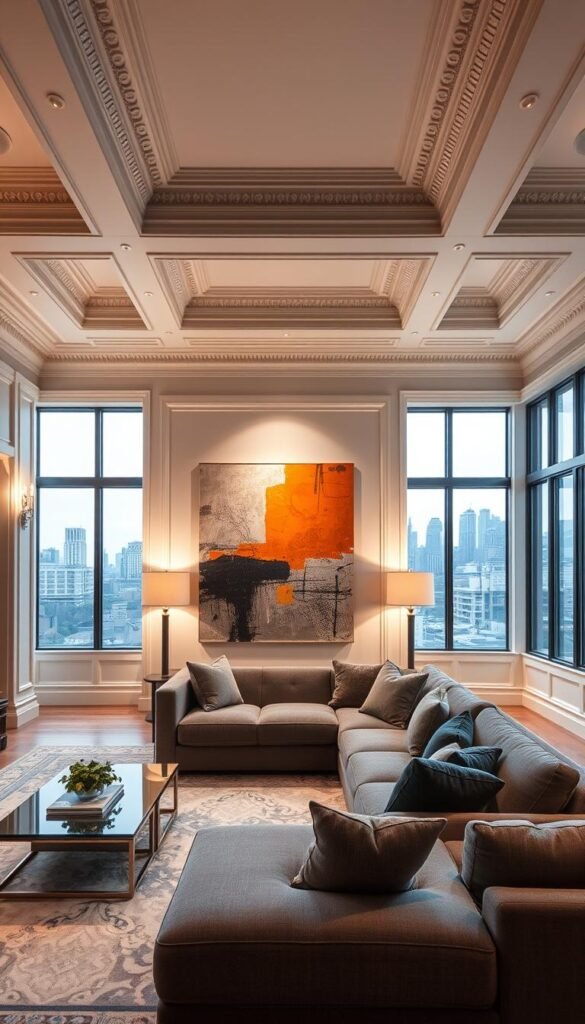
Creating harmony between classic architectural elements and current furnishings brings unique personality to your space. This approach lets you honor traditional craftsmanship while enjoying modern comfort. Your home gains depth and character through thoughtful combinations.
Designer Laura Hammett demonstrates this balance beautifully. She states:
“We paired ornamental plasterwork and embraced the grand archway proportions with a contemporary glass door set in a steel frame. Keeping the rest of the space more pared-back allows the decorative moldings within it to sing without becoming overwhelming.”
This philosophy creates rooms where traditional details shine. Your trim work becomes the star without competing with furniture. The result feels both elegant and livable.
Select furniture with clean lines to complement ornate trim. Simple silhouettes let detailed moldings take center stage. Your room gains visual balance through this contrast.
Color choices bridge different design periods effectively. Neutral palettes create cohesive backgrounds for mixed elements. Your space feels unified despite combining styles.
Consider material selections when blending old and new. Natural wood trim pairs beautifully with metal and glass furnishings. This combination adds textural interest throughout your room.
Light plays a crucial role in highlighting these blends. It accentuates both traditional details and contemporary pieces. Your space gains warmth and dimension through strategic illumination.
| Traditional Element | Contemporary Pairing | Design Effect |
|---|---|---|
| Ornate crown molding | Minimalist sofa | Classic elegance meets modern comfort |
| Wainscoting panels | Acrylic chairs | Textural contrast creates visual interest |
| Picture frame molding | Abstract artwork | Traditional framing enhances modern art |
| Wood trim details | Metallic accents | Warmth balances sleek contemporary touches |
Scale matters when mixing design periods. Ensure your furniture proportions complement rather than overwhelm trim work. This creates harmonious relationships between elements.
Artwork selection completes your blended look. Contemporary pieces framed by traditional molding create exciting tension. Your walls become galleries of personal expression.
Remember that less often becomes more in these spaces. Allow your molding to shine by keeping other elements simple. This approach creates rooms that feel both designed and comfortable.
Your home gains unique personality through these thoughtful combinations. Traditional trim work feels fresh when paired with modern furnishings. The result is a space that truly reflects your personal style.
DIY vs. Professional Installation: What You Need to Know
Peel-and-stick alternatives have revolutionized how homeowners add architectural details. These innovative options make enhancing your space more accessible than ever before. You can achieve beautiful results without extensive renovation work.
Emma Deterding, founder of Kelling Designs, explains this growing trend perfectly. She states:
“They’re becoming a go-to way of decorating, so many companies now offer stick-on moldings. From self-adhesive ceiling trims to peel-and-stick wall molding, it’s never been easier to bring character to a room lacking in architectural details — all without the effort of drilling or the hassle of plaster dust.”
This approach transforms your living area quickly and cleanly. You avoid the mess of traditional installation methods. Your home gains instant personality through these clever solutions.
Exploring Peel-and-Stick Molding Options
Self-adhesive trim brings elegance to any room effortlessly. These products come in various styles and finishes. You can find options that mimic traditional wood profiles beautifully.
Ceiling trims install quickly without specialized tools. They create polished transitions between surfaces. Your space gains height and sophistication through this simple addition.
Wall paneling options offer dramatic transformation potential. You can create wainscoting effects without construction skills. These pieces add depth and character to plain surfaces.
The installation process requires minimal preparation. You simply measure, cut, and press into place. This approach makes updating your interior design achievable for everyone.
Consider these factors when choosing installation methods:
- Skill level required for traditional woodworking
- Time investment for complex projects
- Budget considerations for both options
- Desired permanence of your design elements
Professional installation becomes essential for elaborate designs. Complex crown molding patterns often need expert hands. Intricate paneling work benefits from experienced craftsmanship.
Traditional wood trim requires specific tools and techniques. You’ll need miter saws for perfect corner joints. Proper measuring ensures seamless installation throughout your space.
Cost differences between methods can be significant. DIY approaches save on labor expenses. Professional work guarantees precision and lasting results.
Your decision should balance ambition with practicality. Start with smaller peel-and-stick projects to build confidence. Gradually tackle more complex installations as skills develop.
Remember that both methods can achieve beautiful outcomes. The right choice depends on your specific situation. Your home will gain warmth and personality either way.
Expert Tips for Maintaining and Highlighting Your Wall Molding
Your beautiful trim deserves regular attention to stay looking its best. Proper care keeps these features shining for years. You protect your investment through simple maintenance routines.
Different materials need specific cleaning approaches. Wood trim requires gentle dusting with soft cloths. Avoid harsh chemicals that might damage the finish.
Regular inspections catch small issues before they grow. Look for cracks, chips, or peeling paint. Early repairs save time and money later.
Historic properties often have layers of old paint. Instead of adding more, gently strip previous layers away. This reveals the original ornate details beautifully.
“Restoring original molding requires patience and the right tools. Gentle stripping methods preserve delicate profiles while removing decades of paint buildup.”
Light cleaning maintains your trim’s elegance. Use mild soap solutions for stubborn dirt. Always test cleaners in hidden areas first.
Seasonal changes affect wood and plaster differently. Humidity can cause expansion in summer. Dry winter air might create small cracks.
Professional restoration brings back original character. Experts use specialized tools for delicate work. They match historical profiles accurately.
| Molding Type | Cleaning Method | Maintenance Frequency |
|---|---|---|
| Wood Crown | Soft dusting | Monthly |
| Plaster Details | Dry brushing | Quarterly |
| Painted Trim | Damp cloth wipe | Bi-monthly |
| Historic Restoration | Professional care | As needed |
Protective finishes guard against environmental damage. Quality sealants prevent moisture penetration. They maintain your trim’s beauty through seasons.
Light interacts differently with well-maintained surfaces. Clean molding reflects illumination beautifully. Your room gains warmth through these careful touches.
Regular care preserves the designer look you love. It maintains the depth and personality of your space. Your home continues to make its elegant statement.
Simple maintenance becomes part of your routine. You protect the charm and character of your interior. These efforts keep your living area looking fresh.
Transforming Your Space with Architectural Details and Personal Flair
Your home gains its true character when you infuse it with personal touches. These final elements complete your interior design beautifully. They make your space feel uniquely yours.
Think about how each piece reflects your personal style. Your choices should bring you joy every day. They create emotional connections to your living environment.
Discover how architectural details can blend sophistication with comfort. Balance elegant elements with practical living needs. Your room becomes both beautiful and functional.
Your design journey creates lasting warmth and personality. These thoughtful choices become part of your home’s story. They transform your space into a true reflection of you.