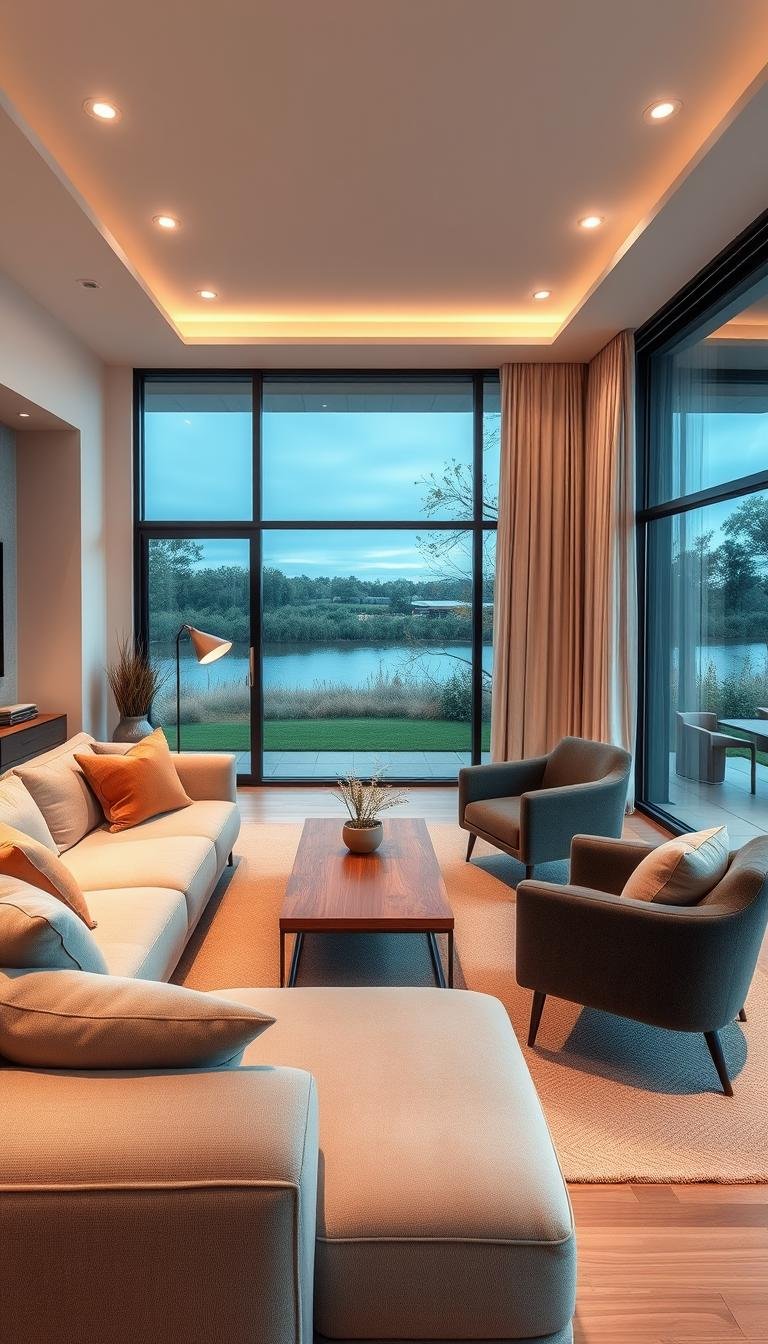
Have you ever wanted a living room that feels both stylish and incredibly comfortable? This design approach blends clean contemporary lines with soft textures and inviting elements.
Designer Annie Harrison describes this style as combining sophistication with lived-in comfort. It transforms stark spaces into personal retreats that welcome you home.
This look works beautifully in various homes, from city apartments to suburban family spaces. Its growing popularity shows our desire for both beauty and relaxation in our daily living environments.
You don’t need a complete renovation or big budget to achieve this aesthetic. Our guide provides practical ideas to help you create a space that balances modern design with genuine warmth.
1. Master the Cozy Modern Color Palette
Your color choices set the emotional foundation for your entire space. The right palette transforms stark areas into inviting retreats that radiate comfort.
Designer James Farmer notes, “Color is the silent language of your home—it speaks volumes about warmth and personality before you even sit down.”
Embrace Warm, Earthy Neutrals
Start with a foundation of warm neutrals. Cream, beige, and taupe create a timeless backdrop. These tones make rooms feel larger yet intimate.
Use these colors on your walls and larger furniture pieces. They provide flexibility for accent elements and seasonal changes.
Introduce Rich, Deep Accent Hues
Add depth with ochre, terracotta, or deep green accents. These rich colors work beautifully in throw pillows or artwork.
Velvet and wool materials in these hues enhance the tactile warmth. They create visual interest without overwhelming the space.
Experiment with a Monochromatic Scheme
Try different shades of one color throughout your space. This approach creates harmony and a peaceful feel.
Dark tones like charcoal or espresso brown add sophistication. They make spaces feel intimate and calm when balanced with lighter elements.
Always test your colors in different lighting before committing. Paint large swatches and observe them throughout the day.
The right style emerges when you balance light and dark tones. This creates that perfect look of elegant comfort.
2. Maximize Natural Light for a Bright and Airy Feel
Nothing transforms a space quite like the gentle glow of natural light streaming through your windows. This timeless element creates an atmosphere that feels both energizing and relaxing.
Sunlight enhances colors and textures throughout your room. It makes artwork and furnishings appear more vibrant and welcoming. The right light can completely change how your interior feels.
Choose window treatments that maximize illumination while maintaining privacy. Sheer curtains or light-filtering shades work beautifully. They allow sunlight to flood your space while softening its intensity.
Arrange furniture to optimize light flow throughout your room. Position seating areas near windows when possible. Avoid blocking natural illumination with large pieces placed directly in its path.
Reflective surfaces amplify available sunlight in clever ways. Mirrors strategically placed opposite windows work wonders. Glass-top tables and metallic accents also help bounce light around your space.
For rooms with limited natural sources, consider these solutions. Light-colored walls and ceilings make spaces feel brighter. Strategic artificial lighting complements daylight during darker hours.
Well-lit environments offer psychological benefits that enhance daily life. Natural sunlight boosts mood and energy levels significantly. It makes your living area a place where you genuinely enjoy spending time.
Professional designers often use light to create inviting atmospheres. They might position reading nooks in sunlit corners. Or use sunlight to highlight architectural features in interesting ways.
Different window orientations require tailored approaches. South-facing windows receive abundant light throughout the day. North-facing ones benefit from lighter color schemes and reflective surfaces.
The right design approach transforms any home into a bright sanctuary. It’s about working with what you have in smart ways. This creates a space that feels both airy and intimately comfortable.
3. Layer Textures for Tactile Warmth and Depth
Imagine running your hands across different surfaces in your space. That sensory experience transforms ordinary rooms into inviting environments. Texture creates dimension that color alone cannot achieve.
Interior designer Michelle Morgan Harrison explains:
“Texture adds soul to modern spaces. I love pairing tailored upholstery with boucle, nubby wools, or velvet, then grounding everything with warm wood tones and natural stone.”
Incorporate Plush Fabrics and Fuzzy Throws
Soft fabrics instantly boost comfort. Velvet drapes or cushions add luxury that invites touching. Fuzzy throws draped over furniture create instant warmth.
Consider these budget-friendly options:
- Knitted blankets from craft markets
- Velvet pillow covers from online retailers
- Faux fur accent pieces during seasonal sales
Mix Natural Materials Like Wood and Stone
Natural materials bring organic character to your space. Reclaimed wood shelves add history and texture. Stone elements provide cool contrast to soft textiles.
These elements work together beautifully:
- Wooden frames with stone tabletops
- Woven baskets alongside metal accents
- Leather chairs near linen curtains
Choose Textural Rugs and Cushions
Your rug anchors the room’s tactile experience. Shag or high-pile options feel wonderful underfoot. Layering multiple cushions with different textures creates visual interest.
Balance is key when combining textures. Pair rough with smooth and shiny with matte. This approach creates harmony while maintaining excitement.
Texture affects both how your space looks and how it feels. The right combination makes your environment genuinely welcoming. You’ll create a space that delights both eyes and fingertips.
4. Select a Statement Sofa for Ultimate Comfort
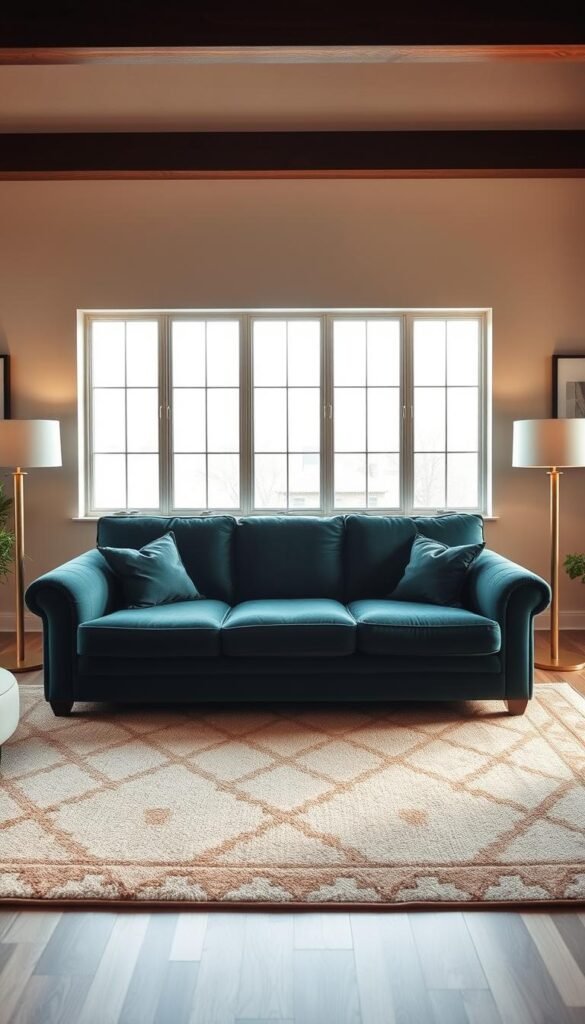
Your sofa choice defines your entire room’s personality and function. This central piece becomes the heart of your daily relaxation and social gatherings.
Interior designer Sarah Sherman Samuel observes:
“A great sofa isn’t just furniture—it’s where life happens. I always recommend investing in quality pieces that balance style with deep, lasting comfort.”
Modern comfort sofas feature generous proportions and plush cushions. They create an inviting look that welcomes you to unwind after long days.
Consider these popular styles for your space:
- Sectional sofas with deep seats and soft upholstery
- Mid-century designs with clean lines and comfortable padding
- Oversized couches with cloud-like cushioning
- Modular pieces that adapt to your room’s layout
Measure your space carefully before selecting any sofa. Leave adequate walking room around the furniture. Consider doorways and stairwells for delivery feasibility.
Test sofa comfort personally whenever possible. Sit for several minutes to assess cushion support. Check the seat depth and back height for your body type.
Fabric choices affect both comfort and maintenance. Performance fabrics resist stains while feeling soft. Natural materials like cotton and linen offer breathability.
Your sofa serves as the foundation for other design elements. Coordinate its color with your existing decor palette. Use throw pillows and blankets to tie everything together.
Quality sofas represent worthwhile investments for your home. Well-constructed pieces last for years of daily use. They maintain their comfort and structural integrity over time.
Budget considerations include frame construction and filling materials. Hardwood frames with eight-way hand-tied springs offer superior durability. High-density foam cushions provide consistent support.
The right sofa transforms your living area into a personal retreat. It becomes your favorite spot for relaxation and connection. This investment pays dividends in daily comfort and enjoyment.
5. Incorporate Natural and Earthy Elements
Bringing the outdoors inside transforms your space into a peaceful sanctuary. Natural elements create harmony between your home and the environment.
Biophilic design principles show how nature improves our daily life. This approach reduces stress and boosts creativity in your living area.
Add Lush Greenery and Plants
Plants breathe life into any room. They purify air and add vibrant energy to your decor.
Choose low-maintenance options if you’re new to plant care. Snake plants and pothos thrive in various light conditions.
Consider these easy-care varieties:
- ZZ plants tolerate low light and irregular watering
- Spider plants adapt well to hanging baskets
- Peace lilies indicate when they need water
Group plants together to create a mini indoor garden. Use different heights and leaf textures for visual interest.
Choose Furniture with Organic Shapes
Furniture with soft curves feels more inviting than sharp angles. Organic shapes mimic forms found in nature.
Look for pieces with flowing lines and asymmetrical designs. These elements create movement and visual warmth.
Natural materials like wood and stone add tactile appeal. A live-edge coffee table becomes a stunning focal point.
Woven elements bring texture and craftsmanship to your space. Rattan chairs or seagrass baskets add earthy charm.
Balance these organic pieces with your existing modern furniture. The mix creates a curated, collected look that feels intentional.
Even urban apartments can connect with nature through smart choices. A single large plant or natural wood accent makes a difference.
Your home becomes a retreat that nourishes both body and spirit. These natural elements make your space truly welcoming.
6. Illuminate Your Space with Layered Lighting
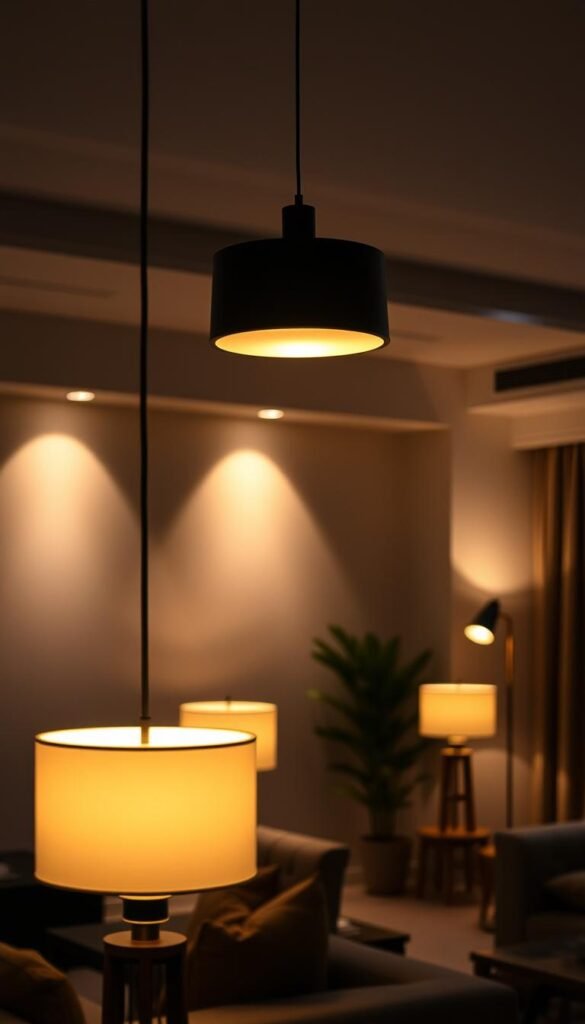
Think about how lighting transforms your mood throughout the day. The right approach turns stark areas into inviting environments that adapt to your needs.
Lighting designer Jonathan Adler explains:
Layered lighting creates depth and dimension that single sources cannot achieve. It’s about building an atmosphere that supports both function and feeling.
This concept uses multiple light sources at different heights. Each layer serves a specific purpose while contributing to overall ambiance.
Understand the Three Lighting Types
Ambient lighting provides general illumination for your entire space. Think ceiling fixtures or recessed lights that wash the room with soft light.
Task lighting focuses on specific activities like reading or working. Desk lamps and under-cabinet lights offer directed illumination where you need it most.
Accent lighting highlights architectural features or artwork. Track lighting and picture lights create visual interest and drama.
Select Fixtures That Enhance Your Design
Choose fixtures that complement your existing decor while adding character. A sculptural floor lamp becomes both functional and artistic.
Consider these popular options:
- Adjustable floor lamps for reading corners
- Wall sconces that save space while adding warmth
- Pendant lights that create focal points above seating areas
- Table lamps with dimmable features for mood control
Choose the Right Bulbs for Warm Ambiance
Bulb selection dramatically affects how your space feels. Warm white bulbs (2700K-3000K) create inviting atmospheres.
LED bulbs offer energy efficiency and long lifespan. Dimmable options provide flexibility for different times of day.
Consider color rendering index (CRI) for accurate color representation. Higher CRI values (90+) make colors appear more vibrant and true.
Create Lighting Zones for Different Activities
Divide your room into areas with specific lighting needs. Reading nooks benefit from focused task lighting.
Conversation areas work well with softer, ambient illumination. Dining spaces might use adjustable pendants for versatile mood setting.
Use dimmer switches throughout your space. They allow seamless transitions between daytime brightness and evening ambiance.
Explore Smart Lighting Solutions
Smart systems offer incredible control over your lighting environment. Program scenes for different activities or times of day.
Voice-controlled options provide hands-free adjustment. Many systems integrate with other smart home features for complete automation.
Start with basic smart bulbs if you’re new to this technology. They screw into existing fixtures and connect via smartphone apps.
Address Safety and Electrical Considerations
Always consult an electrician for new installations or major changes. Proper wiring ensures safety and compliance with local codes.
Consider load capacity when adding multiple fixtures. Use surge protectors for electronic lighting components.
Place cords safely to prevent tripping hazards. Cord covers or strategic furniture placement solve most issues.
Implement Budget-Friendly Lighting Solutions
You don’t need expensive renovations to improve your lighting. Simple changes make significant impacts.
Try these affordable ideas:
- Swap existing bulbs for warmer temperature options
- Add plug-in wall sconces that require no hardwiring
- Use battery-operated LED puck lights inside cabinets
- Install dimmer switches on existing fixtures
The right lighting approach transforms how you experience your home. It creates environments that feel both functional and wonderfully inviting.
7. Define Your Space with a Unique Area Rug
Have you considered how a single element can completely transform your environment? A well-chosen area rug works magic by adding personality and structure to your home.
Interior designer Emily Henderson shares:
Rugs are the foundation that ties everything together. They create intimacy in large spaces and add that crucial layer of comfort underfoot.
Your rug establishes visual boundaries in open floor plans. It tells people where conversation areas begin and end. This creates organized zones without physical barriers.
Choose sizes that fit your furniture arrangement perfectly. All front legs should rest on the rug in seating areas. This creates a unified look that feels intentional.
Consider these popular rug sizes for different rooms:
| Room Type | Recommended Size | Furniture Placement |
|---|---|---|
| Small Living Area | 5’x8′ | Front legs on rug |
| Medium Space | 8’x10′ | All legs on rug |
| Large Room | 9’x12′ | Furniture fully on rug |
| Open Concept | 10’x14′ | Defines multiple zones |
Material choices affect both feel and maintenance. Natural fibers like wool offer durability and softness. Synthetic options provide stain resistance for busy households.
Your rug contributes significantly to acoustic comfort. It absorbs sound reflections from hard surfaces. This creates a quieter, more peaceful environment.
Layer rugs for added texture and visual interest. Place a smaller patterned rug over a larger neutral one. This technique works beautifully with low-pile options.
Always use quality rug pads underneath your investment. They prevent slipping and extend your rug’s lifespan. Pads add extra cushioning for enhanced comfort.
Coordinate patterns with your existing decor successfully. Choose colors already present in your room’s palette. Scale patterns appropriately for your space’s size.
Professional cleaning preserves your rug’s beauty long-term. Different materials require specific cleaning methods. Always follow manufacturer recommendations carefully.
Your floor covering becomes the foundation of your daily comfort. It transforms cold surfaces into welcoming areas. This simple change makes your entire home feel more inviting.
8. Create Intimate Zones for Different Activities
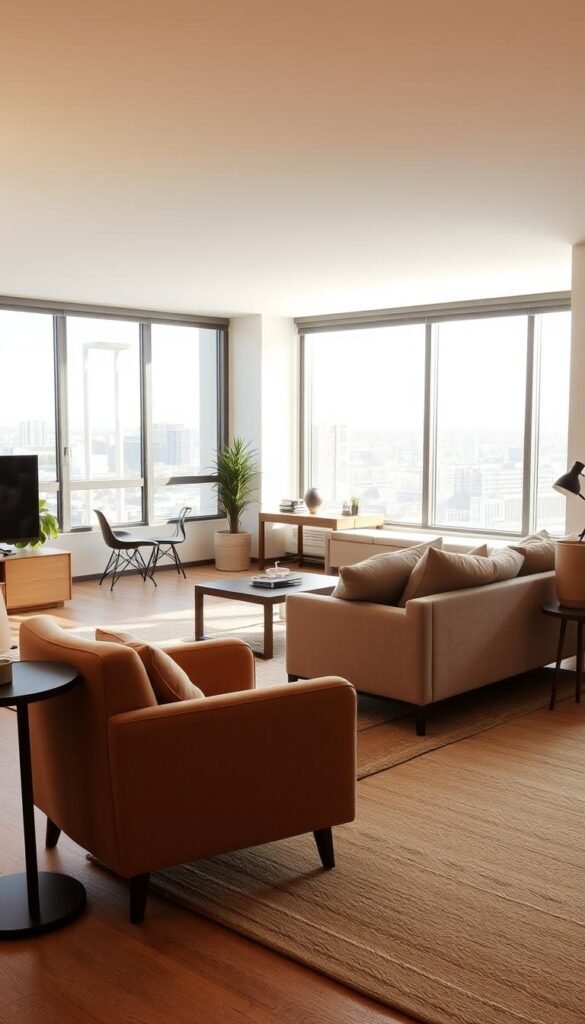
Have you thought about how your room can serve multiple purposes at once? Zoning transforms open areas into versatile environments that adapt to your daily needs.
Designer Janie Molster explains her approach:
I create distinct areas within large spaces using performance fabrics and strategic furniture placement. This allows families to enjoy different activities simultaneously without crowding.
Open-plan spaces benefit greatly from thoughtful zoning. You can designate areas for conversation, reading, or entertainment. This approach maximizes your square footage beautifully.
Start by identifying how your family actually uses the space. Do you need a quiet reading corner? A game area for children? A spot for evening conversations?
Use furniture arrangements to define different zones naturally. A sofa can separate a seating area from a workspace. Bookshelves create visual boundaries without closing off the room.
Consider these popular zone ideas for your home:
- Window reading nook with comfortable chair and good lighting
- Game table area for puzzles or board games
- Media zone focused around television or music system
- Conversation cluster with facing chairs and small table
Area rugs help define different activity zones effectively. They create visual separation while adding comfort underfoot. Choose rugs that complement each other but have distinct patterns.
Multi-functional furniture works wonders in smaller spaces. Storage ottomans provide seating and hide blankets. Nesting tables offer surface space when needed then tuck away neatly.
Lighting plays a crucial role in defining different areas. Use floor lamps to highlight reading corners. Pendant lights can anchor conversation zones beautifully.
Families with different ages benefit from zoning particularly well. Children can play in one area while adults relax nearby. Everyone enjoys togetherness while pursuing different activities.
Here’s how different furniture arrangements serve various purposes:
| Activity Zone | Furniture Setup | Ideal Size |
|---|---|---|
| Reading Nook | Armchair + small table + lamp | 4’x4′ corner |
| Conversation Area | 2-3 chairs facing each other | 6’x6′ space |
| Game Zone | Small table + 4 chairs | 5’x5′ area |
| Media Center | Sofa + media console | 8’x10′ section |
Storage solutions help maintain organization between zones. Baskets keep children’s toys contained in play areas. Bookshelves separate reading nooks from other spaces functionally.
Traffic flow remains important when creating multiple zones. Leave clear pathways between different activity areas. This prevents the space from feeling cramped or confusing.
Your home becomes more functional through intelligent zoning. You’ll enjoy having dedicated spots for different activities. This design approach makes your living area work harder for your lifestyle.
9. Personalize Your Space with Meaningful Artwork
What transforms a house into your home? The art you choose tells your unique story and makes your space truly yours. These personal touches create emotional connections that generic decor cannot match.
Interior designer Jessica Davis emphasizes the value of thoughtful selections:
You don’t have to spend a fortune, but buying artwork that you adore always pays dividends. It’s one of the most important investments for home happiness.
Your choices reflect your personality and create lasting impressions. They become conversation starters and daily sources of inspiration.
Build a Cohesive Gallery Wall
Gallery walls create stunning focal points that showcase your taste. They transform blank walls into dynamic displays of personal expression.
Start by collecting various pieces that share a common thread. This could be color scheme, subject matter, or frame style.
Follow these steps for a balanced arrangement:
- Lay out your collection on the floor first
- Mix sizes and orientations for visual interest
- Maintain consistent spacing between frames
- Use paper templates to perfect placement before hanging
Experiment with different frame styles and textures. This adds depth while maintaining cohesion. Your gallery should feel curated, not chaotic.
Invest in Pieces That Resonate With You
Choose artwork that speaks to you emotionally rather than following trends. These selections will bring you joy for years to come.
Consider these approaches to building your collection:
- Support local artists at community markets
- Frame personal photographs that hold special meaning
- Select pieces that complement your room’s color palette
- Mix original works with high-quality reproductions
Lighting enhances your artwork dramatically. Picture lights or adjustable track lighting highlight your favorites. Natural light from windows also showcases pieces beautifully.
Budget-friendly options include DIY projects and printable art. Even children’s drawings become treasured pieces when framed properly.
Your final look should feel authentically you. The right artwork transforms your home into a space that truly reflects your personality.
10. Blend Styles for a Curated, Collected Look
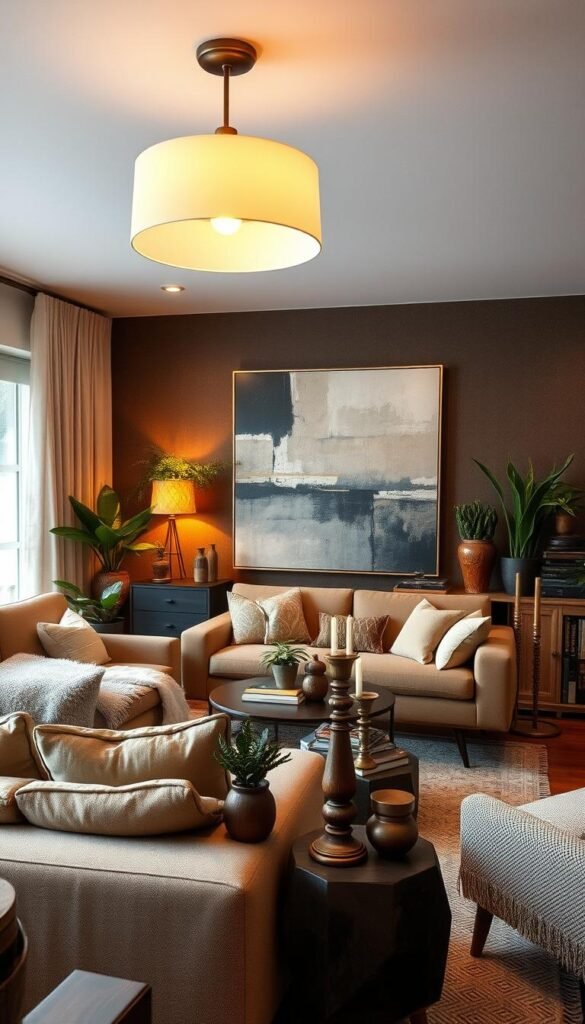
Have you ever walked into a space that instantly tells a story about its inhabitants? That’s the magic of blending different design elements to create a truly personal environment. This approach celebrates individuality rather than following strict rules.
Designer Tasha Green describes her approach as creating spaces that are “fun, bold, bright, and extremely quirky” with items that hold family meaning. Your home should reflect your journey and tastes.
Mix Modern Lines with Vintage Finds
Combining contemporary furniture with older pieces creates wonderful visual tension. This balance makes your space feel both current and timeless.
Designer Wendy Labrum demonstrates this beautifully. She places antique items beside modern ones to create intentional juxtaposition. This way of decorating gives your interior depth and character.
Try mixing materials for interesting textural combinations. Pair modern glass tables with shaggy area rugs. Combine sleek leather sofas with rattan accent chairs.
Look for vintage items that speak to you personally. These could be family heirlooms or carefully selected thrift store discoveries. Each piece should contribute to your overall story.
Embrace an Eclectic Vibe
Eclectic design celebrates thoughtful mixing rather than random collecting. It’s about creating harmony among diverse elements that share common threads.
Start by identifying what connects your favorite pieces. This could be color palette, material quality, or simply emotional resonance. These connections create cohesion among different styles.
Edit your collections regularly to avoid visual clutter. Remove items that no longer serve your overall vision. This curating process keeps your space feeling intentional rather than chaotic.
Build your collected look gradually over time. There’s no need to complete everything at once. The best spaces evolve as you discover pieces that truly resonate.
Your home should feel like a reflection of your unique personality. Blending styles creates environments that are authentically yours rather than copied from magazines.
11. The Best Cozy Modern Living Room Ideas Balance Form and Function
How do you create a space that looks beautiful while serving your daily needs perfectly? This approach combines smart design with real-life practicality for spaces that work as hard as they charm.
Designer Lauren Gilberthorpe explains the core principle:
Clean architectural lines are softened with tactile materials so modern never feels cold. The look relies on restraint—choosing fewer pieces that feel sculptural and honest rather than filling a space.
People want homes that feel fresh and clean-lined but also offer comfort at day’s end. Your room should embrace you after long hours while maintaining its stylish appeal.
Start by selecting furniture that offers both style and substance. Look for pieces with clean profiles but generous proportions. Deep-seated sofas with tailored upholstery provide perfect examples.
Consider these dual-purpose solutions:
- Storage ottomans that serve as coffee tables and blanket hideaways
- Console tables with drawers for media components and display space
- Modular shelving systems that organize while adding visual interest
- Nesting tables that provide surfaces when needed then tuck away
Your layout should support easy movement throughout the space. Allow at least three feet for main walkways between furniture groupings. This prevents bottlenecks during family gatherings or entertaining.
Durable materials ensure your design maintains its beauty through daily use. Performance fabrics resist stains while feeling soft to the touch. Solid wood construction stands up to years of family life.
Here’s how different furniture pieces serve both form and function:
| Furniture Type | Stylish Feature | Practical Benefit |
|---|---|---|
| Sectional Sofa | Clean lines and tailored upholstery | Seating for multiple people and lounging |
| Media Console | Sleek design and finish options | Conceals electronics and provides storage |
| Accent Chair | Sculptural form and interesting texture | Extra seating that can be moved as needed |
| Bookshelf | Open display of favorite items | Organizes books and decorative objects |
Lighting should combine ambiance with task illumination. Dimmable overhead fixtures set moods while providing adequate light. Adjustable floor lamps offer reading light where you need it most.
Your color scheme plays a practical role beyond aesthetics. Light-reflecting colors make spaces feel larger and brighter. Darker accents hide wear in high-traffic areas beautifully.
Multi-functional pieces work particularly well in smaller homes. A desk can double as a console table behind your sofa. Storage benches provide seating while housing extra pillows or toys.
Traffic patterns affect how your family actually uses the space. Arrange furniture to create natural pathways between activity zones. This prevents congestion during daily routines.
Maintenance considerations ensure your design stays beautiful over time. Choose materials that clean easily and resist wear. This way your investment continues serving you well for years.
The right balance creates living areas that feel both intentional and effortlessly comfortable. Your home becomes a place where design and daily life coexist perfectly.
12. Shop Second-Hand and Repurpose Old Pieces
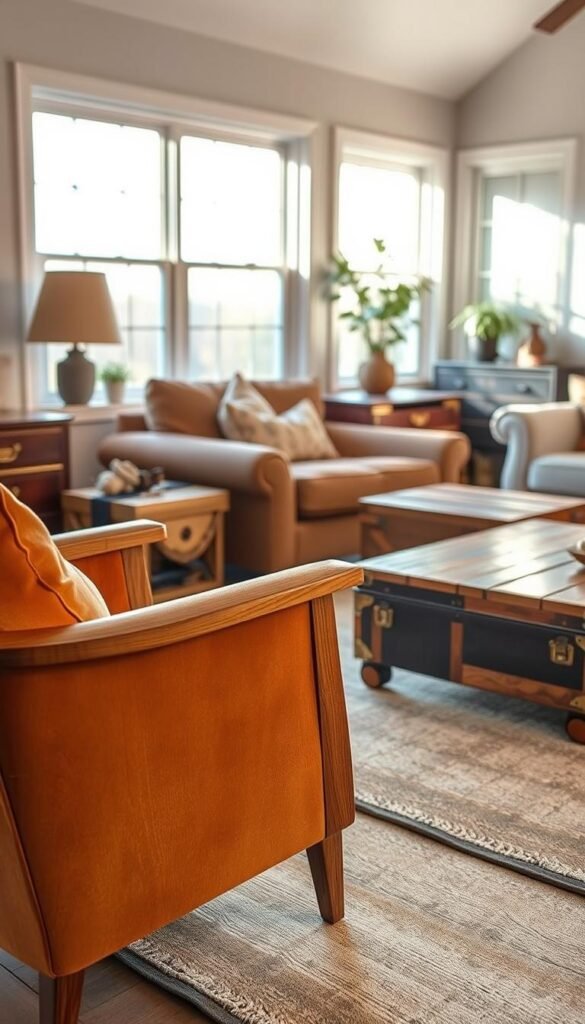
Have you discovered the thrill of finding hidden treasures that transform your space? Secondhand shopping offers unique opportunities to create a home filled with character and history.
Designer Tina Bousu shares her passion for this approach:
Almost all my furniture is secondhand. I love giving older pieces new life. The character they bring provides so much interest that new items simply cannot match.
This sustainable approach reduces waste while creating authentic interiors. Your space gains personality through carefully selected vintage finds.
Successful secondhand shopping requires strategy and patience. Create a list of items you need before browsing. This prevents impulse purchases that don’t serve your design vision.
Visit various sources to find the best pieces:
- Local thrift stores and consignment shops
- Estate sales and garage sales
- Online marketplaces and auction sites
- Antique malls and vintage specialty stores
Look for quality construction in older furniture. Solid wood pieces often outlast modern alternatives. Check joints, drawers, and structural integrity carefully.
Mix vintage finds with contemporary items for balanced style. A modern sofa pairs beautifully with an antique coffee table. This combination creates visual interest through contrast.
Repurposing items unlocks creative possibilities. Turn vintage suitcases into unique side tables. Transform old windows into decorative mirrors or message boards.
Consider these popular repurposing ideas:
- Use antique boxes for stylish storage solutions
- Convert vintage trays into jewelry organizers
- Transform old frames into gallery displays for family photos
- Repurpose wooden crates as shelving units
Safety matters when bringing older pieces home. Check furniture for stability and repair needs. Test electrical components on lamps before use.
Refinishing techniques can revive tired finds. Light sanding and fresh paint work wonders on wooden pieces. Reupholstering updates chairs and sofas with modern fabrics.
Valuing secondhand items requires research. Check comparable prices online before purchasing. Condition, rarity, and brand affect value significantly.
Environmental benefits make this approach rewarding. Repurposing reduces landfill waste dramatically. It also decreases demand for new manufacturing resources.
Local consignment shops like Legacies Upscale Resale offer curated vintage selections. These establishments often provide quality guarantees that casual sellers cannot.
Create focal points with statement vintage pieces. An ornate mirror becomes a stunning wall feature. A unique chair serves as conversation starter in any room.
Layer vintage textiles for added warmth and texture. Antique quilts make wonderful wall hangings or throws. Vintage linens add character to tabletops and shelves.
Your home becomes truly personal through this design approach. Each piece tells a story and reflects your values. This creates spaces that feel authentic and welcoming.
| Item Type | Repurposing Idea | Skill Level Required |
|---|---|---|
| Wooden Chair | Paint and reupholster seat | Beginner |
| Vintage Suitcase | Add legs for side table | Intermediate |
| Old Window | Create message board with chalk paint | Advanced |
| Antique Dresser | Convert to bathroom vanity | Professional |
Start small if you’re new to secondhand shopping. Look for accent pieces rather than major furniture initially. Build confidence through successful smaller projects first.
Your space gains unique character through carefully chosen vintage elements. This approach creates interiors that truly reflect your personality and values.
13. Your Guide to Crafting a Home That’s Both Stylish and Snug
Creating your perfect living room combines clean lines with soft textures. This approach brings both elegance and ease to your daily life.
Start with a neutral base and add layers of texture. Mix materials like wood, velvet, and natural fibers. These elements create depth and warmth.
Remember to personalize your space with meaningful artwork. Your choices should reflect your unique story and taste.
Balance is key in this design approach. Your room should serve multiple functions while maintaining visual harmony.
Trust your instincts when arranging furniture and selecting pieces. Your home should feel authentically yours above all else.
These ideas help you create a sanctuary that welcomes you daily. Enjoy the process of making your space truly yours.