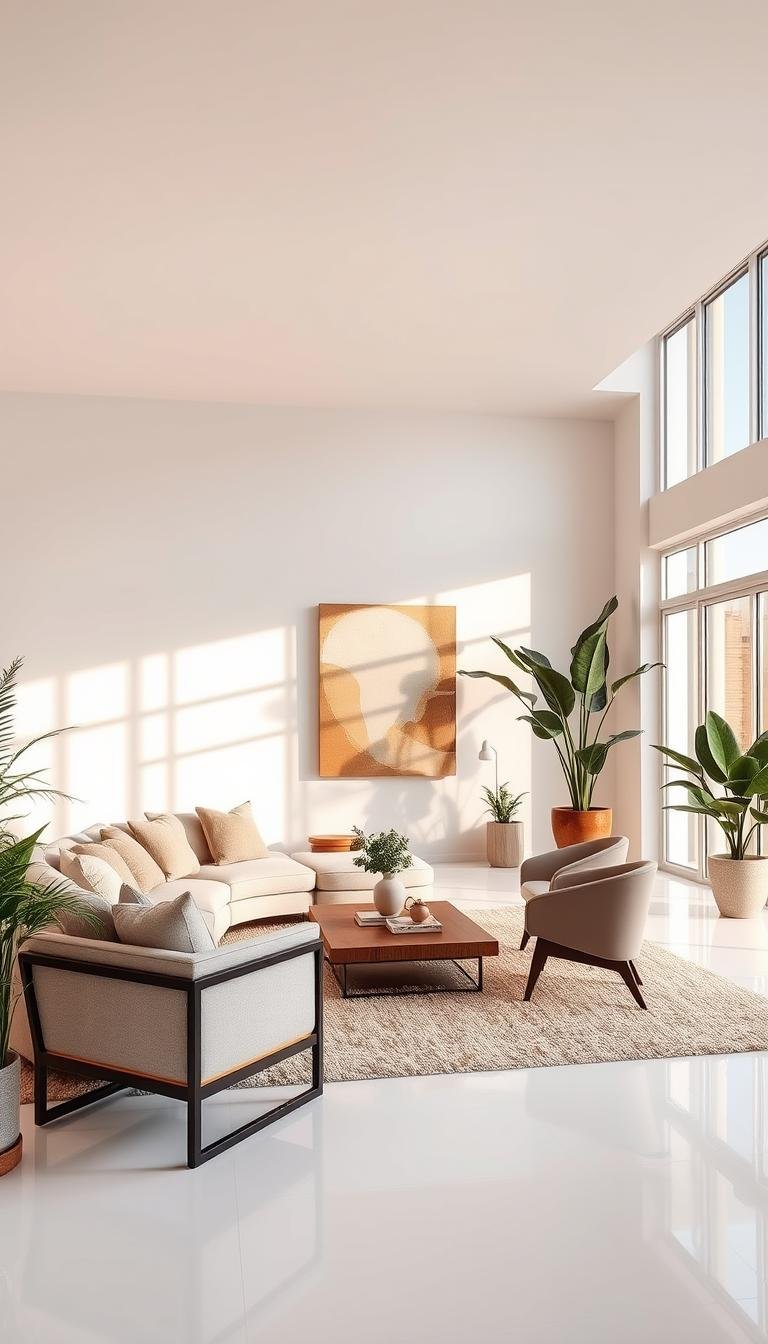
Your living space should be your favorite place to unwind. It’s where you relax after a long day and welcome friends for cozy gatherings. Creating a stylish yet comfortable environment makes all the difference.
The key lies in balancing beautiful design with everyday comfort. Think uplifting colors mixed with layered textures. Add sturdy furniture pieces and meaningful decor that tells your story.
This approach works with various interior styles. Whether you prefer minimalist or eclectic, these concepts adapt beautifully. You can create a space that feels both curated and incredibly inviting.
We’ll share expert tips and creative inspiration to help you achieve this look. Transform your home into a polished sanctuary that reflects your personal style. Let’s begin this exciting design journey together!
1. Understanding the Modern Chic Aesthetic
At its core, this aesthetic celebrates the marriage of form and function. It blends clean contemporary lines with elegant, sophisticated touches. The result is a polished appearance that feels both current and timeless.
This approach focuses on simplicity and functionality. It embraces subtle luxury while avoiding clutter. Warmth is key – spaces should feel inviting, not sterile.
Neutral color bases create a calm foundation. Textures, metallics, and curated decor add personality. These accents bring life to the simplicity of the design.
This style suits multi-functional spaces beautifully. It balances practicality with visual appeal. Your everyday living becomes more enjoyable in such an environment.
Think of your space as a reflection of your personal taste. These principles enhance what makes your home uniquely yours. They provide a framework for creating a space you’ll love.
The beauty lies in its adaptability. Whether your taste leans minimalist or eclectic, this approach works. It creates harmony between different elements in your room.
Good design should serve your lifestyle. This aesthetic does exactly that while looking effortlessly stylish. It’s about creating a space that works for you.
2. First Steps: Planning Your Living Room Transformation
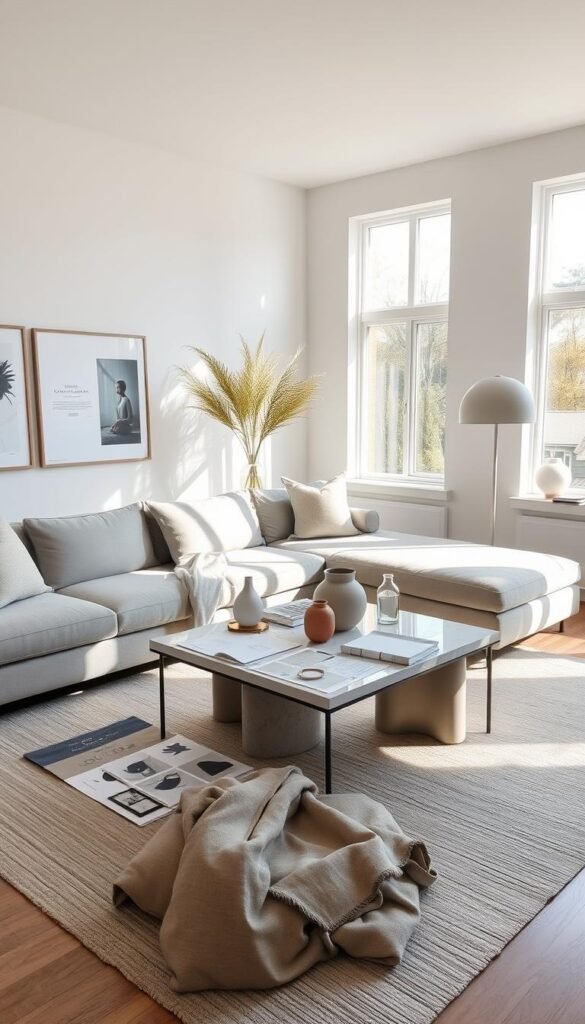
Strategic planning is the secret weapon behind every stunning interior transformation. Taking time to plan prevents costly mistakes and ensures your vision comes together beautifully. This approach saves both time and money in the long run.
Begin by clarifying your goals for the space. Consider how you use the area daily and what improvements would enhance your experience. This thoughtful start creates a solid foundation for your project.
Gathering Inspiration with a Mood Board
Creating a mood board helps visualize your ideas before committing to purchases. It brings together colors, textures, and furniture concepts in one cohesive view. This visual roadmap guides your design decisions with confidence.
Expert Patrick O’Donnell recommends including various elements in your board. He suggests sampling paint colors in different light conditions for accurate representation. This attention to detail ensures colors work well in your actual space.
Choose between digital platforms or physical collections for your inspiration gathering. Pinterest and Canva offer excellent digital options for organizing ideas. Physical swatches and magazine cutouts provide tactile experience many designers prefer.
Consider your room’s orientation when planning colors. North-facing rooms receive cooler light, while south-facing spaces enjoy warmer tones. Test samples at different times to see how natural light affects your choices.
Taking Accurate Measurements of Your Space
Precise measurements form the backbone of successful room design. They ensure furniture fits perfectly and traffic flow remains comfortable. This step prevents the frustration of pieces that don’t work in your space.
Measure all dimensions including wall lengths, ceiling height, and window placements. Note architectural features like radiators, vents, or electrical outlets. These details impact furniture placement and overall layout.
Create a simple floor plan to experiment with different arrangements. This visual tool helps you maximize functionality while maintaining aesthetic appeal. It’s especially valuable for challenging room shapes or multi-purpose areas.
| Planning Approach | Best For | Key Benefits |
|---|---|---|
| Digital Mood Boards | Quick inspiration gathering, sharing ideas remotely | Easy to update, vast online resources, collaborative features |
| Physical Swatches | Accurate color representation, tactile experience | True color viewing, material texture assessment, light testing |
| Detailed Measurements | Furniture planning, layout optimization | Avoids purchase mistakes, ensures proper scale, maximizes space |
| Light Testing | Color selection, ambiance planning | Accurate color representation, mood assessment, functionality |
Early planning creates cohesion between practical needs and personal style. It establishes a clear direction that makes subsequent decisions easier. Your finished space will reflect thoughtful consideration at every turn.
This foundation work might seem tedious but pays enormous dividends. It transforms overwhelming decisions into manageable steps toward your dream environment. The result is a space that truly works for your lifestyle.
3. Choosing a Color Scheme for Sophistication and Calm
Color transforms your space more than any other design element. It sets the mood before any furniture enters the picture. Your palette choices create the emotional foundation for your entire room.
The right colors can make your space feel larger, cozier, or more energetic. They work with light and texture to create harmony. Thoughtful color selection brings sophistication and calm to your environment.
Embracing the Color Drenching Trend
Color drenching creates an immersive experience in your living area. This technique uses one bold hue on walls, woodwork, and ceiling. The effect is cocoon-like and incredibly contemporary.
Choose rich, saturated colors for maximum impact. Deep greens, blues, or terracottas work beautifully. The monochromatic approach feels both daring and cohesive.
This trend works particularly well in open-plan spaces. It defines areas without physical boundaries. Your room gains visual continuity and depth.
Creating Drama with Dark, Moody Tones
Dark colors add instant drama and intimacy to your living space. Charcoal, navy, or forest green create sophisticated backdrops. These tones make your room feel cozy and protected.
Balance dark walls with light elements and warm accessories. Cream textiles, golden lighting, and natural wood prevent heaviness. The contrast keeps the atmosphere inviting rather than oppressive.
Dark tones work wonderfully in evening-oriented spaces. They create a sense of luxury and depth. Your room becomes a dramatic yet comfortable retreat.
Opting for Warm, Earthy Neutrals
Warm neutrals create serene and inviting environments. Taupe, beige, and terracotta offer calming foundations. These colors feel both current and timeless.
Earth tones work with natural materials like wood and stone. They create harmony between your interior and outdoor views. The effect is grounded and peaceful.
Pair neutral bases with rich accent colors for interest. Mustard yellows, olive greens, or rusty oranges add personality. Your space maintains calm while expressing your style.
The Striking Impact of a High-Contrast Palette
High-contrast schemes deliver instant visual impact. Black and white combinations feel crisp and sophisticated. Navy with mustard or charcoal with blush creates energy.
Contrast adds definition to architectural features and furniture. It highlights your room’s best elements dramatically. The effect is bold yet balanced.
Use contrast strategically rather than uniformly. Feature walls or accent elements create focus points. Your space gains energy without overwhelming.
“Always test colors in your actual space before committing. Natural light changes everything throughout the day.”
| Color Approach | Best For | Light Requirements | Atmosphere Created |
|---|---|---|---|
| Color Drenching | Open-plan spaces, feature rooms | Good natural light | Immersive, cocooning |
| Dark Moody Tones | Evening spaces, intimate areas | Balanced with artificial light | Dramatic, cozy |
| Warm Neutrals | Multi-use spaces, family areas | Works in most light conditions | Calm, inviting |
| High-Contrast | Modern spaces, statement areas | Ample light for balance | Energetic, sophisticated |
Sample colors at different times of day before deciding. Observe how natural light affects each shade in your specific room. This ensures your chosen palette works perfectly in your actual living environment.
Consider how colors make you feel emotionally. Your living space should reflect your desired atmosphere. The right palette creates both sophistication and comfort.
4. Modern Chic Living Room Ideas for a Polished Look
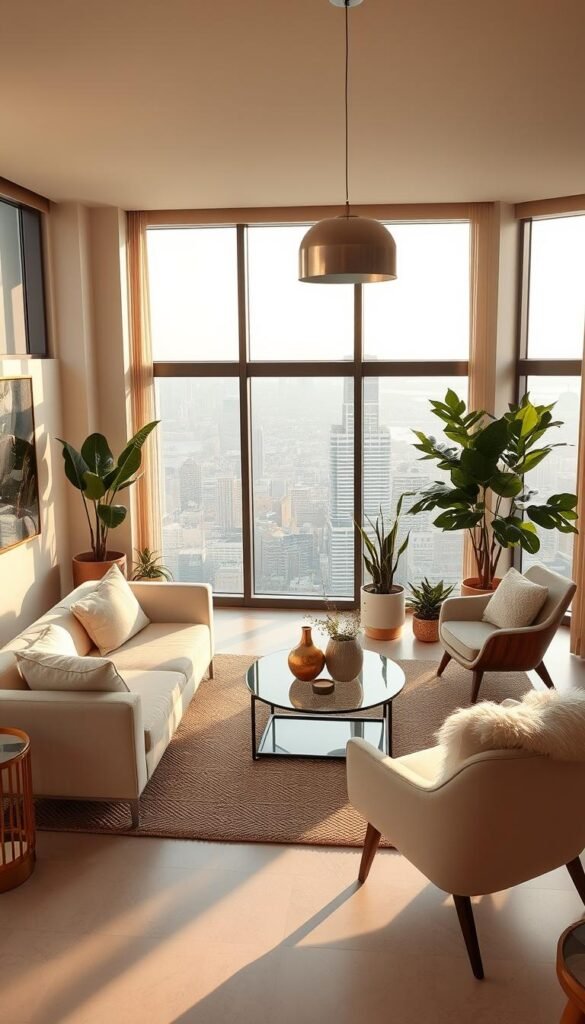
Bringing your vision to life requires combining foundational elements with thoughtful additions. You’ve established your color palette and planning strategy. Now let’s explore how these elements work with furniture and layout.
Your color choices create the emotional backdrop for your space. Thoughtful planning ensures everything fits perfectly. These foundations support the complete transformation of your environment.
Upcoming sections will dive into selecting key furniture pieces. You’ll learn about clean-lined sofas and functional side tables. We’ll also explore statement coffee tables that anchor your space beautifully.
Layout design transforms how you experience your room. Creating conversation zones makes gatherings more enjoyable. Utilizing awkward corners maximizes your square footage effectively.
Think holistically about your space’s functionality and beauty. Every element should serve both practical and aesthetic purposes. This approach creates a room that feels both stylish and completely livable.
This design style works beautifully in any size space. Small areas benefit from clever multi-functional solutions. Larger rooms gain intimacy through strategic zoning techniques.
Your transformation happens through intentional, step-by-step choices. Each decision builds upon the previous one seamlessly. The result is a space that truly reflects your personal taste.
Remember that good design serves your lifestyle first. Your room should work for your daily needs while looking fabulous. This balance creates a home you’ll love spending time in.
5. Selecting Key Furniture Pieces with Clean Lines
Your furniture choices define both function and beauty in your space. These pieces work together to create harmony and purpose. They transform your vision into a tangible reality.
Clean lines and thoughtful proportions create visual calm. Each item should serve your needs while enhancing the overall aesthetic. This balance makes your environment both beautiful and practical.
Choosing the Perfect Sofa as Your Anchor
Your sofa serves as the foundation of your seating area. Select one with straightforward silhouettes and premium upholstery. It should offer comfort without sacrificing sleek appearance.
Neutral colors provide versatility for changing accessories. Consider performance fabrics for easy maintenance. Your central piece should withstand daily use while maintaining its elegance.
Scale matters – measure your space before purchasing. Ensure enough room for movement around the piece. The right size creates balance in your layout.
Incorporating Functional and Stylish Side Tables
Side tables offer surface space without visual clutter. Choose designs that complement your sofa’s aesthetic. They should provide utility while maintaining clean profiles.
Consider materials that add subtle texture to your scheme. Wood, metal, or glass introduce interesting contrasts. These pieces hold essentials like drinks, books, or decorative items.
Pair tables of varying heights for dynamic arrangement. This approach creates visual interest while serving different needs. Your surfaces become both useful and aesthetically pleasing.
The Role of a Statement Coffee Table
A coffee table anchors your seating arrangement beautifully. It becomes a focal point that ties everything together. Choose one with unique materials or interesting details.
Metallic accents add refined glamour to your scheme. Glass tops maintain airiness in smaller spaces. Wood brings natural warmth to contemporary settings.
Consider storage options like drawers or shelves. These keep remotes and magazines neatly concealed. Your table serves multiple purposes while looking stunning.
Mix materials thoughtfully throughout your selections. Combine wood with metal or glass with stone. These combinations create depth while maintaining cohesive design.
Every piece should contribute to your overall style. Prioritize durability alongside aesthetic appeal. Your furniture becomes an investment in daily comfort.
These foundational pieces create a polished look for your home. They establish the tone for additional layers and accessories. Your living room becomes both functional and inviting.
6. Crafting an Efficient and Inviting Layout
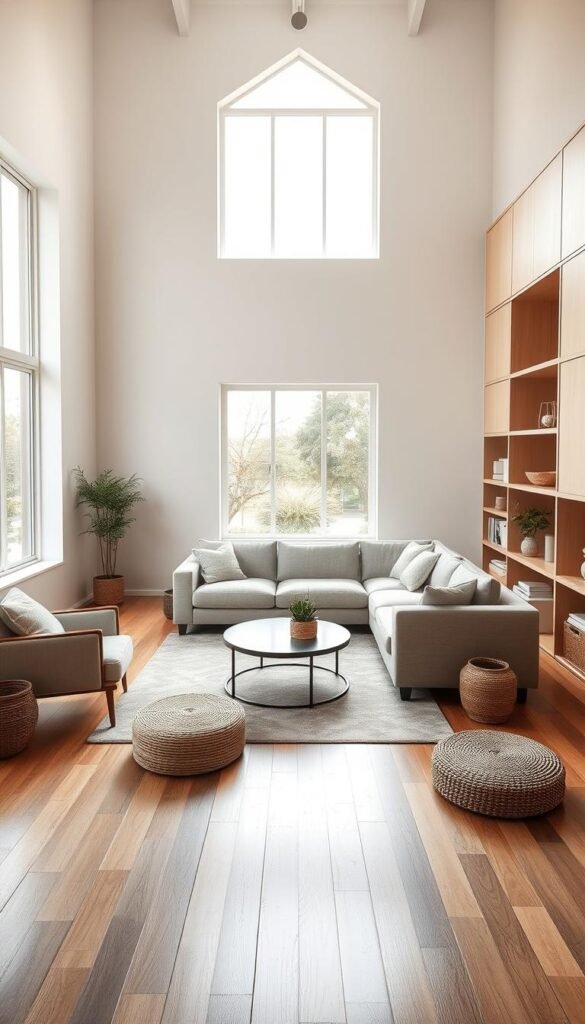
Your room’s arrangement shapes how you experience daily life. A thoughtful layout maximizes both beauty and practicality. It transforms your area into a welcoming environment for all activities.
Start by considering your space’s unique characteristics. Measure carefully and note electrical outlets and natural light sources. This preparation ensures your plan works perfectly from day one.
Think beyond traditional furniture placement. Create zones that serve different purposes throughout your day. Your area becomes more versatile and enjoyable.
Creating Intimate Conversation Zones
Arrange seating to face each other rather than all pointing toward the television. This encourages natural interaction during gatherings. Your space feels more social and engaging.
Use area rugs to define these cozy spots visually. Position sofas and chairs close enough for comfortable chatting. Add side tables for drinks within easy reach.
Lighting plays a key role in setting the mood. Place lamps to create warm pools of light around seating groups. This makes evenings together feel special.
Making Use of Awkward Nooks and Corners
Every space has unique architectural features. Transform challenging corners into functional highlights. A reading nook with a comfortable chair and good lighting works beautifully.
Built-in storage maximizes unused areas perfectly. Custom shelves fit odd-shaped spaces while keeping items organized. These solutions add character and practicality.
Consider multi-purpose furniture for tight spots. A small desk can serve as both workspace and display area. Your room gains functionality without feeling crowded.
Designing a Multi-Functional Space
Today’s homes need to serve many purposes simultaneously. Choose furniture that offers hidden storage compartments. Ottomans with lift-up tops provide extra seating and organization.
Modular seating adapts to different situations effortlessly. Sectionals can be rearranged for movie nights or large gatherings. Your space remains flexible for changing needs.
Incorporate a dedicated work area if needed. A stylish desk blends seamlessly with your decor when not in use. Your room supports both relaxation and productivity.
“The best layouts consider how people actually move through and use space, not just how it looks in photos.”
| Layout Strategy | Best Application | Key Benefits |
|---|---|---|
| Conversation Zones | Social spaces, entertaining areas | Encourages interaction, creates intimacy, improves flow |
| Corner Utilization | Small spaces, irregular layouts | Maximizes square footage, adds functionality, reduces waste |
| Multi-Functional Design | Modern lifestyles, limited space | Increases versatility, supports various activities, efficient use |
| Traffic Flow Planning | All room sizes and shapes | Prevents congestion, ensures comfort, enhances safety |
Remember to balance open areas with defined zones. Leave enough space for comfortable movement between furniture groupings. Your room should feel both organized and inviting.
Test different arrangements before committing permanently. Live with each layout for a few days to assess functionality. The right plan makes your space truly work for you.
7. Incorporating Smart and Stylish Storage Solutions
Smart storage transforms how you use and enjoy your home. It keeps essentials organized while maintaining visual appeal. Your space stays beautiful and functional every day.
Built-in solutions offer the perfect blend of utility and elegance. They maximize every inch while reducing visual clutter. These custom pieces become part of your room’s character.
Custom Floor-to-Ceiling Built-In Storage
Floor-to-ceiling units create impressive storage capacity. They utilize vertical space that often goes unused. Your room gains organization without sacrificing style.
These built-ins handle everything from media equipment to book collections. Open shelving displays favorite decor items beautifully. Closed cabinets hide less attractive necessities neatly.
Choose materials that complement your overall design scheme. Painted finishes create seamless integration with walls. Natural wood adds warmth and texture to the environment.
Consider lighting within your storage units. Integrated LEDs highlight displayed items effectively. They create ambiance while improving functionality.
Built-ins around entertainment centers work particularly well. They house electronics and media collections discreetly. Your focal wall becomes both practical and attractive.
Multi-functional living areas benefit greatly from smart storage. These solutions maintain polished atmosphere during daily use. Everything has its place yet remains easily accessible.
Custom pieces adapt to your specific needs perfectly. They accommodate unique room dimensions and storage requirements. Your investment serves you beautifully for years to come.
8. Illuminating Your Space with Statement Lighting
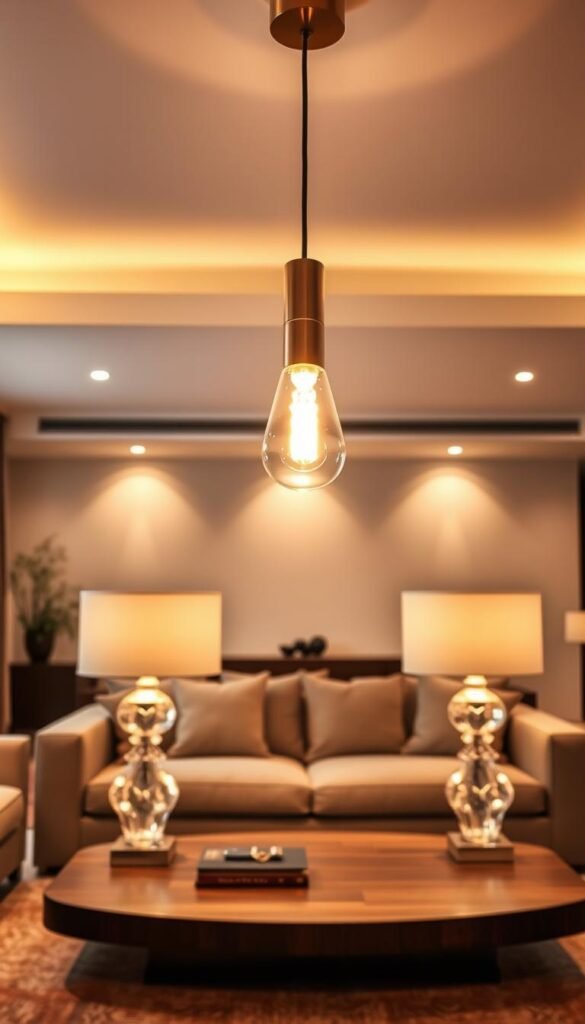
Lighting transforms your environment more dramatically than you might expect. It creates mood and highlights your favorite features. The right approach makes your area feel both functional and magical.
Think beyond basic overhead fixtures. Strategic illumination adds depth and character to your scheme. It becomes an essential element of your overall design.
Choosing a Focal Point Chandelier or Pendant
A stunning light fixture becomes the jewelry of your room. Select one that commands attention while complementing your aesthetic. It should enhance without overwhelming.
Consider scale when making your selection. Oversized pieces work beautifully in vaulted or large spaces. Smaller rooms benefit from petite but unique designs.
Metallic finishes add warmth and sophistication. Gold or brass accents bring subtle glamour to your scheme. They catch light beautifully throughout the day.
Your fixture should align with your color palette and furniture choices. It becomes the crowning element that ties everything together. This creates a cohesive and polished look.
Utilizing Layered Lighting for Ambiance
Layered illumination creates depth and flexibility in your living area. Combine different light sources for various needs and moods. This approach makes your space adaptable throughout the day.
Start with ambient lighting for general illumination. Add task lighting for reading or specific activities. Include accent lights to highlight art or architectural features.
Table lamps and sconces provide warm, localized glow. They create intimate pools of light for evening relaxation. Your atmosphere becomes inviting and comfortable.
Dimmer switches offer ultimate control over your mood. They allow adjustment from bright functionality to soft ambiance. This flexibility enhances your daily experience.
Remember that lighting should serve both beauty and practicality. Each source should contribute to your overall vision. Your illuminated space becomes truly special.
9. Layering Textures with Rugs, Pillows, and Throws
Textures bring warmth and dimension to your space. They create visual interest through touch and sight. This approach makes your area feel complete and inviting.
Think of textures as the final layer in your design. They add comfort while enhancing your overall aesthetic. Your room gains personality through these thoughtful additions.
Anchoring the Room with a Defining Area Rug
A well-chosen rug grounds your furniture arrangement beautifully. It defines the seating area and adds visual weight. Your space feels more intentional and put together.
Select a size that accommodates all key furniture pieces. Front legs should rest on the rug for cohesion. This creates a unified look that ties everything together.
Pattern and texture work together to create interest. Consider wool for durability and softness underfoot. Natural fibers add organic warmth to your scheme.
Color plays an important role in your selection. Choose hues that complement your existing palette. The rug should enhance rather than compete with other elements.
Proper maintenance ensures longevity and beauty. Regular vacuuming keeps fibers looking fresh. Professional cleaning preserves your investment for years.
Adding Comfort and Color with Throw Pillows
Pillows introduce comfort and personality to your seating. They provide back support while adding visual appeal. Your sofa becomes more inviting through these accents.
Mix sizes and shapes for dynamic arrangement. Standard squares work well with lumbar or bolster styles. This variety creates depth and interest.
Experiment with different filling materials for various effects. Down offers luxurious softness but requires fluffing. Synthetic fills maintain shape with less maintenance.
Consider removable covers for easy cleaning. This allows seasonal changes without replacing entire pillows. Your decor remains fresh and adaptable.
| Texture Type | Best Uses | Maintenance Level | Visual Effect |
|---|---|---|---|
| Wool Rugs | High-traffic areas, cozy spaces | Moderate (regular vacuuming) | Warm, substantial, traditional |
| Velvet Pillows | Accent pieces, luxury touches | Low (spot cleaning) | Rich, luminous, sophisticated |
| Linen Throws | Lightweight layering, summer use | Easy (machine washable) | Casual, breezy, relaxed |
| Faux Fur | Winter coziness, tactile appeal | Moderate (professional cleaning) | Plush, inviting, luxurious |
Throws offer both practical and decorative benefits. Drape them over sofas or chairs for easy access. They provide warmth during cooler evenings.
Choose materials that feel good against your skin. Cashmere and wool blends offer exceptional softness. Cotton and linen work well for warmer climates.
Fold throws neatly when not in use. This maintains tidy appearance while keeping them accessible. Your space stays organized and inviting.
Layer different textures throughout your scheme. Combine nubby wool with smooth velvet or crisp linen. These contrasts create depth and visual intrigue.
Stick to a cohesive color story for harmony. Vary textures within your chosen palette. This approach feels curated rather than random.
Your finished space should invite touch and relaxation. Every element contributes to comfort and beauty. The result is a home that feels truly welcoming.
10. Elevating Your Walls with Art and Paneling
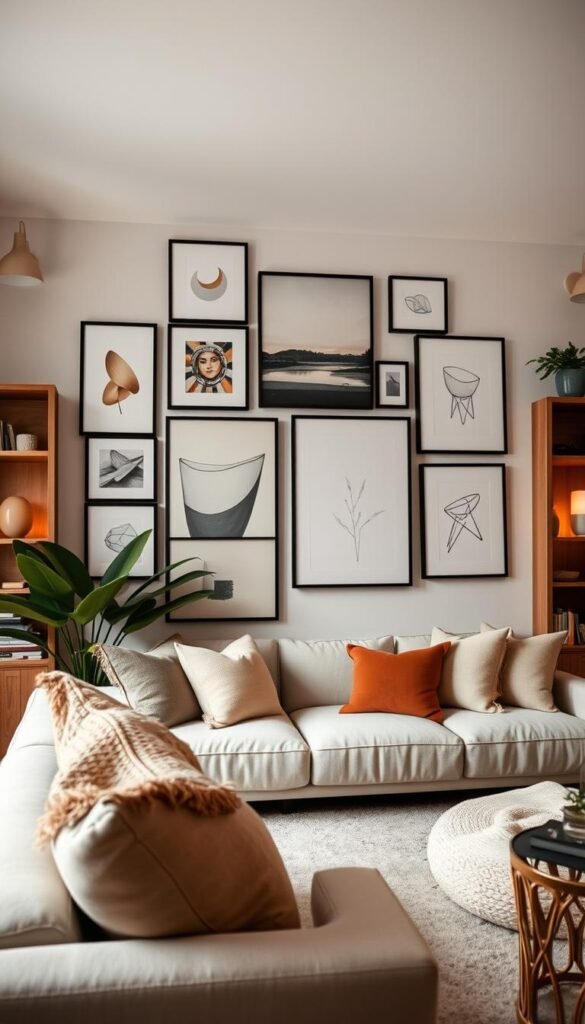
Your walls offer a perfect canvas for personal expression. They transform blank spaces into meaningful areas that reflect your taste. This approach adds depth and character to your environment.
Thoughtful wall treatments create visual interest throughout your space. They become conversation starters and focal points. Your room gains personality through these artistic touches.
Creating a Gallery Wall for Personal Expression
A gallery wall showcases your favorite memories and artwork beautifully. It tells your unique story through carefully selected pieces. This display becomes a dynamic focal point in your space.
Start by choosing a cohesive color palette for your arrangement. Mix frame styles and sizes for visual interest. Include personal photographs alongside purchased art for balance.
Lay out your arrangement on the floor before hanging. This helps you visualize spacing and composition. Use painter’s tape to mark positions on the wall for accuracy.
Consider the wall’s proportion when planning your gallery. Larger walls can handle bigger, more dramatic arrangements. Smaller spaces benefit from more intimate groupings.
Your gallery should reflect your personal style and interests. Include pieces that hold special meaning to you. This creates a space that feels truly yours.
Adding Character with Wall Paneling or Molding
Wall paneling introduces architectural interest to any room. It adds texture and depth to plain surfaces. This technique works especially well in newer homes.
Wainscoting brings traditional elegance to your space. It protects walls while adding visual appeal. This treatment works beautifully in formal areas.
Board and batten creates vertical interest on your walls. The lines draw the eye upward, making ceilings appear higher. This is perfect for smaller rooms.
Tongue and groove paneling offers a clean, tailored look. The seamless installation creates smooth visual flow. It works with various design styles beautifully.
Choose finishes that complement your color scheme. Painted paneling blends seamlessly with your walls. Stained wood adds natural warmth and character.
“Wall treatments should enhance, not overwhelm. They provide background texture that supports your overall design.”
| Wall Treatment | Best Application | Visual Effect | Installation Complexity |
|---|---|---|---|
| Gallery Wall | Personal spaces, conversation areas | Dynamic, personal, artistic | Moderate (planning required) |
| Wainscoting | Formal areas, entryways | Traditional, elegant, protective | High (professional recommended) |
| Board and Batten | Small rooms, vertical emphasis | Vertical, architectural, tailored | Moderate (DIY possible) |
| Tongue and Groove | Coastal styles, clean looks | Seamless, smooth, contemporary | High (precision required) |
Always consider your room’s proportions before adding paneling. Lower treatments work well in spaces with standard ceiling heights. Full-height paneling makes dramatic statements in larger areas.
Your wall treatments should complement your existing decor. They enhance rather than compete with other elements. The result is a cohesive and sophisticated look.
These elements add the finishing touch to your design. They create depth and interest throughout your space. Your home becomes more expressive and complete.
11. Blending Eras for a Transitional Feel
Transitional design creates spaces that feel both fresh and familiar. It combines the best of old and new for a timeless atmosphere. This approach gives your home character and depth.
Mixing different periods adds personality to your space. It tells a story through carefully chosen items. Your room becomes uniquely yours.
Mixing Vintage Finds with Contemporary Pieces
Start with a neutral color base for your room. This creates harmony between different furniture styles. It prevents visual clutter.
Add vintage pieces that speak to you personally. An antique side table or classic lamp adds history. These items bring soul to your space.
Balance older items with clean-lined modern furniture. A sleek sofa pairs beautifully with an aged wood coffee table. The contrast creates exciting visual tension.
Choose vintage accents that complement your overall design. Look for quality craftsmanship and interesting details. These pieces become conversation starters.
Your mix should feel intentional, not random. Select items that share similar color tones or materials. This creates cohesion throughout the space.
Creating a Cohesive Blended Look
Use textiles to tie different eras together. A modern rug can ground traditional furniture beautifully. Pillows and throws create visual connections.
Consider scale when combining pieces. Ensure vintage and contemporary items relate well in size. This maintains balance in your layout.
Lighting helps blend different styles seamlessly. A modern chandelier can update traditional furnishings instantly. It creates a bridge between periods.
Edit your collection regularly. Too many vintage items can feel dated. Too many modern pieces may lack warmth.
The right balance feels collected over time. It shows your personal journey and tastes. Your space gains depth and interest.
| Element Type | Vintage Character | Contemporary Balance | Overall Effect |
|---|---|---|---|
| Furniture Pieces | Antique wood tones, carved details | Clean lines, minimalist profiles | Warm yet current atmosphere |
| Textile Accents | Traditional patterns, rich textures | Solid colors, performance fabrics | Layered comfort and style |
| Lighting Fixtures | Brass finishes, crystal elements | Sleek shapes, LED technology | Ambient illumination with character |
| Decorative Objects | Family heirlooms, collected items | Abstract art, modern sculptures | Personalized and curated look |
Transitional design makes your home feel lived-in and loved. It combines history with contemporary comfort. Your space becomes truly special.
This approach works with various interior styles. It adapts to your personal preferences beautifully. You create a home that reflects your unique story.
12. Incorporating Metallic Accents for a Touch of Glamour
Metallic finishes bring subtle luxury to your space. They catch light beautifully throughout the day. These accents add warmth without overwhelming your overall design.
Using Gold and Brass Finishes for Warmth
Gold and brass elements create inviting atmospheres. They work with both neutral and bold color schemes. These finishes add sophistication to your home.
Use metallic accents sparingly for maximum impact. Focus on key pieces like lighting fixtures or furniture details. A chandelier or side table makes perfect focal points.
Mix metals carefully for a curated look. Maintain cohesion through consistent tones. This approach enhances your personal style beautifully.
Metallics provide elegant shine without sacrificing simplicity. They complete your space with a luxurious touch. Your room feels both refined and welcoming.