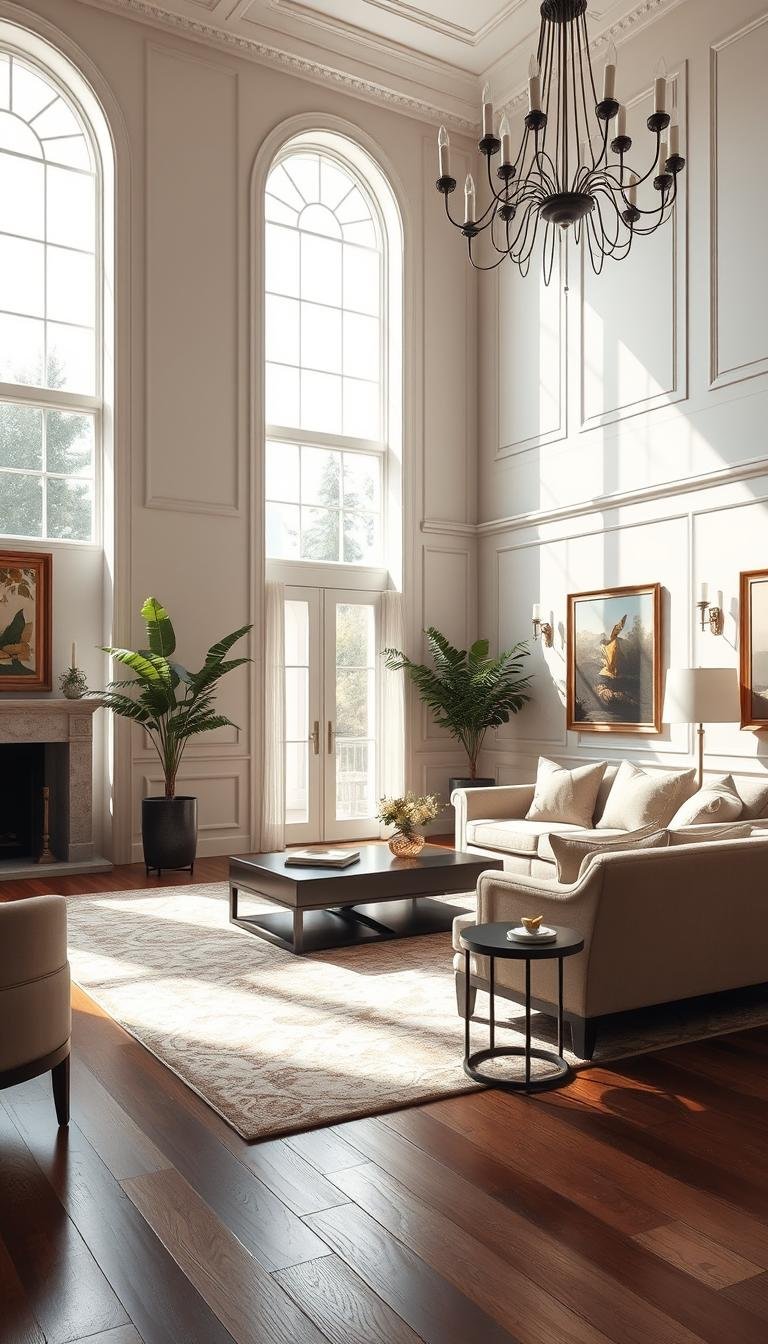
Welcome to your guide on creating a beautiful space that blends timeless elegance with contemporary comfort. This approach combines the warmth of traditional design with clean, simple lines.
This blend creates a timeless aesthetic that feels both inviting and uncluttered. It’s perfect for creating an elegant atmosphere in your home.
We’ll explore practical tips to help you achieve this sophisticated look. From understanding style fundamentals to selecting furniture and accessories.
Whether starting fresh or refreshing your current space, these ideas will inspire you. Create an interior that feels both welcoming and refined.
Get ready to transform your area into a harmonious blend of old and new. Every element works together to create a cohesive, beautiful environment.
1. Understanding Modern Classic Style: The Perfect Blend of Eras
Discover the art of blending time-honored charm with today’s sleek sensibilities. This approach creates interiors that feel both fresh and familiar.
You achieve a timeless aesthetic by balancing detailed craftsmanship with minimalist principles. The result is a space that honors history while embracing contemporary comfort.
What Makes Transitional Style Work
This design philosophy thrives on harmonious contrast. Imagine detailed crown moldings against a streamlined sofa.
The style works because it focuses on shared elements rather than differences. Neutral color schemes help unite pieces from various periods.
Quality always outweighs quantity in this approach. Each piece deserves attention while contributing to the whole room.
Balancing Traditional Warmth with Modern Clean Lines
Start by selecting furniture with simple silhouettes. Place these against traditional architectural elements like wood floors or wainscoting.
Mix eras confidently—a contemporary light fixture above a vintage rug creates exciting visual dialogue. The key is maintaining a common material or color thread throughout your space.
This careful balance produces an environment that feels both elegant and completely livable. Your living area becomes a perfect showcase of thoughtful design.
2. Start with a Neutral Color Foundation
Your color choices set the stage for everything else in your space. A neutral foundation creates harmony between different design elements.
This approach helps diverse pieces work together beautifully. Your room gains a cohesive feel that welcomes both traditional and contemporary items.
Choosing Your Base Palette
Begin with shades that create a calm backdrop. Whites, beiges, grays and soft pastels work wonderfully.
Warmer neutrals like cream or taupe foster coziness. Cooler options like light gray feel more airy and fresh.
Consider the mood you want for your home. Your palette should reflect the atmosphere you wish to create.
Understanding Warm vs. Cool Undertones
Neutral colors contain subtle undertones that affect their appearance. Warm undertones have hints of yellow, red or orange.
Cool undertones show traces of blue, green or purple. These differences significantly impact your space’s feel.
Test colors at different times of day. Natural and artificial light change how colors appear in your room.
| Undertone Type | Color Examples | Room Atmosphere | Best For |
|---|---|---|---|
| Warm | Cream, taupe, warm gray | Cozy, intimate, inviting | Traditional elements, north-facing rooms |
| Cool | Light gray, off-white, slate | Crisp, refreshing, modern | Contemporary pieces, sun-filled spaces |
| Balanced | True beige, greige, oatmeal | Versatile, harmonious, flexible | Mixing styles, whole-home consistency |
Layer different shades within the same tonal family. This adds depth while maintaining harmony.
Your neutral foundation allows bolder pieces to stand out. Artwork and accent furniture become focal points without clashing.
This approach creates a perfect canvas for personal touches. Your space feels both cohesive and uniquely yours.
3. Mix Furniture from Different Periods Thoughtfully
Thoughtfully blending furniture from different eras creates a dynamic and personal space. This approach adds character and depth to your home environment.
Each piece tells a story while contributing to a cohesive overall design. You can achieve a unique aesthetic that reflects your personal taste.
Pairing Modern Pieces with Traditional Architecture
Contemporary furniture creates exciting contrast against traditional architectural elements. A sleek sofa placed in a room with crown moldings makes both styles shine.
Original wood floors provide a warm foundation for clean-lined pieces. The traditional details offer a soft counterpoint to contemporary designs.
Wood and leather accents add warmth and dimension throughout the space. These materials help bridge the gap between different design eras.
Creating Cohesion Through Color and Material
Choose furniture in similar neutral tones to maintain harmony. Recurring materials like wood or metal tie disparate pieces together.
A contemporary coffee table can complement a traditional sofa when they share finishes. This ensures your room feels unified rather than disjointed.
Consider proportion and scale when mixing different styles. Ensure pieces are similarly sized to maintain visual balance.
Use accessories like throw pillows to bridge gaps between eras. Traditional patterns on contemporary chairs enhance harmony throughout your space.
This intentional approach creates a curated environment where each item contributes to the whole. Your area will feel both cohesive and uniquely yours.
4. Let Architectural Details Shine
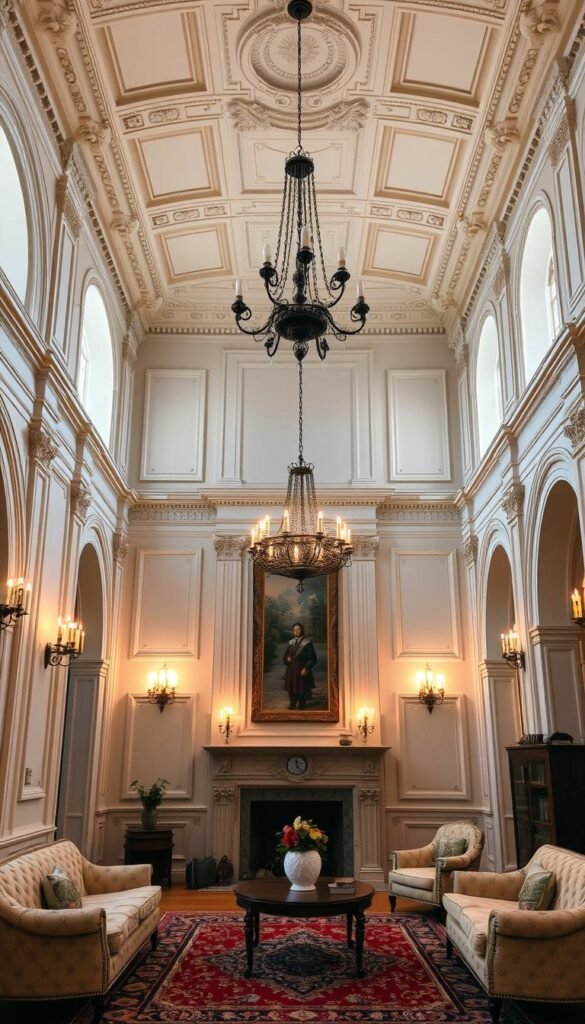
Your architectural features deserve to be the stars of your space. These built-in elements provide character that furniture alone cannot achieve.
When you highlight these details, you create a layered design full of personality. Your home gains depth and historical charm.
Highlighting Moldings and Original Features
Crown moldings and wainscoting add elegance to any room. Built-in bookshelves offer both function and beautiful style.
Use lighting to make these elements pop. Strategically placed sconces create shadows that enhance textures.
Overhead lights can emphasize ceiling details you might otherwise miss. This approach turns architecture into art.
When to Paint Woodwork for a Fresh Look
Consider painting dark or ornate wood for a brighter space. Light neutrals modernize while maintaining character.
Assess the condition and style of existing woodwork first. Well-preserved natural finishes add warmth and authenticity.
Balance painted and unpainted elements for visual interest. Paint window trim but leave hardwood floor natural.
This layered approach creates dimension throughout your living area. Each piece contributes to the overall aesthetic.
Your architectural details become focal points that reduce clutter. The room feels intentional and beautifully clean.
5. Choose Statement Pieces Wisely
Your home deserves pieces that capture attention while maintaining harmony. These focal points become conversation starters that reflect your personal taste.
Selecting Focal Points: Chandeliers and Art
Lighting fixtures and artwork naturally draw the eye upward. A stunning chandelier creates drama while illuminating your entire space.
Art adds personality and completes your walls. Choose pieces that blend traditional subjects with contemporary framing techniques.
Place these elements where they’ll have maximum impact. Above your dining table or centered in the room works beautifully.
Balancing Bold Elements with Simplicity
Let your statement pieces shine against a calm background. A neutral sofa provides the perfect foundation for bold accent chairs.
Limit dramatic items to one or two per area. This prevents visual clutter and maintains a relaxed atmosphere.
Your space should feel both impressive and completely livable. Every element works together to create this balanced aesthetic.
6. Incorporate Modern Classic Living Room Decor for Elegant Homes Through Textiles
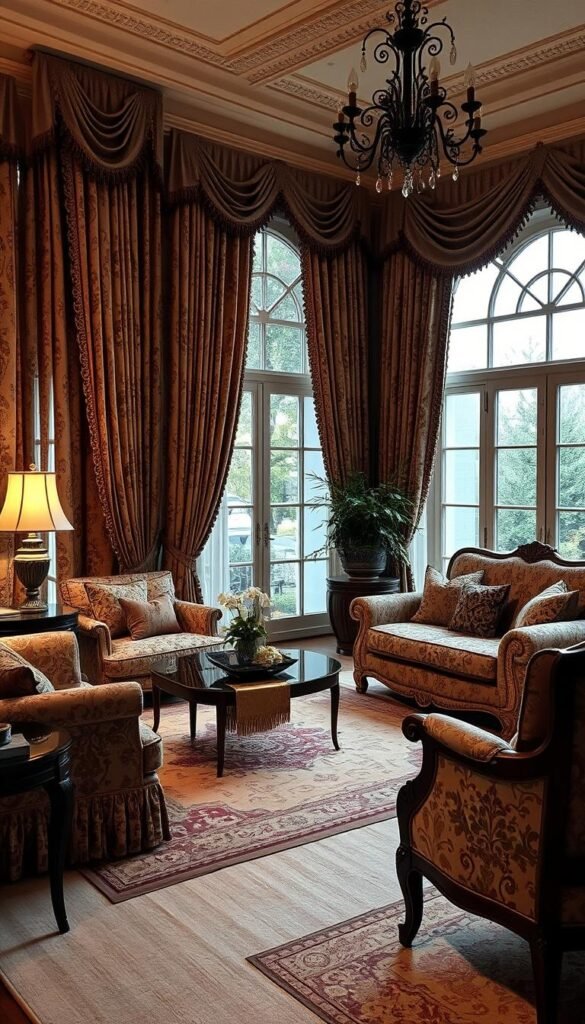
Textiles bring instant warmth and personality to any space, transforming it from ordinary to extraordinary. They create the cozy atmosphere that makes your area feel truly inviting.
Choosing the right fabrics and patterns helps bridge different design eras beautifully. Your selections should enhance comfort while maintaining visual harmony.
Selecting Timeless Patterns and Fabrics
Focus on materials that offer both beauty and durability. Linen, wool, and cotton provide excellent texture while standing up to daily use.
Classic patterns like stripes, herringbone, or subtle florals never go out of style. These designs complement rather than dominate your space.
A traditionalist might pair patterned drapes with an equally bold sofa. Modern approaches let curtains shine against neutral, clean-lined furniture.
Accents in blue and green add pops of color that keep the room lively. These hues remain easy on the eyes while adding visual interest.
Mix textures to create a rich tactile experience. Pair smooth leather with chunky knit blankets or silk pillows with wool rugs.
This approach allows controlled introduction of pattern and color. Your living area feels inviting without becoming overwhelming.
| Fabric Type | Best Uses | Maintenance Level | Style Contribution |
|---|---|---|---|
| Linen | Curtains, slipcovers, pillows | Medium – wrinkles easily | Casual elegance, texture |
| Wool | Rugs, throws, upholstery | Low – naturally stain-resistant | Warmth, traditional appeal |
| Cotton | Slipcovers, curtains, pillows | Easy – machine washable | Versatile, comfortable |
| Silk | Accent pillows, drapes | High – dry clean only | Luxury, sophistication |
Layering Rugs for Depth and Comfort
Create a cozy gathering place by layering plush rugs over hard flooring. This technique adds both visual and physical comfort.
Start with a larger, neutral rug as your foundation. This base layer defines the seating area while providing subtle texture.
Add a smaller, patterned rug on top for dynamic interest. Designer Celerie Kemble used this technique with a sleek flatweave beneath a patterned piece.
The combination creates depth while allowing patterns to play nicely together. Your floor becomes an integral part of the overall design.
This layered approach makes your living room perfect for relaxing and entertaining. The space feels both elegant and completely comfortable.
7. Create Conversation-Friendly Layouts
Your furniture arrangement determines how people interact in your space. Smart layouts encourage connection and make guests feel welcome.
Thoughtful placement creates natural gathering spots. These areas become the heart of your home for daily life and special occasions.
Symmetrical Arrangements for Entertaining
Balance creates visual harmony that feels both intentional and inviting. Matching chairs flanking a fireplace establish perfect symmetry.
This approach works beautifully for formal gatherings. Your guests can easily see and speak with everyone in the group.
Place your main seating pieces facing each other. A sofa and two chairs create a comfortable conversation circle.
Keep the central table low to maintain sightlines across the room. This setup encourages natural dialogue among everyone present.
Multiple Seating Zones in Large Spaces
Large areas benefit from defined conversation nooks. Designer Janie Molster created separate hangout zones in a Florida home.
Each zone serves a different purpose while maintaining cohesion. Performance fabrics allow family members to enjoy every area.
Consider these layout strategies:
- Anchor your primary zone around the fireplace or main window
- Create a reading nook with a comfortable chair and good lighting
- Design a game table area for puzzles or casual dining
- Ensure each space has its own rug and light source
Clear pathways between zones prevent a cluttered feel. Your space remains functional and aesthetically pleasing.
This approach makes your living environment versatile for all occasions. From quiet family nights to lively gatherings with friends.
8. Use Art to Bridge Style Eras
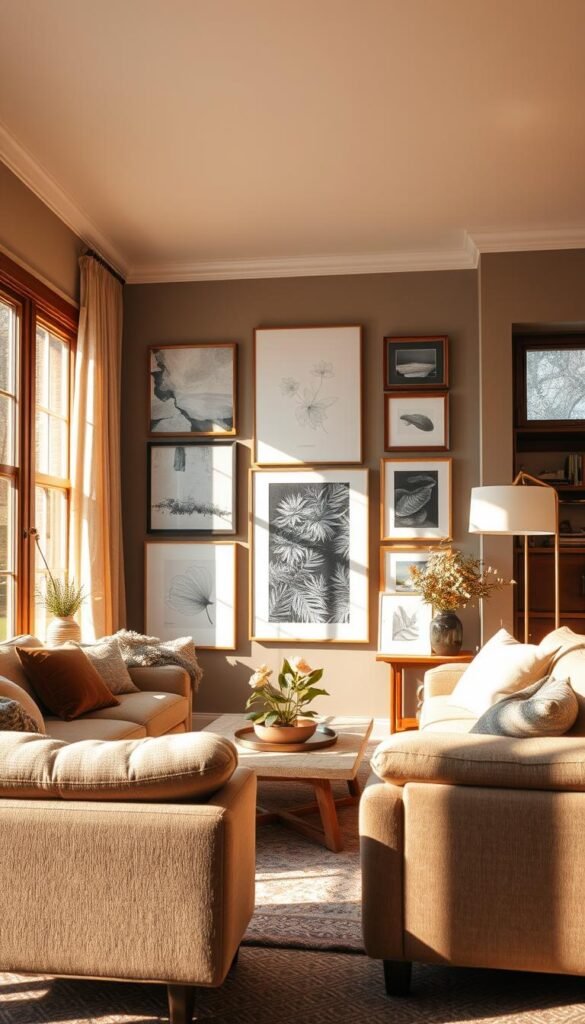
Artwork transforms your walls into a gallery of personal expression. It creates visual connections between different design periods.
Your selections tell a story while enhancing the overall aesthetic. Thoughtful placement makes every piece feel intentional.
Mixing Traditional and Contemporary Art
Combine classic portraits with abstract paintings for dynamic contrast. Shared color palettes create harmony between different styles.
Ornate frames complement sleek contemporary pieces beautifully. This mix adds depth and personality to your space.
Choose artwork that speaks to your personal taste. Your selections should feel authentic rather than purely decorative.
Organic Arrangements vs. Grid Layouts
Free-form groupings feel fresh and modern. They create movement and energy on your walls.
Symmetrical grids offer traditional elegance. This approach feels formal and carefully curated.
Consider these arrangement strategies:
- Cluster pieces with similar colors or themes
- Vary sizes and shapes for visual interest
- Maintain consistent spacing between frames
- Balance large statements with smaller accents
Place artwork above key furniture pieces. A sofa or fireplace makes an ideal backdrop.
Your art becomes a conversation starter. It reflects your unique style while bridging design eras.
9. Select Lighting That Makes a Statement
Lighting transforms your atmosphere more than any other element. It creates mood, defines function, and highlights your favorite features.
Your choices should blend beauty with practical purpose. The right fixtures become both artwork and essential tools.
Modern Fixtures in Traditional Settings
Contemporary lighting creates exciting contrast against classic architecture. A sleek chandelier above traditional moldings makes both elements shine.
Choose fixtures with clean lines but heritage-inspired proportions. This balance feels fresh yet respectful of your space’s character.
Metallic finishes help unite different eras beautifully. Brass or black iron ties new lighting to existing hardware throughout your home.
Using Lighting to Define Spaces
Layer different light types to create depth and function. Overhead fixtures provide general illumination for the entire area.
Task lighting makes specific activities more enjoyable. Table lamps create perfect reading spots beside your favorite chair.
Accent lights highlight architectural details or artwork. This approach makes your environment both practical and visually dynamic.
| Lighting Type | Best Placement | Function | Style Tips |
|---|---|---|---|
| Ambient | Ceiling center, hallway | General illumination | Choose dimmable options for mood control |
| Task | Side tables, desk areas | Reading, working | Match lampshade colors to your palette |
| Accent | Above art, along walls | Highlight features | Use adjustable spots for flexibility |
| Decorative | Focal points, entryway | Visual interest | Scale should complement your furniture |
Consider proportions carefully when selecting fixtures. Your chandelier should complement rather than overwhelm the room.
This thoughtful approach creates a warm, inviting atmosphere. Your space becomes both beautiful and perfectly functional.
10. Incorporate Natural Elements and Organic Shapes
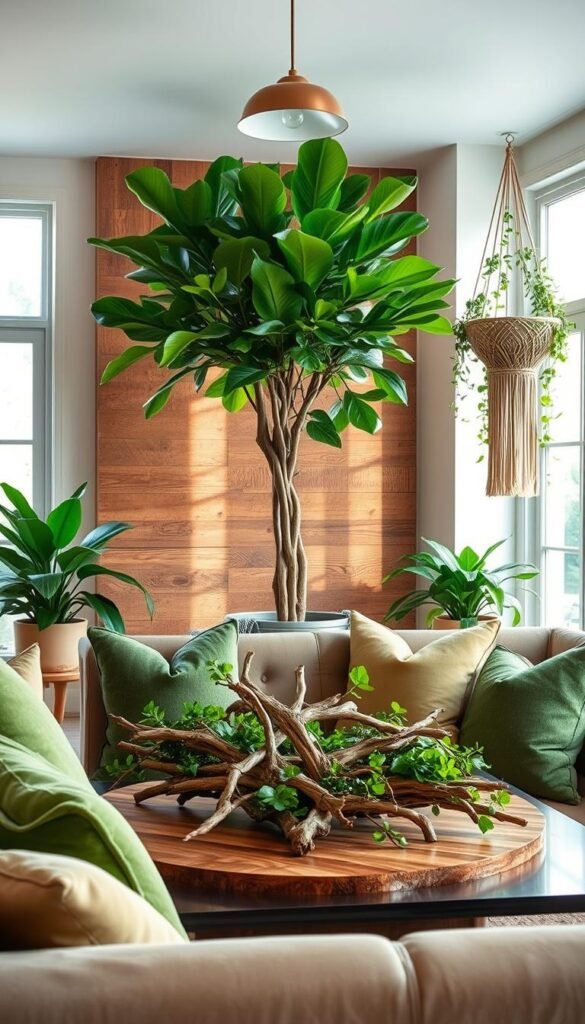
Nature’s touch brings harmony to your interior design like nothing else can. These elements create a grounded feeling that balances both traditional and contemporary styles.
You’ll discover how organic materials add warmth and texture throughout your space. This approach makes your environment feel both elegant and completely inviting.
Wood Accents for Warmth
Wood brings instant warmth and character to any room. It works beautifully with both classic and modern furniture pieces.
Choose finishes that complement your color palette perfectly. Light oak creates a fresh, airy feel while dark walnut adds rich tradition.
Consider these wood applications throughout your living area:
- Hardwood flooring provides a timeless foundation
- Wooden coffee tables anchor seating arrangements
- Accent chairs with natural frames add texture
- Wall paneling creates architectural interest
Mix wood tones carefully for a cohesive look. Similar undertones help different pieces work together harmoniously.
Nature-Inspired Decor and Patterns
Organic shapes and patterns bring vitality to your space. Botanical prints on textiles introduce natural motifs beautifully.
Stone accents create wonderful texture alongside wood elements. A marble side table pairs elegantly with upholstered furniture.
Houseplants transform your room’s atmosphere completely. They improve air quality while adding life and movement.
| Wood Type | Best Applications | Color Tone | Style Pairing |
|---|---|---|---|
| Light Oak | Flooring, modern furniture | Warm blonde | Contemporary pieces, light walls |
| Dark Walnut | Traditional furniture, accents | Rich brown | Classic designs, neutral palette |
| Reclaimed Wood | Accent walls, rustic pieces | Varied patina | Industrial mix, character spaces |
| Teak | Outdoor-indoor pieces | Golden brown | Transitional style, durable use |
Fresh flowers add seasonal color and fragrance. Low-maintenance plants like succulents thrive with minimal care.
This natural approach creates a living room that feels both refined and relaxing. Your space becomes a perfect blend of elegance and organic warmth.
11. Work with Your Fireplace as a Focal Point
Your fireplace naturally draws attention and anchors your entire space. This architectural feature sets the tone for your whole room.
Whether traditional or contemporary, it deserves thoughtful styling. Your approach can blend eras while maintaining harmony.
Modernizing Traditional Fireplaces
Painting an existing fireplace creates dramatic transformation. Black or gray paint introduces contemporary style instantly.
This update coordinates beautifully with dark windows and accessories. It creates a cohesive look throughout your area.
Consider sleek materials for the mantel or surround. Modern tiles refresh the entire feature’s appearance.
Vaulted wood ceilings and brick create stunning backdrops. These elements highlight modern furniture perfectly.
Mantel Decor That Bridges Styles
Your mantel offers the perfect platform for creative expression. Mix traditional and contemporary items for dynamic interest.
Place a modern sculpture beside classic candlesticks. A vintage mirror pairs wonderfully with minimalist vases.
This approach creates visual dialogue between different eras. Your piece becomes a conversation starter.
Consider these arrangement strategies:
- Balance height and scale for visual harmony
- Use similar colors to unite different items
- Leave negative space to prevent clutter
- Rotate decorations seasonally for fresh appeal
Flank your fireplace with matching chairs or shelves. This creates symmetry and enhances the focal point.
Arrange seating around this feature to encourage conversation. Your living room becomes warm and inviting.
This thoughtful approach ensures your fireplace remains functional and beautiful. It blends seamlessly with both modern and traditional elements.
Your home gains character and charm through this centerpiece. The overall aesthetic feels both elegant and comfortable.
12. Choose Window Treatments That Balance Pattern and Simplicity
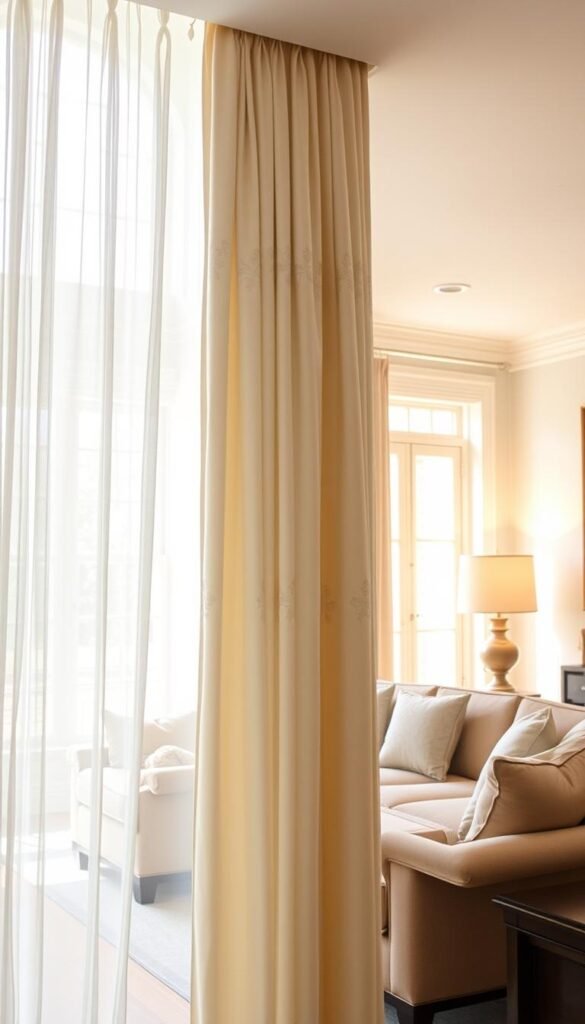
Your window dressings complete the picture while controlling light and privacy. They frame your views beautifully while contributing to the overall aesthetic.
These elements can either blend seamlessly or make a bold statement. The right choice depends on your personal style and the room’s existing features.
Letting Bold Drapery Shine
Statement curtains become instant focal points when done correctly. Choose classic patterns like stripes or subtle florals for timeless appeal.
Pair dramatic drapes with understated furniture for balance. A neutral sofa allows patterned window treatments to take center stage.
Blue and green accents add refreshing color without overwhelming. These hues keep the space lively while remaining easy on the eyes.
Consider multilayered approaches for added depth and texture. Tiebacks and swags introduce elegant details that enhance traditional design.
Modern Hardware for Traditional Windows
Update older windows with contemporary hardware for fresh appeal. Sleek metal rods and minimalist brackets blend functionality with style.
Choose finishes that complement existing elements throughout your home. Black iron or brushed nickel works with both classic and contemporary pieces.
This approach maintains historical charm while introducing modern sensibility. Your windows become beautiful features rather than just functional elements.
| Treatment Type | Best For | Light Control | Style Impact |
|---|---|---|---|
| Roman Shades | Clean lines, layered looks | Medium – adjustable | Structured, tailored appearance |
| Floor-Length Drapes | Traditional elegance, drama | Full with liners | Grand, luxurious feel |
| Sheer Curtains | Softening light, privacy | Light diffusion | Airy, romantic atmosphere |
| Wood Blinds | Natural texture, warmth | Complete control | Organic, grounded aesthetic |
Consider function alongside aesthetics when selecting treatments. Blackout liners offer privacy and light control for evening hours.
Sheer fabrics soften daylight while maintaining brightness. This layered approach provides versatility throughout different times of day.
Your window dressings should enhance rather than dominate the space. They contribute to a polished, cohesive look that feels intentional.
This careful selection adds the final touch of sophistication to your home. Your living environment becomes both beautiful and perfectly functional.
13. Incorporate Vintage and Antique Pieces Strategically
Your home gains soul when you add pieces with history and character. These treasures create a layered design that feels both personal and polished.
They bridge generations in your space, blending old-world charm with today’s comforts. The right vintage items make your room uniquely yours.
Curating Meaningful Collections
Choose pieces that tell your story or hold special meaning. Family heirlooms add emotional depth to your home.
Travel souvenirs bring global inspiration to your walls. Curated finds from antique shops offer unique character.
Look for handmade details that show craftsmanship. These elements add texture and authenticity throughout your area.
Symmetrical Display of Antiques
Create balance by placing matching pieces on either side. Flank your fireplace with identical vintage vases.
Arrange antique frames in a grid pattern on your walls. This orderly approach prevents visual clutter.
Mix eras confidently to avoid a dated look. Pair an antique coffee table with a contemporary sofa.
This balanced aesthetic feels both curated and comfortable. Your living environment honors the past while feeling fresh.
14. Play with Scale and Proportion
Mastering scale and proportion transforms your space into a balanced and inviting environment. These principles help every element work together beautifully.
You create visual harmony when pieces relate well to each other and the room. This approach makes your area feel both intentional and comfortable.
Low Furniture to Highlight High Ceilings
Choose low-profile pieces to emphasize vertical space in rooms with tall ceilings. This technique draws the eye upward and enhances the grandeur of your architecture.
A streamlined sofa or platform bed makes vaulted ceilings feel even more dramatic. Your room gains an open, airy feel that’s both impressive and welcoming.
Designer Adam Ben Wagner used this approach with a stone fireplace. Low modern furniture showcased traditional features beautifully.
Oversized Pieces in Balanced Arrangements
Large items like sectionals or statement tables need careful placement. Arrange them to serve function without overwhelming the space.
Consider using two smaller coffee tables instead of one large piece. This provides ample surface area around seating while maintaining visual balance.
Mix different scales to add dynamism throughout your room. Pair a substantial sofa with slender side tables or delicate chairs.
This contrast creates interest while maintaining overall harmony. Your space feels curated rather than cluttered.
Always consider your room’s architecture when selecting furniture. Tall ceilings welcome low pieces while compact areas need appropriately sized items.
This thoughtful approach maximizes both aesthetics and functionality. Your living environment becomes perfectly proportioned and inviting.
15. Add Texture Through Various Surfaces
Texture transforms your environment into a rich, tactile experience that engages all senses. It adds depth and character beyond color and pattern alone.
Thoughtful textural combinations create visual interest and physical comfort. Your space becomes more inviting through varied surfaces and finishes.
Mixing Materials: Wood, Leather, Metal
Combine different materials to create dynamic contrast throughout your area. A smooth leather sofa pairs beautifully with a nubby wool throw.
Wood accents bring natural warmth to metal or glass pieces. The grain in a coffee table adds organic texture against sleek surfaces.
Consider these material combinations:
- Matte wood tables with glossy metal lamps
- Soft fabric chairs beside hard stone surfaces
- Aged finishes on hutches against smooth walls
- Natural fiber rugs over polished floors
Each material contributes its own unique feel and appearance. Your room gains dimension through these thoughtful pairings.
Textural Contrast in Fabrics and Finishes
Layer fabrics with different weaves and patterns for added comfort. Silky cushions on a rough linen sofa create wonderful contrast.
Traditional motifs like floral patterns offer visual texture. These designs ground your space in timeless appeal.
Choose durable materials for high-traffic zones. Softer textiles work perfectly in cozy seating areas.
This approach ensures both beauty and functionality throughout your home. Every surface serves a purpose while enhancing aesthetics.
Your environment becomes luxurious and completely comfortable. It feels curated yet welcoming for daily life and entertaining.
16. Bringing It All Together: Your Complete Modern Classic Living Room
Your journey to a harmonious space culminates in this final review. Step back and admire how each element works together beautifully.
Check that colors, materials, and styles blend seamlessly. Ensure your furniture arrangement promotes easy movement and conversation.
Add final touches like art or accessories to complete the look. Your home should reflect personal taste while feeling balanced.
Enjoy this timeless aesthetic that blends eras perfectly. It creates an elegant yet comfortable environment for daily life.
Share your space with pride and continue refining it over time. May your beautiful room bring years of inspiration and joy.