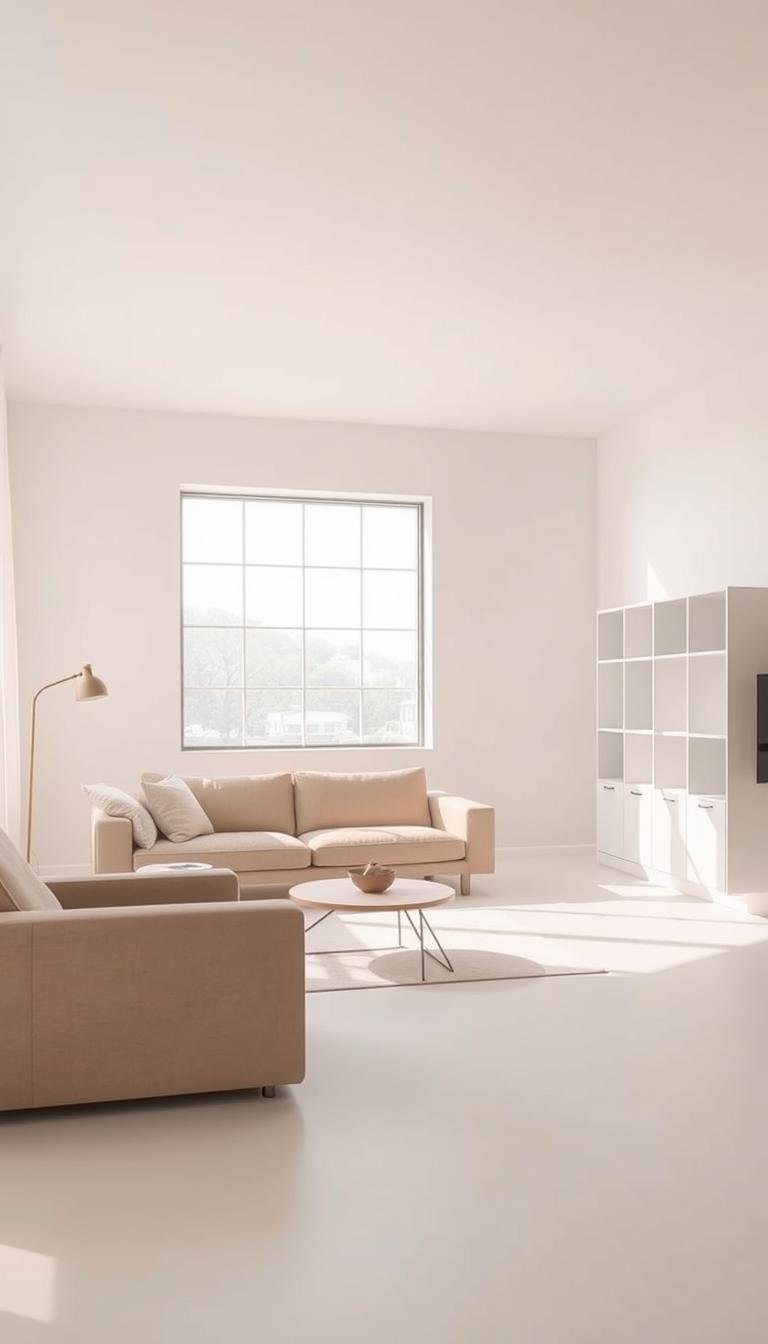
Welcome to your guide on creating a minimalist space that feels both open and inviting. Many people dream of a home that breathes calm and order.
Thoughtful design choices can turn your main gathering area into a clutter-free sanctuary. You will learn practical ways to make the most of your available square footage.
This approach focuses on quality over quantity. It brings lasting comfort and true style to your everyday life.
These principles help reduce visual noise. They create a more peaceful environment for you and your family.
Our strategies work for various sizes and layouts. You can implement them to reflect your unique personality.
Minimalism does not mean giving up coziness. It’s about choosing what truly matters for your home.
Embrace Furniture with Soft, Space-Enhancing Curves
Curved furniture brings a gentle flow to your home. It makes your space feel more open and inviting.
These pieces add elegance without clutter. They guide the eye smoothly around the room.
Select a Curved Sofa for a Welcoming Feel
A curved sofa creates a cozy spot for relaxation. It takes up less visual space than angular options.
Designer Sarah Stacey used one to make a charming corner. Her work shows how curves add soft elegance.
This type of sofa fits well in tight areas. It helps you nestle comfortably into any layout.
Incorporate Rounded Nesting and Side Tables
Nesting tables with rounded edges offer flexible use. You can arrange them together or apart as needed.
They store compactly when not in use. A stone side table adds nice texture next to soft curves.
These pieces keep your area feeling uncluttered. They provide function without bulk.
Balance Curves with Textural Wall and Floor Elements
Pair curved furniture with textured rugs or wall treatments. This creates depth and harmony in your design.
Patterns on floors or walls add interest. They keep the room from feeling too plain.
This balance makes your space feel complete. It combines soft shapes with rich textures beautifully.
Make Your Windows the Star of the Room
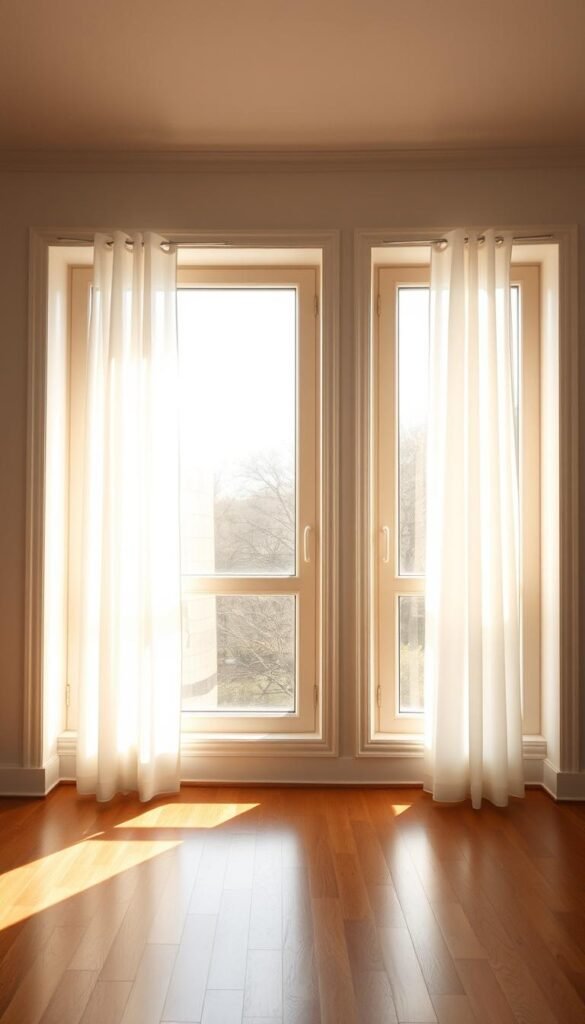
Your windows can become the beautiful centerpiece of your home. They offer more than just views of the outside world.
When treated thoughtfully, these architectural features bring incredible value. They transform your space with brightness and visual depth.
Designer Sam Sacks mastered this approach beautifully. He used neutral colors and rich textures to let a stunning window take center stage.
Choose Neutral Tones to Highlight the View
Select soft, neutral colors around your window area. This makes the outdoor scenery pop like natural artwork.
Keep window treatments simple or go without them entirely. This maximizes how much natural light enters your home.
Position your seating to enjoy both the view and the illumination. Oversized windows work especially well as primary design elements.
Layer in Textures with Throws and Light Fixtures
Add cozy textures near your windows for extra comfort. Faux fur throws create warmth without visual clutter.
Choose pendant lights or lantern fixtures that complement the space. They should enhance rather than block the precious light.
This layered approach adds depth and character to your design. It makes your window feel like an intentional focal point.
Add Personality with a Cost-Effective Wall Mural
Transform your space with a stunning mural that adds character without breaking the bank. This approach offers a creative way to make your home feel unique and inviting.
Unlike expensive renovations, wall art provides instant impact. It turns a plain surface into a captivating focal point.
Designer Sarah Stacey mastered this technique beautifully. She used a crane-themed mural to bring organic elegance to a room.
Select a Mural That Complements Your Space
Choose designs that match your existing color scheme and furniture. This creates harmony throughout your home.
Smaller-scale murals make a visual impact without overwhelming. They’re more budget-friendly than full-wall applications.
Nature-inspired patterns like cranes or botanical motifs add organic elegance. They bring calming energy to your environment.
For more inspiration on affordable artwork solutions, explore these budget-friendly artwork ideas that work in any room.
Layer Tall Curtains for Height and Elegance
Pair your mural with floor-to-ceiling curtains for added drama. This combination creates vertical emphasis and height.
The layered look adds sophistication without clutter. It frames your wall art beautifully while enhancing the room’s proportions.
Sarah Stacey used this technique to achieve elegant results. The curtains complemented her crane mural perfectly.
This approach shows how murals can stand alone as focal points. You won’t need additional decor items to complete the look.
Opt for an Oversize Sectional for Ample Seating
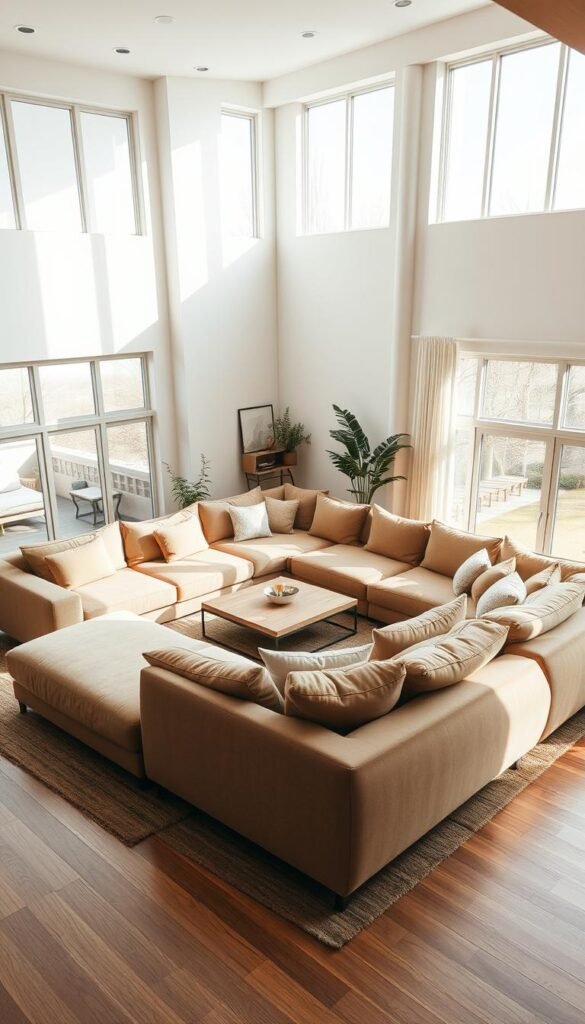
Choosing a large sectional can transform your seating area into a cozy and functional hub. This single piece offers incredible versatility for both everyday use and entertaining guests.
Designer Alexander Reid demonstrated this concept brilliantly. He used a giant sectional that occupies most of the floor area while maintaining an open feel.
The high vaulted ceilings in his project helped enhance the spacious effect. Even in rooms with standard heights, the right sectional creates similar benefits.
How a Large Sectional Prevents a Cramped Feel
One substantial sectional provides maximum seating without multiple pieces. This approach creates visual harmony throughout your space.
Clean lines and minimal visual weight prevent overwhelming the room. The right proportions make your area feel intentional and well-planned.
Position your sectional to define the seating zone without blocking pathways. This maintains good traffic flow while establishing a clear purpose for the area.
“A well-chosen sectional acts as an anchor point that organizes the entire room around comfort and conversation.”
Designers like Alexander Reid use sectionals as space-defining elements. They eliminate the awkwardness of trying to coordinate multiple seating options.
The right choice creates a natural gathering spot. It encourages connection while maintaining a clean aesthetic.
| Sectional Type | Best For Room Size | Seating Capacity | Visual Impact |
|---|---|---|---|
| L-Shaped | Medium to Large | 4-5 people | Defines corners well |
| U-Shaped | Large to Extra Large | 6-8 people | Creates enclosed feeling |
| Chaise | Small to Medium | 3-4 people | Modern and streamlined |
| Modular | Any size | Customizable | Flexible arrangement |
Consider your existing layout when selecting a sectional. Measure carefully to ensure proper scale and proportion.
The perfect sectional should complement your space rather than dominate it. You’ll enjoy both the functionality and the improved look it brings to your home.
Infuse Character with Boldly Painted Trim
Your room’s trim offers a powerful opportunity to express personality. Designer Alexander Reid demonstrated this beautifully by choosing a bold paint color for the trim.
This approach brings distinctive character without overwhelming your space. It creates a sophisticated accent that frames your entire room.
The technique maintains openness while adding visual interest. You get personality without sacrificing your clean aesthetic.
Choosing the Right Bold Color for Your Space
Select trim colors that complement your existing wall color. Deep blues create a dramatic yet calming effect.
Rich greens bring nature-inspired elegance to your interior. Dramatic blacks make a strong architectural statement.
These choices reflect your personal style while maintaining minimalist principles. They add distinctive character without clutter.
Colored trim frames your space beautifully. It avoids the commitment of full-wall color while creating impact.
This technique highlights architectural features and defines room boundaries. It guides the eye around your space with intention.
Designers like Alexander Reid use trim to inject personality neutrally. The approach maintains your desired open vibe.
It adds visual interest without introducing additional pieces. Your room feels complete yet uncluttered.
| Trim Color | Best Wall Pairings | Room Effect | Style Vibe |
|---|---|---|---|
| Deep Blue | White, Light Gray | Dramatic yet calming | Coastal elegance |
| Rich Green | Cream, Beige | Nature-inspired | Organic modern |
| Dramatic Black | All neutrals | Architectural focus | Urban sophistication |
| Warm Terracotta | Off-white, Tan | Earthly warmth | Desert contemporary |
Test your chosen color on a small section first. Observe how it looks at different times of day.
The right trim color transforms ordinary features into design statements. It creates harmony throughout your space.
Create a Jewel Box Effect with Layered Patterns
Pattern layering transforms compact areas into stunning, intentional spaces. This technique adds depth and personality without creating visual chaos.
The design team at French & French Interiors mastered this approach beautifully. They used rich blue patterns and solid hues to create a gorgeous jewel box effect.
Mixing Busy Patterns for a Cohesive Look
Start with a coordinated color family for all your patterns. This creates harmony throughout your space.
Mix different pattern scales for visual interest. Combine large-scale prints with smaller delicate designs.
Choose one dominant color scheme to tie everything together. This approach prevents your space from feeling disjointed.
Balance busy patterns with solid-colored elements. This prevents visual overload while maintaining interest.
Pattern layering makes small spaces feel intentionally designed. It transforms ordinary rooms into special, jewel-like environments.
Learn from experts like French & French who create rich, patterned spaces. Their work shows how patterns can elevate your design.
| Pattern Type | Best Placement | Visual Impact | Room Size Suitability |
|---|---|---|---|
| Large-scale prints | Area rugs, curtains | Makes bold statement | Medium to large rooms |
| Small delicate patterns | Throw pillows, artwork | Adds subtle texture | All room sizes |
| Geometric designs | Accent chairs, wall art | Creates modern edge | Small to medium rooms |
| Organic motifs | Wallpaper, textiles | Brings natural feel | Any room size |
This way of combining patterns creates a cohesive look that feels both curated and comfortable. The right mix of colors and textures makes your space truly special.
Experiment with different combinations to find what works for you. Your layered patterns will create a unique and inviting atmosphere.
Neutralize Your Decor for a Light and Airy Vibe
Creating a bright and open atmosphere starts with your color choices. Neutral palettes bring calm and airiness to any area.
Designer Hannah Ozburn mastered this approach with patterned Roman shades. She avoided an all-white scheme while keeping the space cozy.
This technique prevents your home from feeling cold or cave-like. It adds warmth through texture and subtle pattern.
Using Patterned Neutrals to Avoid a Cave-Like Feel
Choose neutral color families that include beige, cream, taupe, and soft gray. These tones reflect light beautifully throughout your room.
Incorporate pattern through textiles like Roman shades, pillows, or area rugs. This adds visual interest without introducing color clutter.
Patterned neutrals maintain visual warmth in your scheme. They create depth while keeping the overall feeling light.
Select materials with subtle texture to enhance your neutral decor. Woven fabrics and natural fibers add tactile interest.
Light-reflecting surfaces help avoid the “cave effect.” Consider matte finishes that diffuse illumination softly.
Designers like Hannah Ozburn use pattern to enhance neutral spaces. Their work shows how texture creates comfort without darkness.
“Neutral patterns provide visual rhythm that makes a room feel designed rather than decorated.”
This approach creates a calming backdrop for your lifestyle. Your space feels intentional yet completely relaxing.
Experiment with different neutral combinations to find your perfect balance. You’ll create a sanctuary that feels both airy and inviting.
Utilize Vertical Space with Shelving Above Windows
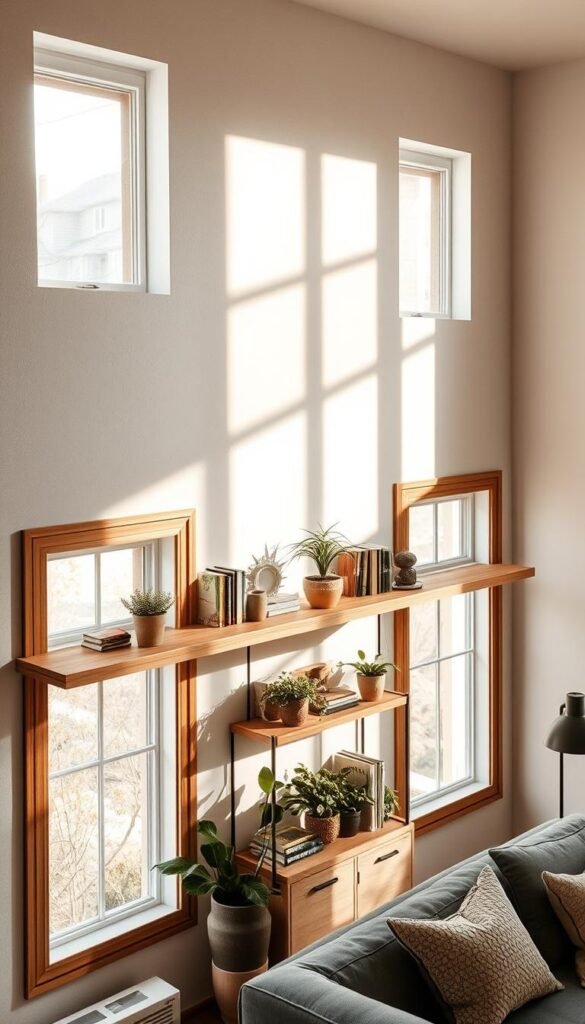
Look up to discover hidden potential in your home. The area above windows often goes unused, waiting for your creative touch.
Designer Serena Dugan transformed this overlooked space beautifully. She installed bookshelves above windows to display paperbacks without crowding the room.
Styling Your High Shelves for Maximum Impact
Choose shelving materials that match your existing style. Wood, metal, or glass can complement your aesthetic perfectly.
Curate items thoughtfully for your display. Books, plants, and decorative objects create visual interest.
Arrange your things in intentional groupings. This prevents clutter while adding personality to the wall.
High shelving draws eyes upward, creating height perception. It makes your room feel more spacious and airy.
This approach offers smart storage solutions. Keep essentials accessible but out of main sightlines.
Follow designers like Serena Dugan who master above-window place usage. Their work shows how vertical space can transform your home.
Define Your Space by Painting the Ceiling
Your ceiling offers an incredible opportunity to shape your home’s atmosphere. Often called the “fifth wall,” it can transform how you experience your entire area.
Designer Suzanne Kasler demonstrated this beautifully. She painted a ceiling deep blue with subtle gloss to define a smaller living space in an open layout.
This technique creates visual boundaries without physical barriers. It adds sophistication while making your room feel more spacious.
Selecting a Color and Finish for Your Fifth Wall
Choose ceiling colors that complement your existing decor. Deep blues and greens add relaxing elegance without visual weight.
Consider finishes with slight gloss to reflect light. This creates height perception and brightens your entire space.
These choices help section off areas in open-concept homes. They provide definition while maintaining an airy feel.
Colored ceilings become stunning design features. They draw eyes upward and create memorable impressions.
Your ceiling treatment affects how people perceive room size. Lighter tones generally expand space visually.
Darker colors add cozy intimacy to larger areas. They make tall ceilings feel more human in scale.
“A thoughtfully painted ceiling adds architectural interest and defines spaces in ways furniture alone cannot achieve.”
Test your color choice at different times of day. Observe how natural and artificial light change its appearance.
This approach lets you experiment with bold choices safely. You can always repaint if the effect isn’t quite right.
| Ceiling Color | Room Effect | Best For Room Size | Finish Recommendation |
|---|---|---|---|
| Soft Sky Blue | Expands space, adds serenity | Small to medium | Eggshell or satin |
| Deep Navy | Adds sophistication, defines area | Medium to large | Semi-gloss |
| Warm Gray | Creates cozy modern feel | Any size | Matte or eggshell |
| Soft Green | Brings nature-inspired calm | Small to medium | Satin |
Your ceiling deserves as much attention as your walls and floor. Treating it as a design element completes your space beautifully.
This approach works wonderfully in homes with open layouts. It helps create distinct zones without construction.
You’ll enjoy how a painted ceiling transforms your entire room. It adds personality while maintaining clean lines.
Bathe Your Room in a Cozy, Relaxing Hue
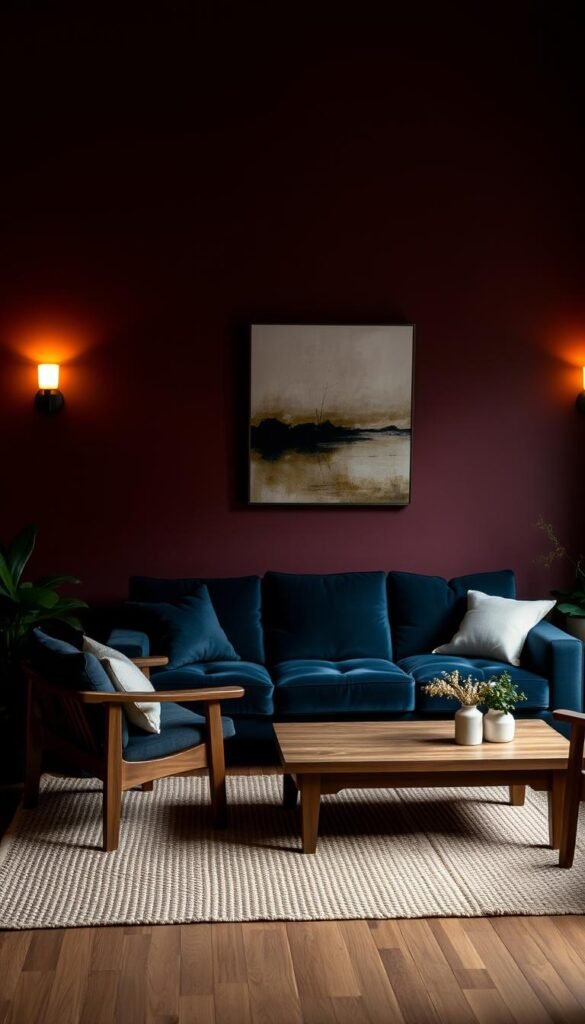
Dark colors can transform your area into a snug retreat. Many people avoid deep shades, fearing they might make spaces feel smaller.
This approach actually creates wonderful intimacy. It turns your gathering spot into a personal sanctuary.
Experimenting with Dark, Soothing Colors
Try rich, saturated hues for a cocoon-like effect. Sage green brings nature’s calm inside your home.
Navy blue offers deep sophistication. Charcoal gray provides a modern, secure vibe.
Designer Amber Lewis used dark sage green in a TV area. Her work shows how these colors create unexpected comfort.
Balance dark walls with proper lighting. This prevents the space from feeling too closed-in.
Use lamps and natural light sources wisely. They keep the atmosphere inviting rather than heavy.
Color experimentation dramatically changes how you experience your area. Soothing hues contribute to peaceful environments.
This technique works beautifully in smaller spaces. It adds personality while maintaining clean aesthetics.
Find Unique and Creative Storage Solutions
Smart storage keeps your home organized and spacious. You can hide essentials while maintaining a clean look.
Designer Liz Dutton found clever ways to store items. She used the area under low furniture for books and magazines.
This approach helps you maximize every inch. It prevents clutter from building up in visible spots.
Utilizing the Space Under Low Furniture
Low coffee tables offer hidden storage potential. You can tuck baskets or books underneath easily.
Choose pieces with open bases or slender legs. This creates accessible space for your belongings.
Liz used an antique table for this purpose. She kept reading material handy but out of sight.
Small side tables can hold drinks or remote controls. They serve multiple functions without crowding.
Keeping Walkways Clear for an Open Layout
Clear pathways make your area feel larger. They allow easy movement throughout the room.
Arrange your furniture to maintain open traffic flow. This improves both function and appearance.
Your layout should prioritize movement space. Keep main walking areas free of obstacles.
This technique works especially well in compact homes. It creates breathing room where square footage is limited.
| Storage Solution | Best For | Space Saved | Visual Impact |
|---|---|---|---|
| Under-table baskets | Books, magazines | High | Completely hidden |
| Ottoman with storage | Blankets, pillows | Medium | Discreet and functional |
| Floating shelves | Decor, small items | Low | Minimal and airy |
| Multi-functional furniture | Various items | High | Clean and intentional |
Creative storage solutions transform how you use your home. They keep your floor space open and inviting.
You’ll enjoy both the practicality and the improved appearance. Your area will feel more organized and spacious.
Save Floor Space by Wall-Mounting Your TV
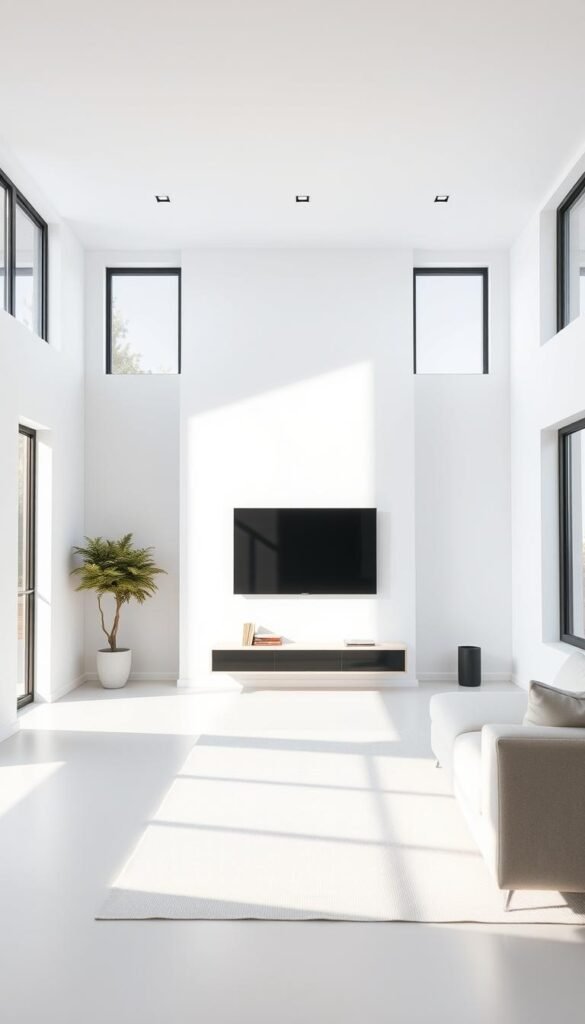
Elevate your viewing experience while keeping your area open and uncluttered. Mounting your television on the wall creates a sleek, modern aesthetic that enhances your entire room.
This approach eliminates bulky media consoles and stands. You gain valuable square footage for other uses.
Designer Rasheeda Gray expertly used this technique for clients. She mounted a large screen flush to the wall, preventing the room from feeling tight.
Achieving a Flush, Streamlined Look
Choose mounting systems that sit close to the surface. This creates an integrated appearance that blends seamlessly with your wall.
Flush mounts make your television appear like part of the architecture. They provide a clean, intentional design that feels custom.
Conceal all cables and cords for a polished finish. Use in-wall channels or discreet management systems to hide wires completely.
Professional installation ensures perfect alignment and safety. Experts like Rasheeda Gray achieve seamless results that look built-in.
This method works wonderfully in compact homes. Large screens become possible without sacrificing precious floor space.
Your room maintains its airy, open feel. Technology integrates beautifully without disrupting your aesthetic.
| Mount Type | Best For Wall Material | Installation Complexity | Visual Result |
|---|---|---|---|
| Fixed Flush Mount | Drywall, Studded | Moderate | Seamless integration |
| Low-Profile Articulating | Concrete, Brick | Advanced | Nearly flush with slight tilt |
| Full-Motion Flush | Reinforced Drywall | Professional recommended | Clean lines with flexibility |
| Recessed In-Wall | New construction | Complex | Completely built-in appearance |
Consider your wall structure before choosing a mount. Different materials require specific hardware and installation techniques.
This approach transforms how you experience entertainment. Your space feels more open and intentionally designed.
Foster Connection with a Conversational Seating Layout
Your furniture arrangement plays a huge role in how people interact. When you position pieces to face each other, you create an environment that encourages talking and connection.
Designer Amanda Jacobs understood this perfectly. She turned chairs toward the couch so family members could comfortably sit and converse.
This approach focuses on human interaction rather than television placement. It transforms your space into a true gathering spot.
Arranging Chairs and Sofas to Face Each Other
Position your main sofa and complementary chairs to create a welcoming circle. This setup makes everyone feel included in conversations.
Keep seating distances close enough for easy talking. About four to eight feet works well for most spaces.
This layout creates intimate areas that encourage interaction. People naturally connect when they can see each other comfortably.
Your furniture placement affects social dynamics dramatically. Facing arrangements promote engagement and togetherness.
Prioritize human connection in your planning process. Think about how people will actually use the space daily.
Designers like Amanda Jacobs create socially-oriented environments. Their work shows how thoughtful arrangements enhance functionality.
“Furniture that faces each other transforms a room from a viewing area to a connecting space where relationships flourish.”
Conversational layouts make your living area more functional. They support both casual chats and deeper discussions.
This approach works beautifully in various room sizes. You can adapt it to fit your specific place perfectly.
| Seating Distance | Conversation Type | Ideal For | Furniture Suggestions |
|---|---|---|---|
| 4-6 feet | Intimate talks | Small groups | Armchairs, loveseats |
| 6-8 feet | Group discussions | Family gatherings | Sofas, sectionals |
| 8-10 feet | Casual socializing | Entertaining | Modular pieces |
| Variable | Flexible use | Multi-purpose rooms | Mobile chairs, ottomans |
For more inspiration on effective arrangements, explore these living room layouts that balance style and function.
Experiment with different configurations to find what works best. Your efforts will create a space where people truly connect.
Invest in Quality Furniture That Ages Gracefully
Your furniture choices today shape how your home feels for years to come. Designer Ashley Gilbreath understood this perfectly when selecting pieces for her projects.
She chose items that improve with time rather than wear out. This approach turns even compact spaces into special areas you’ll love forever.
Selecting Timeless Pieces for Your Space
Focus on furniture made from solid materials like hardwood or quality leather. These substances develop beautiful character marks over decades.
Choose classic shapes that avoid fleeting trends. Simple silhouettes remain relevant through changing styles.
Invest in key items like your main seating first. A well-made sofa serves as the foundation of your entire design.
Ashley Gilbreath’s work shows how investment pieces elevate any room. They bring sophistication that mass-produced items cannot match.
“Quality furniture tells a story through its evolving patina and becomes more valuable emotionally with each passing year.”
Understand the difference between temporary fashion and enduring style. Timeless design focuses on proportion and material honesty.
Natural wood grains become richer with proper care. Leather develops a unique glow that synthetic materials cannot replicate.
Your home gains personality through these evolving surfaces. Each scratch and wear pattern adds to your space’s narrative.
This approach creates environments that feel both curated and comfortable. You surround yourself with pieces that truly improve with age.
Choose a Warm and Welcoming Minimalist Design
Many people worry that minimalist spaces might feel cold or sterile. The truth is quite different when you approach it thoughtfully.
Designer Brian Paquette created a beautiful Nordic-inspired area that feels both clean and cozy. He proved that warmth and simplicity can work together perfectly.
This approach focuses on creating comfort through careful material choices. You get the benefits of clean organization without sacrificing coziness.
Incorporating Natural Textures and Elements
Natural materials bring instant warmth to any space. Wood surfaces add organic character that synthetic materials cannot match.
Leather develops a beautiful patina over time. Stone elements provide earthy grounding to your overall design.
These materials prevent your space from feeling impersonal. They create visual interest through their natural variations.
Textiles play a crucial role in adding softness. Woven blankets and organic fabrics introduce comforting textures.
Brian Paquette used these elements to avoid sterile minimalism. His work shows how natural materials create welcoming environments.
Even within a limited color palette, warmth emerges through material choices. You maintain clean lines while adding organic character.
Color temperature significantly affects how your space feels. Warm neutrals like beige, cream, and soft taupe create cozy atmospheres.
These tones work beautifully with natural light. They reflect illumination softly throughout your area.
The right color choices prevent your minimalist space from feeling cold. They add visual warmth without introducing clutter.
Balance is key when working with warm minimalism. Clean architectural lines provide structure for organic elements.
Your space feels both intentional and inviting. This approach creates environments people actually want to spend time in.
| Natural Material | Best Application | Warmth Factor | Maintenance Level |
|---|---|---|---|
| Solid Wood | Furniture, flooring | High | Moderate |
| Natural Leather | Seating, accents | Medium-High | Low |
| Stone Elements | Tables, fireplace | Medium | Low |
| Woven Textiles | Throws, rugs | High | Medium |
Consider how materials age when making selections. Quality wood and leather actually improve with time.
They develop character marks that tell your home’s story. This evolution adds depth to your minimalist design.
Natural elements work beautifully with abundant natural light. They create environments that feel both clean and comforting.
You’ll enjoy spaces that welcome you home every day. They provide peace without sacrificing personality.
Your Path to a Clutter-Free and Spacious Sanctuary
You now have all the tools to create your perfect peaceful retreat. These principles work together to build harmony in your home.
Start implementing changes gradually. Focus on one area at a time for best results.
Remember that this approach is about making intentional choices. It’s not about giving things up, but rather choosing what truly matters.
Your new layout will bring mental clarity and reduce daily stress. You’ll enjoy a calm environment designed for modern living.
Each thoughtful change moves you closer to your ideal space. The process itself becomes rewarding as you see transformations unfold.
Soon you’ll experience the benefits of a well-organized room. Your sanctuary will reflect your values and support your lifestyle beautifully.