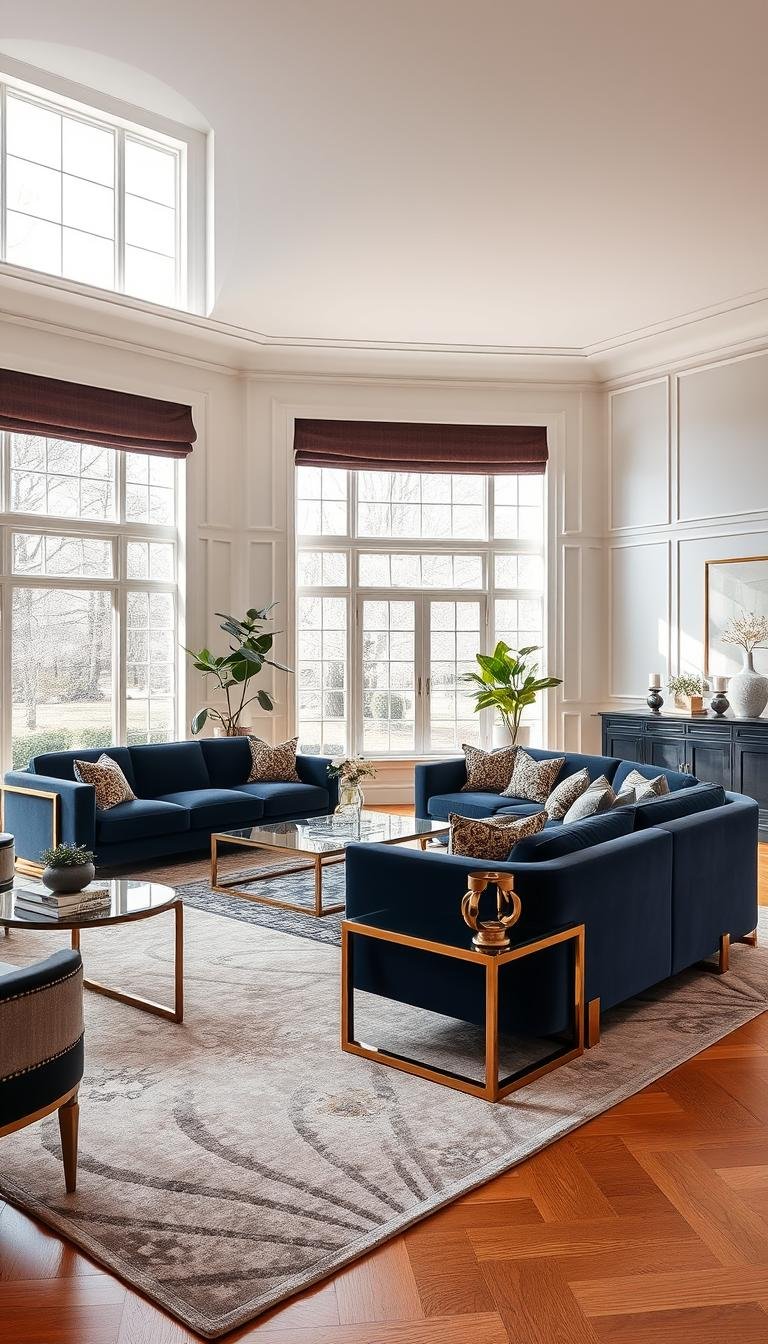
Your living area serves as the heart of your home. It’s where you relax after busy days and welcome guests. Achieving an upscale look doesn’t require endless funds.
With smart choices and thoughtful updates, you can craft an atmosphere of refined elegance. This approach blends traditional charm with contemporary elements.
The result is a space that feels both sophisticated and welcoming. You’ll discover how balance and harmony create a truly timeless interior. This style offers beauty and functionality for today’s homes.
We’ll guide you through color schemes, lighting options, and furniture selection. These elements work together to build a cohesive, luxurious environment. Whether starting fresh or updating existing decor, these principles deliver professional results.
Your personalized sanctuary awaits, reflecting your unique taste while embodying comfort and style.
Understanding the Modern Classic Luxury Aesthetic
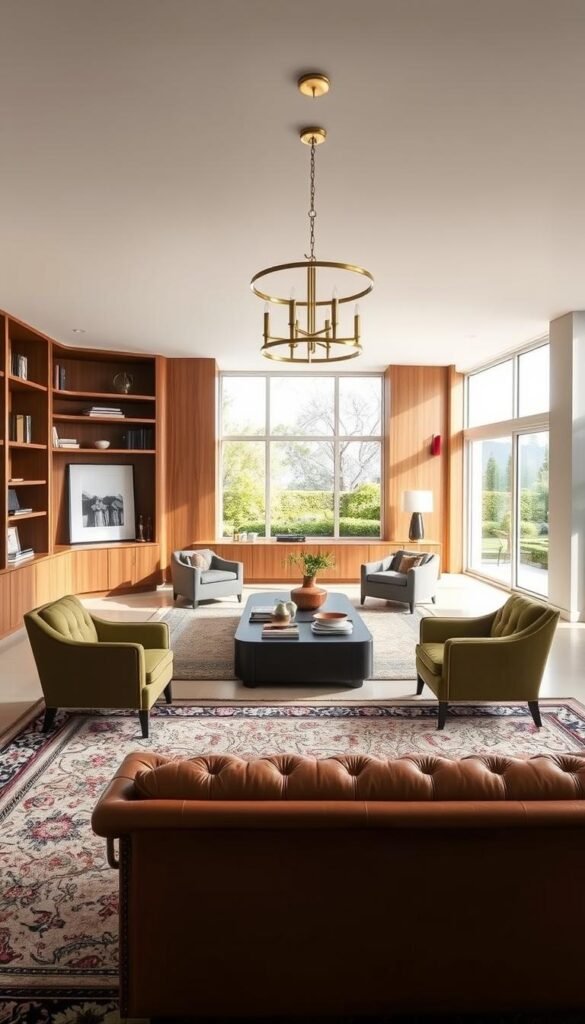
This design approach beautifully merges two distinct worlds. It brings together traditional sophistication and current trends. You get the best of both design philosophies in one cohesive look.
Defining Modern Classic Style
Modern classic represents a perfect marriage between eras. It combines rich craftsmanship with clean, simple lines. This creates an atmosphere of refined elegance.
Think low-back modular seating paired with ornate traditional accents. Glossy lacquer consoles work alongside carved wood details. The result is a balanced interior that feels both opulent and fresh.
Blending Timeless Elegance with Contemporary Elements
The magic happens when you mix pieces from different periods. Ornate traditional elements gain new life beside minimalist contemporary items. Your space achieves sophistication without feeling dated.
This approach lets you incorporate heirloom pieces while keeping the overall feel current. You maintain tradition while embracing today’s living needs. The blend creates visual appeal and practical functionality.
Why This Style Works for Today’s Living Spaces
Modern classic interiors feel both luxurious and livable. They offer formal elegance with everyday comfort. This style suits how we actually use our homes now.
Spaces designed this way don’t date quickly. They provide timeless appeal that remains relevant for years. You get a look that respects the past while working perfectly for modern life.
The design principles create cohesion rather than contradiction. Your room becomes a sanctuary that reflects your unique taste. It embodies comfort and style in equal measure.
Establishing Your Foundation Color Palette
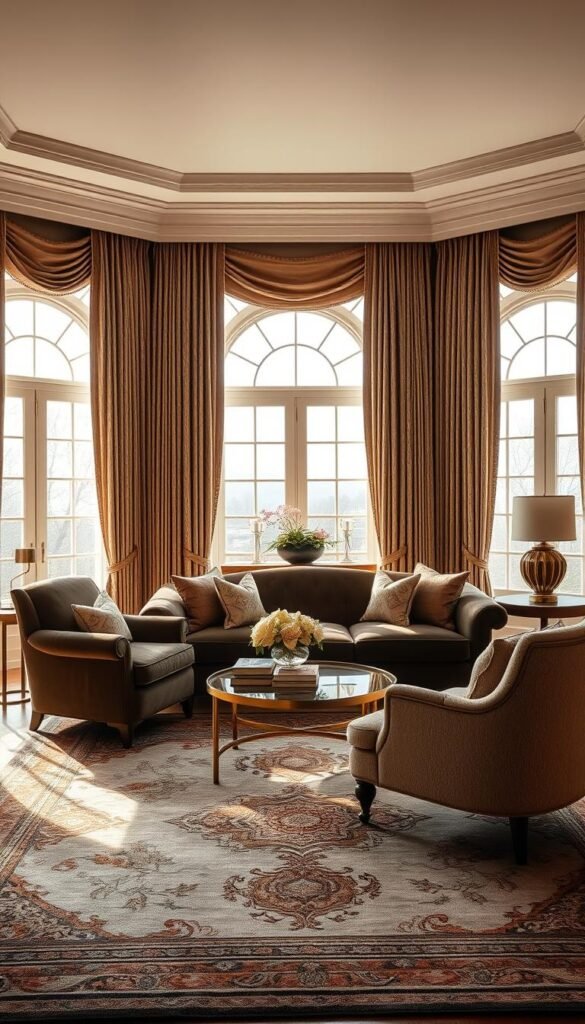
Color establishes the emotional tone of your space before any furniture arrives. Your foundation choices set the stage for everything that follows. A thoughtful palette creates harmony and sophistication throughout your room.
Choosing Rich Neutrals as Your Base
Begin with layered neutrals that provide calm sophistication. Creams, taupes, and soft grays create an expansive, airy feeling. These tones allow your luxurious materials to become the stars.
Rich neutrals serve as the perfect background for both traditional and contemporary elements. They provide visual rest between statement pieces. Your space feels both elegant and effortlessly comfortable.
Incorporating Strategic Accent Colors
Add depth and interest with carefully chosen accent hues. Navy, charcoal, or deep green work beautifully against neutral backdrops. These colors create focal points without overwhelming the overall design.
Metallic accents in gold or brass add luxurious touches throughout your space. Use them in accessories, lighting, or trim details. These elements catch light and create visual movement.
“The right color palette doesn’t shout—it whispers elegance while allowing the room’s architecture and furnishings to speak.”
Creating Cohesion Through Color Harmony
Maintain balance by limiting your primary palette to two or three colors. Use variations of these tones throughout different areas. This approach creates visual flow while defining separate spaces.
Test your colors in actual lighting conditions before finalizing decisions. Natural and artificial light dramatically affect how tones appear. Your choices should work beautifully throughout the day.
| Color Combination | Visual Effect | Best For |
|---|---|---|
| Navy & Cream | Timeless elegance | Traditional accents |
| Charcoal & Taupe | Modern sophistication | Contemporary elements |
| Black & Gold | Dramatic luxury | Statement features |
| Soft Gray & White | Airy expansiveness | Small spaces |
Your color story should feel both intentional and effortlessly elegant. It serves as the foundation upon which all other design elements build. The right palette transforms your space into a cohesive sanctuary.
Mastering Luxury Lighting Techniques
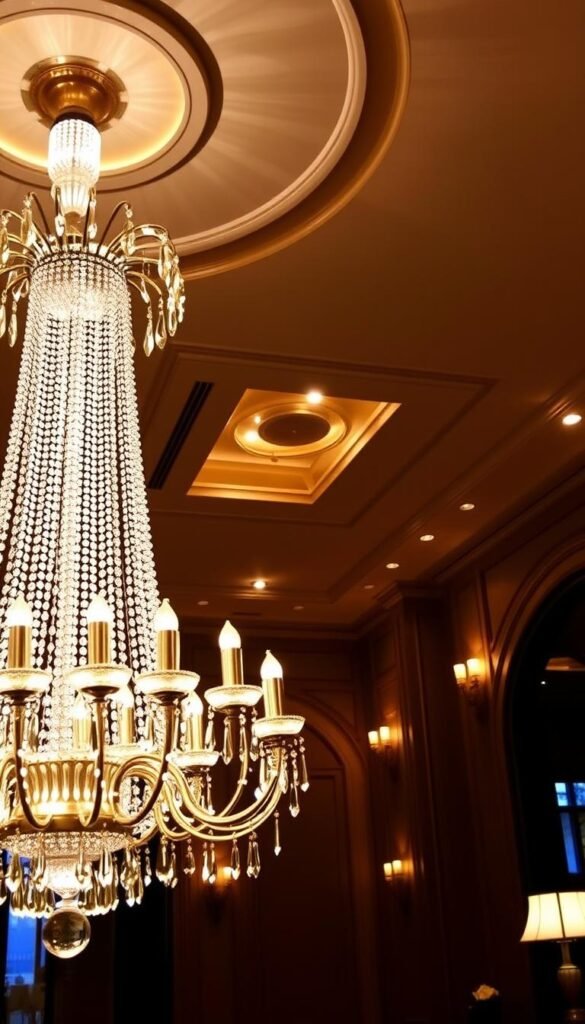
Light transforms your environment more than any other design element. It defines mood, highlights textures, and creates visual interest. Proper illumination brings your entire design concept to life.
Thoughtful lighting choices elevate ordinary spaces into extraordinary experiences. They enhance both functionality and aesthetic appeal. Your room gains depth and dimension through strategic illumination.
Layered Lighting Approach
Professional designers use three lighting types for optimal results. Ambient light provides overall illumination throughout your space. Task lighting focuses on specific areas for reading or activities.
Accent lighting highlights architectural features or artwork. Combining these layers creates depth and flexibility. You achieve both practical function and beautiful atmosphere.
Consider these placement strategies:
- Floor lamps beside seating arrangements
- Table lamps on consoles and end tables
- Wall sconces for ambient glow
- Recessed ceiling lights for general illumination
Statement Fixtures as Focal Points
Your ceiling fixture often serves as the room’s jewelry. A dramatic chandelier or modern pendant makes a powerful style statement. These pieces combine artistic design with essential illumination.
Choose fixtures that complement your overall aesthetic. Metallic finishes like brushed gold add sophisticated touches. The right fixture becomes an instant conversation starter.
Scale matters when selecting statement lighting. Ensure proportions work with your room’s dimensions. The fixture should feel substantial without overwhelming the space.
Using Dimmers for Mood Control
Dimmer switches offer incredible control over your environment. They allow seamless transitions between different activities and times of day. You can create anything from bright energizing light to soft intimate glow.
Modern dimmers work with various bulb types including LED options. Dim-to-warm technology mimics natural sunset lighting. This creates particularly inviting atmospheres for evening relaxation.
Install dimmers on all primary light sources throughout your area. This flexibility lets you customize illumination for any occasion. Your space adapts perfectly to changing needs throughout the day.
“Lighting design isn’t about seeing the light itself, but what the light reveals.”
Remember that light temperature affects color perception throughout your design. Warmer tones enhance rich materials and create cozy feelings. Cooler light works well for task-oriented areas.
Test different bulb temperatures before making final decisions. See how they interact with your wall colors and furnishings. The right balance makes everything look its absolute best.
Selecting Quality Furniture Pieces
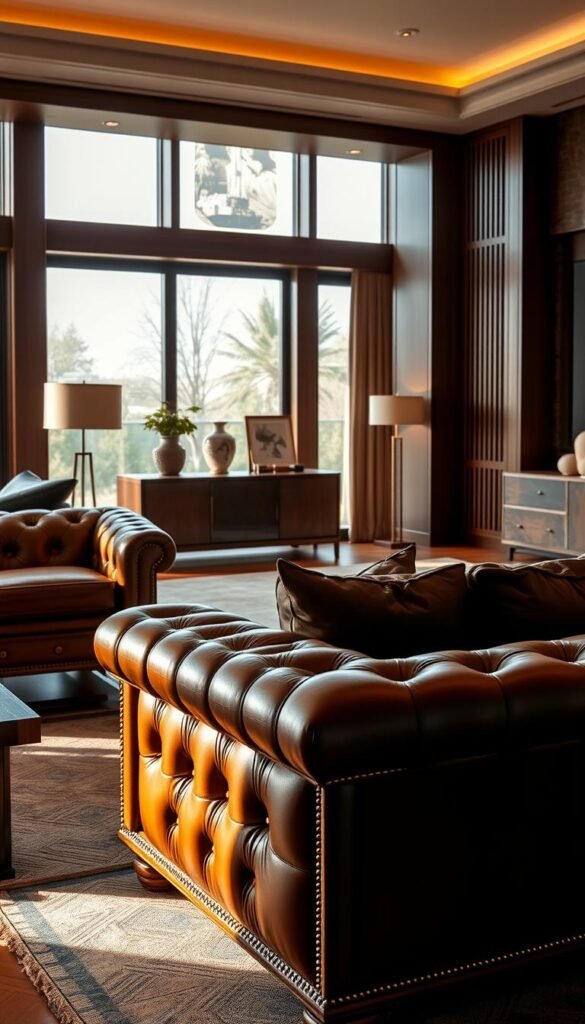
Furniture forms the functional and visual backbone of your interior. Your choices determine both comfort and style. Quality pieces create lasting beauty and everyday enjoyment.
Invest in items that balance aesthetic appeal with practical use. These selections should reflect your personal taste while serving daily needs. The right furniture transforms your space into a true sanctuary.
Investing in Statement Anchor Pieces
Begin with one or two exceptional items that define your room’s character. A beautiful sofa or elegant dining table often serves this role. These anchor pieces set the tone for your entire design.
Look for superior construction and timeless design. Solid wood frames and quality upholstery ensure longevity. Your investment pays off through years of reliable service and enduring style.
Consider these characteristics when evaluating furniture quality:
- Dovetail joints in drawer construction
- Eight-way hand-tied spring systems in seating
- Solid hardwood frames rather than particle board
- Knot-free wood with beautiful grain patterns
Mixing Modern and Traditional Elements
Combine pieces from different eras for visual interest. A contemporary leather chair might complement a traditional wood table. This approach creates depth and personality throughout your space.
Maintain cohesion through consistent finishes or materials. Brass accents on both old and new pieces create harmony. Your interior feels curated rather than chaotic.
Balance bold statements with quieter supporting items. Let one spectacular piece shine while others play supporting roles. This strategy prevents visual overload while maintaining sophistication.
Upgrading Furniture Details for Custom Look
Transform basic items with thoughtful modifications. Swap standard legs for tapered wood or metallic alternatives. These changes elevate ordinary pieces to extraordinary status.
Consistency matters when updating details. Choose matching finishes across different furniture items. Brass hardware on various pieces creates a cohesive designer look.
Consider these upgrade options for instant luxury:
- Replacement legs in gold or blackened steel finishes
- Custom upholstery with premium fabrics
- Decorative hardware on cabinets and drawers
- Professional refinishing for wood surfaces
“The difference between ordinary and extraordinary often lies in the details—those subtle touches that transform mass-produced pieces into personalized treasures.”
Evaluate proportions carefully when selecting furniture. Oversized pieces overwhelm small rooms while tiny items get lost in large spaces. Measure your area twice before making final choices.
Create conversation-friendly arrangements that facilitate interaction. Position seating to face each other with appropriate spacing. Your layout should encourage both relaxation and entertainment.
| Furniture Type | Investment Priority | Style Considerations | Comfort Features |
|---|---|---|---|
| Sofa | High | Clean lines with traditional proportions | Deep seats with firm cushion support |
| Coffee Table | Medium | Mixed materials: wood and metal | Rounded corners for safety |
| Accent Chairs | Medium | Contrasting style to main seating | Appropriate seat height and depth |
| Console Table | Low | Slim profile with decorative legs | Functional storage or display surface |
Your furniture should provide both physical comfort and visual pleasure. Test seating for proper support and appropriate dimensions. Beautiful pieces that feel uncomfortable defeat their purpose.
Remember that quality shows in how items age over time. Well-constructed furniture develops character rather than showing wear. These pieces become beloved elements of your home story.
Incorporating Textural Richness
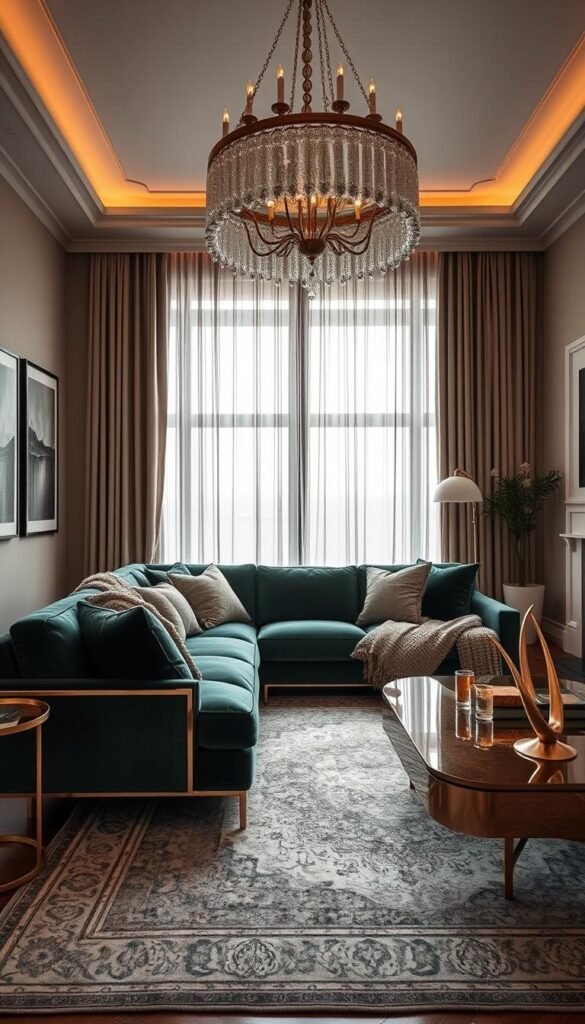
Texture brings your design to life through sensory experience. It adds dimension and personality to your environment. Thoughtful textural choices create both visual and physical appeal.
This approach transforms flat surfaces into engaging landscapes. Your space gains depth and character through material variety. Every surface tells part of your design story.
Layering Different Materials and Finishes
Combine various surfaces for a rich, layered effect. Smooth marble contrasts beautifully with rough natural wood. Metallic accents provide shimmer against matte backgrounds.
Consider these combinations for maximum impact:
- Velvet upholstery with polished metal frames
- Chunky knit throws on leather seating
- Glass tables with woven natural fiber rugs
- Silk drapery against textured wall finishes
Each material contributes to the overall sensory experience. They work together to create a cohesive yet interesting environment. Your space feels carefully curated rather than randomly assembled.
Balancing Soft and Structured Textures
Achieve harmony through contrasting yet complementary textures. Plush fabrics offset harder architectural elements. This balance creates both comfort and visual stability.
Soft textures invite touch and relaxation. They include velvet pillows, wool throws, and silk cushions. Structured textures provide definition and form.
These might include wood paneling, metal frames, or stone surfaces. The interplay between these elements creates dynamic interest. Your room feels both inviting and intentionally designed.
“Texture works silently but powerfully—it’s the unseen hand that guides emotion and creates atmosphere in any interior space.”
Using Textiles to Add Depth and Comfort
Textiles provide both visual warmth and physical comfort. They soften hard surfaces and absorb sound beautifully. Your choices significantly impact the room’s overall feel.
Area rugs define spaces while adding softness underfoot. Drapery introduces vertical texture and controls light. Upholstery fabrics determine both look and feel of seating.
According to Manhattan luxury interior experts, combining different textiles creates multi-dimensional experiences. This approach prevents flat or lifeless environments.
| Texture Type | Best Applications | Visual Effect | Comfort Level |
|---|---|---|---|
| Velvet | Accent chairs, pillows | Rich depth, light play | High softness |
| Leather | Seating, accessories | Sophisticated patina | Firm support |
| Wool | Rugs, throws | Natural warmth | Cozy insulation |
| Silk | Drapery, cushions | Luminous sheen | Cool smoothness |
| Linen | Upholstery, window treatments | Casual elegance | Breathable comfort |
Textural elements interact uniquely with lighting throughout the day. Morning light highlights different details than evening illumination. This creates constantly evolving visual interest.
Your layered approach should feel intentional yet effortless. Each texture contributes to the overall harmony. The result is a space that delights both eyes and fingertips.
How to Create a Modern Classic Luxury Living Room with Architectural Details
Architectural elements provide the framework for your entire design vision. They establish character and define the personality of your environment. Thoughtful details transform ordinary spaces into extraordinary experiences.
These features create visual interest and structural harmony. They guide the eye through your room with purpose and elegance. The right details make your space feel intentionally designed rather than simply decorated.
Enhancing Existing Architectural Features
Highlight what you already have with strategic enhancements. Crown molding gains impact when painted in subtle contrast colors. This technique emphasizes craftsmanship while adding depth.
Fireplaces become stunning focal points with proper treatment. Consider painting the surround in a complementary hue. This draws attention to its architectural significance.
Ceiling medallions deserve special consideration too. They often go unnoticed despite their decorative potential. A fresh coat of paint can make them pop beautifully.
“Architecture should speak of its time and place, but yearn for timelessness.”
Adding Moldings and Trim Work
New construction often lacks character that trim provides. Moldings instantly add sophistication and period charm. They create visual hierarchy on plain surfaces.
Consider these popular options for your space:
- Crown molding for ceiling definition
- Chair rails to protect walls while adding interest
- Wainscoting for traditional elegance
- Picture molding for flexible art displays
Scale matters when selecting trim profiles. Larger rooms handle more substantial moldings beautifully. Smaller spaces need delicate proportions.
Creating Focal Points Through Design Elements
Every well-designed room needs intentional focal points. Architectural features often serve this purpose perfectly. They anchor your space and guide visual flow.
Consider emphasizing these elements:
- Statement windows with custom trim
- Archways between rooms
- Built-in shelving units
- Ceiling beams for rustic charm
Balance is crucial when working with architectural details. They should enhance rather than dominate your design. Your space remains harmonious without overwhelming guests.
These elements reference different style periods beautifully. They add historical depth to contemporary interiors. Your room gains character that feels both timeless and current.
Proper scaling ensures everything works together seamlessly. Large rooms can handle bold architectural statements. Smaller areas benefit from more delicate treatments.
Architectural details improve proportions throughout your space. They create visual rhythm and structural harmony. Your room feels both balanced and beautifully composed.
Curating Art and Decorative Accessories
Your final decorative touches transform a beautiful room into your personal sanctuary. These elements express your unique personality while enhancing the overall design. They add layers of meaning and visual interest throughout your space.
Art and accessories provide the finishing polish that elevates good design to greatness. They create focal points and tell your personal story. These details make your environment feel both luxurious and genuinely yours.
Selecting Statement Art Pieces
Choose artwork that speaks to you emotionally while complementing your aesthetic. Large-scale pieces make stronger visual statements than multiple small items. They command attention without creating visual clutter.
Consider these approaches for maximum impact:
- Oversized abstract canvases with rich color depth
- Black-and-white photography collections in matching frames
- Sculptural pieces that interact with light and space
- Textured wall hangings that add dimensional interest
Scale your artwork appropriately to your wall space and furniture. A general rule suggests artwork should cover two-thirds to three-quarters of your wall area. This creates balanced proportions throughout your room.
“Art washes away from the soul the dust of everyday life.”
Incorporating Metallic Accents Strategically
Metallic elements add glamour and sophistication when used thoughtfully. Gold and brass finishes bring warmth and traditional elegance. Matte black metals provide contemporary contrast against lighter backgrounds.
Place these accents where they’ll catch light beautifully. Consider mirror frames, lighting fixtures, and table legs. These details create subtle sparkle without overwhelming your design.
Maintain consistency by choosing one or two metallic finishes throughout. Mixing too many different metals creates visual confusion. Your selections should feel intentional and harmonious.
Using Accessories to Personalize Your Space
Decorative objects tell your story while reinforcing your design theme. They add personality and make your space feel genuinely lived-in. Choose items that reflect your interests and experiences.
Books, collected objects, and personal mementos create depth and character. Display them in curated groupings rather than scattering individual pieces. This approach feels intentional rather than random.
Consider these personalization strategies:
- Family photographs in elegant, consistent frames
- Travel souvenirs that spark conversation
- Collections displayed as artistic installations
- Seasonal elements that refresh your look periodically
Your accessories should balance beauty with functionality. Beautiful boxes can store remote controls. Decorative trays organize frequently used items. This maintains practicality while enhancing your aesthetic.
Edit your collections regularly to avoid visual overload. Too many accessories compete for attention rather than complementing each other. Your most cherished pieces deserve space to shine.
Working with Window Treatments and Floor Coverings
Your windows and floors deserve special attention in your design journey. These elements work together to frame your space beautifully. They provide both visual harmony and practical comfort throughout your home.
Thoughtful choices here elevate your entire interior design. They add layers of texture while defining different functional areas. Your selections should balance elegance with everyday usability.
Choosing Elegant Window Solutions
Window treatments offer more than just privacy and light control. They contribute significantly to your room’s overall aesthetic. The right choices enhance both beauty and functionality.
Plantation shutters bring instant sophistication to any space. Their clean lines work well with various design styles. European-style shutters offer similar elegance with slightly different operation.
If shutters aren’t your preference, consider full-length drapes. High-quality fabrics like linen, velvet, or silk add luxurious texture. These materials drape beautifully and last for years.
According to modern window treatment experts, hanging treatments high and wide creates visual expansion. This technique makes ceilings appear taller and windows seem larger. It’s a simple trick with dramatic results.
Consider these elegant window solutions:
- Pinch pleat curtains installed near the ceiling
- Layered curtains over blinds for light control
- Natural material shades like rattan or bamboo
- Textured silk or linen fabric shades
Selecting the Perfect Luxury Rug
A well-chosen rug anchors your entire seating arrangement. It defines the conversation area while adding comfort underfoot. Your selection should complement your color palette beautifully.
Size matters when choosing floor coverings. Ensure your rug extends beyond all furniture pieces. This creates a cohesive look that feels intentional and complete.
Material choice affects both feel and durability. Wool rugs offer natural warmth and resilience. Silk blends provide subtle sheen and luxury appeal.
Pattern and color should harmonize with your overall design. Subtle geometric borders can enhance perceived room height. Neutral tones allow other elements to shine while adding texture.
Your rug serves multiple important functions:
- Defines specific functional zones within your space
- Adds acoustic comfort by absorbing sound
- Provides physical warmth and softness underfoot
- Introduces pattern and textural interest
Creating Height and Space Illusions
Strategic placement creates wonderful visual effects throughout your room. Proper installation techniques maximize both light and perceived space. These approaches work for various window sizes and room proportions.
Hanging treatments high above the window frame draws eyes upward. This simple trick makes ceilings appear significantly higher. It works with both curtains and other treatment types.
Mounting rods wider than the window frame creates expansive views. When curtains are open, they frame rather than cover the glass. This maintains maximum light while adding elegant framing.
Vertical patterns or subtle borders enhance height illusions. They guide the eye upward along their lines. This works with both window treatments and rug designs.
Light-colored floor coverings make spaces feel more open. They reflect light beautifully throughout your interior. This approach works particularly well in smaller areas.
“The right window treatments and floor coverings don’t just decorate—they architecturally enhance and transform the very perception of space.”
Your choices should work together harmoniously. Coordinate tones between window treatments and rugs. This creates visual flow rather than competition between elements.
Consider the practical aspects alongside aesthetic appeal. Treatments should operate smoothly and clean easily. Rugs should withstand your lifestyle while maintaining beauty.
These foundational elements support all your furniture arrangements. They create the perfect backdrop for your carefully chosen pieces. Your space feels complete, comfortable, and beautifully designed.
Implementing 2025 Design Trends Thoughtfully
Staying current with design trends keeps your space feeling fresh and relevant. The latest 2025 trends offer exciting opportunities to enhance your environment. These ideas blend beautifully with classic living concepts for timeless appeal.
Thoughtful implementation ensures your room remains personal and authentic. You’ll discover how to select trends with lasting power. This approach creates spaces that feel both contemporary and enduring.
Incorporating Biophilic Design Elements
Biophilic design connects your interior with the natural world. This approach improves wellbeing while adding visual interest. Large windows maximize natural light and outdoor views.
Indoor plants bring life and color throughout your space. Choose varieties that thrive in your lighting conditions. Group plants in attractive containers for cohesive styling.
Natural materials like wood and stone enhance this connection. They add organic texture and warmth to your design. These elements create a calming, grounded atmosphere.
Consider these biophilic additions:
- Floor-to-ceiling windows for maximum light
- Living green walls or vertical gardens
- Natural fiber rugs and textiles
- Water features for soothing sounds
Using Sustainable and Natural Materials
Sustainable choices reflect contemporary values without sacrificing luxury. Reclaimed materials offer character and environmental benefits. They tell stories through their unique imperfections.
FSC-certified wood ensures responsible forestry practices. This material brings warmth and natural beauty to any room. It ages beautifully, developing rich patina over time.
Reclaimed marble adds dramatic veining and historical interest. Each piece features one-of-a-kind patterns and coloration. These materials make strong style statements while supporting eco-friendly values.
“The most sustainable design isn’t just about materials—it’s about creating spaces that people will love and maintain for generations.”
Balancing Minimalist and Maximalist Approaches
2025 trends embrace both simplicity and richness in design. This balance allows personal expression while maintaining harmony. Your space reflects your unique taste through curated elements.
Minimalist foundations provide calm backdrops for special pieces. Clean lines and uncluttered surfaces create visual rest. These areas allow your favorite items to shine brightly.
Maximalist moments add personality and drama throughout. Bold patterns and rich colors create focal points. This approach prevents your design from feeling sterile or impersonal.
Curved furniture forms offer softness and movement. Sculptural coffee tables and rounded sofas feel inviting. These pieces provide visual interest while maintaining comfort.
| Design Approach | Key Characteristics | Best Applications | Visual Impact |
|---|---|---|---|
| Biophilic Design | Natural materials, plants, light | Windows, living elements | Calming, organic |
| Sustainable Materials | Reclaimed, certified sources | Furniture, surfaces | Character-rich, ethical |
| Minimalist Foundation | Clean lines, edited selections | Background elements | Calm, spacious |
| Maximalist Accents | Bold patterns, rich colors | Statement pieces | Dramatic, personal |
Your space should balance these approaches for personalized results. Choose elements that resonate with your lifestyle and preferences. This creates an environment that feels both current and authentically yours.
Trend implementation should enhance rather than overwhelm your design. Select ideas that complement your existing style and architecture. Your room remains cohesive while feeling refreshed and updated.
Bringing Your Vision to Life with Confidence
Your journey toward an elegant living room begins with thoughtful intention. Smart choices create sophistication without designer budgets. Focus on quality pieces that build lasting atmosphere.
Approach your project in manageable phases. Prioritize investments where they deliver maximum impact. This strategy maintains design integrity throughout the process.
Trust your instincts when making adjustments. Your space should reflect personal style while offering comfort. The final result embodies timeless elegance.
Enjoy living in your beautifully transformed interior. This home becomes your personal sanctuary of refined living. You’ve created a space that truly reflects sophisticated taste.