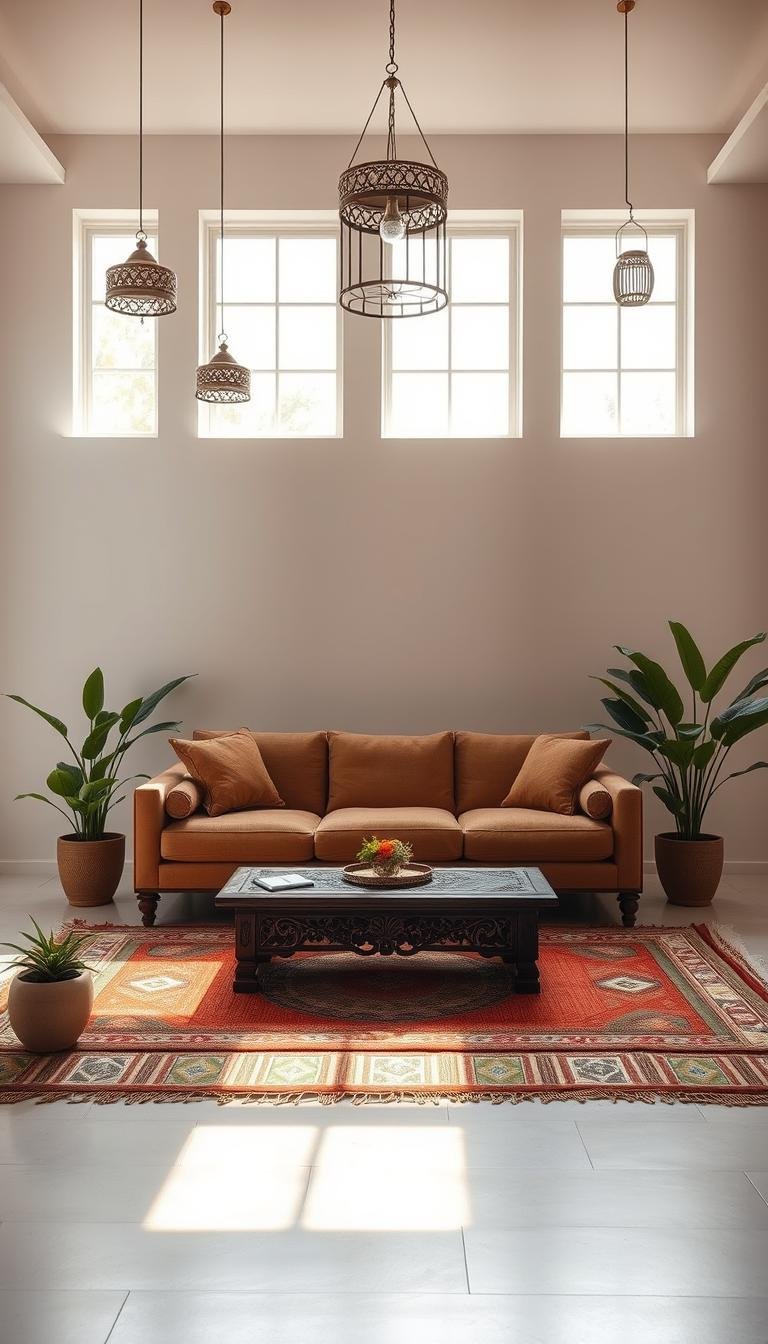
Your home is your sanctuary. It should feel peaceful and meaningful. Many people today seek a balance between heritage and simplicity in their interior design.
This approach focuses on reducing clutter. It embraces clean lines and open space. You can still include traditional art and materials that reflect your background.
Such a style promotes relaxation and reduces daily stress. Every item in your room can tell a story. Each piece serves both a functional and aesthetic purpose.
We will explore key concepts to help you achieve this look. You will learn how to use neutral colors, natural textures, and intentional lighting. These elements add warmth and depth without overwhelming your space.
Let’s begin your journey toward a more serene and intentional living environment.
Introduction: Creating Your Culturally Rich, Minimalist Sanctuary
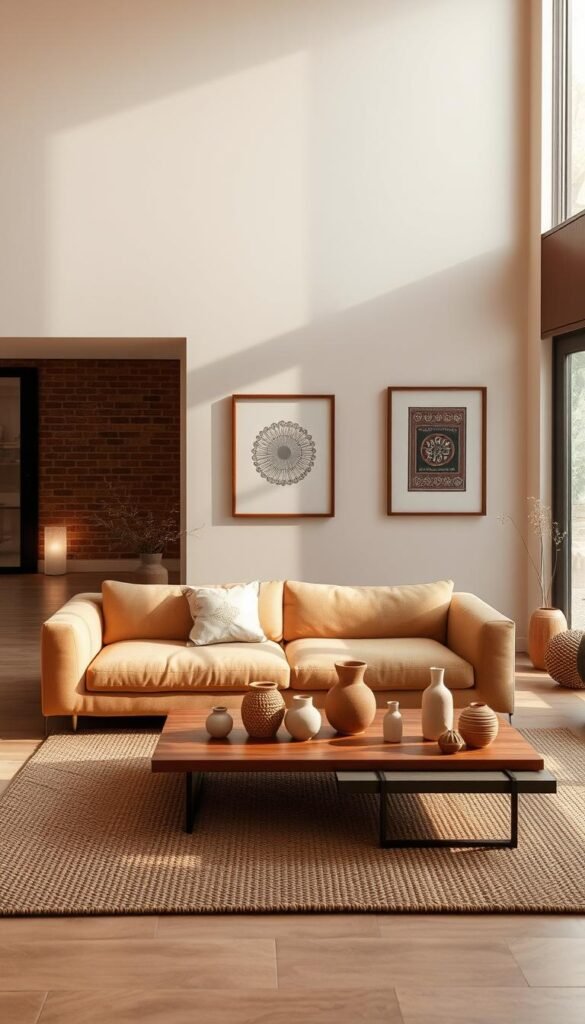
Your living area serves as the central gathering spot for your household. It’s where you relax after long days and host memorable gatherings with loved ones. This space deserves special attention to create an atmosphere of calm.
Why Your Living Room is the Perfect Place for This Style
This central area naturally becomes the heart of your home. It sees the most activity throughout your day. Adopting a thoughtful approach here brings immediate benefits.
You’ll notice how reducing visual noise creates mental clarity. The open, airy feel makes socializing more enjoyable. Your guests will appreciate the welcoming yet peaceful environment.
This design philosophy works beautifully in compact apartments and spacious houses alike. The principles adapt to your available square footage. Every home can benefit from this balanced approach.
Defining Modern Indian Minimalism: Less Clutter, More Meaning
This aesthetic combines clean aesthetics with cultural depth. It focuses on purposeful choices rather than random decorations. Each element in your space should serve a function or hold significance.
Traditional patterns and natural materials add warmth without creating chaos. Vibrant colors appear in restrained, intentional ways. The result is a look that honors heritage while embracing contemporary simplicity.
You’ll discover mental benefits from this organized environment. It promotes relaxation and reduces daily stress. You’ll find yourself investing in quality pieces that tell your unique story.
This style encourages you to see your interior as a canvas. You can blend tradition with clean lines and open space. The upcoming sections will guide you through practical steps to achieve this beautiful balance.
1. Begin with a Purposeful Declutter
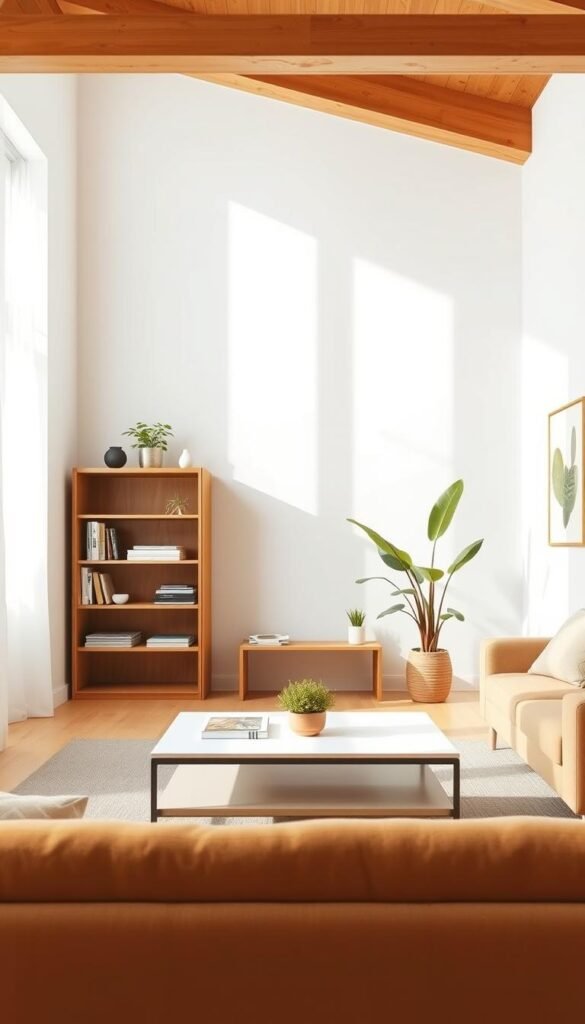
Your transformation toward calm starts with evaluating what truly matters in your space. This initial step creates the perfect canvas for your design vision to unfold beautifully.
Assessing What Truly Serves a Purpose in Your Space
Look around your room with fresh eyes. Ask yourself about each item: Does this serve a functional need or hold cultural significance? Be honest in your assessment.
Items that answer “no” to both questions might need reconsideration. This process isn’t about creating emptiness. It’s about making room for what genuinely enhances your daily life.
Consider these practical approaches:
- Start with one area at a time to avoid feeling overwhelmed
- Create three piles: keep, donate, and store
- Be generous with your donation pile – someone else might treasure what you no longer need
- Use stylish storage solutions for essential items you want out of sight
This thoughtful editing allows your heritage pieces to become focal points rather than getting lost in clutter. Your space begins to tell a clearer, more meaningful story.
The Mental Benefits of a Visually Clear Environment
Reduced stress is one of the immediate rewards of decluttering. Visual calm promotes mental calm, creating a sanctuary where you can truly unwind.
Studies show that organized environments improve focus and creativity. Your mind doesn’t have to process unnecessary visual information constantly. This mental clarity translates to better relaxation and more enjoyable social gatherings.
As one design expert notes,
“The connection between our surroundings and our mental state is profound. A clear space literally helps clear the mind.”
This foundation makes your next design choices more effective. Neutral colors appear more vibrant. Natural textures stand out more prominently. Every element you add will have greater impact.
Remember that this process evolves over time. You might rediscover items that deserve a place in your refreshed space. The goal is continuous refinement toward an environment that supports your wellbeing.
2. Build Your Foundation with a Neutral, Airy Color Palette
Your walls set the stage for everything that follows. Choosing the right backdrop transforms how you experience your space daily. A thoughtful color scheme creates harmony and balance throughout your home.
Choosing Soothing Whites, Beiges, and Greys
Soft neutrals form the perfect foundation for your design. These shades create a calm atmosphere that welcomes you home. They work beautifully with both natural and artificial light.
Consider these popular options:
- Warm whites that add brightness without feeling sterile
- Soft beiges that bring earthy warmth to your walls
- Light greys that provide a modern, sophisticated base
These colors complement natural materials like wood and stone. They add subtle warmth without overwhelming your senses. Your cultural accents will stand out beautifully against this backdrop.
How Neutral Walls Make Your Room Feel Larger and Brighter
Light colors reflect natural light throughout your space. This creates an open, airy feeling that enhances your room’s architecture. Even smaller areas appear more spacious and inviting.
Neutral walls serve as a clean canvas for your decor. They allow vibrant textiles and art to become focal points. This approach creates visual depth while maintaining simplicity.
| Color Family | Best For | Lighting Effect |
|---|---|---|
| Warm Whites | North-facing rooms | Adds brightness and warmth |
| Soft Beiges | All room types | Creates cozy atmosphere |
| Light Greys | South-facing rooms | Provides cool balance |
These versatile shades pair beautifully with traditional Indian hues. Think saffron cushions or turquoise art pieces. The neutral base lets these colorful elements tell their story.
Your color choices set the tone for your entire space. They create harmony between old and new elements. This foundation prepares your room for the functional furniture we’ll explore next.
3. Select Functional Furniture with Clean Lines and Cultural Soul
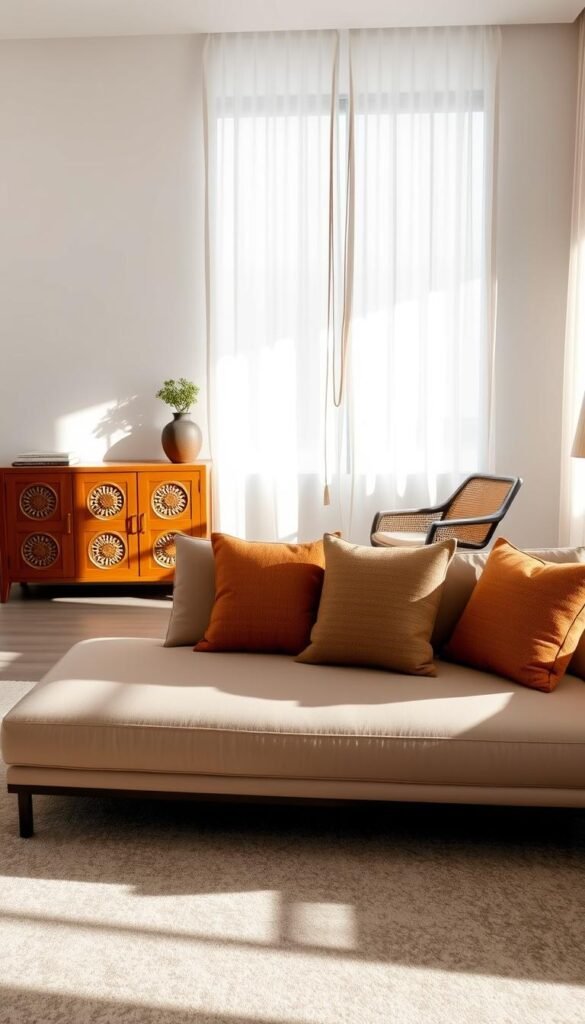
Your furniture choices anchor your entire design. They provide comfort while expressing your personal taste. Each piece should serve practical needs and add visual appeal.
Look for items that combine simplicity with craftsmanship. These selections form the foundation of your daily life at home. They create inviting spaces for relaxation and connection.
Investing in High-Quality, Multifunctional Pieces
Choose furniture that serves multiple purposes beautifully. A sofa bed offers seating by day and sleeping space by night. Nesting tables provide surface area when needed and tuck away neatly.
These smart solutions maximize your available square footage. They help maintain an uncluttered environment. You’ll appreciate how they adapt to different occasions and needs.
Focus on durable materials that withstand daily use. Solid wood frames and quality upholstery last for years. This approach reduces waste and saves money over time.
As one designer explains,
“Multifunctional furniture represents the heart of thoughtful interior design. It respects your space while enhancing your lifestyle.”
Incorporating Low-Profile Seating and Traditional Wood Craftsmanship
Lower seating heights create an open, airy feeling in your room. They make ceilings appear higher and spaces feel larger. This approach works well in compact apartments and spacious houses alike.
Traditional woodworking techniques add soul to your space. Hand-carved details on a simple chair bring heritage into your home. Teak or rosewood pieces develop beautiful patinas over time.
These elements introduce warmth and texture against neutral walls. They tell a story through their craftsmanship and materials. Your room gains depth without feeling crowded or busy.
Select a few key pieces that balance form and function. A well-crafted sofa becomes a natural focal point. It provides comfort while showcasing beautiful design aesthetics.
Hidden storage compartments keep essentials organized but out of sight. This maintains visual calm throughout your interior. You create a peaceful environment that supports daily living.
These furniture choices set the stage for adding soft textiles next. They provide the structure for layering patterns and textures. Your space begins to feel both intentional and inviting.
4. Weave in Culture Through Textiles and Traditional Motifs
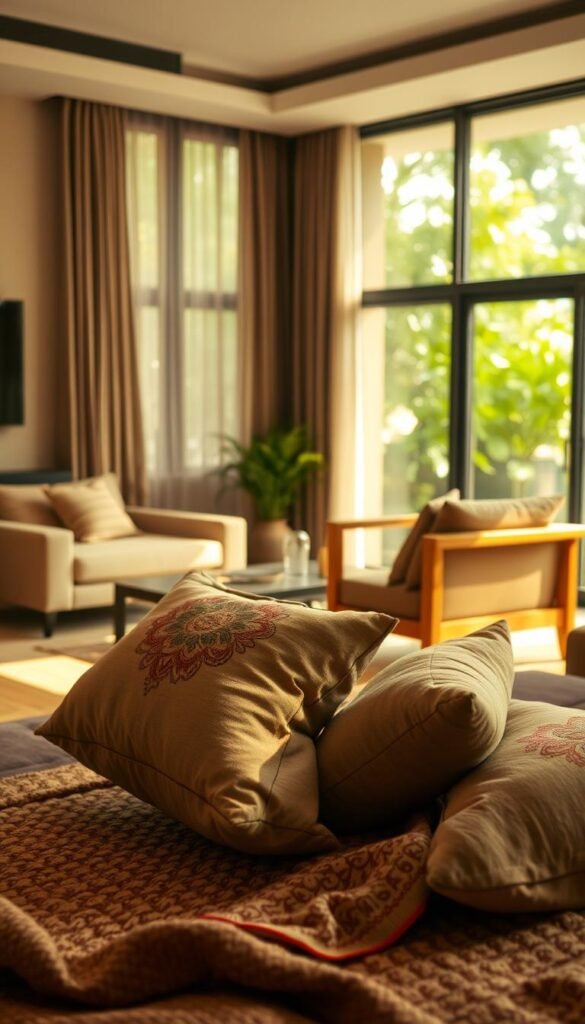
Your soft furnishings bring personality and comfort to your space. They introduce patterns and textures that honor your background. These elements create visual interest while maintaining simplicity.
Textiles offer an excellent way to express your heritage. They add layers of meaning without creating clutter. Each piece can reflect craftsmanship and tradition.
Using a Single Statement Rug with Indian Patterns
Choose one beautiful rug to anchor your seating area. Look for traditional motifs or geometric designs. This piece becomes a cultural focal point in your room.
A well-chosen rug defines conversation zones beautifully. It adds pattern and color without overwhelming your space. The right selection brings warmth underfoot.
Consider these popular options:
- Bandhej prints with their distinctive tie-dye patterns
- Geometric designs that complement clean lines
- Subtle traditional motifs that tell a cultural story
This approach works well with neutral furniture and walls. Your rug becomes the star of the show. It introduces heritage elements in a restrained way.
Adding Warmth with Handwoven Throws and Linen Cushions
Layer soft textiles for comfort and visual depth. Handwoven throws add texture to your sofa. Linen cushions provide support and style.
These pieces introduce different tactile experiences. They make your space feel cozy and inviting. You’ll appreciate their functional benefits during cooler evenings.
As one designer notes,
“Textiles transform a house into a home. They add soul and comfort to any interior.”
Mix materials like jute rugs with cotton throws. This combination creates interesting contrasts. Your room gains depth through varied textures.
Look for authentic pieces from local artisans. Markets often feature beautiful handcrafted items. These purchases support traditional craftsmanship.
Your textile choices should feel intentional and meaningful. They work with lighting to create ambiance. The next section explores how illumination enhances your space.
5. Illuminate Your Space with Layered and Intentional Lighting
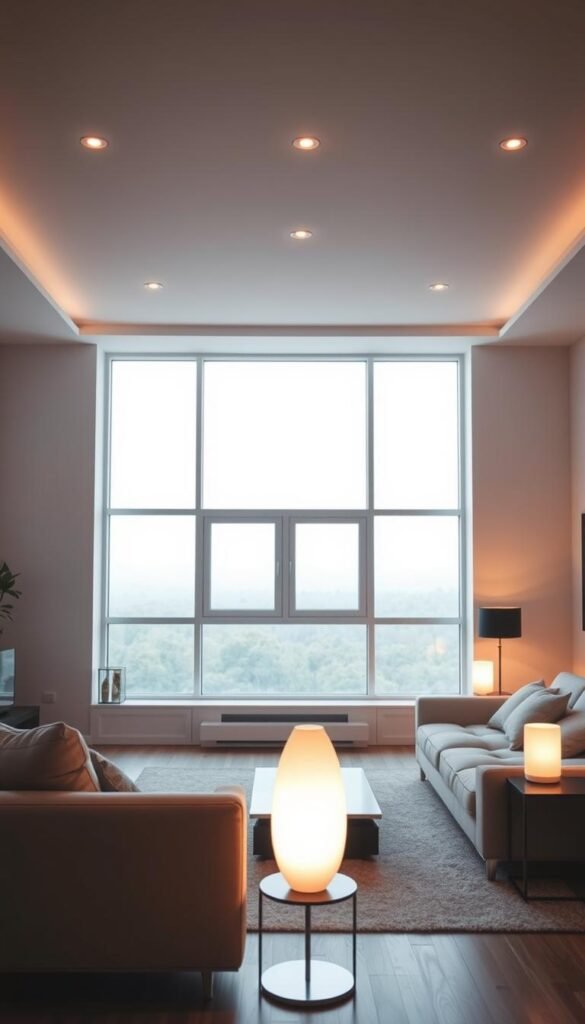
Light transforms how you experience your environment daily. It creates atmosphere and highlights your favorite features. Thoughtful illumination brings both beauty and function to your home.
Proper lighting enhances your overall aesthetic. It works with your color scheme and furniture choices. This element completes your carefully curated look.
Maximizing Natural Light with Airy Window Treatments
Sunlight provides the best foundation for your illumination plan. It makes your area feel bright and welcoming. Choose window coverings that preserve this natural asset.
Sheer curtains filter light beautifully. They maintain privacy while allowing sunshine to fill your room. Light-colored blinds offer similar benefits with adjustable control.
Consider these practical options:
- Roman shades in neutral fabrics
- Translucent panel curtains
- Minimalist roller blinds
These treatments complement your clean lines and neutral palette. They frame your windows without blocking valuable daylight. Your space feels more open and connected to outdoors.
Choosing Sleek Lamps and Sculptural Fixtures for Ambiance
Artificial lighting creates warmth when sunlight fades. Select fixtures that serve as decorative elements too. Their design should enhance your overall style.
Floor lamps with slender stands add height interest. Wall sconces provide focused light without occupying surface space. Pendant lights make elegant statements above seating areas.
As lighting experts note,
“Layered illumination creates depth and dimension. It transforms flat spaces into inviting environments.”
LED bulbs offer energy-efficient solutions. Their warm white tones complement natural materials beautifully. Place lights to highlight architectural features or art pieces.
Your lighting choices affect daily mood and functionality. Well-placed lamps reduce eye strain during evening activities. They create cozy corners for reading or conversation.
This thoughtful approach to illumination prepares your space for natural elements. The next section explores how materials like wood and plants add organic warmth.
6. Incorporate Natural Materials for Warmth and Texture
Organic materials introduce a sense of calm and connection to nature. They bring authentic character to your personal environment. These elements work beautifully with your existing color scheme and furniture.
Natural textures add visual interest without creating clutter. They complement both traditional and contemporary aesthetics. Your space gains depth through these thoughtful additions.
The Beauty of Wood, Rattan, Stone, and Jute
Each natural material offers unique benefits for your interior. Wood brings warmth and timeless appeal to any room. Rattan adds lightweight texture and organic patterns.
Stone surfaces provide cool contrast and natural elegance. Jute rugs offer earthy texture underfoot. These materials create a grounded, peaceful atmosphere.
Consider these sustainable options for your home:
- Reclaimed wood furniture with beautiful grain patterns
- Handwoven rattan baskets for stylish storage
- Stone coasters that protect surfaces while adding natural beauty
- Jute area rugs that define spaces with organic texture
These choices support local artisans and traditional craftsmanship. They align with cultural values of sustainability and quality. Your space tells a meaningful story through these materials.
Studio Homzstead projects demonstrate how natural elements create calm. They use oak tables and linen textiles for a grounded aesthetic. The result feels both contemporary and connected to heritage.
Selecting a Few Well-Chosen Plants for a Breath of Fresh Air
Plants bring life and freshness to your living environment. They improve air quality while adding visual interest. Choose varieties that thrive indoors with minimal care.
Low-maintenance options work best for busy lifestyles. Snake plants tolerate low light and irregular watering. Peace lilies add elegant white blooms while purifying air.
As plant experts note,
“Indoor plants reduce stress and enhance connection to nature. They bring dynamic beauty that changes with time.”
Place plants where they receive appropriate light. Use decorative pots that complement your overall style. Group a few specimens together for greater impact.
These living elements create a welcoming atmosphere. They add movement and growth to your static decor. Your room feels more vibrant and alive.
Natural materials provide the perfect backdrop for cultural displays. They create neutral foundation for meaningful art pieces. This prepares your space for intentional decor choices.
7. Showcase Art and Decor with Curated Intentionality
Every decorative element in your home deserves thoughtful consideration. This approach ensures each piece contributes meaningfully to your overall aesthetic.
Your selections should reflect personal significance rather than follow trends. This creates a space that feels authentically yours.
Choosing One Powerful Statement Piece Over a Gallery Wall
Select a single artwork that commands attention beautifully. This creates a strong focal point without visual clutter.
Consider traditional paintings or contemporary abstract works. Either choice adds depth to your interior when chosen with care.
As seen in Architectural Digest features, less truly creates more impact. One magnificent piece tells a clearer story than multiple smaller items.
Displaying Meaningful Cultural Items Like Hand-Painted Pottery
Incorporate heritage elements that hold personal significance. Hand-crafted pottery or brass sculptures add authentic character.
These pieces connect your space to regional traditions and family history. They bring warmth through their craftsmanship and story.
Look for Pattachitra paintings or Chettinad artifacts. These regional specialties add distinctive beauty to your home.
Combine function with beauty whenever possible. A beautiful vase can serve as both art and plant holder. This approach maintains your clean aesthetic while adding purpose.
Choose items that resonate personally rather than following decorating trends. Timeless pieces will bring joy for years to come.
This careful selection process ties together all your design choices. It prepares your space for the final balancing act we’ll explore next.
8. Master the Balance of Modern Indian Living Room Decor Ideas That Blend Culture & Minimalism
Creating harmony between visual appeal and daily function transforms how you experience your home. This final step brings together all your previous choices into a cohesive whole.
Your efforts now focus on achieving perfect equilibrium. Every element should feel intentional and meaningful. The result is an environment that supports both relaxation and cultural connection.
Establishing a Single, Cultural Focal Point
Choose one standout element to anchor your entire room. This could be a traditional artwork or handcrafted furniture piece. It immediately draws attention and sets the tone.
Your focal point tells a story about your heritage and values. It becomes the heart of your interior design. Everything else supports this central feature.
Consider these impactful options:
- A large Pattachitra painting with vibrant storytelling
- An antique wooden chest with intricate carvings
- A contemporary sculpture inspired by traditional motifs
This approach creates visual hierarchy without clutter. Your eyes know exactly where to rest first. The space feels organized and thoughtfully composed.
As CeeBee Studio designers note,
“A strong focal point creates instant harmony. It gives the room a clear identity and purpose.”
Using Smart, Hidden Storage to Maintain Visual Calm
Concealed storage solutions keep essentials organized but out of sight. They maintain clean lines and open areas. Your space feels spacious and uncluttered.
Multifunctional furniture offers excellent hidden compartments. Ottomans with lift-up lids provide extra seating and storage. Coffee tables with drawers keep remote controls and magazines neatly tucked away.
Built-in cabinets blend seamlessly with your walls. They offer ample space for items you use less frequently. This approach maximizes functionality while preserving aesthetics.
Wall-mounted shelves display a few meaningful items beautifully. They keep surfaces clear and easy to clean. Your room maintains its airy, open feeling.
Regular reassessment helps maintain this balance over time. Edit your belongings seasonally to keep only what serves you. Your space evolves with your changing needs and preferences.
This thoughtful approach to storage supports mental clarity. You spend less time searching for items and more time enjoying your environment. Your home becomes both beautiful and practical.
Mastering this balance creates a peaceful sanctuary that reflects your unique story. It brings together cultural depth and contemporary simplicity in perfect harmony.
Your Journey to a Thoughtful and Peaceful Living Space
You’ve learned how to create a home that balances simplicity with meaningful touches. This style brings clarity and calm to your daily life.
Remember, this is an ongoing process. Keep refining your space over time. Each small change adds more harmony and personal connection.
You’ll enjoy less clutter and better mental focus. Your heritage shines through in every carefully chosen piece.
Start with one step today—maybe decluttering or choosing a neutral palette. Your journey toward a more intentional home begins now.
Share your progress and inspire others. We wish you joy in crafting a space that truly reflects your story and brings you peace.