Welcome to your complete guide for creating a beautiful, timeless space. You’re about to discover how to design an area that stays fresh and inviting year after year.
Why choose this approach? These design principles stand strong while other trends fade away. They create a foundation that feels both current and classic.
You’ll learn how to build a sanctuary of calm sophistication. These concepts work wonderfully in any home, from cozy apartments to spacious houses.
We’ll cover everything from color palettes to furniture selection. Each section builds upon the last to help you create a cohesive look.
Get ready to transform your area into a personal retreat. Let’s begin this exciting journey toward enduring style!
Why Neutral Decor is a Timeless Choice for Your Living Room
There’s a reason why certain color schemes remain popular across decades of design trends. These palettes create spaces that feel both current and classic simultaneously.
Imagine coming home to a sanctuary that welcomes you with open arms. Soft, calming tones help create this peaceful atmosphere that soothes your senses after a long day.
One of the greatest advantages of this approach is its incredible versatility. You can change accessories and accent pieces without redoing your entire space.
Unlike bold colors that might feel dated quickly, these sophisticated schemes maintain their appeal year after year. They provide the perfect backdrop for both modern and traditional elements.
These palettes work beautifully with natural light throughout the day. They make rooms feel more spacious and airy, which is ideal for areas of any size.
You can easily incorporate personal touches without overwhelming the space. This makes the design perfect for family homes where tastes might vary.
| Design Approach | Short-term Appeal | Long-term Value | Adaptability |
|---|---|---|---|
| Trendy Colors | High impact initially | Quickly feels dated | Limited flexibility |
| Neutral Foundation | Subtle sophistication | Enduring style | Easy to update |
The right color foundation allows your furniture and artwork to truly shine. Each piece becomes a focal point rather than competing with loud walls.
This approach to interior design creates spaces that appeal to a wide range of tastes. It’s about building a foundation that supports your evolving style over time.
You’re not just choosing colors – you’re creating a canvas for your life. The best things in design are those that grow with you through the years.
Understanding the Core Elements of a Neutral Palette
Diving into the world of sophisticated color schemes reveals a spectrum far richer than you might expect. These foundational colors create spaces that feel both current and timeless simultaneously.
The right palette forms the backbone of your entire interior design. It’s about creating harmony between all elements in your space.
Exploring the Spectrum of Neutral Tones
Your options extend well beyond basic white and beige. Rich taupe, warm greige, and soft oatmeal shades offer incredible depth and sophistication.
These neutral tones work together beautifully to create dimension. Earthy variations like olive green bring natural warmth to your design.
Mother Nature uses it ubiquitously throughout the seasons
Always test paint samples on your actual walls before committing. Different lighting conditions can dramatically change how colors appear throughout the day.
The Power of White, Beige, and Gray
White creates a crisp, clean foundation that makes spaces feel larger. It reflects light beautifully and serves as a perfect backdrop.
Beige offers comforting warmth that evokes natural elements. It pairs wonderfully with wood accents and stone features.
Gray provides sophisticated coolness that works with both warm and cool accents. It’s incredibly versatile for creating different moods.
| Tone Type | Base Undertones | Room Effect | Best Pairings |
|---|---|---|---|
| Warm Neutrals | Yellow/Red bases | Cozy and intimate | Wood elements, brass accents |
| Cool Neutrals | Blue/Green bases | Airy and expansive | Chrome finishes, marble surfaces |
Consider complementary materials like travertine and limestone for added texture. These natural elements enhance your chosen palette beautifully.
The right combination of these shades can make your space feel either cozy or expansive. It all depends on the feeling you want to create.
16 Neutral Living Room Decor Ideas That Never Go Out of Style
Discover how top designers create depth and interest while maintaining a cohesive look. These approaches transform basic schemes into sophisticated spaces full of character.
You can achieve this curated appearance through strategic layering and material mixing. The result feels intentionally designed rather than accidentally bland.
Play with a Spectrum of a Single Neutral
Working within one color family creates incredible depth without competing hues. Designer Eva Bradley mastered this in her San Francisco Victorian.
She used varying taupe tones throughout the space. This approach makes rooms feel cohesive yet visually interesting.
Try this technique with your favorite base color. Use lighter shades for walls and darker tones for furniture and accessories.
Introduce Pattern to Banish the “Blahs”
Patterns prevent monotony while staying within your chosen palette. Chad Dorsey demonstrated this beautifully with textured elements.
His design featured a varying pile rug and patterned sofa. These choices add movement without introducing bold colors.
Consider these pattern ideas for your space:
- Geometric prints on throw pillows
- Subtle stripes in window treatments
- Organic patterns in artwork and textiles
Mix Complementary Materials for a Sun-Kissed Look
Material mixing creates warmth and richness in your design. Bronze, brass, and gilt wood work wonderfully with cream and beige.
Redd Kaihoi shows how maximalist material approaches add sophistication. These combinations create that coveted sun-kissed effect.
Place metallic accents near your fireplace or coffee table. The light catches these elements beautifully throughout the day.
Contemporary silhouettes in rich materials make spaces feel current yet timeless. This balance is key to enduring style.
Layering Texture for Depth and Visual Interest
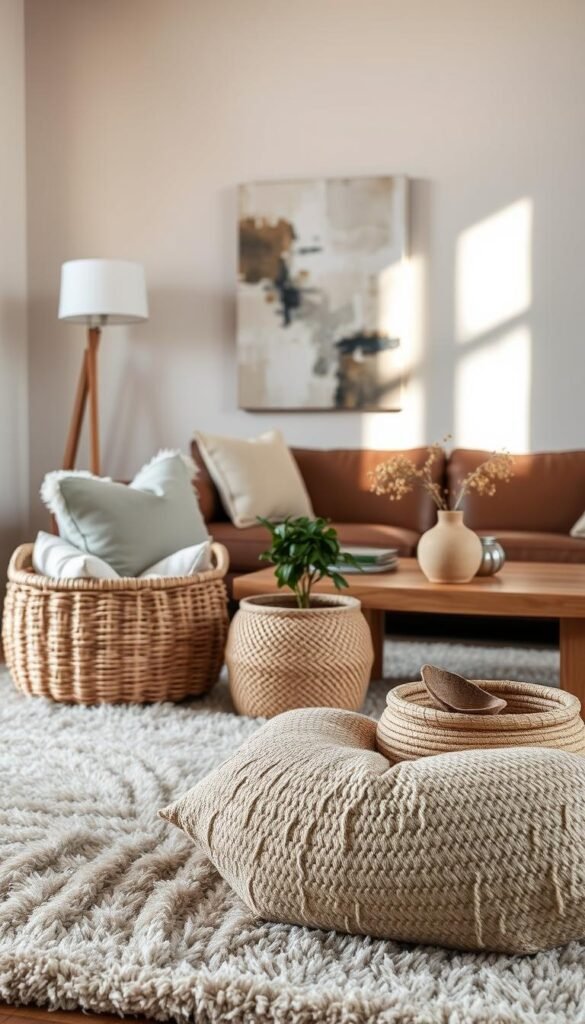
Texture transforms your space from flat to fascinating. It adds dimension that color alone cannot achieve.
Think of texture as your secret weapon against boring spaces. It creates shadows and depth throughout the day.
Light plays beautifully with different surfaces. This interaction makes your room feel alive and dynamic.
Incorporating Various Textiles and Fabrics
Mix different fabrics to create rich visual interest. Layer wool throws over linen sofas for cozy contrast.
Velvet pillows add luxury beside cotton slipcovers. These combinations feel both comfortable and sophisticated.
Consider these fabric pairings for your space:
- Heavy wool blankets with light linen curtains
- Smooth leather chairs with nubby woven pillows
- Silky throw pillows on rough textured sofas
Different weights and weaves create tactile enjoyment. You’ll love running your hands over these surfaces.
Using Natural Elements to Add Warmth
Natural materials bring organic warmth to your design. Wood, stone, and leather never go out of style.
These elements add groundedness to any room. They develop beautiful character over time.
A wood coffee table becomes more interesting with age. Stone accents add permanent elegance to your space.
Woven baskets offer both storage and texture. They bring handcrafted charm to your decor.
| Material Type | Visual Texture | Tactile Feel | Best Placement |
|---|---|---|---|
| Wood Elements | Grain patterns | Smooth or rough | Tables, shelves, frames |
| Stone Surfaces | Natural variations | Cool and solid | Fireplace, accents |
| Textile Mixes | Weave differences | Varied softness | Furniture, windows |
Mix matte and glossy finishes throughout your room. This subtle contrast enhances your neutral palette.
Every element contributes to the overall texture story. From rough stone fireplaces to smooth leather chairs.
A top designer knows texture creates clear definition. Even within similar colors, texture separates elements beautifully.
Selecting Furniture with Classic, Enduring Silhouettes
Your furniture choices create the foundation for your entire space. These pieces anchor your design and set the tone for years to come.
Classic silhouettes maintain their appeal through changing trends. They provide timeless structure that supports your evolving style.
Investing in Quality, Well-Crafted Pieces
Quality furniture stands the test of time both aesthetically and physically. Look for solid wood frames and dovetail joints in construction.
High-density foam cushions maintain their shape through years of use. These features ensure your investment lasts for decades.
Well-designed pieces become family heirlooms that tell your home’s story. They develop character and patina that new items cannot replicate.
Choosing Shapes That Stand the Test of Time
Timeless shapes balance comfort with aesthetic appeal. Your furniture should be both beautiful and functional for daily life.
Consider these enduring silhouettes for your space:
- Chesterfield sofas with their distinctive tufted backs
- Wingback chairs that offer both support and style
- Clean-lined mid-century modern designs
- Traditional rolled-arm sofas for comfortable elegance
- Simple slipper chairs that work in any configuration
These shapes always feel appropriate in various design schemes. Their proportions have been refined over generations.
Neutral upholstery provides flexibility for changing accent colors. You can refresh your look with new fabrics without replacing entire items.
Consider proportion carefully when selecting your pieces. Furniture should fit your space comfortably without overwhelming it.
If you want a modern feel with the furniture, you can reupholster it in updated fabrics
This approach lets you maintain quality construction while refreshing your style. It’s sustainable and cost-effective over time.
Your furniture choices create spaces of lasting elegance and comfort. They become the reliable foundation for your personal sanctuary.
The Art of the Symmetrical and Functional Layout
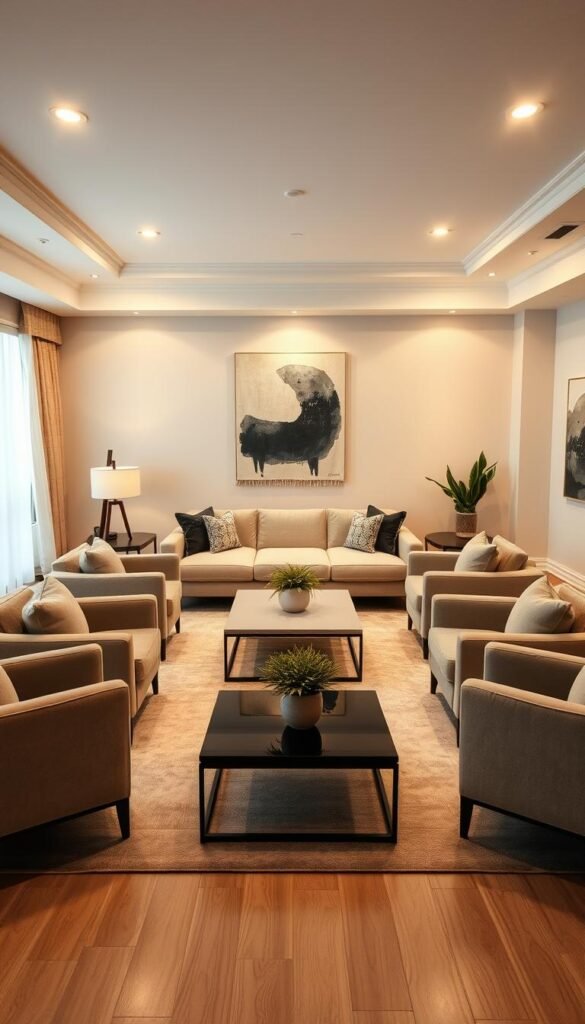
Great interior design balances beauty with everyday practicality. Your space should work as beautifully as it looks.
A thoughtful layout creates both visual harmony and functional ease. This approach makes your area feel calm and organized.
Symmetry brings instant order to your space. It creates a sense of balance that feels naturally pleasing.
Creating Balance and Harmony in Your Space
Symmetrical arrangements offer visual calm in busy rooms. They create a restful atmosphere that welcomes relaxation.
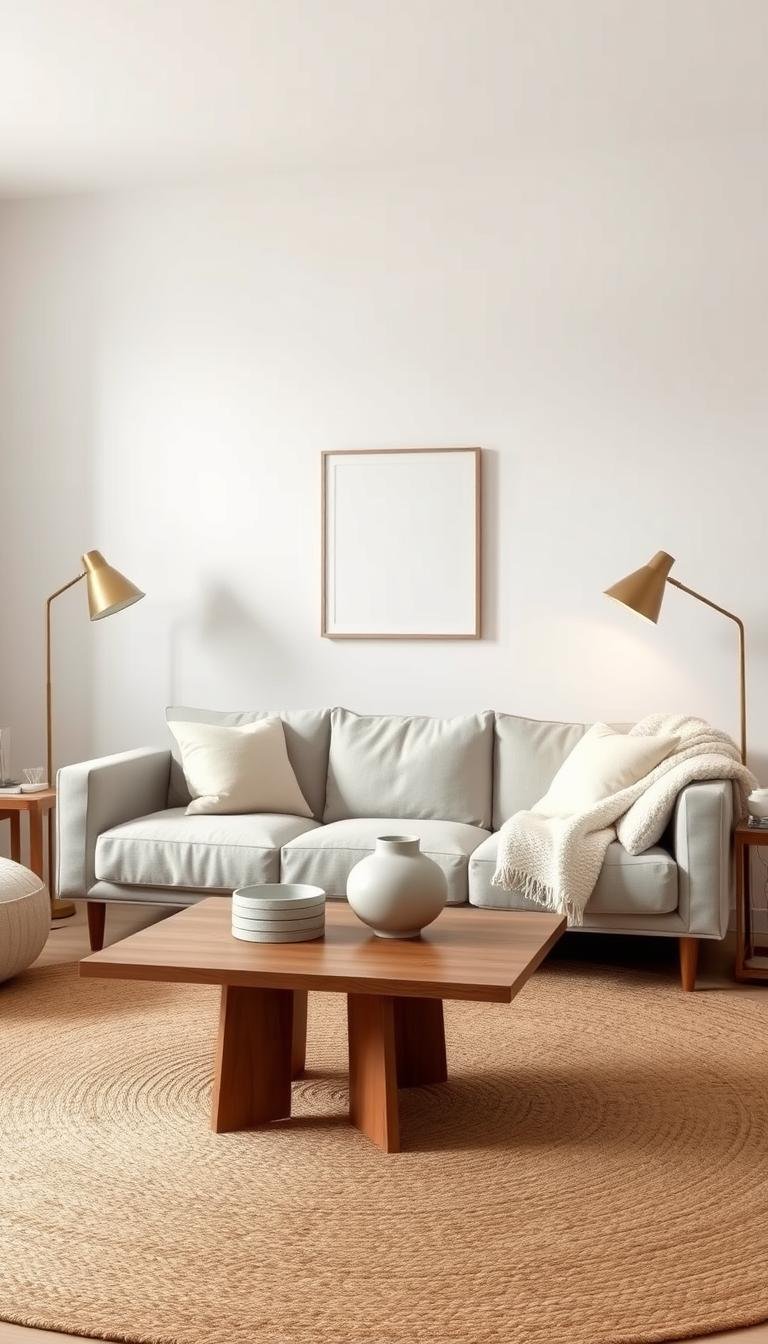
Place matching table lamps on either side of your sofa. This simple trick establishes immediate balance.
Flank your fireplace with identical chairs or bookcases. These choices reinforce the symmetrical theme throughout your space.
Consider these harmony-building techniques:
- Balance visual weight by distributing furniture evenly
- Use pairs of accessories for coordinated appeal
- Create mirror images on either side of focal points
Symmetry doesn’t mean everything must match exactly. It’s about creating balanced visual weight throughout your room.
Arranging Furniture for Conversation and Flow
Your furniture arrangement should encourage comfortable interaction. Position seating to face each other for easy conversation.
Leave clear pathways for natural movement through the space. People should flow easily from one area to another.
Angle furniture toward your fireplace or best view. This creates natural focal points that draw attention.
Area rugs help define conversation zones in larger rooms. They anchor furniture groupings beautifully.
Consider your daily habits when planning the layout. Functional designs work with your lifestyle rather than against it.
Your coffee table should be easily accessible from all seating. This practical consideration enhances comfort during gatherings.
Traffic patterns matter as much as aesthetic appeal. The best layouts consider both visual harmony and practical movement.
Making a Statement with Lighting and Accessories
The perfect finishing touches transform your space from beautiful to breathtaking. These elements add personality while maintaining your sophisticated foundation.
Think of lighting and accessories as the jewelry for your room. They complete the look without overwhelming the overall design.
Choosing a Focal Point Chandelier or Pendant
Your overhead lighting makes an immediate style statement. It becomes both functional and artistic in your space.
Consider a beautiful chandelier or sculptural pendant as your centerpiece. These pieces create instant architectural interest.
Eric Schmitt’s plaster chandelier demonstrates this perfectly. It gives this lovely glow and a sense of architecture to any room.
Select lighting that complements your color scheme without competing. The right fixture enhances rather than dominates your space.
Layer different light sources throughout your room. Combine ambient, task, and accent lighting for both function and mood.
Selecting Art and Decor That Complements Your Palette
Your accessories should tell your personal story beautifully. Choose items that reflect your taste while maintaining calm sophistication.
Art enhances rather than overwhelms your neutral foundation. Black and white photography or tonal works beautifully.
Natural materials add wonderful texture and interest. Consider stone, wood, or ceramic accessories for organic warmth.
Introduce subtle pattern through carefully chosen items. Throw pillows and decorative objects add visual movement.
The right accessories complete your room perfectly. They create a polished look without feeling cluttered.
Every item should contribute to your peaceful atmosphere. Select pieces that bring joy while maintaining harmony.
Incorporating Built-In Storage for a Polished Look
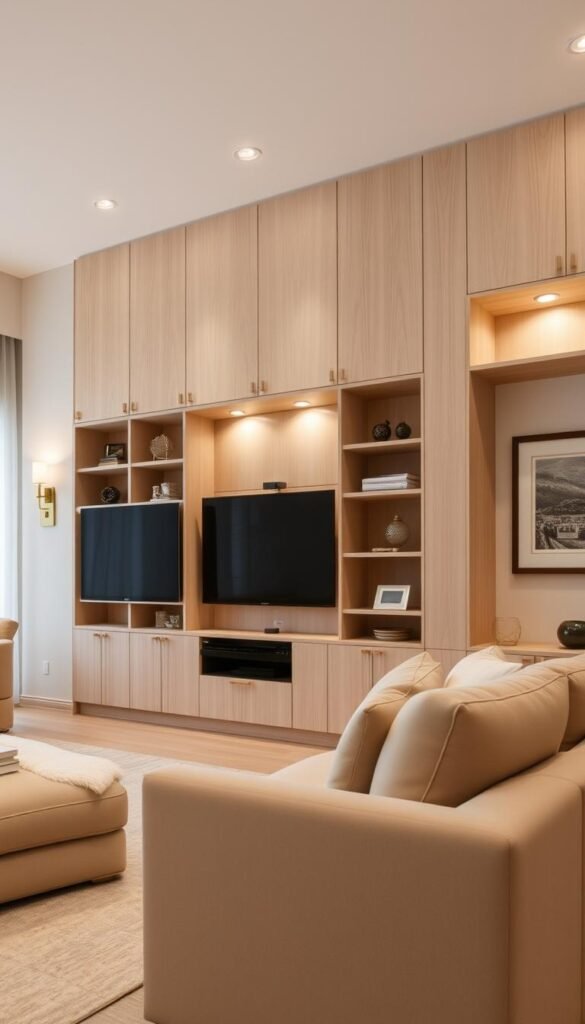
Custom storage integration creates seamless organization that enhances your living experience. These solutions blend beautifully with your existing architecture.
Built-in units provide storage without consuming valuable floor space. They create a clean, uncluttered appearance that freestanding furniture cannot match.
Bookcases and shelving units built into walls offer excellent display opportunities. You can showcase books, art pieces, and personal collections elegantly.
Window seats with hidden compartments provide both functionality and cozy seating. They maximize every inch of your available area beautifully.
These storage solutions work particularly well in compact living areas. They help you maintain organization without sacrificing style.
Custom built-ins can be designed to match your trim work perfectly. This creates a completely integrated appearance throughout your space.
Built-in media centers offer a sophisticated way to manage electronics. They hide cables and components for a cleaner, more polished look.
The investment in quality built-in storage pays excellent dividends. It enhances both your daily functionality and your home’s overall value.
Your storage solutions should reflect your personal needs and aesthetic preferences. Well-designed built-ins achieve this while maintaining visual harmony.
Adding Architectural Interest with Molding and Trim
Architectural details transform ordinary spaces into extraordinary ones. These elements add character and depth to your room’s foundation.
Crown molding creates elegant transitions between walls and ceilings. It adds sophistication that catches the eye upward.
Baseboards protect your walls while adding visual weight. They ground your space with beautiful character.
Paneled walls introduce texture without bold colors. This approach creates interest through subtle dimension.
Consider these timeless architectural elements:
- Chair rails that break up large wall spaces beautifully
- Wainscoting that adds traditional charm and protection
- Picture molding for flexible art display options
- Window and door casings that frame openings elegantly
These details provide a sense of craftsmanship and permanence. They make your space feel intentionally designed.
Moldings work beautifully with neutral wall tones. They enhance rather than compete with your color scheme.
Even simple trim can elevate a basic room. The right details make everything feel more special.
Consider proportional sizing for your space. Larger rooms can handle more substantial moldings.
Paint trim in contrasting neutrals for definition. White trim against gray walls creates classic appeal.
These architectural ideas stand the test of time. They remain relevant through changing design trends.
A good designer knows these elements create lasting style. They add depth that flat walls simply cannot achieve.
Your room gains character and architectural interest. These details make your space feel complete and polished.
Blending Old and New for a Collected Feel
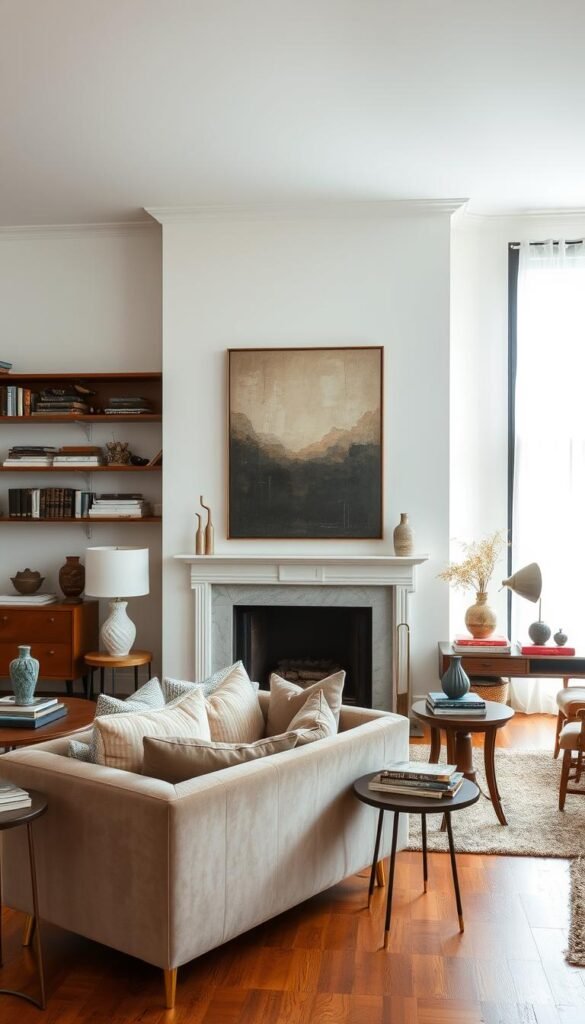
Creating a space that tells your unique story involves thoughtful mixing of different eras. This approach gives your home personality and character that cannot be achieved with matching sets.
Your space becomes a visual timeline of your tastes and experiences. It feels authentically yours rather than something straight from a showroom.
Mixing periods creates visual interest through contrasting styles and materials. You achieve wonderful depth that makes your space feel rich and layered.
Mixing Vintage Finds with Contemporary Pieces
Start by pairing a vintage wood table with modern upholstered seating. This combination creates exciting contrast while maintaining harmony.
Contemporary art looks fresh against traditional architectural details. The juxtaposition makes both elements stand out beautifully.
Vintage rugs anchor modern furniture arrangements with pattern and history. They add warmth and texture to cleaner lines.
This approach lets you incorporate family heirlooms alongside new purchases. Your space becomes truly personal and meaningful.
Balance is essential for successful mixing. Too much vintage can feel dated, while too much contemporary can feel sterile.
Look for pieces that share common elements like color, scale, or line. This creates cohesion amidst the contrast.
Natural light plays beautifully with mixed materials and textures. It highlights the unique qualities of each piece.
Your accessories can bridge different eras through complementary shades. They help tie everything together seamlessly.
Consider these successful blending techniques:
- Use similar color tones across different periods
- Repeat materials like wood or metal throughout the space
- Maintain consistent proportions between old and new items
- Let one era dominate while others play supporting roles
This curated approach makes your space feel evolved over time. It reflects a lived-in elegance that cannot be rushed.
Your home becomes a collection of meaningful things rather than a designed set. This authenticity creates lasting appeal.
Using Natural Materials to Ground Your Design
Natural elements bring authentic character that manufactured items simply cannot match. They create spaces that feel both current and timeless simultaneously.
These materials connect your interior to the outdoor world beautifully. They add organic warmth and texture throughout your home.
Mother Nature offers the perfect color inspiration through her landscapes. Nicole Hollis demonstrated this with her desert-inspired palette.
She used travertine, bleached oak, and limestone to create serene environments. This approach makes rooms feel calm and connected to nature.
The Lasting Appeal of Wood and Stone
Wood brings wonderful warmth through its unique grain patterns. Each piece tells its own story through natural variations and character.
Stone provides cool elegance and permanent weight to your design. It balances warmer elements beautifully throughout your space.
These materials develop beautiful patina over time. They actually improve with age rather than showing wear.
Consider these natural material benefits:
- Wood adds tactile warmth and visual interest
- Stone offers cooling properties and durability
- Both materials work with neutral color schemes
- They create connection to the natural world
Even small accents make a significant impact. A wood bowl or stone coaster grounds your design effectively.
These elements bring sensory enjoyment to your daily life. You’ll appreciate their texture and temperature changes.
| Material Type | Visual Characteristics | Tactile Qualities | Best Applications |
|---|---|---|---|
| Wood Elements | Grain patterns, warm tones | Smooth or textured surfaces | Furniture, flooring, accents |
| Stone Surfaces | Natural veining, cool tones | Solid, weighty feel | Countertops, fireplace surrounds |
| Natural Fibers | Organic textures, neutral colors | Soft, breathable qualities | Textiles, rugs, window treatments |
Earthy touches never go out of fashion according to design experts. They create timeless appeal that trends cannot match.
These materials work in harmony with pared-back color palettes. They enhance rather than compete with your chosen scheme.
Consider sustainability when selecting your pieces. Natural options often prove more eco-friendly than synthetic alternatives.
Your space gains depth and character through these organic elements. They create environments that feel both luxurious and livable.
Experimenting with Paint Finishes Like Lime Wash
Discover a paint technique that transforms ordinary walls into extraordinary surfaces. Lime wash creates depth and movement unlike any standard finish.
This ancient method feels completely fresh in modern interior design. It provides visual texture without introducing bold colors or patterns.
The finish creates a soft, mottled effect that changes throughout the day. Natural light plays across the surface, making your walls feel alive.
Office of Tangible Space used this technique beautifully. They created that wonderful feeling of living “in an acorn” in a Brooklyn apartment.
Lime wash works perfectly with natural materials. It complements wood beams and stone accents throughout your rooms.
Consider these benefits for your space:
- Organic warmth that flat paint cannot achieve
- Dynamic appearance that shifts with lighting conditions
- Subtle texture that adds interest without overwhelming
- Timeless appeal that works with various furniture styles
This finish looks particularly stunning on feature walls. It highlights architectural details like fireplace surrounds or built-in shelving.
Your chairs and coffee table gain new dimension against these walls. The textured backdrop makes furnishings stand out beautifully.
The trending texture lends a sense of cavelike warmth
Lime wash creates environments that feel both cozy and sophisticated. It’s perfect for creating that collected, lived-in look everyone loves.
This technique adds character while maintaining your calm color scheme. Your walls become works of art that evolve throughout the day.
Creating a Focal Point with a Striking Fireplace
Your fireplace serves as the natural heart of your living space. It draws people together and creates instant architectural interest.
Designers understand this powerful focal point potential. Alfredo Paredes created “an exclamation point” with jet black Venetian plaster on a chimney breast.
This bold choice makes the fireplace stand out beautifully. The dark finish creates dramatic contrast against lighter walls.
Stone fireplaces add historical weight and permanence. Ken Fulk incorporated a 19th-century Italian stone mantel that brings centuries of character.
Tim Godbold grounded a room with “a towering stone fireplace.” These natural materials work wonderfully with various design trends.
Your fireplace surround offers excellent texture opportunities. Consider these material choices:
- Brick for rustic charm and warmth
- Marble for elegant sophistication
- Tile for pattern and color variation
- Simple painted surrounds for clean silhouettes
Even non-working fireplaces serve important design functions. The mantel provides perfect display space for art and accessories.
Arrange furniture to direct attention toward this natural center. Your seating should create conversation areas around the hearth.
Modern fireplaces can feature minimalist designs while still commanding attention. Clean lines create strong focal points without ornamentation.
The mantel offers opportunities to seasonally change decor without redesigning the entire room
This flexibility makes your fireplace both timeless and adaptable. You can refresh your look with simple accessory changes.
Consider your overall color scheme when selecting materials. Stone and marble work beautifully with soft neutrals.
Different materials create varied textures that add depth. Rough stone contrasts nicely with smooth plaster wall surfaces.
Your fireplace becomes more than just a heat source. It transforms into the soul of your living space.
Emboring Nature’s Neutrals for a Serene Atmosphere
Nature offers the perfect inspiration for creating peaceful environments. You can draw from the world outside to design a calm sanctuary inside your home.
Natural elements bring authentic beauty that manufactured items cannot match. They create spaces that feel both current and timeless simultaneously.
Mother Nature provides the most beautiful palette inspiration. Sand, stone, wood, and foliage offer endless neutral variations.
Bringing elements from outside creates a grounded atmosphere. Your space gains organic warmth and texture naturally.
Houseplants add life and freshness while maintaining your color scheme. They purify air and bring natural beauty indoors.
Natural light remains the most important element. Arrange furniture to maximize sunlight throughout the day.
If you have beautiful views, frame them with your windows. Avoid competing window treatments that block nature’s artwork.
Nicole Hollis shows how to draw from local landscapes. She embraced desert inspiration for an authentic palette.
Materials like jute, rattan, and seagrass add natural texture. They maintain neutral tones while introducing organic interest.
Nature’s colors work harmoniously together in any space. Greens, browns, and grays create peaceful environments.
Connection to outdoors makes your area feel more expansive. This approach brings serenity and calm to daily living.
| Natural Element | Visual Effect | Practical Benefit | Best Application |
|---|---|---|---|
| Houseplants | Fresh greenery and life | Air purification | Tables, shelves, corners |
| Natural Fibers | Organic texture and warmth | Durability and sustainability | Rugs, baskets, accessories |
| Natural Light | Brightness and shadow play | Energy efficiency | Window arrangement |
| Organic Materials | Earthy tones and textures | Timeless appeal | Furniture, accents, surfaces |
These elements create environments that feel both luxurious and livable. They transform your space into a personal retreat.
Your home becomes a sanctuary of calm sophistication. Nature’s inspiration helps you achieve lasting beauty and peace.
Final Thoughts on Crafting Your Timeless Neutral Living Room
Building your perfect space is a journey of thoughtful choices rather than quick fixes. Focus on quality pieces that will stand the test of time.
Your foundation of soft tones lets you play with trends through easily changed accessories. The best rooms evolve as you add meaningful pieces.
Remember that timeless style doesn’t mean boring. Texture and interesting silhouettes keep your space engaging.
Every good designer knows to balance beauty with function. Your coffee table should work as beautifully as it looks.
These ideas create a peaceful sanctuary that adapts to your changing needs for years to come.