Welcome to your complete guide to creating the perfect living space. We’re exploring how furniture trends are changing to match modern life.
This year brings exciting changes to home decor. Personal comfort and unique style take center stage in your room.
Gone are the days of generic furniture. Today’s pieces tell your personal story and add character to your home.
We’ll show you how to balance beauty and function. Create a space that feels both trendy and timeless for years to come.
Get ready to discover pro tips from top designers. Learn how to make your living area truly inviting and personal.
Why 2026 Sofa Trends Matter for Your Living Space
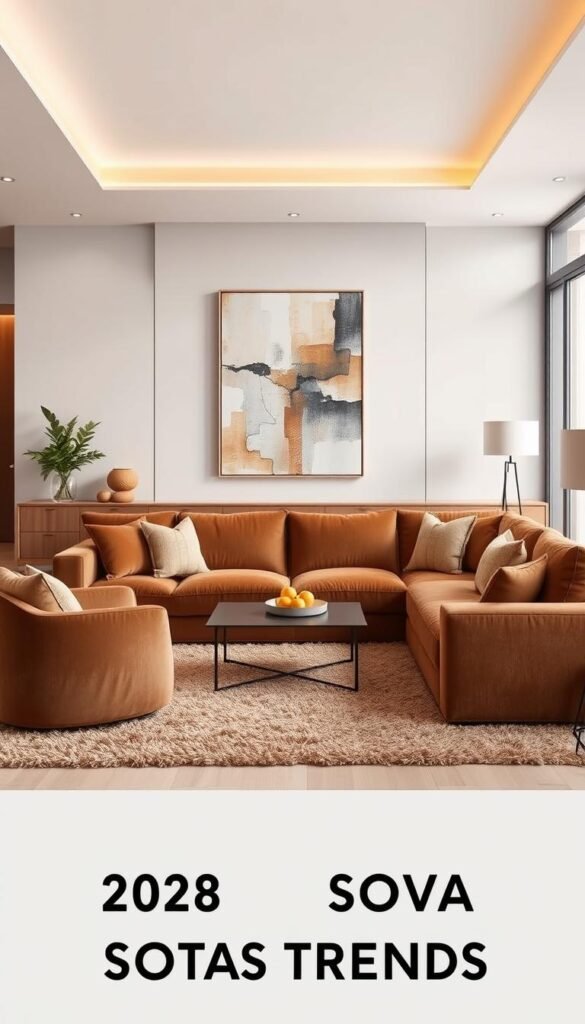
This year brings a meaningful shift in how we approach decorating our personal spaces. Your seating choices now reflect more than just comfort – they tell your unique story.
Top interior designers emphasize this movement toward individuality. Cate Gutter from CWG Design notes:
“In 2026, gone will be the days where living rooms appear bland and generic… spaces that feel deeply personal and collected.”
The Shift From Generic to Personal Living Rooms
Your room should feel like it belongs to you, not a catalog. This trend moves away from cold minimalism toward cozy, personalized environments.
MK Smith Boykin of Smith Interiors explains this transformation:
“Interiors are moving away from cold minimalism and leaning into cozy, personal spaces.”
Consider these elements when creating your space:
- Choose pieces with character and history
- Mix heirloom items with modern comfort
- Select fabrics and colors that speak to your personality
- Arrange your layout for both function and feeling
How Sofa Choices Reflect Changing Lifestyles
Your furniture selections mirror how you actually live. Modern homes need versatile pieces that adapt to multiple activities.
Today’s seating serves many purposes:
- Conversation areas for meaningful connections
- Comfort zones for relaxation and restoration
- Multi-functional spaces for work and play
- Personal sanctuaries that reflect your journey
This approach also supports sustainability. You invest in well-crafted pieces that last rather than disposable trends. Your space becomes both expressive and restorative.
The right choices create a room that truly fits your life. It becomes a place where every piece has purpose and meaning.
Timeless Mid-Century Modern: Reimagined for Contemporary Living
Discover how timeless design principles from the past are shaping comfortable spaces for today’s homes. This iconic style brings fresh energy to modern interiors while maintaining its classic appeal.
The mid-century movement began in post-war America. Visionary creators like Charles and Ray Eames pioneered this approach. They focused on human-scaled proportions that feel just right in your space.
The Enduring Appeal of Clean Lines and Organic Curves
This furniture style combines straight horizontals with gentle curves. The balance creates visual harmony in your room. Slender wooden legs add lightness that makes pieces feel airy and open.
Honest materials like teak, wool, and linen age beautifully over time. They develop character that mass-produced items cannot match. These natural textures bring warmth to urban apartments and larger homes alike.
The style works with various aesthetics from Scandinavian calm to tropical modernism. Its versatility makes it perfect for different interior preferences. You can mix these pieces with other styles for a personalized look.
| Mid-Century Feature | Modern Benefit | Best Use |
|---|---|---|
| Slender wooden legs | Creates visual airiness | Small spaces needing lightness |
| Organic curves | Softens linear geometry | Balancing straight-lined rooms |
| Natural materials | Ages gracefully | Sustainable furniture choices |
| Human-scale proportions | Fits modern apartments | Urban living environments |
Pro-Tip: Balancing Linear Geometry with Curved Accents
Add one curved element near your straight-lined sofa. A round coffee table or arc floor lamp works perfectly. This approach balances the linear geometry beautifully.
Studio Espaazo’s Ahmedabad home shows this technique in action. They paired a clean-lined sofa with curved accessories. The result feels both structured and inviting.
Keep legs visible rather than hidden. Exposed teak or metal maintains the signature mid-century lightness. This detail makes your space feel more open and airy.
These reimagined classics bring optimism and elegance to your room. They offer a timeless yet fresh look that will stay stylish for years. The right pieces become functional art in your daily life.
Sectional Sophistication: Smart Design for Modern Gatherings
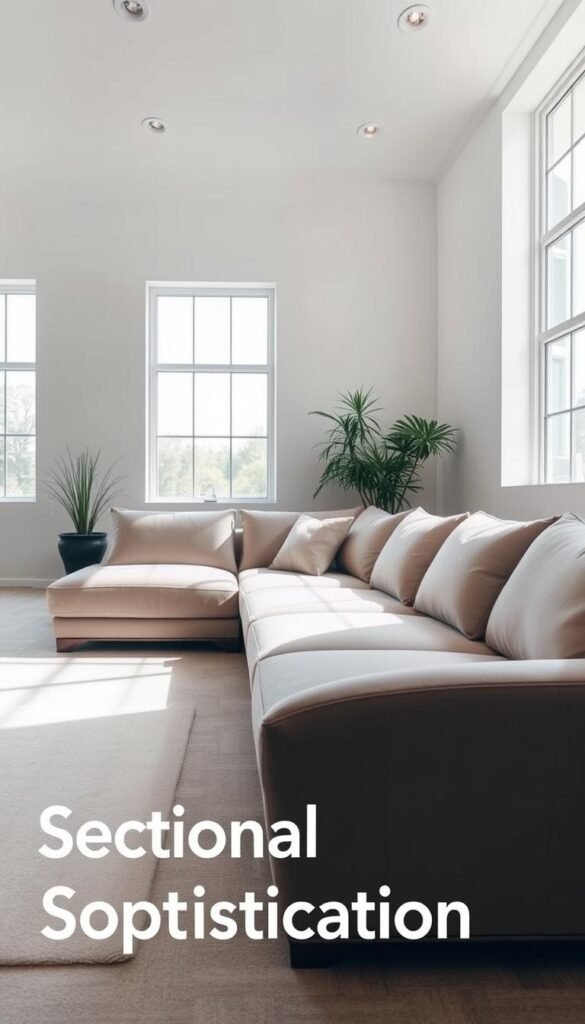
Your sectional has transformed into something truly special. It’s no longer just a large seating arrangement but a symbol of intelligent design for your home.
Today’s modular pieces offer incredible flexibility. You can create intimate reading nooks or expansive social zones with the same furniture.
From Suburban Staple to Architectural Centerpiece
Contemporary interior designers now treat sectionals as architectural elements. These pieces anchor your living area while defining circulation paths.
They soften modern geometries and create natural flow. Your seating becomes both functional and sculptural in your space.
Low profiles and deep seats embody relaxed luxury. Tonal upholstery ensures your piece won’t age poorly over time.
Pro-Tip: Positioning Sectionals Away From Walls
Try placing your sectional away from walls for a dramatic effect. This approach makes it look sculptural and frames open-plan zones beautifully.
Concepto Studio in Bengaluru demonstrates this technique perfectly. Their floating sectional creates defined areas without blocking light or movement.
Consider complementary furniture choices like nested tables. Built-in side ledges enhance functionality without adding bulk.
These adaptable pieces support both social interaction and personal pause. They make your living room more flexible for changing needs.
Sectional sophistication brings smart design to modern gatherings. It’s perfect for homes that value both style and substance.
Modular Marvels: Flexibility Meets Form in 2026
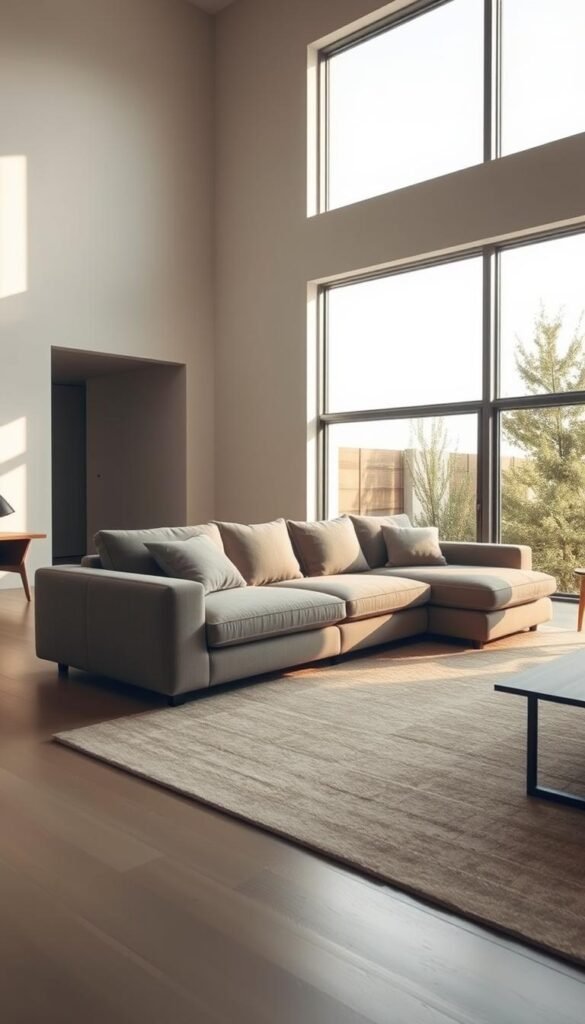
Experience the freedom of modular designs that reshape your space. These innovative pieces represent the pinnacle of adaptable living environments.
Your furniture should evolve alongside your changing lifestyle. This approach creates rooms that feel both current and deeply personal.
The Philosophy of Adaptable Living Spaces
Modular furniture challenges traditional static arrangements. Each unit can transform from intimate reading nooks to expansive social zones.
The concept shares roots with sectional designs from the late 1900s. Visionary creators like Mario Bellini pioneered this approach with iconic pieces like the Camaleonda.
This democratic design philosophy puts control in your hands. You create configurations that perfectly match your daily activities and social needs.
Consider these advantages of modular systems:
- Endless rearrangement possibilities for fresh room layouts
- Individual units that serve multiple functions throughout your day
- Artistic shapes that become sculptural elements in your space
- Comfortable upholstery with soft edges for modern aesthetics
Pro-Tip: Maintaining Visual Calm with Monochrome Palettes
With modular configurations, try keeping your color palette monochrome. This approach maintains visual harmony despite the changing forms.
Let the sculptural quality of each piece create rhythm across your room. Neutral tones allow the furniture’s form to become the main focus.
This technique works beautifully in multi-functional spaces. Your living area feels cohesive while accommodating various activities seamlessly.
Top designers recommend this strategy for modern interiors. It balances the playful nature of modular systems with sophisticated elegance.
Your space becomes both adaptable and aesthetically pleasing. The result is a room that truly reflects contemporary, fluid living.
Texture Takes Center Stage: The Bouclé Revolution
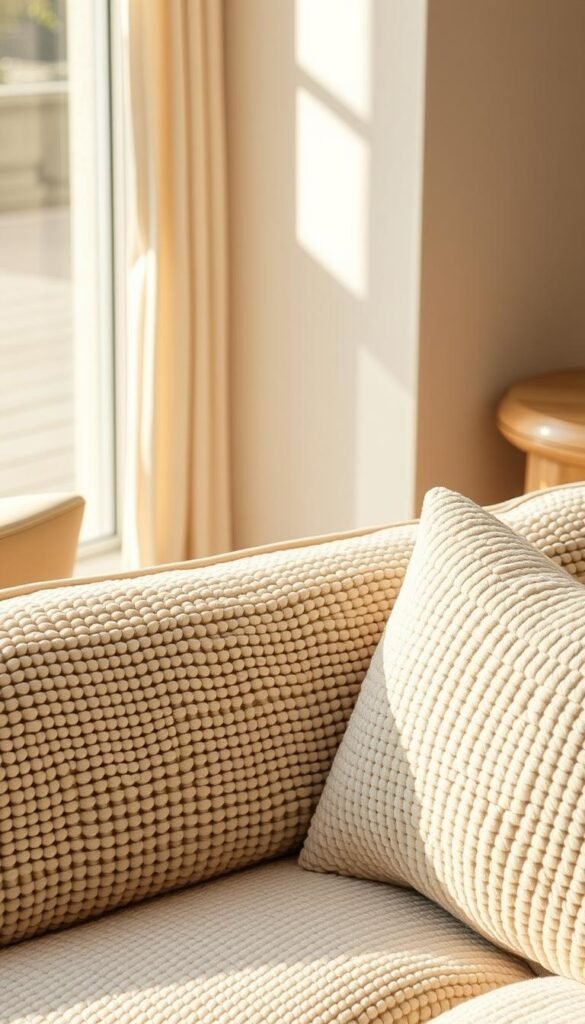
Your seating experience transforms when texture becomes the star. This year brings a remarkable focus on tactile surfaces that elevate comfort to new heights.
Bouclé fabric leads this movement with its unique character. The French word means “looped yarn,” describing its distinctive curled surface.
This material has earned cult status among designers and homeowners. Its cloud-like quality creates instant visual and physical comfort in your space.
Why Cloud-Like Fabrics Define Modern Comfort
Bouclé’s magic lies in its ability to balance form and feeling. The textured surface diffuses light beautifully throughout your room.
It softens sharp architectural lines with organic warmth. Your furniture becomes more inviting through both look and touch.
This fabric represents quiet luxury in modern interiors. It works across various styles from minimalist to maximalist approaches.
AT Studio demonstrates this versatility perfectly. They use neutral shades like ivory or oat for timeless elegance.
These pieces fit beautifully in Japandi apartments or art deco spaces. The texture adds depth without overwhelming your decor.
Pro-Tip: Pairing Soft Textures with Tonal Contrasts
Balance bouclé’s softness with contrasting elements. Dark wood or brushed metal grounds the ethereal quality beautifully.
Marble accents create sophisticated visual interest. These combinations prevent your space from feeling too floaty or insubstantial.
Consider these pairing strategies for your room:
- Rich walnut tables against light bouclé upholstery
- Brushed brass lamps for warm metallic accents
- Dark stone surfaces for weight and stability
- Textured rugs to complement without matching
This approach creates layered sophistication in your interior. Each element supports the others while maintaining individual character.
Your living space becomes both cozy and curated through thoughtful texture pairing.
Reimagined Classics: Chesterfield’s Modern Makeover
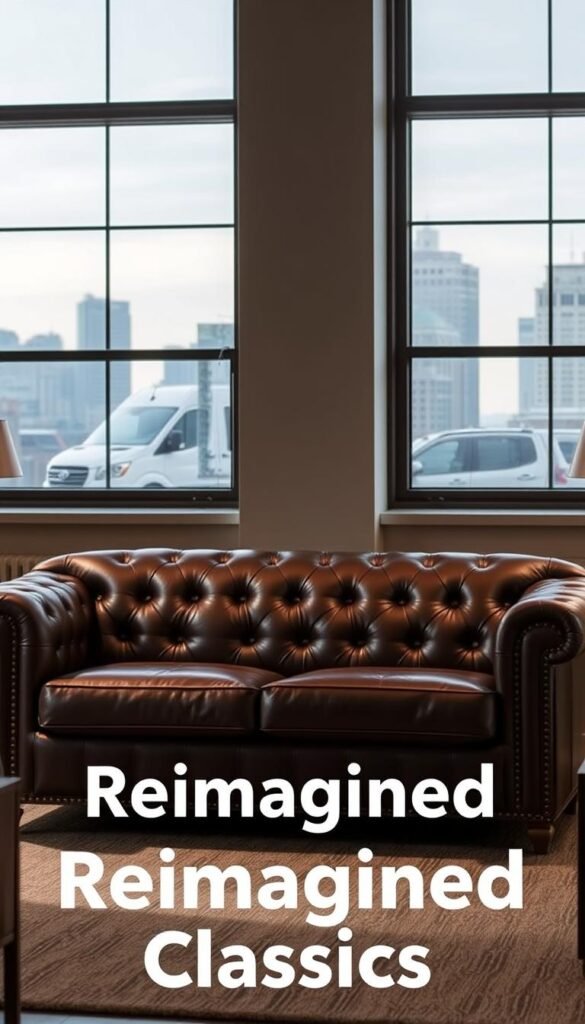
Experience the elegant evolution of a furniture icon that bridges past and present. This timeless piece has journeyed through centuries to find new relevance in your contemporary space.
The Chesterfield’s story begins in 18th-century British drawing rooms. It maintained quiet command through distinctive architectural features like deep tufting and rolled arms. Today’s interpretations preserve this heritage while shedding unnecessary heaviness.
Shedding Tradition for Contemporary Elegance
Creative designers have redefined this classic with elegant simplicity. They replaced excess with cleaner lines and modern materials. The result maintains heritage character without traditional formality.
Contemporary versions feature slimmer arms and refined proportions. Matte finishes replace glossy traditional leather. Luxurious velvet or linen upholstery offers fresh texture options.
This evolution makes the Chesterfield perfect for various interior styles. It works equally well in minimalist lofts and traditional homes. The piece adds gravitas without overwhelming your space.
| Traditional Feature | Modern Interpretation | Design Impact |
|---|---|---|
| High-gloss leather | Matte or suede finishes | Contemporary elegance |
| Bulky proportions | Slimmer arms and legs | Visual lightness |
| Formal appearance | Relaxed sophistication | Versatile styling |
| Limited material choices | Velvet, linen options | Textural variety |
Pro-Tip: Modernizing with Matte Finishes and Minimal Pairings
Paul Rodrigues offers brilliant advice for updating this classic piece. His work demonstrates how simple changes create dramatic impact.
“A matte or suede finish modernises the traditional high-gloss look instantly.”
His library lounge in Goa’s Verve Estate showcases this technique perfectly. Matte black leather preserves elegance while feeling completely current.
Keep your Chesterfield off patterned rugs for clean contrast. Use marble or metal accent pieces to enhance the modern vibe. These minimal pairings let the sofa’s beautiful symmetry shine.
The Chesterfield’s texture and form add permanence to any room. It balances both light and grand spaces effectively. This reimagined classic brings history and sophistication to your home.
Architectural Integration: Built-In Seating Solutions
Built-in furniture represents the ultimate fusion of form and function in contemporary home design. These permanent seating solutions create seamless transitions between your room’s architecture and furnishings.
The concept blurs traditional boundaries between movable pieces and fixed structures. Your seating becomes an integral part of the space itself rather than just furniture within it.
When Furniture Becomes Part of Your Room’s Structure
This approach has deep roots in both Mediterranean and Japanese traditions. These cultures valued precious space and created poetic solutions that served multiple purposes.
Today, built-in seating embodies architectural minimalism at its finest. Designers cast these pieces in materials like lime plaster, stone, or tadelakt. The result provides beautiful continuity from plinth to wall to window.
Your built-in sofa can transform unused corners into contemplative nooks. It turns steps into additional seating and creates inviting conversation areas. The integration enhances both functionality and atmosphere throughout your living room.
RAD co + lab in Mumbai demonstrates brilliant applications of this concept. They pair built-ins with other couch styles to add variety and human touch. This combination prevents the space from feeling too austere or clinical.
| Traditional Seating | Built-In Solution | Space Impact |
|---|---|---|
| Freestanding pieces | Integrated structure | Maximizes floor space |
| Limited placement options | Custom corner integration | Utilizes awkward areas |
| Visible legs and frames | Seamless visual flow | Creates clean lines |
| Standard dimensions | Tailored to your space | Perfect custom fit |
Pro-Tip: Layering Fixed Seating with Soft Textiles
Fixed seating needs softness to feel inviting rather than austere. The contrast between hard materials and soft textiles creates wonderful balance.
Layer your built-in pieces with loose cushions and varied textiles. Use different tones and textures to maintain warmth throughout your space. This approach keeps the human element present against masonry or plaster surfaces.
STaND Design’s Mumbai home shows creative application of this principle. They extended deck flooring into seating areas for an enticing play of levels. The result feels both architectural and incredibly inviting.
Consider these layering strategies for your built-in seating:
- Mix cushion sizes for visual interest and varied comfort
- Combine different fabric textures like wool, linen, and cotton
- Use tonal variations within the same color family
- Add throw blankets for additional softness and warmth
Architectural integration makes your living room more cohesive and innovative. It represents 2026’s focus on intentionally designed spaces that serve both form and function beautifully.
Grounding Grace: The Rise of Low-Slung Lounge Pieces
Your home embraces a new level of tranquility with furniture that sits closer to the ground. This approach creates an intimate atmosphere where every moment feels more connected and peaceful.
These pieces draw inspiration from global traditions of floor-level living. They blend Eastern mindfulness with contemporary comfort for your modern space.
The design philosophy values horizontal lines over vertical presence. Your room gains visual calm through this grounded arrangement.
Embracing Floor-Level Comfort and Visual Calm
Low-slung furniture changes how you experience your interior. It encourages relaxed postures and deeper relaxation throughout your day.
This trend connects to Japanese tatami culture and India’s floor seating traditions. Both emphasize harmony with one’s environment through lowered perspectives.
Designer Ashni Kumar in Bengaluru demonstrates this beautifully. Her work shows how low profiles create breathing room in various layouts.
Key benefits of this approach include:
- Elongated proportions that enhance spatial flow
- Deep cushions that invite extended lounging
- Wide arms perfect for resting drinks or books
- Uninterrupted sightlines across your entire area
These elements work together to establish a slower rhythm in your home. The atmosphere becomes instinctively more relaxed and inviting.
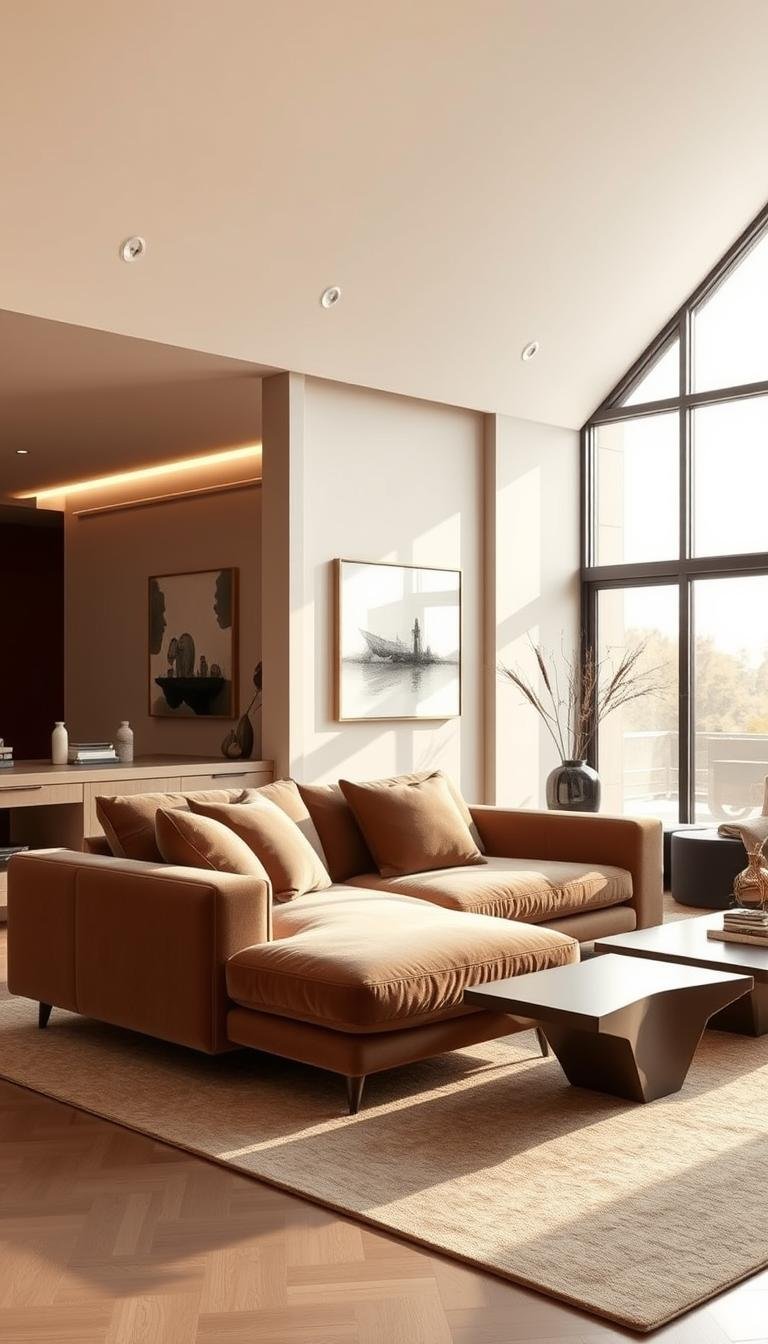
Pro-Tip: Orienting Low Furniture Toward Natural Light
Position your low-slung pieces to maximize natural illumination. Facing windows or courtyards amplifies the serene effect dramatically.
“Orient the low-slung sofa towards windows or courtyards—the low height extends the landscape.”
This placement strategy makes your room feel more connected to outdoors. The low height visually expands your view beyond the glass.
Complement this orientation with diffused lighting options. Soft, indirect sources enhance the calming atmosphere after sunset.
Keep surrounding furniture at similar heights for full effect. Low tables and floor cushions maintain the harmonious flow.
Your space gains elegance through this thoughtful arrangement. The result feels both tranquil and intentionally designed for modern living.
Bold Patterns and Colors Making a Statement
Your living room becomes a canvas for self-expression with daring choices that reflect your personality. This year celebrates fearless combinations that transform ordinary spaces into extraordinary environments.
Designers champion this movement toward vibrant individuality. Your furniture selections now make powerful visual statements that spark conversation and joy.
These trends bring energy and character to your home. They create spaces that feel both current and deeply personal.
The Floral Sofa Resurgence: From Retro to Refined
Floral patterns return with fresh sophistication after decades away. Today’s interpretations blend vintage charm with modern elegance.
These prints add visual movement to large furniture pieces. They create lightness where solid colors might feel heavy.
Designer Lucy O’Brien advises on pattern scale selection. Smaller prints work beautifully in compact areas. Larger blooms make dramatic statements in spacious rooms.
Abstract floral designs offer contemporary alternatives. They maintain organic beauty while feeling completely current.
Chartreuse Accents and Dark Wood Finishes
Vibrant chartreuse emerges as a favorite accent color. This zesty hue brings energy and freshness to your palette.
Dark wood finishes provide rich contrast against bright elements. They ground your space with timeless elegance.
Megan Molten highlights this powerful combination. Dark surfaces make vibrant colors pop beautifully. The balance creates depth and sophistication.
These elements work together to create dynamic interiors. Your room feels both lively and perfectly balanced.
Mixing Patterns with Confidence and Style
Combining different prints creates layered visual interest. The key lies in maintaining harmony through color or scale.
Pair floral patterns with geometric or striped accents. This approach adds character without overwhelming your space.
Designers like Sasha Bikoff demonstrate brilliant pattern mixing. They use bold sofas as foundation pieces for entire room schemes.
Elizabeth Hay shows practical solutions for family living. Her work proves pattern can be both beautiful and functional.
Your space gains personality through thoughtful combinations. Each element contributes to a cohesive yet exciting environment.
Dark wood furniture provides stability against soft color schemes. It adds weight where needed and enhances overall design impact.
Create unified palettes around your statement pieces. Ensure patterns communicate well with other elements in your room.
Art and lighting should complement rather than compete. The result feels intentionally designed yet effortlessly inviting.
Your living area becomes a true reflection of personal style. It balances bold expression with comfortable livability.
Functional Innovations: Multi-Purpose Sofa Solutions
Your seating choices now offer more than just comfort. They transform your area into versatile zones for various activities. This approach makes every piece work harder for your lifestyle.
Multi-functional furniture becomes essential in modern homes. These pieces adapt to your changing needs throughout the day. They support work, play, and relaxation in one beautiful setup.
Game Tables and Conversation-Friendly Designs
Modern accent pieces serve multiple purposes beautifully. They become gaming surfaces, dining spots, or homework zones. When not in use, they function as elegant conversation areas.
Designer Elaina Darden explains their practical dimensions. These tables typically measure 36-40 inches wide. This size fits perfectly into various room layouts.
The Mahjong influence brings cultural richness to your space. It adds an element of shared enjoyment and connection. Your furniture becomes a center for meaningful interaction.
Consider these multi-functional benefits:
- Convertible surfaces that adapt to different activities
- Hidden storage for game pieces or remote controls
- Adjustable heights for dining or working comfort
- Durable materials that withstand daily use
Jessica Duce recommends integrating these pieces thoughtfully. They should complement your main seating without overwhelming the area. The right balance creates both function and flow.
Curved Furniture That Serves as Art and Function
Fluid forms bring artistic elegance to practical pieces. These designs reduce sharp edges and create welcoming environments. They add movement and grace to your entire setup.
Sectionals curve like ribbons through your space. Lounge chairs feature sculptural profiles that stand alone as art. Ottomans take on organic shapes that feel both modern and timeless.
Christopher Boutlier emphasizes their dual nature. These pieces provide physical comfort while elevating visual appeal. They become focal points that spark conversation and admiration.
The benefits extend beyond aesthetics:
- Softer profiles enhance safety in active households
- Fluid lines improve traffic flow throughout the room
- Artistic elements add personality without clutter
- Ergonomic shapes support natural body positions
| Traditional Design | Curved Innovation | Room Impact |
|---|---|---|
| Sharp corners | Rounded edges | Enhanced safety |
| Linear forms | Fluid shapes | Visual movement |
| Static appearance | Sculptural quality | Artistic interest |
| Standard function | Multi-purpose use | Space efficiency |
These innovations reflect 2026’s focus on adaptable personal environments. Your choices should serve diverse activities while maintaining beautiful form. The result is a room that truly works for your life.
Creating Your Perfect 2026 Living Room: A Lasting Investment
Your living space becomes a personal sanctuary through thoughtful furniture choices. Investing in timeless design ensures your room stays beautiful for years.
Remember the key trends we explored. Mid-century modern, sectionals, modular pieces, and bouclé textures all offer unique benefits. Reimagined classics, built-ins, low-slung designs, bold patterns, and multi-functional solutions provide endless options.
Choose pieces with tactile upholstery and grounded color palettes. Human-scale silhouettes create comfort that lasts. Trends may fade, but well-made furniture improves with time.
Let materials breathe and light move freely. Balance softness with structure for harmony. Your choices should reflect your lifestyle and aesthetic preferences.
Use these insights to create a restorative, expressive space. Your room will tell your story with confidence and style.