Your home should be a sanctuary where you unwind and recharge. A thoughtfully designed space can transform daily stress into pure relaxation.
Imagine reducing anxiety and boosting your mood just by stepping into your own haven. This atmosphere brings emotional benefits that improve overall well-being.
Creating this inviting feel is possible for any budget or space size. Whether you have a large house or a compact apartment, warmth and comfort are within reach.
We explore various styles, from minimalist to eclectic approaches. There is something here for every personal taste and preference.
Our guide shares 17 key strategies to craft a space that truly reflects your personality. Get ready to discover practical tips that prioritize comfort over mere aesthetics.
Top designers share real examples to inspire your journey. With creativity and intention, you can build a retreat that welcomes you every day.
Why Your Living Room Should Be Your Cozy Haven
After a long day, your personal retreat offers a peaceful escape from the world’s noise. This special area becomes your daily reset button, washing away stress and tension.
Creating this environment goes beyond mere decoration. It’s about crafting an experience that supports your emotional well-being.
Escaping the Everyday Hustle and Bustle
Your haven serves as a buffer against daily pressures. Interior designer Catherine Staples emphasizes the importance of layout for creating connection.
She recommends grounding the space with a large area rug. Arrange ample seating within a 10-foot circle to foster conversation and intimacy.
This arrangement creates natural flow and comfort. It transforms your area into a true gathering spot for relaxation.
It’s About Feeling, Not Just Looking, Good
True comfort engages all your senses. Julia Dempster notes that coziness involves energy from scent, touch, light, and sound.
Coziness is about the entire persona of the space, not just visual elements.
Soft lighting and calming scents enhance your room feel. Textures and colors contribute to a sense of warmth and safety.
Choose tones that create emotional comfort rather than just matching decor. The right mix of elements makes your space uniquely comforting.
According to design experts, avoid overly structured arrangements. Opt for personal setups that reflect what makes you feel most at ease.
Your furnishings should invite relaxation, not perfection. The goal is creating a space that genuinely supports your mental health.
Remember, your haven should reflect your personal definition of comfort. It’s about creating an environment where you can truly unwind and recharge.
Layering: The Secret to a Deeply Cozy Atmosphere
The magic of a comfortable atmosphere lies in creating visual and tactile richness through strategic combinations. This approach builds depth that makes any space feel more inviting and complete.
Expert designer Emma Sims Hilditch emphasizes considering color, print, and texture equally. This balanced approach creates harmony while adding personality to your area.
Mixing Textiles for Tactile Richness
Combining different fabrics creates a soft environment that welcomes relaxation. Wool, linen, and cashmere blends offer varied textures that engage the senses.
Sean Symington recommends using gathered lampshades and fluffy pillows for added softness. These elements contribute to the overall comfort level.
Chunky knits or mohair throws provide excellent options for tactile richness. These materials not only feel wonderful but also help insulate your space.
The Power of Throw Pillows and Blankets
Strategic placement of pillows and blankets instantly add warmth and comfort. They allow for easy seasonal updates without major changes.
Emma Sims Hilditch suggests using smaller scale fabrics for throw pillows and lampshades. This attention to detail creates a more refined look.
These elements also help deaden sound, contributing to a calmer environment. The right combination makes your space feel both comfortable and personal.
Experiment with different patterns and textures to achieve a collected look. Mixing pillow sizes and fabrics creates visual interest while maintaining comfort.
Start with a foundational rug and build upward with various textiles. This approach works for multiple design styles, from simple to elaborate arrangements.
Consider weaves for upholstery and smaller patterns for accessories to create depth.
Remember to layer elements with intention rather than simply adding items. Each piece should contribute to the overall feeling of comfort and welcome.
Choose a Warm and Welcoming Color Palette
Color transforms your space more than any other element. It sets the emotional tone before you even sit down. The right palette makes your area feel instantly inviting.
Colors affect mood and perception in powerful ways. Warm hues create feelings of comfort and security. Cooler tones can feel refreshing but may lack warmth.
Embracing Earthy Tones and Spice Colors
Earth-inspired shades create natural warmth and grounding energy. Think terracotta, sienna, and rich mahogany. These colors connect your space to the natural world.
Designer Kathy Kuo recommends pairing these tones with woven textures. This combination creates depth and tactile interest. The effect feels both elegant and comfortably lived-in.
Ochre and mustard yellows bring sunny warmth to any space. They work beautifully with natural wood and stone elements. These hues make your area feel snug and protected.
For seasonal updates, incorporate warm spice tones through accessories. Add cinnamon-colored pillows or rust-colored throws. These small changes refresh your space without major effort.
The Cozy Sophistication of Moody Blues
Deep blue shades create surprisingly warm and serene atmospheres. Navy, slate, and steel blues offer elegant alternatives to neutral palettes. They provide calm sophistication without sacrificing comfort.
Designer Stephenie Watts demonstrates this in her sunroom transformation. She used blue and gray tones inspired by vintage paintings. Velvet and wool fabrics added luxurious texture.
Color drenching creates particularly impactful results. Painting walls, trim, and ceilings the same rich shade. Try deep browns or soft biscuit tones for enhanced warmth.
These colors work beautifully with both natural and artificial lighting. They create harmonious environments that feel both intentional and relaxing.
| Color Family | Recommended Shades | Mood Created | Best Paired With |
|---|---|---|---|
| Earthy Tones | Terracotta, Ochre, Sienna | Grounded, Snug, Natural | Wood, Woven Textures, Leather |
| Spice Colors | Mahogany, Rust, Cinnamon | Warm, Inviting, Seasonal | Metallic Accents, Natural Fibers |
| Moody Blues | Navy, Slate, Steel Blue | Serene, Sophisticated, Calm | Velvet, Wool, Matte Finishes |
| Neutral Bases | Biscuit, Warm Gray, Cream | Versatile, Soft, Balanced | Any Color Accents, Natural Materials |
Experiment with different shades to find your perfect balance. Sample paints on your wall and observe them at different times of day. Notice how natural light changes their appearance.
Move away from cool grays during fall and winter months. Embrace warmer hues that make your space feel like a true retreat. The right colors significantly impact your daily relaxation and mood.
Your color choices should reflect what makes you feel most at peace. Whether earthy tones or moody blues, select shades that create your personal sanctuary. This approach ensures your space genuinely supports your well-being.
Harness the Transformative Power of Lighting
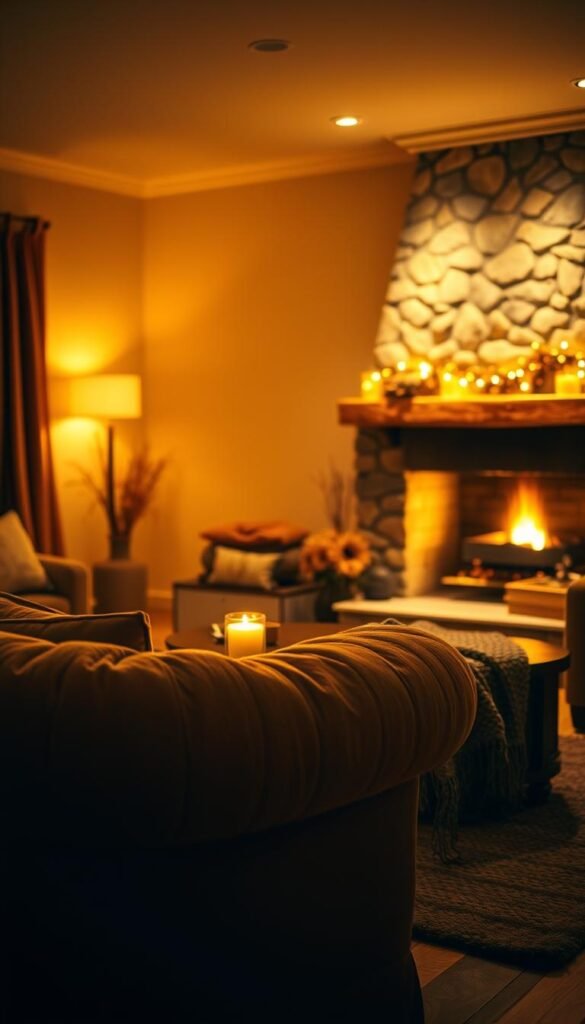
Lighting creates the mood before you even speak. It sets the emotional tone for your entire space. The right approach transforms cold areas into welcoming retreats.
Think beyond simple illumination. Good lighting design engages emotions and senses. It makes your home feel like a true sanctuary.
Ditching Harsh Overhead Lights for Lamps
Ceiling fixtures often create clinical, unwelcoming environments. They cast unflattering shadows and lack personality. Designer Emma Deterding recommends avoiding them entirely.
Instead, use floor and wall lamps for a warming glow. These sources create pools of light that feel intimate. They make your room appear softer and more inviting.
Ambient lighting provides general illumination without glare. Task lighting focuses on specific areas for reading or work. Combining both creates functional yet comfortable spaces.
Benji Lewis suggests using gathered lampshades to soften the atmosphere. These shades diffuse light beautifully. They create gentle illumination that reduces eye strain.
Creating Ambiance with Candles and Firelight
Nothing compares to the flicker of natural flames. Candles add movement and scent to your environment. They create a multi-sensory experience that overhead lights cannot match.
Firelight provides the ultimate in atmospheric illumination. Even electric fireplaces offer similar visual warmth. These elements make your space feel deeply comforting.
Consider Sarah Sherman Samuel’s Ribbon Candle Sconce for inspiration. This fixture combines modern design with traditional candlelight. It shows how classic elements can feel fresh and current.
Vary light heights throughout your room. Use floor lamps, table lamps, and wall sconces together. This approach creates pockets of warmth that feel intentional.
Dimmable options offer excellent versatility for different moods. They allow you to adjust brightness throughout the day. Natural light remains important for daytime vitality.
Side lighting, firelight, and candles create softer ambiance than bright, direct sources.
Soft lighting reduces stress and promotes relaxation psychologically. It signals your brain that it’s time to unwind. This makes your space truly supportive of well-being.
Start with simple updates like adding a table lamp. Cluster candles on trays for safe, beautiful displays. These small changes make immediate improvements to your room’s feel.
Remember that lighting should serve both function and atmosphere. The right balance makes your home feel both practical and deeply comforting. It transforms daily experiences through thoughtful design.
Incorporate Natural and Earthy Elements
Nature’s touch transforms your personal retreat into a grounded sanctuary. These organic elements create immediate connection and tranquility throughout your space.
Designer Alessandra emphasizes warm, earthy tones and lush greenery for peaceful atmospheres. This approach brings the outdoors inside for continuous relaxation.
Bringing the Outdoors In with Greenery
Plants instantly make any area feel alive and breathing. They improve air quality while boosting mental well-being naturally.
Choose greenery based on your available space and light conditions. Small succulents work beautifully on shelves and tables.
Large statement plants become living sculptures in corners. They create focal points that draw the eye upward.
These natural elements work harmoniously with earthy color palettes. They enhance serenity and connection to the natural world.
Even simple cuttings in water vases bring organic beauty inside. Fresh branches or seasonal blooms add changing interest.
Using Wood and Stone for a Grounded Feel
Reclaimed materials add instant character and history to your home. Beams from an 1800s mill create wonderful warmth and age.
This approach was beautifully executed in a North Carolina mountain house. Salvaged wood and stone created authentic rustic charm.
Add wooden accents through furniture pieces or decorative objects. A simple coffee table brings organic warmth to your seating area.
Stone features provide timeless texture and natural elegance. Fireplaces or accent walls create stunning focal points.
These elements contribute to biophilic design principles. This trend makes room environments feel more inviting and human-centered.
Designers intentionally incorporate proportions and shapes for visual harmony. The right balance creates peaceful atmospheres that feel both curated and comfortable.
Your space should reflect natural beauty through thoughtful details. Even small additions make significant impact on the overall look and atmosphere.
Select Furniture That Invites You To Relax
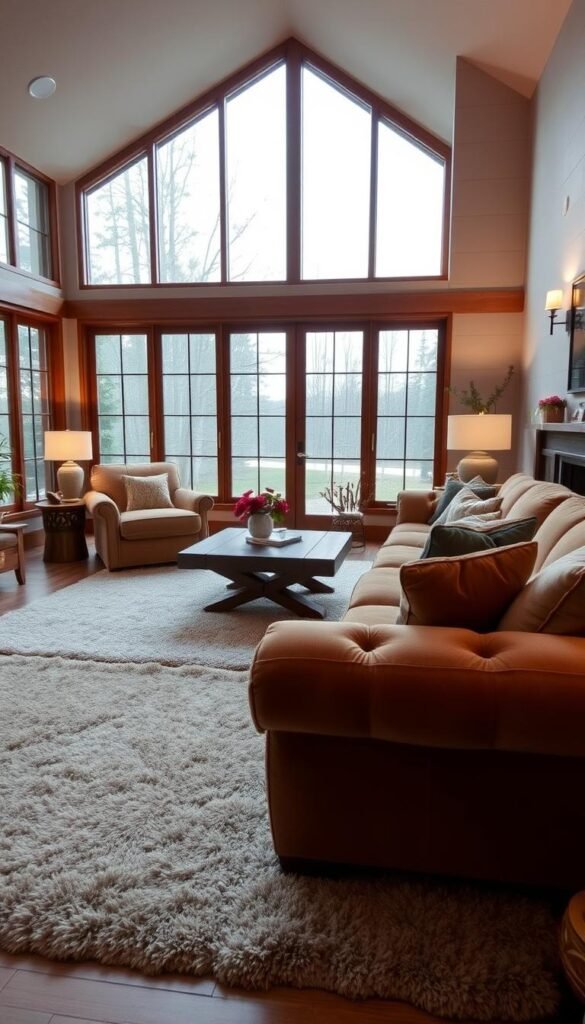
Your seating choices determine how your space functions daily. The right pieces welcome you to unwind and connect with others. They become the foundation of your comfortable retreat.
Designer Bambi Costanzo demonstrates smart solutions for any size area. She transformed an Ikea sectional with layered textiles for maximum comfort. This approach proves great design prioritizes feeling over appearance.
Choosing the Right-Sized Pieces for Your Space
Measure your area before selecting any furnishings. Oversized items overwhelm small rooms, while tiny pieces get lost in large spaces. Proper proportions create harmony and flow.
Consider multi-functional options like storage ottomans or sleeper sofas. These pieces offer hidden practicality without sacrificing style. They maximize functionality in compact layouts.
Arrange seating to encourage face-to-face conversation. Position chairs and sofas within easy speaking distance. This creates natural gathering spots for relaxation.
Second-hand finds often bring unique character to your room. Vintage pieces tell stories and add personality. They also support sustainable decorating practices.
The Ultimate Indulgence of a Statement Sofa
A spectacular sofa serves as the heart of your seating area. Cloud-like sectionals and deep cushions invite total relaxation. These pieces become instant favorites for family movie nights.
Supersized options create an enveloping feel that’s perfect for modern homes. They offer plenty of space for stretching out or cuddling up. This furniture makes your area feel like a true sanctuary.
Upholstery materials significantly impact tactile comfort. Velvet provides luxurious softness, while leather develops beautiful patina over time. Choose fabrics that feel wonderful against your skin.
Select pieces you genuinely enjoy using every day. Comfort should always outweigh passing trends. Your furniture should support your lifestyle and relaxation needs.
| Furniture Type | Best For Space Size | Comfort Features | Style Suggestions |
|---|---|---|---|
| Apartment Sofa | Small to medium rooms | Deep seats, armrests | Mid-century, modern |
| Sectional | Large open areas | Reversible chaise, storage | Contemporary, transitional |
| Accent Chair | Any size room | High back, swivel base | Wingback, slipper chair |
| Multi-functional | Compact layouts | Hidden storage, convertible | Modern, minimalist |
Create intimate seating areas focused on relaxation. Float furniture away from walls when possible. This arrangement makes your space feel more inviting and conversational.
Remember that great furniture design combines beauty with everyday comfort. Your pieces should welcome you home and support precious moments of rest. They become the foundation of your personal haven.
Add Warmth and Softness Underfoot with Rugs
Your floor covering makes a huge difference in how your home feels. The right choice transforms cold surfaces into inviting foundations for daily life.
Rugs provide both visual and physical comfort throughout your space. They create a welcoming atmosphere that starts from the ground up.
How Rugs Define Spaces and Deaden Sound
Area rugs work like magic in open floor plans. They visually separate different functional zones without walls.
Place a large rug under your main seating arrangement. This anchors the furniture and creates a cohesive look.
Designer Kailee Blalock loves layering rugs for added texture. She suggests combining different sizes and patterns for depth.
Rugs also absorb sound beautifully in any room. They reduce echo and create a quieter, more peaceful environment.
This acoustic benefit makes conversations easier and relaxation deeper. Your space feels more intimate and contained.
Choosing the Perfect Rug Material and Pattern
Material selection impacts both comfort and durability. Wool offers natural softness and excellent resilience.
Shag rugs provide cloud-like comfort under bare feet. They add wonderful texture to any design scheme.
Consider Janine Genower’s approach with her orange retro-style rug. She chose a piece from Mexico that reflects her travel experiences.
Pattern and color should complement your existing palette. Bold designs make strong statements in neutral rooms.
Subtle patterns work well in already busy spaces. They add interest without overwhelming the eye.
Vintage Turkish kilims bring unique character and history. Handmade pieces tell stories through their weaving.
Always consider practical maintenance requirements. Some materials handle heavy traffic better than others.
Your rug should balance beauty with everyday functionality. The right choice enhances both the look and feel of your home.
Start with a foundational piece that defines your main seating area. Then consider layering smaller accent rugs for added interest.
This approach creates visual depth while maximizing comfort underfoot. Your space becomes more inviting with every step.
Create Intimate and Functional Layouts
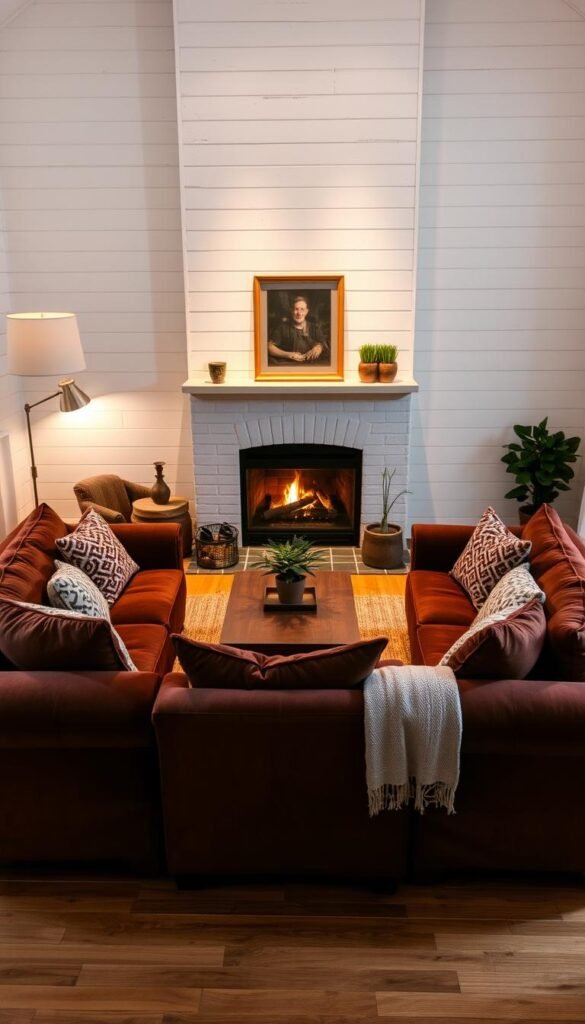
How you arrange your furniture transforms how your area functions daily. A thoughtful setup encourages connection and relaxation naturally. It makes your environment both beautiful and practical for real life.
Good layouts prioritize people over possessions. They create natural flow and comfortable interaction zones. Your choices should support how you actually live and relax.
Arranging Furniture for Conversation
Position seating to face each other, not just the television. This simple change encourages talking and connection. It makes your area feel more social and engaging.
Designer Catherine Staples recommends keeping seats within a 10-foot circle. This distance ensures everyone can chat comfortably. It creates a natural gathering spot for family and friends.
Float your sofa away from the wall when possible. This approach makes the space feel more open and inviting. It improves traffic flow throughout the room.
Include a central coffee table for drinks and books. This piece anchors the seating arrangement beautifully. It provides a practical surface for everyday use.
Consider these tips for better conversation areas:
- Angle chairs slightly toward each other
- Use smaller side tables between seats
- Ensure clear pathways around the grouping
- Add extra seating like ottomans or benches
Making the Fireplace Your Focal Point
Nothing beats a fireplace for natural warmth and atmosphere. It creates an instant focal point that feels inviting. This feature draws people together naturally.
Arrange your main seating to face the fireplace directly. This setup makes the feature the star of your room. It creates a cozy spot for relaxation and conversation.
Style the mantel with personal items and seasonal decor. Change displays with the seasons for fresh interest. This approach keeps your home feeling current and lived-in.
Even without a working fireplace, the feature adds character. Use candlesticks or lanterns inside for soft glow. The visual appeal remains strong regardless of function.
Consider this comparison of focal point options:
| Focal Point Type | Atmosphere Created | Best For | Arrangement Tips |
|---|---|---|---|
| Fireplace | Warm, traditional, inviting | Conversation areas, colder climates | Face seating directly, use symmetrical decor |
| Large Window | Bright, airy, connected to nature | Reading nooks, daylight spaces | Use low-profile furniture, maximize light |
| Art Wall | Personal, creative, expressive | Modern spaces, gallery walls | Keep furniture simple, use track lighting |
| Entertainment Center | Functional, modern, media-focused | Family rooms, movie nights | Balance with other elements, hide cords |
Always prioritize human connection in your design choices. Choose arrangements that encourage face-to-face interaction. Your furnishings should support real conversation and relaxation.
Test different layouts before committing permanently. Move pieces around to find the best flow. Notice how different arrangements change the feel of your space.
Remember that great layouts balance beauty with everyday function. They make your area both beautiful and wonderfully livable. This approach ensures your environment truly supports your lifestyle.
Embrace Textures for a Rich Sensory Experience
Texture creates depth and comfort that transforms any area. It engages your senses beyond just visual appeal. This approach makes your environment feel complete and welcoming.
Expert designer Lauren Gilberthorpe champions layered textures for humanizing spaces. She recommends wool, linen, and cashmere blends for their natural softness. These materials add both visual and tactile richness.
Mixing Velvet, Wool, Linen, and Knits
Combining different fabrics creates wonderful variety under your fingertips. Velvet offers luxurious softness that feels indulgent. Wool provides natural warmth and durability for daily use.
Linen adds breathable texture that works year-round. Knitted pieces bring handmade charm and cozy appeal. This mix creates a collected look that feels personal.
Kristina Khersonsky suggests bold textured pieces for intentional comfort. Chunky knits or mohair throws make strong statements. Fuzzy wool options add cloud-like softness to seating areas.
Consider these textural combinations:
- Velvet pillows on a linen sofa
- Wool throw over a knitted chair cover
- Mixed fabric pillows in similar color tones
- Layered rugs with different pile heights
Dimensional textures like fringe or hair-on-hide add indulgence. These elements create visual interest while feeling wonderful to touch. They make your room feel more luxurious.
Incorporating Organic Shapes and Curves
Soft forms create relaxed, natural atmospheres that welcome relaxation. Curved sofas and rounded chairs feel more inviting than sharp angles. They encourage comfortable positioning and movement.
Organic shapes work beautifully with textured textiles. A curved velvet sofa feels both elegant and comfortable. Rounded wool poufs offer flexible seating with soft edges.
This approach creates flow throughout your space. It makes the environment feel more harmonious and peaceful. The overall design becomes more human-centered.
Consider these curved elements for your home:
| Element Type | Texture Pairing | Comfort Benefit | Style Impact |
|---|---|---|---|
| Curved Sofa | Velvet or chenille | Enveloping support | Modern elegance |
| Round Ottoman | Wool or knit cover | Flexible seating | Soft focal point |
| Organic Sculptures | Natural materials | Tactile interest | Artistic accent |
| Rounded Shelving | Wood grain texture | Visual flow | Organic modern |
Textures work with color and light to create cohesive environments. They add depth that makes your area feel complete. The right combination supports both beauty and comfort.
Start with simple additions like a chunky blanket or velvet pillow. Notice how these elements change the feel of your space. Build gradually toward a richly layered environment.
Experiment with contrasting textures for visual and tactile interest. Smooth against rough, soft against firm. These combinations create dynamic yet comfortable spaces.
Infuse Your Space with Personal Character
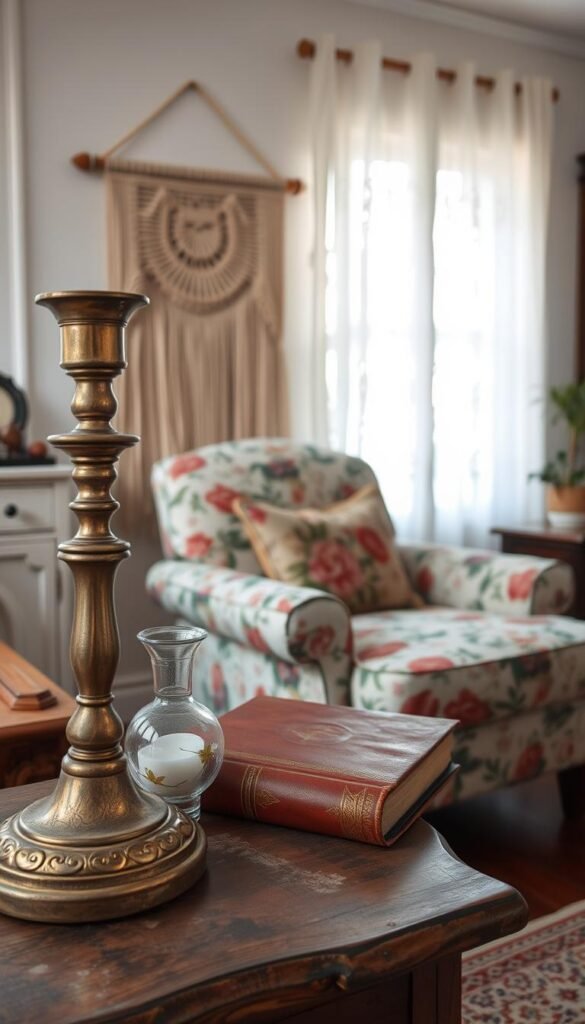
Your environment becomes truly special when it reflects who you are. Personal touches transform generic areas into meaningful retreats that tell your unique story.
These elements add emotional depth beyond standard decor. They create spaces that feel authentically yours rather than catalog-perfect.
Shopping Second-Hand and Vintage for Unique Finds
Pre-loved items bring instant character and history to your home. Designer Tina Bousu sources from Facebook Marketplace and thrift stores regularly.
She finds pieces with interesting backgrounds and craftsmanship. This approach supports sustainability while adding one-of-a-kind charm.
Look for furniture with solid construction and good bones. Minor flaws often add to the character of vintage finds.
These items tell stories that mass-produced pieces cannot match. They create conversation starters and visual interest throughout your space.
Consider these shopping strategies for unique discoveries:
- Visit local thrift stores during weekday mornings
- Check online marketplaces for specific search terms
- Look beyond surface condition to assess potential
- Mix eras and styles for eclectic personality
Displaying Collections and Meaningful Art
Personal items transform sterile spaces into lived-in environments. Molly Torres Portnof emphasizes emotional weight through meaningful displays.
Pet portraits, travel vases, or family photographs add personal significance. These elements make your room feel deeply connected to your life.
Create gallery walls with pieces that spark joy and memories. Avoid generic art in favor of works that hold personal meaning.
Well-loved books and objects create narrative depth throughout your space. They invite curiosity and connection from visitors.
Family heirlooms or DIY projects add handmade warmth. These touches make your environment feel curated rather than decorated.
Consider this approach to meaningful displays:
| Display Type | Emotional Impact | Placement Tips | Style Integration |
|---|---|---|---|
| Travel Collections | Memories, adventure stories | Group by color or theme | Mix with books and natural elements |
| Family Photos | Connection, personal history | Use consistent frames | Create dedicated gallery walls |
| Artisan Pieces | Craft appreciation, uniqueness | Highlight as focal points | Pair with simple backgrounds |
| Personal Collections | Passion, personality expression | Rotate seasonal displays | Incorporate into functional areas |
Start small by dedicating a shelf to cherished items. Notice how these personal touches change the feel of your space.
Curate objects that genuinely represent your interests and experiences. This approach ensures your environment reflects your true personality.
The right mix of personal elements creates layered warmth throughout your home. It transforms your space into a true reflection of your journey.
Explore Design Styles That Radiate Warmth
Different design philosophies offer unique paths to creating welcoming environments. Each approach brings distinct elements that naturally cultivate comfort and personality.
Your chosen style should reflect how you want your space to function daily. Some designs emphasize serenity while others celebrate vibrant energy.
The Serene Minimalism of Japandi
Japandi blends Japanese minimalism with Scandinavian simplicity beautifully. This hybrid approach creates calm, uncluttered rooms that feel deeply peaceful.
Clean lines and neutral colors establish a tranquil foundation. Natural materials like light wood and organic textiles add warmth throughout.
Low furniture arrangements create intimate seating areas. They make spaces feel grounded and connected to the floor.
This design philosophy values quality over quantity in decorating. Each piece serves both function and beauty purposefully.
The Collected Feel of Boho and Eclectic Styles
Boho and eclectic approaches celebrate personal expression through layered elements. They mix patterns, textures, and cultural influences joyfully.
Instagram creator @peachy__home demonstrates this warm, sunny vibe perfectly. Her space combines vintage finds with global textiles for rich character.
Vibrant colors and mixed prints create energetic yet comfortable atmospheres. These styles embrace imperfections and personal history wonderfully.
Consider these tips for incorporating these styles:
- Add greenery and natural elements for organic balance
- Mix modern pieces with rustic or vintage items
- Use global finds and cultural artifacts for personal connection
- Layer textiles with different patterns and textures
Designer advice helps maintain harmony while avoiding overcrowding. “Edit carefully to maintain visual breathing room,” suggests interior expert Maria Martinez.
These approaches balance trendiness with timeless comfort effectively. They create rooms that feel both current and enduringly inviting.
Blend elements from different styles to create your unique look. Your home should reflect what makes you feel most comfortable and inspired.
Adapt these styles to any space size through thoughtful editing. Smaller rooms benefit from curated collections rather than fullness.
The right style combination creates environments that genuinely support your well-being. They transform your room into a space that feels both beautiful and authentically yours.
Cozy & Warm Living Room Designs You’ll Never Want to Leave
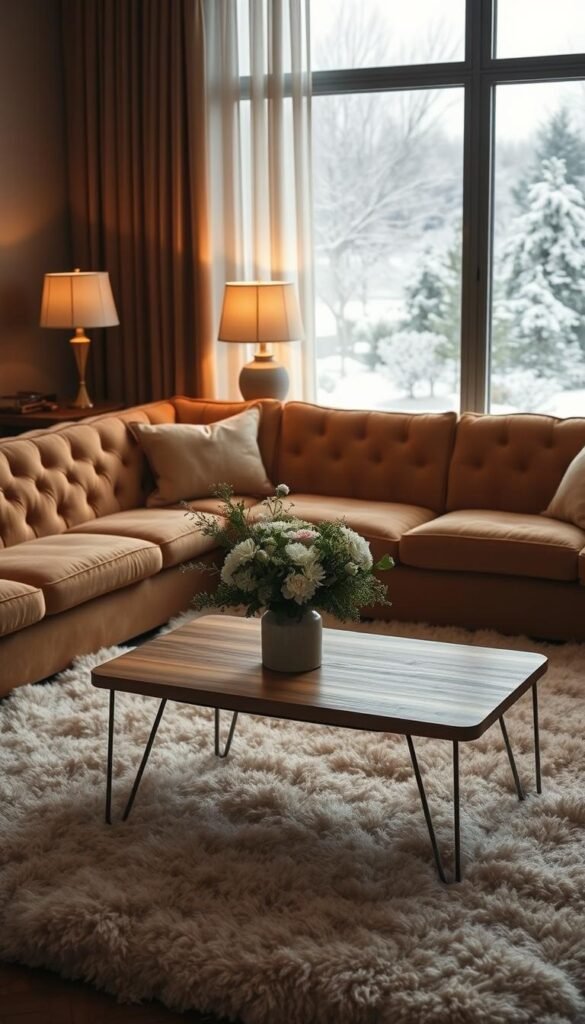
Creating your perfect retreat means blending style with personal meaning. Your space should tell your unique story while providing daily comfort.
This balance makes your environment both beautiful and deeply personal. It becomes a true reflection of your journey and values.
Curating a Space That Tells Your Story
Andrea Granger encourages fearless curiosity in your design approach. She believes creative spaces feel less structured and more authentic.
Helen Sellwood suggests hunting for special second-hand treasures. These unique finds create a distinctive look that mass-produced items cannot match.
Your home should showcase what matters most to you. Display items that hold real meaning rather than following temporary trends.
Consider these approaches for personal curation:
- Mix vintage pieces with modern basics for character
- Edit collections to avoid clutter while keeping personality
- Choose functional items that support daily comfort
- Incorporate sensory elements like favorite scents or soft music
Balancing Trends with Timeless Comfort
Current styles can inspire fresh ideas for your room. However, timeless comfort ensures long-term satisfaction with your space.
Focus on what makes you feel truly at ease. Your personal comfort should always outweigh passing fads.
The right mix creates environments that feel both current and enduring. This approach maintains appeal through changing seasons.
Consider this balance for lasting satisfaction:
| Trend Element | Timeless Counterpart | Integration Tip | Longevity Benefit |
|---|---|---|---|
| Bold pattern accent wall | Neutral main walls | Use removable wallpaper | Easy seasonal updates |
| Colorful statement furniture | Quality neutral sofa | Add colorful pillows | Foundation remains versatile |
| Metallic finish accessories | Natural material basics | Use in small doses | Classic elements dominate |
| Themed decorative objects | Personal meaningful items | Rotate seasonally | Core decor remains constant |
Start implementing these ideas today for your personalized retreat. Your space will become a true reflection of what makes you feel most at home.
Engage All Your Senses for Total Coziness
True comfort extends beyond what meets the eye. A complete sensory experience transforms your environment into a fully immersive retreat. This approach engages every part of your being for ultimate relaxation.
Designer Julia Dempster emphasizes that coziness involves energy from scent, touch, light, and sound. This holistic method creates spaces that feel deeply comforting and personal.
Introducing Warm, Inviting Scents
Fragrance powerfully influences mood and memory. The right scent can instantly make your area feel more welcoming and familiar.
Lauren Gilberthorpe notes how scent transforms a space with woody or leather notes. These warm aromas create an atmosphere of comfort and sophistication.
Consider these inviting fragrance options:
- Oak and sandalwood for earthy warmth
- Bergamot and amber for citrus spice blends
- Vanilla and cinnamon for sweet comfort notes
- Leather and tobacco for rich, masculine scents
Use candles, diffusers, or natural potpourri to distribute fragrance. Place scent sources throughout your area for consistent aromatic presence.
Rotate scents with the seasons for fresh interest. Light, floral notes work well in spring and summer. Rich, spicy aromas feel perfect for fall and winter months.
The Sound of Crackling Fire and Soft Textiles
Auditory elements contribute significantly to atmospheric comfort. Soothing sounds create background harmony that supports relaxation.
Crackling fireplaces provide natural rhythm and warmth. Even electric versions offer similar visual and auditory benefits. These features make spaces feel sheltered and secure.
Soft textiles absorb sound beautifully throughout your area. Thick rugs and heavy drapes reduce echo and create quieter environments. This acoustic softening makes conversation easier and relaxation deeper.
Consider adding these sound elements:
| Sound Type | Source Options | Atmosphere Created | Placement Tips |
|---|---|---|---|
| Natural crackle | Fireplace, wood stove | Warm, traditional, comforting | Central location, safe clearance |
| Soft textiles | Thick rugs, heavy curtains | Quiet, intimate, peaceful | Throughout space, layered approach |
| Ambient music | Hidden speakers, quality system | Calm, sophisticated, personalized | Even distribution, volume control |
| Nature sounds | Water feature, open windows | Fresh, connected, serene | Focal points, natural light areas |
Textures and lighting complete the sensory experience. Plush fabrics invite touch while soft illumination comforts vision. This multi-sensory approach creates deeply engaging environments.
Psychological research shows sensory richness reduces stress effectively. It signals safety and promotes mental calmness throughout your daily routine.
Start with simple additions like a scented candle or textured throw. Notice how these elements change your space’s atmosphere. Build toward a fully immersive sensory environment gradually.
Your home should engage all senses for complete comfort. This approach transforms ordinary areas into extraordinary personal retreats.
Design a Dedicated Reading Nook
A quiet corner for reading offers a peaceful escape within your home. This special area provides a personal retreat for focus and relaxation.
Even small spaces can become perfect reading spots with thoughtful design. Unused corners or alcoves work beautifully for these intimate zones.
Choosing an Enveloping Armchair
Select a chair that supports comfortable reading sessions. Look for deep seats and high backs that offer proper support.
Albion Nord demonstrates this with a boucle armchair and walnut shelving. The high-impact texture adds visual interest while providing comfort.
Consider these features for your reading chair:
- Generous seat depth for curling up
- Armrests at comfortable height
- Quality cushioning that maintains shape
- Durable fabric that feels soft to touch
English cottage styles show how compact furniture creates snug retreats. The right chair makes your reading experience truly enjoyable.
Creating a Separate Zone for Quiet Relaxation
Define your reading area with strategic furniture placement. Position your chair away from main traffic patterns for better focus.
Add a small side table for drinks or reading glasses. Include adequate lighting that reduces eye strain during reading.
Proximity to bookshelves or storage keeps essentials within reach. This convenience enhances your reading experience significantly.
Consider these elements for your dedicated zone:
| Element | Function | Placement Tip |
|---|---|---|
| Task lamp | Focused illumination | Behind shoulder position |
| Small table | Surface for items | Within arm’s reach |
| Blanket basket | Comfort accessories | Discreet corner placement |
| Book storage | Reading material access | Wall-mounted or freestanding |
Soft textiles and personal touches make the space inviting. Add favorite books or meaningful art to create connection.
Your reading nook becomes a cherished retreat within your home. It contributes to the overall comfortable atmosphere beautifully.
Start by selecting the perfect chair for your needs. Then build around it with functional and decorative elements.
The result will be a personal sanctuary for quiet enjoyment. This special area enhances your daily relaxation routine.
Final Touches for a Truly Lived-In Feel
Those last details transform your area from beautiful to genuinely welcoming. They add personality and comfort that makes your space feel complete.
Thoughtful finishing touches create emotional connection throughout your home. They turn a well-decorated room into your personal sanctuary.
The Importance of Books and Well-Loved Objects
Personal items bring soul and character to any environment. Books, family photos, and collected treasures tell your unique story.
Well-worn objects show life has been lived in your space. They create warmth that new items cannot replicate.
Designer Holly Vaughan encourages incorporating pieces with history. “Skirted furniture adds instant character and relaxed elegance,” she notes.
These elements make your room feel curated rather than decorated. They invite curiosity and connection from visitors.
Consider these approaches for meaningful displays:
- Stack favorite books on side tables and shelves
- Display family heirlooms or travel souvenirs
- Incorporate handmade items with personal significance
- Rotate collections seasonally for fresh interest
Skirted Furniture and Heavier Drapes for Softness
Furniture skirts conceal legs for a softer, more elegant appearance. They create flowing lines that feel inviting and comfortable.
Holly Vaughan recommends loose covers for instant character. This approach adds texture while protecting your investment pieces.
Heavier drapes provide both visual and physical warmth. Rebecca Craig suggests earthy tones in velvet or wool fabrics.
These window treatments offer excellent insulation during colder months. They also absorb sound for a quieter environment.
Consider this comparison of softness elements:
| Element | Material Options | Comfort Benefit | Style Impact |
|---|---|---|---|
| Skirted Chair | Linen, cotton blend | Conceals structure, adds flow | Traditional elegance |
| Loose Sofa Cover | Washable cotton, velvet | Protection, seasonal updates | Relaxed sophistication |
| Heavy Drapes | Wool, velvet, thick cotton | Insulation, sound absorption | Rich texture, color depth |
| Layered Window Treatment | Sheer under heavy panels | Light control, versatility | Custom, luxurious look |
Choose drapery colors that complement your existing palette. Earthy tones work beautifully with most design schemes.
These final touches complete your space beautifully. They make your home feel finished and genuinely inviting.
Start with simple updates like adding a throw blanket or switching curtains. Notice how these changes enhance your room’s comfort level.
Your space should reflect life well-lived through thoughtful details. This approach creates environments that welcome you home every day.
Your Journey to the Perfect Cozy Living Room Starts Now
Begin transforming your space today with simple, meaningful changes. Small steps like adding a soft throw or adjusting lighting create immediate warmth.
Remember that a comfortable home supports daily well-being and relaxation. Your efforts will reward you with a sanctuary that feels uniquely yours.
Focus on elements that resonate most—textures, colors, or personal touches. Experiment freely and allow your design to evolve gradually.
Use tools like the DecorMatters app for layout inspiration. Share your progress and continue refining your room over time.
Enjoy creating a living room that truly reflects your personality and brings joy every day.