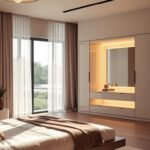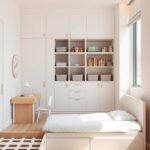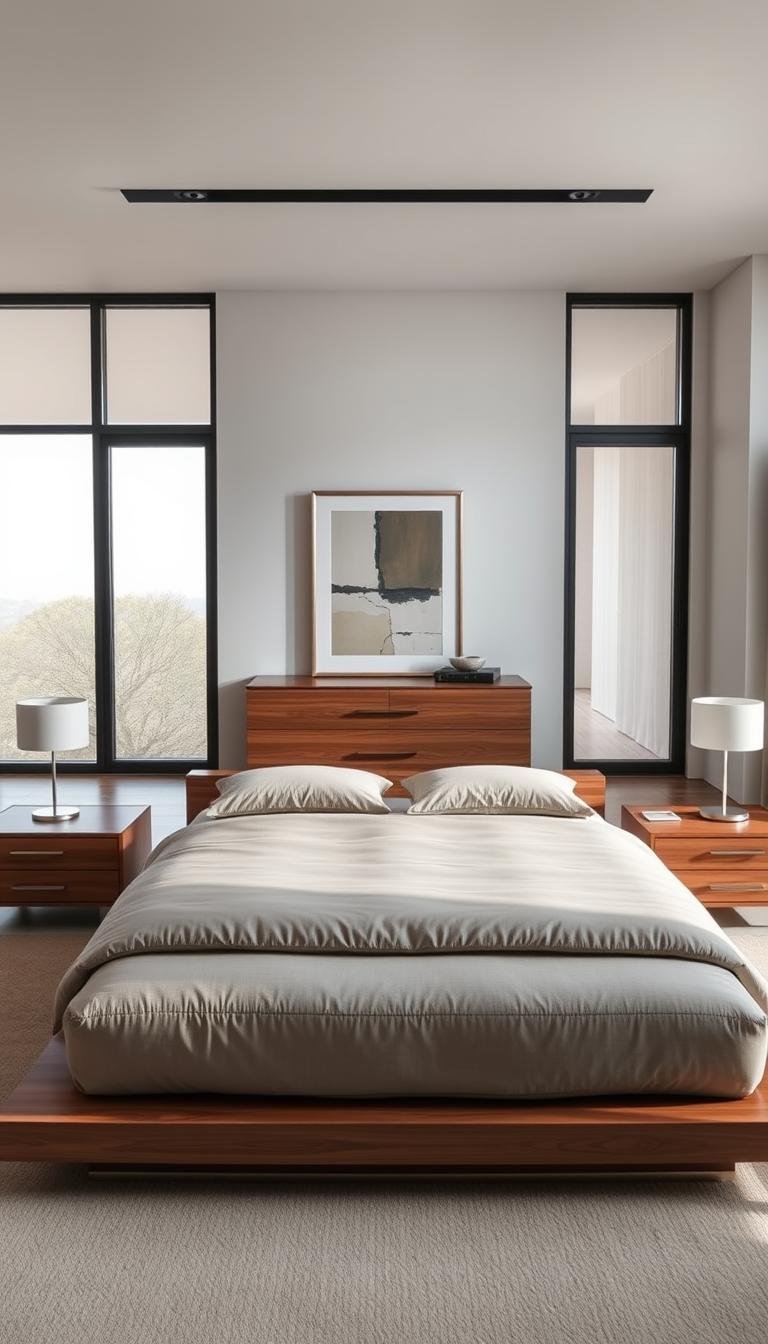
Your personal sanctuary deserves more than just functional pieces. The right choices reflect your unique personality and create that perfect retreat you crave after a long day.
Smart selections can completely transform your space. They blend comfort with functionality while creating stunning visual appeal that makes you love your room even more.
This guide explores diverse design approaches from bold statements to cozy minimalism. Whether modern sleekness or rustic charm calls to you, there’s a perfect match waiting.
We’ll help you consider your available area, specific needs, and personal preferences. You’ll discover practical tips and inspiration for arranging pieces that work beautifully together.
Finding your ideal look becomes an exciting journey rather than a stressful task. Let’s explore how different elements can enhance both ambiance and utility in your special space.
Why Your Bedroom Furniture Choices Matter So Much
Your room is more than just a place to sleep. It’s your personal retreat where you begin and end each day. The right selections impact your well-being and relaxation in powerful ways.
Think about how your space makes you feel. A cluttered area can create stress. A well-organized one promotes calm and peace.
More Than Just a Place to Sleep
This room serves as your sanctuary. It should support both rest and daily routines. Smart picks enhance comfort and functionality.
Quality pieces improve sleep and relaxation. Supportive beds and cozy seating matter. They contribute to better rest every night.
Your choices also express personal style. They let you create a space that feels uniquely yours. This reflects your tastes and personality.
Setting the Tone for Comfort and Functionality
Functional items make life easier. Beds with storage or ergonomic chairs add practicality. They enhance how you use the room daily.
Aesthetics set the visual tone. Whether serene minimalism or vibrant eclectic, your style shapes the atmosphere. It affects mood and energy levels.
Designers often suggest avoiding matchy-matchy sets. Instead, aim for a collected, layered look. This adds depth and character to your interior.
Consider material durability and ease of care. This ensures your pieces stay beautiful over time. It maintains both beauty and utility.
Thoughtful selection transforms your space. It creates a holistic environment. One that supports practical needs and emotional comfort.
| Aspect | Impact | Example |
|---|---|---|
| Ambiance | Affects mood and energy | Cluttered vs. organized space |
| Functionality | Enhances daily routines | Beds with storage, ergonomic seating |
| Aesthetics | Sets visual tone | Minimalist vs. eclectic vibe |
| Comfort | Improves sleep quality | Supportive beds, cozy chairs |
| Space Utilization | Maximizes efficiency | Multifunctional pieces for small areas |
| Personal Expression | Reflects individuality | Unique styles and collected looks |
| Longevity | Ensures lasting beauty | Durable materials, easy maintenance |
Your decisions truly shape this special room. They blend practicality with personal touch. This creates a haven tailored just for you.
How to Begin Your Bedroom Furniture Journey
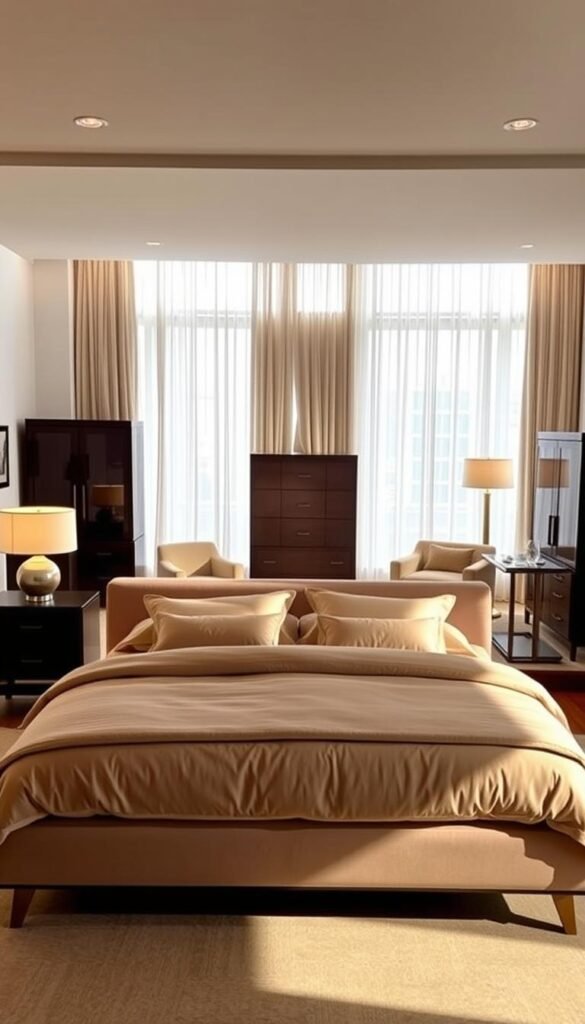
Starting your room makeover feels exciting. It’s your chance to craft a space that truly reflects who you are. Let’s walk through the first steps to make your vision a reality.
Assessing Your Space and Needs
First, grab a tape measure. Write down your room’s dimensions. Include ceiling height, window and door spots.
This helps you pick pieces that fit perfectly. You want enough space to move around comfortably.
Think about your daily habits. Do you need extra storage? Maybe a cozy chair for reading? Your routines guide your choices.
Look at what you already own. Decide which items stay. New pieces should work well with them.
The size and shape of the space can dictate how you lay out each piece, focusing on the flow of the furniture.
Light matters too. Note where natural light comes in. This affects where you place items.
Set a clear budget. Invest in key pieces first, like your bed. Then add other elements later.
Defining Your Personal Style Vibe
Next, explore what looks you love. Browse magazines or online platforms. Save images that catch your eye.
Your lifestyle plays a big role. Prefer easy care? Choose durable materials and simple designs.
Love cozy feels? Go for soft textures and warm tones. Your space should match how you live.
- Neutral palettes offer great flexibility.
- Bold colors create a strong statement.
- Mix materials for a unique, collected look.
Color sets the mood. Think about how shades make you feel. They interact with your furniture choices.
Designing such a bedroom starts with incorporating the right elements. Your personal style can grow over time.
Pick items that allow updates later. This keeps your room fresh and aligned with your tastes.
Embrace the Drama: Bold and Dark Statement Pieces
Transform your personal space with dramatic dark pieces that command attention. These elements add instant sophistication and create a powerful focal point.
Dark furniture works best when treated as an intentional anchor rather than an afterthought. It brings depth and character to your interior design.
Anchoring Your Space with Black Furniture
Black-toned pieces create a strong visual foundation. They ground the room without overwhelming it when balanced properly.
Consider an iron bed frame or lacquered dresser as your centerpiece. These items draw the eye and set a dramatic tone.
Pair these dark elements with lighter textures. Natural woods and linen upholstery provide perfect contrast.
This balance prevents the space from feeling too heavy. It maintains both visual interest and comfort.
Incorporating Dark Finishes for Dimension
Dark finishes add richness and complexity to your design. They work beautifully with various color palettes.
Matte black or ebony stains offer modern elegance. They blend seamlessly with different textures and materials.
Use dark furniture to highlight other design elements. Artwork and textiles pop against these rich backdrops.
Consider your lighting carefully. Well-lit spaces enhance dark furniture’s cozy appeal.
Darker rooms may need additional light sources. This maintains warmth and prevents a cave-like feel.
| Dark Element | Best Use | Pairing Suggestions | Lighting Considerations |
|---|---|---|---|
| Black Iron Bed Frame | Focal centerpiece | Linen bedding, light wood nightstands | Overhead lighting + bedside lamps |
| Lacquered Dresser | Statement storage | Natural wood accents, metallic hardware | Task lighting + ambient glow |
| Matte Black Finishes | Modern accent pieces | Muted color palettes, textured fabrics | Multiple light sources at different heights |
| Dark Wood Tones | Rich background elements | Lighter flooring, colorful artwork | Natural light enhancement |
| Black Accessories | Subtle contrast points | Neutral bases, patterned textiles | Focused accent lighting |
Experiment with mixing black with other dark tones. Deep browns and charcoals create sophisticated complexity.
Your dark pieces can evoke different moods. Choose what aligns with your desired atmosphere.
From moody intimacy to sleek modernity, these elements make a powerful design statement. They transform your space with undeniable presence.
The Art of Simplicity: Clean Lines and Neutral Palettes
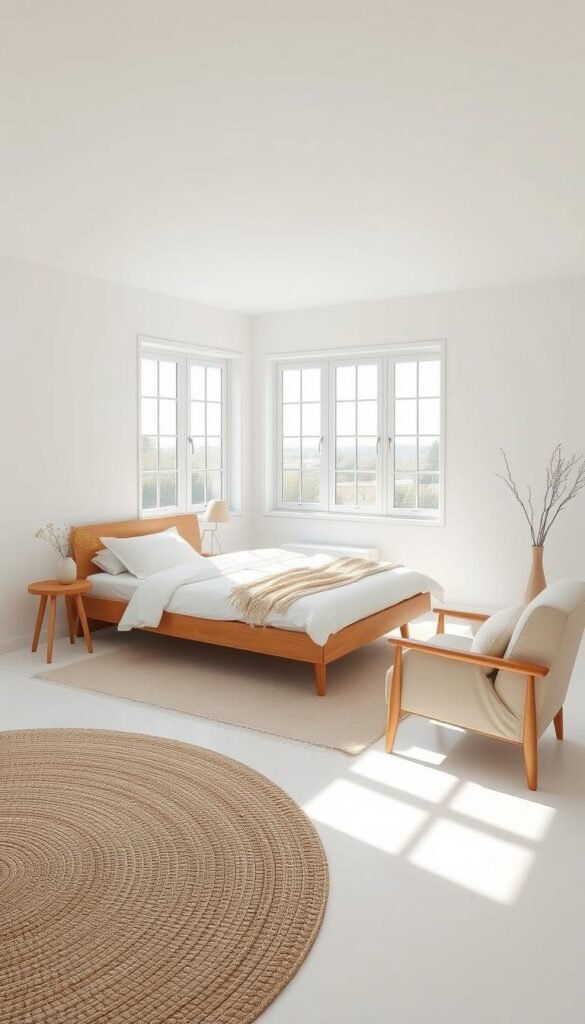
The beauty of minimalist design lies in its ability to create harmony and peace through carefully curated elements. This approach focuses on what truly matters in your personal space.
Clean lines and uncluttered forms promote a sense of calm and order. They help your mind relax after busy days.
Neutral color schemes form the perfect foundation. They create a serene backdrop that feels both timeless and adaptable.
Letting Textures and Light Do the Talking
Texture becomes your secret weapon in minimalist spaces. It adds depth and interest without overwhelming the senses.
Consider linen bedding, wool throws, or woven rattan accents. These materials introduce warmth and tactile variety.
Natural light plays a crucial role in this design approach. Maximize it with light-reflective surfaces and strategic placement.
“The layering of neutral tones creates an inviting atmosphere” that feels both cozy and sophisticated. This technique makes your space feel welcoming.
Light finishes on wood pieces enhance brightness throughout the room. They help create an airy, open feeling.
Simple lighting fixtures like sconces or floor lamps highlight textures beautifully. They add ambiance without visual clutter.
Choosing a Single Statement Piece
One standout element can anchor your entire design scheme. This approach keeps the overall look clean while adding personality.
Consider an upholstered bed in a subtle hue or a uniquely shaped chair. These pieces serve as focal points without disruption.
“A single piece in an unexpected color, texture, or silhouette can anchor the room and make it memorable without overwhelming it.” This strategy maintains simplicity while adding character.
Multifunctional items with hidden storage maintain the clean aesthetic. They serve practical needs while preserving visual simplicity.
Scale and proportion matter greatly in minimalist settings. Ensure each piece feels balanced within the space.
Remember that simplicity doesn’t mean boring. A potted plant or textured throw can add that perfect personal touch.
Cozy and Charming: Cottagecore & Rustic Touches
Imagine stepping into a space that feels like a warm hug from nature itself. This design approach blends nostalgic charm with organic elements to create a personal retreat that’s both inviting and deeply comforting.
It’s all about creating that lived-in, collected feel. Your space should tell a story through carefully chosen pieces that speak to your heart.
British heritage colors are making a strong comeback right now. Deep greens, muted reds, and muddy yellows create that perfect rustic yet refined atmosphere.
These tones feel timeless rather than trendy. They bring warmth and character without overwhelming your senses.
Exploring Heritage Colors and Natural Textures
Start with a color foundation that feels both historic and fresh. These rich hues work beautifully on walls or larger furniture pieces.
Natural materials add organic warmth throughout your space. Wicker, rattan, and linen bring tactile variety and handcrafted appeal.
Consider a bed frame with curved lines or carved details. These subtle touches soften the overall look while adding elegance.
Pieces with slightly distressed finishes contribute to the shabby chic aspect. They create that cozy, relaxed atmosphere you’re after.
Balance is key when working with these elements. You want character without clutter, charm without kitsch.
Mixing Florals, Gingham, and Vintage Charm
Pattern mixing becomes an art form in this style. Combine florals, gingham, and stripes in your bedding and window treatments.
This layered approach feels personal and collected rather than matchy-matchy. It creates visual interest while maintaining cohesion.
Vintage elements infuse character and history into your space. A painted wicker chair or reclaimed wood dresser adds unique personality.
Accessorize with fresh flowers, vintage books, or candles on nightstands. These touches bring life and warmth to your room.
Soft, flowing fabrics enhance the dreamy, romantic quality. They promote comfort and tranquility throughout your personal sanctuary.
Remember to balance rustic elements with modern touches. A sleek lamp or minimalist artwork keeps the space feeling current.
Your final result should feel nurturing and nostalgic. Choose pieces that encourage relaxation and connection to nature.
Furniture with a Purpose: Beyond Basic Functionality
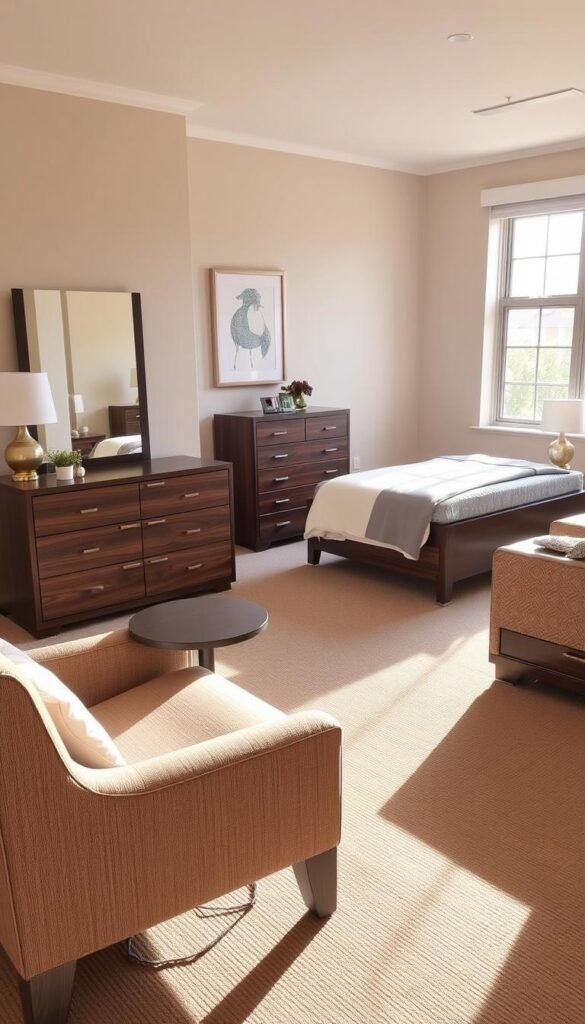
Your sleeping area becomes more versatile when you add dedicated zones for different activities. These purposeful additions enhance both your daily routine and overall enjoyment of the space.
Smart multi-use areas create a room that works harder for you. They provide specific spots for relaxation, work, or quiet moments without sacrificing style.
Creating a Seating Nook for Relaxation
A cozy corner invites you to unwind with a good book or simply enjoy peaceful moments. This dedicated spot becomes your personal retreat within the larger room.
Choose a comfortable armchair or small loveseat that fits your available area. Pair it with a side table and soft lighting for complete comfort.
Consider your existing decor when selecting seating pieces. A wingback chair suits traditional spaces while a sleek lounger complements modern designs.
Transform underused corners or window areas into inviting reading spots. Add plush cushions and warm throws to enhance the cozy atmosphere.
Integrating a Mini Home Office Nook
Many people now need a functional workspace within their sleeping quarters. A well-designed office nook keeps your work life organized and separate.
Select a compact desk that doesn’t dominate the room. Floating shelves or secretary desks offer excellent space-saving solutions.
Ensure your work area includes proper ergonomic support. A supportive chair and adequate task lighting prevent strain during extended use.
Incorporate smart storage solutions to maintain clutter-free surfaces. Desks with drawers or benches with hidden compartments keep essentials neatly organized.
| Functional Zone | Key Elements | Space Requirements | Style Considerations |
|---|---|---|---|
| Reading Nook | Comfortable chair, side table, lamp | Corner or window area (approx. 4’x4′) | Matches existing decor, includes textiles |
| Office Nook | Compact desk, ergonomic chair, task lighting | Wall space (approx. 3’x5′) | Blends with room style, includes storage |
| Multi-use Area | Daybed, storage bench, versatile table | Flexible placement options | Neutral tones, adaptable pieces |
| Meditation Space | Floor cushions, small table, calming elements | Quiet corner (approx. 3’x3′) | Serene colors, minimal decoration |
Use room dividers or strategic placement to define different functional areas. This maintains visual separation while keeping an open feel.
Add personal touches like plants, artwork, or decorative accessories. These elements make each zone feel inviting and integrated with your overall design.
Consider multi-functional pieces that serve dual purposes. A daybed provides both seating and guest sleeping space when needed.
These purposeful additions should enhance your daily life while maintaining the room’s peaceful atmosphere. They create a balanced environment that supports both rest and activity.
Exploring the Range of Bedroom Furniture Styles for Every Taste
Your personal retreat offers endless possibilities for self-expression through design. Finding your perfect look involves discovering what truly speaks to you and reflects your daily life.
Different approaches range from sleek simplicity to thoughtfully mixed collections. Each brings unique character and functionality to your space.
Let’s explore how various design philosophies can shape your environment. You’ll discover how to identify elements that resonate with your personality.
From Modern Minimalist to Eclectic Collected
Modern minimalist design focuses on clean lines and purposeful simplicity. It creates calm, organized spaces with intentional pieces.
This approach uses neutral tones and functional items. It avoids clutter while maintaining comfort and practicality.
Eclectic collected style celebrates personal expression through mixing. It blends periods, textures, and colors for unique character.
“What makes a bedroom interesting is its sense of collectedness” comes from this philosophy. It values individuality over matching sets.
Minimalist works well for busy individuals seeking low-maintenance spaces. Eclectic appeals to creatives who enjoy personal curation.
Both styles offer distinct advantages depending on your lifestyle. One provides serene order, the other celebrates personal history.
How to Identify What Resonates With You
Start by considering your daily routines and maintenance preferences. Your lifestyle greatly influences what designs will work best.
Look at your existing home decor for consistent patterns. Notice which colors, materials, and shapes you naturally gravitate toward.
Create mood boards using online tools or physical samples. Visualizing combinations helps clarify what feels authentically you.
Pay attention to emotional responses to different styles. Rustic might evoke warmth, while modern feels efficiently sleek.
“Blending different elements is what makes a room feel personal and unique.” This approach allows for customized combinations.
Consider your available area and practical needs. Smaller spaces often benefit from minimalist approaches with multifunctional pieces.
Larger rooms can handle more eclectic mixes with varied textures. Always balance aesthetic desires with functional requirements.
| Design Style | Key Characteristics | Best For | Maintenance Level |
|---|---|---|---|
| Modern Minimalist | Clean lines, neutral palette, functional focus | Busy lifestyles, small spaces | Low maintenance |
| Eclectic Collected | Mixed periods, varied textures, personal curation | Creative expression, larger areas | Moderate maintenance |
| Transitional Blend | Combines modern and traditional elements | Balanced approach, versatile spaces | Moderate maintenance |
| Rustic Charm | Natural materials, warm tones, organic textures | Cozy atmospheres, nature lovers | Moderate maintenance |
| Industrial Edge | Raw materials, metallic accents, urban feel | Urban dwellings, modern enthusiasts | Low maintenance |
Begin with foundational pieces that reflect your chosen direction. Layer accessories and accents gradually to build cohesion.
Mixing styles often creates the most personalized results. Try modern furniture with vintage accessories for balanced character.
Trust your instincts when making final decisions. The best design is one that makes you feel completely at home.
Your space should support both emotional comfort and daily functionality. Choose pieces that resonate on both practical and personal levels.
Statement Makers: Beds as the Focal Point
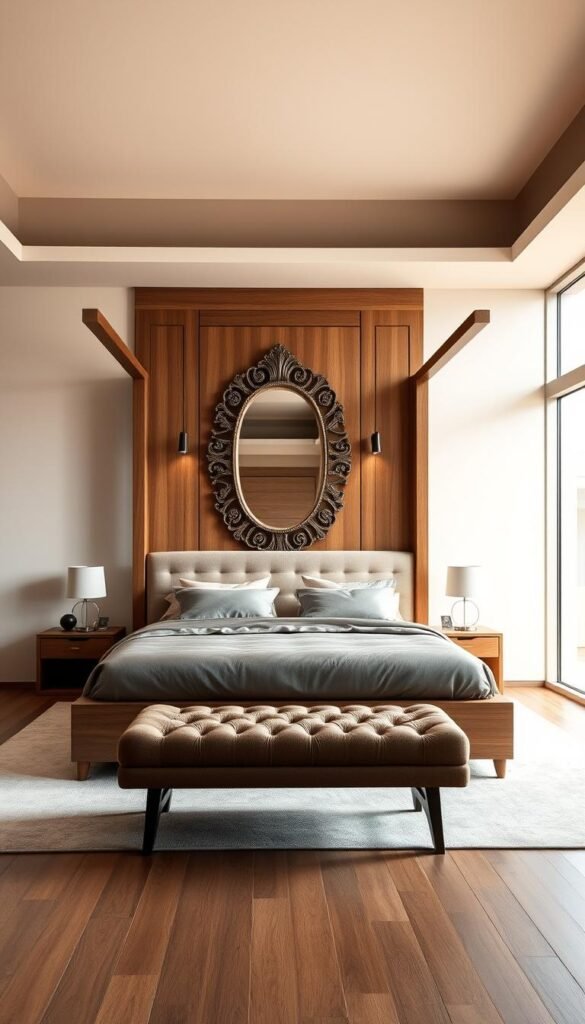
Your bed serves as the heart of your personal space. It defines the room’s character while offering comfort and function. This piece sets the visual tone and anchors your entire design scheme.
Choosing the right frame transforms your area. It becomes a statement that reflects your taste and lifestyle. Let’s explore options that make your sleeping spot truly special.
Different styles bring unique benefits. From plush upholstery to natural textures, each option creates distinct atmosphere. Your selection should balance aesthetics with practical needs.
Upholstered Beds for a Plush Feel
Upholstered frames offer luxurious comfort. Padded headboards in linen or velvet feel soft against your back. They create a cozy backdrop for reading or relaxing.
Neutral tones provide great versatility. They blend easily with various color schemes and decor elements. Bold colors make a stronger visual statement.
Channel tufting adds elegant detail. This technique creates depth and sophistication in your design. It elevates the overall look of your space.
These beds anchor the room with both style and comfort. They serve as comfortable seating during daytime hours. Your selection should reflect your desired atmosphere.
Platform Beds with Clean Silhouettes
Platform frames offer modern simplicity. Their low-profile design emphasizes clean lines and space efficiency. They often eliminate the need for a box spring.
Wood or metal materials provide sturdy support. Each option complements different decor approaches. Scandinavian to industrial styles work beautifully.
These beds create a sleek, uncluttered appearance. They maximize visual space in smaller areas. Their simplicity allows other elements to shine.
Choose finishes that match your existing pieces. Light woods enhance brightness while dark metals add contrast. Your selection impacts the room’s overall feel.
Caned and Rattan Beds for Organic Texture
Natural materials introduce warmth and character. Woven details add visual interest and organic charm. They bring a touch of nature into your space.
These frames work well with various design styles. Bohemian, coastal, or rustic themes benefit from their texture. They create relaxed, inviting atmospheres.
Consider unique features for added functionality. Interchangeable headboards allow style updates without replacement. Hydraulic storage combines aesthetics with practicality.
Position your bed as the central focal point. Place it against a key wall to enhance its visual impact. Complementary bedding and accessories complete the look.
| Bed Type | Key Features | Best For | Style Pairings |
|---|---|---|---|
| Upholstered | Padded headboard, fabric covering, tufted details | Comfort seekers, traditional spaces | Layered textiles, soft lighting |
| Platform | Low profile, clean lines, no box spring needed | Modern aesthetics, space efficiency | Minimalist decor, geometric patterns |
| Caned/Rattan | Woven texture, natural materials, organic feel | Nature-inspired designs, texture lovers | Botanical elements, light colors |
| Storage-Enhanced | Hidden compartments, hydraulic lifts, drawers | Small spaces, organization needs | Streamlined accessories, multifunctional pieces |
Select a size that fits your room proportionally. King frames suit spacious areas while queens work for average sizes. Ensure comfortable movement around the piece.
Accessorize with layered bedding and throw pillows. These elements enhance the bed’s presence and tie it into your overall design. A stylish skirt can conceal storage or frame the base.
Your bed sets the tone for the entire space. Invest in a quality frame that reflects your style and meets comfort needs. It becomes the foundation for your personal retreat.
Functional and Stylish: Seating Solutions for Your Room
Thoughtful seating choices elevate your space beyond basic needs. They create inviting spots for relaxation and add character to your personal area.
Armchairs and recliners blend comfort with visual appeal. These pieces serve multiple purposes while enhancing your overall design.
Your selection should balance aesthetics with practical use. Consider how each piece fits your daily routines and available area.
Proper placement maximizes both function and flow. Strategic positioning creates dedicated zones without crowding the space.
Cozy Armchairs and Reading Nooks
Create a dedicated reading corner with a comfortable armchair. Position it near natural light sources for optimal enjoyment.
Choose chairs with ergonomic support and plush cushioning. This ensures comfort during extended reading sessions or quiet moments.
Add a small side table for books and beverages. Include adequate task lighting for evening use. These elements complete your cozy nook.
Select styles that match your existing decor. Traditional wingback chairs suit classic spaces. Sleek modern designs complement contemporary interiors.
Versatile Benches and Stools
Benches at the foot of your bed offer practical seating. They provide a convenient spot for dressing or additional surface space.
Many benches include hidden storage compartments. These are perfect for extra blankets or seasonal items. They keep your space organized.
Stools and poufs serve multiple functions throughout your room. Use them as extra seating, footrests, or occasional tables.
Their compact size makes them ideal for smaller areas. Choose designs that complement your color scheme and overall aesthetic.
Lounge Chairs for Ultimate Relaxation
Lounge chairs offer superior comfort for unwinding. Recliners with adjustable positions provide customized relaxation.
Chaise lounges create luxurious spots for napping or reading. Their extended design supports full body comfort.
Consider scale when selecting larger seating pieces. Ensure they fit comfortably without obstructing movement pathways.
Accessorize with throws and cushions for added comfort. These textiles also help tie the piece into your room’s color story.
| Seating Type | Primary Function | Ideal Placement | Style Considerations | Space Requirements |
|---|---|---|---|---|
| Armchair | Reading, relaxation | Corners, window areas | Matches room aesthetic, ergonomic support | 3’x3′ minimum area |
| Bench | Seating, storage | Foot of bed, entry area | Complementary finish, hidden storage options | Length matches bed width |
| Stool/Pouf | Multi-use accessory | Flexible placement | Compact design, versatile function | 18″-24″ square |
| Lounge Chair | Ultimate relaxation | Dedicated relaxation zone | Adjustable features, plush cushioning | 3’x4′ area recommended |
| Recliner | Custom comfort | Reading nooks, media areas | Ergonomic design, matching upholstery | 3’x3′ with clearance |
Define different zones within your space using strategic seating placement. This enhances functionality while maintaining visual harmony.
Look for pieces with dual purposes to maximize utility. Storage benches or chairs with built-in tables offer smart solutions.
Remember that seating should contribute to both comfort and style. Choose pieces that add character while meeting practical needs.
Your final selections should create inviting spots throughout your room. They enhance daily living while reflecting your personal taste.
The Finishing Touch: Side Tables and Nightstands
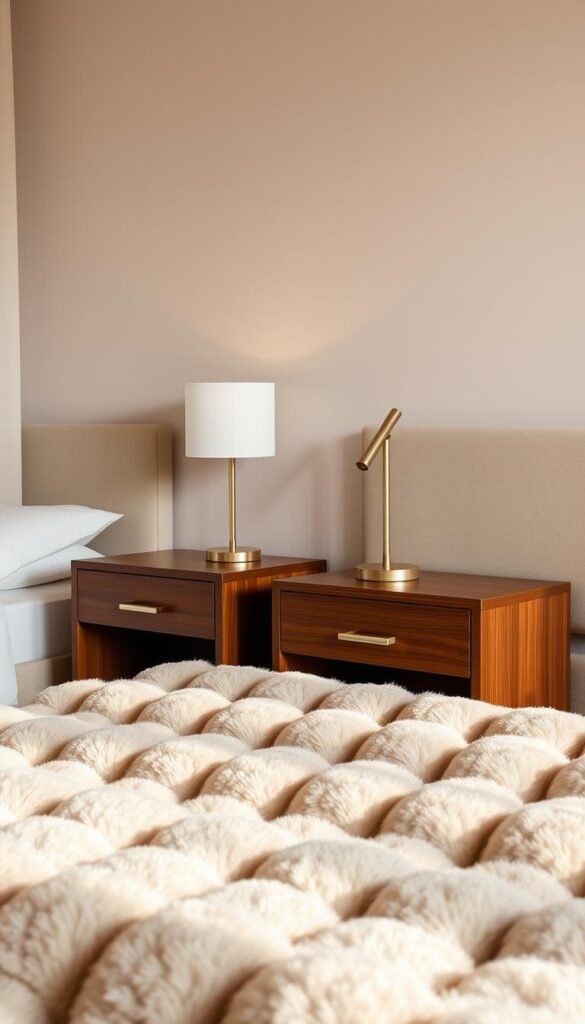
These small but mighty pieces complete your space with both style and function. They offer convenience right where you need it most.
Smart choices here make your room work better for you. They keep essentials close while adding visual appeal to your design.
Think of them as your bedside partners in comfort. The right selections enhance both practicality and personal expression.
From sleek modern designs to rustic charm, options abound. Your choice should reflect your overall aesthetic while meeting daily needs.
Choosing the Right Scale and Proportion
Size matters when selecting these pieces. They should relate well to your bed and room dimensions.
Aim for surfaces near mattress height. This makes reaching items easy and comfortable.
Larger beds need wider nightstands. They provide ample space for lamps and personal items.
Smaller rooms benefit from slim profiles. Floating options save precious floor area while keeping functionality.
Always measure your available space first. This ensures your choices fit perfectly without crowding.
Mixing Materials for an Eclectic Look
Combining different textures creates visual interest. It breaks up matching sets for a more personal feel.
Try wood with metal accents or rattan with glass tops. These mixes add depth and character to your space.
Cane weaving introduces organic texture. It brings natural warmth to your bedside area.
Marble surfaces offer elegant sophistication. They pair beautifully with various design styles.
Ensure mixed materials complement other elements. Cohesion comes through color or design details.
Storage features keep clutter at bay. Drawers or shelves organize essentials within easy reach.
Symmetrical placement creates balanced harmony. Asymmetric arrangements feel more dynamic and collected.
Accessorize with both function and beauty in mind. Lamps provide task lighting while decorative items add personality.
Your nightstands can make strong style statements. Choose designs that truly reflect your unique taste.
| Consideration | Small Room Solution | Large Room Advantage |
|---|---|---|
| Surface Space | Slim profiles with essential surface | Wider tops for multiple items |
| Storage Options | Single drawer or open shelf | Multiple drawers or cabinets |
| Placement Style | Floating or corner placement | Symmetrical pairs for balance |
| Material Mix | Light materials for airy feel | Bold mixes for statement impact |
These practical pieces deserve careful consideration. They blend seamlessly into your overall design while serving important daily functions.
The right nightstand completes your personal retreat beautifully. It combines utility with aesthetic appeal in perfect measure.
Smart Solutions for Small Bedroom Spaces
Limited square footage challenges you to think creatively about your layout and selections. With smart strategies, even the coziest area can feel open, organized, and perfectly functional.
Every choice should serve multiple purposes or enhance the sense of openness. This approach maximizes both utility and visual appeal in compact environments.
Light colors and clever pieces work together to transform tight quarters. They create an airy atmosphere that feels much larger than its actual dimensions.
Multifunctional and Space-Saving Pieces
Choose items that offer hidden benefits beyond their primary function. Beds with built-in drawers provide excellent storage without extra footprint.
Loft designs free up valuable floor area for other uses. You can place a desk or comfortable chair underneath for maximum efficiency.
Consider a nightstand that doubles as a small workspace. This versatile approach serves multiple needs within a single piece.
Benches with concealed compartments keep extra bedding or accessories neatly organized. They offer seating while reducing clutter throughout your space.
Fold-down options like Murphy beds or wall-mounted desks maximize flexibility. They tuck away completely when not in use, preserving open area.
Select proportional items that fit your room’s scale perfectly. This ensures comfortable movement and a balanced, uncluttered layout.
The Illusion of Space with Color and Mirrors
Light tones on walls, flooring, and pieces create an airy, open feel. Pale shades reflect available light, making the area appear brighter and more expansive.
Neutral palettes provide a timeless background that enhances the sense of openness. They create a calm atmosphere that feels less compact and more inviting.
Mirrors strategically placed opposite windows amplify natural light throughout the room. They also add depth and the illusion of additional square footage.
Furniture with raised bases or slender legs allows light to flow underneath. This technique creates visual lightness and makes the area feel less crowded.
Mirrored surfaces on pieces contribute to the spacious effect while adding elegant style. They reflect both light and views, enhancing the overall atmosphere.
Keep your color scheme cohesive and relatively simple. This approach prevents visual fragmentation and maintains the open, airy feeling.
| Strategy | Key Benefit | Implementation Tip |
|---|---|---|
| Multifunctional Pieces | Maximizes utility per square foot | Choose beds with storage or convertible desks |
| Light Color Palette | Creates airy, expansive feel | Use pale tones on walls and major pieces |
| Strategic Mirror Placement | Amplifies light and depth | Position opposite windows or light sources |
| Raised Furniture Bases | Enhances visual lightness | Select pieces with slender legs or open bases |
| Vertical Storage Solutions | Utilizes unused wall space | Install tall shelving or wall-mounted units |
| Proportional Sizing | Maintains comfortable flow | Measure carefully before selecting any piece |
Focus on essential items that provide maximum function or enhance the sense of openness. Each element should earn its place through smart utility or space-enhancing qualities.
Your compact area can become a highly efficient and visually appealing retreat. Thoughtful choices make all the difference in creating a comfortable, functional space.
Mastering the Layout: Where to Place Your Furniture
How you arrange your pieces can make or break your personal retreat. Smart placement creates harmony and enhances both comfort and functionality.
Thoughtful positioning ensures easy movement and visual appeal. It transforms your space into a well-organized sanctuary that truly works for you.
Creating a Sense of Safety and Flow
Your entry point matters greatly for how the room feels. Experts suggest avoiding placing the bed directly opposite the doorway.
“It is most important that you do not enter on the wall of the bed. The ideal placement to create a sense of safety is to enter at the foot of the bed.”
This approach gives you a clear view upon entering. It fosters security and makes navigation feel natural and effortless.
Ensure clear pathways around all pieces. Leave enough space to move comfortably without obstacles.
Balance your layout by distributing visual weight evenly. Pair nightstands on both sides for symmetry and harmony.
Consider Feng Shui principles for enhanced tranquility. Place your bed against a solid wall for support and stability.
Avoid positioning under windows or beams. These placements can disrupt restful energy and peaceful sleep.
Utilizing the Bed as a Room Divider
In larger areas or studio layouts, your sleeping spot can serve multiple purposes. Centering it creates defined zones for different activities.
“Alternatively, Worrel recommends placing the bed in the middle of the room, along with some bed hangings, to make a large bedroom feel more complete and cozy.”
This technique works beautifully in spacious rooms. It prevents the area from feeling empty or disconnected.
Use a substantial headboard or decorative hangings. These elements help define the sleeping area as a separate zone.
Arrange other pieces to create functional areas around it. A seating nook opposite or a desk nearby maximizes utility.
In compact spaces, floating the bed away from walls can help. This creates circulation space on all sides for an open feel.
Rugs under the bed or in seating zones define areas visually. They also add comfort underfoot while guiding flow.
Experiment with different arrangements before committing. Use tape measures or digital tools to map out optimal placement.
Your final layout should enhance both practicality and aesthetics. It creates a harmonious environment that supports relaxation and daily activities perfectly.
The Great Debate: Should Your Furniture Match?
Creating a truly personal space often means breaking free from conventional design rules. The question of matching versus mixing pieces sparks passionate discussions among interior enthusiasts.
Your choices here define your room’s character more than almost any other decision. They determine whether your space feels like a showroom or a genuine reflection of your personality.
Let’s explore why perfectly coordinated sets might not serve your best interests. We’ll discover how thoughtful mixing creates depth and authenticity in your personal area.
Why Matchy-Matchy Sets Can Fall Flat
Pre-matched collections often lack soul and character. “Perfectly matched bedroom furniture almost always robs a space of its soul” according to design experts.
These sets can make your room feel impersonal and overly staged. They miss the warmth that comes with carefully curated pieces collected over time.
Your space risks feeling like a furniture showroom display. This approach rarely reflects your unique journey or personal tastes.
Matching everything limits your creative expression. It prevents you from incorporating special finds or family heirlooms.
The result often feels flat rather than inviting. Your room should tell your story, not a manufacturer’s catalog.
The Power of a Collected, Layered Look
Mixing different elements creates visual interest and depth. “Blending different elements is what makes a room feel personal and unique.”
Start with a cohesive color palette or material theme. This creates harmony while allowing variety in design and form.
Combine wood with metal, upholstery with natural textures. These combinations create rich, tactile environments that feel inviting.
Use your bed as an anchor piece for the entire space. Build around it with complementary but not identical items.
Incorporate vintage finds alongside newer pieces. This adds personality and history to your decor.
Ensure mixed items harmonize through proportion or color. This maintains visual consistency while celebrating diversity.
Accessories like bedding and lighting further unify your look. They highlight your eclectic mix while pulling everything together.
| Design Approach | Visual Impact | Personalization Level | Flexibility for Updates |
|---|---|---|---|
| Matchy-Matchy Sets | Uniform but potentially flat | Limited personal expression | Requires complete redesign |
| Collected Look | Layered depth and interest | High personalization | Easy piece-by-piece updates |
| Transitional Mix | Balanced harmony | Moderate personal touch | Gradual changes possible |
| Eclectic Blend | High visual interest | Maximum individuality | Highly adaptable over time |
Remember that your collected look reflects your personal journey. It makes your space uniquely yours rather than a cookie-cutter display.
Embrace the flexibility that mixing provides. You can easily swap pieces over time without complete redesigns.
Your room remains dynamic and fresh while maintaining its core character. This approach celebrates your evolving tastes and life experiences.
Lighting as Furniture: Setting the Mood
Think of lighting as essential decor that shapes your room’s character. It goes beyond basic function to become a key design element. Your choices here transform the entire atmosphere.
Good lighting creates warmth and depth throughout your space. It highlights textures and adds visual interest. This approach makes your area feel complete and inviting.
From practical task lights to dramatic fixtures, each piece serves a purpose. They work together to create a layered, versatile environment. Your lighting should support both daily routines and relaxation.
Sconces, Lamps, and Statement Fixtures
Wall sconces offer elegant solutions beside your bed. They free up nightstand space while providing directed reading light. Their architectural touch adds sophistication to any design.
Table lamps bring personality to your surfaces. Choose designs that complement your overall style. A ceramic lamp suits modern spaces, while brass works in traditional decor.
Floor lamps provide flexible task lighting where needed. They can highlight reading chairs or dark corners. Their mobility lets you adjust lighting as your needs change.
Statement fixtures make powerful visual impacts overhead. A chandelier or pendant light becomes a stunning focal point. It adds scale and drama, especially in rooms with high ceilings.
Combining Function with Major Aesthetic Impact
Layered lighting creates the most versatile atmosphere. Combine ambient overhead light with task and accent options. This approach supports various activities throughout your day.
Smart lighting options offer customizable mood settings. Dimmable features and color temperature control let you adjust the ambiance. Create energizing morning light or calming evening glow.
Ensure each light serves both practical and aesthetic purposes. Bright task lighting works well in dressing areas. Softer, warmer lights enhance relaxation zones near your bed.
Use lighting to highlight other design elements strategically. Position fixtures to cast flattering shadows on artwork or textured walls. This technique enhances visual interest throughout your space.
In compact areas, choose slim or wall-mounted options. These save space while maintaining adequate illumination. They keep your look uncluttered yet fully functional.
| Lighting Type | Primary Function | Best Placement | Style Impact |
|---|---|---|---|
| Wall Sconces | Task lighting, space saving | Beside bed, reading areas | Architectural elegance |
| Table Lamps | Localized task light | Nightstands, desks | Personal style expression |
| Floor Lamps | Flexible ambient light | Corners, seating areas | Modern or traditional accent |
| Statement Fixtures | Ambient overhead light | Room center, above bed | Dramatic focal point |
| Smart Lighting | Customizable mood setting | Throughout space | Modern technological integration |
Your lighting choices should balance beauty with practicality. They create a cozy, functional environment that supports your daily life. Thoughtful selection makes your space truly shine.
Selecting Your Color Palette: From Calm to Dramatic
Color choices create the emotional foundation for your personal retreat. They set the mood before you even notice the individual pieces. Your palette becomes the silent background music for your daily life.
Different hues evoke distinct feelings and energies. From serene whites to earthy browns, each brings unique character. Let’s explore how these tones can transform your space.
The Timeless Appeal of White and Light Tones
White furniture delivers timeless elegance with minimalist design. It creates a clean, fresh look that feels both spacious and serene. This approach works beautifully in compact areas.
Light-toned pieces make your room appear larger and brighter. They reflect available light, enhancing the airy atmosphere. This creates an ideal backdrop for colorful accessories.
Use white as your neutral foundation. It allows easy updates with vibrant bedding or artwork over time. Your decor remains flexible while maintaining coherence.
These pieces promote clarity and peace through their simplicity. They create a calming environment that supports relaxation. Your space becomes a true sanctuary.
The Versatile and Modern Feel of Grey
Grey furniture offers versatile design that matches many styles. It provides a sophisticated, contemporary base for various color schemes. From cool blues to warm neutrals, everything works.
Choose different shades to evoke specific moods. Light heather tones create calm, peaceful atmospheres. Dark charcoal adds depth and modern drama.
This color brings balance and modernity to your interior. It feels both current and timeless simultaneously. Grey pieces anchor your space with quiet confidence.
Mix grey with other materials for added interest. Metallic accents or natural woods create beautiful contrasts. Your design gains complexity while maintaining cohesion.
The Rich, Earthy Depth of Brown Tones
Brown furniture pieces add earthy tones and rich colors perfectly. Woods like oak or walnut bring warmth and coziness. They create an inviting, natural ambiance throughout.
These pieces introduce classic, grounded feelings to your space. They pair beautifully with other natural materials like leather or woven textiles. This creates harmonious, organic environments.
Brown fosters comfort and stability through its earthy presence. It makes your room feel nurturing and secure. This tone works well for creating cozy retreats.
Consider the psychological effects when selecting your palette:
- White promotes clarity and peaceful feelings
- Grey offers balanced modernity and versatility
- Brown creates comforting stability and warmth
Mix color families for layered interest. Try a white bed with grey nightstands and brown accents. This approach adds depth while maintaining harmony.
Use color strategically to highlight architectural features. Dark pieces can anchor a room effectively. Light items make spaces feel more open and airy.
Your final palette should reflect both personal style and desired mood. Whether calm retreat or dramatic statement, color sets the stage beautifully. Choose tones that truly resonate with your vision.
Bringing It All Together to Create Your Dream Bedroom
Your design journey blends personal taste with smart function. Start with a clear plan that fits your space and daily needs.
Invest in key items like a supportive bed and cozy seating. These pieces impact comfort the most.
Mix materials and styles for a unique, collected look. This approach adds character and avoids a flat, matchy feel.
Take time to curate your space gradually. Add items that truly resonate with your vision.
Use color and lighting to enhance your desired mood. They tie all elements together beautifully.
Trust your instincts and enjoy the process. Create a retreat that reflects you and supports well-being.