Welcome to your guide on creating a sophisticated entertaining space. This area in your home serves a special purpose. It’s where you host guests and create memorable moments.
Unlike casual family areas, this space focuses on refined conversations and showcasing beautiful pieces. You’ll find it often near the entryway, making a strong first impression on visitors.
Our friendly guide walks you through designing this special area. We break it down into simple steps anyone can follow. You’ll learn how to balance elegance with practical use.
Every choice matters in creating a luxurious yet inviting atmosphere. This is not for everyday TV watching but for meaningful interactions during special occasions.
We’ll cover everything from furniture arrangement to final styling touches. Get ready to transform your space into the elegant gathering spot you’ve always wanted.
Understanding the Purpose of a Formal Living Room
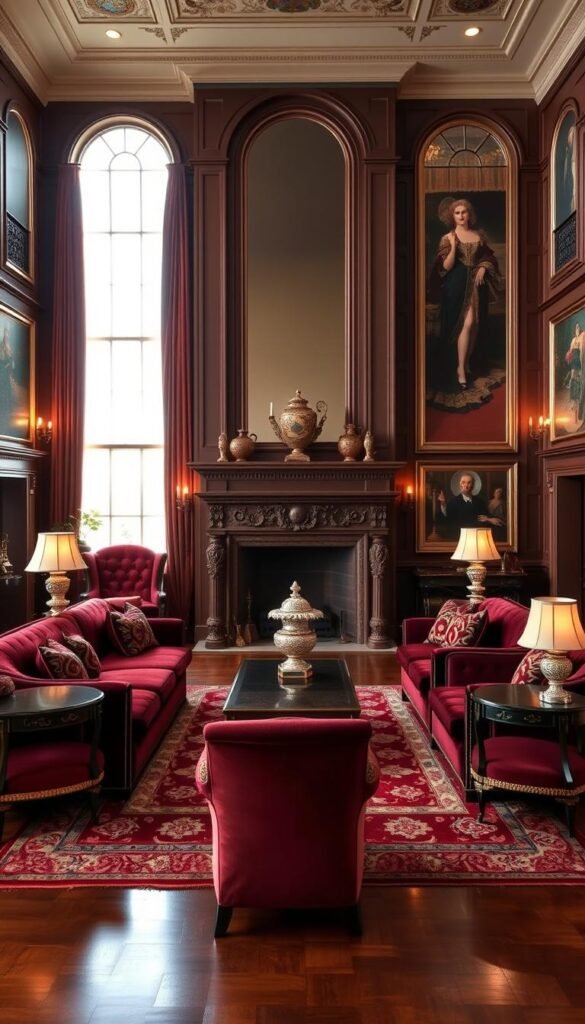
Your formal sitting area serves a unique role in your home. It’s crafted for special moments and meaningful connections. This space sets the stage for sophisticated entertaining.
Unlike everyday areas, it focuses on elegance and conversation. You’ll find it often near your home’s entrance. This placement creates a powerful first impression for guests.
How Formal Living Rooms Differ From Family Spaces
Family rooms prioritize comfort and durability. They’re designed for daily relaxation and casual activities. Your formal space takes a different approach.
It emphasizes refined details and luxurious materials. This area isn’t for watching television or lounging casually. Instead, it encourages genuine social interaction.
Consider these key differences between room types:
| Formal Space Features | Family Room Features |
|---|---|
| Elegant furniture pieces | Comfort-focused seating |
| Conversation-oriented layout | Entertainment-centered setup |
| Luxurious materials | Durable fabrics |
| Minimal technology | Media equipment included |
| Front-of-home location | Private family area |
The Entertaining Function of Your Sitting Room
This special area excels at hosting refined gatherings. The layout supports activities like cocktail parties and intimate conversations. Every element works together to create an elevated experience.
Your furniture arrangement encourages face-to-face interaction. Beautiful art pieces and intentional styling convey importance. The atmosphere feels both luxurious and inviting.
You’ll notice these spaces typically exclude televisions. This intentional choice minimizes distractions. It helps guests focus on connecting with each other.
The best formal rooms balance beauty with function. They make visitors feel welcomed and valued. Your space should reflect your personal style while maintaining its elegant purpose.
Crafting Your Formal Living Room Furniture Layout
Your furniture arrangement sets the stage for memorable conversations. A thoughtful layout makes your space both beautiful and functional. It welcomes guests and encourages natural interaction.
Start by planning your seating groups. Think about how people will move and talk. The right setup accommodates both small chats and larger groups.
Selecting Primary Seating: Sofas and Lounge Chairs
Anchor your room with a comfortable sofa. Choose one that fits your space without overwhelming it. A pair of lounge chairs creates balance and additional seating.
Consider scale and proportion when selecting pieces. Your sofa should complement other elements in the room. Matching chairs create visual harmony while providing comfort.
Look for quality construction and timeless styles. These pieces form the foundation of your entertaining area. They should be both inviting and elegant.
Incorporating Flexible Accent Pieces
Add movable seating options for versatility. Accent chairs can be pulled into conversations when needed. They tuck away neatly when not in use.
Consider stylish stools or ottomans. These pieces serve multiple purposes throughout your gatherings. They provide extra seating or act as impromptu tables.
Modular tables offer practical solutions. Nesting tables can be separated during parties and stored together later. This flexibility helps your space adapt to different needs.
Balancing Traditional and Contemporary Elements
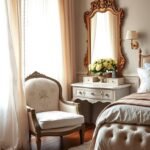
Mix classic and modern pieces for a fresh look. This approach keeps your design feeling current yet timeless. Try pairing mid-century chairs with sleek modern stools.
The blend creates visual interest throughout your space. Traditional elements provide warmth and familiarity. Contemporary touches add energy and modernity.
Your finished look should reflect personal style while maintaining elegance. The combination makes your room unique and inviting. Guests will appreciate the thoughtful details.
Creating a Striking Focal Point
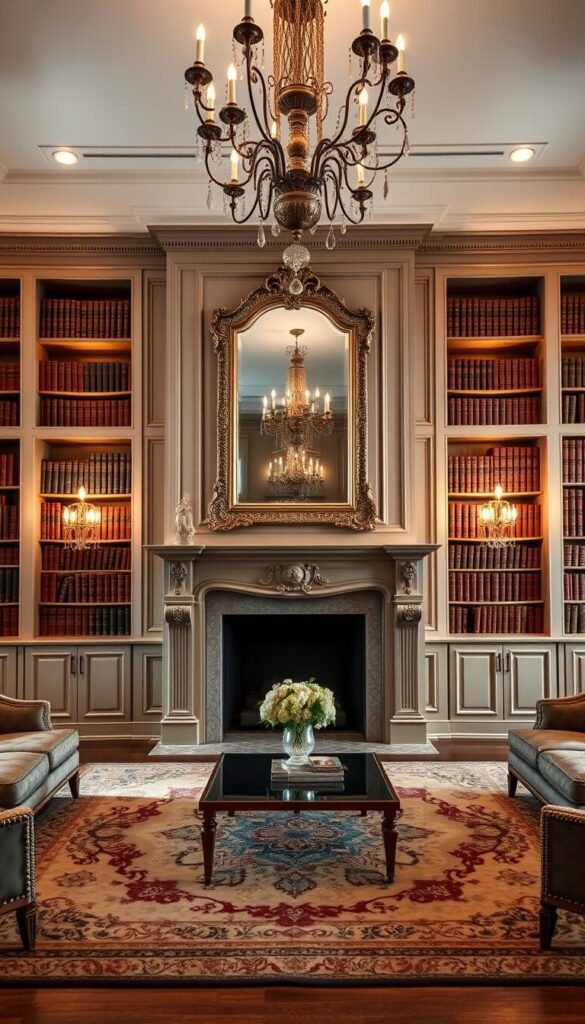
Every great entertaining area needs a centerpiece that captures attention. This focal point becomes the heart of your space where conversations naturally flow. It gives your room purpose and visual harmony.
A strong centerpiece creates instant wow factor when guests enter. It sets the tone for elegant interactions throughout your gatherings. Your design choices should highlight this special feature.
Designing Around a Fireplace
Fireplaces naturally become the star of any room. They draw people together with warmth and charm. Position seating to face this cozy feature.
Angle chairs toward each other near the fireplace. This encourages intimate conversations while enjoying the fire’s glow. The arrangement makes everyone feel included.
Choose furniture that complements without overwhelming the hearth. Your pieces should frame rather than block this natural focal point. The result feels both intentional and inviting.
Alternative Focal Points for Maximum Impact
Not every space has a fireplace, but you have options. Large windows with beautiful views work wonderfully. They bring natural light and outdoor beauty inside.
Oversized artwork creates dramatic visual interest on any wall. Choose pieces that reflect your personal style and taste. They become conversation starters themselves.
Architectural features like built-in bookshelves add character. Statement mirrors multiply light and make spaces feel larger. Sculptures or unique lighting fixtures also serve well.
Why TVs Typically Don’t Belong in Formal Spaces
Televisions often disrupt the refined atmosphere you want to create. They compete for attention during meaningful conversations. Your space should prioritize human connection over screens.
Entertaining areas work best when focused on interaction. Removing the TV encourages guests to engage with each other. It elevates the entire experience.
Instead, use that wall space for decorative elements. A beautiful mirror reflects light and adds elegance. Curated art collections show personal style and sophistication.
Your focal point should enhance rather than distract from gatherings. Thoughtful placement creates natural flow throughout the room. It makes your space both functional and beautiful.
Mastering Formal Living Room Designs for Elegant Gatherings Through Symmetry
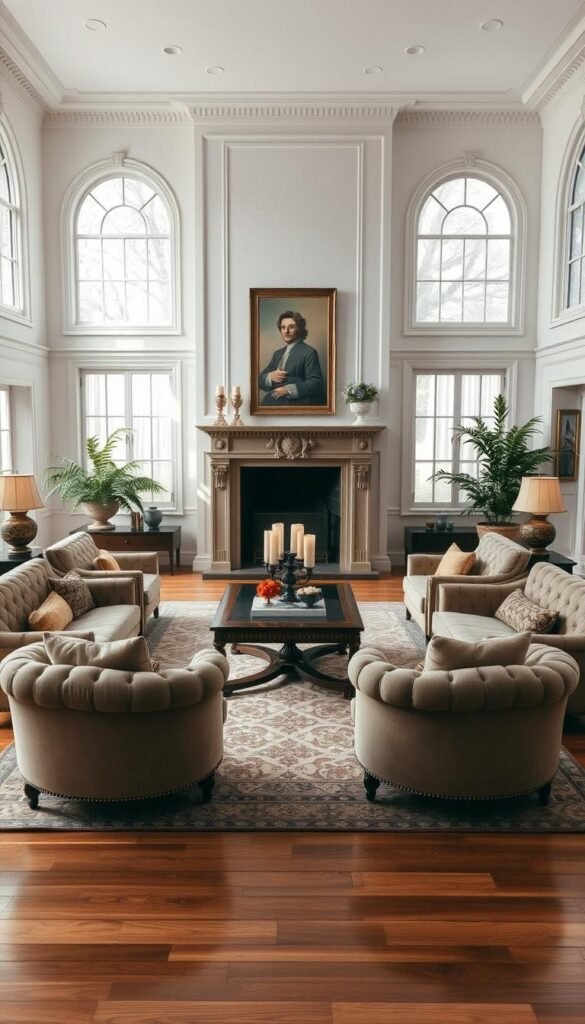
Symmetry brings beautiful structure to your entertaining area. It creates a sense of order that feels both intentional and welcoming. Your guests will notice the careful balance immediately.
This approach makes your space feel composed and well-planned. It elevates the entire atmosphere for sophisticated events. You achieve visual rhythm that guides the eye naturally.
Symmetry doesn’t mean everything must match perfectly. You can create balance with pieces that share similar proportions. The result feels harmonious without being repetitive.
Implementing Balanced Furniture Arrangements
Start with your largest pieces first. Position your sofa to face the room’s natural focal point. Then build outward with complementary seating.
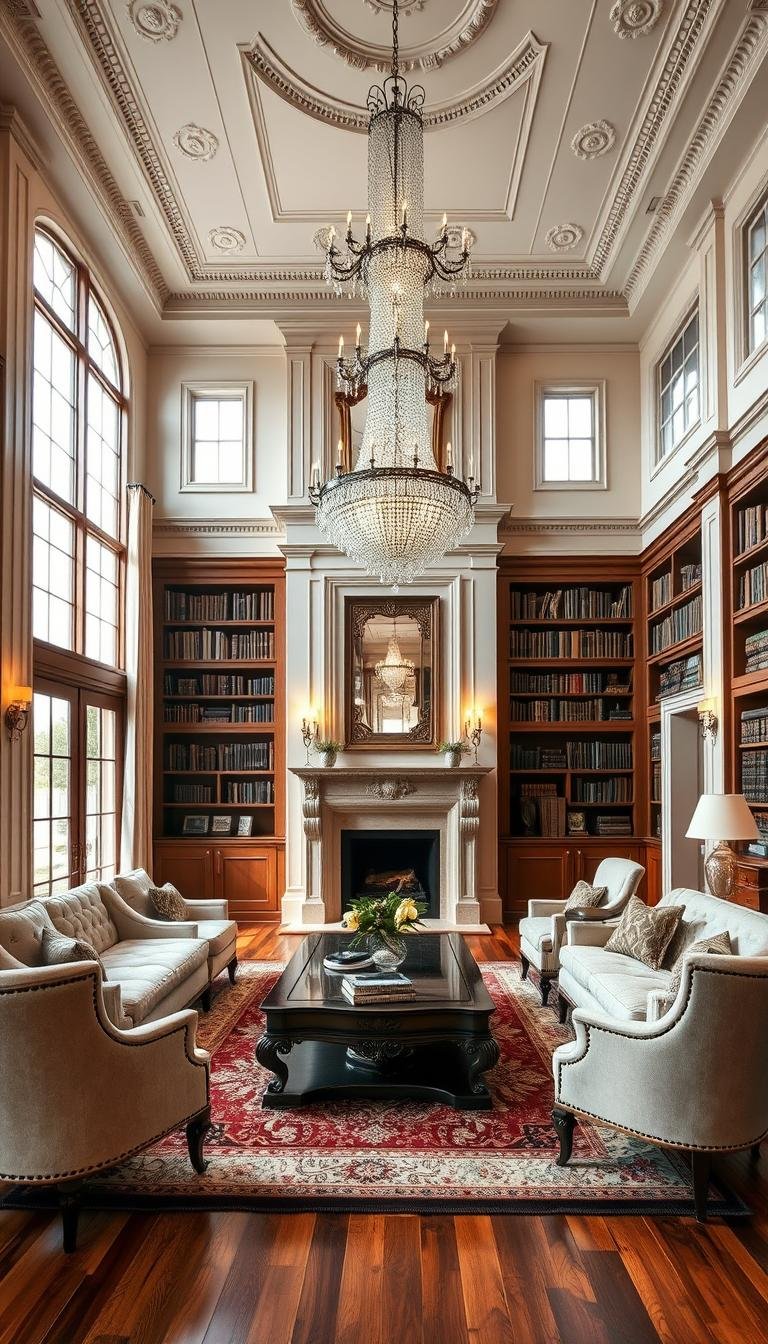
Try placing two identical chairs on either side of a fireplace. This creates a perfect symmetrical foundation. Add a centered coffee table to complete the arrangement.
Consider using pairs of love seats facing each other. This setup encourages conversation between guests. It makes everyone feel equally included in discussions.
Your furniture layout should create clear pathways. Guests need easy movement throughout the space. Balanced arrangements make navigation intuitive.
Using Matching Elements for Visual Harmony
Symmetrical accessories enhance your overall design. Matching table lamps on end tables create instant balance. They provide both light and visual consistency.
Wall sconces placed at equal heights add elegance. They frame artwork or architectural features beautifully. These elements work together to establish rhythm.
Even your floor plan can reflect symmetrical principles. Area rugs centered under seating groups anchor the space. They define conversation areas clearly.
Remember that symmetry creates psychological comfort. It makes your room feel calm and intentionally designed. Your gatherings will benefit from this peaceful atmosphere.
Selecting Luxurious Materials and Finishes
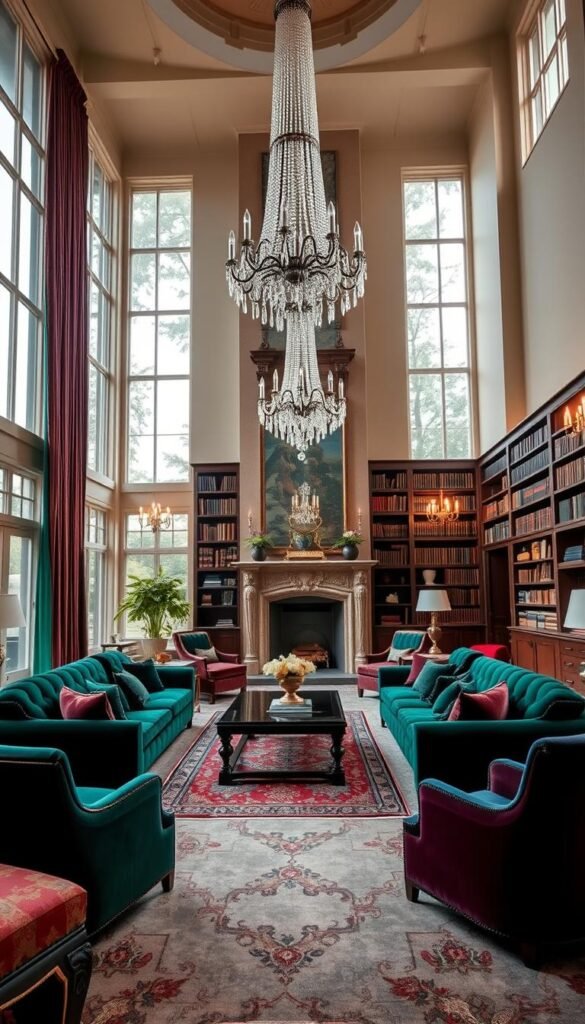
The materials you choose define your space’s character. Quality fabrics and finishes create that luxurious atmosphere you want for special occasions. They make your interior feel both sophisticated and welcoming.
Choosing Elevated Upholstery Fabrics
Your seating pieces deserve beautiful coverings. Velvet adds rich texture and depth to sofas and chairs. It catches light beautifully and feels wonderful to touch.
Silk offers elegant shimmer for accent pieces. Linen provides relaxed sophistication that ages gracefully. These fabrics create visual interest throughout your room.
Consider leather for its durability and classic appeal. It develops character over years of use. Mix fabrics for added dimension in your design.
Incorporating Refined Wood and Metal Accents
Wood elements bring natural warmth to your space. Polished tables add sophistication and function. They anchor seating groups beautifully.
Metal details provide subtle shine and contrast. Think of lamp bases, table legs, or decorative objects. These pieces complement softer textures perfectly.
Choose finishes that coordinate with your color scheme. Dark woods feel traditional and grounded. Lighter tones create airy, contemporary feelings.
Layering Textures for Dimension
Texture creates sensory richness in your room. Start with a quality rug under your seating area. It defines the space and adds comfort underfoot.
Drapes frame windows with elegant movement. Heavy fabrics like linen add weight and importance. Sheer layers soften light beautifully.
Accessories provide finishing tactile touches. Throw pillows mix patterns and materials. Blankets invite guests to get comfortable.
Balance is key when combining different elements. Velvet upholstery pairs wonderfully with silk cushions. Heavy linen drapes complete this lavish look.
Your material choices should enhance your overall color palette. They work together to create cohesive sophistication. Every touchpoint should feel intentionally considered.
Styling Techniques for a Refined Yet Inviting Space
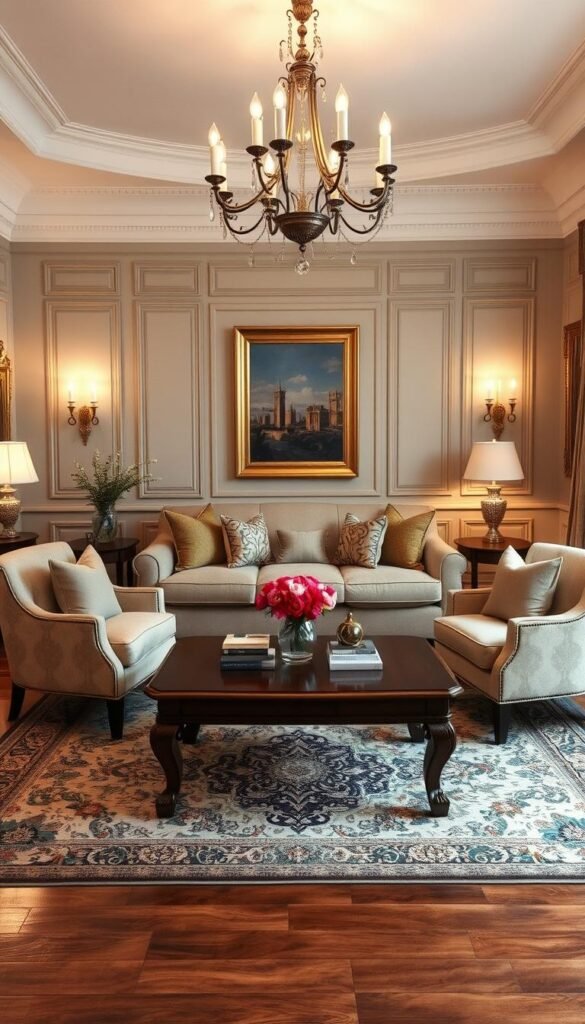
Your final styling choices transform your entertaining area from beautiful to unforgettable. These finishing touches add personality and warmth to your sophisticated interior. They make guests feel truly welcomed into your personal sanctuary.
Thoughtful accessories and lighting create that perfect balance. Your space should feel both elegant and comfortable. Every element should invite conversation and connection.
Curating Meaningful Art and Accessories
Choose pieces that tell your unique story. Family heirlooms add depth and personal history to your walls. Travel souvenirs bring global inspiration into your design.
Curated collections show your passions and interests. They become natural conversation starters during gatherings. Each piece should hold meaning beyond just decoration.
Consider kinetic sculptures or digital displays for dynamic energy. These interactive elements add movement and modern flair. They create fascinating focal points throughout your room.
Balance is crucial when accessorizing your surfaces. Too many items create visual clutter. Too few leave the space feeling incomplete.
Every accessory should contribute to your overall aesthetic. Edit ruthlessly to maintain elegance. Your guests will appreciate the intentional curation.
Implementing Layered Lighting Strategies
Lighting creates mood and functionality in your entertaining area. Relying solely on overhead fixtures feels harsh and impersonal. Layered approaches offer warmth and versatility.
Start with ambient lighting for overall illumination. A statement chandelier adds drama and sophistication. Choose sculptural designs that become art pieces themselves.
Add task lighting for specific activities. Table lamps provide perfect reading light near seating areas. Floor lamps illuminate darker corners beautifully.
Accent lighting highlights your favorite features. Spotlights showcase artwork on your walls. Colored lampshades add vibrant personality throughout your space.
Dimmers give you complete control over atmosphere. They adjust brightness for different occasions. Your lighting should adapt to various gathering sizes.
The Art of Slow Styling Over Time
Your most interesting spaces develop gradually over years. Rushing to complete your look often results in generic choices. Slow styling allows your personality to shine through.
Collect pieces during travels and special moments. Each acquisition adds another chapter to your story. Your room becomes a living archive of experiences.
Take time to find truly special lighting fixtures. Oversized chandeliers make dramatic statements. Unique lamps become conversation pieces themselves.
Allow your taste to evolve naturally. Edit and rearrange as you discover new preferences. Your space should reflect your current self, not past decisions.
This approach creates depth that can’t be rushed. Guests sense the thoughtful curation immediately. Your patience results in truly authentic character.
Bringing Your Elegant Gathering Space to Life
You now have the tools to create a sophisticated entertaining area. Focus on one aspect at a time. Start with furniture layout or material selection.
Your space should balance elegance with warmth. It must feel both impressive and inviting. Professional designers can offer personalized advice.
Schedule a consultation to bring your vision to life. Begin with a mood board to organize your ideas. This process enhances your home’s functionality and style.
With careful planning, you can achieve a perfect hosting area. Enjoy creating memorable moments in your beautifully designed interior.