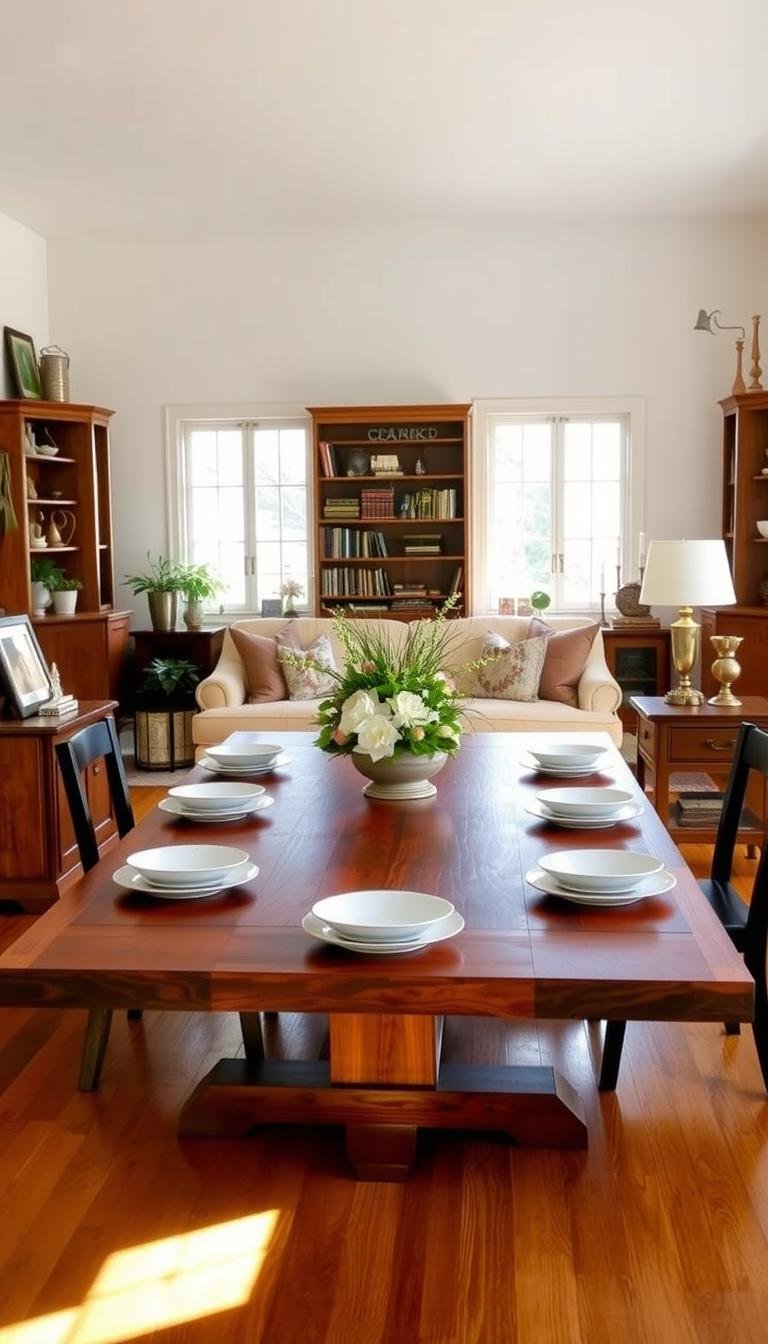
Welcome to the wonderful world of wood mixing! Many people believe all wood tones in a room should match perfectly. This approach often creates a flat, uninspired look.
Professional designers know that combining different wood tones creates magic. This technique adds curated depth and sophistication to your space. It brings character and charm that matching pieces simply cannot achieve.
Thoughtfully blending woods from various periods creates a foundation for exceptional design. Your room gains personality and reflects your unique style. This approach makes your home feel more personal and intentionally designed.
This guide will help you master the art of wood combination. You’ll learn fundamental principles that create cohesion and beauty. Discover how to transform your living spaces with confidence and expertise.
The Fundamentals of How to Pair Decor with Wooden Furniture
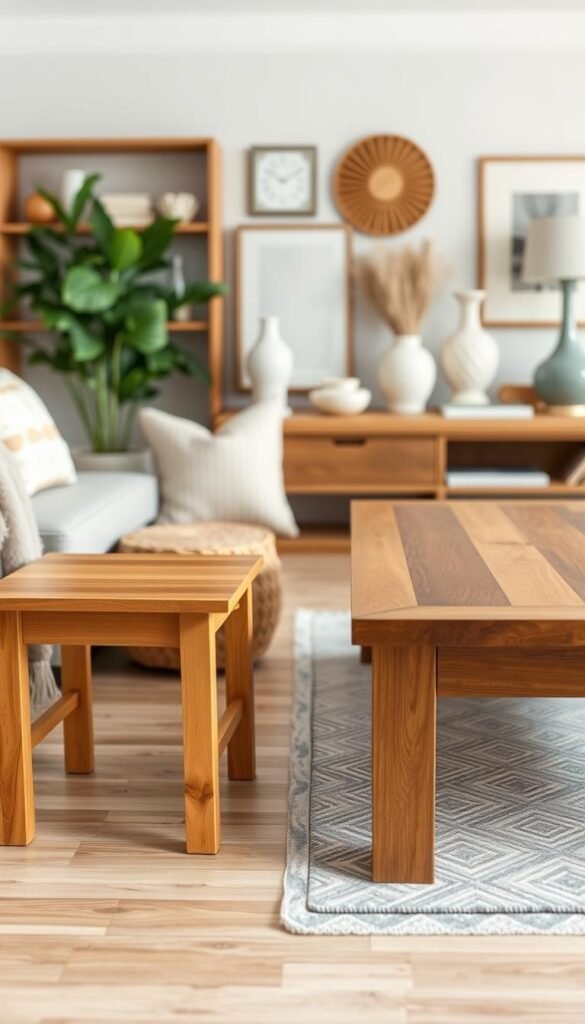
The secret to beautiful wood mixing lies in recognizing temperature differences. These characteristics create the foundation for all your design decisions. Understanding this concept transforms your approach to interior design.
Understanding Warm vs. Cool Wood Tones
Wood falls into two main temperature categories. Warm tones include cherry, walnut, and red oak. These feature yellow, red, and orange hues throughout the grain.
Cool tones appear in ash, maple, and gray-washed finishes. They contain subtle gray or green undertones. This creates a completely different visual effect.
Warm wood tones generate cozy, inviting atmospheres. They make spaces feel comfortable and lived-in. Cool tones achieve modern, airy feelings throughout your room.
Walnut serves as a versatile neutral option. Its rich brown hue harmonizes with both warm and cool woods. This makes it an excellent transition piece between different tones.
Identifying Undertones for a Cohesive Look
Undertone matching creates seamless integration between pieces. This technique matters more than exact color matching. It ensures your space feels intentional and designed.
Analyze your existing furniture to determine temperature characteristics. Look for subtle color hints in the grain patterns. These reveal whether you’re working with warm or cool tones.
Use undertones as your guiding principle for selecting new pieces. This approach maintains cohesion throughout your design. Architectural Digest emphasizes the emotional impact of these choices.
| Characteristic | Warm Tones | Cool Tones |
|---|---|---|
| Common Types | Cherry, Walnut, Red Oak | Ash, Maple, Gray-washed |
| Undertones | Yellow, Red, Orange | Gray, Green, Blue |
| Emotional Impact | Cozy, Inviting, Traditional | Modern, Airy, Crisp |
| Room Suggestions | Living Rooms, Dining Spaces | Bedrooms, Home Offices |
Professional designers focus on undertone harmony above all else. This creates visual flow between different wood pieces. Your space will feel curated rather than accidental.
Contrast between tones adds depth and interest to your room. The right balance makes each piece stand out beautifully. This approach transforms ordinary spaces into extraordinary ones.
Establish a Dominant Wood Tone as Your Foundation
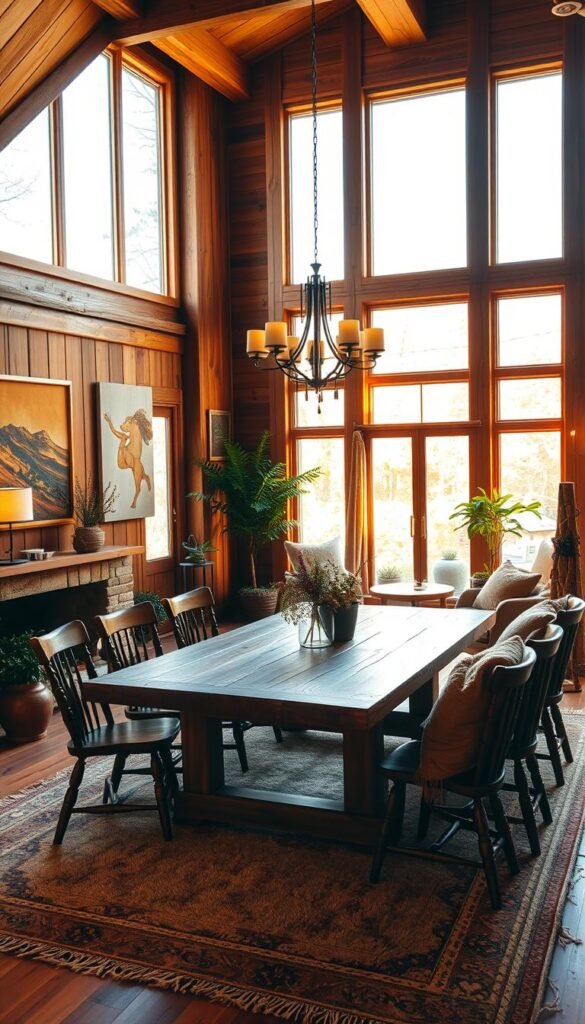
Every great design starts with a solid foundation. Your dominant wood tone sets the stage for everything that follows. This creates harmony and prevents visual chaos.
Begin by identifying permanent elements in your space. Look at your flooring, cabinetry, and largest furniture pieces. These typically establish your room’s primary character.
Let Your Largest Piece or Flooring Lead
Your flooring often serves as the natural starting point. It covers the most surface area in your room. This makes it the logical choice for establishing your palette.
Large furniture pieces also command attention. A substantial bed or dining table can define the entire space. Let these anchor pieces guide your design decisions.
If you have dark mahogany moldings with oak floors, consider refinishing. Lightening floors or adding gray tones creates better balance. This technique cuts red undertones for fresh contrast.
Choosing Between a Warm or Cool Palette
Your design aesthetic determines your temperature direction. Modern spaces often benefit from tight palettes. Stick to all warm or all cool tones for clean lines.
Eclectic interiors welcome mixed temperatures. They celebrate contrast between different wood families. This approach creates dynamic, personality-filled rooms.
Professional tips suggest intentional palette choices. Consider your home’s architectural style and natural lighting. These factors influence whether warm or cool tones work best.
Establishing a dominant tone first simplifies everything. Subsequent selections become more cohesive and intentional. Your space will feel thoughtfully designed rather than accidental.
Master the Art of Contrast and Balance
Professional designers use a secret formula to create stunning rooms. This approach combines different wood tones while maintaining harmony. It transforms ordinary spaces into extraordinary living environments.
The technique focuses on strategic placement and thoughtful selection. You can achieve this designer look with simple principles. Your room will gain depth and character instantly.
The Light-Medium-Dark Formula for Visual Interest
This three-tone approach creates dynamic visual appeal. Select pieces that contrast yet share common undertones. The variation adds excitement while keeping everything cohesive.
Start with your dominant tone as the medium option. Add lighter and darker pieces to complete the trio. This formula works in any room throughout your home.
Seventy-three percent of homeowners prioritize cohesive materials. They understand that balanced tones create comfortable spaces. This statistic shows the importance of intentional design.
Anchoring Dark Woods Low and Keeping Light Pieces High
Place darker furniture pieces lower in your room. Bed frames and dressers work perfectly at ground level. This placement creates stability and prevents visual heaviness.
Lighter finishes belong higher on your walls. Shelving units and mirrors add brightness above eye level. This strategy makes ceilings appear taller and rooms feel larger.
Dark woods make spacious areas feel cozier and more intimate. Lighter tones help smaller rooms gain perceived height. You control the room’s atmosphere through strategic placement.
Contrast creates dynamic energy when tones share common undertones. Your space feels balanced yet exciting and intentionally designed. This professional technique delivers satisfaction through careful planning.
Use Repetition to Create a Cohesive Design
Strategic repetition of wood finishes creates a rhythm that guides the eye through your beautifully designed space. This technique transforms individual elements into a unified composition that feels both intentional and effortless.
Professional designers understand that repetition establishes visual connections between different areas. It creates a sense of harmony that makes your design choices appear deliberate rather than accidental.
Sprinkle Your Wood Tones Throughout the Space
Limit your selection to two or three wood finishes maximum for optimal cohesion. This restraint prevents visual chaos while allowing for beautiful variation.
Use each tone at least twice throughout your room to create intentional connections. Picture frames, mirrors, and accent chairs offer perfect opportunities for repetition.
This sprinkling technique creates visual flow between different areas. Your eye naturally moves from one repeated element to another, creating a sense of unity.
Repetition reinforces rhythm and balance throughout any design scheme, making choices feel deliberate rather than random.
In mixed wood kitchens, repeat mid-tone wood in both island and shelving. This connects elements that might otherwise feel disconnected.
The approach makes your entire space feel curated and professionally designed. It transforms accidental-looking choices into intentional statements.
Repeating Finishes to Make Choices Feel Intentional
Identify opportunities for repetition in your existing layout and new acquisitions. Look for elements that can echo your primary wood tones.
Designers use this technique to create balance in eclectic spaces. It allows for variety while maintaining underlying harmony.
- Limit your palette to 2-3 finishes for elegant, cohesive results
- Repeat each tone at least twice through various elements
- Create rhythm with strategic placement throughout your room
- Connect spaces by repeating finishes in different areas
- Transform accidental looks into intentional design statements
This repetition technique ensures your space feel harmonious and well-planned. It’s one of the most effective tips for mixing wood tones successfully.
Your room gains sophistication when colors and finishes repeat purposefully. The result is a space that feels both curated and comfortable.
Incorporate Texture and Other Materials
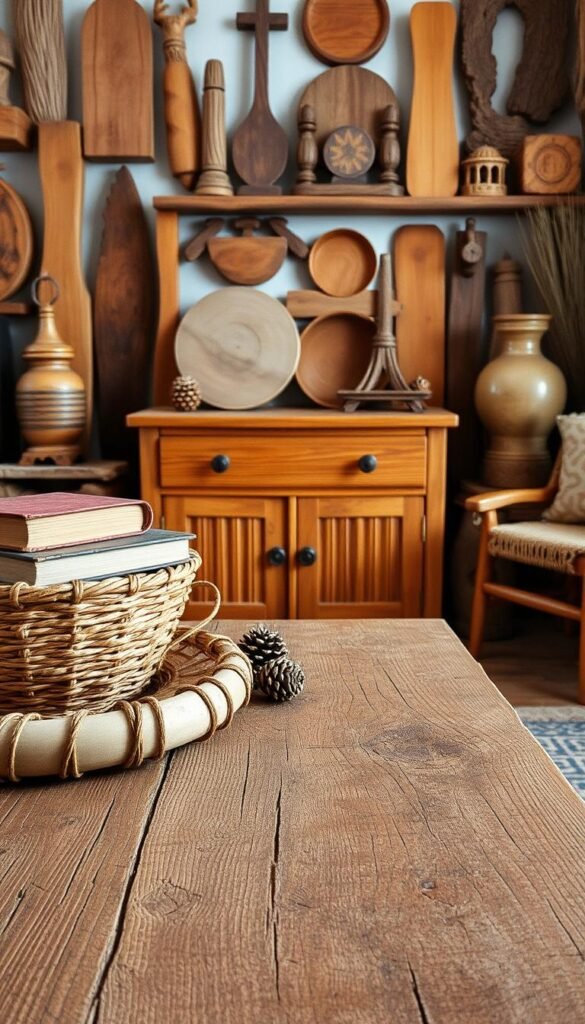
Textiles and materials become your secret weapons for blending different wood finishes. They create visual bridges that make your space feel intentionally designed rather than accidentally mismatched.
Softening Transitions with Rugs, Pillows, and Throws
Soft goods work magic between contrasting wood tones. An area rug placed beneath your dining table creates instant harmony. It visually connects different pieces throughout the room.
Textured throws and pillows add cozy layers of connection. They soften transitions between your various wood furniture elements. This approach makes everything feel purposefully chosen.
Upholstered headboards and linen-covered benches serve as perfect mediators. They mellow strong contrasts between different wood finishes. Your bedroom or entryway gains seamless flow.
Choose fabric tones that either warm up or cool down your overall space. Warm textiles enhance cozy traditional feels. Cool fabrics complement modern, airy atmospheres.
Adding Depth with Metal, Stone, and Leather Accents
Mixed materials create dimensional interest beyond simple color matching. Metal accents like brass light fixtures provide beautiful contrast. They make your wood elements stand out with intention.
Stone surfaces on coffee tables or countertops add natural texture. They give wood finishes room to breathe within your design. This combination feels both organic and curated.
Leather chairs or accessories introduce rich tactile elements. They complement wood tones while adding their own character. Your space gains layers of visual and textural interest.
Designers often place cool-toned rugs beneath warm timber furniture. This clever trick bridges disparate undertones effortlessly. It creates balance where contrast might otherwise feel overwhelming.
Wall colors act as unifying glue between different wood shades. They provide a neutral backdrop that lets your finishes shine. Your room feels connected through thoughtful material choices.
Advanced Tips for a Curated, Designer Look
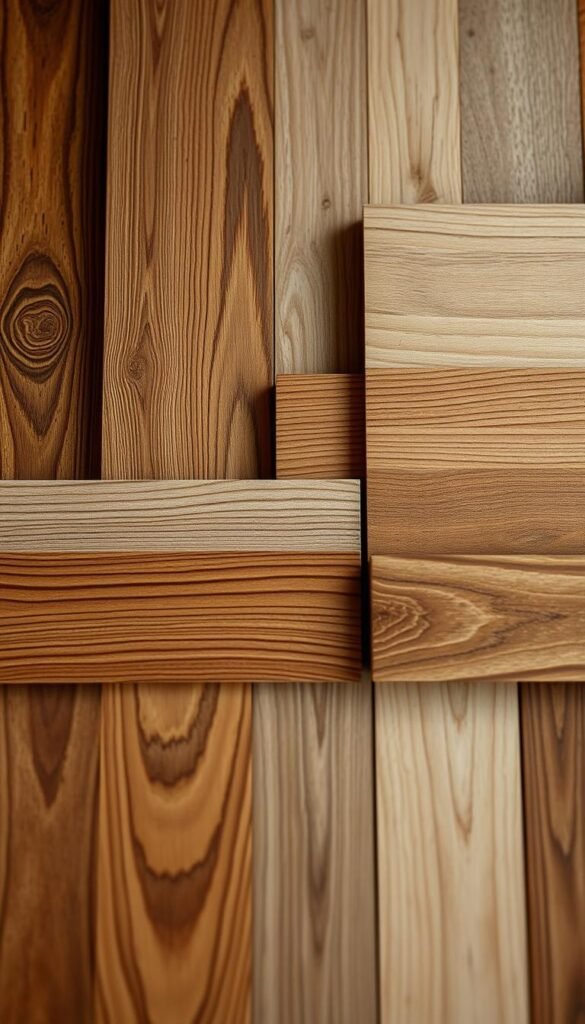
Elevate your interior design game with professional techniques that transform ordinary spaces into magazine-worthy rooms. These advanced strategies focus on finish variation and focal points that create depth and character.
Master designers understand that surface treatments matter as much as wood selection. Your choices in texture and finish determine whether a space feels curated or chaotic.
Playing with Matte, Oiled, and Wire-Brushed Finishes
Avoid highly varnished surfaces that mask wood’s natural beauty. These finishes often create artificial shine that feels cold and impersonal.
Instead, embrace matte, oiled, and wire-brushed treatments. These preserve the organic warmth and tactile quality of natural timber. They allow the grain’s character to shine through authentically.
Mix polished furniture pieces with matte finishes for intentional contrast. A glossy coffee table against matte flooring creates visual interest. This combination adds sophistication through deliberate variation.
Wire-brushed finishes reveal wood’s natural texture beautifully. They work exceptionally well in modern farmhouse or industrial styles. These surfaces catch light differently throughout the day.
Oiled finishes maintain wood’s natural patina while offering protection. They develop richer character over time with proper care. This aging process adds story and depth to your space.
Creating a Focal Point with a Wood Accent Wall
Wood accent walls instantly become room centerpieces. They draw attention to architectural features or create new ones. This technique transforms ordinary walls into statement elements.
Use varying shades and tones for curated dimensionality. Mix light and dark boards in patterns that complement your furniture. This approach creates rhythm and movement across the surface.
Wood-slat feature walls add texture and modern appeal. They work beautifully behind beds or sofa groupings. These installations frame your key furniture pieces perfectly.
Consider reclaimed wood for character-rich accent walls. Each piece tells its own story through knots and patina. This creates conversation-starting focal points in your room.
Panel accents bring architectural interest to plain spaces. They add depth where flat walls might feel underwhelming. This transformation requires minimal investment for maximum impact.
Successfully combine traditional and modern pieces through finish unification. A traditional poster bed pairs beautifully with clean-lined nightstands when finishes harmonize. This mix of eras creates collected, personal style.
“Texture variation highlights craftsmanship and allows raw elegance to shine through in any design scheme.”
Discover how mixing furniture styles can enhance your wood combination strategies. Professional designers use these techniques to achieve that perfectly curated look.
Varying textures and focal points transform good design into exceptional design. Your space gains layers of visual interest that feel both intentional and effortless.
Bringing Your Perfectly Paired Space to Life
Your perfect room starts with pieces you truly love. Build your space around a cherished vintage dresser or handcrafted bed frame. This personal touch ensures your design reflects your unique style.
Choose hero pieces to shine while supporting elements complement. Avoid letting every item compete for attention. This balance creates a cohesive and intentional look.
Custom collections like oomph allow seamless blending of different wood tones. Made-to-order pieces help unify your design vision. Expert designers can achieve balanced, visually exciting results.
Step back and assess your space with a critical eye. Ensure everything feels intentional and flows together. Maintain your personal style while applying these professional principles.