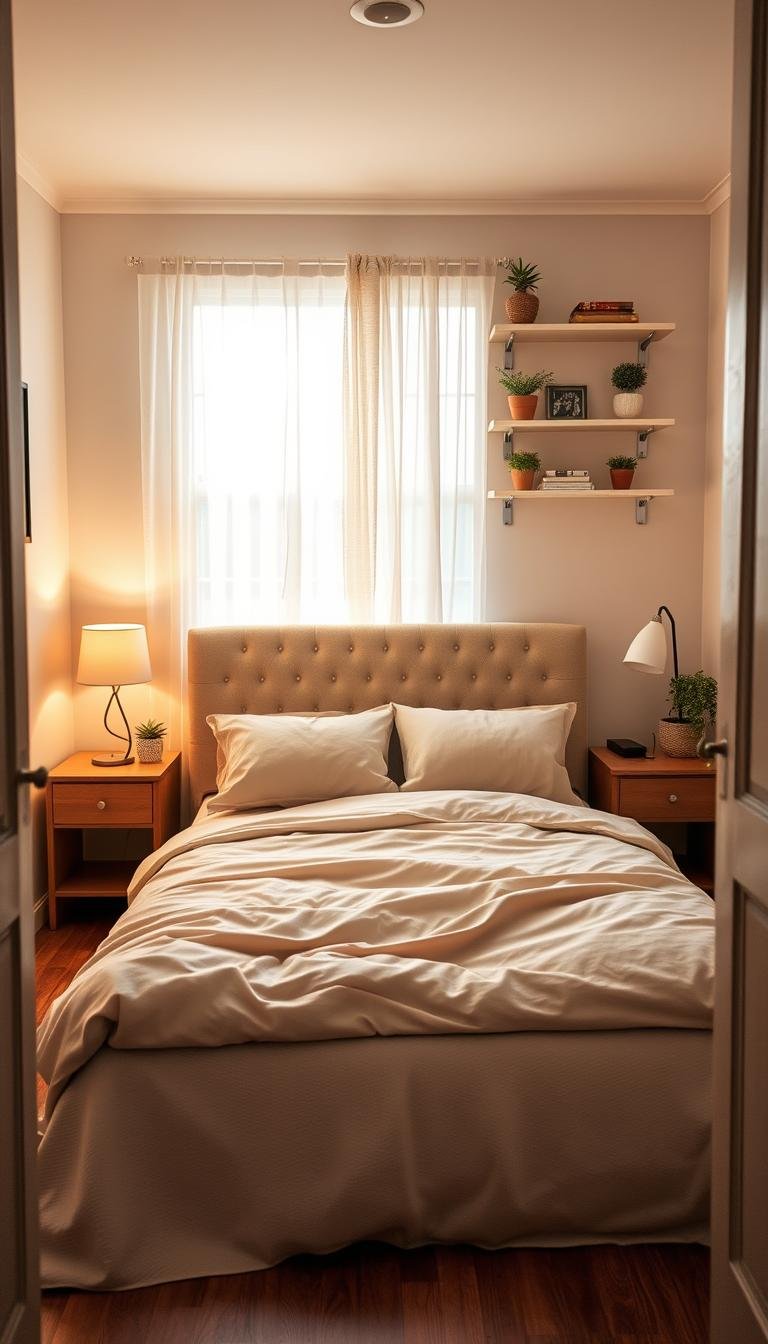
Do you have a snug sleeping area that feels a bit cramped? You’re not alone. Many American homes feature cozy nooks that challenge our layout skills.
But here’s the good news: limited square footage opens doors to creativity. You can craft a space that feels both open and intimate with the right approach.
This guide shares practical strategies to maximize every inch. We focus on multi-use pieces, vertical storage, and visual tricks that expand your area.
You’ll discover how to reduce clutter and boost function. These tips suit various budgets and DIY comfort levels.
Let’s transform your compact sanctuary into a stylish, relaxing haven. Ready to explore these transformative concepts?
Understanding Your Small Bedroom’s Potential
Ever feel like your compact sleeping area limits your style? Think again. Limited square footage actually sparks innovation. It pushes you to make intentional choices that reflect your personality.
Smaller spaces offer hidden advantages. They’re easier to decorate and maintain. You can create a cohesive look that feels intimate and inviting.
Why Less Space Means More Creative Design Opportunities
When every inch counts, you prioritize what truly matters. This leads to personalized solutions that maximize function. Built-in storage and multi-use pieces become your best friends.
Vertical thinking changes everything. Look up! Walls offer valuable real estate for shelves and decor. This approach keeps your floor clear and open.
Top designers agree: constraints breed creativity. As one expert notes,
“The best designs often come from working within limitations.”
Shifting Your Mindset from Cramped to Cozy
Your perspective shapes how the room feels. Instead of “cramped,” think “snug sanctuary.” This mental shift dramatically improves your space’s atmosphere.
Warm colors and soft textures enhance coziness. Try creamy whites or gentle grays for walls. Add plush rugs and throw pillows for comfort.
A minimalist approach reduces visual clutter. Choose quality items that serve a purpose or bring joy. Every piece should earn its place.
Start by decluttering and measuring your area. Knowing your exact dimensions helps plan effectively. You’ll discover smart solutions you never considered.
Your compact retreat awaits transformation. With the right attitude, it becomes a peaceful haven that truly reflects your style.
Core Strategies for Small Bedroom Furniture Design
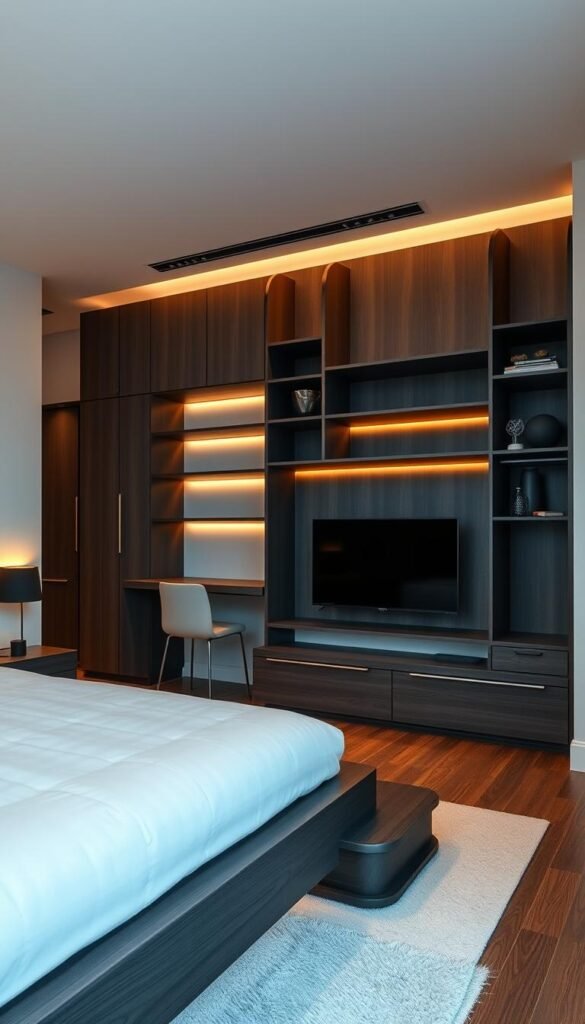
Ready to transform your compact sleeping quarters? These fundamental approaches help you maximize every inch. They create a functional yet beautiful retreat.
Smart planning turns limitations into advantages. You’ll discover how to enhance both form and function.
The Power of Multifunctional and Space-Saving Pieces
When square footage is limited, every item must earn its keep. Choose pieces that serve multiple purposes.
A storage ottoman provides extra seating and hidden compartments. Nightstands with drawers keep clutter out of sight.
Consider a desk that functions as both vanity and bedside table. These clever bedroom design ideas maximize utility without sacrificing style.
Measure your area carefully before selecting furniture. Prioritize items offering the most function per square foot.
Thinking Vertically to Free Up Floor Space
Look upward to gain valuable real estate. Walls offer fantastic opportunities for storage and decor.
Floating shelves keep essentials accessible but out of the way. They create display space without consuming floor area.
Wall-mounted lighting frees up surface space on tables. Built-in shelving integrates seamlessly with room features.
Vertical solutions make the room feel more open and airy. They draw the eye upward, creating an illusion of height.
These core strategies work for any compact sleeping area. They form the foundation for all the specific ideas we’ll explore next.
1. Opt for a Space-Saving Murphy Bed
Imagine reclaiming your floor area with one simple change. A Murphy bed offers incredible flexibility for compact living spaces. It transforms your sleeping zone into a multi-use haven by day.
This smart solution hinges to an interior wall. When not in use, it folds up vertically against the wall. You gain valuable square footage instantly.
Many models include built-in desks or shelving. These integrated features enhance functionality without consuming extra area. It’s perfect for studios or cozy homes.
Maximizing Floor Space for a Dual-Purpose Room
Your compact sanctuary can serve multiple roles with this approach. By day, it becomes a productive home office or relaxing den. By night, it transforms back into a comfortable sleeping area.
You can exercise, work, or entertain without compromise. The mechanism typically uses hydraulic lifts for smooth operation. This ensures easy transition between functions.
Consider these placement tips for optimal results:
- Choose a wall that doesn’t block windows or doors
- Ensure wall strength can support the bed’s weight
- Position it where deployed bed won’t obstruct movement
Custom vs. Ready-Made Murphy Bed Solutions
You have two main paths when selecting your wall bed. Custom options offer perfect integration with your specific dimensions. Architect Michael K. Chen created a stunning powder blue version that fits his space perfectly.
Ready-made solutions provide convenience and affordability. They come in standard sizes with straightforward installation instructions.
Consider these factors when deciding:
- Custom beds offer unique aesthetics and perfect fit but cost more
- Ready-made options are budget-friendly but may have style limitations
- Both should include safety locks and clear operation guidelines
Additional features can enhance your experience. Some models include built-in lighting or shelving that deploys with the bed. Others incorporate desks that become accessible when the bed is stored.
Complement your setup with foldable chairs or modular pieces. These can be stored away when the bed is in use. This approach maximizes your available area throughout the day.
This innovative sleeping solution truly redefines small space living. It demonstrates how intelligent design can multiply your room’s functionality. Your compact area gains new purpose without sacrificing comfort or style.
2. Embrace the Multifunctional Daybed
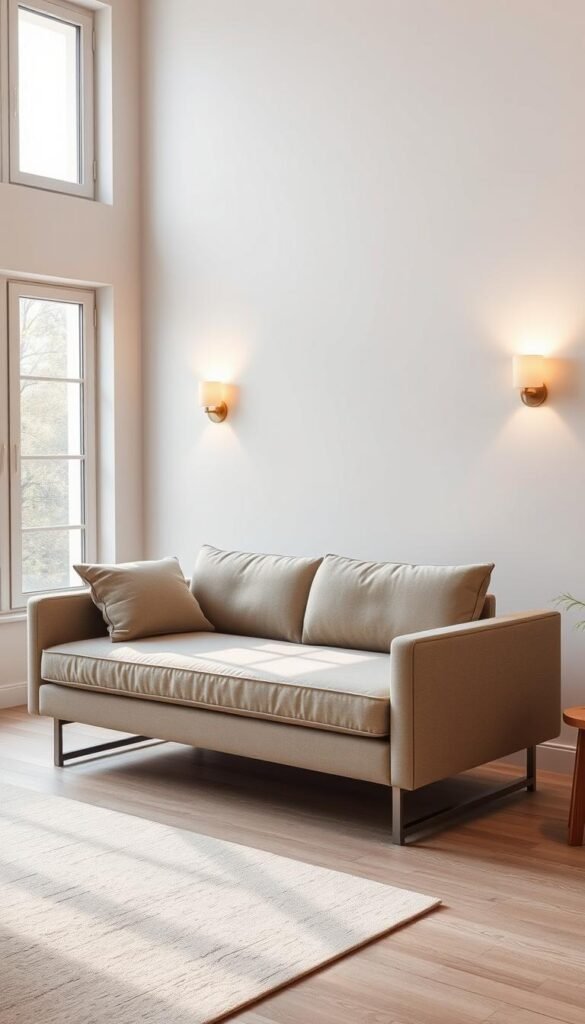
What if your sleeping area could transform into a cozy lounge by day? A daybed offers this magical versatility. It combines sofa comfort with bed functionality in one smart piece.
This solution works beautifully in compact areas. You gain seating space without sacrificing sleeping comfort. It’s perfect for rooms that serve multiple purposes.
Creating a Lounge and Sleep Area in One
A daybed merges two functions seamlessly. By day, it serves as comfortable seating for reading or relaxing. By night, it transforms into a restful sleeping surface.
Designer Wendy Labrum demonstrates this brilliantly. Her pattern-rich space features a daybed as the stylish centerpiece. It provides both style and practical function.
Consider these popular daybed types:
- Classic trundle models offer extra sleeping space for guests
- Storage versions include drawers for bedding and linens
- Modern designs feature clean lines and minimalist profiles
Each type serves different needs while saving valuable square footage.
Styling Your Daybed for Day and Night Use
Daytime styling creates an inviting lounge atmosphere. Arrange throw pillows along the back for comfortable support. Add a soft blanket and side table for drinks or books.
Evening transformation requires simple adjustments. Fluff up your sleeping pillows and add a cozy duvet. A mattress topper can enhance comfort for nightly use.
Positioning matters for optimal function. Place against a wall to free up floor space. Near a window creates a bright, inviting nook.
Accessories boost both form and function. Bolsters provide back support during daytime use. Storage ottomans offer extra seating and hidden organization.
Choose scale-appropriate pieces that fit your room’s dimensions. Avoid oversized models that might overwhelm the area. The right size creates balance and harmony.
This versatile solution excels in guest rooms or children’s spaces. It provides flexibility where square footage is limited. Your compact retreat gains both style and purpose.
The daybed proves that smart choices multiply functionality. It creates a space that feels both open and inviting throughout the day.
3. Choose a Low-Profile Bed Frame
Have you considered how your sleeping surface height affects your entire space? A low-profile frame creates an immediate sense of openness. It’s one of the simplest yet most effective changes you can make.
This approach works wonders in compact areas. Your sleeping zone becomes more integrated with the room. The visual impact is both calming and spacious.
Making Your Ceiling Feel Higher and Room Larger
A lower sleeping surface creates vertical space above. This optical trick makes your ceiling appear higher than it actually is. The entire area gains a more expansive space feel.
Designer Noz Nozawa demonstrates this beautifully. Her Lake Tahoe home features a low platform bed frame. This choice makes the compact sleeping area feel remarkably open.
The psychological effect is equally important. Less visual weight from your sleeping area reduces mental clutter. You create a serene, uncluttered atmosphere that promotes relaxation.
Pairing a Low Bed with Statement Lighting
The vertical space gained allows for dramatic lighting choices. A statement pendant or chandelier draws the eye upward. This enhances the sense of height without consuming floor area.
Nozawa’s design pairs her low platform with a striking light fixture. The combination unifies the space beautifully. It creates a focal point that elevates the entire room.
Consider these lighting options for your low sleeping area:
- Pendant lights with adjustable heights
- Mini-chandeliers that complement your style
- Track lighting that emphasizes vertical space
Your lighting should balance function and aesthetics. Choose fixtures that provide adequate illumination while enhancing the room’s proportions.
| Bed Frame Material | Best For | Maintenance Level |
|---|---|---|
| Solid Wood | Traditional or rustic styles | Moderate |
| Metal | Modern or industrial looks | Low |
| Upholstered | Soft, contemporary feels | Higher |
| Platform | Minimalist approaches | Very low |
Complement your low sleeping area with slimline nightstands. Floating shelves maintain the airy aesthetic. These choices prevent visual crowding while providing function.
Platform frames work exceptionally well with this approach. They eliminate the need for box springs, keeping the profile even lower. Layer textiles for comfort without adding height.
This solution offers practical benefits too. Easier access to your sleeping surface improves daily comfort. Better flow around the area enhances movement.
Under-bed storage becomes more accessible with lower frames. This maximizes your organization options. Every inch works harder for you.
Rooms with lower ceilings benefit most from this approach. The low profile prevents that cramped feeling. Your space transforms through this simple change.
Your compact sleeping area gains new dimension with a low frame. It’s an elegant solution that maximizes both style and function.
4. Consider a Bare Canopy Bed Frame
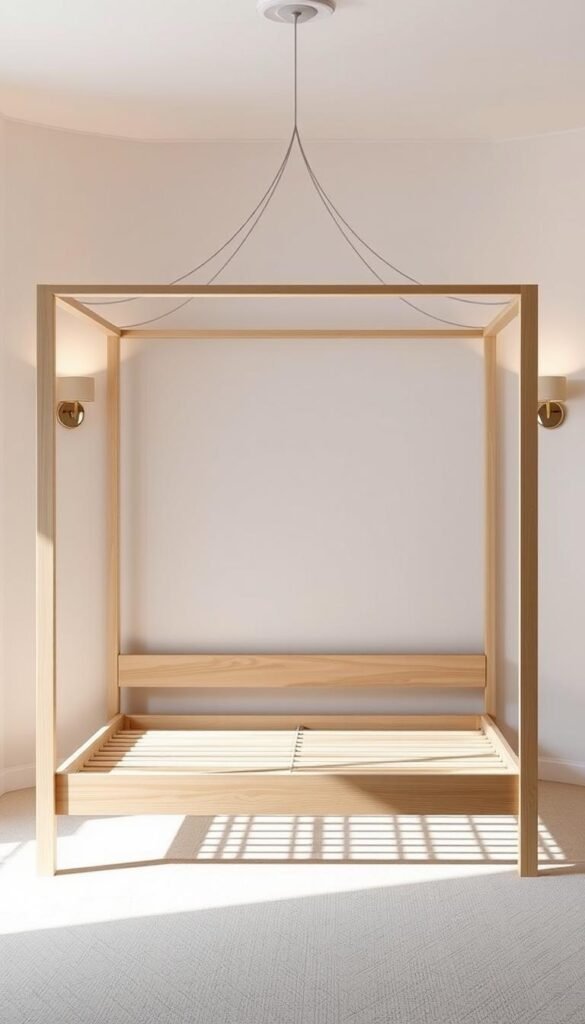
Ever dream of a canopy bed’s elegance but worry it might overwhelm your cozy space? You’re not alone. Many homeowners hesitate to embrace this classic style in compact areas.
Here’s the secret: going bare transforms the traditional canopy. You keep the sophisticated look without the visual weight. This approach maintains an open, airy atmosphere.
A simple overhead frame creates instant architectural interest. It becomes a striking focal point that elevates your entire space. The clean lines add structure without bulk.
Designer Noz Nozawa demonstrates this beautifully. Her approach shows how sophistication and spaciousness can coexist. The result feels both luxurious and light.
Adding Elegance Without Visual Weight
Choosing the right materials makes all the difference. Wood frames bring warmth and natural texture. Metal options offer sleek, modern appeal.
Both choices work across various aesthetics. Bohemian styles might feature rustic wood beams. Contemporary spaces often prefer powder-coated metal.
Skipping drapery offers multiple advantages. You gain better light flow throughout your area. Maintenance becomes simpler without fabric to clean.
The frame’s proportions matter greatly. Slim profiles prevent overwhelming the space. Proper scaling ensures harmony with your room’s dimensions.
Consider painting the frame a light hue. Matching your ceiling color creates seamless integration. This trick enhances the feeling of height.
Achieving a Chic Look Without Heavy Drapery
Your bare canopy still provides a sense of enclosure. It creates an intimate sleeping nook within your larger area. This maintains romance without sacrifice.
Complement the frame with minimalist decor. Keep other elements simple and streamlined. This ensures the structure remains the star.
Subtle lighting enhances the magical atmosphere. String lights woven through the frame add cozy charm. They create soft illumination for evening relaxation.
Safety installation is crucial for overhead frames. Ensure secure mounting to ceiling joists or wall studs. Professional help might be wise for heavier designs.
This solution works exceptionally well with higher ceilings. The frame draws eyes upward without feeling oppressive. It maximizes vertical space beautifully.
Your compact retreat gains sophistication through this smart approach. The bare canopy combines style and function perfectly. It offers elegance without compromising your precious square footage.
5. Build Custom Storage into Your Walls
What if your walls could work harder for you? Built-in storage transforms unused vertical surfaces into smart organizational hubs. This approach maximizes every inch while maintaining a clean, uncluttered look.
Replacing Bulky Bookcases with Built-In Shelving
Custom shelving integrates directly into your wall structure. It eliminates the need for freestanding pieces that consume floor area. This creates a seamless look that enhances your room’s flow.
The process begins with precise measurements. Designers like Catherine and VW Fowlkes of Fowlkes Studio use alcoves and unused wall spaces. They create tailored solutions that fit specific dimensions perfectly.
Consider these built-in features for maximum function:
- Valet rods for hanging tomorrow’s outfit
- Felt-lined drawers for jewelry protection
- Adjustable shelves for changing needs
- Hidden compartments for valuables
These elements keep essentials organized and accessible. They reduce visual clutter while increasing storage capacity.
Cleverly Disguising Utilities like Radiators
Unsightly utilities can blend beautifully into your storage design. The Fowlkes Studio demonstrates this with a radiator integration. They used a custom cover that became part of an inset bookshelf.
This approach works for electrical panels and other fixtures too. Custom covers maintain functionality while improving aesthetics. They transform necessary eyesores into design features.
Planning requires careful consideration of access needs. Ensure covers remain removable for maintenance. Choose materials that withstand heat if covering radiators.
Professional installation often works best for complex projects. DIY options exist for simpler built-ins using modular systems. These offer custom looks without permanent changes.
Built-ins create a tailored appearance that elevates your entire space. They can be painted or finished to match your walls seamlessly. This enhances room cohesion while providing practical benefits.
Your compact area gains efficiency through these smart solutions. Custom storage transforms challenging spaces into organized, clutter-free zones.
6. Repurpose a Closet into a Functional Nook
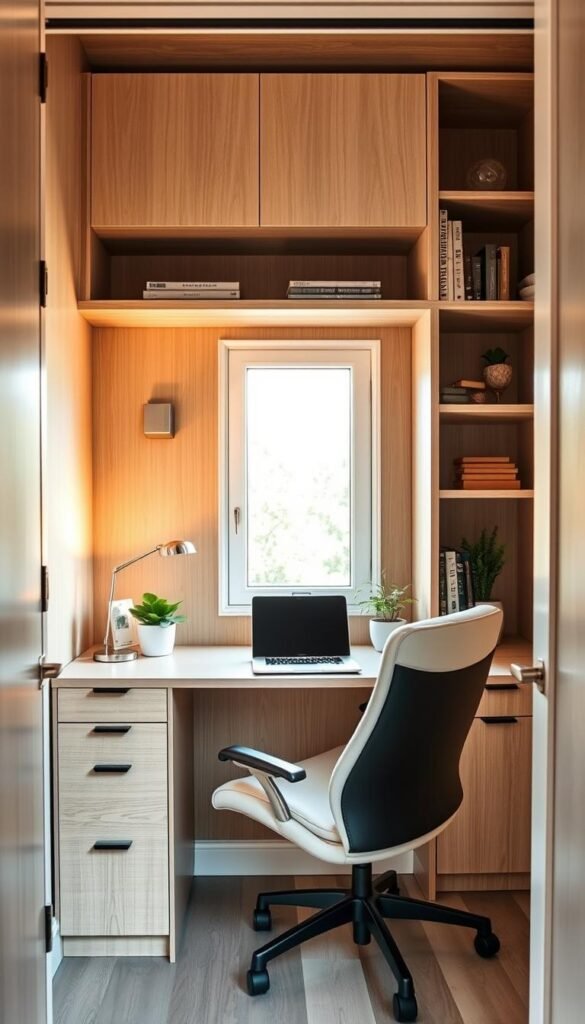
Have you ever looked at that unused closet and wondered about its hidden potential? Many compact sleeping zones lack wall space for additional functions. Your existing storage area might hold the perfect solution.
Transforming this underutilized spot creates a dedicated zone for work or relaxation. You gain utility without sacrificing precious floor area. It’s a clever way to maximize every inch of your home.
Transforming Unused Closet Space into a Desk Area
Start by assessing your closet’s dimensions and layout. Remove the doors to open up the alcove. This instantly creates a built-in look that feels intentional.
Designer Liz Carroll demonstrates this beautifully. She added shelves and cabinets while maintaining storage function. Her workspace features vibrant wallpaper and peachy pink paint.
Consider these popular conversion ideas:
- Compact desk setup for work-from-home needs
- Reading nook with built-in shelving for books
- Vanity station with mirror and organizational tools
Each option serves different needs while preserving your room’s flow.
Maintaining Storage While Adding Functionality
Smart planning ensures you don’t lose valuable storage capacity. Incorporate shelves or cabinets above your work surface. Use baskets or bins for organized containment.
The existing structure helps maximize vertical real estate. You create a cohesive system that handles multiple tasks. Essentials remain accessible yet out of sight.
Proper lighting transforms your nook into a functional zone. Install sconces or LED strips for adequate illumination. This prevents eye strain during extended use.
| Closet Size | Recommended Function | Storage Solutions |
|---|---|---|
| Small reach-in (under 4ft) | Compact desk or vanity | Wall-mounted shelves |
| Medium (4-6ft) | Workstation with seating | Overhead cabinets |
| Large walk-in | Multi-use zone with storage system | Built-in organizers |
Accessories enhance both form and function. A comfortable chair makes extended sessions enjoyable. Organizational tools keep supplies neatly arranged.
Personal touches make the space inviting. Add decorative elements that reflect your style. This creates a pleasant atmosphere for daily use.
This approach works wonderfully for renters and homeowners alike. It requires minimal structural changes while delivering maximum impact. You unlock hidden potential without expanding your footprint.
Your transformed nook becomes a cherished feature. It provides dedicated space for activities that enrich your daily life. This smart solution proves that creativity triumphs over square footage limitations.
7. Install High or Floating Shelves
Looking for a smart way to keep your essentials handy without crowding your floor? High and floating shelves offer a brilliant solution. They transform empty wall surfaces into functional zones that serve both storage and style purposes.
Greg and Liz Dutton mastered this approach in their home. They installed shelves slightly higher than usual to create storage that feels almost hidden. This clever trick maintains an open, airy atmosphere while keeping items accessible.
Keeping Storage Accessible But Out of the Way
Vertical wall space often goes underutilized in compact areas. Floating shelves mount directly to walls without visible brackets. This creates a sleek, modern look that appears to defy gravity.
High shelves placed near the ceiling capture often-wasted areas. They’re perfect for items you don’t need daily but want to keep nearby. Both options free up valuable floor real estate.
Installation requires careful planning for safety and function. Locate wall studs for secure mounting of heavier items. Consider professional help for complex installations.
These solutions work beautifully in rental properties too. They cause minimal damage and can be removed easily when moving. This makes them ideal for temporary yet effective organization.
Using Shelves for Decoration and Practicality
Your shelves can pull double duty as both functional storage and decorative displays. They hold practical items like books and storage bins while showcasing personal mementos. This dual purpose adds personality to your space.
Consider these arrangement ideas for maximum impact:
- Staggered shelves above your sleeping area代替 nightstands
- Long horizontal shelves above desks for work supplies
- Corner units that utilize awkward angles
- Floating ledges beside windows for reading nooks
Material selection influences both aesthetics and function. Wood shelves bring warmth and natural texture. Glass options create a light, airy feel that enhances spaciousness.
Depth matters for both safety and visual appeal. Choose shelves that don’t protrude too far into the room. This prevents bumps while maintaining clean lines.
Organizational tools keep everything tidy and accessible. Use decorative baskets or boxes to corral smaller items. This maintains a clean appearance while providing easy access.
Lighting can enhance your shelf arrangements dramatically. LED strips underneath shelves create soft ambient glow. This adds both functionality and visual interest after dark.
Your shelving becomes more than just storage—it becomes part of your room’s character. It reflects your style while solving practical needs. This approach maximizes both form and function beautifully.
High and floating shelves prove that smart solutions don’t require sacrificing style. They create organized, personalized spaces that feel both functional and inviting.
8. Select Multifunctional Furniture Pieces
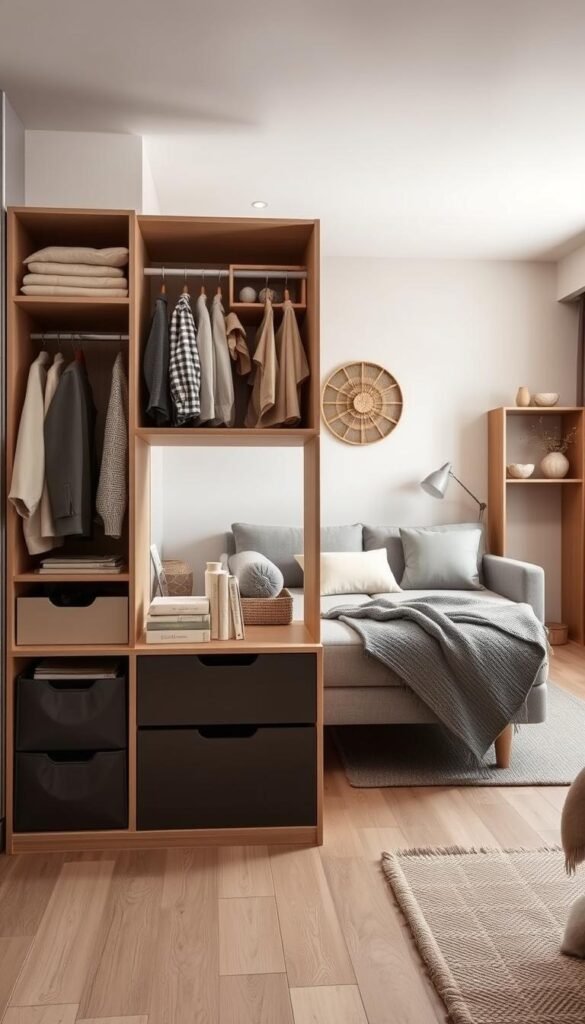
Have you ever wished your furniture could do more than one job? In cozy sleeping areas, smart pieces that pull double duty become your best friends. They help you maximize every inch while keeping your space organized and stylish.
These clever solutions combine functions in surprising ways. A single item might serve as both storage and seating. This approach reduces clutter and creates a streamlined look.
Finding a Nightstand that Doubles as a Desk
When square footage is limited, you need creative thinking. A nightstand with desktop space offers the perfect solution. It keeps your bedtime essentials handy while providing work surface.
Winsome Interior Design demonstrates this beautifully. Their North Carolina project features a desk with integrated drawers on both sides. This keeps nighttime items and work supplies within easy reach.
Look for pieces with these smart features:
- Drawers for personal items and office supplies
- Surface space for lamps and laptops
- Built-in charging stations for devices
- Adjustable heights for different uses
Position this hybrid piece near your sleeping area. It serves you day and night without consuming extra room.
The Benefits of Furniture that Pulls Double Duty
Multipurpose items offer incredible advantages for compact living. They increase efficiency by combining functions in one footprint. Your area feels more open and less crowded.
These pieces promote better organization too. Everything has its place, reducing visual clutter. You gain a cleaner, more peaceful environment.
Consider these popular multifunctional options:
- Storage ottomans that offer seating and hidden compartments
- Beds with built-in drawers for linens and clothing
- Convertible tables that adjust from coffee height to dining level
- Modular shelving that reconfigures as needs change
These solutions work across various styles from modern to traditional. You can find pieces that match your aesthetic perfectly.
Investment in multifunctional furniture pays off over time. One quality piece often costs less than buying multiple items. You save both money and precious square footage.
Your compact sleeping area becomes more efficient and beautiful. Smart choices like these transform limitations into opportunities for creative living.
9. Add Vertical Storage Above the Bed
Ever stare at that empty wall above your sleeping area and wonder what to do with it? That vertical real estate holds incredible potential for smart organization. You can transform this often-overlooked space into a functional storage hub.
Built-in shelving creates practical solutions without eating into your floor area. It keeps essentials within reach while maintaining a clean, uncluttered look. This approach maximizes every inch of your compact retreat.
Utilizing Often-Wasted Wall Space for Alcove Beds
An alcove bed nestles into a recessed wall area with shelving or cabinets above. This creates a cozy, integrated look that maximizes function. Your sleeping zone becomes part of a smart storage system.
Winsome Interior Design demonstrates this beautifully. Their project features built-in shelving above the sleeping area. This provides practical storage while enhancing aesthetic appeal.
Consider these placement advantages:
- Shelves hold books, decor, and nighttime essentials
- Reduces nightstand clutter by providing alternative storage
- Creates a focal point that draws the eye upward
- Makes use of vertical space that often goes unused
Installing Built-In Shelving for Books and Decor
Custom shelving offers tailored solutions for your specific needs. You can design compartments for books, alarm clocks, or personal items. Everything stays organized and easily accessible.
Installation requires careful planning for safety and function. Ensure shelves are securely mounted at a comfortable height. Choose depths that don’t make the area feel cramped.
Design flexibility lets you match your room’s style perfectly. Paint shelves to blend seamlessly with walls. Or make them a focal point with contrasting colors.
Complement your shelving with integrated lighting. LED strips within shelves create reading light or ambiance. Baskets can hide smaller items while maintaining neat appearance.
Safety considerations matter for overhead storage. Avoid placing heavy objects directly above your sleeping area. Ensure all structures are stable and properly installed.
This approach works especially well in rooms with high ceilings. It turns challenging angles into organizational assets. Your vertical space becomes a valuable feature.
Built-in storage above your sleeping area transforms wasted space. It creates smart solutions that enhance both function and style. Your compact retreat gains efficiency without sacrificing comfort.
10. Incorporate Wall Sconces for Lighting
What if you could light your cozy retreat without sacrificing any surface area? Wall sconces offer this brilliant solution. They mount directly to your walls, providing illumination without consuming precious floor or table space.
This approach works wonders in compact sleeping zones. You gain both function and style in one smart package. Designers Ashley Maddox and Hilary Walker demonstrate this beautifully in their projects.
Freeing Up Precious Nightstand Surface Area
Traditional table lamps claim valuable real estate on your bedside surface. Wall-mounted options eliminate this space consumption entirely. Your nightstand becomes available for books, water glasses, or decorative items.
These fixtures reduce visual clutter significantly. They create a cleaner, more organized appearance. Everything feels more intentional and less crowded.
Consider these practical benefits:
- Eliminates cord management issues on surfaces
- Provides directed light exactly where needed
- Creates balanced illumination on both sides
- Maintains clear pathways around sleeping areas
Creating Ambient Lighting Without Floor Lamps
Wall sconces produce wonderful ambient glow without harsh overhead glare. They cast soft, inviting light perfect for evening relaxation. This creates a cozy atmosphere that enhances your retreat.
Many models feature dimmable controls for adjustable brightness. Warm bulb choices add to the comforting ambiance. You can set the perfect mood for reading or winding down.
Installation options suit various needs and skill levels:
| Sconce Type | Installation Difficulty | Best For |
|---|---|---|
| Plug-in Models | Easy (DIY-friendly) | Renters or temporary solutions |
| Hardwired Options | Moderate (may need electrician) | Permanent, sleek installations |
| Battery-operated | Very Easy | Flexible placement anywhere |
Style choices range from modern minimalism to vintage charm. Adjustable arms offer flexibility in light direction. Some models include USB ports for convenient device charging.
Placement matters for optimal function and comfort. Install at eye level when sitting in your sleeping area. This prevents glare while providing perfect reading illumination.
Pair sconces with other light sources for layered effects. Natural daylight combines beautifully with artificial fixtures. A central pendant can provide general illumination when needed.
This budget-friendly upgrade requires basic tools for installation. Most homeowners can handle plug-in models themselves. The transformation impact far exceeds the effort required.
Wall sconces optimize lighting in compact areas beautifully. They combine practical function with stylish design. Your space gains both illumination and organization without compromise.
11. Use Mirrors to Create an Illusion of Space
Have you ever noticed how a well-placed mirror can completely transform your perception of an area? These reflective surfaces work magic in compact sleeping zones. They bounce light around and create depth where none exists.
Mirrors trick the eye into seeing more square footage. They amplify both natural and artificial illumination. This simple trick makes any area appear brighter and more open.
Strategically Placing Mirrors to Reflect Light
Positioning matters tremendously for maximum impact. Place a large mirror directly opposite your window. This captures and redistributes sunlight throughout your space.
Consider these effective placement strategies:
- Full-length mirrors beside doors create depth perception
- Smaller mirrors near lamps amplify ambient glow
- Angled placements can highlight attractive architectural features
Reflective surfaces near light sources work wonders. They make your illumination feel more abundant. This creates a cheerful, welcoming atmosphere.
Choosing Mirrored Furniture for a Subtle Effect
Mirrored pieces offer function without visual weight. A nightstand with reflective surfaces seems to disappear against walls. It provides storage while enhancing light flow.
These pieces blend seamlessly with various styles. They work with modern minimalism or traditional elegance. The effect remains subtle yet effective.
Consider these popular options:
- Wardrobes with mirrored doors maximize light reflection
- Dressing tables that serve as vanity and light amplifier
- Accent pieces that add sparkle without overwhelming
Frame selection influences your overall aesthetic. Thin metallic frames suit contemporary spaces. Ornate designs complement classic interiors.
Scale your mirrors appropriately for your walls. Oversized pieces can dominate smaller areas. Proportionate selections integrate more naturally.
Group smaller mirrors for artistic impact. A gallery wall of different shapes creates visual interest. This approach adds personality while expanding perceived space.
Leaning floor mirrors offer installation flexibility. They can be moved as needed for different effects. This works well for rental properties.
Practical benefits extend beyond aesthetics. Full-length versions assist with dressing routines. Decorative pieces enhance your overall decor scheme.
Avoid excessive mirror placement. One or two well-positioned pieces suffice. Too many reflections can create visual confusion.
Combine mirrors with other space-enhancing strategies. Light-colored walls and minimal clutter amplify the effect. These elements work together beautifully.
Mirrors remain a cost-effective transformation tool. They instantly change how your area feels and functions. This simple solution delivers remarkable results.
Your compact retreat gains dimension through strategic reflection. The space feels more open and inviting. It’s an elegant way to maximize your square footage.
12. Work With Awkward Alcoves and Angles
Does your sleeping zone have quirky corners or slanted ceilings that puzzle you? These unique architectural features actually offer fantastic opportunities. Instead of fighting unusual layouts, you can transform them into charming assets.
Turning Challenging Architecture into a Design Asset
Slanted ceilings and odd angles create character that standard boxes lack. Designer Martha Mulholland brilliantly demonstrates this in an attic bunk room. She integrated pitched roofs into twin-size bed designs.
The result became a cool, cozy sleepover space kids adore. This approach celebrates unique architecture rather than hiding it. Your unusual features become conversation starters.
Consider these creative solutions for common challenges:
- Transform alcoves into reading nooks with custom-built seating
- Angle furniture to follow wall contours for streamlined looks
- Use slanted ceilings to create intimate sleeping alcoves
- Turn awkward corners into display areas for collections
Customizing Furniture to Fit Unique Spaces
Standard pieces often fail in unusual layouts. Custom furniture solves this perfectly. Built-in beds or shelving that follows your room’s contours maximizes every inch.
Work with carpenters for tailored pieces that fit precisely. Modular systems offer adjustable alternatives for irregular shapes. Both approaches create seamless integration with your architecture.
Decorative strategies enhance these unique features. Paint alcoves in accent colors to highlight their charm. Add lighting to emphasize interesting angles.
Mirrors can visually straighten unusual perspectives. They create illusions of symmetry where none exists. These tricks make challenging elements feel intentional.
Practical steps ensure success. Measure your area carefully from multiple angles. Sketch layout options before committing to solutions.
Prioritize comfort and accessibility in your design. Unique features should enhance functionality, not hinder it. Every element should serve a purpose.
Embracing unusual architecture creates one-of-a-kind spaces. Your sleeping zone gains personality and character. These features become advantages rather than obstacles.
Your challenging layout transforms into your favorite feature. It reflects smart problem-solving and creative thinking. This approach truly maximizes your room’s potential.
13. Choose Roman Shades Over Heavy Drapery
What if your window treatments could actually expand your area instead of crowding it? Roman shades offer this smart solution for compact sleeping spaces. They provide elegant coverage without the visual weight of traditional drapes.
Designer Ashley Gilbreath demonstrates how these streamlined coverings enhance both function and aesthetics. Unlike bulky curtains that extend beyond window frames, Roman shades concentrate coverage precisely where needed.
Maximizing Natural Light with Streamlined Window Treatments
Heavy drapes can make a compact sleeping area feel tinier by blocking precious sunlight. Roman shades solve this beautifully. When raised, they fold neatly within the window frame, disappearing from view.
This clever design allows maximum natural light to flood your space. The effect makes your entire room feel more open and airy. It’s a simple way to make space feel larger without structural changes.
Operation is remarkably easy with cord or motorized systems. You control privacy and light levels with minimal effort. The clean look reduces visual clutter dramatically.
Selecting Window Coverings That Fit Perfectly
Custom measurements ensure your Roman shades fit each window precisely. This tailored approach creates a polished, intentional appearance. Unlike off-the-shelf options, custom shades address unique window shapes and sizes.
Consider these selection tips for optimal results:
- Choose light-colored or sheer fabrics to maintain brightness throughout the day
- Select blackout versions for complete privacy and sleep support
- Match fabric patterns to your existing decor for cohesive style
- Consider motorized options for hard-to-reach windows
Roman shades work with various window types, including challenging angled or arched designs. Their space-saving nature makes them ideal for any compact sleeping area.
Maintenance is simpler than traditional drapes. Most styles can be dusted or spot-cleaned as needed. This practical advantage saves time while keeping your space fresh.
You can enhance the style with complementary treatments. Valances or cornices add decorative touches without sacrificing the streamlined profile. These additions provide finishing touches that complete your window’s appearance.
Roman shades transform how you experience your sleeping space. They optimize both light and area in one elegant solution. This practical choice delivers both beauty and function seamlessly.
14. Implement a Cohesive Color and Pattern Scheme
Have you ever considered how colors and patterns can transform your perception of a room? The right combination creates visual harmony that makes your area feel larger and more intentional. This approach ties everything together beautifully.
Color and pattern work together to create optical illusions. They can either expand your space or add exciting personality. Both strategies help you achieve a polished, complete look.
Using a Monochromatic Palette to Unify the Space
A monochromatic scheme uses different shades of one color. This creates a serene, elegant atmosphere that feels spacious. Designer Kerrie Kelly demonstrates this with ombre walls and matching bedding.
Light colors reflect more natural and artificial light. This makes your entire area feel brighter and more open. Soft neutrals or pastels work particularly well.
Consider these implementation tips:
- Test paint samples in various lighting conditions before committing
- Choose bedding and decor in similar tonal ranges
- Add texture through fabrics to prevent the scheme from feeling flat
- Use lighting to enhance the color’s depth throughout the day
This approach creates visual continuity that expands perceived space. Everything flows together seamlessly for a calming effect.
Drenching the Room in Pattern for a Big Impact
Pattern-drenching covers multiple surfaces in the same print. Wendy Labrum’s oversized gingham room shows how this adds dramatic personality. The consistent pattern distracts from the room’s actual size.
This bold strategy makes a powerful style statement. It creates energy and visual interest that captivates attention. Your space becomes a reflection of your unique taste.
Scale matters when selecting patterns. Large prints can overwhelm compact areas if not balanced properly. Medium-scale patterns often work best for most spaces.
You can combine both strategies for balanced impact. Use a monochromatic base with patterned accents. Or choose a patterned feature wall with solid complementary colors.
Practical considerations ensure success. Consider your room’s orientation and natural light patterns. Samples help visualize how everything works together.
These color and pattern strategies complement your furniture choices. They create a cohesive look that feels intentional and polished. Your space transforms into a stylish, harmonious retreat.
Color and pattern remain powerful tools for spatial manipulation. They help you create the atmosphere you want while enhancing perceived size. These artistic choices make your compact area feel both larger and more personal.
Your Dream Small Bedroom Awaits Your Design
Ready to transform your cozy nook into a peaceful retreat? Your compact sleeping area holds incredible potential. With smart solutions, it becomes both functional and stylish.
Start with one or two changes that fit your lifestyle. Try multifunctional pieces or vertical storage. These ideas work for any budget and skill level.
Personal touches make the space truly yours. Add favorite colors and textures. Keep clutter minimal for a serene atmosphere.
Measure carefully before selecting items. Enjoy creating a space that reflects your needs. Your dream sanctuary is within reach.
Share your results and continue exploring inspiration. Your small area can become the cozy haven you’ve always wanted.