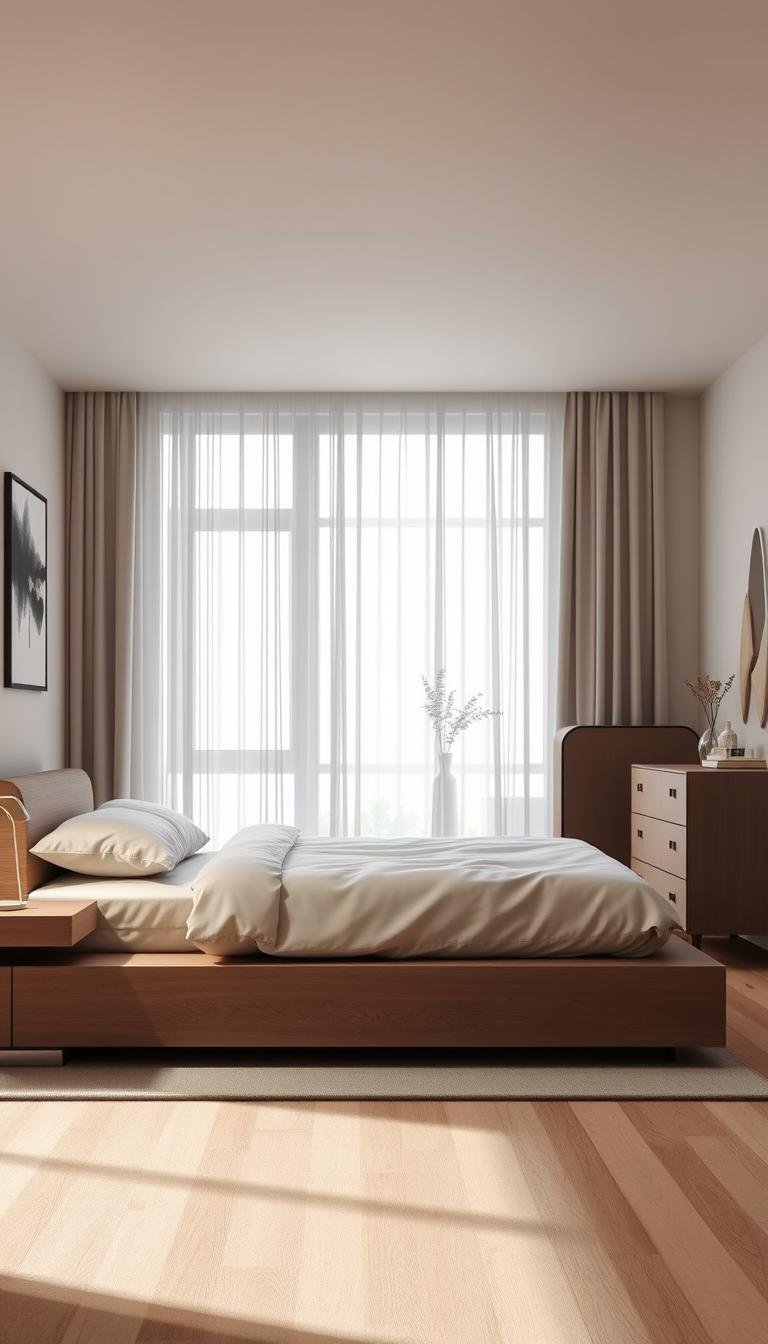
Welcome to your guide for creating the perfect personal sanctuary. Your sleeping space should be more than just a place to rest. It should be a cozy retreat that promotes deep relaxation and rejuvenation.
Discover how thoughtful arrangement can transform your room into an organized haven. The right design choices make your space feel both luxurious and practical.
Modern pieces create clean, functional areas that work beautifully. They help maximize your available square footage while maintaining a stylish aesthetic.
Your bedroom design directly impacts your daily life and sleep quality. Investing time in creating your ideal layout pays off with better rest and comfort.
Get ready to explore practical tips that work for rooms of all sizes. You’ll learn to balance aesthetics and functionality in your personal space.
Why Your Bedroom Layout Matters for Quality Sleep
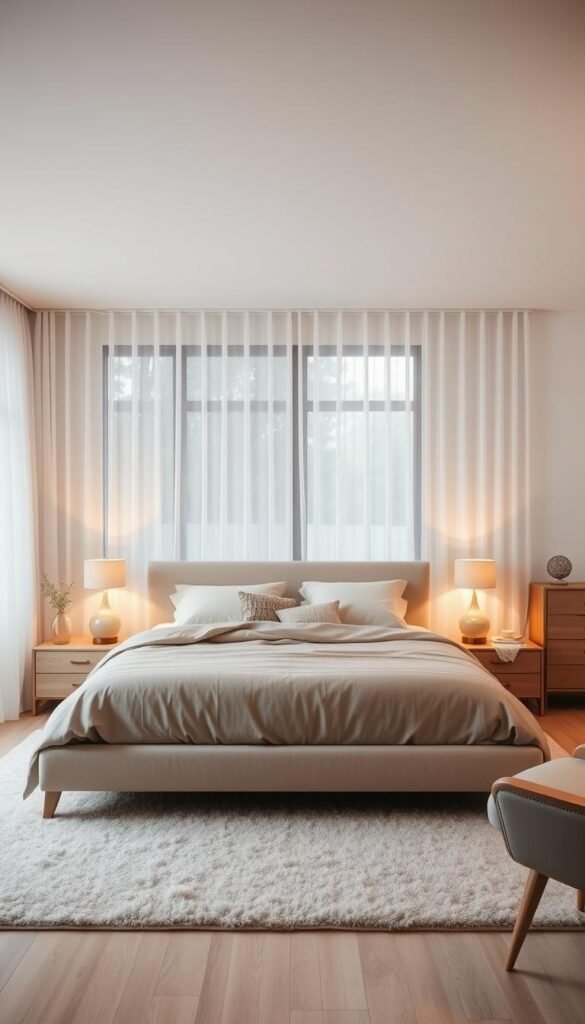
Your sleeping environment plays a crucial role in how well you rest each night. The way you arrange your room directly impacts your ability to unwind and recharge. Thoughtful placement of elements creates a sanctuary that supports deep, restorative sleep.
The connection between space arrangement and relaxation
Clutter-free spaces promote better rest by reducing visual distractions. When your sleeping area feels organized, your mind can relax more easily. This calm environment helps you drift off faster and sleep more soundly.
Proper furniture placement reduces nighttime anxiety. It creates clear pathways and eliminates obstacles that might cause stress. Your subconscious mind registers this orderliness, allowing for more peaceful slumber.
Good airflow and temperature regulation come from smart layout choices. Positioning your bed away from drafts while allowing air circulation improves sleep comfort. You’ll wake up feeling more refreshed and energized.
How modern furniture enhances both form and function
Clean lines and minimalist designs reduce visual noise in your sleeping space. These pieces create a calmer atmosphere that’s perfect for unwinding. The simplicity helps your mind relax after a busy day.
Ergonomic principles in contemporary designs support better sleep posture. Your mattress and bed frame work together to provide optimal comfort. This attention to detail means you wake up with fewer aches and pains.
Quality pieces pay off with better sleep health and overall well-being. Investing in good furniture means investing in your daily restoration. You’ll notice the difference in how you feel each morning.
Different layout styles can either energize or relax you based on your needs. Symmetrical arrangements often create balance, while asymmetrical setups might feel more dynamic. Choose what makes you feel most at peace in your personal retreat.
Foundation First: Assessing Your Bedroom Space
Before choosing any pieces, you need to understand your canvas. Proper assessment prevents costly mistakes and ensures everything fits perfectly. This groundwork transforms your vision into reality.
Measuring your room’s dimensions accurately
Grab a tape measure and start with wall lengths. Measure each wall from corner to corner, noting any irregularities. Don’t forget ceiling height – it affects furniture scale and lighting choices.
Calculate your total floor area by multiplying length times width. This number helps determine what pieces will fit comfortably. Always measure twice to ensure precision.
Professional designers use these techniques:
- Measure all walls at multiple heights
- Note ceiling slope or unusual angles
- Record dimensions in both feet and inches
Identifying architectural features
Windows, doors, and closets define your layout possibilities. Note which way each door swings and how much clearance it needs. These permanent features determine traffic flow.
Built-in closets offer storage but limit wall space. Measure their depth and door clearance requirements. Consider how you’ll access these areas daily.
Electrical outlets and light switches need clear access. You don’t want furniture blocking these essential points. Note their locations for nightstand placement and lighting.
Considering natural light patterns
Observe how sunlight moves through your space during the day. Morning light might wake you gently, while afternoon sun could create glare. This affects where you place your bed and seating areas.
Different times bring changing light quality and intensity. Note where bright spots and shadows fall throughout the day. This knowledge helps position mirrors and workspaces effectively.
Evening artificial lighting needs complement natural patterns. Your nighttime illumination should work with, not against, your daytime assessment. This creates harmonious transitions from day to night.
Creating a scaled floor plan makes experimentation easy. You can test different arrangements without moving heavy pieces. This planning stage saves time and prevents frustration.
Challenging room shapes become opportunities with proper measurement. Angled walls or alcoves can become featured areas. Your assessment turns limitations into design advantages.
Modern Furniture Essentials for Bedroom Layouts
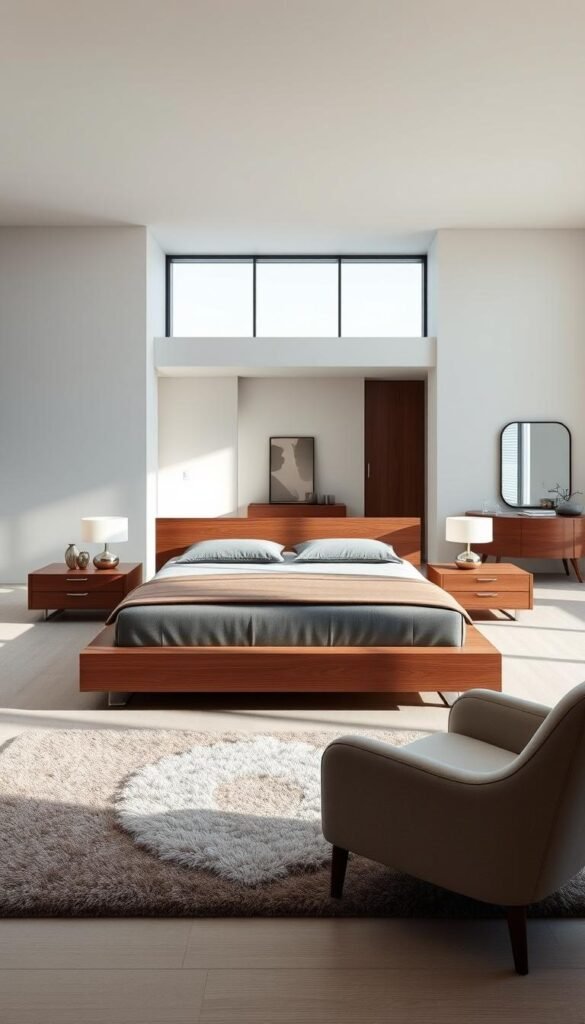
Your furniture selection creates the foundation for your entire sleeping space. The right pieces work together to create both beauty and function. They transform your room into a personalized retreat that serves your needs perfectly.
Quality furniture investments pay off every day through improved comfort and organization. They help you maintain a clutter-free environment that promotes relaxation. Your choices reflect your personal taste while supporting practical living.
Key pieces every modern bedroom needs
The platform bed serves as your room’s centerpiece. Its clean lines and low profile create a sleek, contemporary look. Many designs include built-in storage drawers for extra functionality.
Nightstands provide essential bedside convenience. They hold lamps, books, and personal items within easy reach. Choose pieces that complement your bed’s height and style.
Storage solutions keep your space organized and peaceful. Dressers, wardrobes, and cabinets hide clutter while maintaining aesthetic appeal. They contribute significantly to your room’s overall calm atmosphere.
Selecting furniture that maximizes space efficiency
Multi-functional pieces work wonders in any size room. Consider beds with underneath storage or nightstands with multiple drawers. These smart choices help you make the most of your available area.
Scale matters when choosing your furniture. Oversized pieces can overwhelm a room, while too-small items look lost. Measure carefully and consider visual proportions before purchasing.
Vertical storage solutions utilize often-wasted wall space. Tall dressers and shelving units provide ample storage without consuming floor area. This approach keeps your walking paths clear and open.
Materials and finishes that define modern style
Solid wood offers warmth and durability in contemporary designs. Its natural grain patterns add texture without overwhelming visual simplicity. Choose lighter tones for an airy feel or darker finishes for dramatic impact.
Metal accents provide sleek contrast and structural integrity. Black iron frames or chrome details create interesting visual elements. These materials often appear in bed frames and hardware details.
Minimalist finishes keep the focus on clean lines and forms. Matte surfaces, simple hardware, and subtle textures define the modern aesthetic. They create a cohesive look that feels both current and timeless.
Your material choices affect both appearance and longevity. Quality construction ensures your investment lasts for years. Consider how different finishes will work together throughout your space.
Centered Bed Layout: The Classic Approach
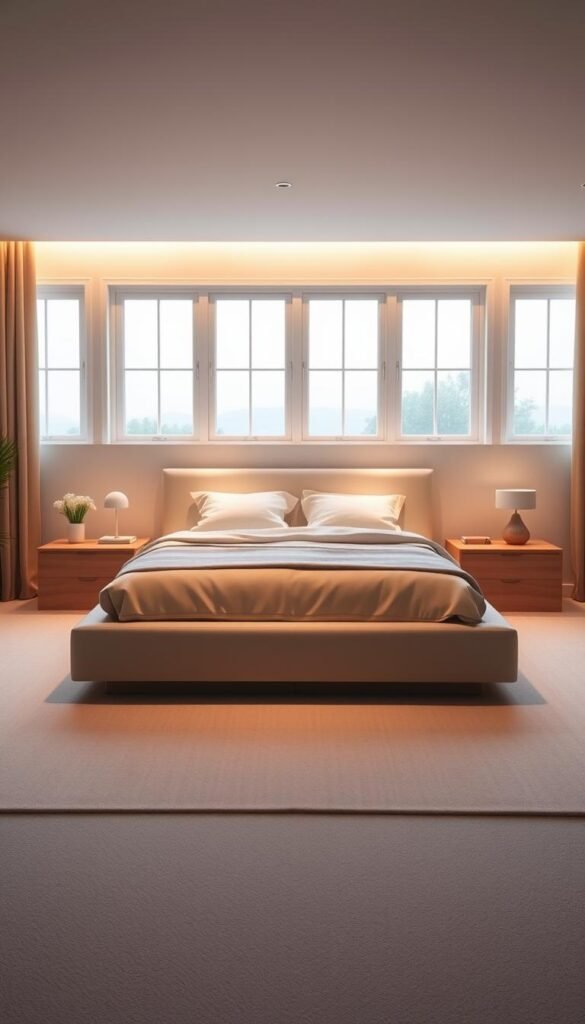
Placing your bed in the center of the longest wall creates instant harmony. This timeless arrangement brings balance and elegance to your personal retreat. It transforms your sleeping area into a peaceful sanctuary.
The centered position makes your bed the natural focal point. Everything else in the room radiates from this central element. You create a sense of order that feels both welcoming and restful.
Creating balance with symmetrical nightstands
Matching nightstands on either side create perfect visual harmony. They provide equal convenience for both sleeping partners. This symmetry promotes feelings of stability and order.
Choose nightstands that complement your bed’s height and style. They should offer enough surface space for lamps and nighttime essentials. Drawers or shelves keep items organized but out of sight.
Matching lamps on both sides enhance the balanced look. They provide equal lighting for reading or relaxing. This attention to detail makes your space feel professionally designed.
Maximizing walking space around the bed
Leave at least two feet of clearance on each side of your bed. This ensures comfortable movement and easy bed-making. Adequate space prevents that cramped, crowded feeling.
Measure the distance between your bed and other furniture pieces. You want clear pathways throughout the room. This planning prevents nighttime stumbles and creates better flow.
Consider these spacing guidelines for optimal movement:
| Area | Minimum Clearance | Ideal Clearance |
|---|---|---|
| Bed sides | 24 inches | 30 inches |
| Foot of bed | 24 inches | 36 inches |
| Doorways | 32 inches | 36 inches |
These measurements ensure comfortable movement throughout your space. They make your room feel more open and accessible. You’ll appreciate the ease of movement every day.
Addressing the Feng Shui considerations
Feng Shui principles recommend specific bed placement for optimal energy flow. The ideal position lets you see the door while lying in bed. This creates a sense of security and control.
Avoid placing your bed directly under windows if possible. Some believe this positioning affects energy flow and sleep quality. If unavoidable, use heavier curtains or a solid headboard.
Position your bed against a solid wall for support and stability. This placement symbolizes having solid backing in life. It contributes to feelings of safety and relaxation.
Keep the space under your bed clear for energy circulation. Avoid storing items that might block positive energy flow. This practice maintains good chi throughout your sleeping area.
Your rug placement can enhance the centered layout beautifully. Position it so both nightstands sit completely on the rug. This defines the sleeping area and adds comfort underfoot.
Accessorize with matching artwork above each nightstand. Choose pieces that complement without overwhelming the space. These finishing touches complete your harmonious retreat.
Corner Bed Placement: Space-Saving Solutions
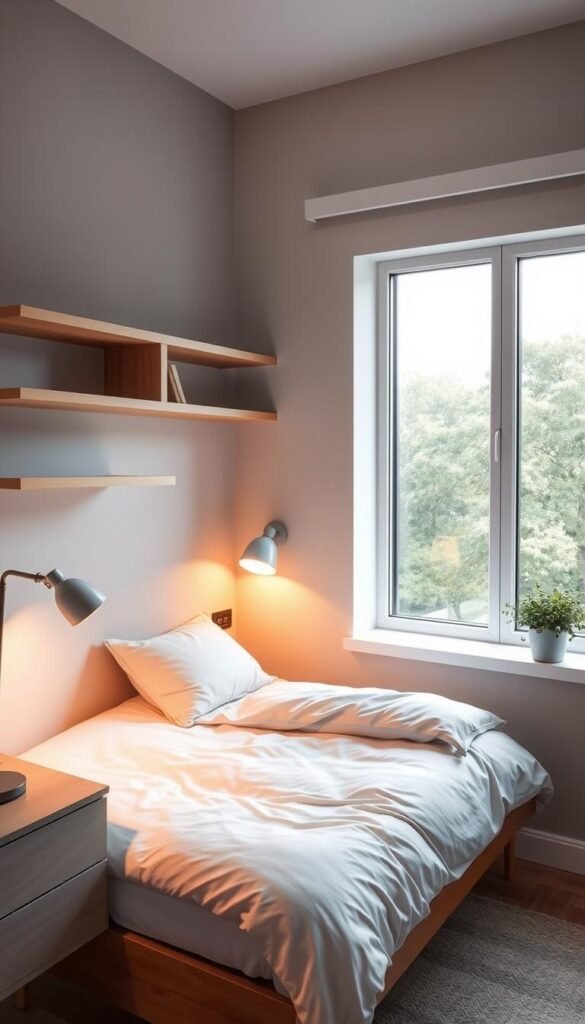
Sometimes the most unexpected arrangement becomes your favorite solution. Corner placement offers smart alternatives when traditional layouts don’t work. This approach can actually create more usable area in your room.
Many people worry corner beds feel less mature. With proper design, they become sophisticated space solutions. You’ll discover how to make this placement work beautifully.
When to consider corner placement for your bed
Smaller rooms benefit tremendously from corner positioning. This arrangement maximizes your available floor area. You gain valuable walking space and functionality.
Rooms with multiple doorways often work better with corner beds. This placement creates better traffic flow patterns. You avoid blocking natural pathways throughout your space.
Consider corner placement when you need to incorporate a desk or seating area. This configuration opens up the room’s center for other uses. You create distinct zones without feeling cramped.
Creative solutions for off-center window alignment
Windows that don’t align perfectly with your bed position require creative thinking. Use drapery that extends beyond the window frame. This creates the illusion of balance and intentional design.
Place your bed so the window becomes a feature rather than a problem. Position it diagonally to create an interesting visual relationship. This turns architectural challenges into design opportunities.
Consider these window treatment ideas:
- Floor-to-ceiling curtains that cover the entire wall
- Custom cornices that extend beyond the window frame
- Sheer layers that diffuse light while maintaining openness
DIY shelf headboards for functional elegance
Built-in shelving replaces traditional nightstands in corner arrangements. These custom solutions provide storage and display space. They make your bed feel intentionally designed rather than makeshift.
Floating shelves installed at bedside height offer perfect functionality. They hold lamps, books, and personal items within easy reach. This approach saves floor space while maintaining convenience.
Consider these DIY shelf ideas:
- Floating wood shelves with integrated lighting
- Corner shelving units that wrap around the bed
- Wall-mounted cubes that provide both storage and display
Proper lighting becomes essential with corner placements. Wall-mounted sconces or pendant lights work beautifully. They provide adequate illumination without requiring traditional nightstand space.
Style your corner bed with layered bedding and plenty of pillows. This creates a cozy nest effect that feels inviting and intentional. Choose throws and accents that complement your overall design scheme.
Built-in storage solutions maximize space efficiency in corner arrangements. Consider under-bed drawers or custom cabinetry. These elements help maintain a clutter-free environment.
Your corner bed can feel mature and sophisticated with the right details. Quality materials and thoughtful accessories make all the difference. You’ll create a space that feels both functional and beautifully designed.
Window Wall Strategies: Working With Natural Light
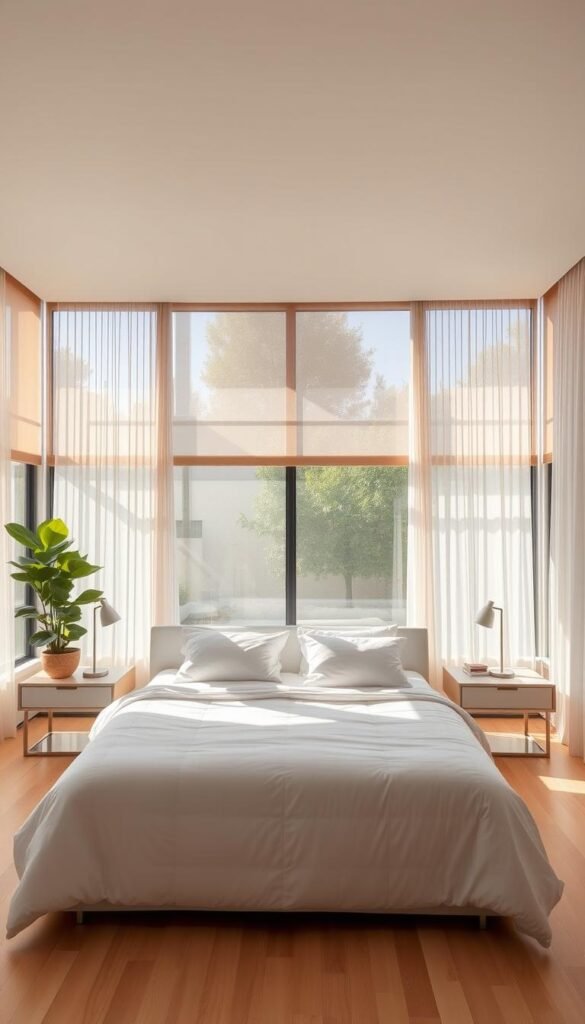
Your windows offer more than just views—they shape your entire room’s atmosphere. When you position your bed against a window wall, you create unique opportunities and challenges. The right approach transforms potential problems into stunning design features.
Natural illumination affects your mood and energy levels throughout the day. Learning to work with your windows rather than against them makes your space feel harmonious. You’ll create a room that feels both beautiful and perfectly functional.
Treating windows as decorative headboards
Large windows can become stunning focal points behind your bed. This approach turns architectural features into intentional design elements. You create a look that feels both custom and cohesive.
Consider extending curtain rods beyond the window frame. This simple trick creates the illusion of a larger, centered window. The balanced appearance makes your arrangement feel purposeful.
Artful drapery choices enhance this effect beautifully. Floor-to-ceiling panels frame your sleeping area elegantly. They add softness and texture while maintaining an open feel.
Drapery solutions for creating solid wall illusions
Sometimes you want the solid feel of a wall with the light from windows. Full-wall drapery systems create this effect masterfully. They provide privacy while maintaining your connection to the outside world.
Ceiling-mounted tracks keep drapes looking neat and intentional. This professional approach prevents the cluttered look of multiple rods. Your window wall becomes a seamless design element.
Consider these drapery options for different needs:
| Fabric Type | Light Control | Privacy Level | Best For |
|---|---|---|---|
| Blackout curtains | Complete | Maximum | Light-sensitive sleepers |
| Sheer panels | Soft diffusion | Moderate | Maintaining brightness |
| Room-darkening | Medium | High | Versatile daily use |
Layered treatments offer the most flexibility. Combine sheers with heavier drapes for adjustable light control. This lets you customize your environment throughout the day.
Balancing light needs with furniture placement
Morning light can gently wake you or create uncomfortable glare. Position your bed to take advantage of soft illumination without direct sun exposure. This thoughtful placement improves your daily routine.
Mirrors strategically placed opposite windows amplify natural illumination. They bounce light deeper into your room, making it feel brighter and more spacious. This technique works especially well in smaller spaces.
Consider your privacy needs when arranging furniture. You might position your bed to enjoy views while maintaining discretion. Professional designers often recommend using longer curtain rods to create visual balance when working with off-center windows.
Multiple windows require creative solutions. Treat them as a single unit with continuous drapery. This approach creates cohesion rather than competing elements.
Your furniture arrangement should complement your light patterns. Place reading chairs where they’ll catch afternoon light. Position dressers where they won’t create awkward shadows.
Experiment with different configurations during various times of day. Notice how light changes affect your space’s look and feel. This hands-on approach ensures your final arrangement works perfectly for your lifestyle.
Storage Bed Solutions: Hidden Organization
Smart storage solutions transform your sleeping space into an organized retreat. The right approach keeps essentials accessible yet completely out of sight. You maintain a clean aesthetic while maximizing every inch of your room.
Platform storage beds offer brilliant functionality without sacrificing style. They provide ample space for seasonal items or extra linens. This clever furniture choice solves multiple challenges at once.
The modern appeal of platform storage beds
Clean lines and hidden compartments define contemporary storage designs. These pieces maintain a sleek profile while offering practical benefits. You get the best of both worlds—beauty and function.
Hydraulic lift systems make accessing stored items effortless. They reveal spacious compartments perfect for bulky bedding or clothing. This mechanism works smoothly without compromising the bed’s stability.
Drawer systems provide another popular storage option. They slide out smoothly on quality runners for easy access. You can organize items into categories within different drawers.
Selecting storage beds that complement your aesthetic
Consider your room’s overall style when choosing a storage bed. Minimalist designs feature clean lines and subtle hardware. They blend seamlessly with various decor schemes.
Industrial styles often incorporate metal frames and darker finishes. These pieces make a bold statement while providing hidden organization. They work particularly well in urban loft settings.
Material choices affect both durability and visual appeal. Solid wood construction offers warmth and longevity. Metal accents provide contemporary contrast and structural strength.
Evaluate these features when selecting your perfect storage solution:
- Finish options that match your existing furniture
- Drawer capacity and interior organization systems
- Mechanism quality for smooth operation over time
Bedding techniques to conceal storage discreetly
Strategic bedding choices keep storage compartments completely hidden. Longer bed skirts or tailored covers maintain a seamless look. They create the illusion of a standard bed while providing extra function.
Platform beds often work best with fitted covers that tuck neatly. These solutions prevent fabric from interfering with drawer operation. You maintain easy access while keeping everything looking tidy.
Consider these professional styling techniques:
- Use a mattress with sufficient overhang to conceal storage mechanisms
- Select bedding that coordinates with your room’s color palette
- Add a throw blanket at the foot of the bed for visual interest
Your nightstand should complement rather than compete with your storage bed. Choose pieces that offer additional organization without crowding the space. This creates a harmonious sleeping environment that works beautifully.
Regular maintenance ensures your storage system functions perfectly. Keep tracks clean and mechanisms well-lubricated. You’ll enjoy smooth operation for years to come.
The right storage bed transforms your room’s organization and appearance. It provides smart solutions while maintaining a sophisticated aesthetic. You create a space that feels both beautiful and brilliantly functional.
Creating Zones in Your Bedroom Layout
Your sleeping area becomes more functional when you divide it into distinct zones. This smart approach helps every part of your room serve a specific purpose. You create a space that supports different activities while maintaining harmony.
Well-defined zones make your room feel organized and intentional. They help you transition smoothly between sleeping, dressing, and relaxing. This thoughtful layout improves your daily routine and overall comfort.
Defining sleeping, dressing, and relaxation areas
Start by identifying how you use your room each day. Most people need spaces for sleeping, dressing, and quiet activities. These zones should feel separate yet connected.
Your sleeping area deserves the most peaceful spot. Position your bed away from doors and high-traffic paths. This creates a calm retreat for rest and rejuvenation.
Dressing zones work best near closets and storage. Create a clear path from your bed to your clothing area. This makes morning routines smoother and more efficient.
Relaxation corners invite you to unwind with books or music. A comfortable chair and small table create a perfect reading nook. This dedicated space encourages daily moments of peace.
Using rugs and lighting to establish zones
Area rugs visually define different functional spaces. They create boundaries without physical barriers. Choose rugs that complement your overall color scheme.
A large rug under your bed anchors the sleeping zone. It should extend beyond the bed on three sides. This defines the area while adding comfort underfoot.
Lighting creates different moods for each zone. Consider these lighting strategies:
| Zone | Lighting Type | Purpose |
|---|---|---|
| Sleeping | Soft bedside lamps | Gentle illumination for reading |
| Dressing | Bright overhead light | Clear visibility for grooming |
| Relaxation | Adjustable floor lamp | Customizable ambiance |
Layered lighting offers the most flexibility. Combine overhead lights with task and accent lighting. This lets you customize each area for different activities.
Furniture placement for optimal flow between zones
Arrange furniture to create natural pathways between zones. You should move easily from bed to dressing area to relaxation space. This flow makes your room feel spacious and functional.
Use furniture to subtly separate areas without blocking views. A low bookshelf can divide spaces while maintaining openness. This approach works well in smaller rooms.
Consider these placement techniques:
- Position dressers perpendicular to walls to create visual separation
- Use chairs and small tables to define relaxation areas
- Place storage pieces where they serve multiple zones
Your furniture arrangement should support your daily routines. Test different configurations to find what works best. The right layout makes your space both beautiful and practical.
Room dividers offer another smart solution. Folding screens or open shelving create privacy between zones. These elements add style while serving practical purposes.
Color and texture help differentiate areas while maintaining cohesion. Use similar tones with varying textures throughout your space. This creates visual interest without overwhelming the senses.
Multi-functional zones adapt to your changing needs. A dressing area might double as a meditation space. Flexible furniture makes these transitions smooth and effortless.
Small Bedroom Layouts: Maximizing Limited Space
Limited square footage doesn’t mean compromising on comfort or style in your personal retreat. You can create a functional and beautiful sleeping environment regardless of room size. Smart design choices make all the difference in compact spaces.
Multi-functional furniture for compact rooms
Choose pieces that serve multiple purposes in your sleeping area. A storage ottoman can provide seating and hidden organization. This approach reduces clutter while maximizing functionality.
Consider a desk that converts to a dressing table when needed. These versatile pieces adapt to your daily routines. They help you make the most of your available square footage.
Murphy beds offer brilliant space-saving solutions for tight layouts. They fold away completely when not in use. This creates valuable floor space during daytime hours.
Vertical storage solutions that save floor space
Look upward when planning your storage strategy. Wall-mounted shelves and cabinets keep floors clear and open. This vertical approach creates a more spacious feel.
Floating nightstands provide bedside convenience without consuming floor area. They offer surface space for lamps and personal items. This clean look enhances your room’s aesthetic.
Tall bookcases or wardrobes utilize often-wasted vertical space. They provide ample storage without spreading horizontally. Your room maintains better flow and movement paths.
Visual tricks to make small bedrooms feel larger
Strategic mirror placement creates the illusion of expanded space. Position mirrors opposite windows to reflect natural light. This technique brightens your room and adds depth.
Choose light color palettes for walls and major pieces. Soft neutrals and pastels make walls appear to recede. This color strategy maximizes the perception of space.
Vertical stripes on walls or drapes draw the eye upward. This creates the impression of higher ceilings. Your room feels more open and airy.
Keep window treatments simple and streamlined. Avoid heavy fabrics that overwhelm small spaces. Sheer curtains maintain light flow while providing privacy.
Minimize visual clutter through smart organization solutions. Hidden storage keeps surfaces clear and tidy. This clean look makes your space feel more expansive.
Scale your furniture appropriately for the room’s dimensions. Choose pieces that fit comfortably without crowding. Proper proportions create better balance and flow.
Simple Bedroom Layouts with Modern Furniture: 5 Inspiring Examples
Now let’s explore five distinct design approaches that transform sleeping spaces. Each style offers unique character while maintaining clean, functional layouts. These examples provide practical inspiration for your personal retreat.
The minimalist Scandinavian approach
Scandinavian design emphasizes simplicity and functionality. Light wood tones and clean lines create airy, peaceful environments. This style focuses on essential pieces without unnecessary decoration.
Natural light plays a crucial role in Scandinavian interiors. Sheer curtains allow maximum daylight while maintaining privacy. The overall effect feels bright and welcoming throughout the day.
Textural elements add warmth to minimalist spaces. Think chunky knit throws, wool rugs, and linen bedding. These touches create comfort without visual clutter.
Furniture selection follows practical principles. Each piece serves multiple functions while maintaining sleek profiles. Storage integrates seamlessly into bed frames and nightstands.
Industrial chic with clean lines
Industrial style celebrates raw materials and structural elements. Exposed brick, concrete floors, and metal accents define this look. The aesthetic feels both urban and sophisticated.
Clean architectural lines provide visual order amidst industrial textures. Furniture features simple silhouettes with metal frames and dark finishes. These pieces anchor the space with strength and stability.
Lighting choices emphasize the industrial vibe. Edison bulbs, metal pendants, and track lighting work beautifully. They provide both illumination and stylistic consistency.
Color palettes remain neutral with black accents throughout. This creates cohesion between different materials and textures. The overall effect feels intentionally designed rather than unfinished.
Warm modern with natural wood elements
This approach blends contemporary lines with organic warmth. Natural wood finishes bring texture and character to sleek designs. The result feels both current and inviting.
Wood tones vary from light ash to rich walnut. These choices affect the room’s overall atmosphere. Lighter woods create airiness while darker tones feel more grounded.
Furniture combines wood with other materials like metal and glass. These mixtures add visual interest while maintaining clean aesthetics. Each piece feels carefully considered and balanced.
Accessories emphasize natural materials and handmade qualities. Ceramic lamps, woven baskets, and live plants complete the look. These elements personalize the space beautifully.
Monochromatic sophisticated spaces
Single-color schemes create incredible depth and sophistication. Tone-on-tone variations produce rich visual interest without multiple colors. This approach feels both cohesive and luxurious.
Texture becomes particularly important in monochromatic rooms. Different fabrics and finishes prevent the space from feeling flat. Velvet, linen, and leather add dimensional variety.
Lighting strategies enhance color depth throughout the day. Strategic placement highlights different tones within the palette. This creates dynamic effects as natural light changes.
Accessories follow the color scheme while introducing subtle contrasts. Metallic accents in gold, silver, or bronze provide elegant punctuation. These touches elevate the overall design.
Textured neutral palettes with statement pieces
Neutral backgrounds allow statement furniture to shine. These spaces balance calm foundations with dramatic focal points. The result feels both peaceful and personally expressive.
Layering textures creates visual richness within neutral schemes. Consider combining smooth leather, nubby wool, and soft cotton. These variations engage the senses without overwhelming.
Statement pieces might include an sculptural bed frame or unique lighting. These elements become conversation starters while serving practical functions. They reflect personal taste within a cohesive framework.
Artwork and accessories provide pops of personality against neutral backdrops. Carefully chosen pieces create points of interest throughout the room. This approach feels curated rather than decorated.
| Design Style | Key Materials | Color Palette | Lighting Approach |
|---|---|---|---|
| Scandinavian Minimalism | Light wood, wool, linen | Whites, light grays, pale wood tones | Maximum natural light, simple fixtures |
| Industrial Chic | Metal, reclaimed wood, concrete | Neutrals with black accents | Edison bulbs, metal pendants |
| Warm Modern | Natural wood, mixed metals | Warm neutrals, wood tones | Layered ambient and task lighting |
| Monochromatic | Varied textures within one color | Single color with tonal variations | Highlighting texture and depth |
| Textured Neutrals | Mixed natural materials | Neutral base with statement accents | Focal lighting on statement pieces |
Each design approach offers unique advantages for different lifestyles. Consider how these styles align with your personal preferences and daily routines. The right choice creates a space that feels both beautiful and authentically yours.
Remember that successful interior design balances aesthetics with practicality. Your sleeping environment should support relaxation while reflecting your personality. These examples provide starting points for creating your perfect retreat.
Bringing Your Ideal Bedroom Layout to Life
You can turn your vision into reality with a thoughtful, step-by-step approach. Start by prioritizing changes that fit your budget and timeline. Testing ideas before big purchases saves both money and effort.
DIY solutions help achieve your desired look without high costs. Add personal touches that reflect your unique style. Your space should feel like home and support your well-being.
Maintain your new design with regular organization. Adapt the layout as your needs change over time. This ensures lasting satisfaction and a sanctuary you love.