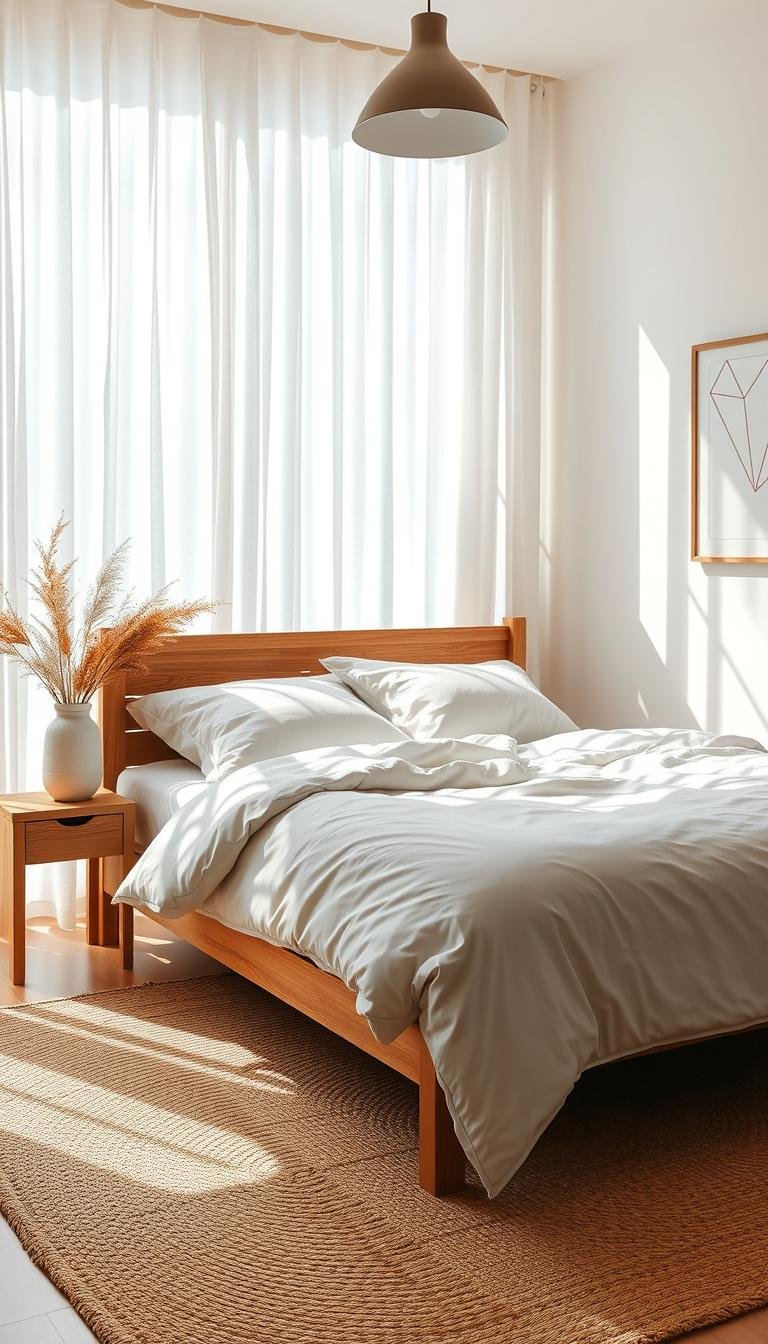
Your sleeping space should be more than just a room with a bed. It’s your personal sanctuary where you recharge and find peace after long days. The right design approach can transform this area into a true retreat.
Neutral color palettes create the perfect foundation for relaxation and tranquility. These soft tones adapt beautifully to changing seasons and lighting conditions. They provide a calm atmosphere that welcomes rest.
This guide explores various styles that balance sophistication with comfort. From minimalist Scandinavian-inspired spaces to luxurious hotel-like retreats, you’ll discover how texture and warmth add depth and interest.
You’ll learn how to create a balanced look through furniture pieces, bedding choices, and accent elements. These design ideas will help you build a timeless space that won’t need frequent updates.
Let’s explore how neutral colors, thoughtful details, and clean lines can transform your room into a peaceful haven. Your perfect sanctuary awaits!
Why a Neutral Bedroom is Your Ultimate Sanctuary
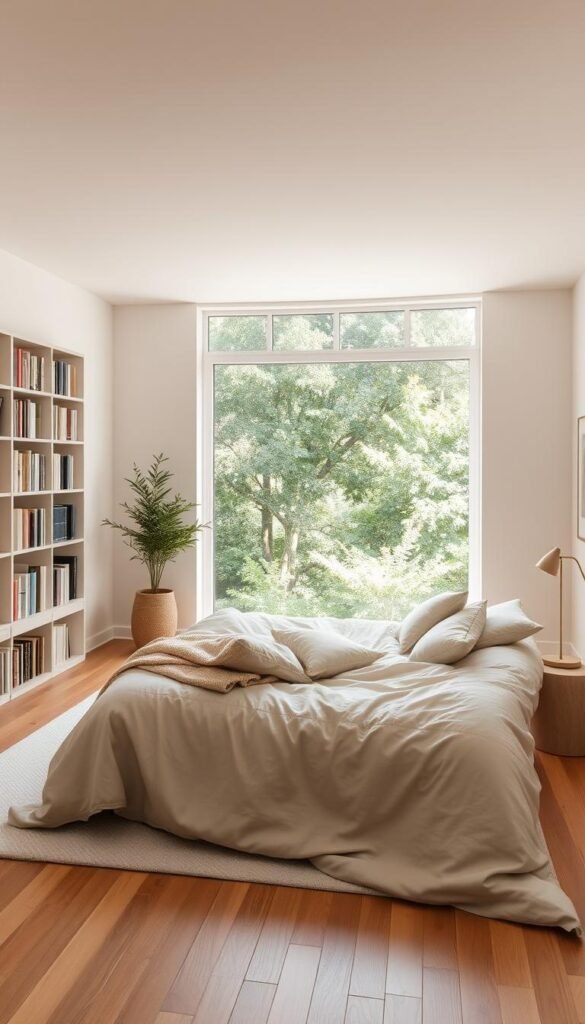
There’s a reason why luxury hotels and spas use neutral schemes. These spaces become your personal sanctuary where daily stress simply melts away. The right color palette creates an instant sense of peace the moment you enter.
Psychologically, soft tones work wonders for your mental state. They reduce visual noise and create calm without overwhelming your senses. This approach promotes deeper relaxation and better rest.
Your sleep space becomes timeless with neutral colors. You won’t need frequent updates as trends change. The foundation remains elegant year after year.
These adaptable tones shift beautifully with seasons. Light summer linens or cozy winter layers both work perfectly. Your room transforms effortlessly while maintaining its core tranquility.
Neutral backgrounds become the perfect canvas for personal expression. You can add depth through artwork, textiles, or meaningful accents. These elements tell your story without clutter.
Well-chosen furniture pieces create both function and beauty. They establish an inviting atmosphere that welcomes you home. Every detail contributes to your comfort.
Texture plays a crucial role in neutral spaces. Layered bedding, woven rugs, and soft throws add warmth and interest. These tactile elements engage multiple senses for complete relaxation.
Your bedroom becomes a retreat from digital overload. The balanced environment provides visual rest and mental clarity. It’s where you recharge completely.
This design achieves the perfect balance of sophistication and comfort. It feels both elevated and deeply personal. Your sanctuary awaits with open arms.
Foundations of a Calm and Balanced Neutral Palette
The secret to creating a truly restful environment lies in mastering three essential design elements. Your color choices, textural layers, and lighting approach work together to build your perfect sanctuary. When balanced correctly, these foundations create a space that feels both inviting and deeply peaceful.
Choosing Your Core Neutral Colors
Selecting your main neutral tones forms the foundation of your entire design scheme. These colors should work together harmoniously to create a cohesive look. Consider how different shades interact throughout the day as light changes.
Your room’s natural light and size greatly influence which neutral colors work best. North-facing rooms with cooler light might benefit from warmer undertones. Smaller spaces often feel more open with lighter, airier color choices.
Earth-inspired tones create an especially grounding atmosphere. Think soft beiges, warm taupes, and gentle greys. These colors provide a beautiful backdrop that won’t overwhelm your senses.
| Neutral Tone | Best For | Lighting Considerations | Complementary Colors |
|---|---|---|---|
| Soft White | Small spaces, maximal light | Works in all lighting conditions | Warm greys, natural wood tones |
| Warm Beige | Creating cozy atmosphere | Ideal for north-facing rooms | Creams, taupe, light browns |
| Cool Grey | Modern, sleek looks | Best with abundant natural light | Whites, charcoal, blue undertones |
| Taupe | Versatile balancing | Adapts to changing light | Greys, creams, warm whites |
The Critical Role of Texture
Texture plays a vital role in preventing neutral spaces from feeling flat or one-dimensional. It adds visual and tactile interest without disrupting your calming color palette. Layered textures create depth and warmth that make your space feel complete.
Different textural elements work together to engage multiple senses. Woven blankets, nubby linens, and smooth woods each contribute to the overall experience. This variety keeps your design interesting while maintaining its tranquil quality.
Natural fabrics like linen and cotton bring organic warmth to your bedding choices. These materials feel wonderful against your skin and add subtle visual texture. They work beautifully with earthy-toned color schemes.
Consider incorporating organic elements like dried pampas grass in ceramic vases. These natural touches bring the outside world into your personal sanctuary. They add movement and softness to your overall design.
Harnessing Natural and Artificial Light
Lighting dramatically affects the mood and atmosphere of your space. Both natural and artificial light sources contribute to your room’s overall feeling. The right lighting choices can make your neutral colors appear richer and more dynamic.
Maximize natural light by choosing minimal window treatments. Sheer curtains filter sunlight beautifully without blocking it completely. This approach maintains privacy while welcoming glorious natural illumination.
Create layered lighting schemes for different times of day and activities. Combine overhead lighting with task lighting and ambient options. This flexibility allows you to adjust the mood throughout the day.
Consider how artificial light affects your chosen color palette. Warm white bulbs enhance warmer neutral tones, while cooler bulbs complement grey-based schemes. Dimmable options provide ultimate control over your room’s atmosphere.
Your lighting should work with your color and texture choices to create harmony. The interplay between light, shadow, and surface creates depth and interest. This relationship forms the heart of a truly balanced design.
Implementing these foundational elements creates a space that feels both intentional and effortlessly comfortable. Your color palette, textures, and lighting work together to build your personal peaceful retreat. This approach ensures your room remains a sanctuary for years to come.
Exploring 25 Neutral Bedroom Ideas That Are Calm and Balanced
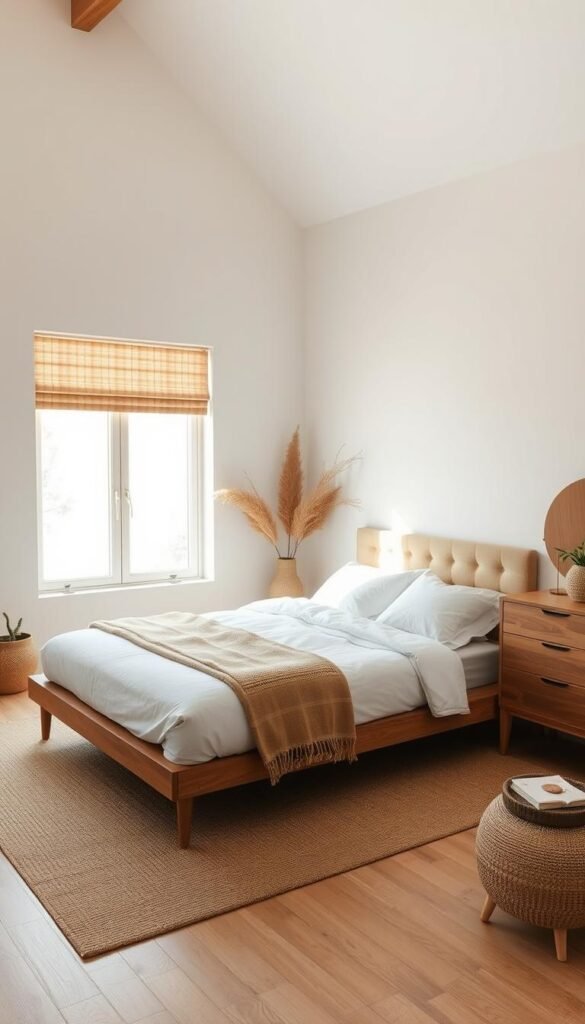
Transform your sleeping area into a customized sanctuary through these carefully curated design concepts. Each approach offers unique ways to achieve balance and harmony while maintaining that essential sense of calm.
Soft Beige and White Sanctuary
This approach combines crisp white with warm beige tones for a space that feels both clean and inviting. The combination creates a welcoming atmosphere that promotes deep relaxation.
Modern Haven with Textural Elements
Varying textures add depth and visual interest to your modern retreat. This concept prevents the space from feeling flat while maintaining its tranquil quality.
Cozy Minimalist Retreat
Embrace simplicity while prioritizing ultimate comfort in this style. Clean lines and uncluttered spaces create mental clarity and physical relaxation.
Scandinavian-Inspired Natural Light Haven
Maximize natural illumination and incorporate organic materials for an airy feel. This design emphasizes functionality alongside beauty.
Layered Linen Sanctuary
Multiple layers of linen in complementary neutral tones create texture and comfort. The natural fabric adds organic warmth to your personal retreat.
Modern with Curated Display Shelving
This concept offers both practical storage and opportunities for personal expression. Display meaningful items without creating visual clutter.
Tranquil Space with Architectural Elements
Structural details provide natural interest and character to your room. These elements add depth without overwhelming the senses.
Japandi Fusion Concept
This style combines Japanese minimalism with Scandinavian functionality. The result is a balanced space that feels both purposeful and peaceful.
Bohemian Neutral Approach
Capture artistic essence while maintaining a calming color palette. This design allows personal expression within a serene framework.
Serene Retreat with Subtle Pattern
Use delicate patterns in statement headboards for focal points. This adds visual interest without disrupting the overall tranquility.
Sophisticated with Metallic Accents
Subtle metallic elements add a touch of glamour to your space. These accents provide sparkle without compromising the calm atmosphere.
Modern Farmhouse Neutral
Combine rustic warmth with contemporary clean lines for a cozy yet modern feel. This style balances traditional comfort with current aesthetics.
Dreamy Canopy Bed Designs
Create architectural interest with elegant canopy structures enhanced by soft lighting. This approach adds dimension and romance to your space.
Serene Sandstone Escapes
Use nature-inspired earthy tones and materials for a grounded feeling. These colors connect your space to the natural world outside.
Tranquil Taupe Dream Spaces
Create soothing atmospheres with luxurious linens in taupe tones. This versatile color offers both warmth and sophistication.
Chic Creamy Retreats
Feature plush textures and elegant furnishings in creamy neutral tones. This approach feels both luxurious and comfortably inviting.
Calming Beige Haven
Use warm beige tones as a peaceful backdrop for your entire space. This reliable color creates consistency throughout your design.
Cozy Coffee Toned Sanctuaries
Rich browns and soft beiges combine for an exceptionally warm atmosphere. This palette feels like a comforting embrace at day’s end.
Pure White Bliss
Enhance natural light to create an airy, bright retreat that feels expansive. This approach maximizes illumination for mental clarity.
Soft Grey Oasis Inspirations
Blend soothing grey tones with delicate textures for a serene environment. This color provides a cool, calming foundation.
Muted Earthy Designs
Use natural textures and organic materials to create connection with nature. This approach brings outdoor elements inside beautifully.
Gentle Taupe Decor
Blend gray’s tranquility with brown’s warmth for a perfectly balanced tone. This versatile color adapts to changing light conditions.
Layered Bedding for Ultimate Comfort
Multiple textile layers create both visual depth and physical coziness. This approach ensures year-round comfort through seasonal changes.
The Impact of a Statement Headboard
Create a focal point that anchors your entire space with purpose. A well-chosen headboard adds character without overwhelming.
Incorporating Natural Wood Accents
Add organic warmth and texture through carefully selected wood elements. These natural touches bring life and character to your design.
Each of these concepts offers unique pathways to creating your perfect peaceful retreat. Consider which approach best suits your personal style and space requirements.
Key Elements to Incorporate in Your Neutral Bedroom
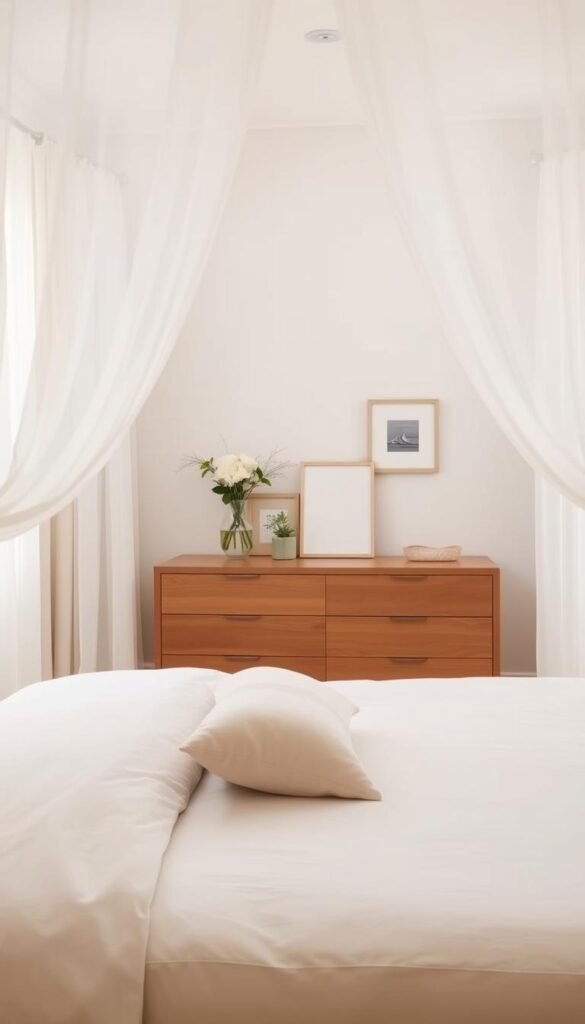
Building your perfect sleep sanctuary requires thoughtful selection of core elements that work together harmoniously. These components create both visual appeal and physical comfort in your personal retreat.
Each element contributes to the overall atmosphere of tranquility and relaxation. They transform your room into a true haven for rest and rejuvenation.
Selecting the Right Bedding and Textiles
Your bedding choices form the foundation of comfort in your sleep space. Choose fabrics that feel wonderful against your skin while adding visual texture.
Layer different white tones rather than matching everything exactly. This approach creates depth interest without overwhelming the senses.
Natural fabrics like linen and cotton bring organic warmth to your color palette. They work beautifully with earthy neutral tones for a cohesive look.
Consider an oversized rug that extends beyond your bed for a luxurious feel. This element adds both physical comfort and visual appeal to your room.
Choosing Functional and Stylish Furniture
Select furniture pieces with clean lines and minimal detailing. These choices create an inviting atmosphere while maintaining visual tranquility.
Each piece should serve both practical and aesthetic purposes in your space. Functional furniture enhances your daily routine while supporting the overall design.
Consider wall-mounted pendant lights to save nightstand space. This approach keeps surfaces clear while providing essential lighting.
Your furniture should complement rather than dominate the room’s atmosphere. Choose pieces that contribute to the sense of peace and relaxation.
Lighting Strategies for Ambiance
Create layered lighting with a mix of natural light, table lamps, and overhead fixtures. This approach allows you to adjust the mood throughout the day.
Maximize natural light whenever possible for its calming qualities. Sheer curtains can filter sunlight while maintaining brightness in your space.
Table lamps provide warm, localized light for reading and relaxation. Choose fixtures with soft, diffused lighting for evening comfort.
Dimmable overhead fixtures offer flexibility for different activities. They help create the perfect atmosphere for any time of day.
Art and Decor: Less is More
Adopt a “less is more” approach to art and decorative pieces. Select items that hold personal meaning without creating visual clutter.
Choose artwork that complements your neutral color palette without overwhelming it. Subtle pieces add personality while maintaining tranquility.
Incorporate personal touches like framed photos or meaningful objects. These elements tell your story while keeping the space serene.
Greenery brings life and freshness to your neutral tone environment. Plants add natural beauty without disrupting the calm atmosphere.
Every decorative choice should contribute to your overall sense of peace. Select pieces that enhance rather than distract from your sanctuary.
How to Choose the Right Neutral Idea for Your Space
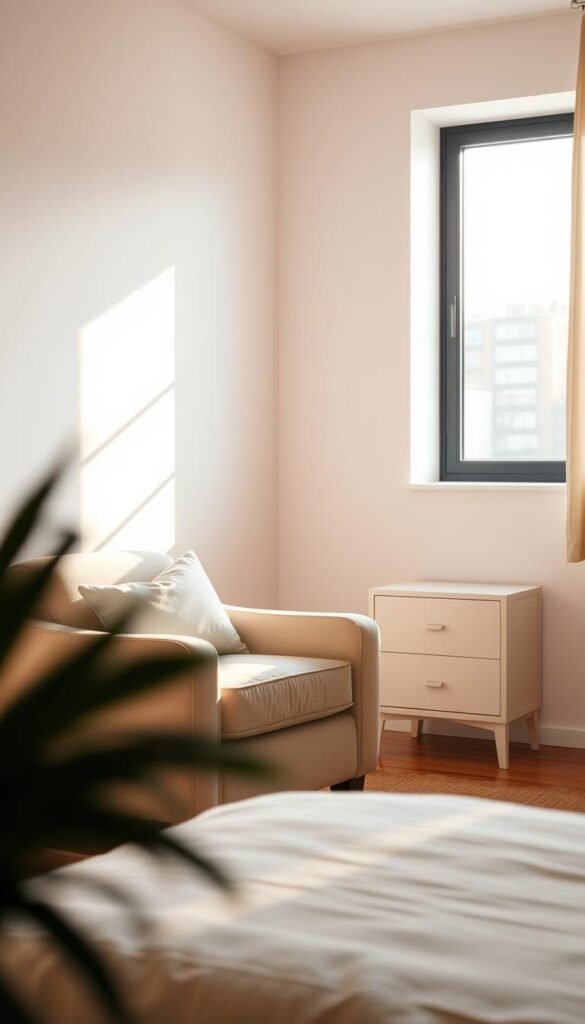
Finding your perfect sleep sanctuary starts with understanding your room’s unique qualities. Every space has its own personality shaped by size, light, and existing features. The right approach transforms these elements into your personal peaceful retreat.
Assessing Your Room’s Size and Light
Your room’s dimensions and illumination greatly influence your design choices. Smaller spaces benefit from light neutral colors that create an airy feel. These tones make compact areas appear more spacious and welcoming.
Natural light dramatically affects how colors appear throughout the day. North-facing rooms often need warmer undertones to balance cooler light. South-facing spaces can handle cooler neutral tones beautifully.
Position your bed to maximize morning light if possible. This placement creates a cheerful awakening experience. It also helps regulate your natural sleep-wake cycle.
Consider your room’s architectural features before finalizing plans. Existing moldings, windows, or built-ins can guide your design direction. These elements add character without overwhelming your space.
| Room Type | Ideal Neutral Colors | Lighting Strategy | Furniture Placement |
|---|---|---|---|
| Small Space | Soft whites, light greys | Maximize natural light | Minimal, multi-functional pieces |
| Large Room | Warm beiges, rich taupes | Layered lighting scheme | Create cozy conversation areas |
| North-Facing | Creams, warm whites | Warm artificial lighting | Position bed near windows |
| South-Facing | Cool greys, soft taupes | Adjustable window treatments | Balance light throughout room |
Aligning Ideas with Your Personal Style
Your sleep space should reflect who you are while maintaining tranquility. Consider your daily routines and how you use the room. This understanding guides functional and aesthetic choices.
Different personality types gravitate toward various neutral approaches. Minimalists might prefer clean lines and uncluttered surfaces. Those who love comfort may choose layered textiles and soft textures.
Create a mood board before making final decisions. Collect fabric swatches, paint samples, and inspiration images. This visual plan ensures all elements work together harmoniously.
Balance personal preferences with practical considerations. Beautiful furniture pieces should also serve functional purposes. Your bedding choices need to provide both comfort and visual appeal.
Remember that your sanctuary should evolve with your needs. Choose a flexible foundation that allows for future adjustments. This approach creates a timeless space that grows with you.
Mixing, Matching, and Layering Different Ideas
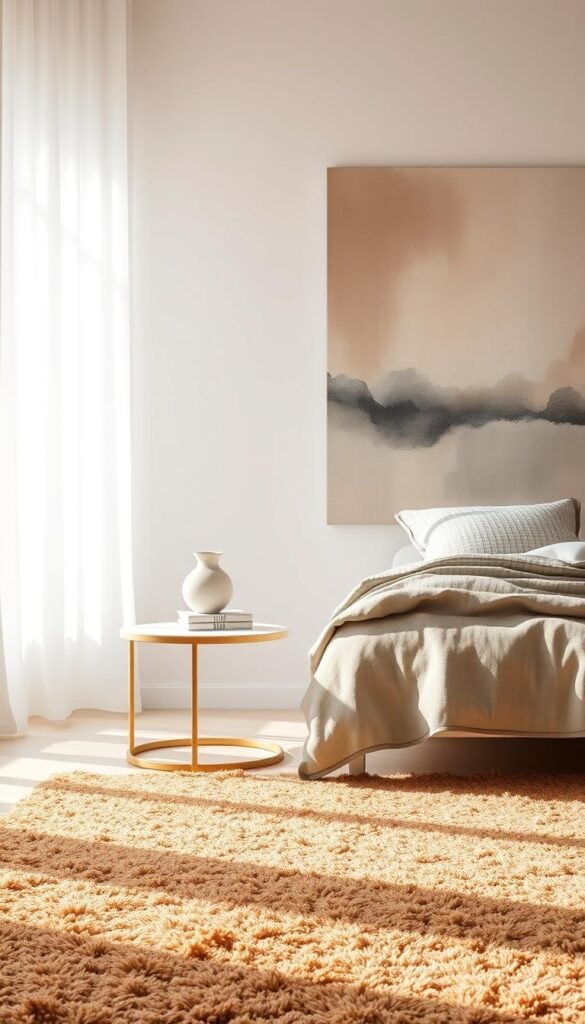
Creating your perfect sanctuary involves blending elements thoughtfully. You can combine various design approaches to achieve a personalized look. This process adds character while maintaining that essential sense of peace.
Mixing different neutral tones creates depth interest without overwhelming your space. Instead of matching everything exactly, layer complementary shades. This approach makes your room feel more dynamic and inviting.
Textures play a crucial role in adding warmth and dimension. Combine smooth surfaces with nubby fabrics for visual appeal. These layers engage your senses while enhancing comfort.
You can merge minimalist aesthetics with cozy textural elements. Clean lines balance well with soft, inviting materials. This combination creates both sophistication and relaxation.
Your color palette should remain cohesive while incorporating variety. Choose a base tone and build around it with complementary shades. This strategy maintains harmony throughout your design.
Balancing different materials creates visual richness in your space. Wood, metal, and textiles each bring unique qualities. Their combination adds depth while supporting tranquility.
Scale and proportion matter when mixing design elements. Larger furniture pieces anchor the room effectively. Smaller accents provide finishing touches without clutter.
Contrast creates visual interest while preserving harmony. Play with light and dark variations within your neutral scheme. This technique adds dimension without disrupting calm.
Lighting layers contribute to different moods and functions. Combine ambient, task, and accent lighting options. This flexibility allows you to adjust the atmosphere as needed.
Patterns can be introduced subtly within neutral spaces. Choose understated designs that complement rather than dominate. These details add personality without overwhelming.
Your personal style should shine through your combinations. Select elements that reflect your preferences and lifestyle. This personal touch makes your space truly yours.
| Element to Mix | Combination Strategy | Visual Effect | Atmosphere Created |
|---|---|---|---|
| Neutral Tones | Layer 3-4 complementary shades | Adds depth and dimension | Rich yet tranquil |
| Textures | Combine smooth and rough surfaces | Creates tactile interest | Warm and inviting |
| Materials | Balance wood, metal, fabric | Adds visual richness | Balanced and harmonious |
| Scale | Mix large furniture with small accents | Creates visual hierarchy | Organized yet relaxed |
| Lighting | Layer different light sources | Adds mood flexibility | Adaptable and cozy |
Remember that your combinations should serve relaxation above all. Every element should contribute to your peaceful retreat. The right mix creates a space that feels both personal and perfectly calm.
Maintaining the Serenity of Your Neutral Bedroom
Keeping your peaceful retreat looking fresh requires simple maintenance habits. These routines preserve that calm atmosphere you’ve worked so hard to create. Your space stays inviting and restful with minimal effort.
Clear surfaces maintain visual tranquility throughout your room. Clutter-free nightstands and dressers promote mental clarity. This approach supports deep relaxation and better rest.
Seasonal textile refreshes keep your space feeling current. Light linens for summer and cozy layers for winter work beautifully. These changes maintain comfort while preserving your color palette.
Smart storage solutions keep personal items organized yet accessible. Use attractive baskets or built-in cabinets to hide everyday necessities. This strategy maintains clean lines without sacrificing function.
Regular decor assessment prevents visual overload. Edit items that no longer serve your peaceful atmosphere. This minimalist approach ensures every element contributes to tranquility.
Natural cleaning products maintain a fresh, healthy environment. They preserve your textiles and furniture while being eco-friendly. Your space smells clean without chemical odors.
Proper care routines extend the life of your investment pieces. Follow manufacturer guidelines for bedding and furniture maintenance. This attention keeps everything looking its best.
Prevent your design from feeling dated with subtle updates. Swap accent pillows or artwork rather than complete overhauls. This approach maintains your neutral foundation while adding interest.
Your maintenance routine directly impacts long-term enjoyment. A well-cared-for space continues to feel like a true sanctuary. It remains your favorite place to unwind and recharge.
Remember that simplicity often creates the most peaceful environments. Fewer items mean less maintenance and more mental space. Your bedroom becomes a true haven from daily demands.
Transforming Your Bedroom into a Personal Peaceful Retreat
Your bedroom becomes a personal sanctuary when you blend comfort with style. Focus on a calming color palette that promotes deep rest. Choose soft neutral tones and textures that add warmth without overwhelming the space.
Incorporate natural light and clean lines to create an inviting atmosphere. Add personal touches through meaningful accents and curated displays. This approach balances aesthetic appeal with functional comfort.
Your retreat should feel both sophisticated and deeply restful. Invest in quality furniture pieces and layered bedding for ultimate relaxation. These elements transform your room into a true escape from daily stress.
Start by assessing your space and implementing changes gradually. For more inspiration, explore these serene retreat ideas. Enjoy the lasting benefits of a well-designed peaceful haven.