Welcome to your complete guide for crafting a personal retreat that balances drama with comfort. Your sleeping space should be a sanctuary, and this design approach creates exactly that.
We will explore the core principles of this trending aesthetic. You will learn why these rooms promote rest and how to achieve the look in any space.
This method works for various room sizes and can even be adapted for rentals. Our guide covers everything from color selection to the perfect final accessories.
Get ready to embrace deeper tones while keeping your bedroom feeling incredibly inviting. By the end, you’ll have all the knowledge to create your perfect cozy retreat.
Understanding the Moody Modern Warmth Aesthetic
Explore the foundational principles that transform a simple sleeping space into a deeply personal sanctuary. This approach combines atmospheric depth with comforting elements for a truly special retreat.
Defining “Moody” in Modern Design
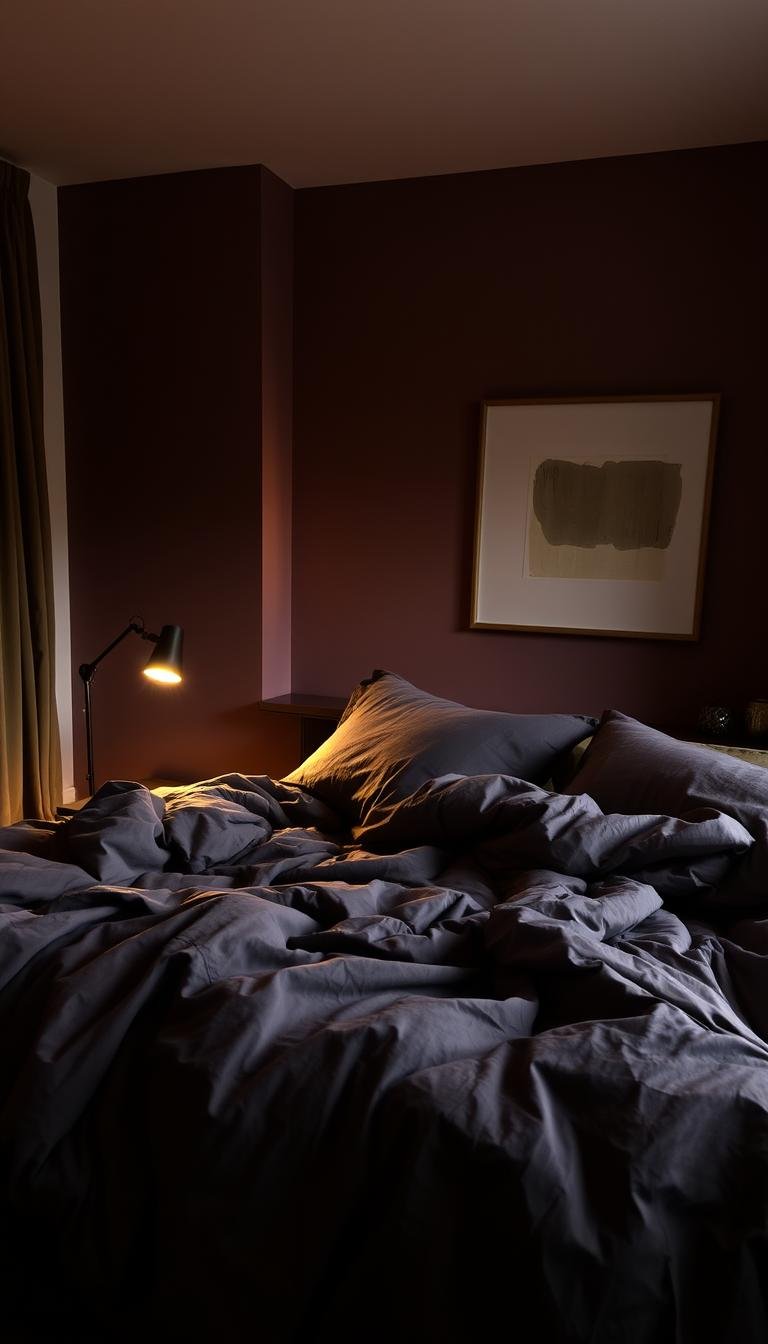
Contemporary moody design goes far beyond simply using dark colors. It’s about creating intimacy and depth through strategic application of deeper tones.
Forest green, smoky gray, and amethyst hues form the foundation. These are paired with rich wood tones and tactile fabrics.
The result is rooted serenity that feels both dramatic and sophisticated. This aesthetic makes your space feel more cocoon-like and secure.
Modern moody differs from traditional dark interiors through clean lines and intentional contrast. Black and dark gray pairings create visual engagement without heaviness.
Why Warmth is the Essential Counterbalance
Warmth prevents your retreat from feeling cold or oppressive. It transforms stark atmospheres into inviting environments through careful material selection.
Texture plays a crucial role in creating warmth within darker schemes. Think velvet throws, linen bedding, and wooden accents.
Lighting choices significantly impact the warm moody atmosphere. Soft, layered illumination enhances rather than detracts from the ambiance.
Properly balanced design offers psychological benefits too. You enjoy both the drama of depth and the comfort of coziness.
Avoid common pitfalls by always pairing dark elements with warm touches. This ensures your personal sanctuary feels both dramatic and deeply comforting.
Selecting Your Foundational Color Palette
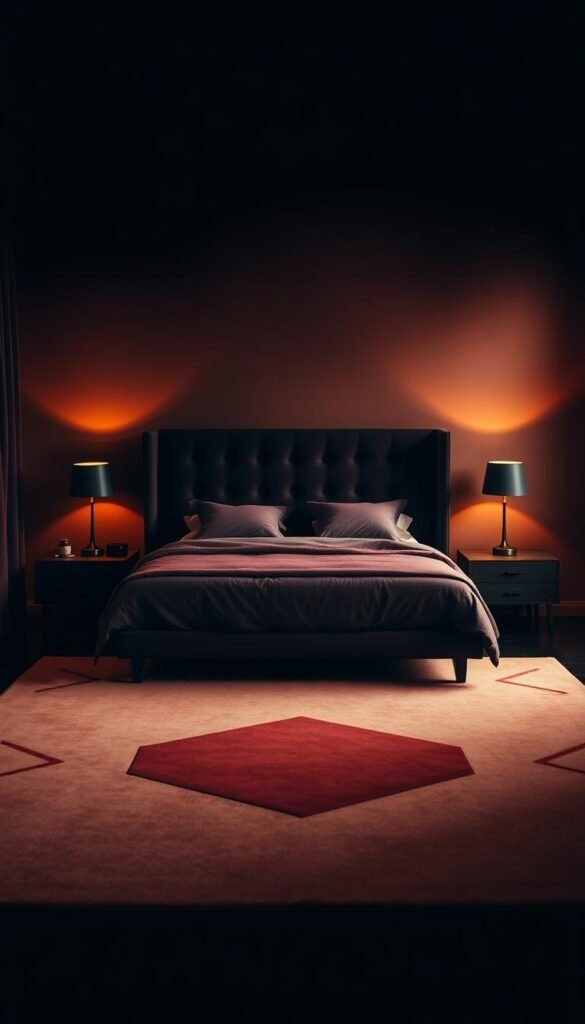
Your color choices create the emotional foundation for your entire retreat. This decision transforms ordinary sleeping quarters into something truly special.
Think of your palette as the backdrop against which all other elements will shine. The right shades make your space feel both dramatic and deeply comforting.
Deep Jewel Tones: Navy, Emerald, and Plum
Rich jewel tones bring instant luxury and depth to your personal haven. These colors have a remarkable way of making rooms feel both expansive and intimate.
Navy blue creates a sophisticated, almost nautical serenity. Emerald green introduces natural tranquility while maintaining dramatic impact.
Plum and eggplant shades add royal elegance without feeling overly traditional. These hues work beautifully on both walls and textiles.
Testing samples in your actual lighting conditions is crucial. Colors shift dramatically throughout the day and under artificial light.
Rich Earthy Hues: Warm Browns and Forest Greens
Earth-inspired colors ground your design with organic warmth. They create immediate connection to nature while maintaining modern sophistication.
Forest greens like Benjamin Moore’s Forest Floor introduce tranquil energy. These shades make your space feel like a peaceful woodland retreat.
Warm browns and taupe shades add cozy sophistication without heaviness. They pair beautifully with both light and dark elements throughout your room.
These colors work particularly well in spaces with limited natural light. They absorb and reflect light in flattering, subtle ways.
Sophisticated Neutrals: Charcoal and Black
Don’t fear darker neutrals—they can be incredibly versatile foundation colors. When used strategically, they create depth without overwhelming your space.
Charcoal gray serves as an excellent neutral base for layering other colors. It provides drama while remaining surprisingly adaptable to different styles.
Black makes a powerful statement when used on a single focal wall or in accessories. It creates striking contrast against lighter elements and textures.
These shades work exceptionally well in contemporary designs. They provide clean, sharp backdrops for both modern and traditional furnishings.
Remember that every color interacts uniquely with your specific lighting conditions. Always test multiple samples at different times of day before committing.
How to Decorate a Moody Modern Bedroom That Still Feels Warm
Transforming your personal space requires both vision and practical strategy. This approach ensures your sanctuary achieves perfect balance between drama and comfort.
The Core Principle: Embrace Darkness, Then Add Light
Start with rich, deep colors as your foundation. Dark walls create instant intimacy and sophistication.
Then introduce light elements strategically. This prevents the room feeling heavy while maintaining its cozy atmosphere.
Think of it like painting on a dark canvas. Light accents become more impactful against a dramatic background.
This principle applies across all design elements:
- Pair dark walls with crisp white bedding
- Add light-colored area rugs for contrast
- Incorporate reflective metallic finishes
- Use textured fabrics to create visual interest
The result? A space that feels both dramatic and incredibly inviting. Your retreat will have depth without sacrificing warmth.
Your Step-by-Step Mindset for the Project
Break your transformation into manageable phases. This prevents overwhelm and ensures consistent progress.
Start by visualizing your final result. Create a mood board with colors, textures, and lighting ideas.
Consider what existing elements you can work with. Sometimes current furniture or accessories can be repurposed beautifully.
Maintain momentum by celebrating small victories. Each completed phase brings you closer to your dream sanctuary.
| Phase | Focus Area | Key Considerations |
|---|---|---|
| Planning | Color selection & layout | Lighting conditions, room size |
| Foundation | Walls & flooring | Paint finishes, rug placement |
| Furniture | Placement & selection | Scale, functionality, style |
| Textiles | Bedding & window treatments | Texture, color coordination |
| Lighting | Layered illumination | Ambient, task, accent lights |
| Accessories | Final personal touches | Art, plants, decorative objects |
Approach each decision with confidence. Trust your vision while remaining flexible to adjustments.
Remember that creating your perfect retreat is a journey. Enjoy the process of watching your space transform.
Mastering the Art of the Accent Wall
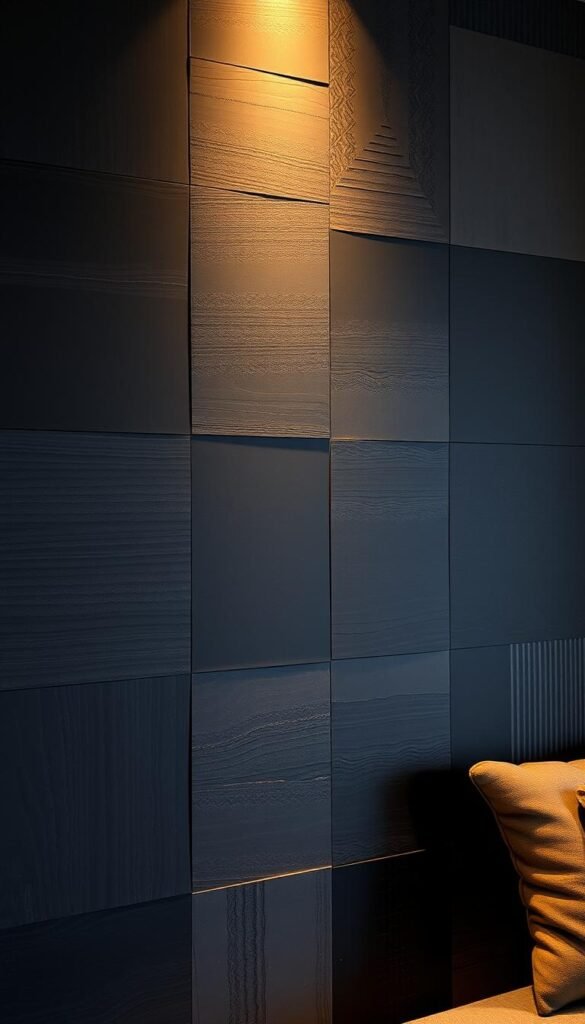
Your accent wall becomes the dramatic centerpiece that anchors your entire design. This focal point creates instant visual interest while maintaining room harmony.
Strategic placement transforms ordinary walls into extraordinary statements. The right choice elevates your space from simple to sensational.
Choosing the Right Wall for Maximum Impact
Select the wall that naturally draws attention when you enter the room. This is typically the one behind your bed or opposite the entrance.
Consider your room’s architecture and lighting patterns. Walls with interesting features or optimal light absorption work best.
The bed wall often creates the most dramatic statement. It frames your sleeping area and becomes an instant focal point.
Evaluate natural light sources before deciding. Some walls handle dark colors better than others in your specific space.
Paint vs. Textured Panels vs. Patterned Wallpaper
Painted walls offer simplicity and cost-effectiveness. They provide a clean, uniform look that’s easy to change later.
Textured panels add dimension and tactile interest. Options like shiplap or wainscoting create depth without overwhelming your room.
Patterned wallpaper makes a bold yet sophisticated statement. Dark patterns introduce personality and visual movement to your design.
Each option has unique installation considerations. Some work better for rentals while others offer permanent solutions.
Coordinate your choice with other room elements. Your accent wall should complement rather than compete with your overall design.
Maintain balance by keeping other walls neutral. This ensures your focal point enhances rather than dominates the space.
Balancing Dark Walls with Light and Bright Elements
The secret to successful moody design lies in strategic contrast between dark foundations and bright accents. This approach prevents your space from feeling heavy while maintaining its sophisticated atmosphere.
Think of your dark walls as the perfect backdrop for lighter elements to shine. The right balance creates visual interest and keeps your retreat feeling inviting.
Proper contrast makes your bedroom feel fresh rather than oppressive. It’s about creating harmony between depth and brightness.
The Power of Crisp White and Ivory Bedding
Your bedding choice dramatically affects how your space feels. Crisp white or ivory linens create stunning visual contrast against dark walls.
This combination makes your room feel clean and inviting rather than heavy. The right bedding material enhances both comfort and aesthetics.
Consider these options for your moody retreat:
- High-quality cotton – Provides crispness and breathability
- Linen bedding – Offers texture and natural warmth
- Silk blends – Adds subtle sheen and luxury
- Organic materials – Ensure comfort and sustainability
Your bedding should feel as good as it looks. The right choice improves sleep quality while maintaining your desired aesthetic.
Incorporating Reflective Surfaces and Metallic Accents
Reflective elements bounce light around your room, enhancing brightness. They work with both natural and artificial illumination.
Strategic placement maximizes light distribution throughout your space. Mirrors opposite windows work particularly well.
Metallic accents add warmth and sophistication when used sparingly. Consider these finishes for different color palettes:
- Brass and gold – Warm tones complement jewel colors
- Silver and chrome – Cool tones work with gray schemes
- Bronze and copper – Earthy options enhance natural palettes
These elements should enhance rather than overwhelm your design. The right balance creates sophistication without sparkle overload.
This thoughtful approach to light and dark elements promotes relaxation. Your space becomes both dramatic and deeply comforting.
Layering Textures for Depth and Coziness
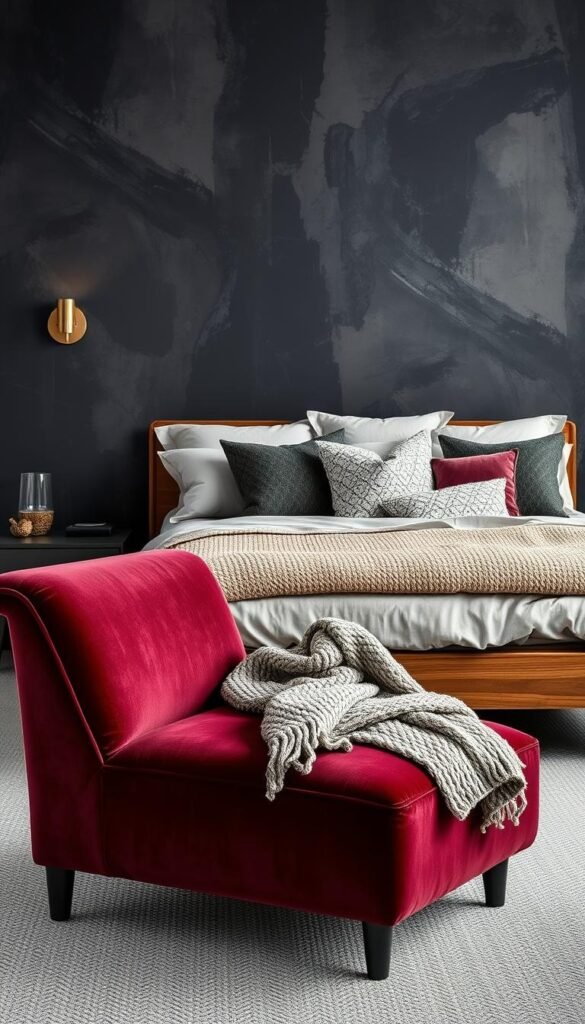
Texture layering transforms your sleeping space into a tactile sanctuary that engages all your senses. This approach creates visual interest while making your retreat feel incredibly inviting.
The right combination of materials adds dimension to your design. It prevents flatness and brings warmth to even the darkest color schemes.
Professional designers use texture to create rooms that feel both sophisticated and comfortable. You can achieve similar results with strategic material choices.
Plush Fabrics: Velvet Headboards and Faux Fur Throws
Luxurious fabrics add instant comfort and visual richness to your space. Velvet headboards create a sumptuous focal point behind your bed.
This material catches light beautifully against darker walls. It adds depth without overwhelming your design scheme.
Faux fur throws offer similar tactile appeal with practical benefits. They provide warmth during cooler months and create inviting spots for relaxation.
Consider these plush options for your retreat:
- Velvet accent pillows for subtle luxury
- Faux fur blankets for movie nights
- Knit throws for casual comfort
- Silk pillowcases for bedtime elegance
Natural Weaves: Linen Bedding and Woven Rugs
Natural materials bring organic warmth and breathability to your space. Linen bedding offers excellent temperature regulation throughout the year.
This textured bedding develops beautiful character over time. It softens with each wash while maintaining its structural integrity.
Woven rugs add ground-level interest and comfort underfoot. They define spaces while contributing to the overall tactile experience.
These elements work particularly well in darker color schemes. They prevent rooms from feeling too polished or artificial.
Organic Materials: Wood and Rattan Details
Natural elements introduce warmth and character to your design scheme. Wood accents bring earthy tones and grain variations that machines cannot replicate.
Rattan and wicker pieces add visual lightness despite their solid construction. They work beautifully as nightstands, chairs, or decorative baskets.
These materials create balance against smoother surfaces and darker colors. They remind us of nature’s imperfect beauty within our personal spaces.
Seasonal considerations help maintain year-round comfort. Heavier textures work well in winter, while lighter weaves suit summer months.
Regular maintenance keeps your textured elements looking their best. Different materials require specific care approaches for longevity.
Designing a Layered Lighting Scheme
Lighting transforms your personal retreat from simply dark to dynamically atmospheric. A thoughtful approach creates both visual appeal and practical functionality in your space.
Think of your illumination plan as having three distinct layers. Each serves specific purposes while working together harmoniously.
Proper lighting enhances your room’s best features while providing needed brightness. It makes your sanctuary both beautiful and completely usable.
Ambient Lighting: Overhead Fixtures on Dimmers
Your ambient layer provides the general illumination throughout your space. This foundational light sets the overall mood and brightness level.
Overhead fixtures like chandeliers or flush mounts work beautifully. Choose designs that complement your aesthetic without overwhelming the room.
Dimmer switches become your best friend in this design scheme. They allow you to adjust brightness precisely for different times and activities.
As designer Kelly Wearstler notes,
“Lighting is everything—the difference between a room that sings and one that doesn’t.”
Consider these ambient lighting options:
- Recessed lighting for clean, modern appeal
- Track lighting for flexible direction control
- Statement fixtures that become artistic elements
- Integrated systems with smart home compatibility
Task Lighting: Stylish Bedside Lamps and Sconces
Task lighting provides focused illumination where you need it most. Bedside reading requires proper light without disturbing your partner.
Wall sconces save valuable surface space on nightstands. They offer directed light perfect for evening reading sessions.
Table lamps add both function and decorative appeal. Choose designs that complement your overall aesthetic while providing adequate light.
Consider these factors when selecting task lighting:
- Adjustable arms for precise light direction
- Warm white bulbs around 2700K for cozy ambiance
- Matte black or brass finishes for modern appeal
- Appropriate height for comfortable reading
Accent Lighting: Strategic Use of LEDs and Candles
Accent lighting adds drama and highlights specific features. This layer creates depth and visual interest throughout your space.
LED strip lighting works beautifully behind headboards or under furniture. It creates soft glows that enhance without overwhelming.
Candles provide flickering ambiance that feels incredibly inviting. Flameless options offer similar effect with complete safety.
Strategic placement makes all the difference with accent lighting. Consider these applications:
- Picture lights to highlight artwork
- Cove lighting to emphasize architectural details
- Path lighting to guide movement through the room
- Decorative fixtures that become art pieces themselves
Your layered approach ensures perfect illumination for every need. From bright morning routines to soft evening relaxation, your lighting adapts beautifully.
Optimizing and Embracing Natural Light
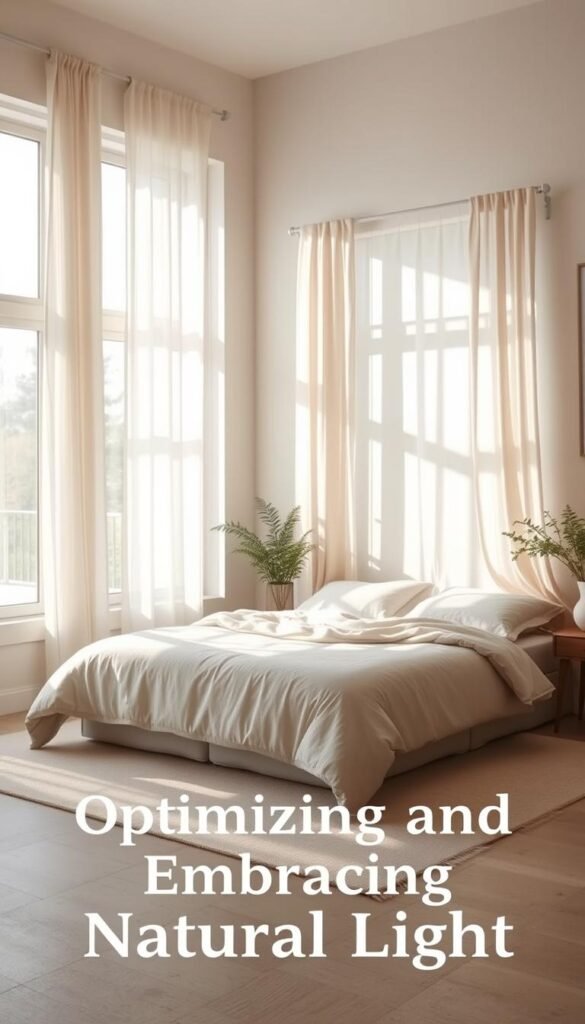
Natural illumination transforms your personal sanctuary in remarkable ways. It creates dynamic patterns throughout the day that enhance your room’s atmosphere.
Strategic light management maintains your desired mood while maximizing brightness. This approach makes your space feel both dramatic and welcoming.
Choosing Sheer or Light-Filtering Window Treatments
Window coverings balance privacy with beautiful light diffusion. Sheer fabrics soften sunlight while maintaining visual connection to outdoors.
Different materials create unique effects in your personal retreat:
- Voile curtains – Provide soft, dreamy light filtration
- Roman shades – Offer clean lines with adjustable light control
- Light-filtering blinds – Allow precise light direction management
- Linen drapes – Add texture while diffusing harsh sunlight
Consider your window’s orientation when selecting treatments. South-facing windows benefit from lighter fabrics than north-facing ones.
Seasonal adjustments keep your space comfortable year-round. Lighter treatments work well in winter for maximum light capture.
Strategic Mirror Placement to Bounce Light
Mirrors act as natural light amplifiers in your sanctuary. They redirect sunlight into darker corners and create brightness pathways.
Placement significantly impacts their effectiveness. Position mirrors opposite windows for maximum light reflection.
Consider these mirror options for different room configurations:
| Mirror Type | Best Placement | Light Enhancement |
|---|---|---|
| Large wall mirror | Opposite main window | Doubles natural light impact |
| Floor leaning mirror | Adjacent to window | Creates angled light paths |
| Grouped small mirrors | On perpendicular walls | Distributes light evenly |
| Mirrored furniture | Throughout room | Adds subtle reflections |
Mirror size and shape affect both light and spatial perception. Larger mirrors make rooms feel more expansive while bouncing more light.
This technique works particularly well in smaller spaces. It creates brightness without additional electrical sources.
Your bedroom feels brighter and more inviting with proper mirror placement. The ambiance shifts beautifully throughout the day as light patterns change.
Choosing Furniture That Complements the Mood
Your furniture choices make or break the atmosphere in your personal retreat. Selecting pieces that enhance your desired aesthetic creates harmony throughout your space.
The right furniture balances drama with comfort. It supports both visual appeal and everyday functionality.
Consider scale, material, and finish when making selections. Each piece should contribute to your overall design vision.
The Statement Headboard as a Focal Point
Your bed naturally becomes the centerpiece of your sleeping area. A dramatic headboard anchors the entire room with style and presence.
Choose designs that make a bold statement while complementing your color scheme. Upholstered options in velvet or leather add luxurious texture.
Consider these headboard styles for different effects:
- Canopy beds – Create vertical drama and intimacy
- Wingback designs – Offer classic elegance with modern appeal
- Low-profile platforms – Provide minimalist sophistication
- Custom built-ins – Maximize storage and style integration
Your headboard should feel proportional to your room size. Oversized pieces work in spacious areas while smaller rooms need scaled-down options.
Mixing Dark Statement Pieces with Lighter Items
Balance creates visual interest and prevents overwhelming darkness. Pair substantial dark furniture with lighter accents throughout your space.
A black dresser looks stunning against light walls or beside metallic accessories. This contrast keeps your room feeling fresh and inviting.
Consider this approach when selecting key pieces:
| Dark Furniture | Lightening Elements | Visual Effect |
|---|---|---|
| Ebony nightstands | Brass lamp bases | Warm metallic contrast |
| Charcoal armoire | Ivory storage baskets | Textural balance |
| Espresso bed frame | Light wood accents | Natural warmth infusion |
| Graphite desk | Glass top surface | Visual lightness |
This mixing technique works for both large and small spaces. It maintains drama while ensuring your room never feels too heavy.
Using Mirrored Furniture to Enhance Space and Light
Reflective surfaces multiply light and create spatial expansion. Mirrored pieces offer functional beauty in moody designs.
These items work particularly well in rooms with limited natural light. They bounce illumination around while maintaining sophisticated elegance.
Consider these applications for your space:
- Mirrored nightstands – Add sparkle beside your bed
- Reflective dressers – Create depth against dark walls
- Glass-top tables – Provide surface without visual weight
- Metallic finishes – Offer subtle shine throughout
Position mirrored furniture to reflect attractive room elements. Avoid placing pieces where they might create unwanted glare.
Your furniture selections complete your personal sanctuary. They provide both beauty and purpose in equal measure.
Creating a Defined Focal Point in Your Room
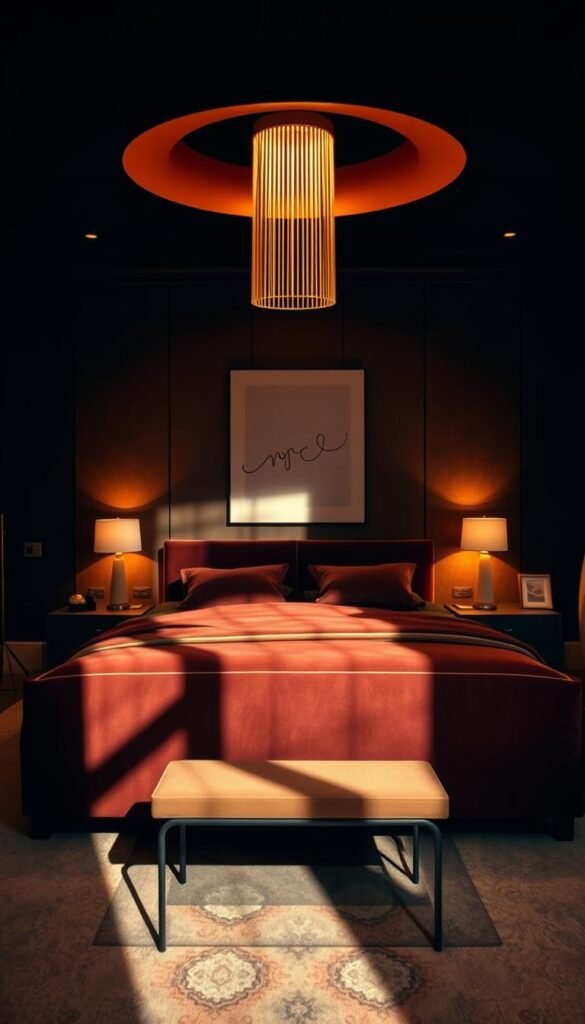
A powerful focal point gives your bedroom instant visual appeal and purpose. This anchor becomes the heart of your design, drawing attention and setting the tone for everything else.
Every great room needs this central element. It creates harmony and guides your eye through the space beautifully.
Your focal point could be many things. A dramatic headboard, striking artwork, or bold area rug all work wonderfully.
Even architectural features like fireplaces make excellent natural anchors. The key is choosing one strong element to build around.
Building Your Design Around the Bed
Your bed naturally becomes the center of attention in most bedrooms. It’s usually the largest piece and where you spend most of your time.
This makes it the perfect foundation for your design. Everything else can radiate out from this central piece.
Start with a statement headboard that commands attention. Upholstered options in velvet or leather add luxurious texture.
Position your bed to maximize its impact. Typically, this means centering it on the main wall.
Consider these placement strategies:
- Center bed on largest wall for balance
- Allow walking space on both sides
- Position facing doorway if possible
- Consider window placement for natural light
Your bedding choices reinforce the bed’s importance. Layer textures and colors that complement your overall scheme.
Nightstands and lighting should frame the bed beautifully. This creates a cohesive look that feels intentional.
Using Art and Large-Scale Decor to Anchor the Space
Artwork transforms blank walls into captivating focal points. Large pieces make particularly strong statements in moody designs.
Choose art that complements your color palette and mood. Abstract works, landscapes, or photographic prints all work well.
Proper sizing ensures your art feels proportional to the wall. A general rule: artwork should cover ⅔ to ¾ of the wall space.
Hang pieces at eye level when standing. This typically means center points around 57-60 inches from the floor.
Consider these art placement techniques:
| Wall Type | Art Approach | Visual Impact |
|---|---|---|
| Above bed | Single large piece | Creates strong vertical focus |
| Opposite bed | Gallery wall | Adds dynamic energy |
| Narrow wall | Vertical artwork | Enhances room height |
| Large wall | Oversized statement | Makes dramatic impact |
Large decor pieces also create wonderful secondary focal points. Sculptural vases, decorative screens, or statement mirrors all work beautifully.
Lighting can emphasize these elements perfectly. Spotlights or picture lights highlight artwork after dark.
Remember to maintain visual hierarchy. One strong focal point should dominate, with others playing supporting roles.
This approach creates depth without confusion. Your eye moves naturally through the space, appreciating each element.
Incorporating Life with Greenery and Botanicals
Living elements bring dynamic energy to your personal sanctuary while maintaining its sophisticated atmosphere. Plants and botanical accents introduce organic shapes that contrast beautifully with structured design elements.
These natural touches soften your space and create visual interest. They add movement and life that makes your retreat feel truly lived-in and welcoming.
Beyond aesthetics, plants offer tangible benefits for your well-being. They purify air quality and contribute to a calming environment perfect for relaxation.
Selecting Low-Light Tolerant Plants Like Snake Plants
Your bedroom conditions determine which plants will thrive in your space. Low-light tolerant varieties adapt beautifully to limited natural illumination.
Snake plants stand out as exceptional choices for darker environments. Their vertical growth pattern adds height interest without overwhelming your decor.
Pothos vines offer trailing beauty that softens shelves and surfaces. Peace lilies provide elegant white blooms that contrast against dark backgrounds.
Consider these low-maintenance options for your specific conditions:
| Plant Type | Light Requirements | Care Level | Visual Characteristics |
|---|---|---|---|
| Snake Plant | Low to indirect light | Very easy | Vertical striped leaves |
| Pothos | Low to moderate light | Easy | Trailing vine with heart-shaped leaves |
| Peace Lily | Low to bright indirect | Moderate | Dark green leaves with white flowers |
| ZZ Plant | Low to bright light | Very easy | Glossy oval leaflets |
| Cast Iron Plant | Very low light | Easy | Broad dark green leaves |
Proper container selection enhances your overall aesthetic. Choose pots that complement your color scheme and material choices.
Ceramic planters in matte finishes work well with moody palettes. Metallic accents add subtle shine against darker backgrounds.
Regular maintenance keeps your plants healthy despite lower light conditions. Most varieties require less frequent watering in these environments.
Using Dried Florals and Pampas Grass for Texture
Dried botanicals provide lasting texture without light requirements. They maintain their beauty while contributing to your desired aesthetic.
Pampas grass adds dramatic height and softness to arrangements. Its neutral tones complement rather than compete with your color scheme.
Dried florals introduce organic shapes and varied textures. They work beautifully in arrangements that look intentionally curated.
Consider these styling techniques for maximum impact:
- Group dried elements in odd numbers for visual balance
- Combine different heights for dimensional interest
- Use textured vases that complement your decor style
- Place arrangements where they catch light beautifully
These elements require minimal maintenance beyond occasional dusting. They provide permanent botanical interest without ongoing care requirements.
Your botanical choices complete the layered look of your personal retreat. They add the final organic touches that make your space feel truly complete.
Playing with Patterns and Artistic Prints
Patterns and prints transform your space from ordinary to extraordinary. They add visual energy while maintaining your desired sophisticated atmosphere.
Strategic pattern use creates depth without overwhelming your dark foundation. Artistic elements introduce personality and storytelling into your personal retreat.
How to Mix Geometric and Floral Patterns Cohesively
Successful pattern mixing follows simple professional principles. Scale variation creates harmony between different designs.
Large-scale florals pair beautifully with smaller geometric prints. This contrast prevents visual competition between patterns.
Color consistency ties diverse patterns together seamlessly. Choose designs that share at least two common colors from your palette.
Consider these pattern mixing techniques:
- Use neutral backgrounds to ground bold patterns
- Vary pattern scales for visual hierarchy
- Repeat colors across different pattern types
- Include solid textures as visual resting points
Spacing prevents pattern overload in your bedroom. Group patterned items with breathing room between them.
Your bedding offers the perfect pattern playground. Mix throw pillows with different but complementary designs.
Selecting Artwork That Enhances the Moody Vibe
Art becomes the soul of your personal sanctuary. It should complement rather than fight against your aesthetic.
Color theory guides your art selection process beautifully. Choose pieces that incorporate your existing palette tones.
Dark rooms benefit from artwork with lighter elements. Contrast makes pieces stand out while maintaining cohesion.
Consider these framing techniques for maximum impact:
| Frame Style | Best For | Visual Effect |
|---|---|---|
| Thin black frames | Modern abstract art | Clean, seamless integration |
| Gold leaf frames | Classical pieces | Adds warmth and luxury |
| Floating frames | Photographic prints | Contemporary minimalist look |
| Unframed canvas | Textured artwork | Soft, organic appearance |
Placement significantly affects how art interacts with your space. Eye-level hanging ensures comfortable viewing.
Gallery walls create dynamic focal points in larger areas. Statement pieces work beautifully above beds or on primary walls.
Invest in art that speaks to your personal story. You’ll enjoy living with these pieces for years to come.
Your patterns and art complete the layered look of your retreat. They add the final touches that make your space uniquely yours.
Accessorizing with Personal and Cozy Touches
Your final layer of design transforms a beautiful room into your personal sanctuary. These finishing elements add soul and character to your space.
Thoughtful accessories make your retreat feel uniquely yours. They create emotional connections while enhancing visual appeal.
Curating a Shelfie with Books, Art, and Personal Mementos
Display shelves offer perfect opportunities to showcase your personality. They become miniature galleries that tell your story.
Start with a cohesive color scheme for your arrangement. Choose items that share common tones from your bedroom palette.
Vary heights and textures for visual interest. Stack books horizontally and vertically for dynamic composition.
Include personal mementos that spark joy and memories. These pieces make your space feel truly lived-in.
Consider this professional approach to shelf styling:
| Element Type | Placement Tip | Visual Impact |
|---|---|---|
| Art books | Stack horizontally as bases | Creates solid foundation |
| Small sculptures | Place at eye level | Adds dimensional interest |
| Personal photos | Group in matching frames | Adds emotional connection |
| Natural elements | Scatter throughout arrangement | Brings organic warmth |
Leave breathing room between items. This prevents visual clutter while maintaining curated appeal.
Edit your display seasonally to keep it fresh. Rotate pieces that reflect current interests or seasons.
The Final Layers: Pillows, Throws, and Decorative Objects
Soft textiles provide the ultimate cozy factor in your bedroom. They invite relaxation while adding visual texture.
Mix pillow sizes and shapes for comfortable appeal. Standard squares paired with lumbar or bolster pillows create depth.
Choose throws that complement your color scheme while adding warmth. Drape them casually over chairs or bed corners.
Decorative objects add personality throughout your space. They should feel meaningful rather than merely decorative.
Consider these material combinations for maximum comfort:
- Velvet pillows for luxurious texture
- Knit throws for casual warmth
- Wooden trays for organic elements
- Ceramic vases for artistic touches
Quality accessories stand the test of time both visually and functionally. Invest in pieces you truly love.
Your bedroom now feels complete with these personal touches. It reflects your unique story while maintaining design cohesion.
Maintaining a Clutter-Free and Serene Sanctuary
A clean, organized environment enhances the peaceful atmosphere of your personal retreat. Thoughtful storage solutions and careful editing create harmony in your space.
Clutter control becomes especially vital in moody designs. It prevents visual noise from disrupting your carefully crafted ambiance.
Your room feeling should remain calm and intentional. Every item deserves its place in your overall design.
Smart Storage Solutions for a Minimalist Feel
Built-in closets offer seamless integration with your aesthetic. They keep belongings hidden while maintaining clean lines.
Floating shelves provide display space without bulkiness. They create airy storage for books and decorative accents.
Under-bed storage maximizes often-wasted space. It keeps necessities accessible but completely out of sight.
Consider these organizational approaches:
- Multi-functional furniture with hidden compartments
- Vertical storage systems for small spaces
- Decorative boxes that complement your decor
- Custom solutions tailored to your specific needs
Your storage should feel like part of the design. Choose materials and finishes that match your overall look.
Editing Your Decor for Maximum Impact
Curate your space so every item has purpose and meaning. Remove pieces that detract from your desired aesthetic.
Identify items that create visual competition. These often fight against your carefully chosen color scheme.
Create maintenance routines that keep your sanctuary clutter-free. Daily habits prevent accumulation over time.
Organizational systems should work with your lifestyle. They make tidying effortless rather than burdensome.
Develop a long-term plan for maintaining serenity. This ensures your space remains peaceful for years.
Your edited decor creates stronger visual impact. Fewer, more meaningful pieces command greater attention.
Adapting These Principles for a Rental Space
Renting your home doesn’t mean sacrificing style. You can create a stunning personal retreat without permanent changes.
Focus on portable elements that transform your space temporarily. These solutions respect lease agreements while delivering dramatic impact.
Your approach shifts from structural changes to strategic decor choices. The result feels just as intentional and cohesive.
Using Removable Wallpaper and Temporary Solutions
Peel-and-stick wallpaper revolutionizes rental design. It creates instant drama without damaging walls or security deposits.
Faux wood patterns offer warmth and texture traditionally achieved through permanent materials. They install quickly and remove cleanly.
Consider these temporary transformation options:
- Removable wallpaper – Creates accent walls with bold patterns
- Peel-and-stick tiles – Adds texture to boring surfaces
- Temporary wall decals – Introduces artistic elements easily
- Magnetic paint primer – Allows changing art displays frequently
These solutions work particularly well behind beds or on focal walls. They create the depth you want without permanent commitment.
Always test adhesives on small, hidden areas first. This ensures clean removal when you eventually move.
Focusing on Furniture and Decor Rather Than Paint
Your furniture and accessories become the stars in rental spaces. They define the atmosphere while remaining completely portable.
Invest in pieces that make strong stylistic statements. These items travel with you to future homes, building your personal style over time.
Work with existing wall colors by enhancing them strategically. Beige walls become sophisticated backdrops for dark, dramatic furniture.
Consider this rental-friendly approach to creating atmosphere:
| Rental Limitation | Creative Solution | Visual Impact |
|---|---|---|
| White walls | Dark wood furniture contrast | Creates immediate drama |
| Standard windows | Layered textile treatments | Adds texture and warmth |
| Basic lighting | Statement floor lamps | Transforms ambiance |
| Plain floors | Large area rugs | Defines spaces beautifully |
Your decor choices should feel intentional and cohesive. They create the moody atmosphere through portable, personal elements.
Lighting and textiles become your most powerful tools. They transform the feel of any space without touching the walls.
Window treatments dramatically affect light quality, even in rentals. Temporary solutions like tension rods support beautiful drapery.
Your space now reflects your personal style completely. It feels like home while respecting your rental agreement.
Your Journey to a Cozy, Moody Bedroom Retreat
You’ve transformed your sleeping area into a personal haven that balances drama with comfort. This space now reflects your unique style while promoting deep relaxation.
Every element works together to create harmony. The rich colors, layered textures, and thoughtful lighting build a cohesive ambiance.
Your bedroom supports better rest through its inviting warmth. It’s a true retreat from daily stresses.
Carry these design principles into other areas of your home. You’ve mastered creating spaces that feel both sophisticated and welcoming.
Enjoy your new sanctuary and continue refining it over time. This journey has created a bedroom you’ll love for years.