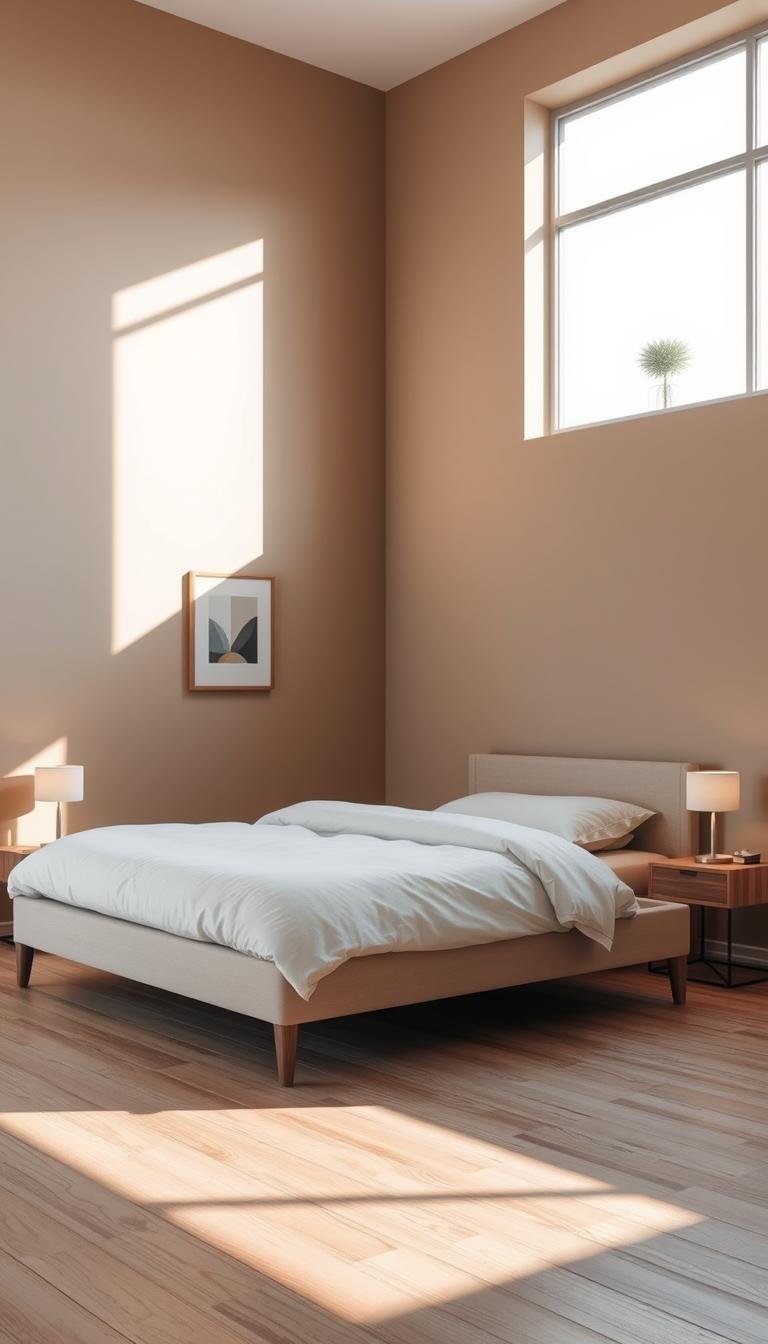
Imagine walking into your personal sanctuary at the end of a long day. Your space feels open, peaceful, and completely yours. This is the power of a well-designed sleeping area.
This approach to creating your room focuses on simplicity and functionality. It means choosing only what truly matters and brings you joy. The result is an environment that promotes relaxation and better rest.
Your sleeping quarters can transform into a tranquil retreat with intentional choices. Some prefer sparse arrangements while others add curated touches. The goal remains the same: a personalized haven that feels both serene and organized.
We’ll explore practical ways to achieve this look and feel. These concepts help you create a comfortable environment that supports your well-being. Discover how thoughtful design can make your space work beautifully for you.
What Defines a Minimalist Bedroom?
Think of your sleeping area as a blank canvas. Every item you place there should add value to your life. This approach is about more than just looks—it’s a mindset.
At its heart, this design philosophy centers on three core ideas. Simplicity, functionality, and a clutter-free space work together to shape your environment. Each element plays a specific role in creating harmony.
Simplicity means clean lines and limited decoration. A restrained color palette helps your mind relax. Ornamentation takes a back seat to open, breathable areas.
Functionality ensures every object serves a purpose. Your bed offers comfort and rest. A dresser provides storage without attracting mess. Even your lighting should have a clear role.
A clutter-free room is essential for peace. This is achieved through intentional organization and regular decluttering. You keep only what you truly need or love.
Your personal version of this style can vary widely. Some prefer a mattress directly on the floor for an ultra-simple look. Others include a bed, nightstand, and a single lamp.
“Have nothing in your house that you do not know to be useful, or believe to be beautiful.”
The goal is to create a room that feels uniquely yours. It should support deep rest and daily comfort. Your choices reflect what matters most to you.
This style isn’t about emptiness—it’s about meaning. By focusing on essential pieces, you make better use of your space. You design a room that truly serves you.
As you consider your own space, think about what “minimal” means for you. Your ideal room might look different from someone else’s. The principles, however, remain timeless and effective.
Up next, we’ll explore the surprising benefits this approach brings to your life. You’ll see how a calm, organized space can improve your well-being in many ways.
The Surprising Benefits of a Minimalist Sleep Space
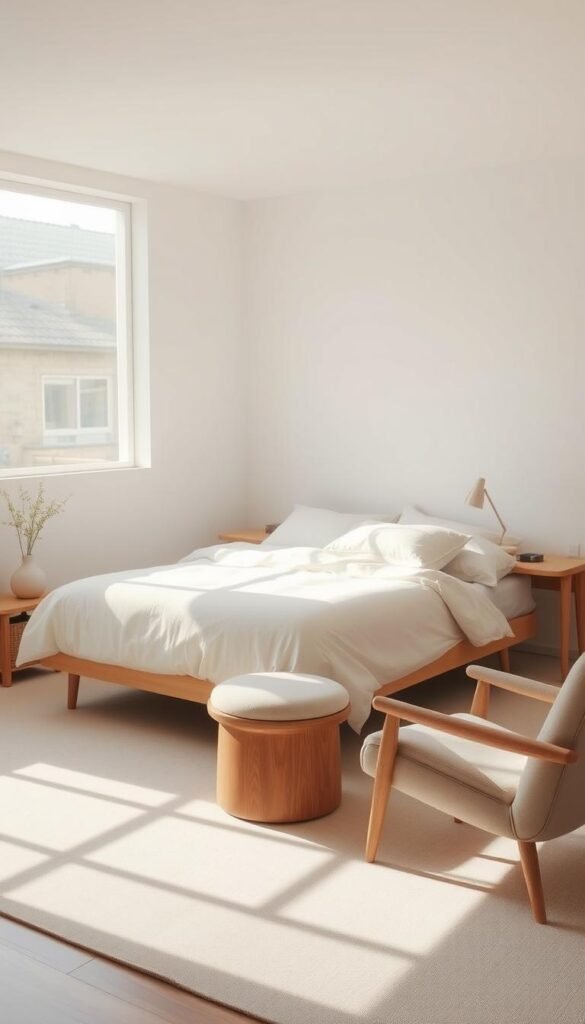
Your sleep environment directly impacts your mental and physical well-being every single night. A simplified approach to your personal retreat offers rewards that go far beyond aesthetics.
Reducing visual clutter in your sleeping area significantly lowers stress levels. When your eyes aren’t constantly processing unnecessary items, your mind can truly unwind. This creates a peaceful atmosphere that supports deeper relaxation.
Sleep quality improves dramatically in an organized space. Without distractions, your brain associates the room solely with rest and recovery. This mental conditioning helps you fall asleep faster and enjoy more restorative sleep.
Every element in a thoughtfully designed bedroom serves a specific purpose. This intentional approach creates a sense of harmony and order. You’ll notice how this thoughtful design contributes to your overall comfort.
The psychological benefits extend beyond nighttime hours. Waking up in a serene environment sets a positive tone for your entire day. Mornings become more peaceful and productive when you’re not surrounded by chaos.
Research shows that organized spaces reduce anxiety and improve focus. By removing excess items, you create mental clarity along with physical space. Your sleeping area becomes a true sanctuary for recharging.
“Simplicity is the ultimate sophistication.”
Consider how a clear surface instead of a crowded nightstand changes your evening routine. You can place a book and water glass without fighting for space. Small changes like this make your wind-down ritual more enjoyable.
The overall feel of your personal retreat should promote complete relaxation. When every object has meaning and purpose, the entire space works together beautifully. This creates an environment where you can truly recharge.
These benefits demonstrate that this approach is about more than just appearance. It’s a functional style that supports your well-being in multiple ways. The simplicity of your space directly contributes to your quality of life.
As we explore practical ideas in the following sections, remember these significant advantages. Even small changes can yield impressive improvements in your daily comfort and rest.
Start With Your Color Palette: The Foundation of Calm
Your color scheme forms the visual foundation of your entire space. It influences both the look and feel of your environment. Thoughtful selection creates a cohesive atmosphere that supports relaxation.
Embrace a Neutral Base
Neutral colors create simplicity and tranquility in your bedroom. They form a calm backdrop for your entire design. This approach keeps your space feeling open and breathable.
White offers a bright, airy feel that makes rooms appear larger. It creates a clean and fresh atmosphere perfect for rest. Many find this shade ideal for creating a serene environment.
Beige adds warmth and sophistication to your personal space. This versatile neutral pairs well with various other tones. It creates an inviting environment that feels both cozy and refined.
Gray provides remarkable versatility with both cool and warm options. It adds depth while maintaining tranquility throughout your room. This shade works beautifully in various lighting conditions.
Introduce Subtle Accent Colors
Accent colors add visual interest without overwhelming your space. They should complement rather than dominate your neutral base. The key is intentional and sparing use throughout your room.
Pastel shades like soft pink or light blue create soothing atmospheres. These gentle hues add personality while maintaining calm. They work beautifully against neutral backgrounds.
Earth tones such as taupe or olive green bring natural elements indoors. These colors create grounding effects in your personal space. They add warmth without sacrificing simplicity.
Terracotta accents introduce organic warmth to your design. This earthy shade pairs beautifully with neutral foundations. It adds character while keeping your space feeling tranquil.
Choose colors that resonate with your personal taste and style. Your palette should reflect what brings you peace and joy. This creates a harmonious environment that truly feels like yours.
Your color choices set the stage for all other design elements. They influence furniture selection, textiles, and decorative touches. A well-considered palette makes subsequent decisions much easier.
Your Guide to 20 Minimalist Bedroom Ideas That Are Calm and Clean
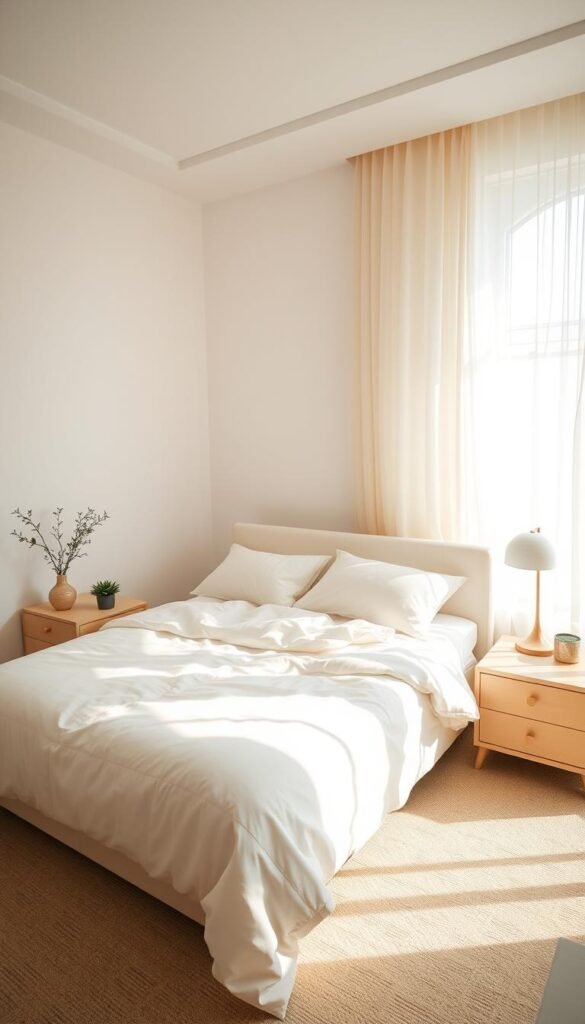
Ready to transform your personal retreat? This comprehensive guide offers practical approaches to create your ideal sleep environment. Each suggestion focuses on achieving both beauty and function in your space.
These concepts cover every aspect of your room’s design. You’ll discover solutions for color schemes, furniture selection, and smart storage. Lighting options and decorative touches complete the picture.
Every recommendation follows core principles of simplicity and purpose. They help you create an environment that supports true relaxation. Your space becomes both visually appealing and deeply functional.
These ideas draw inspiration from real-world successful designs. Neutral color palettes create peaceful backgrounds. Streamlined furniture maintains clean sight lines throughout your room.
You can mix and match these concepts to suit your personal taste. Whether you prefer stark simplicity or gentle minimalism, there’s something for you. The goal is creating a space that feels authentically yours.
“The ability to simplify means to eliminate the unnecessary so that the necessary may speak.”
These approaches will transform your room’s overall look and feel. They enhance daily comfort and support better rest. You’ll notice improved focus in your beautifully organized space.
Upcoming sections explore each idea in detail with specific examples. You’ll find clear explanations and practical implementation tips. Every suggestion helps you move closer to your ideal environment.
| Design Area | Key Focus Points | Expected Outcome |
|---|---|---|
| Color Schemes | Neutral bases, subtle accents | Calm visual foundation |
| Furniture Selection | Clean lines, multifunctional | Organized space |
| Storage Solutions | Hidden compartments, built-ins | Clutter-free surfaces |
| Lighting Design | Layered ambient light | Relaxing atmosphere |
| Decorative Elements | Intentional, meaningful | Personalized interest |
Start exploring these ideas today. Even small changes can create significant improvements in your daily life. Your journey toward a more peaceful sleep environment begins now.
Focus on a Monochromatic Color Story
Your color choices create the mood for your entire personal retreat. A single-color approach brings harmony and calm to your environment. This method uses various shades of one hue throughout your space.
Monochromatic schemes create visual cohesion without overwhelming your senses. They reduce visual clutter while maintaining depth and character. Your eyes move smoothly through the room without distraction.
This approach supports the core principles of thoughtful design. It emphasizes simplicity while allowing personal expression. You create a unified look that feels both intentional and relaxing.
The Serene All-White Retreat
White creates an airy, spacious feel in any sleeping area. It reflects light beautifully and makes rooms appear larger. This clean backdrop promotes mental clarity and peace.
Different white shades add subtle variation to your scheme. Warm whites create cozy atmospheres while cool whites feel crisp. You can mix textures to maintain visual interest.
White bedding against white walls creates seamless elegance. This approach works beautifully with natural materials like wood or linen. The result is a tranquil environment that feels both fresh and inviting.
Warm and Grounding Beige Tones
Beige brings natural warmth and sophistication to your personal space. This versatile neutral creates a cozy yet refined atmosphere. It works well with various lighting conditions throughout the day.
Different beige tones can create depth without contrast. Lighter shades keep the room feeling open and airy. Darker variations add richness and grounding energy.
This palette pairs beautifully with natural textures and materials. It creates a welcoming environment that feels both comfortable and elegant. Your space becomes a true sanctuary for relaxation.
Sophisticated Shades of Gray
Gray offers remarkable versatility for your sleeping environment. Cool grays create modern, serene atmospheres. Warm grays add comfort and sophistication to your personal retreat.
This color family provides excellent depth and dimension. Lighter grays maintain airiness while darker shades add drama. You can create a layered look that feels both cohesive and interesting.
Gray serves as a perfect backdrop for accent elements. It allows artwork or textiles to stand out beautifully. This approach creates a balanced environment that feels both curated and calm.
“Color is a power which directly influences the soul.”
Texture plays a crucial role in monochromatic schemes. Different materials add visual and tactile interest without introducing new colors. This prevents your single-color approach from feeling flat or monotonous.
Consider how various tones of one color can transform your space. These harmonious palettes create calming environments that support restful sleep. They establish a peaceful foundation for your entire room.
Your color story sets the stage for furniture and decorative elements. It creates unity throughout your personal environment. This cohesive approach enhances both the beauty and functionality of your space.
Next, we’ll explore how to choose furniture that complements your color scheme. Clean lines and purposeful design will complete your tranquil retreat.
Choose Furniture With Clean Lines and Purpose
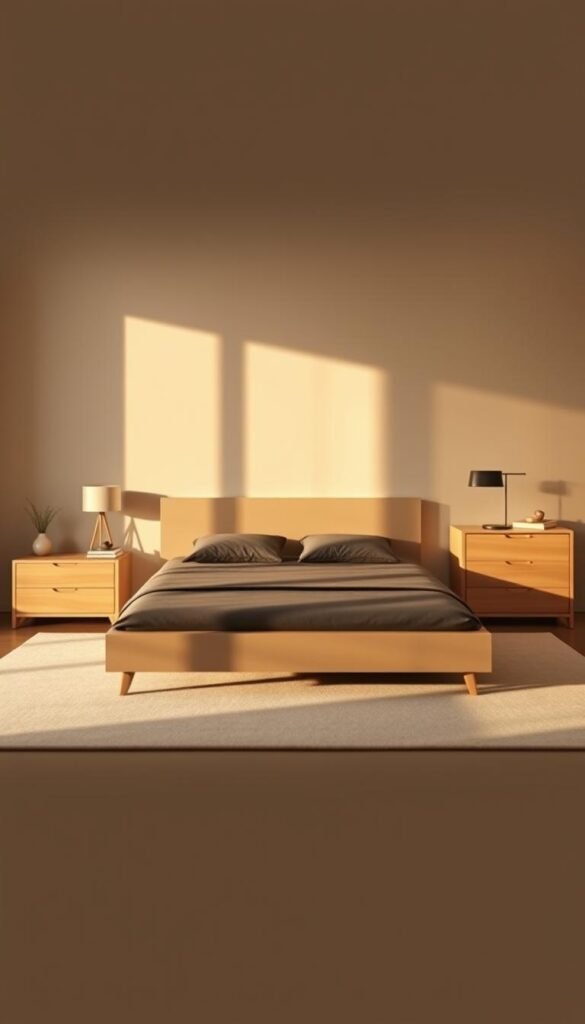
Your furniture selection shapes the entire atmosphere of your personal retreat. Each piece should contribute to both function and visual harmony. Thoughtful choices create an environment that supports your daily comfort.
Clean lines and purposeful design define this approach to furnishing your space. Every item should serve a clear function while enhancing the overall aesthetic. This creates a cohesive look that feels both intentional and relaxing.
A Low-Profile Platform Bed
Your bed becomes the centerpiece of your sleeping environment. A platform bed offers a simple, grounded presence in your room. This style eliminates the need for a box spring, creating a streamlined profile.
The low height creates an open feel that makes your space appear larger. Many find this design promotes better rest through its stable foundation. It establishes a clean, modern look that anchors your entire room.
Choose materials that complement your personal style. Wood brings natural warmth to your space. Metal offers a sleek, industrial feel. Upholstered options add soft texture and comfort.
Streamlined and Functional Dressers
Storage solutions should maintain visual simplicity in your bedroom. A streamlined dresser provides necessary function without creating clutter. Smooth surfaces and minimal hardware keep the look clean and organized.
Consider proportions that fit your space comfortably. The right size dresser offers ample storage without dominating the room. This balance ensures your furniture serves you without overwhelming your environment.
Look for pieces with hidden compartments or integrated handles. These details maintain the clean lines essential to this style. Your storage becomes both practical and aesthetically pleasing.
Space-Saving Floating Nightstands
Floating nightstands maximize your floor space beautifully. They mount directly to the wall, creating an airy feel in your room. This approach keeps surfaces clear while providing space for essentials.
These functional pieces offer just enough surface area for nightly needs. A book, reading glasses, or water glass fit perfectly. The open area beneath contributes to the spacious feel of your environment.
Floating options work with various design styles. They complement platform beds and streamlined dressers perfectly. This creates a cohesive look throughout your personal space.
“Furniture should always be chosen for both its beauty and its utility.”
Your furniture choices directly impact your daily comfort and rest. Each piece should enhance your routine while maintaining visual harmony. This thoughtful approach creates a bedroom that truly serves your needs.
| Furniture Type | Key Features | Benefits for Your Space |
|---|---|---|
| Platform Bed | Low profile, no box spring needed | Creates open feel, modern look |
| Streamlined Dresser | Minimal hardware, smooth surfaces | Functional storage, reduces visual clutter |
| Floating Nightstand | Wall-mounted, compact design | Saves floor space, maintains clean lines |
These furniture ideas work together to create an organized environment. They maximize your available space while minimizing visual distraction. Your room becomes a true sanctuary for relaxation and renewal.
Next, we’ll explore how hidden storage solutions complete your organized space. These concepts build upon your furniture foundation beautifully.
Master the Art of Hidden Storage
The true magic of an organized room lies in what you don’t see. Hidden storage solutions maintain your space’s clean aesthetic while providing essential function. They keep your environment clutter-free without sacrificing accessibility.
Thoughtful concealed storage transforms how you experience your personal retreat. It creates visual calm while ensuring everything has its proper place. This approach supports both your practical needs and design goals.
Utilize Under-Bed Storage Solutions
Your bed frame offers valuable real estate for smart organization. Low-profile drawers slide neatly beneath your mattress platform. They’re perfect for seasonal clothing, extra bedding, or specialty items.
Flat storage containers work beautifully for less frequently used belongings. Choose clear bins for easy identification of contents. Alternatively, matching opaque containers maintain visual consistency.
Some bed frames include integrated storage compartments. These built-in solutions provide seamless organization. They keep essentials close yet completely out of sight.
Built-In Wardrobes and Shelving
Custom built-ins maximize your available space beautifully. They integrate perfectly with your room’s architecture. This creates a cohesive look that feels intentional and polished.
Floor-to-ceiling storage systems utilize vertical space effectively. They provide ample room for clothing, accessories, and personal items. The clean lines maintain your desired aesthetic.
Recessed shelving offers display space without protruding into your room. It creates depth and interest while maintaining smooth surfaces. This approach works wonderfully for books or decorative objects.
“Good storage is about creating a home for everything, not just hiding things away.”
These storage solutions enhance your daily comfort significantly. You’ll enjoy easier mornings with everything organized and accessible. Your space remains tranquil and inviting throughout the day.
Consider these practical tips for maximizing your storage:
- Measure your available space before selecting storage solutions
- Choose containers that match your color scheme
- Label everything for quick identification
- Regularly edit your stored items to prevent accumulation
Hidden storage represents the core principle of thoughtful design. It demonstrates how function and beauty can work together harmoniously. Your space becomes both practical and visually pleasing.
This organized foundation sets the stage for beautiful lighting and textiles. A clutter-free environment allows other design elements to shine. Your room achieves the perfect balance of form and function.
Layer Your Lighting for Ambiance
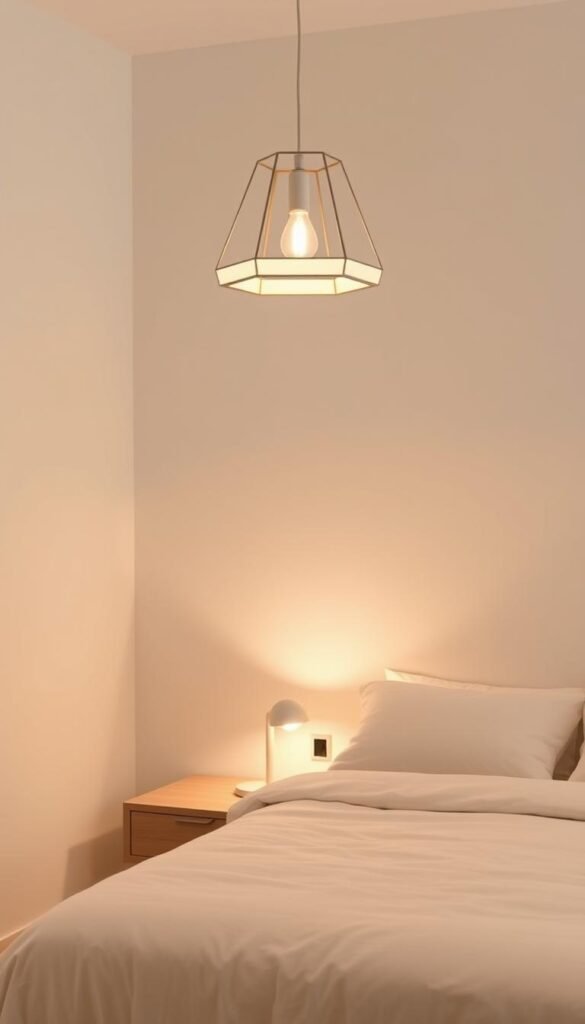
Light transforms your personal retreat throughout the day. It creates atmosphere and supports your daily routines. Thoughtful illumination makes your environment both beautiful and functional.
Layered lighting combines different sources for perfect balance. Natural and artificial light work together beautifully. This approach enhances both the look and feel of your space.
Sheer Curtains for Soft Natural Light
Sheer curtains filter sunlight gently into your room. They create a soft, airy feel while maintaining privacy. This treatment allows natural illumination without harsh glare.
These lightweight fabrics complement various color schemes. They work beautifully with neutral palettes and simple furniture. The result is a tranquil atmosphere that feels open and inviting.
Choose sheer materials that match your overall style. They add subtle texture and movement to your windows. This touch enhances natural light throughout the day.
Stylish Pendant Lights or Wall Sconces
Pendant lights offer focused illumination with clean lines. They provide overall lighting without occupying surface space. Their simple shapes complement minimalist design perfectly.
Wall sconces create excellent reading light beside your bed. They free up nightstand space while adding visual interest. Choose fixtures with neutral finishes for cohesive integration.
Both options add modern touch to your personal environment. They provide practical function while enhancing the overall aesthetic. Your lighting becomes both useful and decorative.
“Lighting is what really creates the atmosphere and the comfort of a room.”
Consider these placement tips for optimal results:
- Mount sconces at eye level when seated in bed
- Center pendant lights over key areas like reading nooks
- Use dimmers to adjust brightness throughout the day
- Choose warm-toned bulbs for cozy evening ambiance
Your lighting choices should complement other elements in your room. They work with your color palette and furniture selections. This creates harmony throughout your personal retreat.
Intentional illumination supports your overall comfort and relaxation. It sets the mood for restful evenings and peaceful mornings. Your space becomes a true sanctuary for recharging.
Next, we’ll explore how textiles add warmth and texture to your environment. These elements build upon your lighting foundation beautifully.
Incorporate Texture for Visual Warmth
Texture introduces subtle dimension to your sleep environment without overwhelming simplicity. It creates visual interest through tactile surfaces that complement your clean design. This approach adds warmth while maintaining the serene atmosphere you value.
Thoughtful texture selection enhances your space’s comfort and character. Natural fabrics bring organic warmth to neutral color palettes. They create depth without introducing clutter or bold colors.
Your textiles should feel intentional and harmonious with your overall style. Mix different materials for layered interest while keeping the look cohesive. This balanced approach creates a space that feels both curated and inviting.
Idea 11: Neutral and Texture-Rich Bedding
Your bed becomes the focal point of comfort through quality textiles. Choose neutral bedding with interesting textures for cozy appeal. Materials like linen, cotton, or wool create inviting surfaces that encourage relaxation.
Linen offers a relaxed, breathable feel that works beautifully in any season. Its natural texture adds visual interest without pattern or color. This material develops a soft character over time.
High-quality cotton provides crisp simplicity and easy care. Egyptian or Pima cotton offers luxurious softness with minimal maintenance. These fabrics create a clean, comfortable sleeping surface.
“Texture is the unsung hero of interior design—it adds soul to simplicity.”
Idea 12: Lightweight Fabric Curtains
Window treatments should enhance natural light while adding softness. Lightweight fabrics like cotton or linen create airy atmospheres. They filter sunlight gently throughout the day.
These materials maintain visual lightness while providing privacy. Their subtle texture adds dimension to windows without heavy presence. Choose neutral tones that complement your wall color.
Sheer curtains allow maximum light penetration during daytime hours. They create a soft, glowing effect that enhances your room’s spacious feel. This approach maintains openness while adding tactile elements.
| Textile Type | Best Features | Room Impact |
|---|---|---|
| Linen Bedding | Breathable, natural texture | Relaxed elegance, cozy comfort |
| Cotton Bedding | Crisp, easy maintenance | Clean simplicity, fresh feel |
| Linen Curtains | Light filtering, organic texture | Soft light diffusion, airy atmosphere |
| Cotton Curtains | Versatile, various weights | Customizable light control, subtle warmth |
Consider these tips for choosing your textiles:
- Select fabrics that suit your climate and personal comfort preferences
- Mix textures for layered interest while maintaining color harmony
- Choose machine-washable materials for easy maintenance
- Test fabric samples in your room’s lighting before purchasing
Texture creates a tactile environment that supports relaxation. It adds personality to your space without visual clutter. These elements work together to create a serene retreat that feels both comfortable and intentional.
Your textile choices set the stage for decorative elements. They provide the foundation for artwork and accessories. Next, we’ll explore how intentional decor completes your personalized space.
Select Intentional Decor and Accessories
Every item in your personal space should tell your story. Thoughtful decoration adds personality without overwhelming your environment. This approach keeps your room feeling both curated and calm.
Choose pieces that bring you joy and serve a purpose. Each addition should enhance your daily comfort. Your decor becomes an extension of your personal style.
These elements work with your existing color palette and furniture. They add visual interest while maintaining simplicity. Your space feels complete yet never crowded.
Black and White Photographic Art
Black and white photography brings timeless elegance to your walls. These pieces create striking contrast against neutral backgrounds. They add sophistication without introducing color complexity.
Choose images that resonate with your personal taste. Landscapes, architecture, or abstract compositions work beautifully. The monochromatic palette complements various design styles.
Frame your selections in simple, clean-lined frames. This maintains the overall aesthetic of your room. The artwork becomes a focal point without dominating the space.
Simple Abstract Prints
Abstract art introduces modern artistry to your environment. Look for prints with muted tones or clean geometric shapes. These pieces add visual interest while maintaining tranquility.
Choose artwork that complements your existing color scheme. Soft grays, beiges, or subtle blues work particularly well. The abstract nature allows for personal interpretation.
Place these prints where they can be appreciated without crowding. A single larger piece often works better than multiple small ones. This creates a bold statement without clutter.
Low-Maintenance Plants like Succulents
Plants bring natural beauty and life into your room. Low-maintenance varieties require minimal care while providing maximum impact. They add organic texture and improve air quality.
Succulents thrive with indirect light and occasional watering. Their sculptural forms create living art in your space. Snake plants and pothos are other excellent choices.
Group plants on a windowsill or place a single specimen on your nightstand. This introduces nature without creating maintenance stress. Your room feels fresher and more connected to the outdoors.
“The details are not the details. They make the design.”
Consider these placement tips for optimal impact:
- Hang artwork at eye level when standing or sitting in bed
- Group plants where they receive appropriate light
- Leave adequate space around each decorative piece
- Edit your decor regularly to maintain simplicity
| Decor Type | Key Characteristics | Room Impact |
|---|---|---|
| Black & White Photography | Timeless contrast, emotional depth | Adds sophistication, visual focus |
| Abstract Prints | Modern appeal, interpretive quality | Creates artistic interest, personal connection |
| Low-Maintenance Plants | Natural beauty, air purification | Brings life, organic texture |
Your decorative choices should reflect what matters to you. They complete your personal sanctuary with meaning and beauty. These finishing touches make your space truly yours.
Next, we’ll explore how architectural details can enhance your room’s character. These elements build upon your decorative foundation beautifully.
Embrace Architectural and Textural Details
Thoughtful details transform your personal retreat from simple to spectacular. These elements add depth and character without compromising your clean aesthetic. They create visual rhythm and tactile appeal throughout your space.
Architectural features introduce structure and dimension to your walls. Textural elements bring warmth and sensory interest to surfaces. Together, they elevate your environment while maintaining peaceful simplicity.
Fluted or Slatted Wall Panels
Wall panels create beautiful vertical rhythm in your sleeping area. Fluted designs offer gentle curves that catch light beautifully. Slatted options provide clean linear patterns that add modern appeal.
These features work wonderfully behind your bed or on accent walls. They create focal points without overwhelming your space. The subtle shadow play adds dynamic interest throughout the day.
Choose materials that complement your existing color scheme. Natural wood brings organic warmth to neutral palettes. Painted options maintain color consistency while adding texture.
A Statement Textured Headboard
Your headboard becomes an artistic focal point in your room. Upholstered options offer plush comfort and soft visual appeal. Wooden designs bring natural grain patterns and earthy warmth.
Textured headboards create tactile interest where you rest each night. They anchor your bed beautifully without dominating the space. This feature combines both aesthetic and functional value.
Consider proportions that suit your room’s scale. A taller headboard makes a dramatic statement. Lower profiles maintain openness while adding character.
Integrated and Sculptural Lighting
Built-in lighting solutions merge form and function perfectly. Recessed sconces provide reading light without occupying surface space. They create clean, integrated illumination that feels part of your architecture.
Sculptural fixtures become artistic elements when not in use. Choose designs with interesting shapes or materials. These pieces add visual appeal while serving practical needs.
Consider lighting that enhances your textural elements. Directional lights can highlight wall panels or your headboard. This creates beautiful shadow patterns and depth.
“Architecture should speak of its time and place, but yearn for timelessness.”
These details should feel intentional and harmonious with your overall design. They enhance your space without creating visual clutter. Each element contributes to both beauty and comfort.
| Detail Type | Primary Benefit | Implementation Tip |
|---|---|---|
| Wall Panels | Adds vertical rhythm and depth | Use on one wall to create a focal point |
| Textured Headboard | Creates tactile comfort and visual interest | Choose materials that complement your bedding |
| Integrated Lighting | Combines function with sculptural beauty | Position to highlight architectural features |
Consider these practical tips for incorporating details:
- Start with one architectural feature to avoid overwhelming your space
- Choose materials that align with your existing color palette
- Test lighting placement during different times of day
- Edit carefully to maintain overall simplicity
These elements complete your personalized sanctuary beautifully. They add the final layer of character to your thoughtfully designed environment. Your room becomes both visually engaging and profoundly peaceful.
Curate a Truly Clutter-Free Environment
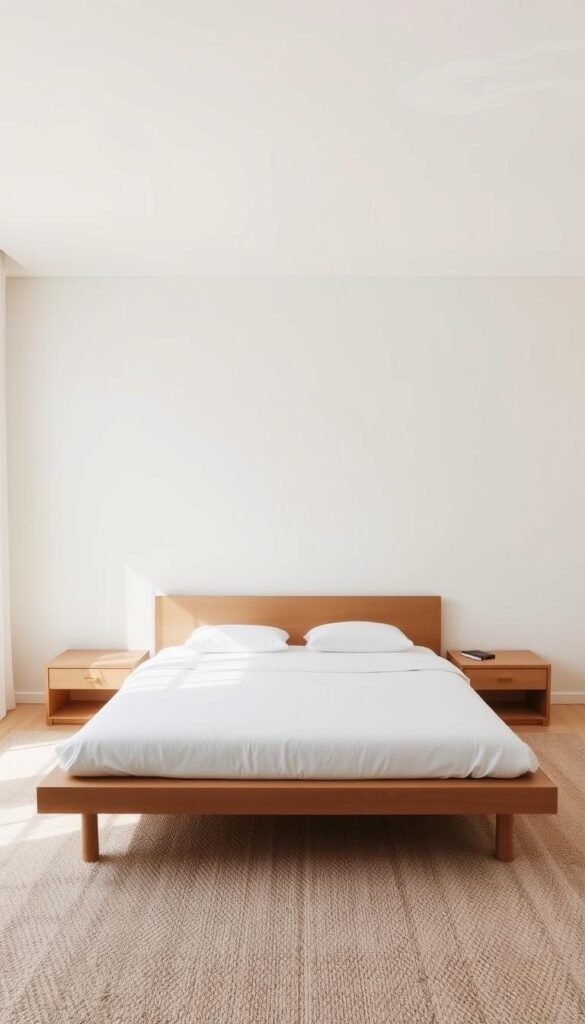
Maintaining your tranquil environment requires ongoing thoughtful habits. Your space stays beautiful through consistent attention to what enters and stays. This approach preserves the calm atmosphere you’ve created.
Regular maintenance prevents accumulation from disrupting your peace. Simple routines keep surfaces clear and belongings organized. Your room maintains its restful quality day after day.
Adopt the “One In, One Out” Rule
This practical approach helps balance your possessions beautifully. When you bring something new into your space, remove a similar item. This prevents gradual buildup that can undermine your design.
The rule applies to clothing, decor, and functional items alike. It encourages thoughtful consideration before acquiring new things. Your choices become more intentional over time.
This method maintains equilibrium in your personal environment. It supports the clean aesthetic you value while allowing necessary updates. Your space evolves without losing its essential character.
Schedule Regular Decluttering Sessions
Set aside time monthly or seasonally to reassess your belongings. Create three categories: keep, donate, and discard. This systematic approach makes the process manageable and effective.
Start with specific areas like clothing or decorative items. Be honest about what truly serves your comfort and joy. Let go of things that no longer align with your lifestyle.
Regular sessions prevent overwhelming accumulation over time. They become quick maintenance rather than major projects. Your space remains consistently organized and peaceful.
“The secret of happiness, you see, is not found in seeking more, but in developing the capacity to enjoy less.”
These habits significantly reduce daily stress and anxiety. Waking up to clear surfaces sets a positive tone for your entire day. Your mind associates the room solely with relaxation and rest.
Consider these effective decluttering tips:
- Handle each item individually during sorting sessions
- Ask yourself if each object serves a purpose or brings joy
- Create designated homes for items you choose to keep
- Establish a donation box for easy ongoing editing
Your consistent efforts maintain the focused atmosphere you cherish. The clean look and comfortable feel support your well-being beautifully. These practices become rewarding routines rather than chores.
Next, we’ll explore how to bring all these concepts together in your personal space. You’ll discover practical ways to implement each idea for lasting results.
How to Bring These Minimalist Ideas Into Your Bedroom
Creating your ideal retreat begins with simple steps. Start by clearing out items you no longer need or love. This fresh start lets you see your space with new eyes.
Choose a color palette that makes you feel at peace. Add furniture that serves clear purposes without clutter. Each piece should support your daily comfort and rest.
Layer lighting to create a soft, inviting atmosphere. Select textiles that add warmth without overwhelming the room. Keep decor meaningful and personal to you.
Remember, this is a journey rather than a quick fix. Small changes make a big difference over time. Your personalized sanctuary will evolve beautifully.
Focus on what brings you joy and supports better rest. Avoid trends that don’t align with your lifestyle. Your space should reflect your unique needs and preferences.
Enjoy creating an environment that promotes peace every day. This thoughtful approach transforms how you experience your room. You’ll love waking up in a space that feels truly yours.