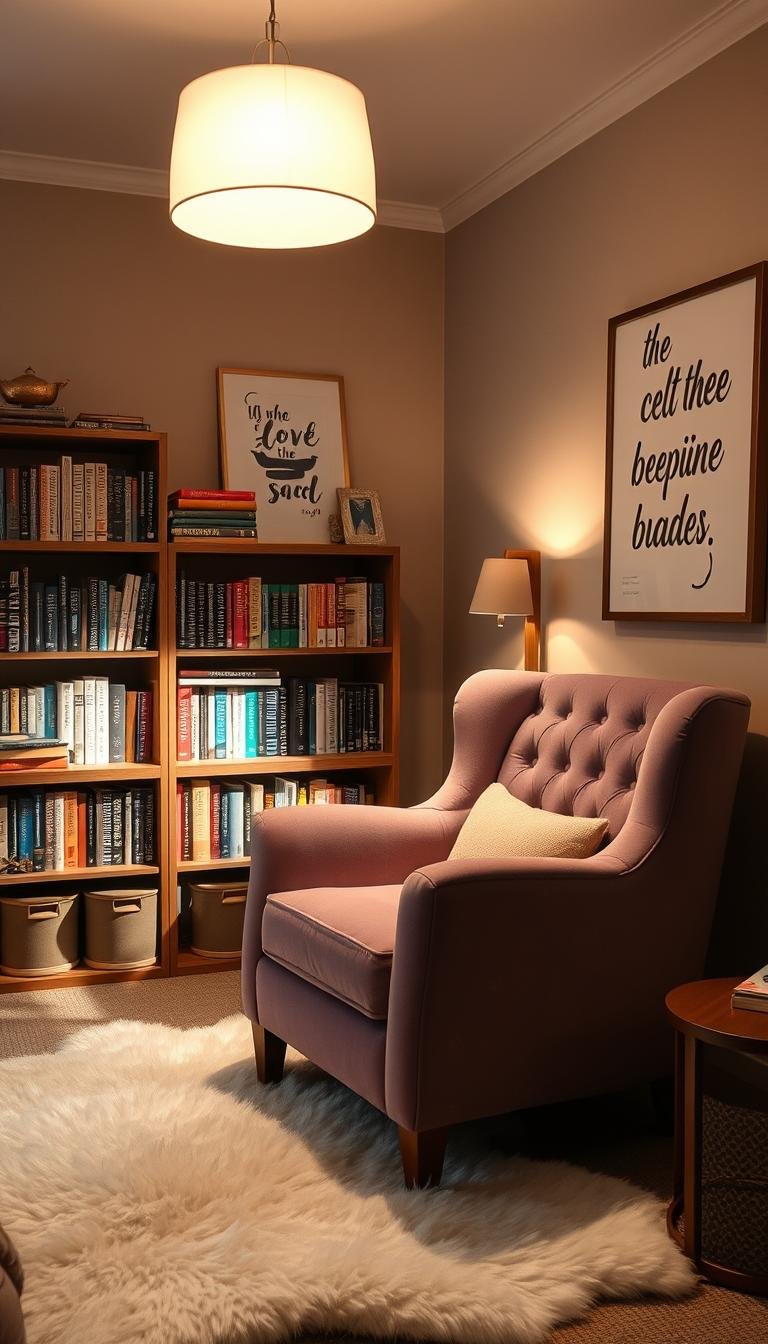
Imagine transforming a simple spot in your daughter’s room into a magical escape. A special space just for her can make all the difference. It turns reading into an adventure she’ll look forward to every day.
You don’t need a big budget or a huge room to create this cozy area. Even the smallest bedroom can have a wonderful nook. This personal place shows your child she’s valued and loved.
These creative design solutions grow with your kid over time. They adapt as her interests change. Think about her personality when planning this special home idea.
We’ll show you ways to build a world of stories right in her own bedroom. Let’s create a space where she’ll love to spend time with books!
Why Every Girl’s Bedroom Needs a Special Reading Nook
A personal book spot offers more than just a pretty place. It creates a sanctuary where young minds flourish. This dedicated area supports both emotional well-being and intellectual growth.
The Benefits of Having a Dedicated Reading Space
Children thrive with consistency. A special nook provides a reliable spot for daily reading habits. This consistency builds stronger focus and longer attention spans.
Kids develop better when they have their own territory. A reading space becomes their personal domain. It teaches responsibility and independence in a comforting way.
Psychological studies show that designated spaces improve relaxation. Your child’s brain associates this area with calmness and enjoyment. This mental connection makes reading more appealing.
| Benefit Type | Impact on Development | Long-Term Value |
|---|---|---|
| Cognitive Improvement | Better concentration & memory | Stronger academic performance |
| Emotional Security | Increased self-confidence | Healthier emotional regulation |
| Literacy Advancement | Faster reading comprehension | Lifelong love of learning |
How Reading Corners Encourage Literacy and Imagination
Books become magical when they have a proper home. A well-designed nook makes literature more inviting. Children naturally spend more time with books when they have a special spot.
Imagination flourishes in personalized spaces. Your child’s reading area can transform into any world from her books. This physical space makes stories feel more real and engaging.
Early literacy skills develop through regular practice. Having an appealing place encourages daily reading sessions. These consistent moments build vocabulary and comprehension naturally.
Children who enjoy their reading environment develop positive associations with books. This emotional connection lasts into adulthood. It creates lifelong learners who value knowledge and stories.
Essential Elements for the Perfect Reading Corner
Creating an amazing book nook requires three key components working together. The right combination makes this spot both functional and magical. These elements transform any area into a special retreat.
Comfortable Seating Options That Kids Love
Your child needs a cozy spot where she can relax with stories. Good seating supports different reading positions – sitting, lying down, or curled up. This flexibility keeps her comfortable during long reading sessions.
Consider these popular choices for young readers:
- Bean bag chairs that mold to her body
- Small armchairs designed for smaller frames
- Floor cushions and oversized pillows for flexibility
- Window seats with soft padding
Choose durable, washable fabrics that can handle everyday use. The right chair or seating arrangement makes all the difference. It creates that “just right” feeling for getting lost in books.
Give curling up with a good book a whole new meaning by styling your reading corner with comfortable textured throws and pillows
Proper Lighting for Strain-Free Reading Sessions
Good lighting protects young eyes and creates the perfect mood. Natural light works best during daytime hours. Position the reading corner near windows when possible.
For evening reading, consider these options:
- Adjustable desk lamps that direct light onto pages
- Floor lamps that provide overall illumination
- String lights for soft ambient glow
- LED lights with adjustable brightness settings
The right light prevents squinting and headaches. It makes reading more enjoyable and sustainable. Multiple lights offer flexibility for different times and activities.
Book Storage Solutions That Are Both Functional and Fun
Creative storage keeps books organized and accessible. The right solution makes it easy for your child to find and put away books. This encourages independence and responsibility.
Consider these clever ideas:
- Wall-mounted shelves that save floor space
- A small bookshelf at child’s height
- Colorful bins or baskets for book collections
- Multi-functional furniture with built-in storage
The best design makes books part of the decor. Open shelves display colorful covers like artwork. This way, the storage itself becomes an attractive feature.
Remember to scale everything to your child’s size. Furniture should be easy for her to use independently. This thoughtful way of arranging things promotes confidence and enjoyment.
Transform Unused Spaces into Cozy Reading Nooks
Your home holds hidden treasures waiting to become magical retreats. These overlooked areas can transform into the perfect reading spot. With some creativity, you can create something truly special.
Converting Closets into Hidden Reading Havens
That spare closet deserves better than becoming a junk collector. It can become a private sanctuary for stories. This clever idea creates intimacy and seclusion.
Start by clearing everything out. Measure the interior space carefully. A built-in reading bench with storage below works beautifully.
Add curtains or a door for privacy. This creates a true hideaway feel. Your child will love having her own secret place.
If you’re lucky enough to have a spare closet, make it a haven for reading—not a place to stash junk
Ensure proper ventilation and lighting. Battery-operated LED lights work well. Add comfortable cushions and soft textiles.
Utilizing Under-Stair Spaces for Built-In Reading Areas
The area under your stairs often goes unused. It’s perfect for creating a cozy nook. The angled ceiling adds charm and character.
Measure the height and depth carefully. Most under-stair spaces can accommodate a child comfortably. Built-in seating maximizes every inch.
Add shelves along the wall for book storage. Soft lighting creates a warm glow. Safety first – ensure the space remains accessible and secure.
Unused space under the stairs is one of the best areas for a built-in reading nook. The natural enclosure feels like a secret hideout. It’s a wonderful way to use awkward architecture.
Window Alcoves: Natural Light Reading Spots
Window seats offer the perfect combination of comfort and light. They provide excellent natural illumination. This makes reading easier on young eyes.
Measure your window area before building. Standard benches typically need 18-24 inches deep. Height should match your child’s comfort.
Add colorful trim to make the spot stand out. Bright blue or cheerful colors work beautifully. Storage below keeps books organized.
Consider adding curtains for light control. This design creates a versatile reading nooks solution. It becomes a favorite place in any room.
These transformations add value to your home. They create special memories too. Your child will treasure her unique reading nook.
Creative Reading Corner Ideas for Girls Bedrooms
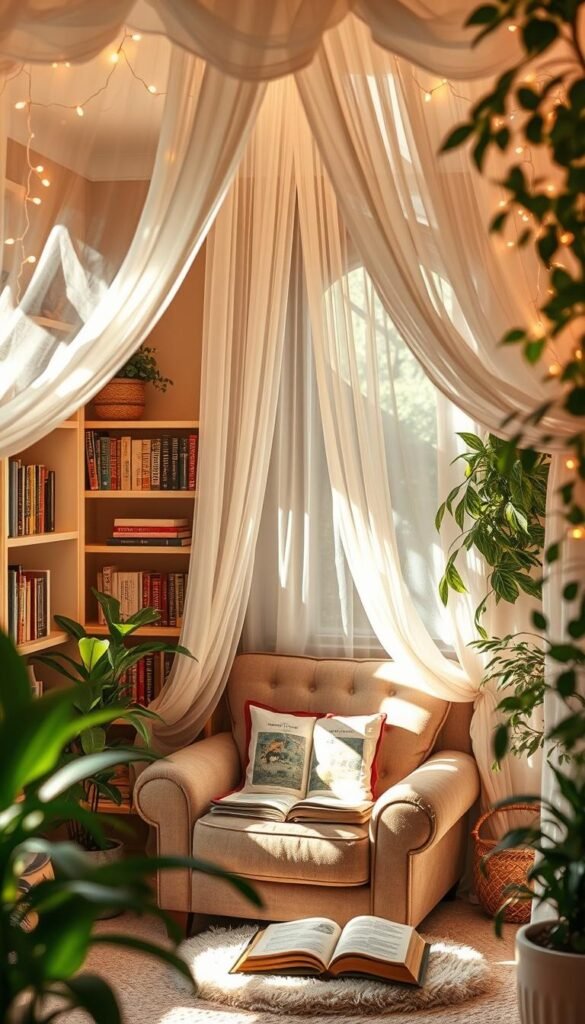
Your daughter deserves a special spot that sparks her imagination and love for stories. These creative approaches transform ordinary spaces into magical retreats. They combine comfort, function, and personality in perfect balance.
The Canopy Retreat: Dreamy and Private
A canopy creates instant magic and privacy in any room. It transforms an ordinary corner into a secret hideaway. This design works beautifully for creating intimate spaces.
Choose from simple fabric drapes to structured frames. Lightweight fabrics like tulle or chiffon create a soft, dreamy effect. For a more permanent solution, consider a wooden or metal frame.
Installation is simpler than you might think. Many canopy kits require basic tools and minimal time. You can create a beautiful retreat in just one afternoon.
Position your canopy near natural light sources when possible. This creates a lovely glow through the fabric. Add comfortable cushions and soft blankets inside for ultimate coziness.
Window Seat Wonders with Built-In Storage
Window seats offer the perfect combination of comfort and function. They provide excellent natural light for reading. The space below becomes valuable hidden storage.
Built-in benches can store extra linens, blankets, or pillows. Some designs even accommodate books and toys. This maximizes every inch of available space.
Measure your window area carefully before building. Standard benches typically need 18-24 inches depth. The height should match your child’s comfort level.
Consider adding colorful trim or patterned wallpaper on the surrounding walls. This makes the seat area stand out beautifully. Storage below keeps everything organized and accessible.
Colorful Themed Corners That Spark Joy
The right colors can transform a simple space into something extraordinary. Bright, cheerful hues create happy environments for reading. They stimulate creativity and joy.
Consider your daughter’s favorite colors when planning the decor. You might create a rainbow theme or focus on specific color families. Themed corners reflect her unique personality.
Age-appropriate themes can evolve over time. A fairy tale theme might transition to a more mature literary theme. This ensures the space grows with your child.
Coordinate colors throughout the entire reading nook. Matching pillows, shelves, and accessories create harmony. This thoughtful approach makes the space feel complete and intentional.
Remember to balance whimsy with functionality. The space should inspire imagination while remaining practical. This creates a spot she’ll love for years to come.
Magical Themed Reading Spaces She’ll Adore
Themed environments transform ordinary areas into extraordinary adventures. They create immersive worlds where stories come alive. Your child will absolutely love spending time in these magical settings.
Choose themes that spark imagination and creativity. These special spaces become more than just reading spots. They become portals to different realities.
Consider your child’s current interests when selecting a theme. Popular choices include fantasy castles, underwater explorations, and forest adventures. Each offers unique opportunities for creative expression.
Fairytale Castle Reading Nooks
Create a royal retreat fit for any young princess. Turret-inspired design elements add architectural interest. Use fabric drapes to simulate castle walls.
Royal accents make the space feel luxurious yet cozy. Consider adding a small throne-like chair or velvet cushions. Crown-shaped wall decals complete the regal atmosphere.
Stephen Kent Johnson observes how transformed spaces capture imagination:
“This charming fishing shack turned cottage is everything your bibliophile heart needs to escape”
Incorporate educational elements through storybook collections. Focus on tales of knights, dragons, and princesses. This thematic approach makes learning more engaging.
Underwater Adventure Themes
Dive into an oceanic world with blue and aqua color schemes. Marine decor creates a serene underwater feeling. Flowing fabric can simulate gentle water movement.
Consider these affordable DIY elements:
- Fish-shaped mobiles hanging from the ceiling
- Blue gradient wallpaper creating depth illusion
- Seashell and starfish decorations
- Netting draped across one wall
Safety first with all decorative materials. Ensure everything is securely mounted and non-toxic. Avoid small pieces that could pose choking hazards.
Enchanted Forest Hideaways
Bring nature indoors with woodland creature themes. Use natural elements like wood textures and leaf patterns. Green and brown color palettes create earthy warmth.
A simple tent structure can become a forest retreat. Add fairy lights for magical evening glow. Tree branch silhouettes on walls enhance the natural feel.
Frank Frances demonstrates how color inspires creativity:
“This Miami retreat features colorful touches inspired by 1980s Memphis design, from Kelley Johnson side tables to swirly rugs with pink splotches. Proof that a colorful fantasy doesn’t have to end in overly imaginative novel descriptions”
Balance theme intensity to avoid overwhelming the room. Choose a few key elements rather than covering every surface. This approach keeps the space comfortable and functional.
Themes should adapt as your child grows. Select elements that can be easily updated or removed. This flexibility ensures the bedroom nook remains relevant for years.
Lighting Solutions That Create the Perfect Ambiance
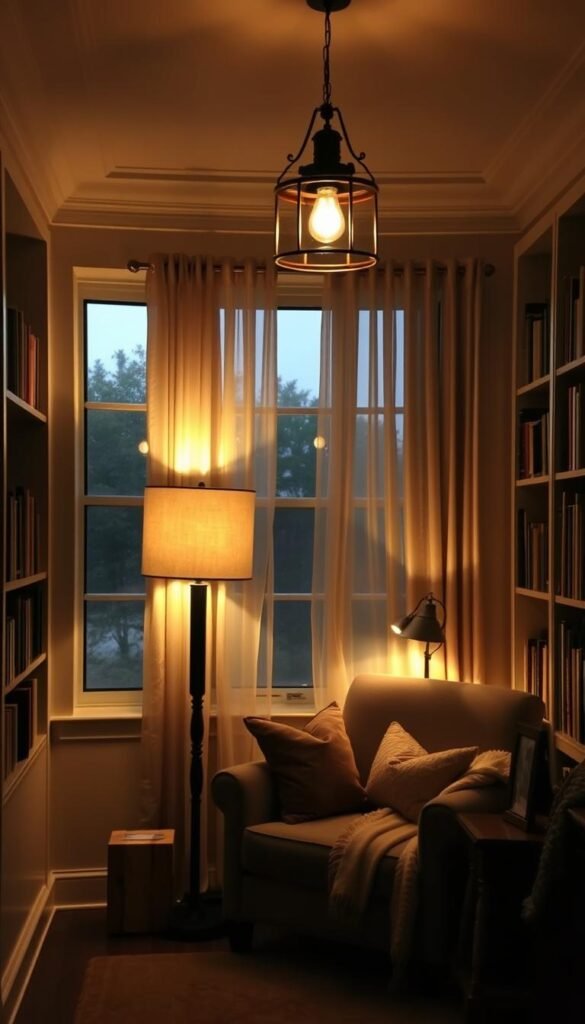
The right illumination transforms any spot into a magical retreat. Good lighting makes reading comfortable and enjoyable. It sets the mood for different activities throughout the day.
Layered illumination works best for creating versatile spaces. Combine different types for various needs and times. This approach offers both function and atmosphere.
Twinkle Lights and Fairy String Lighting
Fairy lights create instant magic in any room. They cast a soft, warm glow that feels inviting. These tiny bulbs transform ordinary areas into something special.
String them along walls or drape them from the ceiling. They work beautifully around furniture pieces too. The effect is pure enchantment for evening story sessions.
Drape Twinkle Lights Under the Stairs…the dark paint and the twinkling string lights really set the right vibe for a reading marathon
Choose battery-operated options for safety and flexibility. Look for cool-to-touch bulbs that won’t overheat. Always secure cords properly to prevent accidents.
Adjustable Reading Lamps for Different Times of Day
Task lighting ensures proper illumination for focused activities. Adjustable lamps direct light exactly where it’s needed. This prevents eye strain during longer reading sessions.
Consider these versatile options:
- Desk lamps with flexible necks for precise positioning
- Floor lamps with adjustable height settings
- Clip-on lights that attach to shelves or headboards
- Dimmable models for controlling brightness levels
Position lamps at child-friendly heights for easy access. Teach your child how to adjust them safely. This promotes independence while maintaining proper illumination.
Natural Light Maximization Techniques
Sunlight offers the best illumination during daytime hours. Position seating near windows to capture natural light. This creates an inviting atmosphere that changes throughout the day.
Use light-filtering window treatments instead of heavy drapes. Sheer curtains soften glare while allowing sunshine through. Adjustable blinds offer control over light intensity.
Mirrors strategically placed opposite windows amplify natural illumination. They bounce light around the room, making spaces feel brighter. This simple trick enhances any area without extra electricity.
Consider the sun’s path when arranging furniture. Morning light might work better for some spots than afternoon sun. Observe how light moves through the space at different times.
Comfortable Seating Options for Various Spaces
The right seating transforms any spot into an inviting retreat. It creates that perfect cozy feeling where your child will want to spend hours with books. Different options work better for different room layouts and personal preferences.
Consider your available space and your child’s age when choosing seating. Younger kids often prefer floor-level options they can access easily. Older children might appreciate more structured seating arrangements.
Bean Bag Chairs: Versatile and Cozy
Bean bag chairs offer incredible flexibility for any area. They mold to your child’s body for superior comfort. These chairs work well in corners or against walls.
Modern bean bags come in various sizes and materials. Look for washable covers that handle everyday use. Many feature non-toxic filling materials for safety.
Don’t have the time or the budget for built-ins? With little more than a bean bag and a few pillows, you can easily create a reading corner next to your bookshelf
Choose colors that complement your existing decor. Bright hues add cheerfulness to the room. Neutral tones create a calm atmosphere for focused reading.
Floor Cushions and Pillow Piles
Floor pillows create flexible seating arrangements children love. They can be rearranged easily for different activities. This way of seating encourages creative play.
Mix various sizes and textures for visual interest. Large floor cushions provide stable seating. Smaller accent pillows add comfort and style.
Consider these popular options:
- Bolster pillows for back support
- Square floor cushions for individual seating
- Round poufs that serve as seats or tables
- Memory foam pillows that maintain shape
Always choose machine-washable fabrics. This makes maintenance easy for busy families. Durable materials withstand years of use.
Small Armchairs Designed for Younger Readers
Child-sized armchairs offer proper support for growing bodies. They promote good posture during longer reading sessions. These chairs make children feel special and independent.
Look for chairs with these safety features:
- Wide bases that prevent tipping
- Rounded edges without sharp corners
- Non-toxic finishes and materials
- Appropriate weight limits for age groups
Many children’s chairs feature fun designs and colors. Some incorporate storage pockets for books. Others have adjustable heights to grow with your child.
| Seating Type | Best For Ages | Space Requirements | Maintenance Level |
|---|---|---|---|
| Bean Bag Chairs | 3-12 years | Medium floor space | Medium (cover washing) |
| Floor Cushions | 2-10 years | Flexible arrangement | High (frequent washing) |
| Small Armchairs | 4-14 years | Designated spot | Low (spot cleaning) |
Consider combining different seating types in one nook. A small armchair with floor pillows creates variety. This approach accommodates different moods and activities.
The right seating makes all the difference in creating a special place. It encourages your child to spend quality time with books. This investment in comfort pays dividends in literacy development.
Creative Storage Solutions for Book Collections
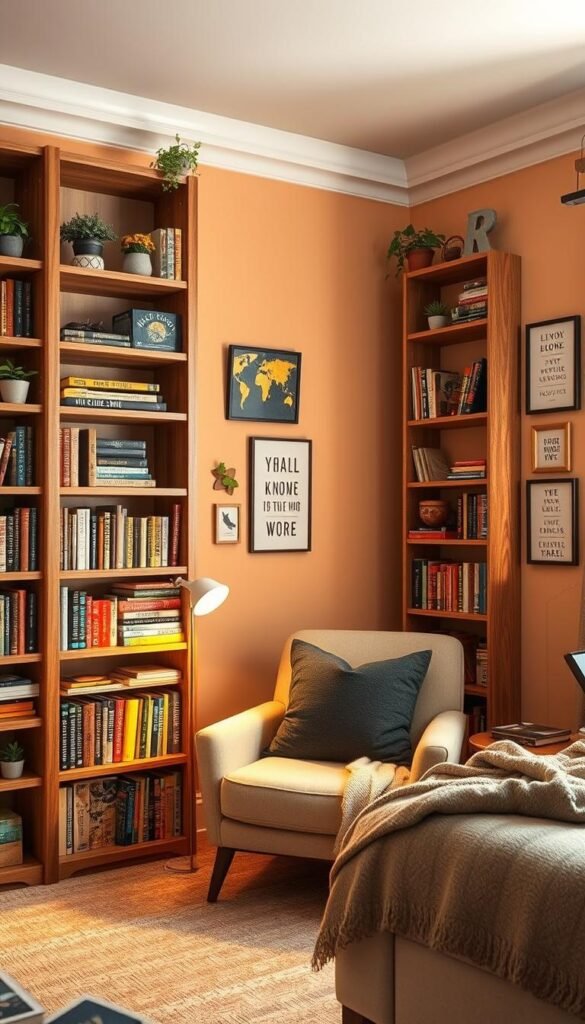
Keeping your child’s favorite stories organized and accessible transforms her special spot into a functional haven. Smart storage ideas make it easy for her to find and enjoy her collection. These clever systems encourage independence while keeping the room tidy.
Wall-Mounted Shelves That Save Floor Space
Floating shelves maximize vertical real estate beautifully. They keep precious floor space open for seating and play. Mount them at your child’s height for easy access.
Choose sturdy materials that handle frequent use. Anchor them securely into wall studs for safety. This prevents accidents while supporting growing collections.
Consider these popular options:
- Adjustable track systems that grow with your child
- Colorful acrylic shelves that add visual interest
- Custom-shaped shelves that follow themes or patterns
- Multi-level designs that create visual appeal
Color-Coded Book Organization
Organizing books by color creates a stunning visual display. This system makes finding favorites intuitive and fun. Children naturally remember their books by cover colors.
Start with rainbow order for the most dramatic effect. Group similar hues together for cohesion. This design approach turns storage into artwork.
Add simple labels with pictures for younger readers. Use clear bins for special collections. Rotate books seasonally to keep the display fresh.
Multi-functional Furniture with Hidden Storage
Double-duty pieces maximize every inch of available space. Look for ottomans with lift-up tops for hidden compartments. Bench seats can conceal storage for extra linens or pillows.
The Wooden Toolbox demonstrates clever space utilization:
“What was once wasted space is now a wide daybed-sized built-in book nook that lifts up to reveal tons of hidden storage space for extra linens, blankets, pillows, and more”
Consider these versatile options:
- Storage cubes that serve as seats and tables
- Bookshelf headboards with integrated lighting
- Window seats with drawers underneath
- Modular units that reconfigure as needs change
This smart approach keeps the place organized without sacrificing style. Your child will love discovering hidden compartments. It makes cleanup feel like a fun game.
Incorporating Personal Touches and Decor
Custom decor elements turn functional spaces into deeply personal retreats. These special details make your child’s reading nook feel uniquely hers. Personalization creates an emotional connection to the space.
Thoughtful touches transform ordinary areas into cherished sanctuaries. Your child will love spending time in a spot that reflects her personality. This approach makes the room feel more like home.
Displaying Favorite Artwork and Photos
Children’s creations deserve special recognition in their personal space. Displaying artwork adds color and personality to any area. Simple frames or clip systems make updating easy.
Consider these creative display ideas:
- Rotating gallery wires for easy art changes
- Magnetic boards for mixed media displays
- Clipboards arranged in playful patterns
- Floating shelves for dimensional pieces
gznbalik observes how personal items create comfort:
“Reading nooks don’t have to be streamlined and sophisticated. This one is filled with all kinds of knick-knacks that speak to the reader’s personality, but feels just as relaxing as any other space”
Include family photos to create warmth and connection. Change displays seasonally to keep the space fresh. Your child will enjoy seeing her creations celebrated.
Adding Plants for a Fresh, Natural Feel
Living plants bring vitality and beauty to reading areas. They improve air quality while adding natural texture. Choose varieties that thrive in indoor conditions.
silkreads recommends:
“Add Plenty of Plants…Fill the space with plenty of organic decor, like a rubber tree, succulents, or hanging plants that—quite literally—breathe life into the room”
Consider these child-safe options:
- Spider plants for easy care and air purification
- Succulents in colorful containers
- Pothos vines for trailing greenery
- African violets for cheerful blooms
Teach your child basic plant care responsibilities. This educational aspect connects her to nature. Plants create a calming, organic atmosphere.
Personalized Name Signs and Custom Elements
Name signs make children feel ownership of their special place. Custom elements transform generic spaces into personal retreats. These touches show your child she’s valued.
Explore these personalized design options:
- Wooden letters spelling her name
- Custom pillows with favorite quotes
- Name plaques above the reading area
- Monogrammed storage baskets
Involve your child in creating these special elements. DIY projects become cherished memories. The finished design reflects her unique personality.
Balance personal items with functional needs. Too many decorations can overwhelm the space. Choose pieces that serve both aesthetic and practical purposes.
| Plant Type | Care Level | Safety Features | Best Placement |
|---|---|---|---|
| Spider Plant | Easy | Non-toxic, pet-safe | Shelves or hanging |
| Succulents | Low maintenance | Generally safe | Windowsills |
| Pothos | Very easy | Toxic if ingested | High shelves |
| African Violet | Moderate | Non-toxic | Bright indirect light |
Personal touches create reading spaces that children truly connect with. These elements make the area feel uniquely theirs. Your child will cherish this special place for years.
Space-Saving Ideas for Smaller Bedrooms
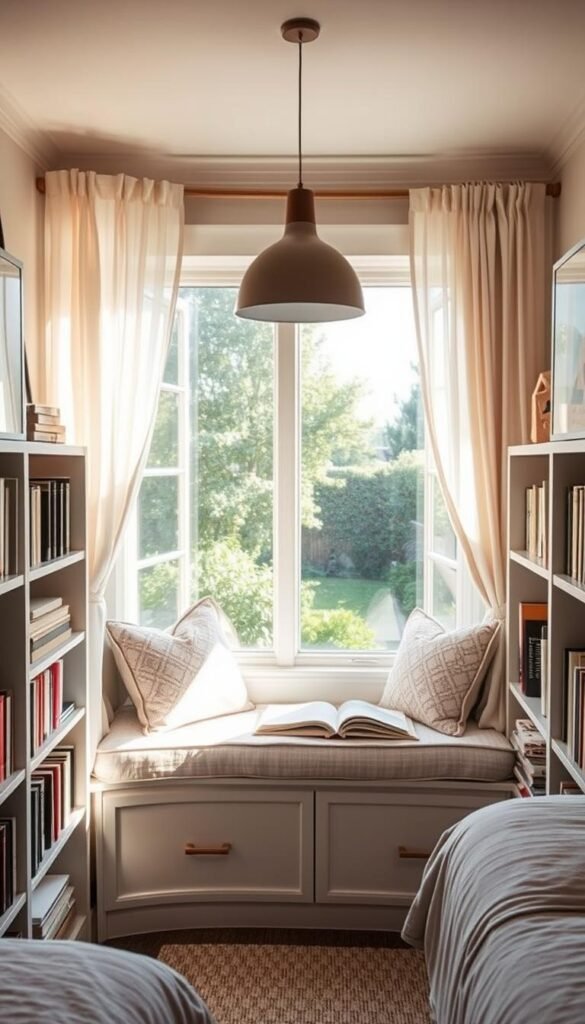
Small rooms require smart solutions that maximize every inch. You can create a wonderful reading spot even in compact areas. Clever design choices make the most of limited square footage.
Focus on vertical space and multi-functional pieces. These approaches create room for activities without clutter. Your child will enjoy a cozy area that feels spacious.
Corner Hammocks and Swing Chairs
Hanging seats add fun while saving valuable floor space. They create a playful atmosphere that children love. These options work perfectly in room corners.
Everyday Grace Designs suggests:
“Hang a Swing…Chances are you don’t have many (any?) swings inside the house, which makes this area extra desirable—especially for kids who need a little incentive to crack open a book”
Ensure proper installation for safety. Use heavy-duty anchors and check weight limits. Teach your child how to use the swing responsibly.
A Beautiful Mess offers creative inspiration:
“DIY a Hammock…you can DIY a hammock seat, so you can feel the joy of sitting in one even on days when the rain is pouring down”
Choose materials that support comfortable reading positions. Add cushions for extra coziness. This seating option makes reading time special.
Fold-Down Desks That Convert to Reading Spots
Wall-mounted desks provide workspace that disappears when not needed. They fold flat against the wall, freeing up floor area. This design works beautifully for small bedrooms.
Look for models with built-in storage compartments. Some include small shelves for book organization. Others feature built-in lighting for reading sessions.
Measure your available wall space before purchasing. Standard sizes range from 24 to 36 inches wide. Ensure the desk height matches your child’s comfort.
Teach your child how to operate the folding mechanism safely. This furniture grows with your kid over time. It serves multiple purposes in one compact unit.
Multi-purpose Furniture Arrangements
Double-duty pieces maximize functionality in limited spaces. Look for ottomans with hidden storage compartments. Beds with built-in drawers underneath save valuable area.
bibliovino recommends creative solutions:
“For small spaces, tuck your favorite books into a utility cart, like this one from the IKEA. This way, you can turn any old lounger, chair, or bed into your personal reading corner”
Consider these space-saving options:
- Storage benches that serve as seating and organization
- Bookshelf headboards with integrated lighting
- Nesting tables that provide surface space when needed
- Modular seating that reconfigures for different activities
Choose furniture that scales appropriately for the room. Smaller pieces create better traffic flow. This approach makes the area feel more open.
Light colors and mirrors enhance the sense of space. Strategic placement creates comfortable reading spots. Your child will enjoy her special place without feeling cramped.
Seasonal and Adaptable Reading Corner Concepts
Your child’s special spot can evolve with changing seasons and growing interests. Flexible design makes this area enjoyable year-round. It creates a versatile space that always feels fresh and inviting.
Adaptable arrangements work beautifully in any home. They accommodate different activities and moods. This smart approach keeps the place engaging through all stages of childhood.
Portable Reading Carts for Flexible Spaces
Mobile storage solutions offer incredible versatility for your room. Rolling carts let you create reading spots anywhere in your home. They transform ordinary areas into instant book corners.
bibliovino suggests a practical approach:
“For small spaces, tuck your favorite books into a utility cart, like this one from the IKEA. This way, you can turn any old lounger, chair, or bed into your personal reading corner”
Consider these popular cart features:
- Multiple shelves for organizing different book types
- Locking wheels for stability during use
- Side hooks for hanging reading accessories
- Lightweight construction for easy moving
Choose carts with neutral colors that blend with any decor. Your child will love having her library on wheels. It empowers her to create reading spots anywhere she wants.
Outdoor Reading Nooks for Nice Weather Days
Fresh air and sunshine create wonderful reading environments. Outdoor spaces offer unique opportunities for literary adventures. They make story time feel like a special occasion.
hannasanglar captures the magic perfectly:
“Who ever said your reading nook has to be indoors? Both adults and kids will fall in love with a dreamy hideaway tucked under a bountiful bush”
Weather-resistant materials ensure longevity outdoors. Look for furniture made from treated wood or synthetic wicker. Waterproof cushions protect against unexpected rain showers.
Create shaded areas for comfortable reading. Large umbrellas or canopy structures work beautifully. They provide protection from sun while maintaining air circulation.
Transformable Spaces That Grow With Your Child
Children’s interests evolve rapidly as they mature. Smart design accommodates these changes seamlessly. Transformable spaces remain relevant through different developmental stages.
Modular furniture systems offer excellent flexibility. They can be reconfigured as needs change. This way, the area grows alongside your child.
Neutral base elements allow for theme changes. Swap out accessories rather than entire furniture pieces. This approach is both economical and environmentally friendly.
Adjustable shelving accommodates different book sizes over time. Lower shelves work for picture books initially. Higher shelves later hold chapter books and novels.
| Element Type | Young Child Features | Older Child Adaptations | Transition Tips |
|---|---|---|---|
| Seating Options | Floor cushions, small chairs | Larger chairs, study desks | Use adjustable height furniture |
| Storage Solutions | Open bins, low shelves | Closed cabinets, higher shelves | Modular systems that expand |
| Lighting Features | Colorful night lights | Task lamps, reading lights | Dimmable multi-purpose lights |
| Decor Elements | Character themes | Abstract patterns, solid colors | Removable decals, swapable art |
Involve your child in the evolution process. Her input ensures the space reflects her current personality. This collaborative approach makes the area truly hers.
For more inspiration on creating versatile reading areas, explore these creative seasonal adaptation ideas that work for any space.
Color Psychology in Reading Corner Design
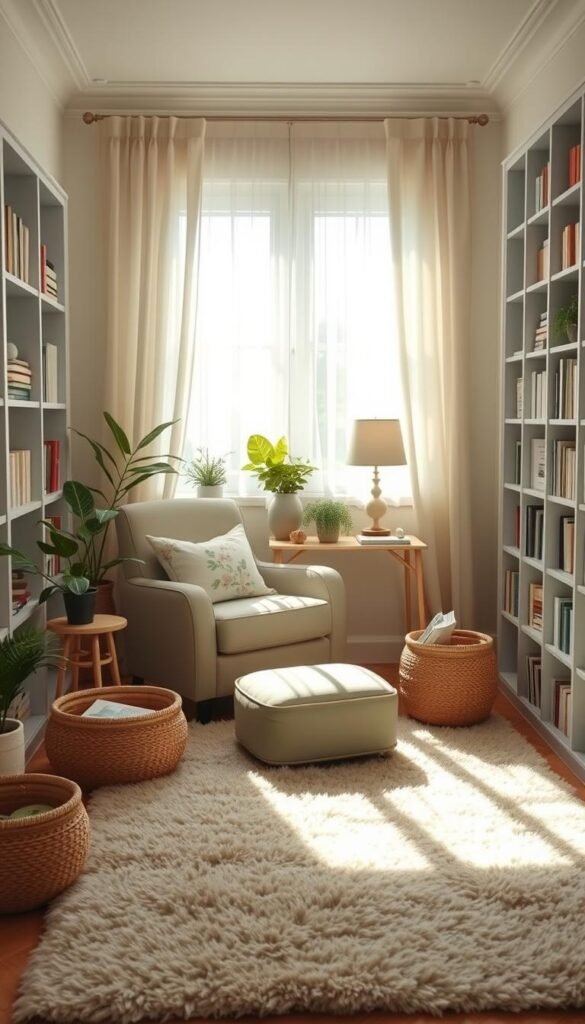
Colors transform ordinary spaces into extraordinary experiences. They influence mood, focus, and creativity in powerful ways. Your color choices create the perfect atmosphere for literary adventures.
Thoughtful color selection makes this special spot both functional and magical. It supports different activities from focused study to imaginative play. The right palette grows with your child over time.
Calming Colors for Focused Reading
Soft blues and greens create peaceful environments for concentration. These cool tones lower heart rates and reduce distractions. They help young minds focus on stories without interruption.
Neutral shades work beautifully for creating serene spaces. Designer Thom Filicia demonstrates this approach:
“This welcoming, neutral space in designer Thom Filicia’s home is begging to be frequented”
Consider these calming options:
- Soft blue tones that mimic peaceful skies
- Muted greens that bring nature indoors
- Warm grays that provide neutral backdrops
- Lavender shades that promote relaxation
Use these colors on larger surfaces like walls and furniture. They create a calm foundation for the entire area. Accent with brighter tones for visual interest.
Stimulating Colors for Creative Thinking
Warm colors spark imagination and energy in your special space. Yellows, oranges, and reds encourage creative thinking and excitement. They make reading time feel like an adventure.
Frank Frances shows how bold colors inspire creativity:
“This Miami retreat features colorful touches inspired by 1980s Memphis design, from Kelley Johnson side tables to swirly rugs with pink splotches”
Use stimulating colors in these effective ways:
- Accent walls behind bookshelves
- Colorful throw pillows and blankets
- Bright storage containers and organizers
- Artwork with vibrant color pops
Balance bold colors with neutral elements. This prevents overstimulation during longer sessions. Your child will enjoy the energy without feeling overwhelmed.
Creating Color Harmony Throughout the Space
Color harmony makes your design feel complete and intentional. It creates visual flow that’s pleasing to the eye. This thoughtful approach makes the space more inviting.
Start with a dominant color for about 60% of the space. Use secondary colors for 30% and accents for the remaining 10%. This formula creates balance in any room.
Simon Upton offers excellent advice:
“A dark teal bench is the perfect spot to kick up your feet on”
Consider these harmony techniques:
- Monochromatic schemes using different shades of one color
- Analogous colors that sit next to each other on the color wheel
- Complementary colors that create dynamic contrast
- Triadic schemes that use three equally spaced colors
Test colors in different lighting before committing. Natural and artificial light change how colors appear. This ensures you achieve the desired effect.
| Color Type | Best Uses | Age Appropriateness | Lighting Considerations |
|---|---|---|---|
| Cool Colors (Blues, Greens) | Focus areas, study spaces | All ages | Works well in natural light |
| Warm Colors (Reds, Oranges) | Creative corners, play areas | Younger children | Best with adjustable lighting |
| Neutral Colors | Background surfaces, large furniture | All ages | Versatile in all lighting |
| Accent Colors | Decor elements, small accessories | Varies by preference | Can change appearance dramatically |
Choose colors that reflect your child’s personality while supporting her needs. The right combination creates a space she’ll love spending time in. This thoughtful approach makes reading more enjoyable every day.
Budget-Friendly DIY Reading Corner Projects
Creating a magical book retreat doesn’t require a huge budget. With some creativity and basic tools, you can build a special spot your child will adore. These projects transform ordinary items into extraordinary reading spaces.
DIY approaches let you customize every detail to fit your child’s personality. You can create unique pieces that store books beautifully. This personal touch makes the area feel truly special.
Upcycling Furniture for Unique Pieces
Old furniture holds incredible potential for your reading space. A dated bookshelf becomes a charming library center with fresh paint. An unused dresser transforms into comfortable seating with storage.
Start with simple sanding and cleaning. Apply non-toxic paint in cheerful colors. Add new hardware for a finished look that stores books perfectly.
nayeli.tirado suggests creative repurposing:
“Use a Canopy typically reserved for beds to cordon off an area of the bedroom or living room”
Consider these transformation ideas:
- Turn an old ladder into a vertical book display
- Convert wooden crates into modular shelving units
- Transform a small table into a reading chair with added cushions
- Repurpose a wooden pallet into a cozy reading bench
Thrift Store Finds That Add Character
Secondhand shops offer treasures waiting for new life. You can find unique pieces with character that new furniture lacks. These items add personality to your book area while saving money.
Look for solid wood pieces with good structure. Wicker chairs often need just new cushions. Old suitcases make wonderful storage for book collections.
As noted in our research:
“You can find pre-loved reading material to fill your kids’ reading nook at used bookstores, library sales, thrift shops, and online marketplaces”
Always check items for stability and safety. Sand rough edges and secure loose joints. Your efforts create safe, beautiful furniture for your home.
Simple DIY Canopies and Tents
Private reading spaces spark imagination and joy. Simple structures create cozy retreats within any room. You can build these using basic materials from local stores.
A Beautiful Mess offers inspiration:
“DIY a Hammock seat…Get the tutorial at A Beautiful Mess”
Start with a basic frame using PVC pipes or wooden dowels. Drape lightweight fabric for a soft, magical effect. Add fairy lights inside for evening reading sessions.
Consider these easy options:
- Tension rod canopy that requires no permanent installation
- Fabric draped from ceiling hooks for a flowing effect
- Simple tent structure using dowels and cotton fabric
- Mosquito netting repurposed as a dreamy enclosure
Always secure structures properly for safety. Ensure adequate ventilation within the space. Your child will love her private reading world.
| Project Type | Skill Level | Estimated Cost | Time Investment |
|---|---|---|---|
| Furniture Upcycling | Beginner to Intermediate | $20-$50 | 2-4 hours |
| Thrift Store Makeovers | Beginner | $10-$30 | 1-3 hours |
| Canopy/Tent Projects | Beginner | $15-$40 | 1-2 hours |
Involve your child in age-appropriate projects. Younger kids can help with painting or choosing fabrics. Older children can assist with measuring and simple construction.
Always prioritize safety in your DIY endeavors. Use non-toxic materials and secure all structures properly. Your efforts create a special place that encourages reading time.
Safety Considerations for Reading Nooks
Your child’s special book spot should be both magical and secure. Creating a safe environment ensures she can enjoy stories without worry. Thoughtful planning makes this space comfortable for everyone.
Choosing Child-Friendly Materials and Fabrics
Select soft, durable fabrics that handle everyday use. Look for machine-washable covers that clean easily. Flame-resistant materials add extra protection for your home.
Consider these safe options:
- Organic cotton for hypoallergenic comfort
- Polyester blends that resist stains and fading
- Wool alternatives for natural flame resistance
- Eco-friendly foam for cushion filling
Avoid small decorative items that could pose choking hazards. Choose age-appropriate accessories for your child’s nook. This way, the area remains both fun and safe.
Proper Anchor Systems for Wall-Mounted Items
Secure all shelves and heavy furniture to wall studs. Use appropriate anchors for your wall type. This prevents tipping accidents in your child’s room.
Follow these installation guidelines:
- Locate studs using an electronic stud finder
- Use toggle bolts for drywall without studs
- Install safety straps for taller furniture pieces
- Check anchors every six months for security
Place frequently used books on lower shelves. This design prevents climbing and reaching. Your child can access her favorites safely.
Non-toxic Paints and Finishes
Choose low-VOC or zero-VOC paints for all surfaces. These options minimize chemical exposure in your child’s place. They create healthier air quality for reading time.
Look for these certifications:
- Green Seal approval for environmental safety
- GREENGUARD certification for low emissions
- EPA Safer Choice labeling for healthier products
- Natural clay paints for completely non-toxic options
Allow proper ventilation during painting projects. Keep the area unoccupied until fumes completely dissipate. This ensures a safe environment for your kids.
| Safety Area | Recommended Products | Inspection Frequency |
|---|---|---|
| Wall Anchors | Heavy-duty toggle bolts | Every 6 months |
| Paints & Finishes | Zero-VOC latex paints | Before repainting |
| Fabric Materials | Flame-resistant cotton | Before purchase |
| Electrical Components | UL-certified lights | Monthly visual check |
Regular safety checks keep the reading nook secure over time. Involve your child in age-appropriate safety discussions. She’ll love helping maintain her special world of stories.
Maintaining and Refreshing the Reading Space
Keeping your child’s special book area clean and exciting requires simple routines. Regular care ensures this spot remains a favorite retreat. Smart maintenance makes the space inviting for years of enjoyment.
Easy Cleaning Solutions for Busy Families
Quick daily habits keep the area tidy without much effort. Teach your child to put books back after reading. This simple routine maintains organization naturally.
Use washable fabrics for cushions and pillows. Machine-washable covers handle spills and stains easily. Choose durable materials that withstand frequent use.
Consider these time-saving tips:
- Keep cleaning supplies nearby for quick wipe-downs
- Use removable, washable slipcovers on furniture
- Place a small basket for library books and returns
- Schedule five-minute daily tidy-up sessions
Seasonal Updates to Keep the Space Engaging
Small changes make the area feel fresh throughout the year. Rotate book displays based on seasons and holidays. This approach keeps the collection interesting.
Swap out pillows and blankets with seasonal colors. Lightweight fabrics work for summer, cozy ones for winter. These simple switches update the look instantly.
Add seasonal decorations that complement reading themes. Autumn leaves for fall, snowflakes for winter. These touches make the space feel special and current.
Involving Your Child in Space Maintenance
Children love taking care of their special place. Age-appropriate tasks teach responsibility and pride. This involvement makes them value their reading area more.
Create a simple cleaning chart with fun stickers. Younger kids can dust shelves or organize books by color. Older children can help with deeper cleaning tasks.
Make maintenance part of the reading routine. “First we tidy, then we read” becomes a natural pattern. This way, care becomes part of the enjoyment.
Regular maintenance ensures this special spot remains a cherished part of your home. Your child will love spending time in a well-kept reading nook.
Bringing Your Dream Reading Corner to Life
Your perfect book retreat starts with simple steps. Begin with a comfortable seat and good lighting. These basics create an inviting space immediately.
Involve your child in the design process. Her input makes this place truly special. This collaboration builds excitement for story time.
Remember that perfection isn’t necessary. Focus on creating a functional area your child will love. The best idea adapts to your available room and budget.
Small changes make big impacts over time. Your home gains a magical nook where books come alive. This special way of encouraging reading benefits kids for years.