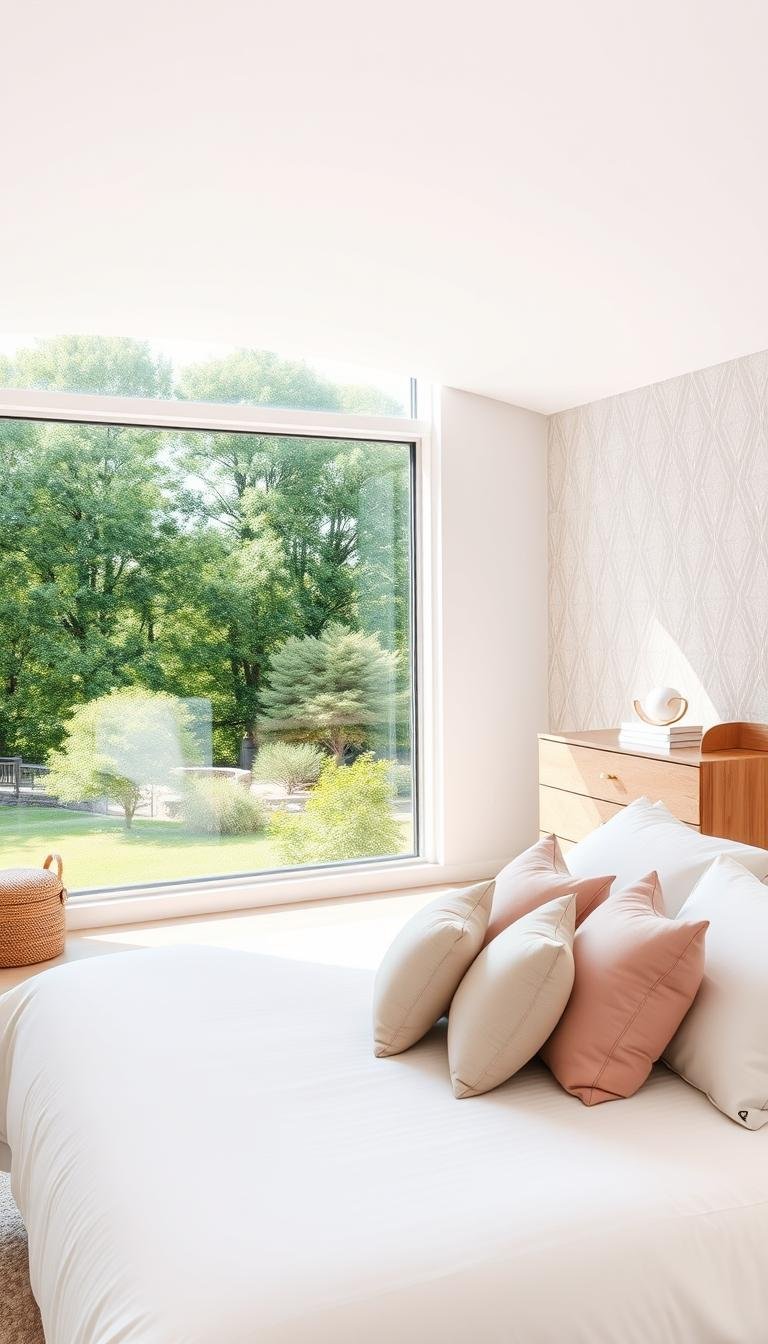
Welcome to your ultimate guide for designing a beautiful and functional room. We help you build a space your daughter will adore for years.
Discover practical tips from top designers and real parents. Learn how to blend style with smart storage solutions.
This guide covers color schemes, lighting, and personal touches. Create a room that grows with your child’s changing tastes.
Get ready to transform any area into a special retreat. Let’s make a room that’s both practical and full of personality!
1. Establish a Foundation with a Versatile Color Palette
Your daughter’s room should reflect her personality while being adaptable. A thoughtful color scheme sets the tone for the entire space. It creates harmony and makes other design elements shine.
Choosing the right palette is the first step to a successful room design. It affects mood and functionality. Let’s explore some creative approaches.
Mixing Shades of a Single Color
Pick one main color and use different tones throughout the space. Pink works beautifully this way. Combine soft blush walls with vibrant coral accents.
This approach creates visual interest without overwhelming the eye. It feels cohesive yet dynamic. You can adjust the intensity as her tastes change.
Choosing an Unexpected Color Scheme
Break away from traditional expectations. Try pale blue walls with bright orange and turquoise accents. These combinations feel fresh and age-appropriate.
Such palettes create rooms that are fun yet beautifully designed. They work well for kids who want something unique. These schemes often become their favorite feature.
Utilizing Neutral Bases with Pops of Color
Start with a neutral foundation like warm gray or beige. Then add strategic color accents through accessories and art. This works especially well for older girls.
Benjamin Moore’s Cobblestone Path gray creates a tranquil base. Add a huge gold floor mirror or colorful artwork. The room feels sophisticated but still playful.
Test your color choices before committing. Paint large swatches on the wall. See how they look at different times of day.
Balance bold statements with neutral elements. This prevents visual overload. Your daughter will love her personalized space for years.
2. Incorporate Smart Storage Solutions
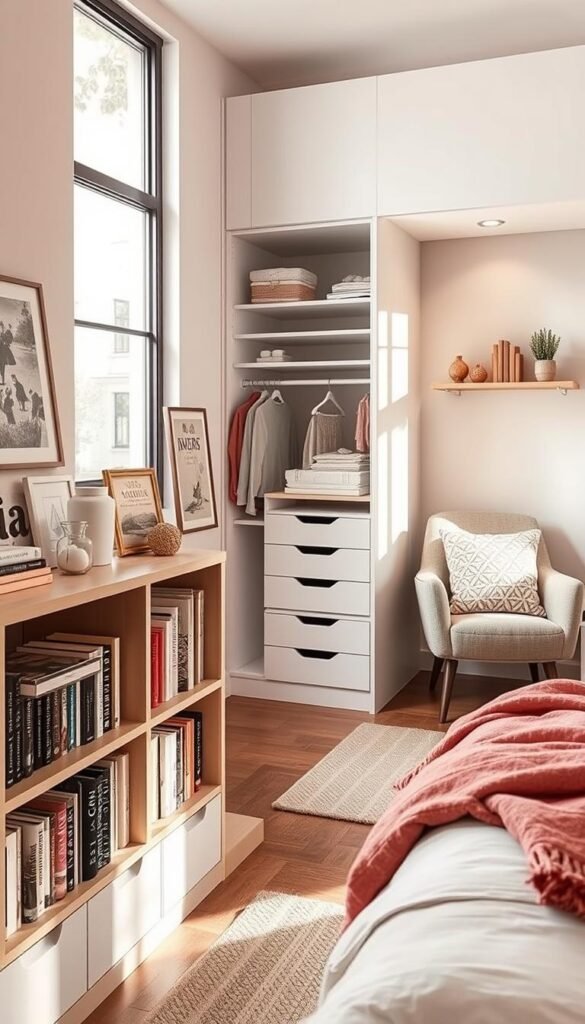
Smart storage solutions transform cluttered areas into functional, beautiful spaces. The right approach keeps everything organized while maintaining your room’s aesthetic appeal.
Good storage makes cleanup easier for kids. It encourages them to maintain their space over time. Let’s explore some creative ways to incorporate storage into your design.
Hidden Storage with Baskets and Bins
Baskets and bins offer stylish ways to hide clutter. They add texture while keeping things organized. Choose materials that complement your room’s design.
Basic bench seats from stores like Home Depot work beautifully. Add cushions and baskets underneath for hidden storage. This approach keeps the space looking tidy.
Woven baskets with lids are perfect for toys and books. They’re easy for kids to access themselves. The natural materials add warmth to any bedroom.
Utilizing Vertical Space with Shelving
Wall-mounted shelves maximize your vertical space. They display treasures while keeping floors clear. This is especially helpful in smaller rooms.
Bookshelves eliminate stacks of books on every surface. They create dedicated spaces for favorite items. Floating shelves work well for displaying special pieces.
Consider adjustable shelving that grows with your child. It can accommodate changing needs over time. Proper installation ensures safety for all ages.
Choosing Multi-Functional Furniture
Multi-functional furniture serves multiple purposes in limited spaces. These pieces are worth the investment for long-term use.
Custom platform beds with integrated drawers provide extra clothing storage. Lofted bunk beds allow space underneath for desks. This creates dedicated areas for different activities.
Clothing racks for costumes make dress-up more immersive. They keep props organized and accessible. Functional furniture should always balance practicality with style.
Remember that storage solutions should evolve with your child’s needs. Choose pieces that can adapt over time. This approach creates a room that works beautifully for years.
3. Make a Statement with a Feature Wall
A feature wall adds instant character to any space. It becomes the room’s main attraction point while expressing personal style. This approach lets you experiment with bold patterns without overwhelming the entire area.
Your feature wall should complement your existing color scheme. It creates harmony while making a strong visual impact. This design element works beautifully in both large and compact spaces.
Applying a Bold Wallpaper or Wall Mural
Peel-and-stick murals offer dramatic transformation without permanent commitment. They add vibrant color and personality while being surprisingly easy to install. These removable options let you update the look as tastes evolve.
Floor-to-ceiling wallpaper creates immersive magical environments. Nature themes work particularly well for creating dreamy retreats. Applying an eccentric wallpaper can make your space feel truly special.
Bold graphic patterns paired with gingham create fun, energetic rooms. Balance these strong statements with neutral elements elsewhere. This prevents visual overload while maintaining a cohesive aesthetic.
Creating a Hand-Painted Accent Mural
Hand-painted designs add unique character that mass-produced options can’t match. Simple shapes like arches or geometric patterns create professional-looking results. These elements add bright color pops with personal meaning.
You don’t need advanced artistic skills to create beautiful murals. Many designs look more complex than they actually are to execute. Start with painter’s tape to create clean lines and shapes.
Consider themes that will grow with your child rather than date quickly. Abstract designs or nature elements work well for long-term appeal. These murals maintain their charm through different age stages.
Designing a Personal Gallery Wall
Gallery walls showcase personality through collected artwork and mementos. They create one-of-a-kind displays that tell your child’s unique story. Mix professional pieces with personal creations for depth.
Flea market finds add character and history to the arrangement. Combine different frame styles for an eclectic, collected feel. This approach makes the wall constantly evolve with new discoveries.
Wall quotes using vinyl cutters add sweet personal touches. These can fill entire walls with inspirational messages or favorite phrases. The result feels deeply personal and emotionally meaningful.
| Feature Wall Type | Difficulty Level | Cost Range | Longevity |
|---|---|---|---|
| Peel-and-Stick Wallpaper | Easy | $50-200 | 1-5 years |
| Hand-Painted Mural | Medium | $30-150 | 3-7 years |
| Gallery Wall | Easy | $75-300 | Ongoing updates |
| Floor-to-Ceiling Paper | Professional recommended | $200-600 | 5-10 years |
Coordinate your feature wall with other room elements for harmony. The wall should feel integrated rather than separate from the overall design. This creates a space that feels intentionally designed and complete.
Remember that walls offer incredible potential for personal expression. They transform ordinary rooms into extraordinary spaces full of character. Your feature wall will become the heart of the room’s story.
4. Design a Cozy and Inspiring Reading Nook
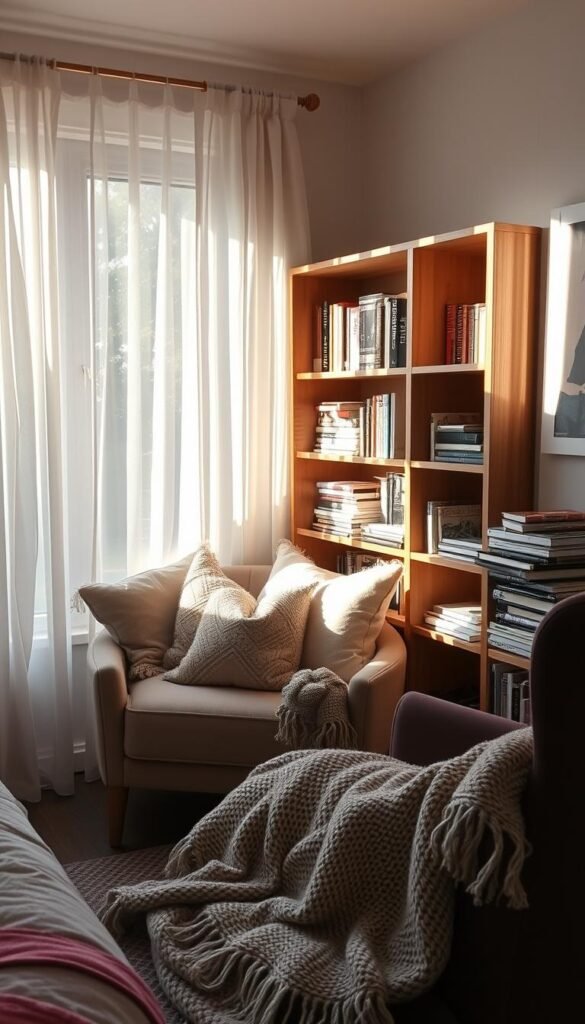
A special reading corner turns any room into a magical escape. It gives your child a quiet place to dream and explore new worlds.
This personal retreat encourages imagination and calm. It becomes a favorite spot for relaxing with a good book.
Creating this space is easier than you think. With smart planning, you can build an area that grows with your child.
Selecting the Perfect Spot
Choose a location that feels naturally inviting. Corners near windows provide beautiful natural light.
Unused closets make wonderful hideaways when transformed. Add curtains for privacy and a sense of adventure.
Look for areas away from main activity zones. This creates a true retreat for quiet time.
Adding Comfort with Pillows and Textiles
Layer soft cushions and throws for ultimate coziness. Mix textures like velvet, knit, and faux fur.
Canopies overhead create a dreamy, enclosed feeling. They make the space feel special and separate.
Choose machine-washable fabrics for easy cleaning. This keeps the area fresh through years of use.
Ensuring Easy Book Access
Keep favorite stories within easy reach. Bins and baskets let kids grab books independently.
Wall-mounted shelves display covers beautifully. They turn books into decorative elements.
Rotate selections seasonally to maintain interest. This keeps the reading experience fresh and exciting.
| Reading Nook Element | Purpose | Age Range | Cost Estimate |
|---|---|---|---|
| Window Seat Cushion | Comfortable seating | 3-12 years | $40-120 |
| Book Display Shelf | Easy access storage | 4-16 years | $25-80 |
| Reading Canopy | Creates enclosure | 3-10 years | $35-150 |
| Floor Pillows | Flexible seating | 5-18 years | $20-60 each |
Swing chairs add playful fun to reading time. They provide movement that many children enjoy.
Proper lighting is essential for evening reading. Add a small lamp for cozy illumination.
Personal touches make the space truly special. Let your child help choose colors and decorations.
This thoughtful area becomes more than just a reading spot. It’s a sanctuary for imagination and peace.
5. Elevate the Space with Thoughtful Lighting
Lighting transforms ordinary rooms into extraordinary spaces. It creates atmosphere and functionality throughout the day. The right approach makes every activity more enjoyable.
Your lighting plan should include three main types. Ambient lighting provides overall illumination. Task lighting focuses on specific activities. Accent lighting highlights special features.
Choosing a Statement Light Fixture
Statement fixtures become instant focal points in any room. They combine beauty with practical function. These pieces often become conversation starters.
Gubi pendants offer sophisticated style for growing spaces. Their elegant designs work beautifully for various ages. Such fixtures create a sense of maturity when needed.
Consider scale when selecting your main light source. The fixture should complement your room’s proportions. Proper sizing ensures visual balance and adequate illumination.
Incorporating Mood and Task Lighting
Layered lighting creates depth and flexibility in your space. Small house lights on bookshelves provide soft mood lighting. This approach works perfectly for older kids.
Task lighting is essential for study areas and reading nooks. Adjustable desk lamps direct light where needed. They reduce eye strain during homework sessions.
Dimmer switches offer excellent control over ambiance. They allow adjustment from bright to soft lighting. This flexibility supports different activities throughout the day.
Adding Whimsical Light Elements
Whimsical lighting brings personality and fun into the room. Paper lanterns create soft, diffused ambient light. They add playful elements while serving practical purposes.
String lights offer magical atmosphere for evening hours. They create cozy glow around beds or reading areas. These elements make the space feel special and inviting.
Novelty lamps shaped like animals or objects spark imagination. They provide gentle night lighting for younger children. These pieces grow with kids through different stages.
| Lighting Type | Primary Function | Best Placement | Age Appropriateness |
|---|---|---|---|
| Statement Pendant | Ambient lighting | Room center | 8+ years |
| Task Lamp | Focused illumination | Desk or bedside | 6+ years |
| Mood Lighting | Atmosphere creation | Shelves or corners | All ages |
| Whimsical Lights | Decorative accent | Various locations | 3-12 years |
Smart lighting systems offer modern convenience and control. They allow adjustment from your phone or voice commands. These solutions work beautifully for busy families.
Always prioritize safety with electrical installations. Use certified fixtures and professional help when needed. Proper installation ensures years of trouble-free use.
Your lighting choices should evolve with your child’s needs. Start with playful options for younger years. Transition to sophisticated pieces as tastes mature.
6. Don’t Neglect the Fifth Wall: The Ceiling
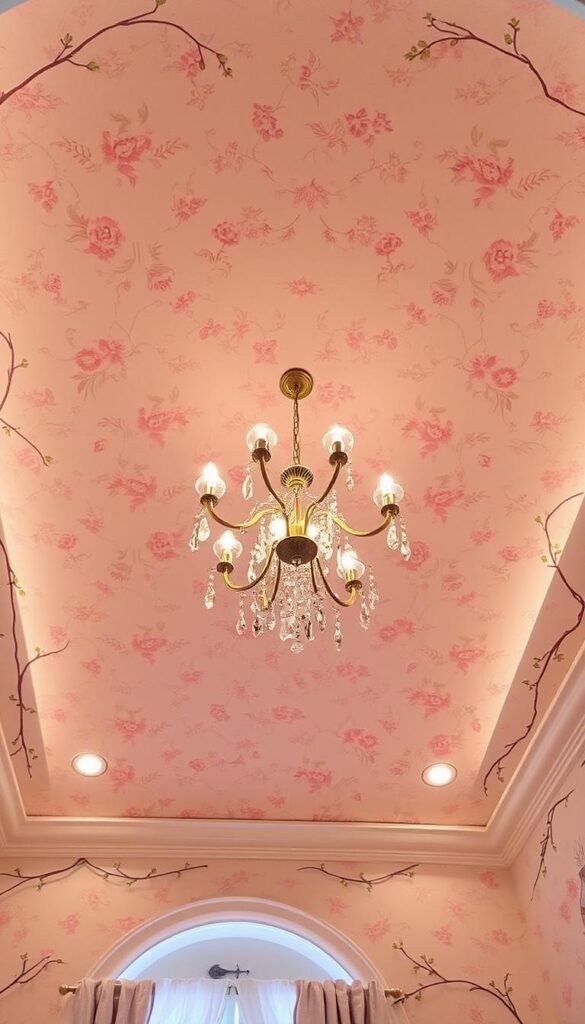
Often overlooked, the ceiling offers incredible potential to elevate your room’s entire aesthetic. This fifth wall provides a unique opportunity to add depth and personality to the space. When thoughtfully designed, it creates a memorable focal point that ties everything together.
Ceiling treatments can dramatically transform how a room feels and functions. They add that special something that makes a space truly exceptional. Let’s explore creative ways to maximize this often-ignored canvas.
Applying Ceiling Wallpaper for a Wow Factor
Wallpapering overhead creates an instant surprise element that delights every time someone enters. Patterned papers from brands like Christopher Farr Cloth turn ordinary ceilings into extraordinary features. These installations provide fun visual interest when waking up or relaxing in bed.
Peel-and-stick options make this project achievable for DIY enthusiasts. They allow you to experiment without permanent commitment. Choose patterns that complement your wall colors for a cohesive look.
Geometric designs work beautifully for modern spaces. Floral patterns create softer, more romantic atmospheres. Either way, ceiling wallpaper adds dimension and character to any bedroom.
Painting the Ceiling a Bold Color
A painted ceiling makes a strong style statement that feels both personal and intentional. Vibrant hues like lavender or soft blue create beautiful harmony when matched with floor coverings. This approach ties the room together from top to bottom.
Dark colors can make high ceilings feel more intimate and cozy. Light shades help lower ceilings appear higher and more airy. Consider your room’s proportions when selecting the perfect tone.
Custom-painted cove ceilings frame the entire space dramatically. They add architectural interest where none existed before. This technique works particularly well in rooms with unique angles or shapes.
Remember that ceiling design should complement your overall vision. It should feel integrated rather than separate from other elements. This creates a space that feels complete and intentionally designed.
Whether you choose wallpaper or paint, your ceiling treatment will become a conversation starter. It shows attention to detail that makes the room feel special and unique. This final touch completes your design beautifully.
7. Select Bedding and Textiles for Texture and Comfort
Soft fabrics transform a simple room into a cozy sanctuary. They add warmth and personality through thoughtful layering. The right textiles make every moment more comfortable.
Quality materials create spaces that feel both luxurious and lived-in. They provide sensory richness that enhances daily experiences. Let’s explore how to build beautiful layers.
Layering Bedding for a Luxe Feel
Start with a quality mattress protector and fitted sheet. Add a flat sheet in a complementary pattern. Top with a duvet or quilt for warmth.
Serena & Lily bedding works beautifully against bold patterns. It creates balance without competing for attention. Their pieces feel both sophisticated and comfortable.
Seasonal changes keep the room feeling fresh year-round. Lightweight cotton works for summer months. Flannel or fleece provides winter coziness.
Velvet throws add opulence and texture to any bed. Romo velvet headboards create stunning focal points. These elements feel special against simpler backgrounds.
Incorporating Various Textiles: Rugs, Curtains, Pillows
Area rugs anchor the entire space with comfort underfoot. They define zones even over existing carpet. Natural fiber rugs add organic texture.
Curtains soften windows and control light beautifully. Blackout options ensure restful sleep when needed. Sheer panels maintain airy feelings during daytime.
Mix pillow sizes and textures for visual interest. Combine velvet, linen, and knit covers. This approach creates depth without color overload.
Wave-pattern textiles bring nature inspiration indoors. They add movement and organic feeling to the space. These patterns work with both modern and traditional elements.
| Textile Type | Primary Benefit | Maintenance Level | Cost Range |
|---|---|---|---|
| Quality Bedding Sets | Comfort and durability | Machine washable | $80-300 |
| Area Rugs | Defines space and adds warmth | Vacuum regularly | $100-500 |
| Window Treatments | Light control and privacy | Dust or wash periodically | $50-200 per window |
| Decorative Pillows | Adds texture and color accents | Removable covers | $25-75 each |
Machine-washable fabrics make life easier for busy families. They maintain beauty through years of use and washing. This practical consideration ensures long-term enjoyment.
Natural textures create dimension without additional color. They feel organic and calming in any environment. These elements grow beautifully with changing tastes.
Your textile choices should appeal to multiple senses. They contribute to the overall feeling of comfort and welcome. This approach creates rooms that feel truly special.
8. Integrate Plants for a Touch of Nature
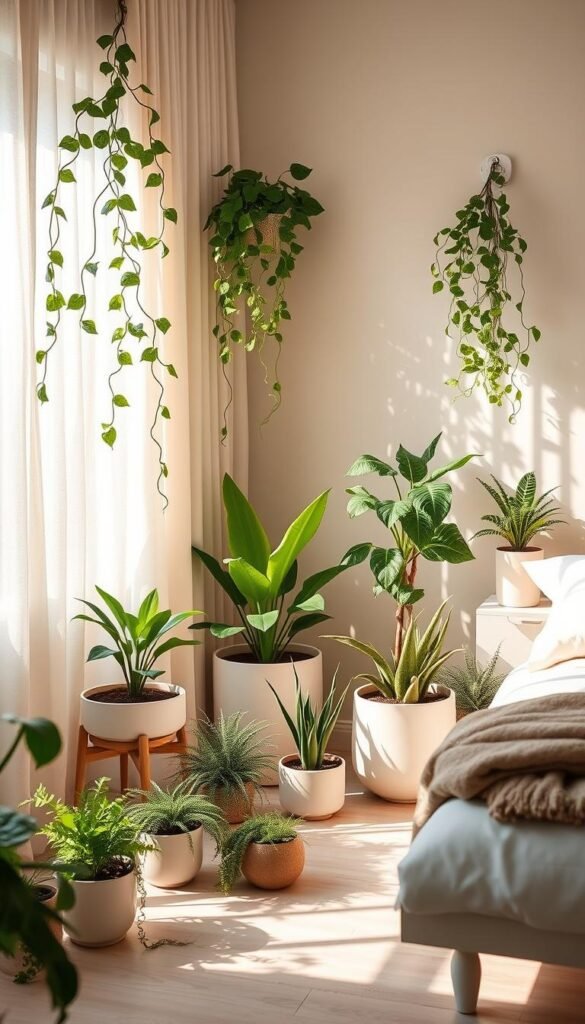
Bringing greenery into your daughter’s room adds life and freshness to the space. Plants create a calming atmosphere while boosting air quality naturally. They work with any style from simple to detailed looks.
Even one plant makes a big difference in how the room feels. You don’t need expert skills to enjoy these benefits. Choose easy-care varieties that fit your lighting conditions.
Living plants help create a peaceful retreat for relaxation. They connect the indoors with nature’s beauty. This approach adds texture and color in organic ways.
Choosing Low-Maintenance Varieties
Select plants that forgive occasional missed waterings. Snake plants thrive in various light conditions. They purify air while needing very little attention.
ZZ plants handle low light and irregular care beautifully. Their glossy leaves add shine to any surface. Pothos vines grow quickly in hanging baskets or on shelves.
Spider plants produce baby offshoots you can share with friends. They adapt to different environments easily. These varieties work well for busy families.
Succulents store water in their leaves for dry periods. They come in fascinating shapes and colors. Small pots group together for mini garden displays.
Styling Plants on Shelves and Surfaces
Place plants at different heights throughout the room. Floating shelves hold small potted specimens beautifully. This creates visual interest at eye level and above.
Mix plant sizes for a natural, collected feel. Large floor plants anchor corners nicely. Smaller tabletop varieties add life to desks and nightstands.
Group several plants together for bigger impact. Odd numbers often look most appealing. Vary leaf shapes and textures within the arrangement.
Macrame hangers add bohemian flair near windows. They utilize vertical space while allowing light reach. These displays become living artwork over time.
| Plant Type | Light Needs | Water Frequency | Best Location |
|---|---|---|---|
| Snake Plant | Low to bright indirect | Every 2-6 weeks | Floor corners, shelves |
| ZZ Plant | Low to moderate | Every 2-3 weeks | Desk, nightstand |
| Pothos | Low to bright indirect | Weekly | Hanging, high shelves |
| Spider Plant | Bright indirect | Weekly | Windowsills, shelves |
| Succulents | Bright light | Every 2-3 weeks | Sunny windows |
Choose planters that complement your room’s color scheme. Ceramic pots offer durability and style. Ensure all containers have drainage holes for healthy roots.
Rotate plants occasionally for even growth patterns. Dust leaves gently to maintain their appearance. These simple steps keep plants looking their best.
Living greenery brings joy and tranquility to personal spaces. It creates an environment that feels both fresh and inviting. Your daughter will love watching her plants grow alongside her.
9. Create a Functional Study and Workspace
A dedicated study area transforms how your child approaches homework and creative projects. This personal zone supports focus and organization while fitting beautifully into the overall room design.
Even compact spaces can accommodate smart workstations. The right setup encourages good habits and makes learning more enjoyable. Let’s explore how to build an effective study environment.
Selecting a Desk That Fits the Space
Choose a desk that matches your available area and storage needs. IKEA tables with wall brackets offer customizable solutions for various room sizes. These options provide adequate surface without overwhelming the space.
Wall-mounted desks free up valuable floor area in smaller rooms. Corner units utilize often-wasted space efficiently. Both options create dedicated work surfaces where none existed before.
Consider adjustable height desks that grow with your child. These pieces accommodate changing needs from elementary through high school. They support proper posture at every age.
Organizing Supplies for Easy Access
Keep essential materials within easy reach but neatly stored. Wall-mounted organizers hold pens, pencils, and frequently used items. Clear containers make contents visible without opening.
Labeled bins for different subjects streamline study sessions. Color-coded systems help quickly identify needed materials. These approaches reduce time spent searching for supplies.
Incorporate both open and closed storage options. Open shelves display inspiring books and references. Closed cabinets hide clutter when not in use.
| Study Element | Purpose | Space Required | Age Range |
|---|---|---|---|
| Wall-Mounted Desk | Space-saving work surface | 24-36 inches wide | 7-18 years |
| Adjustable Chair | Ergonomic support | Standard footprint | 6-16 years |
| Task Lighting | Focused illumination | Desk surface area | All ages |
| Supply Organizer | Material storage | Wall or desk space | 5-18 years |
| Technology Management | Device organization | Varies by setup | 10-18 years |
Separate study areas from sleep spaces when possible. This physical distinction helps mentally shift between relaxation and focus modes. Even a small divider can create this important separation.
Proper task lighting is essential for reducing eye strain. Choose adjustable lamps that direct light where needed. Position lights to avoid glare on computer screens.
Ergonomic seating supports good posture during long study sessions. Adjustable chairs accommodate growing children comfortably. Proper support prevents fatigue and maintains concentration.
Personal touches make the space inviting and inspiring. Let your child choose some decorative elements. This ownership encourages regular use and care of the area.
The study space should evolve as needs change. Childhood craft areas transform into teenage homework stations. Flexible furniture and storage accommodate these transitions beautifully.
10. Add Personality with Unique Decorating Ideas for a Modern Girls Bedroom
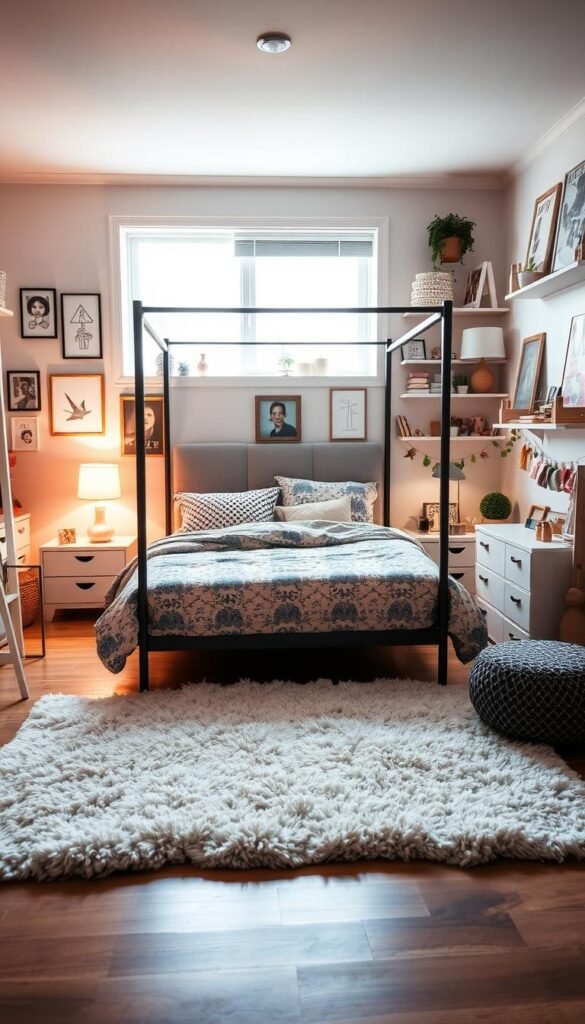
Your daughter’s personal space should feel like her own special world. It’s where memories are made and creativity flourishes. The right personal touches turn any area into a cherished retreat.
These elements create rooms that tell stories and spark joy. They make spaces feel lived-in and loved. Let’s explore ways to add that special character.
Including a Canopy or Four-Poster Bed
Canopy beds create magical sleeping environments with added privacy. They transform ordinary sleeping areas into dreamy retreats. These beds work beautifully for late sleepers by blocking morning light.
Four-poster designs add architectural interest to any room. They create a sense of grandeur in even compact spaces. Both options provide perfect frames for hanging curtains or fairy lights.
Choose materials that complement your existing furniture. Iron frames offer vintage charm. Wooden structures provide warmth and natural texture.
Displaying Personal Artwork and Mementos
Personal creations tell your daughter’s unique story throughout the room. They showcase evolving interests and accomplishments over time. These displays become conversation starters with friends and family.
Rotate artwork seasonally to keep the space feeling fresh. Mix professional pieces with handmade creations. This approach adds depth and personal meaning to walls.
Create dedicated zones for special mementos and awards. Floating shelves work perfectly for displaying treasures. Shadow boxes protect delicate items while keeping them visible.
Incorporating Vintage and Antique Pieces
Vintage items add character and uniqueness that new pieces often lack. They create interesting contrasts when paired with modern elements. These finds become conversation pieces with history and soul.
Antique iron beds complement contemporary bedding beautifully. They add structural interest while maintaining comfort. Such pieces often become family heirlooms passed through generations.
Flea market discoveries bring one-of-a-kind charm to any space. Look for items with good bones that can be refinished. These treasures add depth beyond mere decoration.
| Personal Element | Emotional Value | Flexibility | Cost Range |
|---|---|---|---|
| Canopy Bed | Creates magical atmosphere | Can be dressed up or down | $200-800 |
| Art Gallery Wall | Shows personal journey | Easily updated | $50-300 |
| Vintage Furniture | Adds history and character | Timeless appeal | $100-500 |
| Memory Display | Preserves special moments | Grows over time | $30-150 |
Choose pieces you love rather than following fleeting trends. These selections will bring joy for years to come. They create spaces that feel authentically personal.
Balance personal expression with cohesive design principles. Too many elements can feel overwhelming. Edit collections to highlight truly special items.
Your daughter’s room should evolve as she grows. Leave space for new interests and accomplishments. This approach creates rooms that remain relevant through different stages.
11. Maximize Style and Function in Small Spaces
Compact rooms can become incredible retreats when designed with intention. Smart planning turns limitations into opportunities for creativity. You can create a space that feels both spacious and full of personality.
The right approach makes every square foot work beautifully. It combines visual appeal with practical solutions. Let’s explore how to make the most of your area.
Prioritizing Essential Furniture Only
Choose pieces that serve real purposes in your daily routine. A bed, storage, and workspace cover basic needs. Additional items should earn their place through functionality.
Multi-functional furniture maximizes value in limited areas. A storage bench provides seating and hidden organization. Desks with built-in shelves save valuable floor space.
Edit your selections until only essentials remain. This creates breathing room both visually and physically. The result feels intentional rather than crowded.
Using Light Colors to Open Up the Room
Light hues create an airy, expansive feeling instantly. Soft whites, pale grays, and gentle blues work beautifully. These shades reflect natural light throughout the space.
Paint walls and ceilings the same light color. This eliminates visual boundaries that make rooms feel smaller. The technique creates a seamless, open atmosphere.
Add personality through accessories and textiles. Vibrant pillows and art provide color without overwhelming. This balance maintains the spacious aesthetic you want.
“The secret to a small room isn’t having less—it’s loving everything you have.”
Implementing Space-Saving Furniture like Loft Beds
Loft beds free up valuable floor area for other uses. The space underneath becomes perfect for a desk or seating area. This approach effectively doubles your functional square footage.
Murphy beds fold away completely when not in use. They transform sleeping areas into play spaces during daytime. These solutions work wonderfully for rooms serving multiple purposes.
Built-in bunk beds maximize vertical space efficiently. They create sleepover accommodations without sacrificing room area. Custom solutions can fit perfectly into challenging layouts.
| Space-Saving Solution | Space Created | Ideal Room Size | Age Appropriateness |
|---|---|---|---|
| Loft Bed with Desk | 30-40 sq ft underneath | 10×12 feet or smaller | 6+ years |
| Wall-Mounted Desk | 100% of floor space preserved | Any size room | 7+ years |
| Murphy Bed | Entire room when folded | 10×10 feet or larger | 8+ years |
| Built-in Bunk Beds | Sleeps 2 in one footprint | 10×12 feet or larger | 5+ years |
Vertical storage utilizes often-wasted wall space beautifully. Floating shelves hold books and decorations without floor footprint. Tall, narrow bookcases provide ample storage in minimal area.
Zone your room for different activities within the compact layout. A reading corner might occupy one area while sleeping occupies another. These defined spaces make the room feel larger and more organized.
Choose scale-appropriate furniture that fits without overwhelming. Petite pieces maintain proportion in smaller rooms. The right sizing creates harmony throughout your space.
Proper lighting enhances the perception of space significantly. Well-placed fixtures eliminate dark corners that make rooms feel cramped. Layered illumination creates depth and dimension throughout.
Your small room can become a favorite retreat with these approaches. It will feel both functional and personally expressive. These solutions create spaces that work beautifully for years.
12. Provide Flexible Seating for Friends and Relaxation
Your teen’s personal space becomes a social hub during these important years. Creating comfortable areas for friends makes the room more inviting and functional. The right seating setup encourages positive interactions and memorable moments.
Flexible options adapt to different group sizes and activities. They prevent everyone from crowding on the bed during gatherings. This approach maintains your room’s aesthetic while serving practical needs.
Adding a Small Sofa or Loveseat
Compact sofas provide comfortable seating for multiple people. They create dedicated conversation areas within the bedroom. These pieces work beautifully against walls or in corners.
Choose durable fabrics that withstand teenage use. Performance materials resist stains and wear beautifully. Neutral colors blend with evolving decor styles.
Measure your space carefully before selecting furniture. Leave adequate walkways around all seating areas. Proper flow makes the room feel organized and spacious.
Incorporating Floor Poufs and Ottomans
Floor poufs offer versatile seating that moves as needed. They tuck away easily when not in use. These lightweight options work for impromptu gatherings.
Storage ottomans provide hidden organization inside. They serve as both seating and surface space. Some models even function as coffee tables.
Mix textures and patterns for visual interest. Leather poufs add sophistication to casual spaces. Knit options bring cozy warmth to the area.
“A room that welcomes friends becomes a home for the heart.”
Consider these multi-functional seating solutions:
- Bench seats with built-in storage compartments
- Modular sectionals that rearrange for different configurations
- Bean bags that mold to individual comfort preferences
- Stacking chairs that store compactly between uses
Arrange seating to encourage face-to-face interaction. Create intimate circles for comfortable conversation. This setup makes social time more engaging and enjoyable.
Choose pieces that complement your overall design. They should feel integrated rather than added later. This cohesive approach maintains your room’s beautiful aesthetic.
Durable construction ensures years of reliable use. Look for reinforced seams and quality materials. These investments pay off through countless gatherings and memories.
Your flexible seating arrangement will become the heart of social activity. It creates spaces where friendships grow and strengthen. This thoughtful addition makes the room truly special.
13. Embrace Their Evolving Design Aesthetic
Your daughter’s personal taste will naturally change as she grows. Creating a room that adapts to her evolving preferences saves time and resources. This approach ensures her space remains relevant through different life stages.
Involving her in decisions builds excitement and ownership. She’ll feel proud of a space that reflects her unique personality. This collaboration creates rooms both parent and child appreciate.
Involving Her in the Design Process
Start by discussing her favorite colors and interests. Ask what makes her feel comfortable and inspired. These conversations reveal important insights about her preferences.
Create a mood board together using magazines or online inspiration. This visual exercise helps align your visions for the room. It becomes a fun bonding activity with lasting benefits.
Allow choices within predetermined options. For example, let her select between two approved paint colors. This balance maintains overall cohesion while honoring her input.
Design collaboration teaches valuable decision-making skills. She learns to express her personal style confidently. These experiences help develop her individual identity over time.
Choosing Pieces That Can Grow With Her
Invest in quality furniture with timeless appeal. Neutral beds and dressers work for various age groups. These foundational pieces transition beautifully through different stages.
Select adaptable storage solutions that serve multiple purposes. A bookshelf might hold toys now and books later. This flexibility prevents frequent furniture replacements.
Incorporate changeable elements like removable wallpaper. These temporary options satisfy current interests without long-term commitment. They make updates simple and affordable.
Consider these transitional design elements:
- Adjustable shelving systems that reconfigure as needs change
- Modular seating that rearranges for different activities
- Neutral area rugs that complement various color schemes
- Quality lighting fixtures that work from childhood through teen years
Create a foundation that allows for easy personalization. Basic walls and furniture provide flexibility for expression. Your daughter can refresh her space with new accessories as tastes evolve.
This thoughtful approach creates rooms that feel current and personal. It respects her developing aesthetic while maintaining practical considerations. The result is a bedroom that grows alongside its occupant beautifully.
14. Mix and Match Styles for a Collected Feel
Creating a room with mixed styles brings personality and depth to your space. This approach allows you to blend different elements that tell your unique story. The result feels curated rather than store-bought.
Eclectic design combines pieces from various periods and styles. It creates visual interest through thoughtful contrasts. This method works beautifully for personal spaces.
Blending Boho, Modern, and Traditional Elements
Start with a neutral foundation for your room. Add boho textures like macrame and woven baskets. These elements bring warmth and organic feeling.
Modern furniture provides clean lines and simplicity. A sleek desk or bed frame balances ornate pieces. This combination feels fresh yet comfortable.
Traditional elements add history and character. An antique dresser or vintage mirror creates focal points. These pieces anchor the space with timeless appeal.
Layer these styles gradually over time. Collect pieces that speak to you personally. The room will develop its unique character naturally.
Pairing Bold Prints with Solid Foundations
Graphic patterns create excitement when used strategically. Black and white stripes or polka dots work as neutrals. They provide visual energy without overwhelming.
Balance bold patterns with solid color blocks. A vibrant floral pillow looks great against a plain sofa. This prevents visual chaos while adding interest.
Use patterns in manageable doses through accessories. Throw pillows, rugs, and art bring pattern safely. You can easily change them as tastes evolve.
Consider scale when mixing different prints. Large patterns pair well with smaller designs. This creates harmony rather than competition.
| Style Element | Best Paired With | Visual Impact | Flexibility |
|---|---|---|---|
| Boho Textiles | Modern Furniture | Adds warmth and texture | Easy to change seasonally |
| Graphic Patterns | Solid Color Walls | Creates focal points | Works as accent elements |
| Traditional Pieces | Contemporary Accessories | Adds history and depth | Timeless and durable |
| Mixed Metallics | Neutral Backgrounds | Adds sophistication | Easy to incorporate gradually |
Edit your collections regularly to maintain coherence. Remove pieces that no longer fit your vision. This keeps the space feeling intentional rather than cluttered.
Personal items add meaning to mixed style rooms. Family photos, travel souvenirs, and handmade art tell your story. These elements make the space truly yours.
Successful style mixing requires confidence and editing. Trust your instincts about what works together. Your unique combination will create a room full of character.
15. Focus on Fun and Whimsical Elements
Playful touches transform ordinary spaces into joyful retreats that spark imagination. These elements create rooms that feel alive with personality and delight. They add that special magic that makes a space truly memorable.
Whimsical details work for all ages when chosen thoughtfully. They bring smiles and create happy memories over time. Let’s explore ways to incorporate fun while maintaining beautiful design.
Adding Playful Decor like Paper Lanterns
Paper lanterns create soft, magical lighting that feels both fun and sophisticated. They add color and texture without permanent commitment. These elements work beautifully hanging from ceilings or clustered in corners.
Disco balls scatter sparkling light patterns across walls and ceilings. They create instant party atmosphere for everyday enjoyment. Mini versions add subtle sparkle without overwhelming the space.
Paper flowers bring permanent blooms that never wilt or fade. They add vibrant color pops in arrangements that last for years. These handmade touches feel personal and special.
Consider these playful decor options:
- Hanging terrariums with fairy lights for magical glow
- Colorful pom-pom garlands that add texture and movement
- Wall decals that create scenes without permanent changes
- Themed mobiles that dance gently in air currents
Including a Fun Element like a Swing Chair
Swing chairs provide both seating and delightful movement that kids love. They become favorite spots for reading, dreaming, or chatting with friends. These pieces add architectural interest while serving practical purposes.
Choose sturdy models designed for indoor use with proper mounting. Safety should always come first with hanging elements. Professional installation ensures years of worry-free enjoyment.
Accessorize with comfortable cushions and throws for extra coziness. The swing becomes a cozy nest for relaxation and imagination. It’s a special feature that makes the room unique.
“The best rooms have that element of surprise that makes you smile every time you enter.”
Picture ledges create evolving displays of personal treasures and artwork. They allow easy rotation of favorite pieces as interests change. These simple systems make updating displays quick and fun.
Interactive elements encourage creativity and engagement. Chalkboard walls or magnetic surfaces become canvases for expression. They support play while adding visual interest to the space.
Fun storage solutions make organization enjoyable rather than chore-like. Colorful bins with labels turn cleanup into a game. These approaches teach responsibility through playful methods.
Balance whimsical elements with your overall design aesthetic. Too many playful pieces can feel chaotic rather than joyful. Edit your selections to maintain visual harmony throughout the space.
Your daughter will love these special touches that make her room uniquely hers. They create an environment that feels both fun and beautifully designed. These elements become cherished parts of her childhood memories.
16. Bring Your Vision to Life and Enjoy the Process
Creating a special room is a journey worth celebrating. The process itself builds beautiful memories that last far beyond the final result.
Enjoy each step as you bring your vision to life. Working together strengthens bonds and sparks creativity. This collaboration makes the space truly meaningful.
Remember that great design evolves over time. Your room can grow and change as needs shift. This flexibility keeps the space feeling fresh and personal.
Celebrate progress and embrace the unique touches that make it yours. The final result should bring joy every time you enter. Your dream space reflects personality and meets real needs beautifully.