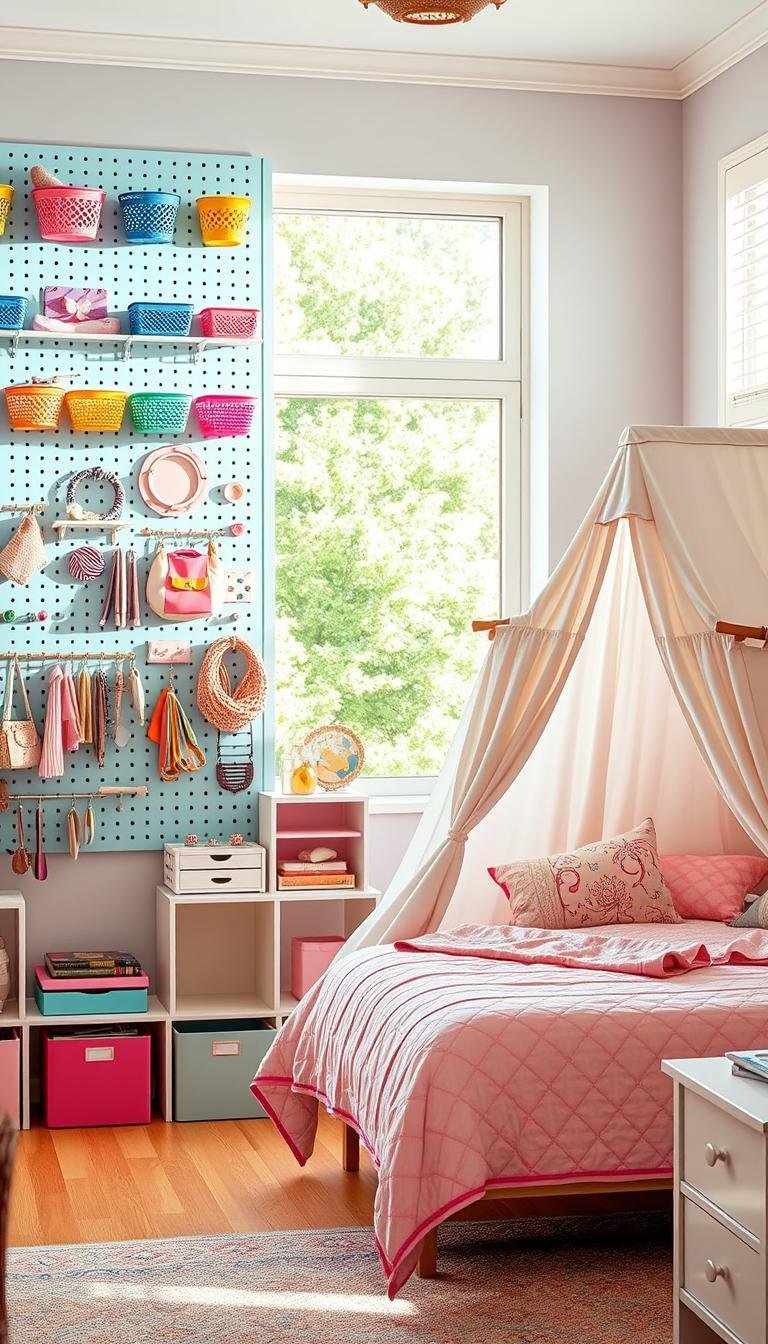
Does your daughter’s room feel like a tornado hit it? Keeping a child’s space tidy can feel like a constant battle. Toys, clothes, and art supplies seem to multiply overnight.
The good news is that a cluttered room can become an organized oasis. With smart solutions, you can maximize every inch. This is true for both cozy spaces and larger areas.
We will explore clever ways to tame the chaos. These methods are practical and budget-friendly. Many projects are simple do-it-yourself tasks you can tackle over a weekend.
Getting your child involved makes organization fun. It teaches them valuable habits and lets their personality shine. A neat room makes mornings smoother and playtime more enjoyable for everyone.
Get ready to discover actionable tips you can use right away. Let’s turn that messy zone into a functional and beautiful retreat your daughter will love.
1. Start Fresh: The Power of a Big Declutter
The journey to an organized space starts with letting go of what you don’t need. A thorough clear-out creates the perfect foundation for any storage system. You’ll be amazed how much room you gain by removing unused items.
Children’s interests change rapidly, making regular purges essential. Their growing bodies mean clothes need frequent updating too. A clean slate lets you design organizational solutions that actually work.
How Often to Purge Toys and Clothes
Most families benefit from toy purges every 3-6 months. Younger children may need more frequent sessions as their development accelerates. Seasonal changes provide natural opportunities for clothing reviews.
Many parents find these times work best for major decluttering:
- Before birthdays or holidays when new gifts arrive
- During school breaks when schedules are more flexible
- At season changes when swapping clothing storage
Growth spurts can make clothes outdated surprisingly fast. Regular checks prevent drawers from overflowing with items that no longer fit. This approach keeps your child’s wardrobe functional and accessible.
Making Decluttering a Team Effort With Your Child
Start with a quick solo pass through the room. Remove broken toys, stained clothing, and obvious trash. This preliminary sweep makes the process less overwhelming for your child.
Then involve your kid in these fun ways:
- Make it a game – see who can fill a donation box fastest
- Create three piles: keep, donate, and maybe
- Use stickers or colorful tags for decision-making
For sentimental items, consider taking photos before letting go. This preserves memories without keeping physical objects. Designate a special memory box for truly precious keepsakes.
Always explain where donated items will go. Knowing toys will help other children makes parting easier. This teaches generosity while reducing clutter in your home.
Proper disposal matters too. Recycle what you can, donate usable goods, and trash only what’s necessary. Many charities welcome gently used children’s items.
2. Divide and Conquer: Create Specific Activity Zones
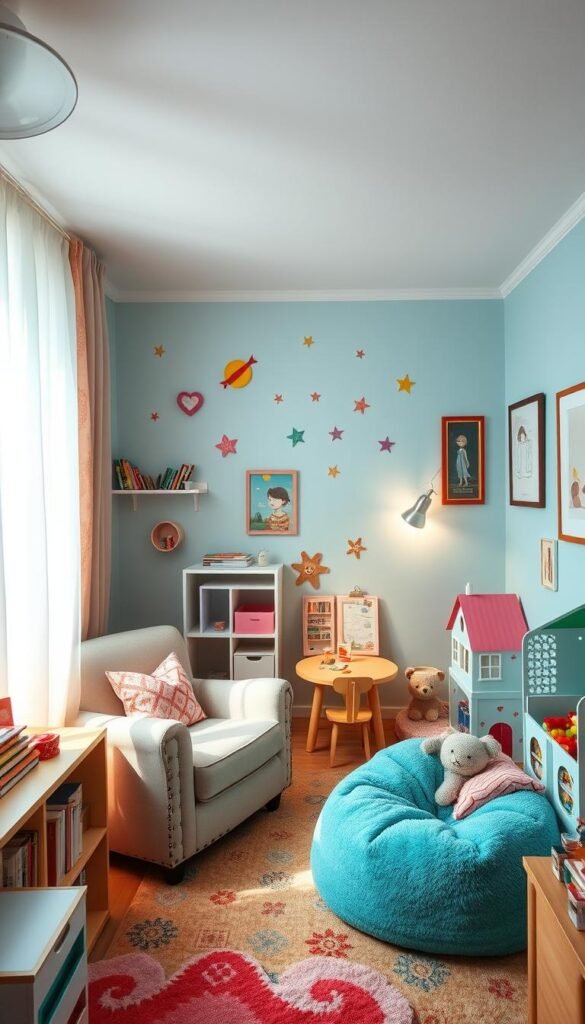
Imagine a room where everything has its special place. Your child knows exactly where to find their favorite storybook or art materials. This dream becomes real with activity zoning.
Dividing a bedroom into zones creates order from chaos. Each area serves a distinct purpose. This smart approach makes the most of your available square footage.
Even a compact area benefits from this strategy. Defined spaces help your child focus on one activity at a time. The entire room feels more peaceful and purposeful.
Ideas for a Reading Nook Zone
Every young reader deserves a cozy corner for books. Create a special spot that invites quiet time with stories. This area should feel separate from more active spaces.
Start with comfortable seating. A small armchair, floor cushions, or a window seat work perfectly. Add soft lighting with a cute lamp for evening reading sessions.
Keep stories organized and accessible. Use a low bookshelf or wall-mounted ledges. Baskets work well for holding multiple paperback books.
Personalize the space with your child’s input. Let them choose a favorite blanket or stuffie for reading companionship. This makes the nook their own special retreat.
Setting Up a Dedicated Art and Craft Zone
Creative projects need a home where messes are welcome. Designate an area specifically for making and creating. This contains the chaos to one manageable spot.
Choose a surface that’s easy to clean. A small table with wipeable surface works perfectly. Protect floors with a washable rug or mat underneath.
Store supplies where little hands can reach them. Use clear containers, caddies, or drawers with picture labels. This encourages independence while keeping things tidy.
Rotate materials to maintain interest without clutter. Keep frequently used items accessible. Store specialty supplies elsewhere until needed.
Additional zones transform a bedroom into a multifunctional space. Consider these popular areas:
- Dressing area: Low hooks, accessible drawers, and a mirror
- Play zone: Designated floor space with toy storage nearby
- Homework station: Small desk with supply organization
Define zones using these simple techniques:
| Method | How It Helps | Best For |
|---|---|---|
| Area rugs | Visually separates spaces | Reading nooks, play areas |
| Furniture placement | Creates natural boundaries | All zones |
| Color coding | Makes zones visually distinct | Storage systems |
| Lighting | Sets mood for each activity | Reading, homework areas |
Maintain organization within each zone with appropriate solutions. Small containers keep supplies contained. Labels help everything return to its proper home.
Even the most compact bedroom can accommodate multiple zones. Use vertical space with wall-mounted options. Choose furniture that serves dual purposes.
Activity zones teach valuable life skills. Your child learns where things belong. They develop independence in maintaining their space.
Start with one or two zones that match your child’s interests. Add more as your system proves successful. Soon you’ll have a beautifully organized room.
3. Look Up! Maximize Your Vertical Wall Space
When floor space runs low, your walls become your best friend. This often-overlooked area offers incredible potential for keeping things organized. Going vertical creates room for play and movement below.
Wall systems keep essentials within reach yet off the ground. They transform blank surfaces into functional displays. This approach works wonders in compact areas.
Installing Floating Shelves for Books and Decor
Floating shelves offer a clean, modern look while providing practical storage. They hold books, display special treasures, and add personality to the room. Installation requires basic tools and careful planning.
Follow these steps for secure mounting:
- Locate wall studs using a stud finder
- Mark shelf placement with a level
- Pre-drill holes for mounting brackets
- Secure shelves firmly into studs
- Test stability before loading items
Place shelves at appropriate heights for your child. Lower shelves work well for frequently used storybooks. Higher levels can showcase decorative pieces safely out of reach.
Consider these placement ideas:
- Above a desk for school supplies
- Beside the bed for nighttime reading
- Near a play area for favorite toys
Using a Pegboard for Accessories and Small Items
Pegboards transform chaos into order with incredible flexibility. They handle everything from hair accessories to art materials. The system grows and changes as needs evolve.
Customize your board with these components:
- Various hooks for different item types
- Small baskets for tiny treasures
- Shelves for larger containers
- Clips for artwork and notes
Paint the board to match your room’s color scheme. Add decorative borders or patterns for extra style. This turns organization into art itself.
Position the board at your child’s eye level. This encourages independence and proper put-away habits. Everything remains visible and accessible.
Explore these creative applications:
| Area | Pegboard Use | Recommended Accessories |
|---|---|---|
| Art Station | Organize supplies | Brush holders, cup hooks |
| Dressing Area | Store accessories | Necklace hooks, small baskets |
| Homework Zone | Hold supplies | Pencil cups, paper trays |
Safety comes first with wall installations. Always anchor heavy items directly into studs. Use appropriate hardware for the weight you’re supporting.
Regularly check that all mounts remain secure. Involve your child in maintaining these systems. They’ll love having their own organized space.
Vertical solutions free up valuable floor area. This creates more room for play and activities. The entire room feels larger and more open.
Start with one wall project this weekend. You’ll quickly see the difference upward thinking makes. Your walls will work harder while your room feels lighter.
4. Tame the Toy Chaos with Smart Open Bin Systems
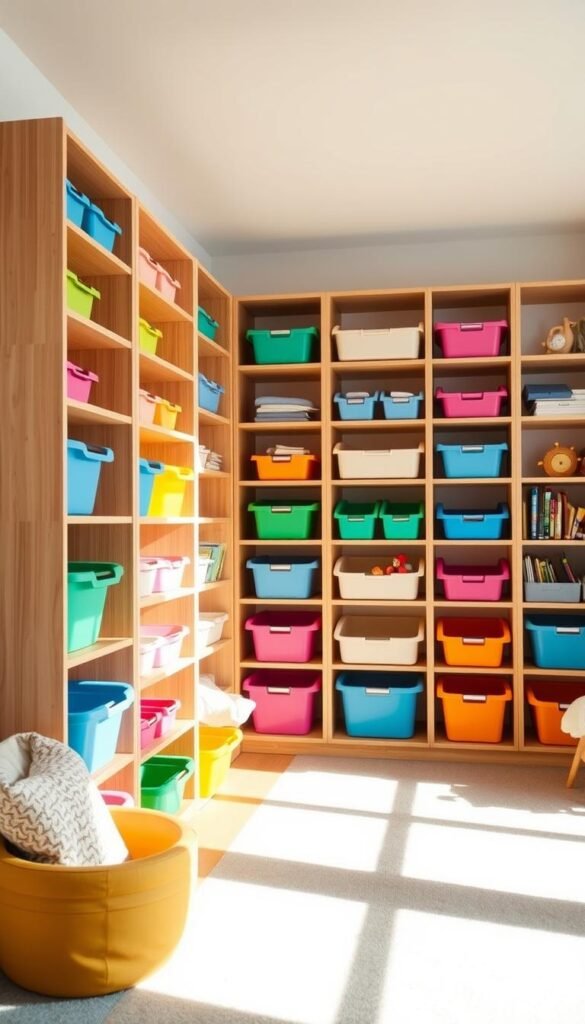
Does your child’s play area look like a toy explosion just happened? You’re not alone. Many parents struggle with keeping playthings organized. The solution might be simpler than you think.
Open container systems transform messy spaces into tidy zones. They make cleanup quick and frustration-free. Children actually enjoy putting things away when it’s easy.
Why Open Bins Beat Lidded Containers
Lids create unnecessary barriers for young children. The extra step of opening and closing discourages tidy habits. Open containers remove this friction completely.
Kids can simply toss items into the right spot. No struggling with latches or matching lids. This independence builds confidence and responsibility.
Visibility matters too. Children can see what’s inside each container. They don’t need to open multiple bins to find what they want.
Labeling Bins for Easy Clean-Up
Clear labels turn chaos into order. Even pre-readers can match toys to pictures. This system makes cleanup a game rather than a chore.
Involve your child in creating the labels. They’ll feel ownership over the organization process. Use colorful images that clearly represent each category.
Consider these labeling strategies:
- Photographs of actual toys for easy recognition
- Color-coded bins for different categories
- Simple word labels for older children
- Combination labels with both pictures and words
Choose bins that match your child’s strength and size. Lightweight options work best for younger kids. Sturdy materials withstand rough handling.
| Bin Type | Best For | Age Recommendation |
|---|---|---|
| Fabric bins | Soft toys, dress-up clothes | All ages |
| Plastic bins | Building blocks, art supplies | 3+ years |
| Wicker baskets | Books, stuffed animals | 5+ years |
| Clear containers | Small pieces, collections | 6+ years |
Group similar items together. Keep all building toys in one area. Store art materials in another section. This logical grouping makes sense to children.
Cube organizers work perfectly with open bins. They create a clean look even when filled. The uniform appearance reduces visual clutter.
Rotate toys regularly to maintain interest. Store some bins out of sight temporarily. Bring them out later for renewed excitement.
Maintain your system with quick weekly checks. Ensure labels remain attached and visible. Involve your child in this maintenance routine.
Open bin systems grow with your child. They adapt to changing interests and needs. This flexibility makes them a long-term solution.
Start with just a few categorized bins. Add more as your system proves successful. Soon you’ll have a beautifully organized space.
5. The Under-Bed Goldmine: Hidden Storage Solutions
That empty space beneath the mattress holds incredible potential. Many families overlook this valuable real estate. With smart planning, it becomes your secret weapon against clutter.
This area offers perfect hidden storage. You can tuck things completely out of sight. Everything stays organized yet easily accessible when needed.
Proper containers transform this zone. They prevent random items from accumulating chaotically. You create a system that actually works long-term.
Choosing the Right Rolling or Flat Storage Bins
Measure your available space before shopping. Note the height from floor to bed frame. Include clearance for easy sliding movement.
Consider these popular container options:
- Rolling bins: Feature wheels for effortless access
- Flat containers: Maximize every inch of vertical space
- Vacuum bags: Compress bulky items like comforters
- Fabric boxes: Offer lightweight flexibility
Rolling models work best for heavier items. They glide smoothly on carpet or hardwood. You won’t strain your back retrieving things.
Flat bins suit lower clearance spaces. They slide easily without wheels. Their low profile makes them almost invisible.
Material matters too. Clear plastic lets you see contents instantly. Opaque containers hide visual clutter completely.
What to Store Under the Bed (Seasonal Clothes, Extra Bedding)
This spot works perfectly for infrequently used items. Store things you need occasionally but not daily. Seasonal rotation becomes simple and organized.
Ideal candidates for under-bed storage include:
- Winter sweaters during summer months
- Swimwear and shorts during colder seasons
- Extra sheet sets and pillowcases
- Guest bedding for overnight visitors
- Special occasion outfits
One parent shares their successful approach:
We have always utilized the space under the bed for storage, but the rule is; it has to fit in a bin or it gets tossed.
Create a seasonal clothing rotation system. Swap items as weather changes. This keeps closets and drawers manageable.
Store bedding sets together. Place matching sheets and pillowcases in one container. Include a note listing contents for quick identification.
| Storage Need | Best Container Type | Organization Tip |
|---|---|---|
| Seasonal clothing | Flat bins with lids | Label with season and contents |
| Extra bedding | Vacuum compression bags | Store complete sets together |
| Memorabilia | Decorative boxes | Include date and description |
| Out-of-season shoes | Clear plastic containers | Take photos for quick reference |
Maintain your system with seasonal reviews. Check contents every three months. Donate items no longer needed during these checks.
Keep a small notebook with your containers. List what’s inside each one. This prevents unnecessary searching later.
Your under-bed area can transform your room’s organization. Start with one or two bins this weekend. You’ll quickly appreciate this hidden gem.
6. Conquer the Closet: Double Your Hanging Space
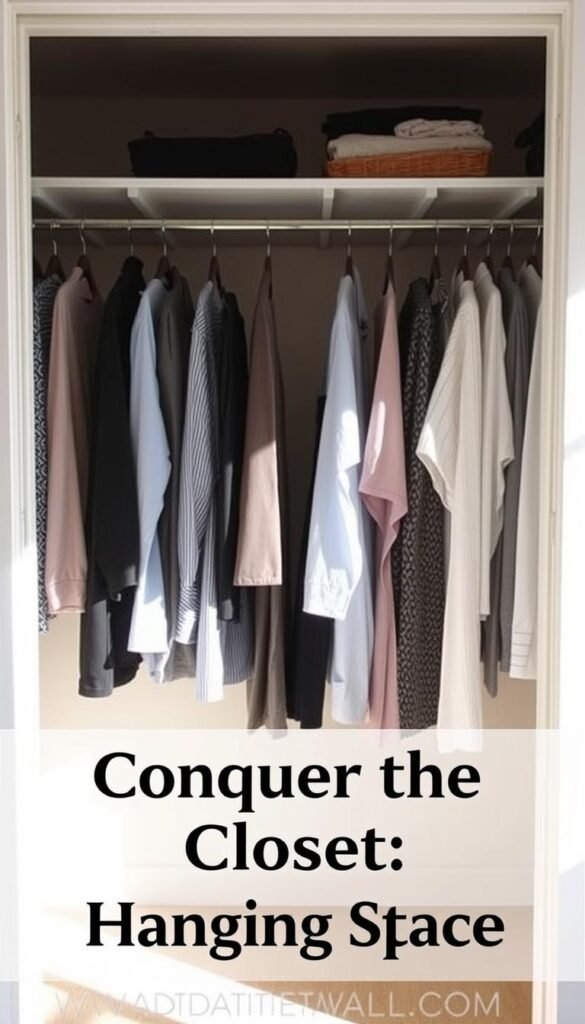
Your child’s closet might hold more potential than you realize. With smart planning, you can transform this area into an organizational powerhouse. Even compact spaces can work much harder for your family.
Many closets have unused vertical areas. Children’s clothing leaves empty space below hanging items. You can reclaim this valuable real estate with simple adjustments.
Strategic changes make everything more accessible. Your child can reach their own belongings independently. This builds confidence while keeping things tidy.
Installing a Second Closet Rod for Short Clothing
Adding a second rod creates immediate extra hanging capacity. This approach works perfectly for shorter garments like shirts and pants. You effectively double your available space.
First, measure your closet’s interior dimensions. Note the height from the existing rod to the floor. Most children’s clothing needs about 24-30 inches of vertical clearance.
You have several installation options:
- Purchase a tension rod that requires no tools
- Install a permanent rod using basic brackets
- Use an adjustable system like IKEA’s BOAXEL
Position the new rod at your child’s eye level. This encourages independence in choosing outfits. They can see and reach everything without assistance.
One parent shared their experience:
We added a second row using IKEA’s system. Our boys each got their own space for storing clothing. It made mornings smoother for everyone.
Group similar items together on each rod. Keep shirts on one level and pants on another. This logical organization makes dressing easier.
Placing a Dresser Inside the Closet to Free Up Floor Space
That empty area below hanging clothes serves a perfect purpose. It can accommodate a dresser that would otherwise take up room space. This clever trick maximizes every square inch.
Measure carefully before selecting furniture. Note the closet’s depth, width, and available height. Choose a dresser that fits comfortably with door clearance.
Smaller units work best for this application. Three-drawer models often fit perfectly. Ensure drawers open fully without hitting the closet door.
This approach offers multiple benefits:
- Creates more open floor area for play
- Keeps folded items neatly contained
- Makes clothing organization centralized
Use the dresser for everyday essentials like socks and underwear. Store less frequently used items in higher drawers. This keeps everything accessible yet organized.
| Closet Area | Organization Solution | Age Appropriateness |
|---|---|---|
| Upper hanging space | Special occasion outfits | All ages (parent accessed) |
| Lower hanging space | Everyday clothing | 3+ years (child accessed) |
| Dresser drawers | Folded items and accessories | 4+ years |
| Floor space | Shoes in bins or organizers | 5+ years |
Maintain your system with seasonal reviews. As children grow, adjust rod heights accordingly. Donate outgrown clothing during these checks.
Use clear bins for seasonal items on high shelves. Label everything for easy identification. This keeps the closet functional year-round.
Proper organization transforms morning routines. Everything has its designated place. Your child develops independence while keeping their space neat.
7. Make Bed-Making a Breeze with Zip-Up Bedding
What if bed-making became a one-step task instead of a daily struggle? Zip-up bedding transforms this chore into a simple, satisfying activity. This innovative system brings order to morning routines.
These bedding sets work like a sleeping bag for your mattress. They zip around all three sides, enclosing the comforter and sheets. No more struggling with separate pieces that slide apart.
Children love the simplicity of this approach. They can complete the task independently in seconds. This builds confidence and establishes good habits.
Parents appreciate the time saved each day. Mornings become smoother without constant reminders. The entire room looks neater with a properly made bed.
One delighted parent shares their experience:
Hello, Beddy’s Zip-Up Bedding! I’m not even going to hold myself back or downplay how amazing Beddy’s truly have been. They have totally exceeded every wild expectation my heart could dream up. Their beds are made every day without me having to ask, and they look way neater and cleaner than they could have ever accomplished on their own. Enough said.
These systems come in various styles to match any decor. You’ll find options from multiple brands in different price ranges. Consider these popular choices:
| Brand | Special Features | Best For |
|---|---|---|
| Beddy’s | Multiple fabric options, teen styles | All age groups |
| Zip It Bedding | Organic cotton materials | Younger children |
| Easy Make Bed | Budget-friendly options | First-time users |
Measure your mattress before purchasing. Include the thickness in your calculations. Most systems accommodate standard mattress depths.
Maintenance remains straightforward. Many sets are machine washable for easy care. Follow manufacturer instructions for best results.
Transitioning from traditional bedding takes minimal effort. Simply remove your current set and replace it. Children typically adapt immediately to the new system.
This solution works beautifully in any home. It creates a consistently tidy appearance in the room. The bed becomes a highlight rather than an eyesore.
Consider starting with one set to test the concept. You’ll likely find it revolutionizes your daily routine. This simple change makes a significant difference.
8. Pick Nightstands and Furniture with Built-In Storage
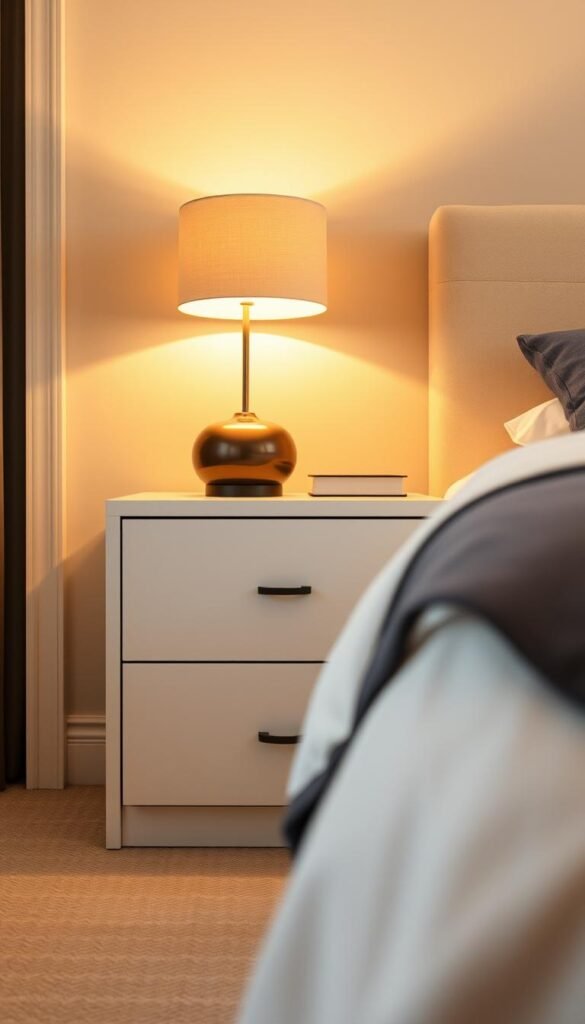
Have you ever looked at a piece of furniture and thought it could do more? The right pieces in your child’s room can pull double duty. They offer style while keeping things neat and accessible.
Smart furniture choices make a big difference. They provide hidden spots for belongings. This approach reduces visual mess throughout the space.
Nightstands with Drawers Instead of Just a Tabletop
A simple table beside the bed often becomes a clutter magnet. Books, water bottles, and small treasures pile up quickly. This creates daily mess that requires constant attention.
Choose nightstands with built-in drawers instead. They offer concealed space for bedtime essentials. Everything stays organized yet within easy reach.
Look for models with multiple drawer sizes. Small compartments hold reading glasses or hair clips. Larger drawers accommodate books or pajamas.
Consider these features when selecting:
- Soft-close drawers for safety
- Smooth gliding mechanisms
- Rounded corners to prevent bumps
- Sturdy construction that withstands use
Place items your child uses nightly in these drawers. This keeps the surface clear for a lamp or special photo. The area remains functional and beautiful.
Choosing a Storage Bench or Ottoman
A bench at the end of the bed serves multiple purposes. It provides seating for putting on shoes. The interior offers valuable hidden storage space.
These pieces work perfectly in compact areas. They don’t take up much visual space. Yet they hold considerable amounts inside.
Use storage ottomans for:
- Extra blankets and pillows
- Out-of-season clothing
- Board games and puzzles
- Art supplies and craft materials
Select models with easy-open lids. Lightweight options work best for children. Ensure the mechanism is safe for little fingers.
Some benches feature built-in organization. Interior dividers keep contents separated. This prevents everything from becoming a jumbled mess.
Place a storage ottoman in a reading nook. It offers seating and holds books nearby. This creates a cozy, functional corner.
When evaluating furniture, consider these factors:
| Feature | Why It Matters | Ideal For |
|---|---|---|
| Multiple drawers | Organizes different item types | Nightstands, dressers |
| Open shelves | Displays favorite items | Bookcases, storage units |
| Enclosed space | Hides clutter from sight | Benches, ottomans |
| Wheels or casters | Allows easy movement | Storage carts, some benches |
Scale furniture to match the room’s size. Smaller pieces reduce visual weight. They make the area feel more open and airy.
For existing furniture, consider simple upgrades. Add baskets under open shelves. Install drawer dividers for better organization.
Safety remains the top priority. Choose stable pieces that won’t tip easily. Anchor taller items to the wall for security.
Involve your child in selecting these pieces. Let them choose colors or styles they love. This creates ownership and pride in their space.
With smart furniture choices, you gain valuable storage without sacrificing style. Every piece works harder for your family. The entire room feels more organized and peaceful.
9. Get Creative with Door and Wall Storage
Your room’s doors and walls hold untapped potential for keeping things neat. These surfaces can work harder for you without taking up floor area. Smart solutions turn them into functional displays that reduce mess.
You can organize essentials while keeping them within easy reach. This approach works wonders in compact spaces. Everything stays visible yet beautifully contained.
Over-the-Door Organizers for Shoes and Supplies
Over-the-door systems offer flexible organization without installation. They handle everything from shoes to art materials. These organizers keep items accessible yet out of the way.
Choose clear pockets for easy visibility. Your child can find what they need quickly. This encourages independence in maintaining their space.
Consider these popular applications:
- Shoe organizers for footwear and accessories
- Multi-pocket units for craft supplies
- Specialized holders for hair accessories
- Tall units for storing cleaning supplies
Measure your door before purchasing any organizer. Note the available space between the knob and frame. Ensure the unit won’t interfere with door operation.
Position organizers at your child’s eye level. This makes everything reachable without assistance. They’ll love having their own organized system.
Using Adhesive Hooks for Robes, Bags, and Hats
Adhesive hooks provide instant organization without tools. They hold frequently used items within easy reach. This simple solution makes cleanup effortless.
Hooks work better than hangers for many items. They require less effort to use regularly. Your family will actually follow through with this easy system.
Choose fun designs that match the room’s decor. Colorful shapes or themed hooks add personality. Your child will enjoy using their special hooks.
Place hooks at appropriate heights for different needs:
- Lower hooks for robes and jackets
- Medium height for bags and backpacks
- Higher placement for hats and special items
Follow proper installation steps for secure mounting:
- Clean the surface thoroughly with rubbing alcohol
- Press firmly for 30 seconds after application
- Wait 24 hours before placing items on hooks
- Check regularly for any signs of loosening
Safety remains the top priority with wall installations. Use hooks rated for the weight you’re supporting. Avoid placing heavy items on adhesive hooks.
Rotate displayed items seasonally to maintain interest. This keeps the area looking fresh and organized. Your child will enjoy the changing display.
With these simple solutions, you maximize every inch of available space. Doors and walls become valuable organizational assets. The entire room feels more functional and beautiful.
10. Display and Organize with a Dedicated “Display Shelf”
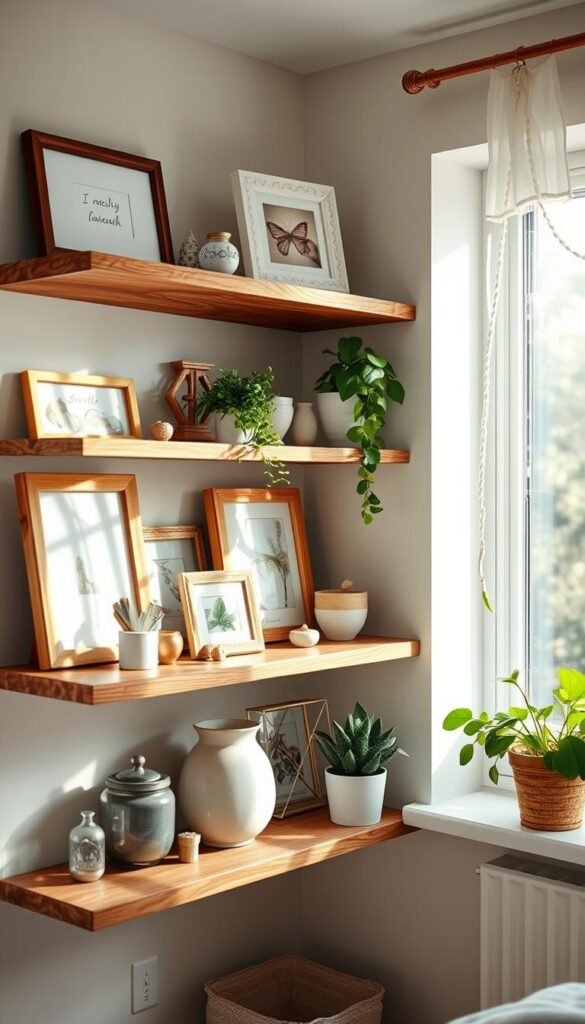
Have you noticed special treasures piling up on every surface? Little statues, figurines, and mementos can quickly take over. A dedicated display shelf offers the perfect solution.
This smart approach gives cherished items their own special home. It keeps them visible while containing the clutter. Your child’s personality shines through in an organized way.
My kids love to collect little statues, figurines, and mementos. They had been piling them up on their nightstand and dresser, and it was driving me bonkers! Eventually we installed this wall-to-wall shelf. It gave them a space to display their items but also limited the amount to a certain area so the room stayed less cluttered.
Install shelves at your child’s eye level. This makes everything accessible and engaging. They can interact with their treasures independently.
Choose the right location carefully. Consider these popular spots:
- Above a desk or reading area
- Along an empty wall space
- Near a window for natural light
- Beside the bed for special nighttime items
Select sturdy materials that match your decor. Wood shelves offer classic appeal. Floating models create a modern look.
Many items work beautifully on display shelves:
- Special awards and certificates
- Favorite small collectibles
- Art projects and creations
- Nature finds and souvenirs
Arrange items thoughtfully for visual appeal. Group similar pieces together. Leave space between objects to prevent crowding.
Rotate collections seasonally to maintain interest. Store some items temporarily. Bring them out later for renewed excitement.
This system teaches valuable organization skills. Your child learns curation and decision-making. They develop pride in maintaining their space.
Involve your child in creating their display. Let them arrange items their favorite way. This ownership encourages continued tidiness.
Regular maintenance keeps everything looking fresh. Dust shelves weekly with a soft cloth. Involve your child in this simple routine.
Consider these shelf options for different needs:
| Shelf Type | Best Features | Ideal For |
|---|---|---|
| Floating shelves | Modern look, space-saving | Small collections, lightweight items |
| Cube organizers | Modular, versatile | Mixed items, books with decor |
| Ledge shelves | Easy access, great visibility | Artwork, photos, small treasures |
| Corner shelves | Uses unused space | Compact areas, rotating displays |
Start with one shelf and see how it transforms your space. You’ll love having special items organized beautifully. Your child will enjoy their personalized display area.
11. Corral Stuffed Animals in a Stylish “Bean Bag Chair” Storage
Does your child’s collection of plush friends seem to multiply overnight? These cherished companions often create visual chaos in the room. A clever solution combines cozy seating with smart organization.
Bean bag storage chairs offer the perfect answer. They provide a dedicated home for plush toys while functioning as comfortable seating. This dual-purpose approach maximizes your space beautifully.
These innovative items work like magic. Your child simply unzips the chair to add or retrieve their favorites. The plush friends remain accessible yet neatly contained.
One parent shares their experience with a popular brand:
We love the Boon Stuffed Animal Storage Bag! It’s like a bean bag chair full of stuffed animals. This thing is made really well and has lasted for a few years now, being cram packed with a good 30 to 40 stuffed animals. You’ll be shocked at how many it can fit!
Choosing the right size depends on your collection. Measure your current plush toy quantity before shopping. Consider future additions to ensure adequate space.
Look for these important features:
- Durable, washable fabric for easy maintenance
- Strong zippers that withstand frequent use
- Comfortable filling that provides good support
- Child-safe materials and construction
Organization within the chair keeps things manageable. Group similar-sized items together. Place frequently used toys near the opening for easy access.
This solution reduces visual clutter significantly. The chair becomes a stylish accent piece rather than a messy pile. Everything stays out of sight yet within reach.
Regular maintenance ensures longevity. Spot clean the exterior as needed. Empty and vacuum the interior every few months.
For smaller collections, consider these alternatives:
- Hanging nets that keep toys off the floor
- Decorative baskets that complement your decor
- Wall-mounted shelves for display and storage
Involve your child in the process. Let them choose their favorite chair color or style. Teach them how to maintain their new storage system.
This approach preserves emotional attachments while maintaining order. Your child keeps their precious companions without the mess. The room feels more organized and peaceful.
Start with one storage chair and watch the transformation. You’ll appreciate the reduced clutter instantly. Your child will love their new cozy reading spot.
12. Rethink Your Dresser: To Fold or Not to Fold?
Have you ever opened your child’s dresser to find everything in complete disarray? The way you organize clothing can make a huge difference in maintaining order. Different methods work better for various situations and clothing types.
Finding the right system for your home can transform daily routines. It keeps clothes visible and accessible. Your child can find what they need without creating messes.
The Space-Saving “File Folding” Method
File folding revolutionizes how you use drawer space. This technique involves folding clothes vertically rather than stacking them horizontally. Each item stands on its edge like files in a cabinet.
This approach offers several advantages for children’s clothing. Everything remains visible at a glance. Your child can see all options without digging through piles.
Follow these simple steps for perfect file folding:
- Lay the garment flat on a surface
- Fold it in half lengthwise
- Fold sleeves or legs toward the center
- Fold the item into thirds or quarters
- Stand it vertically in the drawer
One parent shares their experience with this space-saving method:
Our boys’ current bedroom setup only leaves room for one dresser. The only possible way I can fit all of the clothes for two boys in a single dresser is to file fold. Not only does file folding take up less space, but it also allows the boys to see exactly what’s in their drawer without having to shift through stacked piles and making a mess.
This system works particularly well for these items:
- T-shirts and casual tops
- Pants and shorts
- Pajamas and lounge wear
- Stacked underwear and socks
When Stacking Without Folding Makes More Sense
File folding may not suit every situation. Sometimes stacking items without folding works better. This approach saves time and reduces frustration.
Consider stacking when dealing with very small clothing. Tiny items can be difficult to fold properly. They often become messy regardless of your efforts.
One parent found stacking worked better for certain items:
When the boys were very small, some of their clothes were so tiny that it was a pain to fold them at all. In this case, maybe just stacking their items without folding may be your best bet. I used this strategy for my boys’ undies for a while when they were younger. Their small size made them a pain to fold and they were always getting messed up anyway, so stacking saved me time and made more sense.
Stacking works well for these clothing categories:
- Infant and toddler clothing
- Underwear and socks
- Seasonal items stored long-term
- Bulky sweaters or sweatshirts
Use drawer dividers to keep stacked items organized. Small bins separate different types of clothing. This prevents everything from becoming one big pile.
Teach your child to maintain their drawers regularly. Make it part of their weekly routine. They’ll develop good habits that last a lifetime.
As children grow, adjust your organization methods. Larger clothing may work better with different folding techniques. Stay flexible and find what works for your family.
Regular drawer maintenance keeps everything organized. Schedule quick checks every few months. Donate outgrown items during these reviews.
The right system makes your bedroom more functional. It reduces morning stress and keeps clothes looking neat. Find what works best for your unique situation.
13. Utilize a Rolling Cart for Flexible, Mobile Storage
What if your storage could move wherever you need it? Rolling carts bring amazing flexibility to any room. They provide extra space that goes exactly where you want it.
These mobile units solve many organization challenges. You can tuck them away when not in use. Then roll them out whenever you need access to your items.
Bring in a rolling cart. I love rolling carts because they’re an easy way to bring extra storage into a space, AND they can be moved out of the way when necessary.
Using a Cart for Art Supplies, Books, or Nighttime Essentials
Rolling carts handle many different types of belongings. They keep everything organized and within reach. This system works perfectly for frequently used materials.
For art materials, use small containers on each shelf. Group similar items together in separate bins. This keeps your supplies neat and easy to find.
Books become more accessible on mobile shelves. You can rotate stories to maintain interest. Move the cart to different activity zones as needed.
Create a nighttime station with these essentials:
- Favorite bedtime stories
- Water bottles and healthy snacks
- Special stuffed animals or blankets
- Night lights or small lamps
Choose the right cart size for your needs. Measure your available space before shopping. Consider both storage and movement requirements.
Look for these important features:
- Smooth-rolling wheels that lock in place
- Sturdy construction that handles weight
- Multiple shelves for different categories
- Child-safe materials and rounded corners
Safety comes first with mobile storage. Ensure the cart remains stable when loaded. Teach your child how to move it properly.
This system grows with your family’s changing needs. It adapts to different stages and interests. You’ll find new uses for years to come.
Maintain your cart with regular quick checks. Wipe shelves clean as needed. Reorganize items every few months.
Start with one cart and discover its versatility. You’ll appreciate the flexibility it brings. Your room stays organized while adapting to daily life.
14. Designate a “Gallery Wall” for Art and Treasures
Do you find yourself constantly saying no to hanging requests? Your child wants to display every creation, but you worry about wall damage. A gallery wall offers the perfect compromise solution.
This designated area contains the creative chaos beautifully. It gives your child freedom to express themselves. Meanwhile, your walls stay protected from random tape and pins.
Using a Bulletin Board to Contain the Clutter
Bulletin boards create a contained display space that works wonderfully. They handle everything from artwork to special mementos. This approach keeps everything organized in one specific area.
One parent shares their experience with this solution:
Designated spots to hang random crap. I felt a little guilty the first 100 times I turned down the request to hang an art project from the wall or a free poster from a garage sale over the bed. Then I caved a couple times and had instant regret. That stuff immediately looks junkie or leaves marks all over the wall and I. Just. Can’t. Instead, I provide cute bulletin boards where they can hang junk to their hearts content. If it’s contained in that one area, I can deal with it.
Choose a board size that fits your available wall space. Consider your child’s typical output of artwork. Leave room for growth and new creations.
Look for these important features:
- Sturdy frame that withstands frequent use
- Soft surface that accepts pins easily
- Attractive design that complements your decor
- Lightweight construction for easy hanging
Creating an Organized Yet Creative Display Space
Your gallery wall can become a rotating exhibition space. Change displayed items regularly to keep things fresh. This maintains interest while controlling clutter.
Consider these display systems for different needs:
| Display Type | Best Features | Ideal For |
|---|---|---|
| Bulletin boards | Easy pinning, flexible arrangement | Mixed media, frequent changes |
| Clip systems | No holes in artwork, clean look | Special pieces, limited space |
| Magnetic boards | No pins needed, modern appearance | Lightweight items, older children |
| String and clip displays | Whimsical look, easy to make | Artwork series, photo collections |
Involve your child in arranging their gallery. Let them choose which pieces to display. This creates ownership and pride in their space.
Use these simple maintenance tips:
- Schedule monthly rotations of displayed items
- Take photos of special creations before recycling
- Keep a memory box for truly precious pieces
- Use acid-free materials for long-term preservation
Your gallery wall becomes a living document of creative development. It shows growth and changing interests over time. This organized approach keeps your bedroom looking neat while celebrating creativity.
Start with one bulletin board and see the difference it makes. You’ll appreciate having displays contained yet accessible. Your child will love having their own special exhibition space.
15. Think Outside the Box: Unconventional Creative Storage Hacks for Girls Bedrooms
Sometimes the best organization ideas come from unexpected places. You can find clever ways to keep things tidy by looking beyond traditional furniture stores. These unique approaches add personality while solving storage challenges.
Using a Ladder Shelf for Blankets and Toys
A decorative ladder shelf brings rustic charm to any space. It works perfectly for storing throws and plush friends. The slanted design keeps everything visible yet neatly contained.
Choose a sturdy ladder that can handle weight safely. Position it against a wall for stability. Use the rungs to drape blankets or hang small baskets.
This solution works well in compact areas. It takes up minimal floor space while providing vertical storage. Your child can easily access their favorite items.
Repurposing Pantry Bins for Closet or Shelf Organization
Stacking pantry bins offer incredible versatility throughout the home. Their clear design lets you see contents instantly. You don’t need to unstack anything to reach what you need.
One parent shares their experience:
Make the most of the space with stacking pantry bins. Stacking pantry bins are one of my favorite organizing tools because you can easily see what you have. We used these stacking pantry bins in a cabinet that the boys used to have in their dresser, but they could also work well at the bottom of a closet or on a set of storage shelves.
These bins work perfectly for various needs:
- Small clothing items like socks and underwear
- Art materials and craft supplies
- Building blocks and small toys
- Hair accessories and personal items
Measure your available space before purchasing bins. Choose sizes that fit your shelves or drawers perfectly. This maximizes every inch of storage space.
Other Creative Organization Ideas
Hanging fruit baskets work wonderfully for small items. Mount them on walls or inside closet doors. They keep things accessible while adding decorative charm.
Repurpose household items for unique solutions. An old suitcase becomes storage for special keepsakes. A wooden crate turns into a book display unit.
Safety always comes first with unconventional ideas. Ensure everything remains stable and secure. Check installations regularly for any signs of wear.
| Unconventional Idea | Best Use | Safety Considerations |
|---|---|---|
| Ladder shelf | Blankets, stuffed animals | Anchor to wall, weight limit |
| Pantry bins | Small items, closet organization | Stack height stability |
| Hanging baskets | Art supplies, accessories | Secure mounting, weight capacity |
| Repurposed furniture | Unique storage displays | Sturdiness, smooth edges |
Evaluate each idea for practicality and function. Consider how it fits your specific needs. The best solutions work beautifully while adding character to your space.
Start with one unconventional idea this weekend. You might discover your new favorite organization method. Your room will gain both function and personality.
16. Your Journey to a Tidy, Happy Bedroom Starts Now
You now have the tools to transform your child’s space into a neat and functional area. Remember, organization is an ongoing journey, not a one-time task.
Start with small changes that fit your daily routine. Involve your kids in the process to build lasting habits. Their participation makes upkeep easier and more enjoyable.
Regular maintenance keeps everything working smoothly. Schedule quick weekly checks to ensure items return to their proper places. Adapt your system as your child grows and interests change.
An organized room brings peace and independence to your home. Your child will love their tidy, personal space. Begin today with one simple change and watch the positive impact unfold.