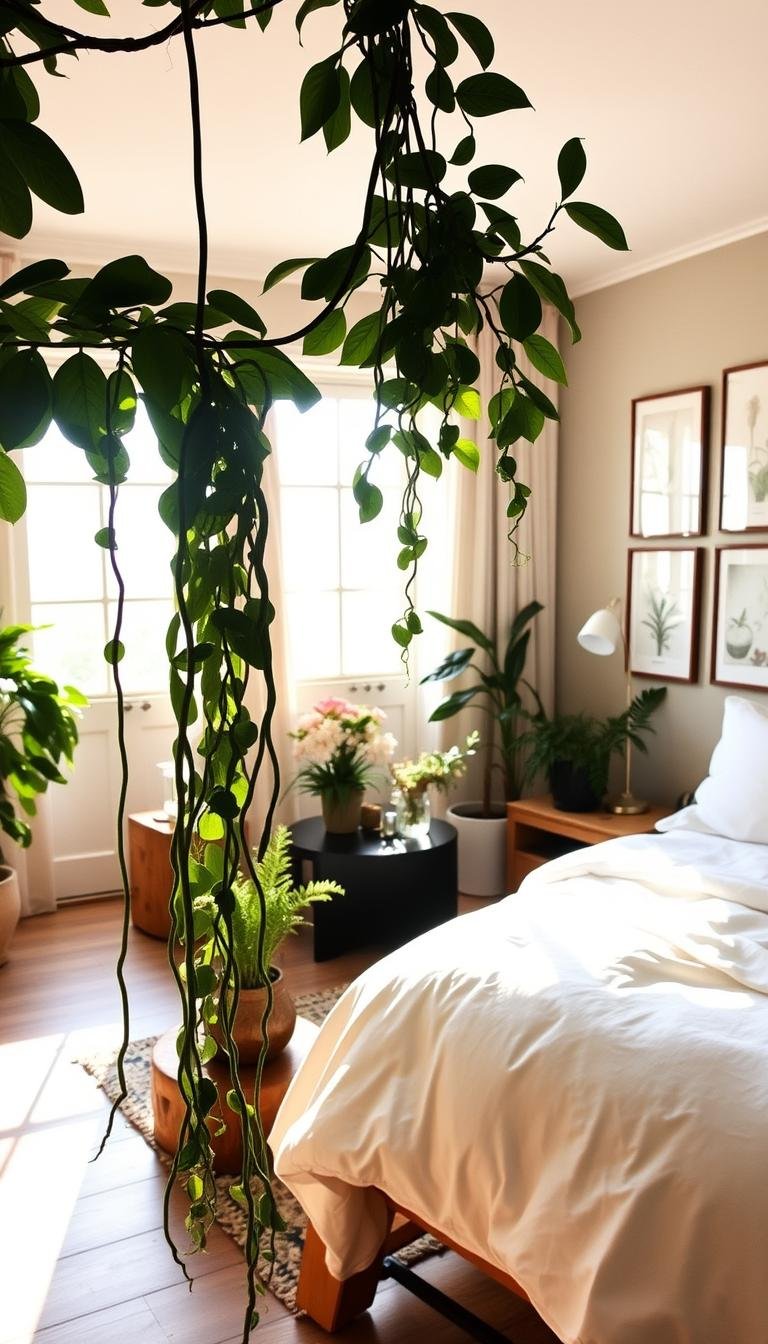
Imagine walking into your personal sanctuary. It feels complete, yet something’s missing. That special touch of nature could be the perfect addition.
Adding greenery transforms your space into a living environment. It brings a sense of calm and vitality that few other elements can match.
These natural companions do more than just look pretty. They create a cozy atmosphere that feels uniquely yours. Your room becomes more inviting and personalized.
This approach connects to biophilic design trends. It’s about blending outdoor elements with indoor living for better well-being.
Think of them as partners in crafting a healthier, happier space. The right choices complement your style and room size perfectly.
Why Your Bedroom Deserves a Touch of Greenery
Have you ever considered how a single leafy friend could change your entire sleep space? Introducing natural elements into your personal retreat does more than just fill an empty corner. It transforms the entire feel of your environment.
That splash of green immediately lifts your spirits. It brings positive energy into your private area. You will notice a brighter, more cheerful atmosphere almost right away.
Living greens create a bridge to the outdoors. This connection helps lower stress. It encourages deep relaxation after a long day.
Visually, these additions provide beautiful color and interesting textures. They make any area feel more dynamic. Your personal haven becomes more inviting and complete.
Even a small potted companion can have a huge effect. It fits perfectly in compact areas or larger rooms. There is an option for every design style.
Think of them as living art pieces. They replace synthetic items with real, growing beauty. This natural touch feels authentic and special.
The mental advantages are significant. You may feel more peaceful and content in your own sanctuary. It becomes a true haven for rest and happiness.
Starting with just one is a great idea. Experience the positive shift it brings to your surroundings. You might be surprised by the difference it makes.
| Benefit Type | Short-Term Effect | Long-Term Impact |
|---|---|---|
| Mood Enhancement | Immediate uplift in energy | Sustained positive atmosphere |
| Visual Appeal | Adds color and texture | Creates a dynamic, living space |
| Psychological Wellness | Reduces daily stress | Promotes ongoing relaxation |
| Design Flexibility | Fits any size area | Adapts to changing styles |
Embrace the change that nature offers. Your sleep environment will thank you. It’s a simple step toward a more balanced life.
More Than Decor: The Surprising Health Benefits of Bedroom Plants
Beyond their decorative charm, these living companions offer remarkable wellness benefits you can experience daily. They work quietly while you rest, contributing to a healthier environment.
Natural Air Purification and Toxin Removal
Your green friends act as natural air cleaners. They absorb harmful substances like formaldehyde and benzene through their leaves.
This process, called phytoremediation, uses both leaves and roots to capture pollutants. It continuously improves your indoor air quality while you sleep.
Boosting Humidity for Easier Breathing
Many varieties release moisture into your space. This natural humidification can make breathing more comfortable.
Plants like Chinese Evergreen help alleviate dry air issues. They may reduce coughing and support skin hydration through increased humidity.
Promoting Relaxation and Reducing Anxiety
Simply having greenery nearby creates calming effects. Studies show they can lower heart rate and reduce stress levels.
Certain varieties like gardenia offer soothing scents that relieve anxiety. Their presence contributes to better mental health and relaxation.
Research indicates these natural elements promote restful sleep. They transform your space into a truly healthier environment for rejuvenation.
Consider incorporating them for both beauty and wellness advantages. You’ll create a sanctuary that actively supports your well-being every night.
Your Guide to Choosing the Perfect Plant for Your Sleep Space
Finding the right green companion for your personal retreat requires thoughtful consideration. Making the perfect choice ensures your new addition thrives while enhancing your environment.
Several factors influence your selection process. These include available illumination, your daily routine, and household safety needs. Each element plays a crucial role in long-term success.
Assessing Your Light Conditions
Understanding your room’s illumination patterns is essential. Different species have varying needs for brightness levels.
Observe how sunlight enters your space throughout the day. Note areas receiving direct rays versus softer, filtered illumination. This knowledge helps match specimens to their ideal spots.
Simple methods can measure light intensity. Hold your hand above a surface around noon. A sharp shadow indicates bright light, while a fuzzy one suggests medium conditions.
Consider seasonal changes in sun exposure. Windows facing south typically offer the most consistent brightness. North-facing ones provide softer, indirect illumination year-round.
Considering Your Lifestyle and Care Commitment
Your daily schedule determines how much attention you can provide. Some varieties demand frequent attention while others thrive with minimal intervention.
Busy individuals benefit from low-maintenance options. Snake plants and ZZ varieties tolerate occasional forgetfulness. They bounce back easily if you miss watering sessions.
If you travel frequently, choose drought-tolerant species. Succulents and cacti store water in their leaves or stems. They survive longer periods between hydration.
Match plant size to your available area. Consider both current dimensions and future growth potential. Ensure your selection won’t overcrowd your personal haven.
Prioritizing Pet and Child Safety
Protecting family members is paramount when introducing greenery. Many common varieties contain substances harmful if ingested.
Always verify toxicity levels before purchasing. Spider plants and bamboo palms are safe for curious pets. They add beauty without risking animal health.
Place potentially problematic specimens out of reach. High shelves or hanging containers keep them away from exploring hands and paws. This prevents accidental contact.
Research each candidate thoroughly online or consult nursery experts. They provide accurate safety information for specific breeds. This ensures peace of mind for your household.
| Selection Factor | Key Considerations | Ideal Plant Examples |
|---|---|---|
| Light Requirements | Direct vs indirect sunlight, seasonal changes | Snake plant (low light), Pothos (medium light) |
| Maintenance Level | Watering frequency, pruning needs, feeding schedule | ZZ plant (low care), Chinese Evergreen (moderate care) |
| Safety Concerns | Toxicity levels, placement options, family members | Spider plant (pet-safe), Areca palm (child-friendly) |
| Space Compatibility | Current size, growth rate, container options | Aloe vera (compact), Bamboo palm (floor space) |
Temperature and humidity affect plant health too. Most common varieties adapt well to typical indoor conditions. Tropical species might need additional moisture in dry climates.
Always research specific requirements before finalizing your decision. This ensures your green companions flourish while providing maximum benefits to your home environment.
Top Air-Purifying Plants for a Healthier Bedroom Environment
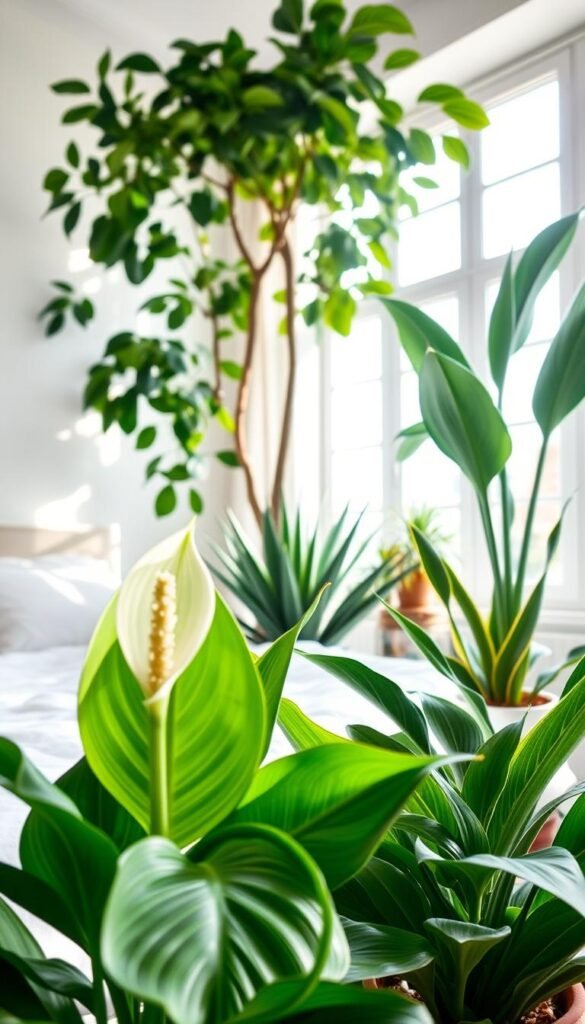
Your sleep space deserves the cleanest air possible. Certain green companions excel at removing harmful substances while you rest. They work quietly through the night to create a purer atmosphere.
These natural cleaners tackle common household pollutants. They absorb chemicals released from furniture, cleaning products, and electronics. You’ll breathe easier knowing your air quality improves daily.
Snake Plant (Dracaena trifasciata)
This sturdy favorite operates around the clock. It converts carbon dioxide into oxygen even during nighttime hours. That makes it perfect for your sleeping area.
Snake plants filter numerous airborne toxins effectively. They handle formaldehyde and benzene with remarkable efficiency. Their vertical growth fits perfectly in corners or beside furniture.
Care tips: Bright indirect light works best. Water only when soil becomes completely dry. This drought-tolerant survivor thrives with minimal attention.
Spider Plant (Chlorophytum comosum)
These cheerful growers battle carbon monoxide and benzene. They produce oxygen during dark hours too. Their arching leaves create beautiful cascading displays.
Spider plants multiply quickly, giving you plenty to share. They’re non-toxic for pets and children. Hang them near windows for optimal air-cleaning performance.
Care tips: Prefer bright, indirect sunlight. Keep soil moderately moist. Trim brown tips occasionally to maintain vibrant appearance.
Peace Lily (Spathiphyllum spp.)
Elegant white blooms make this variety visually striking. It actively removes acetone, alcohols, and formaldehyde. The lush foliage adds tropical elegance to any space.
Peace lilies indicate when they need water by drooping slightly. They bounce back quickly after hydration. Their broad leaves maximize toxin absorption.
Care tips: Thrives in low to medium light. Keep soil consistently moist. Wipe leaves regularly to maintain optimal function.
Bamboo Palm (Chamaedorea seifrizii)
This palm variety excels at benzene removal. It brings a touch of the tropics indoors. The feathery fronds create gentle movement in still air.
Bamboo palms are completely safe around curious pets. They grow tall but remain relatively narrow. Place them where they can receive filtered sunlight.
Care tips: Prefers bright, indirect light. Water when top inch of soil dries out. Mist leaves occasionally for extra humidity.
English Ivy (Hedera helix)
This classic vine tackles mold spores and formaldehyde effectively. It can improve allergy symptoms by clearing airborne irritants. The trailing habit looks beautiful on shelves or in hanging containers.
English ivy grows vigorously under proper conditions. It adapts well to various light situations. Regular pruning keeps it looking neat and healthy.
Care tips: Prefers cooler temperatures and moist soil. Provide bright, indirect light for best growth. Watch for spider mites in dry conditions.
Choosing one or more of these varieties significantly upgrades your air quality. They work together to create a healthier environment for restorative sleep. Your lungs will thank you every morning.
Best Low-Light Plants for Bedrooms with Minimal Sun
North-facing windows or shaded corners don’t have to stay empty. Several wonderful green companions thrive beautifully without direct sunlight. They bring life to spaces that receive minimal natural illumination.
These resilient varieties adapt to your room’s conditions. They continue purifying air and adding natural beauty. You can enjoy their benefits even in the dimmest areas.
ZZ Plant (Zamioculcas zamiifolia)
This tough survivor handles near-dark conditions with ease. Its glossy, waxy leaves store water for weeks. You can forget watering occasionally without harm.
The ZZ plant grows slowly but steadily in low light. It produces upright stems with dark green foliage. This makes it perfect for corners or beside furniture.
Care tips: Water only when soil becomes completely dry. Wipe leaves occasionally to maintain shine. It thrives in typical room temperatures.
Chinese Evergreen (Aglaonema spp.)
This adaptable beauty offers stunning leaf patterns. Silver, pink, or red markings decorate its foliage. It brings color to dim areas where other plants might struggle.
Chinese evergreen prefers consistent moisture but tolerates dryness. It grows steadily without demanding much attention. The varied appearances let you choose your favorite style.
Care tips: Keep soil slightly moist but not soggy. Avoid cold drafts from windows. Rotate occasionally for even growth.
Pothos (Epipremnum aureum)
These trailing vines create beautiful cascading displays. Heart-shaped leaves spill gracefully from shelves or hanging pots. They adapt to various light conditions effortlessly.
Pothos grows quickly even in minimal illumination. You can easily propagate new plants from cuttings. This makes it a generous choice for sharing with friends.
Care tips: Water when top inch of soil feels dry. Trim long vines to encourage bushiness. Wipe leaves monthly to remove dust.
Cast Iron Plant (Aspidistra elatior)
This hardy variety lives up to its strong name. It survives in near-darkness and tolerates neglect. The broad, dark green leaves add tropical elegance.
Cast iron plants grow slowly and remain compact. They’re perfect for filling empty floor space. Their resilience makes them ideal for beginners.
Care tips: Water sparingly, allowing soil to dry between sessions. Avoid frequent repotting. Clean leaves occasionally to maintain health.
Place these varieties near north-facing windows or in shadowed areas. They’ll thrive while improving your air quality. Your home gains natural beauty without sunlight requirements.
Even dim sleeping areas can host vibrant greenery. These selections prove that limited illumination isn’t a barrier. They transform challenging spaces into green oases.
Pet-Friendly Plants for Households with Furry Friends
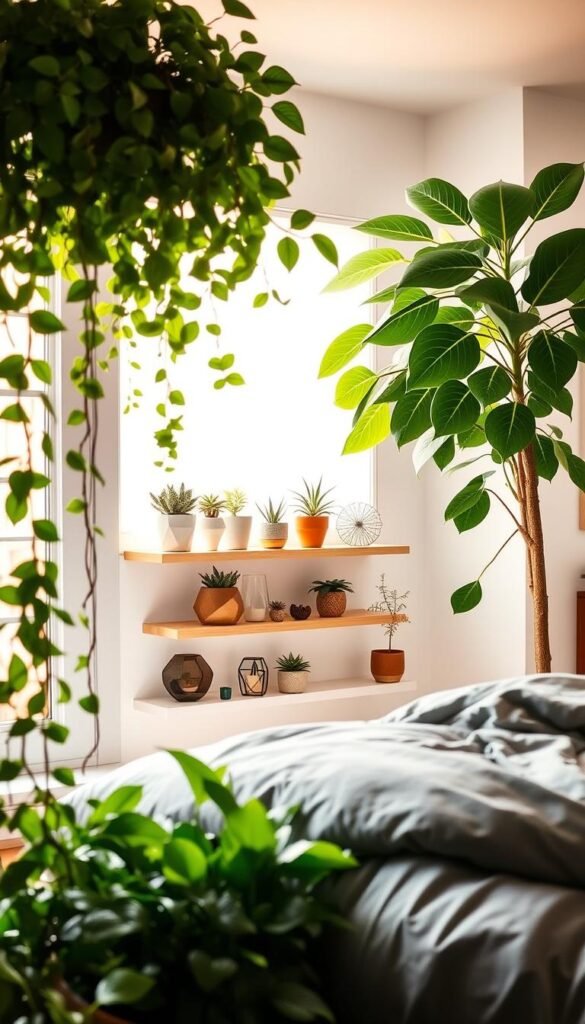
Your animal companions deserve a safe environment to explore. Choosing the right greenery ensures everyone stays happy and healthy. It creates harmony between your love for nature and your pets’ well-being.
Making a smart selection prevents potential hazards. You can enjoy beautiful additions without worrying about curious noses. This thoughtful approach brings peace of mind to your household.
Spider Plant (Chlorophytum comosum)
This popular option poses no threat to your four-legged friends. Its arching green and white leaves create visual interest. You’ll appreciate its non-toxic properties for your animals.
Spider plants work hard to clean your air too. They remove common household pollutants effectively. Their trailing nature looks lovely on shelves or in hanging baskets.
Care tips: Provide bright, indirect light for best growth. Keep soil moderately moist but not soggy. Trim brown leaf tips to maintain its vibrant appearance.
Bamboo Palm (Chamaedorea seifrizii)
This elegant palm variety is completely safe for pets. Its feathery fronds add tropical flair to your room. You’ll enjoy watching it grow while knowing your animals are protected.
Bamboo palms excel at removing airborne toxins. They work quietly to improve your indoor air quality. Their graceful presence enhances any living area beautifully.
Care tips: Place in bright, filtered light for optimal health. Water when the top inch of soil feels dry. Mist leaves occasionally to maintain proper humidity levels.
Areca Palm (Dypsis lutescens)
This stunning palm brings elegance without any risk. Its graceful, arching fronds create movement and texture. You can enjoy its beauty without concern for your pets’ safety.
Areca palms grow tall, making them perfect statement pieces. They fill vertical space with lush green foliage. Their non-toxic nature makes them ideal for households with animals.
Care tips: Provide bright, indirect sunlight for best growth. Keep soil consistently moist but never waterlogged. Rotate occasionally to ensure even development.
Boston Fern (Nephrolepis exaltata)
This classic fern offers safe greenery for pet owners. Its delicate fronds create soft, flowing displays. You’ll love how it adds texture while keeping your animals secure.
Boston ferns require specific care to thrive indoors. They need consistent moisture and high humidity levels. Regular misting helps maintain their vibrant green color.
Care tips: Place in bright, indirect light away from direct sun. Keep soil evenly moist at all times. Provide extra humidity through daily misting or a pebble tray.
Always avoid species that could harm your beloved companions. Common dangerous varieties include lilies, philodendrons, and dieffenbachia. Research each potential addition thoroughly before bringing it home.
Creating a pet-safe environment brings joy to everyone. You can decorate freely knowing your choices protect your furry family members. It’s the perfect way to blend nature and safety in your personal space.
Fragrant Plants to Calm Your Senses and Promote Sleep
Have you noticed how certain scents instantly make you feel more relaxed? Aromatic greenery can transform your nightly routine into a soothing experience. These natural air fresheners work wonders for your mood and rest quality.
Their gentle fragrances create a peaceful atmosphere. You’ll find yourself drifting off more easily. Waking up feels more refreshing too.
Lavender (Lavandula)
This classic herb offers a calming scent that’s scientifically proven to reduce anxiety. Its purple blooms release essential oils that improve sleep quality naturally. Many people report deeper, more restful nights with lavender nearby.
Growing lavender indoors requires bright light and well-draining soil. Water only when the soil feels dry to the touch. This Mediterranean native loves plenty of sunshine.
Jasmine (Jasminum)
Jasmine’s sweet fragrance soothes nerves and elevates your mood. Its delicate white flowers release scent particularly in the evening. This makes it perfect for creating a relaxing bedtime environment.
Place jasmine near a sunny window where it receives at least four hours of light daily. Keep the soil consistently moist but never waterlogged. Regular pruning maintains its beautiful shape.
Gardenia (Gardenia jasminoides)
These stunning blooms offer a rich, luxurious fragrance that promotes relaxation. Gardenias can help reduce anxiety and encourage deeper sleep. Their creamy white flowers look absolutely beautiful against dark green leaves.
They prefer bright, indirect light and high humidity. Mist the leaves regularly or use a pebble tray. Consistent moisture is key, but avoid overwatering.
Rosemary (Rosmarinus officinalis)
Rosemary’s pine-like scent can clear your mind and boost your mood. This versatile herb has been shown to improve memory and concentration too. Its needle-like leaves release fragrance when brushed against.
Provide plenty of bright light for optimal growth. Allow the soil to dry slightly between waterings. This hardy herb thrives with minimal care.
Position these aromatic varieties near windows where they receive adequate light. Ensure proper soil moisture without overwatering. Their natural scents will fill your space with calming aromas.
Incorporate them into your evening routine for maximum effect. Their fragrances signal your body that it’s time to unwind. You’ll create a personal sanctuary that promotes better rest naturally.
For additional insights on selecting the perfect sleep-enhancing varieties, explore this helpful guide to plants that improve sleep.
Plants That Release Oxygen at Night for Better Sleep
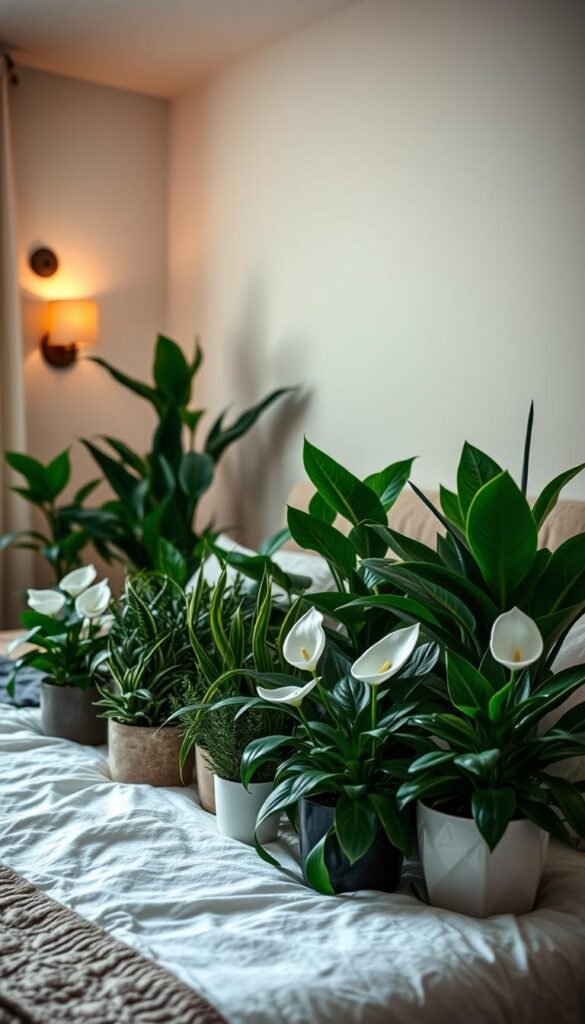
Did you know some natural companions work while you rest? They quietly improve your air quality throughout the night. This special ability makes them perfect for your personal space.
These varieties follow a different rhythm than most greenery. They absorb carbon dioxide after sunset. This process increases oxygen levels while you sleep.
Breathing cleaner air supports deeper rest. You wake up feeling more refreshed. It’s a simple way to enhance your nightly routine.
Snake Plant
This sturdy favorite operates on a unique schedule. It performs photosynthesis during dark hours. That means it converts CO2 into oxygen all night long.
Snake plants filter numerous airborne toxins too. They handle formaldehyde and benzene effectively. Their vertical growth fits perfectly in compact areas.
Care tips: Bright indirect light works best. Water only when soil becomes completely dry. This drought-tolerant survivor thrives with minimal attention.
Aloe Vera
This useful succulent offers dual advantages after sunset. It releases oxygen throughout the night. You also get its famous healing properties for skin care.
The gel inside its leaves soothes burns and cuts. It’s like having a natural first-aid kit nearby. This makes it both practical and beautiful.
Care tips: Provide plenty of bright sunlight. Water deeply but infrequently. Use well-draining soil to prevent root issues.
Orchid
These elegant blooms bring beauty and function together. They help clean your air while adding visual appeal. Their exotic flowers last for weeks.
Orchids are hypoallergenic and safe for most people. They won’t trigger allergy symptoms. This makes them ideal for sensitive individuals.
Care tips: Prefer bright, indirect light. Water once weekly with lukewarm water. Provide good air circulation around roots.
Christmas Cactus
This seasonal beauty may contribute to nighttime oxygen release. Its colorful blooms appear during shorter days. They add festive cheer to your environment.
The cascading stems create beautiful displays. You can enjoy its flowers year after year. It becomes a cherished seasonal tradition.
Care tips: Prefer indirect light away from direct sun. Keep soil slightly moist during growth periods. Reduce watering after blooming finishes.
Place these special varieties near your resting area. They work quietly through the night to improve your air. You’ll notice the difference in your sleep quality.
Their unique abilities make them among the best choices for your personal space. You get both aesthetic appeal and functional health benefits. It’s a winning combination for better rest.
Creating a Serene Atmosphere with Bedroom Plants Decor: Fresh, Airy, Alive.
Transform your sleep environment into a peaceful retreat with thoughtful greenery arrangements. The right layout turns your space into a calming oasis that feels both inviting and restorative.
Start by playing with different heights and textures. Mix tall specimens with lower-growing varieties. This creates visual depth that feels naturally balanced.
Combine trailing vines with upright species for dynamic interest. The cascading effect softens hard edges in your room. You’ll enjoy the flowing movement it brings to your space.
Place your green companions near windows where they receive optimal light. Corners also work wonderfully for creating cozy nooks. This maximizes both their health and aesthetic appeal.
Your selections contribute to a fresh, airy feeling throughout the area. They naturally improve the overall ambiance and mood. You’ll notice a lighter, more open atmosphere immediately.
Choose planters that complement your existing decor style. Matching containers create a cohesive, intentional look. This attention to detail makes your space feel professionally designed.
The psychological impact of a lively green environment is profound. It significantly reduces daily stress levels. You’ll find yourself relaxing more deeply in this natural sanctuary.
Don’t be afraid to experiment with different layouts. Move things around until you find what feels most peaceful. Your perfect arrangement is waiting to be discovered.
Remember that creating serenity is a personal journey. What works for others might not work for you. Trust your instincts when designing your ideal retreat.
This approach transforms your room into a true haven. It becomes somewhere you genuinely love spending time. That makes all the difference in your daily life.
Essential Care Tips for Thriving Bedroom Plants
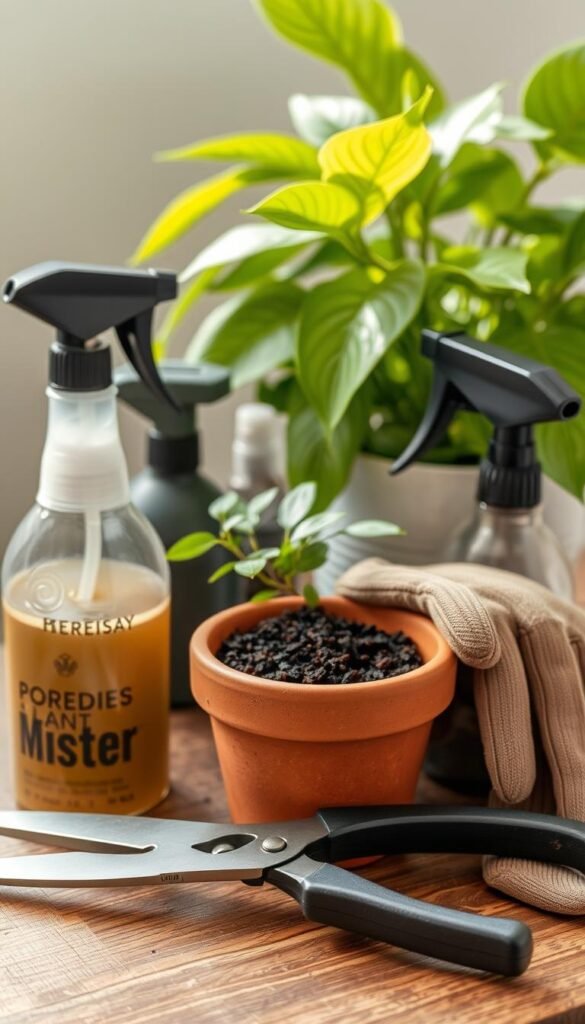
Keeping your green companions healthy requires some basic knowledge. Proper maintenance ensures they continue providing their wonderful advantages. You’ll enjoy watching them grow and flourish with the right approach.
These simple practices make all the difference in long-term success. They help prevent common problems before they start. Your efforts will be rewarded with vibrant, happy specimens.
Mastering the Art of Watering
Getting hydration right is crucial for plant health. Too much or too little can cause issues. The finger test works best for checking moisture levels.
Insert your finger about an inch into the soil. If it feels dry, it’s time to water. If moist, wait another day or two.
Signs of overwatering include yellow leaves and soggy soil. Underwatered specimens show drooping leaves and dry potting mix. Adjust your routine based on these signals.
Most varieties prefer thorough watering followed by complete drainage. Always empty saucers after irrigation. This prevents root rot and keeps roots healthy.
Choosing the Right Soil and Pot
Selecting proper containers and growing medium matters greatly. Drainage holes are non-negotiable for most types. They allow excess moisture to escape freely.
Match soil type to your plant’s natural habitat. Succulents need fast-draining cactus mix. Tropical varieties prefer moisture-retaining blends with peat moss.
Container size affects growth and watering frequency. Too large pots hold excess moisture around roots. Too small containers restrict growth and dry out quickly.
Consider material too—terra cotta breathes well but dries faster. Plastic retains moisture longer. Choose based on your watering habits and plant needs.
Understanding When and How to Fertilize
Feeding your green friends supports strong growth. Most benefit from nutrients during active growing seasons. Spring and summer are typically the best times.
Use balanced, water-soluble formulas diluted to half strength. Apply every 4-6 weeks during growth periods. Reduce or stop completely in fall and winter.
Watch for signs of nutrient deficiency like pale leaves or stunted growth. Yellowing between veins often indicates need for fertilization. Address these issues promptly.
Always water thoroughly before applying any plant food. This prevents root burn and ensures even distribution. Follow package instructions carefully for best results.
Establishing a consistent routine makes care easier. Check your specimens regularly for changes in appearance. Healthy plants reward you with growth and beauty.
These practices ensure your green companions thrive for years. They continue providing their wonderful health benefits in your personal space. Your efforts create a living environment that enhances daily life.
How to Style and Arrange Plants in Your Bedroom
Your room’s layout becomes a canvas for natural beauty when you arrange greenery thoughtfully. The right placement turns your space into a personalized sanctuary that feels both organized and inviting.
Start by considering your available surfaces and empty corners. Each area offers unique opportunities for displaying your green companions. You’ll create visual harmony through strategic positioning.
Utilizing Nightstands and Shelves
Small surfaces like bedside tables perfect for compact varieties. Lavender or orchids add elegance without overwhelming your space. They bring nature within easy reach as you relax.
Shelves provide vertical display options for multiple specimens. Stagger heights to create dynamic visual interest. This approach maximizes your available area beautifully.
Choose containers that complement your existing furniture style. Cohesive looks create intentional, polished arrangements. Your selections should enhance rather than compete with your decor.
The Beauty of Hanging Planters
Elevate your arrangements with suspended containers that save floor space. Trailing varieties like pothos or spider plants cascade gracefully downward. They add movement and dimension to any room.
Macramé hangers or modern geometric designs offer stylish suspension options. These installations draw the eye upward, creating the illusion of height. Your ceiling becomes part of the decorative scheme.
Position hanging installations near windows where light supports growth. Ensure they hang at safe heights for easy movement underneath. This practical choice combines beauty with functionality.
Creating a Statement with a Large Floor Plant
Anchor your space with substantial specimens that command attention. Bamboo palms or monsteras make impressive focal points in empty corners. Their size creates instant visual impact.
Tall varieties balance other elements in your room effectively. They provide height variation that makes arrangements feel complete. Your space gains architectural interest through living elements.
Place statement pieces where they have room to grow without obstruction. Ensure they receive appropriate light for their species. These magnificent additions become conversation starters.
Group smaller varieties around larger specimens for layered effects. Clusters create mini ecosystems that enhance visual flow. You’ll appreciate how they transform neglected corners into featured areas.
Match container styles to your overall theme for cohesive looks. Modern pots suit contemporary spaces while terracotta complements rustic schemes. Your choices reflect personal taste through intentional design.
Maintain balance by distributing visual weight evenly throughout your room. Avoid overcrowding any single area with too many elements. Proper scale ensures your space feels open and organized.
Experiment with different layouts until you discover what feels right. Move arrangements seasonally to refresh your perspective. Your perfect configuration evolves with your changing preferences.
Remember that successful styling combines aesthetics with practical care needs. Ensure all placements support your plants’ health requirements. Beautiful arrangements should also be sustainable ones.
Your thoughtful approach creates a harmonious environment that feels uniquely yours. Each choice reflects your personal style and commitment to natural beauty. The result is a space that truly feels like home.
Troubleshooting Common Bedroom Plant Problems
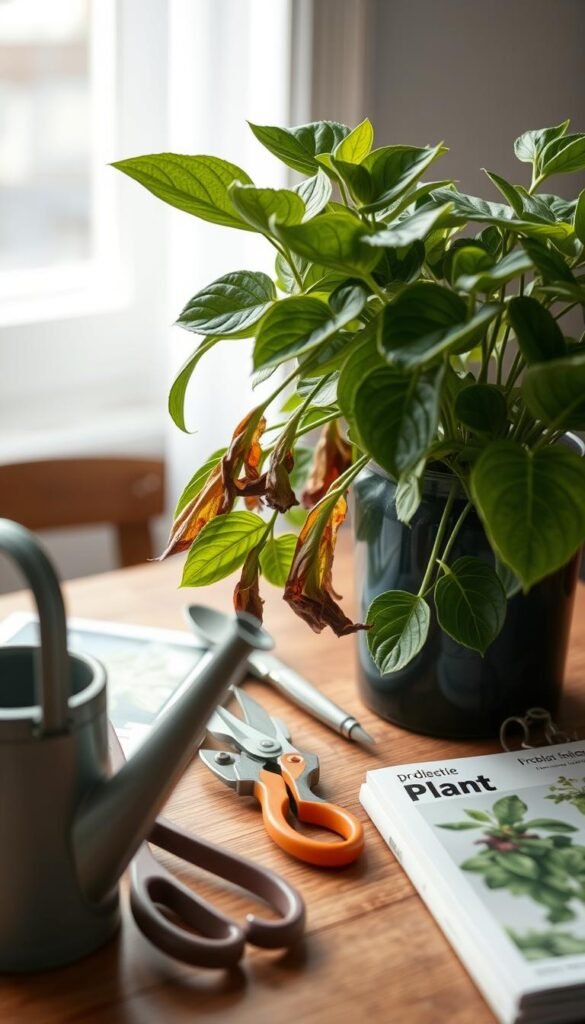
Even the most attentive plant owners encounter challenges with their green companions. Recognizing early warning signs helps you address issues before they become serious. Quick intervention preserves your plant’s health and maintains your space’s beauty.
Identifying Signs of Overwatering and Underwatering
Too much water often shows as yellowing leaves and soggy soil. The roots may develop rot in consistently wet conditions. This compromises your plant’s ability to absorb nutrients.
Correct overwatering by letting the soil dry completely. Check moisture depth with your finger before adding more water. Improve drainage by ensuring pots have adequate holes.
Underwatered specimens display dry, crispy leaves and drooping stems. The soil pulls away from the pot’s edges when severely dry. Rehydrate slowly with thorough watering until excess drains out.
Establish a consistent schedule based on your plant’s needs. Factors like season and room temperature affect hydration requirements. Your daily observation becomes the best guide for proper care.
Dealing with Pests Naturally
Small insects can occasionally invade your green companions. Aphids, spider mites, and mealybugs are common visitors. Early detection prevents widespread infestation.
Natural solutions effectively control these pests without chemicals. Neem oil mixed with water makes an excellent spray treatment. Insecticidal soap also works well for most common bugs.
Apply treatments in the evening to avoid sun damage to leaves. Repeat every few days until pests disappear completely. Isolate affected plants to protect others in your space.
Regular inspection helps catch problems early. Check undersides of leaves where pests often hide. Your vigilance maintains your plants’ health and appearance.
Reviving an Unhealthy Plant
Many struggling plants can recover with proper attention. First identify the specific issue affecting your green friend. Common problems include incorrect light, improper watering, or nutrient deficiency.
Adjust conditions based on your plant’s natural preferences. Move to better light or modify your watering routine. Sometimes repotting with fresh soil provides needed rejuvenation.
Prune dead or damaged growth to encourage new development. Remove yellowed leaves and trim leggy stems. This redirects energy to healthier parts of the plant.
Be patient during recovery periods. Some plants need weeks to show improvement. Your consistent care gives them the best chance for revival.
Remember that most plants want to thrive in your home. They offer numerous benefits when they receive appropriate attention. Your efforts create a healthier environment for everyone.
Plants to Avoid in the Bedroom
Some green companions might not be the best fit for your personal space. Knowing which ones to skip can save you trouble and keep your environment safe. Making smart choices ensures your room stays both beautiful and functional.
Species Toxic to Pets
Certain varieties pose risks to your furry friends. Peace lilies contain calcium oxalate crystals that irritate mouths and stomachs. Monstera and dieffenbachia also have these harmful substances.
Philodendrons cause similar issues if chewed or ingested. Even small amounts can create serious health problems. Always check toxicity levels before bringing any new plant home.
Safer alternatives include spider plants and bamboo palms. These provide beauty without endangering your pets. Your animal companions can explore safely around these options.
High-Maintenance Plants for Beginners
Some species demand more attention than others. Orchids require specific humidity levels and careful watering. They might frustrate new plant owners with their needs.
Boston ferns need consistent moisture and frequent misting. Gardenias demand precise soil acidity and bright light. These conditions can challenge inexperienced caregivers.
Consider starting with snake plants or ZZ varieties instead. They tolerate occasional mistakes and forgetfulness. You’ll enjoy success while learning proper care techniques.
Plants with Overpowering Fragrances
Strong scents can sometimes become overwhelming. Certain jasmine varieties release intense perfumes at night. These might disrupt sleep rather than enhance it.
Some people experience headaches or allergies from powerful fragrances. What smells pleasant to one person might bother another. Always test your reaction to scented plants before placing them in your sleep area.
Lavender offers a gentler, more universally calming aroma. It provides relaxation without being overpowering. This makes it a better choice for most sleeping spaces.
Research each potential addition thoroughly before purchasing. Understanding its needs and effects prevents disappointment. Your perfect green companions await with the right knowledge.
Choosing wisely ensures your space remains peaceful and safe. You’ll create an environment that supports both relaxation and well-being. That’s the true benefit of thoughtful plant selection.
Myth Busting: The Truth About Plants in the Bedroom
You might have heard some concerns about keeping greenery in your sleeping area. Let’s clear up those misconceptions with real facts. Understanding the science helps you make informed decisions for your space.
Many worries focus on nighttime changes and moisture levels. We’ll explore what actually happens when you share your room with nature. The reality might surprise you in the best way.
Carbon Dioxide at Night: How Much is Too Much?
Some people worry about plants releasing CO2 after dark. The truth is their output is incredibly small. Human breathing produces far more carbon dioxide than your green companions.
Research shows this minimal release poses no health risk. Your room’s ventilation handles it easily. You continue breathing clean, safe air throughout the night.
These natural friends actually improve your environment. They filter toxins and produce oxygen during the day. Their positive impact far outweighs any minimal nighttime activity.
Do Plants Really Increase Humidity Significantly?
Greenery adds moisture through a process called transpiration. This natural release helps combat dry indoor air. It creates a more comfortable breathing environment.
The humidity increase is gentle and beneficial. It won’t make your space feel damp or muggy. This slight boost can help with dry skin and easier breathing.
Multiple plants create a more noticeable effect. Their combined transpiration improves overall air quality. You’ll appreciate the balanced moisture levels.
Scientific studies confirm these natural companions are completely safe. Their health benefits include cleaner air and better humidity. Trust the evidence over common myths.
Embrace these wonderful additions to your personal space. Their positive qualities make them valuable roommates. You’ll enjoy a healthier, more comfortable environment.
Proper care ensures they thrive while supporting your well-being. Choose varieties that suit your light conditions and lifestyle. Your efforts will be rewarded with natural beauty and cleaner air.
Your First 5 Plants: A Starter Kit for Beginners
Starting your green journey feels exciting yet overwhelming. The perfect beginner collection combines beauty with incredible ease. These five champions offer immediate rewards with minimal effort.
Each selection brings unique advantages to your personal area. They work together to create a healthier environment. You’ll gain confidence while enjoying nature’s gifts.
Snake Plant: The Unkillable Classic
This tough survivor handles almost any condition gracefully. Its sword-like leaves stand tall with striking patterns. You’ll appreciate its architectural beauty and resilience.
Snake plants purify your air day and night. They remove toxins while requiring very little attention. This makes them among the best bedroom companions available.
Care tips: Thrives in low to bright light. Water only when soil becomes completely dry. It grows slowly but steadily over time.
Pothos: The Trailing Beauty
These graceful vines create beautiful cascading displays. Heart-shaped leaves spill from shelves or hanging containers. They adapt to various light conditions effortlessly.
Pothos grows quickly even with minimal care. You can easily propagate new plants from cuttings. This generous choice lets you share greenery with friends.
Care tips: Water when top inch of soil feels dry. Trim long vines to encourage bushiness. Wipe leaves monthly to maintain shine.
Spider Plant: The Prolific Air Purifier
This cheerful grower battles common household pollutants effectively. It produces oxygen during dark hours too. Your air quality improves while you rest peacefully.
Spider plants multiply quickly, giving you plenty to enjoy. They’re completely safe for pets and children. Their arching leaves create visual interest anywhere.
Care tips: Prefer bright, indirect sunlight. Keep soil moderately moist. Remove brown tips to maintain appearance.
ZZ Plant: The Low-Light Champion
This glossy beauty handles near-dark conditions with ease. Its waxy leaves store water for extended periods. You can forget watering occasionally without harm.
ZZ plants grow slowly but steadily in low light. They produce upright stems with dark green foliage. This makes them perfect for corners or beside furniture.
Care tips: Water only when soil becomes completely dry. Wipe leaves occasionally to maintain shine. It thrives in typical room temperatures.
Aloe Vera: The Night-Oxygen and First-Aid Combo
This useful succulent offers dual advantages after sunset. It releases oxygen night throughout the dark hours. You also get its famous healing properties for skin care.
The gel inside its leaves soothes burns and cuts naturally. It’s like having a natural first-aid kit nearby. This makes it both practical and beautiful.
Care tips: Provide plenty of bright sunlight. Water deeply but infrequently. Use well-draining soil to prevent issues.
Starting with this collection builds your confidence quickly. Each plant offers different health benefits and visual appeal. You’ll notice positive changes in your environment immediately.
Their combined care needs remain wonderfully simple. Most require watering only every 1-2 weeks. They forgive occasional mistakes while still thriving.
Place them where they receive appropriate light for their species. Rotate occasionally for even growth. Your efforts will be rewarded with vibrant, happy specimens.
This starter kit transforms any area into a living oasis. You create a healthier, more beautiful personal space. That makes every day feel more refreshing and peaceful.
Transform Your Sleep Sanctuary Today
Your journey to a revitalized personal retreat begins with a simple choice. Selecting natural companions transforms your environment in remarkable ways. You’ll notice immediate improvements in atmosphere and well-being.
Start with one easy-to-maintain variety from our guide. Gradually expand your collection as confidence grows. This approach ensures long-term success and enjoyment.
The health benefits accumulate over time through cleaner air and enhanced relaxation. Your space becomes more inviting with living elements. Each addition contributes to a truly restorative environment.
Enjoy watching your green friends thrive with proper care. Their growth mirrors your own journey toward better rest. This process brings daily satisfaction and natural beauty.
Begin today to experience these positive changes. Your sleep sanctuary awaits its transformation into a fresher, more vibrant haven. Embrace this rewarding path to better well-being.