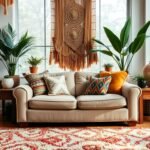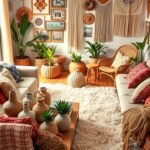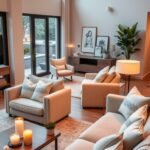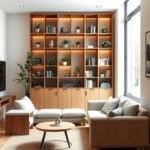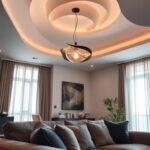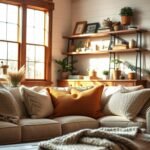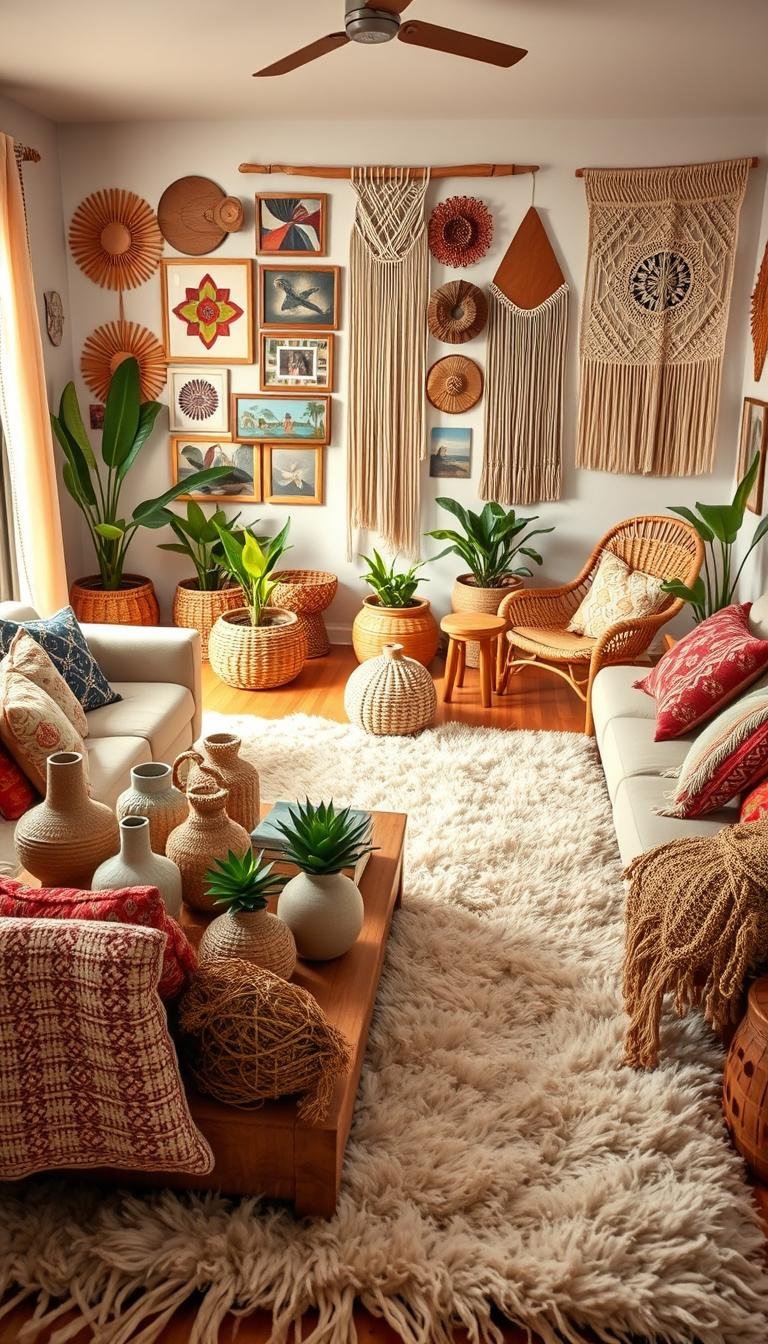
A welcoming boho room feels collected over time, not arranged to match a showroom. Your home can feel relaxed and personal without a full remodel, whether you have one compact room or a spacious living area. The right ideas help you make the most of what you already own.
Layered textiles means combining fabrics and woven surfaces in different weights and textures to add depth and comfort. You can bring that feeling into a room with color, natural materials, vintage pieces, and comfortable seating. A few thoughtful changes often matter more than buying a matching suite of furniture.
Boho living room inspiration can start with a favorite chair, a colorful cushion, or an artwork that makes you happy. From there, you can build a space that suits your personal style and the way you spend time at home. Begin with one piece you already love and build the room around it.
Boho Living Room Inspiration That Feels Personal
A boho room is an eclectic living space shaped by natural materials, relaxed forms, and personal finds. Its easygoing character comes from mixing pieces with different histories, rather than buying a matching set.
Organic shapes, such as curved couches and rounded ottomans, soften a living room and support an informal layout. Modern boho living room inspiration can begin with organic forms and a few chosen vintage details. You do not need to replace everything to get the look.
Organic Shapes and a Relaxed Mood
Look for furniture with soft edges, natural finishes, and room to settle in. A curved couch changes the feel of a boxy room, while a rounded ottoman can serve as a footrest, extra seat, or casual surface. Keep the arrangement loose enough for people to move and talk comfortably.
Bohemian interiors can bring vintage finds, modern furniture, and personal art together. Bohemian living room designs can help you picture how varied pieces work as one relaxed space. The aim is not to make every object match, but to give each one a reason to belong.
Collected Pieces, Not a Matching Set
Start with a small group of elements that reflect how you live. Choose pieces for usefulness as well as appearance, so the room feels welcoming on an ordinary day.
- Curved seating with a comfortable place to stretch out.
- A vintage find, such as a side table or small cabinet.
- Handmade decor with a texture you enjoy seeing up close.
- A personal art piece that feels right in your home.
Leave one open area so the room feels easy to use rather than packed with decor.
Modern boho living room ideas work best when you add a few personal pieces instead of replacing everything. A favorite lamp can stay beside a newer sofa; an older table can pair with a clean-lined chair. Leave one open area so the room feels easy to use rather than packed with decor.
Choose a Color Palette That Holds Together
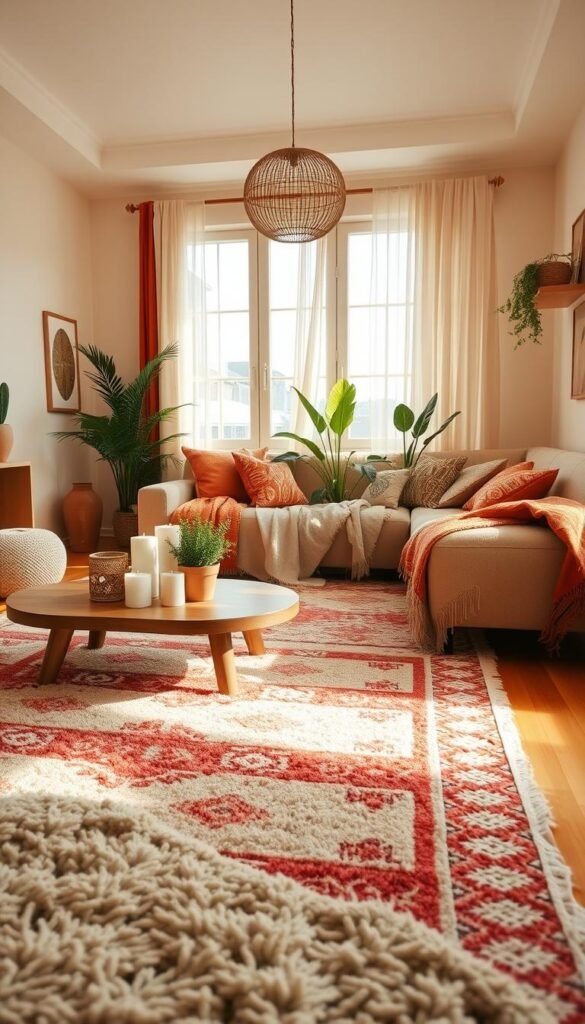
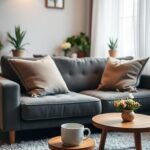
Warm white, cream, and greige give a layered room a calm starting point. These foundation colors let natural materials and collected objects stand out without making the room feel visually busy. A warm base also gives you room to change accents over time.
A refined 2026 color palette can use cream or oatmeal with one or two earthy accents. Repeating three or four tones across the room helps the colors feel connected. Foundation neutrals can cover 60-70% of the room, with earthy accents taking 20-30%.
Start With a Warm Neutral Base
Warm white, cream, and greige work well on walls, larger upholstery, or window treatments. Cloud White OC-130 is one Benjamin Moore backdrop for antique rugs and colorful textiles. Consider the paint color beside your fabrics, since a wall can look different once rugs, cushions, and curtains are in place.
For a warmer, collected feel, beige, taupe, and terracotta can anchor your choices. This cozy warm-neutral approach pairs natural materials and vintage pieces with a calm foundation. Pick a wall sample and view it near the room’s largest textile before settling on a shade.
Add Earthy or Coastal Accents
Terracotta, rust, mustard, ochre, warm brown, dusty pink, and clay bring depth to a neutral base. You can use an accent shade on cushions, a throw, or one piece of art, then repeat it elsewhere in a smaller dose.
A coastal palette can combine sunbaked neutrals and terracotta or clay with sage or olive. Muted ocean blue and seafoam add a cooler note without losing the relaxed mood. Benjamin Moore’s sunbaked options include Dorset Gold HC-8, Concord Ivory HC-12, and Spice Gold 1040.
| Role | Example colors | Suggested share |
|---|---|---|
| Foundation neutrals | Warm white, cream, greige | 60-70% |
| Earthy accents | Terracotta, rust, mustard, clay | 20-30% |
| Jewel-tone accents | Emerald, indigo, teal | 10% |
Keep the paint in conversation with the textiles rather than choosing each in isolation. Repeat a small group of tones in at least two places each to make the palette feel intentional.
Layer Textures Without Cluttering the Room
Texture makes a neutral palette feel welcoming, even when you use only a few colors. Pair soft and structured surfaces so the room feels comfortable instead of flat.
Natural materials such as jute, sisal, rattan, cane, wool, leather, and handmade ceramics offer different kinds of texture. A woven jute surface beside a soft throw creates a clear contrast without adding more color. Clay and handmade ceramics bring a smaller, tactile detail to shelves or tables.
Combine Soft and Woven Surfaces
Start with the surfaces you touch most: a rug underfoot, cushions on the sofa, and a throw within reach. A wool blanket can soften a jute rug’s rougher weave, while a leather accent adds a smooth, firm note. Jute, bamboo, and seagrass can also appear in furniture, rugs, and decorative accents.
Layered textiles do not require a pile of extra objects. You can use a single quilt across the sofa, then add one cushion with a different weave. Layering several rugs is optional, not a requirement; one well-chosen rug can provide enough tactile contrast for the seating area.
Add Fringe and Handmade Details
Fringe on a throw, curtain edge, or pillow trim gives a familiar object a handmade finish. Macramé and vintage textiles can bring another woven surface into view, while a ceramic bowl adds a firmer, smoother contrast. Keep those details in the room’s existing color family.
Use these four texture layers as a simple starting point, adjusting them to your room and routine:
- A woven rug under the main seating area.
- A soft throw over a sofa arm or chair back.
- A leather or wool accent for a contrasting surface.
- A handmade ceramic piece on a table or shelf.
A small detail can add softness without bringing in another large furniture piece. Keep one surface relatively plain if several nearby pieces already have strong texture.
Mix Patterns and Vintage Finds With Care
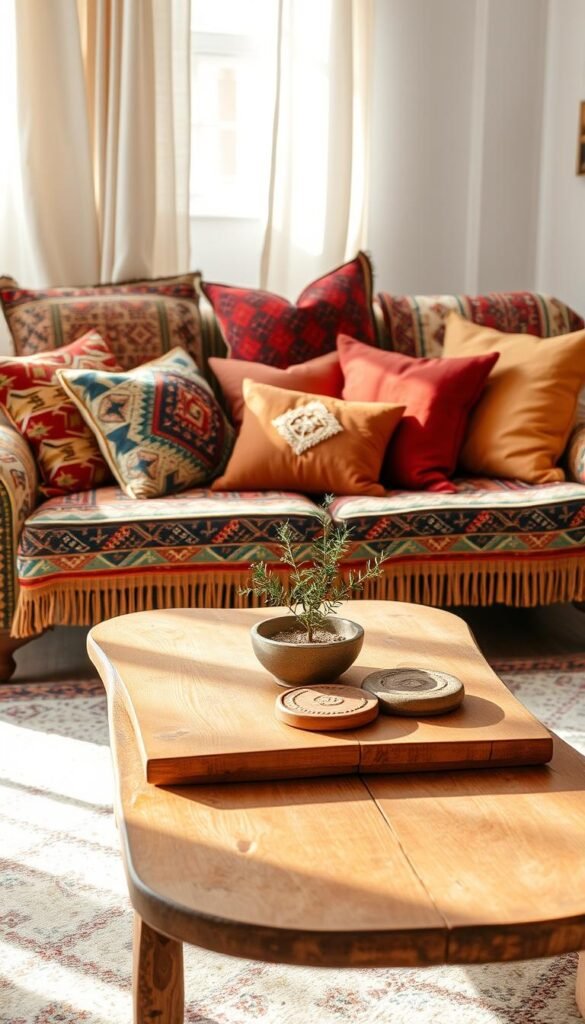
Choose one pattern to lead, then let its colors guide the smaller prints around it. A clear lead print gives your eyes a place to land while other patterns add character.
Kilim cushions, ikats, zigzags, florals, and stripes can all work in a boho living room. When both your sofa and rug have strong patterns, keep the throw pillows quieter. That choice lets the main prints stand out instead of competing for attention.
Choose a Pattern to Lead
Pick a patterned rug, cushion, or throw as the lead piece. Echo one or two of its colors in smaller prints, such as a striped pillow or a floral cushion. The patterns do not need to match; they need a color or scale that makes them feel related.
A large, bold rug usually reads best with simpler pieces around it. If you prefer a patterned sofa, use a plainer rug and fewer printed cushions. Small repeats of a leading color can tie the textiles together without making every surface look alike.
Balance Old and New Pieces
Rustic boho living room ideas can combine vintage wood or textiles with simpler modern upholstery. An older side table can bring visible grain and signs of age beside a clean-lined sofa. A vintage textile can add character to a plain chair, while modern lighting keeps the overall room from feeling like a period set.
Before bringing home another patterned piece, compare it with the larger prints from across the room. Boho pattern and texture ideas show how a cohesive color story can help varied textiles work together. Keep the mix intentional, not crowded.
Use fewer prints when one piece already carries a lot of visual weight. Place a patterned pillow beside a solid one to make a busy sofa easier to read.
Choose Furniture for Comfort and Character
Choose the sofa and other main seats for how you actually relax, not just for their appearance. A comfortable foundation makes the living room useful for everyday lounging, conversation, and quiet time.
Start with a comfortable sofa, then add one or two chairs and a coffee table suited to your space. Boho living room furniture can mix rattan, wood, leather, and vintage pieces without matching finishes. The mix works best when each piece serves a clear purpose.
Anchor the Room With Main Seating
Choose a sofa with a seat depth and shape that suit the way you unwind. A low-profile sofa supports a casual look, while a more upright design can work well if you read or talk there often. Look at the seat from the doorway, too, so its scale feels right in the room.
Rattan chairs bring a woven surface into the seating group, and a statement chair can add a strong silhouette. A live-edge wood coffee table or vintage trunk can serve as the centerpiece. An oversized chair may look perfect on its own but still be a poor fit if it blocks the main path.
Add Flexible Accent Pieces
Floor cushions, bean bags, and low seating offer flexible options when friends visit or you want to lounge close to the floor. A Moroccan leather pouf can act as extra seating or a soft accent. Choose pieces you can move when you need open floor space.
Keep the materials varied but related: wood beside rattan, leather near woven cushions, or a vintage trunk next to a modern sofa. You can keep an existing chair if it feels good to sit in and suits the room’s scale. Small changes around a useful piece can make it feel at home.
Think about the small routines that happen around each seat. Keep side tables within reach of the seats that will use them.
Arrange Seating for Conversation and Clear Walkways
Start by mapping the route through the room before you set the sofa and chairs. Clear circulation lets people move through the living room without weaving around furniture.
Major living-room walkways should be at least 36 inches wide. Allow 14-18 inches between a sofa and coffee table, and 30-36 inches between seating pieces for comfortable conversation.
Use the television as another anchor if the room has one. A starting range for TV viewing is 7-12 feet, adjusted for screen size. A smaller screen generally suits a closer seat, while a larger screen can work from farther away.
| Layout relationship | Suggested spacing | Condition |
|---|---|---|
| Major walkway | At least 36 inches | Keep the route clear |
| Sofa to coffee table | 14-18 inches | Allow comfortable reach |
| Seating pieces | 30-36 inches | Comfortable conversation |
| TV to seating | 7-12 feet | Adjust for screen size |
A large living room can hold more than one seating group, such as a main sofa arrangement and a separate pair of chairs. Each group still needs a clear path around it, so one area does not become a barrier to another.
Use painter’s tape to mark furniture edges before moving heavy pieces. Walk the main route after arranging the seats and move any piece that narrows it below 36 inches.
Anchor the Room With a Well-Sized Rug
A rug anchors the conversation area when its edges relate clearly to the sofa and chairs. The right scale makes a seating group feel connected instead of scattered across the floor.
At minimum, extend the living-room rug under the sofa’s front legs. For a large room, an 8-by-10-foot or 10-by-14-foot rug can cover all the furniture. Leave 12-24 inches between an area rug and the wall.
Match the Rug to the Seating Group
Choose the rug size according to the seats it needs to connect. A small entryway can use a 2-by-3-foot or 4-by-6-foot rug for color. In the living room, a rug that reaches the sofa’s front legs gives the seating group a shared base.
| Room or purpose | Size or placement | Styling note |
|---|---|---|
| Large room with all furniture covered | 8-by-10-foot or 10-by-14-foot | Choose according to the seating group |
| Small entryway | 2-by-3-foot or 4-by-6-foot | Use to add color |
| Living-room minimum | Front sofa legs on the rug | Anchor the seating |
Start with one rug and see how it defines the conversation area. You can decide later whether another rug would add useful color or texture, rather than buying several at once.
Check Color and Pattern in Your Light
A muted multicolor rug, such as Artisan Aimee AB-205 Multi, can suit small or open-plan rooms. Artisan Abigail AR-104 Multi has deeper, more saturated colors that suit neutral walls and solid-colored furniture. Check either rug under your room’s actual lighting before choosing its colorway.
Warm bulbs can make colors look different from how they appear in daylight. Turn on the lights you use most often, then check the rug at another time of day. Keep the pattern’s scale in mind, too, since a large motif can feel more dominant in a small seating area.
See the rug against the floor and upholstery before committing to a particular design. Look at a multicolor rug in both daylight and your usual warm bulbs before settling on its colorway.
Bring Greenery Into the Room
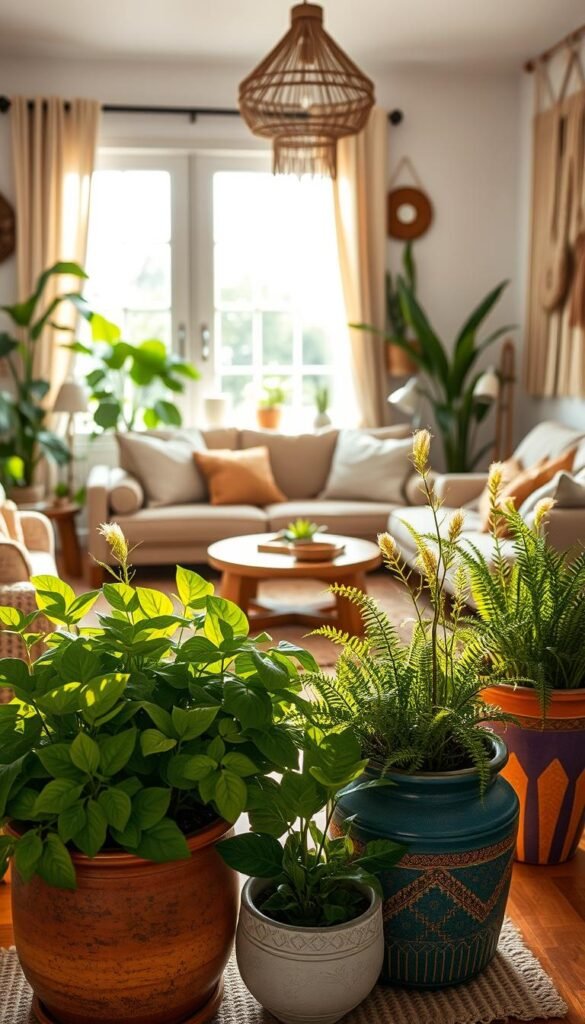
Greenery adds an organic element that softens the edges of furniture and textiles. Varying the height of plants helps them feel like part of the room rather than one crowded cluster.
Pothos can trail from a shelf, while a fiddle-leaf fig gives a corner a taller shape. Ferns can fill out a plant-filled spot with a softer outline. Choose plants to suit the available light and the care routine you can keep.
Vary Plant Height and Placement
Use a mix of floor, shelf, and hanging plants to add greenery at different levels. A tall plant can draw attention to a bare corner; a hanging plant uses overhead space, and a small one can bring life to a shelf.
- Set a large floor plant in a corner that receives suitable light.
- Hang a trailing plant where it will not interfere with doors.
- Place a smaller plant on a shelf or cabinet.
- Group several plants in mixed planters for a varied display.
Match each plant to its spot, not just its look. A fiddle-leaf fig and a pothos offer different scales and forms, while ferns can add fuller leaves. Check the light where you plan to put each pot and think honestly about watering and care.
Choose Planters That Add Texture
Ceramic planters bring a smooth, firm surface; woven planters add a looser, natural texture. Repeat a material already present in the room to connect the greenery with the furniture or textiles. For ideas that use more vertical space, explore living-room greenery displays.
Leave space around the pots so the arrangement does not crowd a table or pinch a walkway. Hanging planters can add greenery without using floor space, but they should feel secure and easy to reach for care.
Check the plant’s growth habit before placing it beside a door or passage. Keep hanging leaves and pots clear of doors and the routes you use every day.
Create a Cozy Reading Nook
A reading nook can make an awkward corner useful without adding another full seating group. A comfortable chair, a soft throw, and nearby books create a simple place to read or unwind.
Set a small light beside the chair, then keep your current book within reach. A reading spot works best when the seat, light, and books are easy to use together. A nearby bookshelf can hold what you reach for often.
Choose a chair that supports your usual reading position, whether you sit upright or tuck your feet under you. A throw adds warmth when you settle in, while a small side table gives you a place for a mug or reading glasses. Keep the arrangement simple enough to use without shifting decor first.
In a small room, floor cushions can create a low lounging spot where a conventional chair would crowd the space. A rattan or macramé hanging chair can also provide casual corner seating. It needs suitable installation and enough clearance to swing freely.
Try the nook at the time of day you expect to use it. Check that the light reaches the page and that the chair feels comfortable after a few minutes, not just at first glance.
Keep books close enough to reach without standing, but avoid stacking them where they block the lamp. Test the chair’s position with a book and lamp in place before adding decorative extras.
Style Walls With Art and Handmade Details
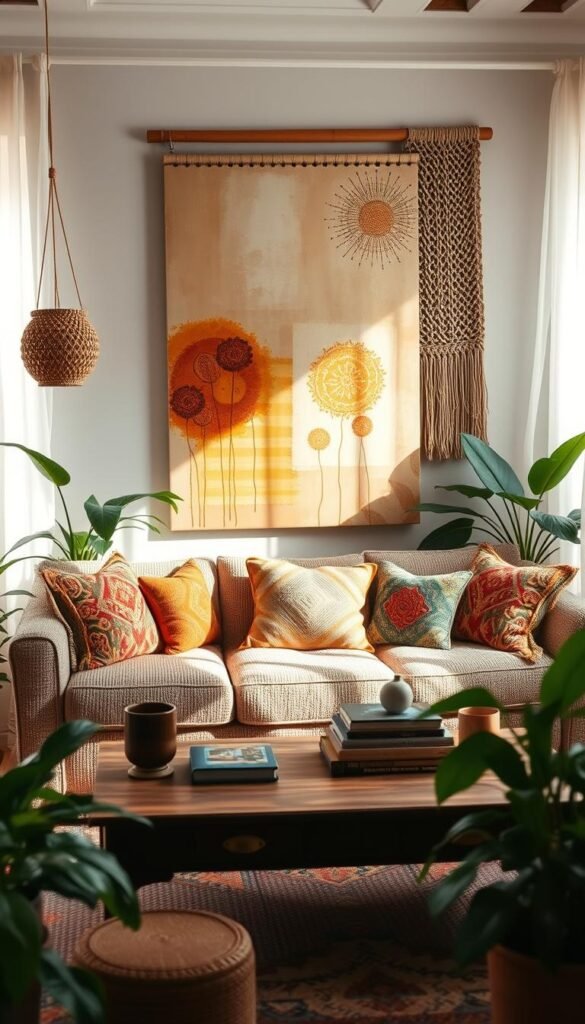
One strong wall piece can give the room a focal point without covering every surface. A clear lead helps your art and wall hanging feel intentional instead of competing for attention.
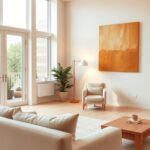
A single oversized canvas can stand out against a neutral backdrop. Let one focal piece lead and keep nearby objects smaller. This approach makes modern boho wall decor feel considered, even when you mix art and handmade materials.
Choose a Focal Point
A large canvas can anchor a wall above the sofa or another main piece of furniture. Textured wall decor, such as woven tapestries, fringed macramé, raffia, and dried botanicals, brings depth without relying on another painted image.
Choose one feature to hold the most attention. A large framed canvas can stand alone, or you can use a relaxed shelf arrangement with smaller objects. Let the wall itself remain visible so the artwork has room to register.
Layer Smaller Objects Around It
A floating shelf can hold a large framed canvas with a smaller woven basket or vintage mirror overlapping it. This layered display gives the wall some dimension while keeping the objects connected. Secure the shelf and heavier pieces properly, especially above a seat.
A gallery wall can mix vintage paintings, tapestries, and global-inspired art. Vary the frames or surfaces, then keep the overall grouping compact enough to read as one display. For a more casual look, leave a little difference between the spacing of each piece.
Give handmade details a clear role instead of treating every wall as a display surface. Leave enough blank wall around the main artwork for its texture and shape to stand out.
Use Lighting to Set a Softer Mood
A softer room usually needs more than one source of light. Layered lighting lets you brighten the whole living room, focus on a task, or create a gentler evening mood.
Use ambient light for general visibility and task light beside a reading chair. One ceiling fixture alone can leave corners dim while making the center feel harsh. Add lamps where you sit or read, rather than relying only on overhead light.
Layer Ambient and Task Light
A table lamp with a ceramic base can add a warm pool of light near a sofa or chair. A floor lamp can serve a reading spot without taking up a tabletop. Choose shades that direct light where you need it and avoid glare in your usual seat.
Lanterns and string lights can provide a small decorative source, while a table lamp adds a more useful glow. Brass or antique gold brings a warm metal finish to a lamp or frame. Matte black can offer contrast when you use it sparingly.
Finish With Reflective Details
Gold frames can reflect light in a darker room. Use them around artwork or a mirror where their finish catches a lamp, rather than placing reflective accents everywhere. A small detail can brighten a corner without changing the room’s main look.
Plan the lighting for the activities that happen at different times. A comfortable reading chair needs enough focused light, while a softer lamp can make the rest of the room feel calmer. Keep switches easy to reach from the seats where you spend your evenings.
Notice whether one bright bulb overwhelms the other light sources. Turn on every light source you plan to use in the evening and check that reading areas are still bright enough.
Add Personal and Collected Accents
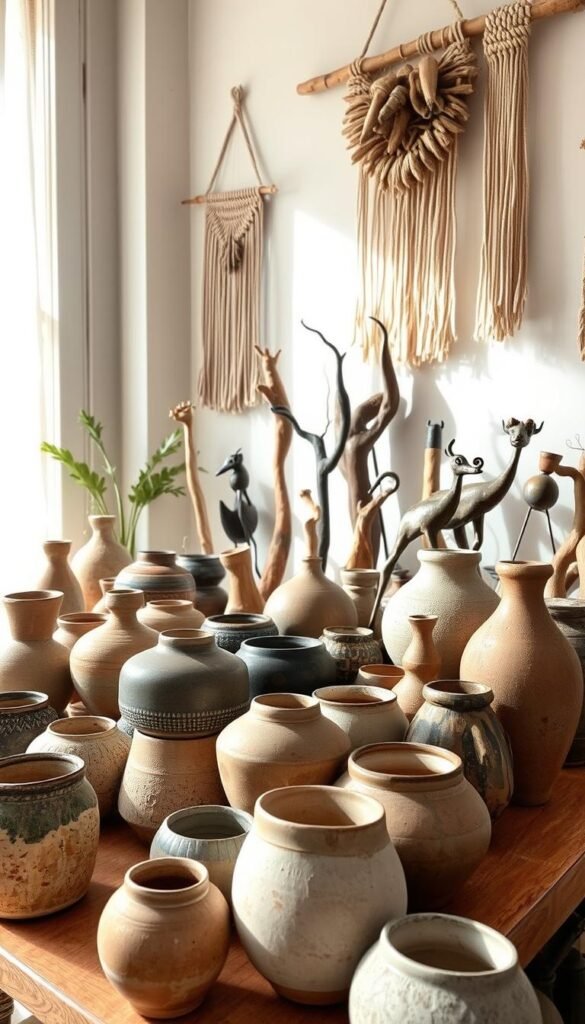
Personal accents make an eclectic room feel connected to the people who live there. Meaningful objects give your home character because they carry memories, craft, or a story you value.
Travel keepsakes might include ceramic vases or handcrafted objects, while family heirlooms can bring a familiar piece of history. A few chosen accents often feel more personal than a room full of generic decor. Give each object a place where you can see and enjoy it.
Try gathering meaningful objects from different parts of your life, then edit the group before displaying it. Four useful sources for personal accents include:
- Travel keepsakes, such as a ceramic vase or handcrafted object.
- Family heirlooms with a connection to someone you love.
- Handmade ceramics that show the maker’s hand.
- A collected sculpture or print that you chose for its meaning.
Vintage and artisanal decor can sit alongside contemporary pieces. A small sculpture can work on a modern table, and a handmade bowl can soften a clean-lined shelf. Animal motifs can appear in figures, patterns, or prints, but choose them because they suit your home.
Cultural objects deserve care and context, not treatment as interchangeable accessories. Display a piece with respect for its meaning and the people or tradition connected to it. Keep the objects you truly value, even if they do not fit a narrow design formula.
Let the arrangement reflect what matters to you, not a checklist of decor trends. Give each meaningful object enough space to be noticed instead of clustering everything on one surface.
Try a Modern Boho Look With Deeper Color
Modern boho interior design can pair sculptural furniture with a deeper, more saturated accent. Organic shapes and earthy tones keep a bold color choice grounded and livable.
Boho is not out of style for 2026; updated versions use organic shapes, earthy colors, deep accent walls, and restrained jewel tones. Jewel-tone accents can stay near 10% of the room. That small share gives saturated color impact without taking over.
Keep the Base Simple
A dark boho palette can use deep teal, forest green, or charcoal with amber and rust accents. Keep the large furniture shapes simple so the deeper wall or textile remains the most noticeable color choice. Wood and soft upholstery can help balance the intensity.
A deep accent wall gives a room a strong focal surface. If you would rather avoid a full wall, use a jewel-tone cushion, artwork, or throw. A smaller accent still lets you try the mood without making every piece feel dramatic.
Add Jewel Tones in Small Doses
Classic or dark boho palettes can use emerald, indigo, teal, burgundy, and aubergine as jewel-tone accents. Repeat a shade in a few small details, then let the room’s other surfaces stay quieter. This keeps the palette expressive without crowding the eye.
| Palette direction | Base colors | Accent colors |
|---|---|---|
| Dark boho | Deep teal, forest green, charcoal | Amber, rust |
| Jewel-tone classic | Neutral or dark base | Emerald, indigo, teal, burgundy, aubergine at 10% |
| Benjamin Moore bold options | Stone Brown 2112-30, Mississippi Mud 2114-20, Black Bean Soup 2130-10 | Incense Stick 2115-20, New London Burgundy HC-61, Desert Shadows 2114-30 |
Use the table as a starting point, not a shopping list. Test a deep paint color on a small area before committing it to a whole wall.
Adapt the Ideas to a Small or Large Room
Room size changes the scale of your choices, not the relaxed spirit of the design. Right-sized pieces can help a small living room feel open and a large one feel purposeful.
In a compact room, low-profile seating keeps the view across the space more open. In a massive living room, give each seating area a clear purpose, such as conversation, reading, or watching TV. Separate zones make a large floor plan easier to use.
Make a Small Room Feel Open
Choose furniture with a scale that suits the room and use vertical storage when floor space is limited. Floating or open shelves can hold books and smaller objects without adding a deep cabinet. Hanging plants can add greenery above the floor.
Low-profile seating can help a small room feel less crowded. Leave surfaces that you use every day accessible, and avoid adding an accent chair just to fill a corner. If you want more small-space design ideas, explore ways to design a small living room with function and comfort in mind.
Give a Large Room More Than One Purpose
A large room can hold separate zones for conversation, reading, or watching TV. Use a rug or lighting to define each area and give every group a clear center. The zones should feel connected, not like unrelated rooms placed side by side.
- Use low-profile seating in a small room.
- Add vertical shelves or hanging plants to use wall and ceiling space.
- Create separate zones in a large room.
- Use a rug or lighting to define each zone.
A large window’s outdoor view can act as a changing visual backdrop. Keep the furniture arrangement attentive to the view without making it the room’s only point of interest. If a large room still feels disconnected, repeat one color or material across its separate zones.
Keep the Finished Look Cohesive
A cohesive room repeats a few visual cues while leaving some space for the eye to rest. A thoughtful edit helps layered design feel comfortable rather than cluttered.
Check whether the furniture, decor, and useful surfaces feel balanced. Every displayed item should have a reason to stay. It might be useful, meaningful, or simply something you love seeing each day.
Open shelving can display books, plants, and personal objects, but filling every shelf can make the room look busy. Leave some visible space around the pieces you keep. That pause helps the shelf read as a collection, not storage that has overflowed into view.
A wood-paneled wall can add character even when the room has little furniture. Treat it as a focal surface, then avoid adding extra pieces nearby just to fill the room. A strong material can carry visual interest on its own.
Walk through the room from the doorway and from the seats you use most. Notice whether one side looks heavier, a table has no useful space left, or an object is hard to reach. Move pieces based on how the room works, not only how it photographs.
Remove one object from any surface that feels crowded and see whether the remaining pieces read more clearly.
Keep the surfaces you use daily clear enough for a drink, book, or remote. Remove one object from any surface that feels crowded and see whether the remaining pieces read more clearly.
Make Your Living Room Feel Collected, Not Finished
The most inviting boho room is one that supports the way you live in it. Your home does not need to look complete all at once; it can take shape as you notice what helps you relax, read, host friends, or spend time with family.
Start with a useful, comfortable foundation, then add personal layers gradually. Let the room reflect how you spend time at home, rather than copying a look that does not suit your routines.
Choose one element to update this week, such as a throw, lamp, or plant. Pick one small change today and let the room grow from there.