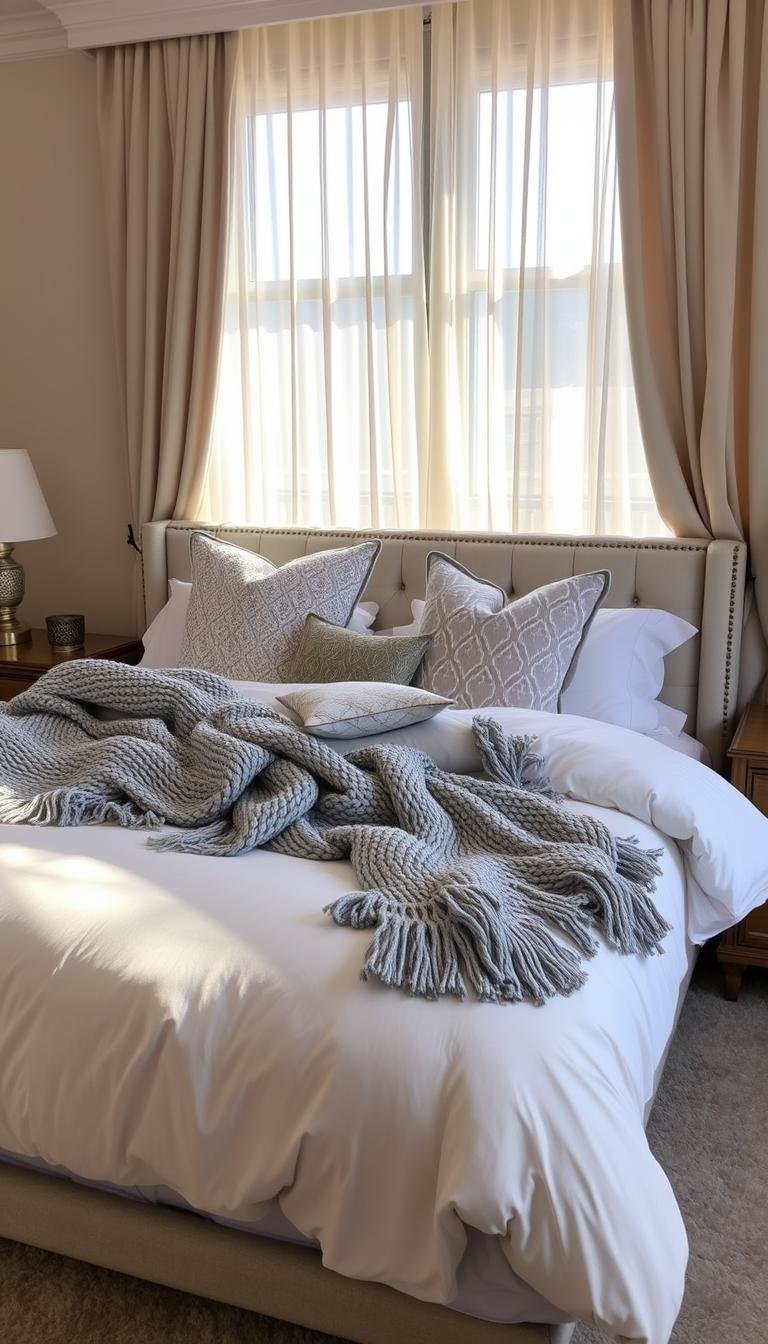
Your bed is more than just a place to sleep. It’s the centerpiece of your personal sanctuary. The right arrangement can transform your entire space.
Mastering this style involves thoughtful choices. You’ll combine different textures, fabrics, and colors. This creates both visual appeal and practical comfort.
Our guide walks you through each step. You’ll learn professional techniques used by interior designers. These methods work for various aesthetics, from minimal to bold.
We cover everything from foundation layers to final decorative touches. Seasonal considerations and maintenance are included too. You can achieve a luxury look regardless of your budget.
Understanding Layered Bedding for a Designer Look
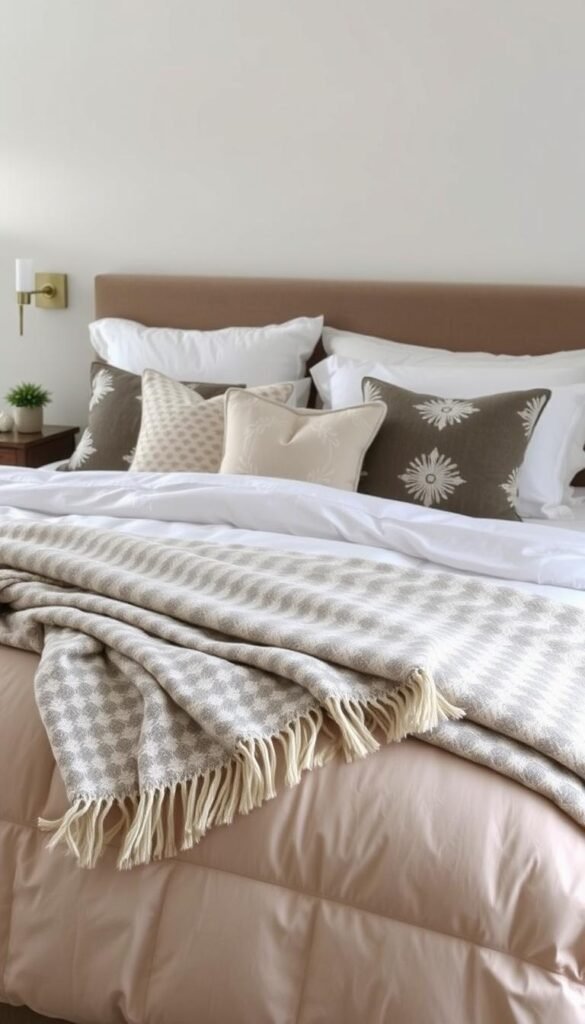
Creating a beautiful sleeping space starts with a clear vision. Your personal taste guides every choice. This approach ensures all elements work together beautifully.
Think about the mood you want in your room. Do you prefer calm simplicity or vibrant energy? Your answer shapes your entire design direction.
What Makes Layered Bedding Special
Multiple layers add richness you can’t achieve with one piece. They create visual depth through varied heights and overlaps. This makes your sleeping area more inviting.
Different materials provide interesting contrasts. Smooth cotton might sit next to nubby linen. These combinations please both your eyes and your skin.
Your arrangement also serves practical purposes. It lets you adjust warmth easily throughout the night. Adding or removing pieces customizes your comfort.
| Design Style | Color Approach | Texture Focus |
|---|---|---|
| Minimalist | Neutral tones | Smooth, matte finishes |
| Maximalist | Bold patterns | Mixed tactile surfaces |
| Biophilic | Earth tones | Natural, organic feels |
| Moody | Deep hues | Plush, heavy fabrics |
Benefits Beyond Aesthetics
Strategic material selection keeps you comfortable year-round. Lightweight linens work well in summer. Heavier wools provide warmth during winter.
Proper layering protects your investment. A mattress cover shields against spills and stains. This extends the life of your more expensive pieces.
Color coordination creates harmony throughout your space. Matching tones and patterns unify your design. This achieves that polished, professional appearance.
Your sleeping environment becomes a true personal retreat. Every element reflects your unique preferences. This transforms ordinary rest into a luxurious experience.
These design principles work for any budget. Thoughtful shopping finds quality pieces at various prices. DIY options make high-end looks accessible to everyone.
Starting with Your Bed Foundation

Great bedding begins with choices you make before the first sheet goes on. Your foundation determines how comfortable you’ll feel each night. It also affects how polished your final arrangement will look.
The right base supports both your body and your design vision. Investing time here pays off for years. You’ll create a bedroom that feels both luxurious and personal.
Choosing the Right Bed Frame or Headboard
Your bed frame anchors the entire room’s aesthetic. It sets the tone for your design style before you add any layers. A beautiful frame makes your bedding look more intentional.
DIY options let you create custom pieces without high costs. You can transform basic frames with paint or added details. Second-hand finds offer unique character at affordable prices.
Thrift flip possibilities include repurposing old doors or shutters. These create one-of-a-kind headboards with history. This approach saves money while expressing your personal taste.
Selecting a Comfortable Mattress
Your mattress choice impacts your sleep quality every night. Take time to find one that matches your preferred sleeping position. The right size ensures proper support for your body.
Mattress toppers can refresh an existing bed without full replacement. They add comfort layers for a fraction of the cost. This step extends the life of your current mattress.
Test different firmness levels to discover what works best for you. Remember that comfort is personal—what feels good to one person might not work for another. Your perfect mattress supports restful sleep night after night.
The Importance of a Quality Mattress Protector
A good protector safeguards your investment from spills and stains. It creates a hygienic barrier that prolongs your mattress life. Quality options feature grippy dots that prevent sliding.
This cover proves especially useful if you enjoy sitting up in bed. It stays firmly in place during daily use. Protection ensures your mattress stays fresh for years.
Choose waterproof yet breathable materials for optimal performance. Your protector should feel comfortable while doing its job. This layer works silently beneath your sheets.
Complete your foundation with proper rug placement. Position it to extend a few feet on each side of your bed. This technique visually anchors your sleeping area.
The rug should not necessarily reach the headboard. This placement creates a cohesive look throughout your space. It makes your bedding arrangement appear more intentional.
| Foundation Element | Budget-Friendly Option | Mid-Range Choice | Investment Piece |
|---|---|---|---|
| Bed Frame | DIY or thrifted | Ready-to-assemble wood | Solid hardwood custom |
| Mattress | Topper on existing | Quality foam | Hybrid with coils |
| Mattress Protector | Basic waterproof | Breathable with grip | Temperature regulating |
| Rug | Flatweave synthetic | Wool blend | Hand-knotted natural |
These foundational choices support subsequent layering beautifully. They create the stage for your textiles and decorative pieces. Proper preparation makes the design process smoother.
Your investment in quality foundation elements pays off over time. You’ll enjoy better sleep and a more polished bedroom look. Every layer you add later will perform better on this solid base.
Building Your Base Layers
Your sheets create the foundation for everything that follows. This layer touches your skin every night, making quality essential. Choose materials that feel good and last through many washes.
Your selection impacts both comfort and the final look. These pieces work together with your other bedding. They set the stage for your complete bed design.
Selecting the Perfect Sheets
Focus on fabric type and thread count when choosing sheets. Higher thread count usually means softer, more durable material. This step ensures comfort for years.
Consider seasonal needs for your sheet selection. Lightweight cotton works well in warmer months. Flannel provides extra warmth during colder seasons.
Linen offers excellent breathability year-round. It develops a beautiful texture over time. Each material brings unique benefits to your sleep experience.
Check the size carefully before purchasing. Measure your mattress depth to ensure proper fit. Deep pocket styles accommodate thicker mattresses.
To Use or Not Use a Top Sheet
The top sheet debate comes down to personal preference. Some people enjoy the extra layer between themselves and their duvet. Others find it unnecessary and restrictive.
Using a top sheet helps protect your comforter from dirt and oils. It extends the time between washing heavier pieces. This approach keeps your bedding fresher longer.
You can fold the top portion over your blanket for a decorative touch. Choose a contrasting color or subtle pattern for visual interest. This technique adds sophistication to your arrangement.
Why Neutral Colors Work Best
Neutral colors create the most versatile foundation. They allow you to experiment with bolder patterns elsewhere. Your pillows and throws can provide the color pops.
White and cream sheets offer a crisp, clean appearance. They work with any style from modern to traditional. These shades make your space feel fresh and inviting.
Light neutrals reflect light beautifully in your bedroom. They create an airy, spacious feeling. Darker neutrals provide a cozy, intimate atmosphere.
Remember that quality shows most in simple designs. Invest in well-made basic pieces first. You can always add personality with other elements later.
Adding Middle Layers for Warmth and Texture

Moving beyond the basics, these central components transform your sleeping area. They provide both practical warmth and visual richness that elevates your entire design.
These pieces work together to create depth and dimension. You’ll enjoy both aesthetic appeal and customizable comfort throughout the year.
Choosing Between Duvets and Quilts
Understanding different middle layer options helps you make informed choices. Each type serves unique purposes in your overall arrangement.
A duvet consists of two parts: the insert and the cover. The duvet insert provides warmth through various fill materials. Down creates a classic cloudlike feel, while down alternative works well for allergies.
Your duvet cover protects the insert while adding design elements. It’s easier to wash than the entire duvet, extending its life.
Quilts differ in their construction and performance. They typically hold their shape better than comforters over time. The stitching pattern creates visual interest while securing the filling evenly.
Consider your climate and personal preferences when choosing. Quilts often work better in warmer months or climates. Duvets offer more adjustable warmth for cooler environments.
How to Properly Size Your Duvet and Insert
Proper sizing ensures your duvet looks full and stays in place. The right proportions prevent shifting and create that luxurious, fluffy appearance.
For optimal results, your duvet insert should be one size larger than the cover. This technique fills out the cover completely, eliminating empty corners.
If you have a queen bed, consider a king insert with a queen cover. This approach works beautifully for achieving that hotel-style plushness.
Make sure to check measurements before purchasing. Different brands may have slightly varying dimensions. Your duvet should drape nicely over the sides of your bed.
Incorporating Blankets and Coverlets
Blankets and coverlets add both insulation and textural interest. They create beautiful visual layers while providing practical warmth options.
Use these pieces as lightweight top bedding in warmer weather. They offer just enough coverage without overheating during summer nights.
Matelassé fabrics bring subtle sophistication through rich texture. The quilted pattern adds dimension without bold color or pattern.
Consider using at least two top layers with different textures. A coverlet under a quilt creates interesting visual depth. This approach works well for both aesthetic and functional purposes.
Your middle layers contribute significantly to the overall look and feel of your space. They bridge your foundation sheets with your decorative pillows and throws.
Choose materials that complement your personal style and seasonal needs. These elements should work together harmoniously while serving their practical purpose.
Mastering the Art of Pillow Arrangement

Pillow arrangement transforms your bed from simply functional to beautifully styled. This final layer creates visual impact that defines your entire bedroom aesthetic.
Follow a clear hierarchy from functional to decorative pieces. This approach ensures both comfort and visual appeal.
Standard Pillows and Shams Placement
Start with your sleeping pillows against the headboard. Use matching shams that coordinate with your duvet cover or quilt.
Standard or king size pillows work best for this foundation layer. Choose neutral colored shams with interesting texture.
Layer patterned pillowcases in front for visual interest. This creates depth while maintaining cohesion.
Using Euro Shams for Depth
Euro shams (26×26 inches) add structural dimension behind standard pillows. They create a polished, designer look for queen and king size beds.
These square pillows provide excellent back support for reading. They also hide headboard imperfections beautifully.
Choose Euro shams that complement your color scheme. Their substantial presence anchors your entire arrangement.
Accent and Lumbar Pillow Styling
Throw pillows introduce personality through color, pattern, and texture. Mix velvet, chunky knits, or faux fur for tactile variety.
Vary shapes and sizes for visual interest. Square, round, and lumbar pillow forms create dynamic composition.
Place your lumbar pillow as the final centerpiece. This horizontal accent ties everything together beautifully.
Follow the uneven number rule for optimal balance. Three pillows work well on single beds, while five to six suit larger sizes.
Coordinate colors and patterns with your existing bedding. Pull hues from your quilt or blanket for cohesive look.
Rotate accent pillows seasonally for fresh appeal. Store extras in breathable containers to maintain their shape.
The right pillow arrangement makes your bed inviting both day and night
Mix textures rather than patterns for sophisticated results. This approach creates visual richness without overwhelming the space.
Your finished arrangement should feel inviting yet structured. This balance achieves that magazine-ready style you desire.
Seasonal Layering Strategies

Your bed deserves to feel perfect through every season. Smart layering keeps you comfortable as temperatures change. This approach maintains your beautiful style year-round.
Different months call for unique approaches to your bedding. You can create warmth in winter and coolness in summer. The right materials make all the difference.
Follow these simple tips for seasonal success. You’ll enjoy better sleep and a gorgeous bedroom every night.
Lightweight Bedding for Summer Months
Summer calls for breathable materials that keep you cool. Choose lightweight cotton or linen sheets. These natural fibers allow air to circulate freely.
Consider skipping the top sheet during hottest months. A light quilt or coverlet provides just enough coverage. This step reduces layers while maintaining your look.
Your summer duvet should have a low-tog rating. Store heavier blankets until cooler weather returns. This keeps your sleeping space fresh and airy.
Cozy Warm Layers for Winter
Winter demands warmth without sacrificing style. Start with flannel or brushed cotton sheets. These materials feel soft against your skin on cold nights.
Add a wool or down blanket between your sheets and duvet. This extra layer traps heat beautifully. You’ll stay cozy without feeling weighed down.
Make sure your duvet insert has adequate insulation. Higher tog ratings provide more warmth during freezing time. Your bed becomes a warm sanctuary.
Transitioning Between Seasons
Spring and autumn require flexible approaches. Keep medium-weight bedding handy for temperature swings. You can add or remove layers as needed.
Use a medium-tog duvet during transitional months. This works well for both cool evenings and warmer days. You maintain comfort without constant changes.
Store off-season bedding in breathable cotton bags. Label containers clearly for easy access. This way keeps everything organized and fresh.
Rotate your sheets and blankets every few months. This practice extends their lifespan significantly. Your bed always feels fresh and inviting.
Remember that cotton works well year-round. It breathes in summer and insulates in winter. This versatile material simplifies seasonal transitions.
Your mattress protector plays a key role too. Choose one that regulates temperature throughout the year. This base layer supports all your seasonal adjustments.
Experiment to find what works best for your home. Every space has unique temperature characteristics. Your perfect bed setup reflects your personal comfort needs.
Final Touches and Maintenance Tips
A throw blanket adds that final designer touch to your bed. Drape it casually across one corner for a relaxed feel. You can also fold it neatly at the foot for a cleaner look.
Mix two blankets in complementary colors. This creates depth and interesting texture. It makes your sleeping space feel more inviting.
Give your bed a quick check before finishing. Tuck away any visible zippers or tags. Make sure your duvet cover fully encloses the insert.
An intentionally relaxed style often looks cozier than a perfectly made bed. Let your pillows sit slightly askew. Allow your sheets to have gentle wrinkles.
Choose quality materials like those from Red Land Cotton. Their 100% US-grown cotton ensures comfort for years. Proper care keeps your bedding fresh night after night.
Your beautiful bedroom sanctuary now feels complete. These simple tips maintain that luxurious feel every day.