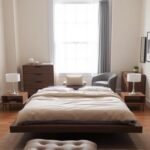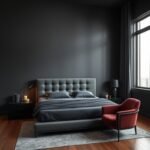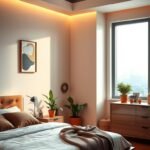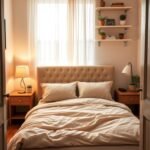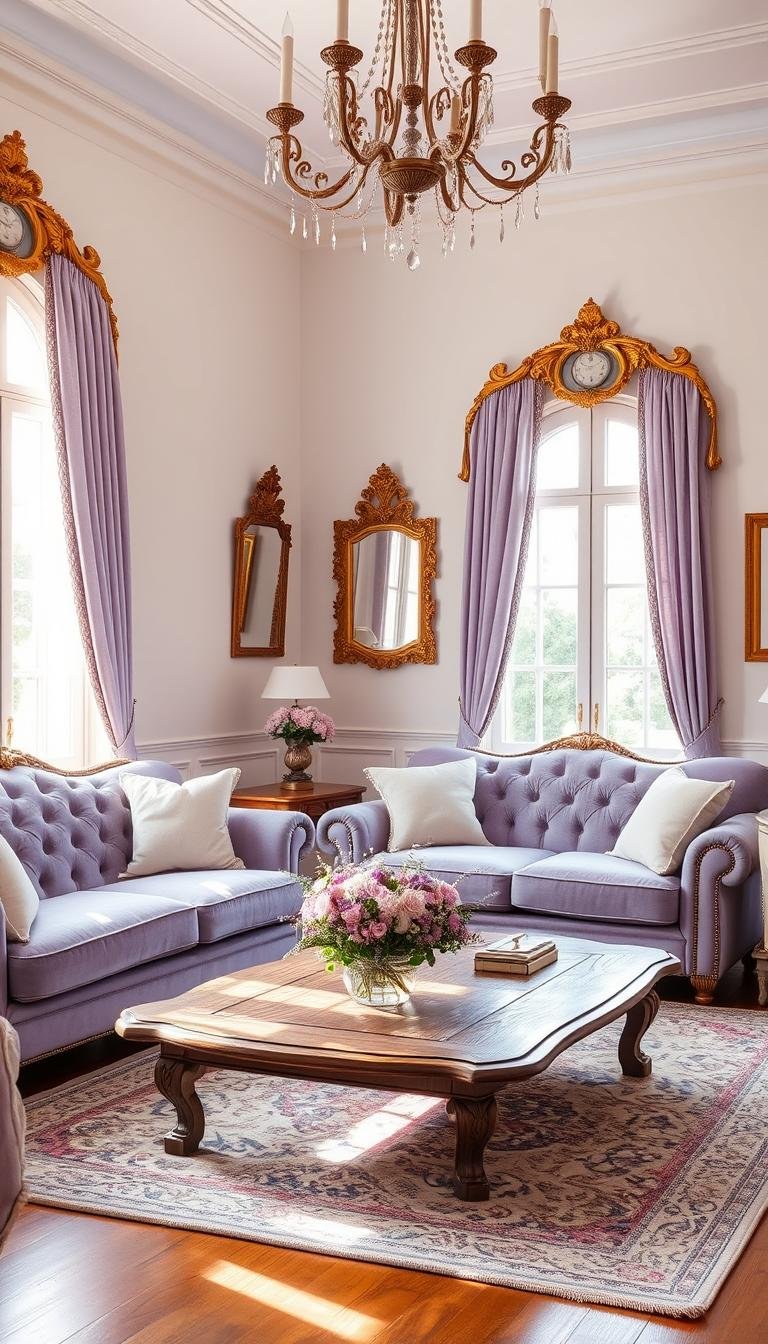
Welcome to your journey toward creating a peaceful retreat right in your home. This guide explores how a special hue can transform your personal space into a soothing sanctuary.
This particular shade, with its hex code e6e6fa, offers incredible versatility. As noted by interior designer Jessica Davis, it works beautifully without feeling overly girly when paired correctly.
The color brings richness and sophistication to any environment. Historically linked to royalty, it creates a luxurious feel in the softest way possible.
You’ll discover how this beautiful tone can lift your mood and calm your thoughts. It turns ordinary moments into gentle sighs of relief within your beautifully designed space.
We’ll walk you through everything from paint selections to fabric choices. Your transformed area will reflect both style and deep personal meaning.
1. Why Lavender is Your Secret Weapon for a Serene Space
Ever wonder why some colors instantly make you feel more relaxed? The answer lies in both science and history. This gentle hue has unique properties that can transform your personal area.
The Psychology of Calm: How Lavender Soothes Your Space
Colors affect your mood more than you might realize. Soft purple tones are known to lower stress and heart rates. They create a peaceful environment where you can truly unwind.
Interior designer Cara Newhart explains its power.
This shade brings luxury without overwhelming a space. It feels sophisticated yet completely approachable.
Using this color in your home encourages daily tranquility. It turns any ordinary moment into a gentle escape. Your mind will thank you for the calming influence.
From Royalty to Relaxation: A Brief History of the Hue
This color wasn’t always associated with calmness. In ancient times, it symbolized wealth and power. Only royalty could afford garments dyed in this precious shade.
Today, it represents elegance and relaxation in modern design. It carries that rich history into your contemporary home. You get a touch of regal sophistication mixed with serene comfort.
Here’s how this color compares across different eras:
| Time Period | Symbolism | Common Use |
|---|---|---|
| Ancient World | Royalty, Wealth | Garments, Ceremonies |
| Modern Day | Calm, Elegance | Home Interiors, Decor |
This evolution makes it perfect for current design ideas. It blends historical richness with today’s need for peaceful spaces. Your walls can tell a story of both luxury and relaxation.
Think about adding this hue through paint or accents. Even a small touch can shift the entire feel of your area. It’s a simple change with a powerful impact.
2. Choosing the Perfect Lavender Shade for Your Walls
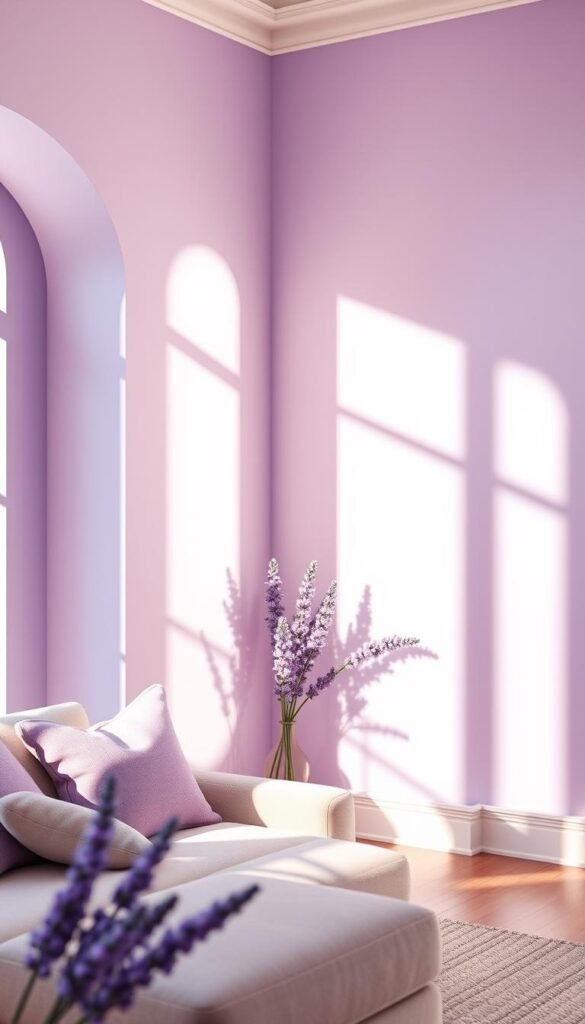
Picking the right wall color sets the tone for your entire space. The subtle variations in this gentle hue can create different moods and effects.
You want a shade that feels both personal and peaceful. It should match your light conditions and existing furniture.
This decision impacts how your area will feel every day. Let’s explore the best options for your walls.
Top Designer-Approved Lavender Paint Colors
Professional designers have their favorite picks for this soft tone. These colors bring sophistication without overwhelming your space.
Benjamin Moore’s Whisper Violet offers gray undertones. It creates a muted, elegant look that works in various lighting conditions.
Cake Shop by Backdrop provides a light and airy feeling. This cheerful option brightens rooms with natural sunlight.
Purple Cream by Benjamin Moore often gets mixed with white. Interior designer Stephanie Mahaney suggests this approach for softer walls.
She notes,
Mixing with white creates a custom shade that perfectly suits your space. It maintains the color’s beauty while keeping it gentle.
These selections help you achieve professional results. They work well with different interior design styles and existing decor.
To Accent or Not to Accent: Placing Your Lavender Wall
Deciding between a full room or accent wall depends on several factors. Your room’s size and natural light play important roles.
Smaller spaces often benefit from a single accent wall. This creates focus without making the area feel too colorful.
Larger rooms can handle more color on all walls. Good lighting helps prevent the space from feeling too dark.
Consider placing your accent wall behind key furniture pieces. This creates a beautiful backdrop for your sofa or bed.
Your choice should enhance rather than overwhelm the space. The right placement makes your color feel intentional and balanced.
This decision affects how other elements like artwork and velvet textiles will appear in your room.
3. Textiles and Textures: Weaving Lavender Comfort
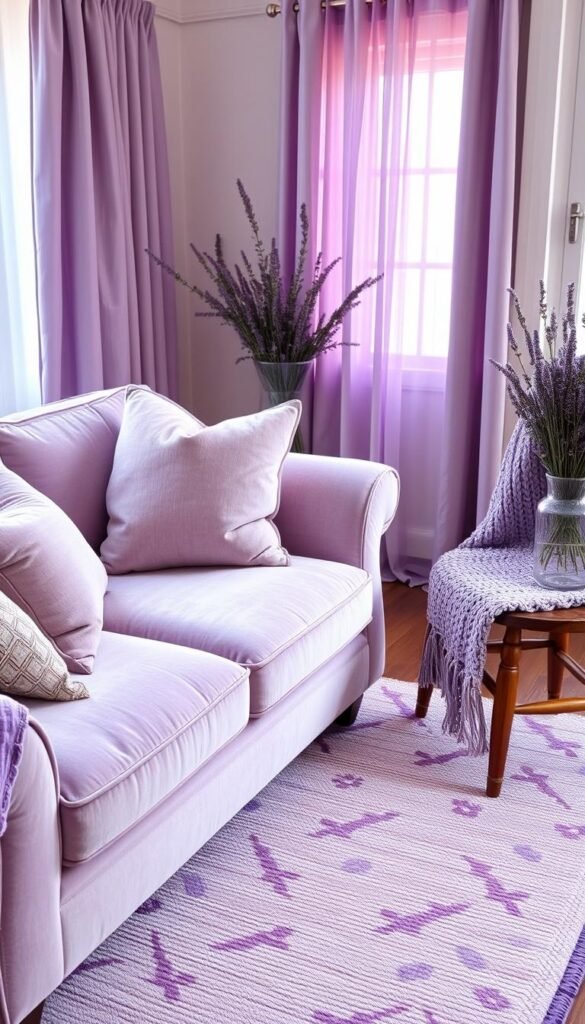
Soft fabrics transform your space into a cozy retreat. The right textiles add warmth and personality to your design.
They create layers of comfort that invite relaxation. These elements work together to enhance your overall color scheme.
Let’s explore how different materials bring this beautiful hue to life.
Plush Velvet: The Ultimate in Lavender Luxury
Velvet adds instant sophistication to any area. This rich fabric catches light beautifully throughout the day.
Interior designer Linda Hayslett recommends this material for statement pieces. She notes its ability to create focal points without overwhelming a space.
Choose velvet cushions or small upholstered items first. They introduce the hue in a manageable way.
This approach lets you test the waters before bigger commitments. You’ll love how it feels against your skin during quiet moments.
Cozy Throws and Pillows for an Instant Softness Upgrade
Soft accessories provide quick comfort upgrades. They’re perfect for days when you need extra relaxation.
Mix different textures for visual interest. Try combining knitted throws with silk pillow covers.
This variety keeps your space from feeling too matchy-matchy. It adds depth while maintaining a cohesive look.
These elements make your seating area more inviting. Guests will notice the thoughtful details immediately.
Lavender Rugs: Grounding Your Design with Softness
Area rugs anchor your entire design beautifully. They provide a soft foundation for furniture arrangements.
Choose patterns that complement your walls and accessories. Geometric designs work well with modern interiors.
Traditional patterns suit more classic spaces perfectly. Either option ties everything together harmoniously.
Here’s how different rug types work with various styles:
| Rug Type | Best For | Maintenance Level |
|---|---|---|
| Plush Shag | Modern Spaces | Medium-High |
| Flatweave | High-Traffic Areas | Low |
| Patterned Wool | Traditional Rooms | Medium |
Consider your lifestyle when selecting materials. Pets and children might need more durable options.
Your choice should balance beauty with practicality. The right rug completes your space perfectly.
Mixing textures creates visual depth and interest. Combine velvet with woven materials for balanced contrast.
This approach prevents any single element from dominating. Your space feels curated rather than overly designed.
Balance these textiles with your wall treatments. They should complement rather than compete with each other.
Your finished space will feel both cohesive and wonderfully comfortable.
4. Furniture Choices That Make a Lavender Statement
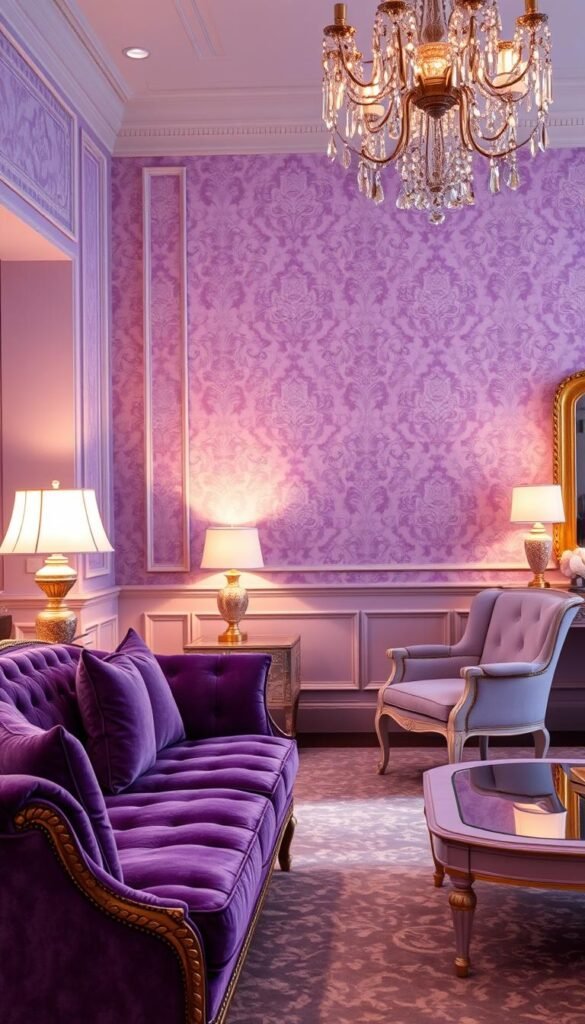
Your furniture selections bring your color vision to life. These pieces create the foundation for your entire space.
They determine how your chosen hue interacts with daily life. The right choices make your area feel both beautiful and functional.
The Bold Move: A Lavender Sofa as Your Focal Point
A statement sofa transforms your space instantly. This bold choice becomes the heart of your room.
Designer Mark D. Sikes recommends balancing vibrant pieces with neutral elements. He suggests,
Pair colorful seating with beige or gray walls. This creates harmony without sacrificing personality.
Consider curved silhouettes for softness. Straight-lined mid-century designs offer modern contrast.
Your sofa should complement your existing decor style. It becomes the centerpiece that ties everything together.
Subtle Touches: Accent Chairs and Ottomans
Smaller pieces introduce color without commitment. They’re perfect for testing the waters.
An accent chair adds personality to any corner. Ottomans provide both seating and surface space.
These elements work beautifully in any room. They bring subtle color to your bedroom or sitting area.
Here’s how different furniture pieces work with various design approaches:
| Furniture Type | Best Placement | Style Recommendation |
|---|---|---|
| Statement Sofa | Room Center | Curved or Sectional |
| Accent Chair | Reading Nook | Mid-Century |
| Ottoman | Foot of Bed | Upholstered Cube |
Mix these pieces with neutral tones. Creams and grays create beautiful contrast.
Your choices should feel intentional yet comfortable. They transform your space into a personalized retreat.
5. Artwork and Decor: The Finishing Feminine Touches
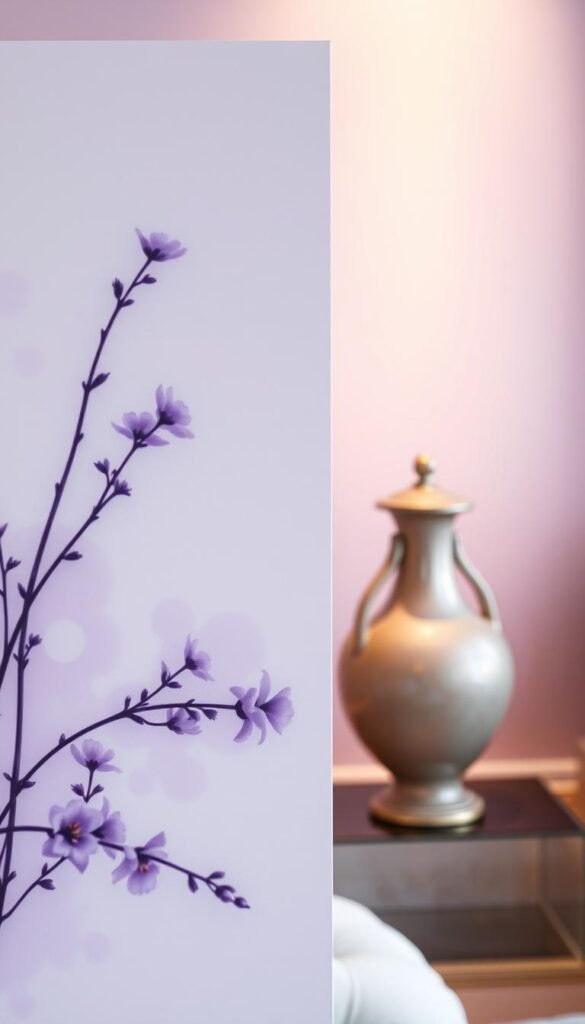
Final details transform your space from beautiful to personal. These elements add character and complete your design vision.
They create focal points that draw the eye around your area. Each piece tells a story about your unique style.
Thoughtful placement ensures everything feels intentional. Your space becomes a true reflection of your personality.
Curating Lavender Wall Art for a Personal Feel
Wall decorations create instant visual interest. They add personality without overwhelming your space.
Choose pieces that speak to your heart. Abstract works offer modern elegance.
Floral prints bring natural beauty indoors. Both options complement soft purple hues beautifully.
Interior stylist Emily Henderson suggests,
Art should make you feel something every time you see it. Select pieces that bring joy and calm simultaneously.
Mix frame styles for added interest. Gold frames add luxury while black creates contrast.
Your selections should enhance the peaceful atmosphere. They become conversation starters during gatherings.
Ceramics, Vases, and Glassware: Small Accents, Big Impact
Small decorative items pack powerful style punches. They introduce color in subtle yet effective ways.
A beautiful vase becomes an instant centerpiece. Ceramic bowls add handmade charm.
Glassware catches light throughout the day. These pieces create shimmering moments in your home.
Consider these placement strategies:
- Group items in odd numbers on shelves
- Place a single statement vase on your coffee table
- Use ceramic trays to organize smaller accessories
These touches add visual warmth throughout your space. They make every corner feel carefully considered.
Mix materials for added depth. Combine matte ceramics with glossy glass elements.
This variety creates interesting textures throughout your design. Your space feels curated rather than decorated.
Each piece contributes to your overall sanctuary feeling. They complete your peaceful retreat perfectly.
6. Dynamic Color Combinations to Pair With Lavender
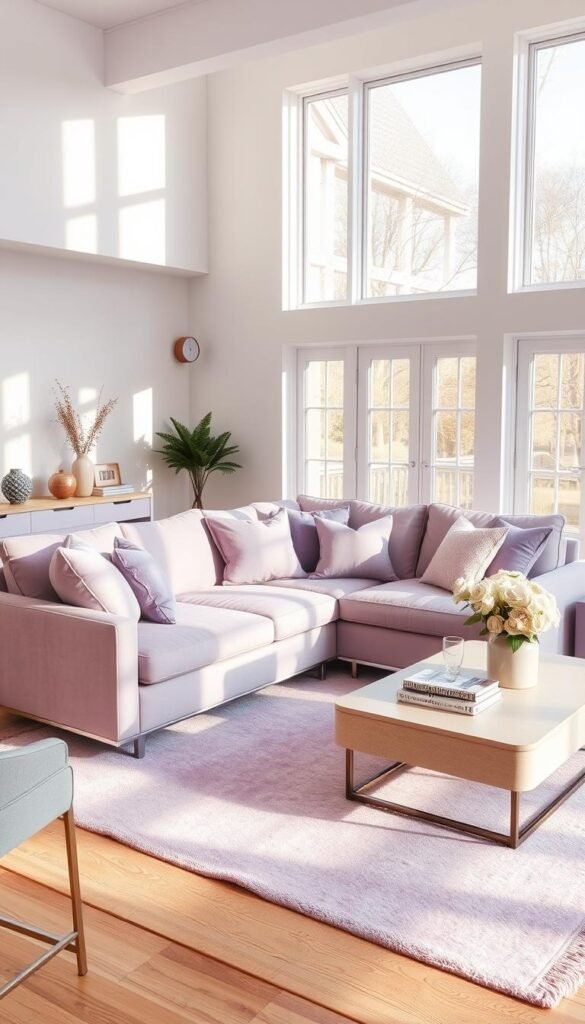
Finding the perfect partners for your favorite hue creates magic in your home. The right combinations can transform your space from simple to spectacular.
Different pairings create unique moods and visual effects. Some feel peaceful while others bring exciting energy.
Let’s explore how various colors work with your chosen tone. You’ll discover options that match your personal style perfectly.
Elegant and Safe: Muted Greens and Soft Whites
These classic combinations create timeless beauty in any room. They feel both fresh and wonderfully calming.
Muted sage green brings natural harmony to soft purple tones. It creates a soothing atmosphere that welcomes relaxation.
Soft white keeps everything bright and airy. It prevents darker shades from feeling too heavy.
Interior designer Justina Blakeney recommends this approach:
Green and white allow your main color to shine while providing perfect balance. They create spaces that feel both grounded and light.
This palette works beautifully in any room size. It feels both sophisticated and completely comfortable.
Bold and Beautiful: Navy, Tangerine, and Emerald
For those who love dramatic style, these combinations deliver excitement. They add incredible depth and visual interest.
Deep navy blue creates stunning contrast against softer tones. It grounds the space with rich sophistication.
Vibrant tangerine brings warm energy to cooler shades. Emerald green adds luxurious depth to the overall look.
These bold choices work particularly well in larger rooms. They create focal points that draw the eye around your space.
Consider these popular combinations from current design trends:
- Burnt orange for warm, earthy vibes
- Chartreuse for modern, playful energy
- Metallic accents for subtle shimmer
- Slate gray for sophisticated neutrality
Each option creates a different atmosphere in your home. Your choices should reflect your personal taste and lifestyle.
Experiment with small accents before committing to larger pieces. This lets you discover what feels right for your space.
7. Lighting and Nature: Enhancing the Lavender Atmosphere
The right lighting and natural elements can transform your space completely. They work together to create a harmonious environment that feels both peaceful and personal.
These finishing touches bring your color scheme to life in beautiful ways. They add depth and dimension to your overall design.
Soft Lighting to Complement Your Calming Hues
Lighting choices dramatically affect how colors appear in your space. Soft, diffused illumination enhances the soothing qualities of your chosen palette.
Japanese lanterns create gentle, ambient glow throughout the room. Table lamps with fabric shades provide warm, focused light for reading corners.
Interior expert Janine Carendi MacMurray explains the importance of layered lighting:
Different light sources at various heights create depth and interest. They make spaces feel more inviting and comfortable for daily living.
Consider dimmer switches for adjustable brightness levels. This allows you to control the mood throughout the day.
Your lighting should create beautiful contrast without overwhelming the space. It makes rooms feel larger and more welcoming.
Incorporating Plants and Florals for a Natural Touch
Natural elements bring life and freshness to any interior design. They complement soft color schemes with organic beauty.
African violets offer lovely purple blooms that match your palette. Wisteria plants provide trailing elegance when placed on shelves.
Echinacea adds cheerful color and medicinal benefits. These plants reinforce the serene atmosphere you’ve created.
Dried arrangements maintain their beauty without maintenance. They add texture and subtle fragrance to your space.
Consider these placement strategies for natural elements:
- Group plants in odd numbers on side tables
- Place trailing varieties on high shelves
- Use ceramic pots that complement your color scheme
- Rotate fresh flowers seasonally for variety
These touches connect your interior to the natural world outside. They create a grounded, peaceful environment.
Your space becomes a true sanctuary that nurtures both body and spirit.
8. Blending Lavender into Your Existing Decor Style
Your current design doesn’t need a complete overhaul to embrace this beautiful hue. The magic happens when you weave subtle touches into what you already love.
This gentle color adapts beautifully to various aesthetics. It brings softness to modern spaces and romance to traditional settings.
You’ll discover how to enhance your style without losing its essence. Thoughtful additions create harmony rather than conflict.
Modern Minimalism Meets Soft Lavender
Clean lines and simple spaces welcome delicate color accents. A single statement piece creates focal points without clutter.
Consider a muted throw pillow on your neutral sofa. A small ceramic vase adds just enough color interest.
Designer Sarah Sherman Samuel advises,
In minimalist spaces, let one lavender element shine against a neutral backdrop. This creates visual calm with intentional personality.
Sheer curtains filter natural light beautifully. They maintain airiness while adding soft color layers.
Bohemian Bliss with Lavender Accents
Free-spirited styles embrace richer textures and patterns. This aesthetic welcomes deeper shades and mixed materials.
Layer a plush rug over natural fiber flooring. Add macramé wall hangings with subtle purple threads.
Mix patterns through throw pillows and tapestries. This creates that collected-over-time feeling bohemian lovers adore.
Here’s how different styles incorporate this versatile hue:
| Decor Style | Key Elements | Color Intensity |
|---|---|---|
| Industrial | Velvet accents, metal finishes | Medium to bold |
| French Country | Toile patterns, rustic ceramics | Soft to medium |
| Victorian | Plush upholstery, ornate details | Rich and deep |
| Shabby Chic | Distressed furniture, floral patterns | Pale and washed |
Each approach maintains its core identity. The added hue simply enhances its characteristic charm.
Your space becomes more personal and inviting. These touches reflect your unique taste beautifully.
9. Bringing Your Calm and Feminine Sanctuary to Life
Creating your dream space is an exciting journey. Start with small touches like throws or artwork to build confidence. These easy updates make a big impact without overwhelming your design.
Remember to maintain balance as you layer elements. Your chosen hue should enhance, not dominate, the room. Use it as a beautiful backdrop for other textures and colors.
Mix different fabrics and materials for depth. Consider how light plays off surfaces from floor to ceiling. This creates a harmonious environment that feels both personal and peaceful.
Your space will become a true retreat. It reflects your unique style while offering daily comfort. Enjoy every moment in your beautifully crafted sanctuary.
For more inspiration on color combinations, explore these lavender decorating ideas.