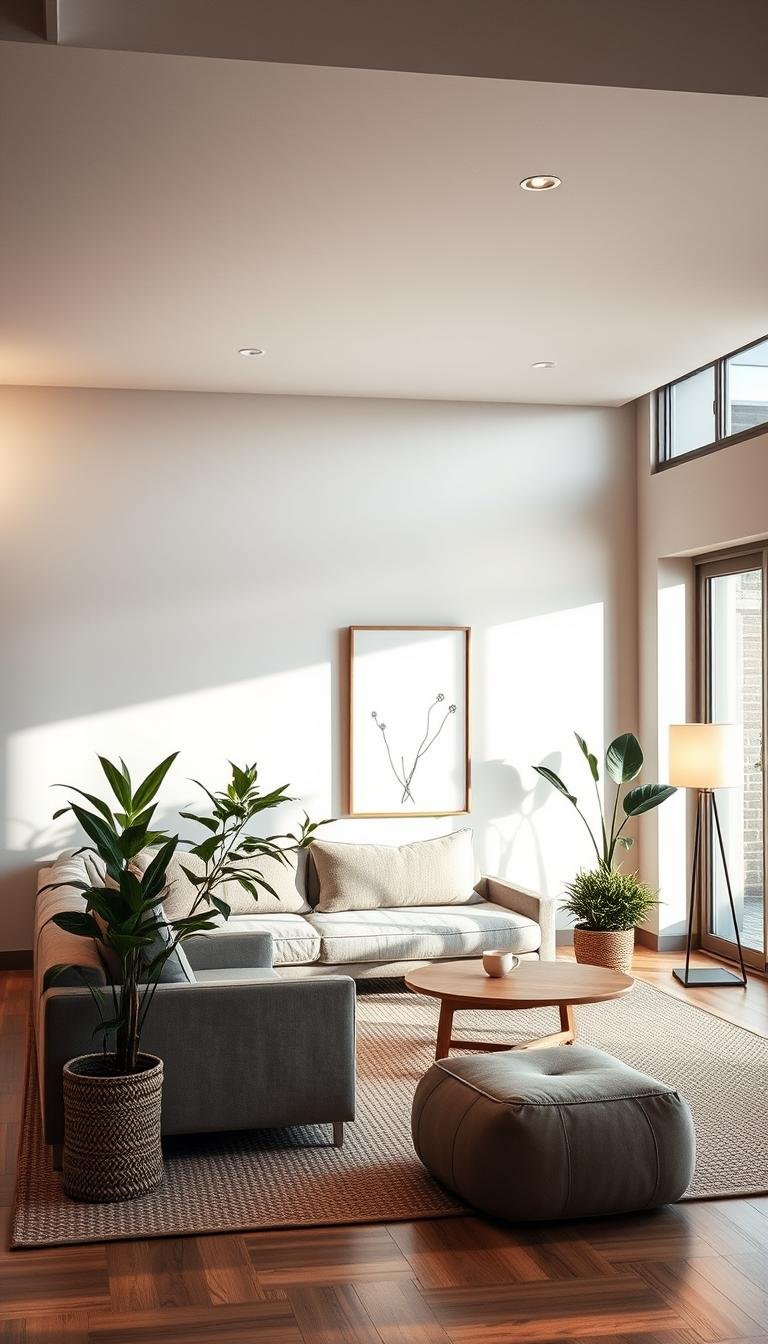
Imagine a space that feels both peaceful and practical. This design style blends Japanese minimalism with Scandinavian comfort. It creates a perfect balance in your home.
The philosophy focuses on clean lines and natural materials. It avoids clutter while keeping warmth. Your room becomes a serene retreat from daily stress.
This approach has gained popularity across the United States. It offers both elegance and everyday functionality. You get a beautiful, organized environment that works for real life.
We will guide you through key elements to achieve this look. Discover how to blend simplicity with coziness. Transform your space into a haven of tranquility and style.
1. Understanding the Japandi Philosophy: Where East Meets West
At the heart of this design approach lies a beautiful fusion of Eastern and Western philosophies. It combines Japanese Wabi-Sabi, which finds beauty in imperfection, with Scandinavian hygge’s emphasis on coziness and function.
This philosophy champions balance above all else. You create a space that values sustainability and intentional living while rejecting clutter and excess. Every element serves a purpose while contributing to overall harmony.
Both traditions share deep appreciation for craftsmanship and nature connection. Scandinavian design values practicality and light, while Japanese aesthetics honor simplicity and natural textures. Together they form something greater than their parts.
What sets this apart from other styles is its unique warmth through clean lines. While minimalism can feel cold, this approach maintains elegance through natural materials. You get visual simplicity with emotional comfort.
Consider furniture pieces where quality matters more than quantity. Each item should have purpose and lasting value. This devotion to intentional choices transforms your environment.
Emotionally, this creates calming positive vibes throughout your home. The space becomes a retreat that reduces stress and promotes wellbeing. You experience both aesthetic pleasure and practical function daily.
Appreciating this philosophy helps you make better design choices. Understanding why elements work together creates more cohesive results. Your decisions become more meaningful and effective.
This approach embraces biophilia – our innate connection to nature. Natural light, organic materials, and plant life all contribute to this relationship. Your space feels more alive and authentic.
Grasping these concepts is your first step toward a harmonious home. The philosophy informs every subsequent choice you’ll make. You build not just a room but a sanctuary.
2. Foundational Element: Curating Your Neutral Japandi Color Palette
Your color choices create the emotional foundation for your entire space. A well-planned palette establishes harmony between simplicity and warmth. This approach transforms your environment into a serene sanctuary.
Neutral tones form the backbone of this aesthetic. They create visual calm while allowing other elements to shine. Your room feels both spacious and inviting through strategic color selection.
Choosing Your Base Neutrals
Start with soft whites and warm beiges for your primary surfaces. These light tones reflect natural light beautifully. They create an airy feeling that makes your space appear larger.
Muted grays provide excellent neutral alternatives. They work particularly well in modern interpretations of this style. These tones offer sophistication without overwhelming the senses.
Consider paint brands like Sherwin Williams for reliable neutral options. Their curated collections simplify your selection process. You can find perfect shades with natural undertones.
Incorporating Earthy Accent Colors
Introduce depth with subtle earthy accents throughout your room. Terracotta brings warm energy through pottery or textiles. Sage green connects your space to natural elements outside.
Dusty blue offers a cool contrast to warmer neutrals. Use it sparingly in artwork or decorative objects. This color creates visual interest without dominating the scheme.
Charcoal and deep brown provide grounding darker tones. They work excellently in furniture pieces or architectural details. These colors add richness while maintaining overall tranquility.
| Color Type | Recommended Shades | Best Applications |
|---|---|---|
| Base Neutrals | Soft white, warm beige, stone gray | Walls, large furniture, flooring |
| Earthy Accents | Terracotta, sage green, dusty blue | Textiles, decor items, artwork |
| Dark Contrasts | Charcoal, deep brown, indigo | Furniture legs, frames, small accessories |
Always test your colors in the actual space before committing. Natural light changes how colors appear throughout the day. Observe samples at different times to ensure the desired feel.
This Japandi design approach thrives on neutral tones that promote serenity. Your carefully curated palette becomes the foundation for all other elements. It establishes the peaceful atmosphere you want to achieve.
Remember that less is more when working with color in this style. Each hue should contribute to the overall harmony. Your choices should feel intentional and purposeful.
A successful color scheme balances cool and warm undertones beautifully. It creates visual interest while maintaining calm sophistication. Your room becomes a testament to thoughtful design decisions.
3. The Core of Japandi: Embracing Intentional Minimalism
True minimalism means choosing each piece with care. It’s about surrounding yourself with items that serve a purpose or bring genuine joy. This approach transforms your space into something meaningful.
Start by removing anything that doesn’t belong. Look at each object and ask if it adds value to your life. Keep only what you truly need or love deeply.
Every item in your room should earn its place. Functional pieces like comfortable seating are essential. Decorative elements must contribute to the overall harmony.
This philosophy creates an open, airy environment. You’ll notice how much larger your area feels without clutter. The atmosphere becomes instantly more peaceful.
Styling tips help maintain balance without emptiness. Use a beautiful ceramic vase as a focal point. A woven basket can provide both storage and texture.
“Minimalism is not a lack of something. It’s simply the perfect amount of something.”
Group decorative items in odd numbers for visual appeal. Three carefully chosen objects often work better than many. This creates natural harmony in your arrangement.
Regular reassessment keeps your space functional. Set aside time each season to evaluate your possessions. Remove items that no longer serve their purpose.
A clutter-free environment reduces daily stress. Your mind feels clearer when your surroundings are organized. This simplicity promotes lasting calm throughout your day.
| Area to Declutter | Keep Criteria | Storage Solution |
|---|---|---|
| Surfaces (tables, shelves) | Daily use or true beauty | Hidden compartments |
| Textiles (pillows, throws) | Comfort and texture | Baskets or ottomans |
| Decor items | Meaningful or functional | Rotate seasonal pieces |
Intentional minimalism focuses on quality over quantity. Choose fewer items of better craftsmanship. Your space will feel more curated and personal.
This approach creates a living area that truly serves you. Every element works together in beautiful simplicity. You’ll enjoy both the function and feel of your room.
Remember that minimalism isn’t about deprivation. It’s about creating space for what matters most. Your home becomes a reflection of your values.
4. Strategic Layout: Designing an Open and Airy Space
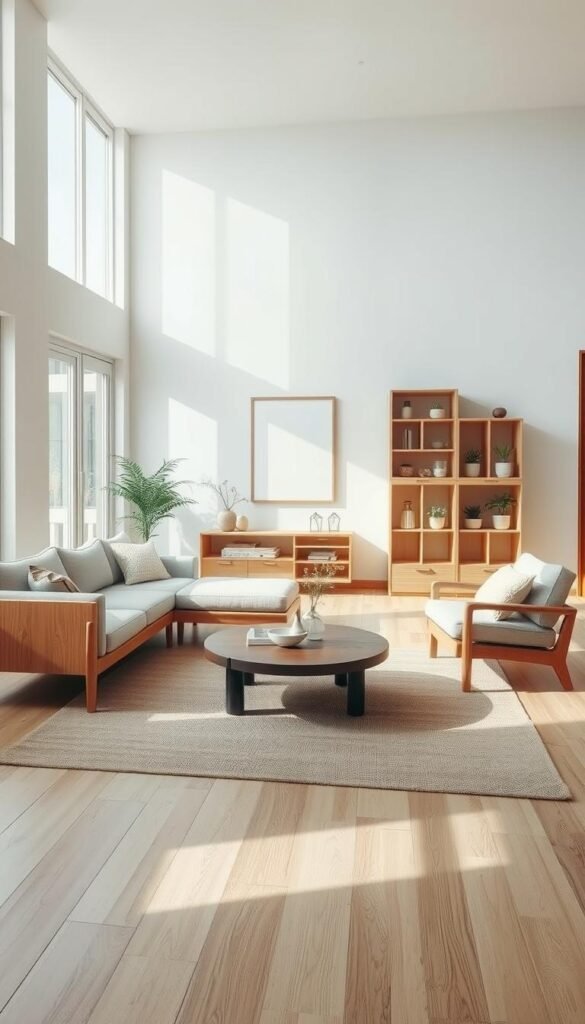
Your floor plan creates the foundation for peaceful daily living. An open layout promotes both movement and mental clarity. This approach transforms how you experience your home.
Strategic planning ensures every inch serves a purpose. You maintain visual harmony while supporting real-life activities. The result feels both spacious and intentionally designed.
Furniture Placement for Optimal Flow
Start by measuring your entire area before selecting pieces. Sketch different arrangements to visualize potential layouts. This prevents costly mistakes and ensures proper scale.
Leave breathing room between each furniture item. Avoid pushing everything against walls. Central placement often creates better conversation areas.
Modular options like the Rory sectional from Bloomingdale’s offer flexibility. These pieces define zones without overwhelming the room. You maintain an open feel with clear function.
Negative space plays a crucial role in this aesthetic. Empty areas aren’t wasted—they contribute to calm. Your eyes need places to rest amidst beautiful elements.
Position seating to encourage natural interaction. Arrange chairs and sofas facing each other slightly. This creates intimacy without sacrificing openness.
Consider traffic patterns through your living area. Maintain clear pathways between key zones. You should move effortlessly throughout the space.
Select fewer high-impact items rather than many small pieces. A quality sofa and two chairs often work better than crowded seating. Each element should feel intentional and purposeful.
Low-profile designs help maintain sight lines across the room. They create height consistency that enhances spaciousness. Your area feels larger and more connected.
Remember that layout affects both light and energy flow. Proper placement maximizes natural illumination throughout the day. Your space feels brighter and more inviting.
This strategic approach balances beauty with everyday practicality. You create a room that works beautifully for real life. The result is a harmonious environment that truly serves you.
5. Investing in Timeless, Quality Furniture Pieces
Your furniture choices define the character of your home. They represent the most visible expression of your design philosophy. Selecting the right items creates lasting beauty and function.
This approach values enduring quality over temporary trends. You build a collection that grows more beautiful with time. Each piece should tell a story through its materials and construction.
Preferred Materials: Wood, Bamboo, and Rattan
Natural materials bring warmth and authenticity to your space. Solid wood offers strength and develops a rich patina over years. Its grain patterns add unique character to every piece.
Bamboo provides sustainable elegance with rapid renewability. This grass material offers remarkable durability despite its lightweight feel. It brings subtle texture and organic beauty.
Rattan introduces wonderful flexibility and visual interest. Its woven patterns create depth while maintaining airiness. These materials work harmoniously together in any arrangement.
Look for pieces that showcase honest joinery and finishing. Visible dovetail joints or mortise-and-tenon connections indicate superior craftsmanship. These details ensure your investment lasts generations.
The Importance of Low-Profile Designs
Furniture that sits closer to the ground creates serenity. Lower profiles make your space feel more open and connected. This design approach draws inspiration from traditional Japanese homes.
Consider a mid-century modern coffee table with clean lines. Pair it with a low bench for versatile seating options. This combination offers both style and practical function.
The Aimee Chair from Arhaus demonstrates perfect balance. It blends Scandinavian curves with Japanese proportions beautifully. This piece shows how different traditions can harmonize.
Low designs encourage relaxed, grounded living. They create intimate conversation areas that feel cozy yet spacious. Your room becomes more inviting through thoughtful elevation choices.
Investing in quality furniture means fewer replacements over time. You save money while reducing environmental impact through conscious choices. Each piece becomes a cherished part of your daily life.
Avoid ornate details that might feel dated quickly. Instead, choose clean lines and purposeful shapes that endure. Your selections should feel both current and timeless simultaneously.
Natural materials develop character as they age gracefully. Small imperfections become part of your items’ unique story. This authenticity enhances your living environment’s charm.
Thoughtful furniture choices create a foundation for cohesive design. They establish the tone for all other elements in your space. You build a home that reflects both beauty and intention.
6. Layering Natural Textures for Warmth and Interest
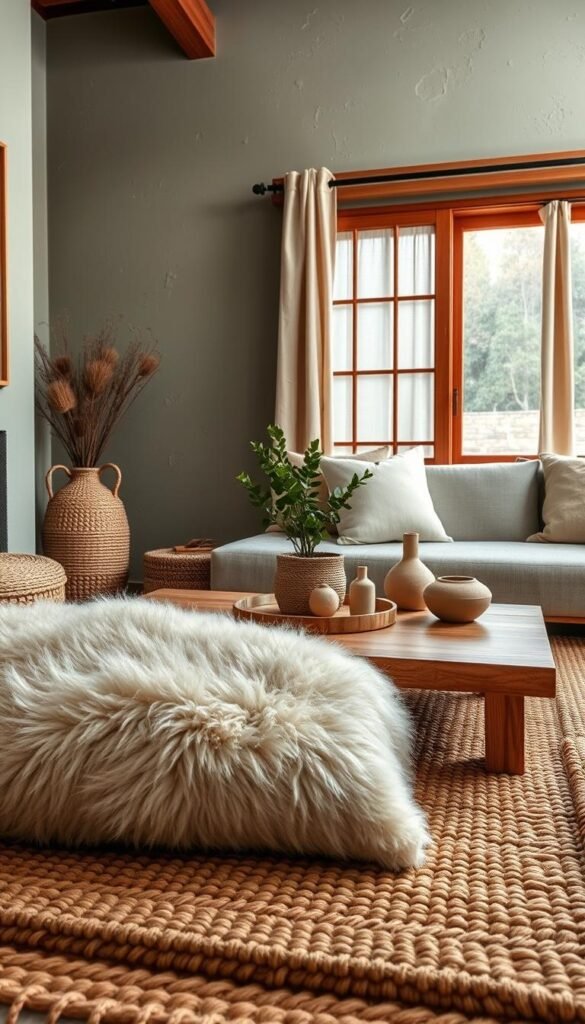
Texture creates depth and personality in your home. It transforms flat surfaces into engaging experiences. Your space gains character through thoughtful material combinations.
Natural elements bring organic beauty indoors. They connect your environment to the outside world. This approach makes your room feel grounded and authentic.
Combining Soft and Hard Textures
Balance different feels throughout your area. Pair smooth wood surfaces with nubby textiles. This contrast creates visual and tactile interest.
Soft materials like linen add comfort to seating areas. Wool throws provide warmth during cooler evenings. These elements make your design feel inviting.
Hard surfaces like stone or wood offer stability. They ground your arrangement with their substantial presence. These materials bring natural elegance to your home.
Try a sleek wooden chair with a plush cushion. This combination offers both support and comfort. You get the best of both textural worlds.
Consider a jute rug like the Kali from One Kings Lane. Its natural fibers add earthy texture underfoot. This piece anchors your space beautifully.
| Texture Type | Common Materials | Best Placement |
|---|---|---|
| Soft Textures | Linen, wool, cotton | Seating, bedding, window treatments |
| Hard Textures | Wood, stone, ceramic | Tables, floors, decorative objects |
| Natural Fibers | Jute, rattan, bamboo | Rugs, baskets, light fixtures |
Paper lanterns introduce delicate overhead texture. Their soft glow creates beautiful light patterns. These fixtures add dimension to your ceiling space.
Woven baskets serve both decor and storage purposes. They hide clutter while adding organic appeal. Choose pieces with interesting patterns and weaves.
Stick to your neutral color palette when mixing textures. Similar tones create harmony despite varied surfaces. Your room feels cohesive yet richly layered.
Touch becomes an important part of your experience. Different materials invite interaction and engagement. Your space feels more alive through tactile variety.
Texture layering prevents minimalist sterility. It adds warmth without visual clutter. You achieve the perfect balance of simplicity and comfort.
7. Selecting Functional Decor with Purpose
Every object in your home should earn its place through usefulness or beauty. This approach transforms your space into a collection of meaningful items. You create an environment where nothing feels wasted or unnecessary.
Functional decor serves multiple roles in your daily life. A beautiful ceramic bowl can hold fruit while adding artistic appeal. Storage ottomans provide seating while hiding blankets or magazines.
Consider the Celine Performance Weave Ottoman from Anthropologie. This piece offers hidden storage with stylish woven texture. It demonstrates how practical items can enhance your design.
Stackable bowls make excellent functional decor choices. They serve practical needs while creating visual interest when displayed. Handcrafted ceramics bring artisanal quality to everyday objects.
Group your decorative items in odd numbers for visual harmony. Three vases of varying heights create balanced appeal. This arrangement feels intentional without appearing cluttered.
“Have nothing in your house that you do not know to be useful, or believe to be beautiful.”
Choose items that reflect quality craftsmanship and sustainability. Hand-thrown pottery shows artisanal skill while being eco-friendly. Woven baskets made from natural fibers offer storage solutions with organic texture.
Avoid impulse purchases that don’t serve a real purpose. Ask yourself if each new item adds value to your daily routine. This mindful approach prevents clutter from accumulating over time.
Your living area becomes more peaceful when every object has meaning. You experience less visual stress in an organized environment. Each piece contributes to your overall comfort and enjoyment.
| Decor Type | Functional Purpose | Styling Tip |
|---|---|---|
| Storage Ottomans | Seating + hidden storage | Use as coffee table alternative |
| Ceramic Bowls | Serving + display | Group in odd numbers on shelves |
| Woven Baskets | Organization + texture | Stack different sizes together |
| Multi-use Trays | Surface protection + styling | Corral smaller items on surfaces |
Build your decor collection gradually rather than all at once. Focus on finding quality pieces that truly speak to you. This patience creates a more cohesive and personal look.
Every functional item should bring either joy or utility to your space. You’ll appreciate how this purposeful approach simplifies your daily life. Your home becomes a reflection of thoughtful choices and meaningful design.
8. Illuminating Your Space: Principles of Japandi Lighting
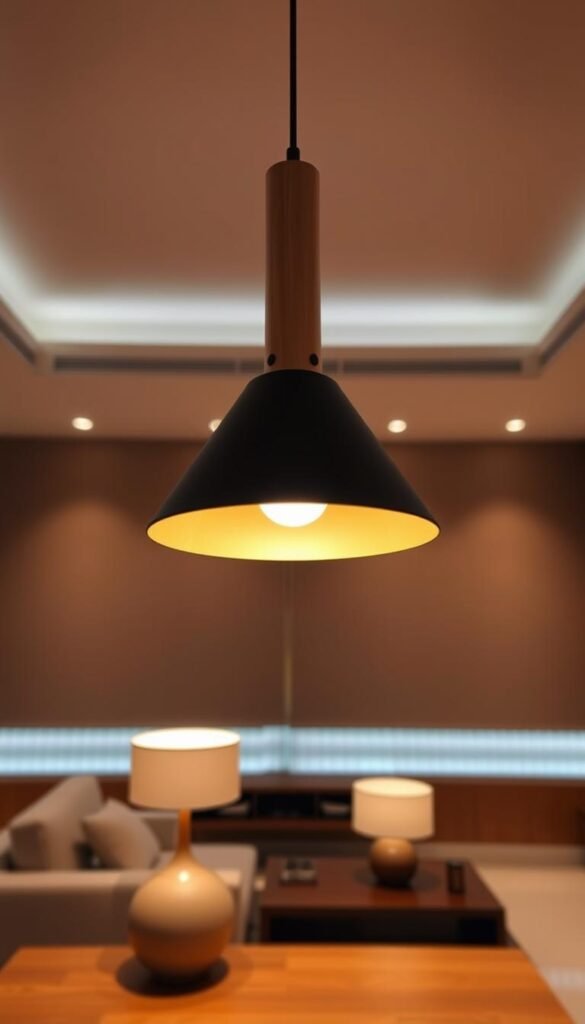
Light transforms how you experience your home. It sets the mood and enhances every design element. The right approach creates both beauty and function in your environment.
This design style values gentle illumination over harsh brightness. You want a warm glow that feels inviting and peaceful. Your room becomes a sanctuary through thoughtful light choices.
Natural and artificial sources work together harmoniously. They create layers that adapt to different times and needs. Your space feels both flexible and consistently serene.
Prioritizing Soft, Ambient Light
Choose fixtures that diffuse illumination gently throughout your area. Paper lantern pendants scatter light beautifully without glare. They create a soft atmosphere that feels instantly calming.
Dimmable LEDs offer excellent control over brightness levels. You can adjust them to match the time of day or activity. This flexibility supports both relaxation and focused tasks.
Layer different sources for depth and dimension. Floor lamps provide excellent reading light near seating areas. Wall sconces add warmth without occupying surface space.
Candles introduce wonderful flickering ambiance during evenings. Their gentle movement adds life to static arrangements. You create moments of quiet contemplation through flame light.
Select fixtures made from natural materials whenever possible. Wood bases and paper shades align with this aesthetic beautifully. These choices reinforce your connection to organic elements.
Remember that quality matters more than quantity with illumination. Fewer well-chosen fixtures often work better than many lights. Each source should feel intentional and purposeful.
Maximizing Natural Light
Large windows form the foundation of daytime illumination. They flood your area with sunshine that boosts mood and energy. This connection to outdoors enhances your overall wellbeing.
Keep window treatments minimal to preserve brightness. Sheer linen curtains from RYB HOME filter light softly. They provide privacy while maintaining airy openness.
Bamboo blinds offer another excellent option for light control. Their natural texture adds visual interest while functioning practically. You can adjust them throughout the day as needed.
Position mirrors strategically to reflect available sunshine. They bounce light into darker corners of your room. This trick makes your entire space feel brighter and larger.
Choose furniture with lower profiles to avoid blocking windows. This maintains clear sight lines to the outdoors. Your connection to nature remains strong and uninterrupted.
Regularly clean your windows to maximize light penetration. Even subtle grime can reduce illumination significantly. This simple maintenance ensures optimal brightness daily.
The psychological benefits of good lighting are profound. Well-lit spaces reduce eye strain and improve mental clarity. You feel more relaxed and connected in properly illuminated environments.
Thoughtful lighting choices complete your harmonious design. They blend practicality with atmospheric beauty perfectly. Your home becomes a true reflection of balanced living.
9. Incorporating a Subtle Touch of Greenery
Plants bring gentle vitality to your minimalist environment. They introduce living energy without disrupting clean lines. This approach maintains balance while connecting you to the outdoors.
Choose greenery that complements your overall aesthetic. A single fiddle-leaf fig makes a stunning statement. Bonsai trees from Lowe’s offer sculptural beauty in small scale.
These natural elements improve your air quality significantly. They filter toxins while releasing fresh oxygen. Your breathing space becomes cleaner and healthier.
Select low-maintenance varieties for busy lifestyles. Snake plants thrive with minimal attention. ZZ plants tolerate various light conditions beautifully.
Pot selection matters as much as plant choice. Natural materials like terracotta enhance earthy appeal. Stoneware containers provide timeless texture and weight.
Placement ensures plants enhance rather than overwhelm. Position one specimen near seating areas. Another might anchor an empty corner gracefully.
Plants serve as living decor with multiple benefits. They add organic color and varied textures. Your room gains depth through their natural presence.
This subtle approach maintains visual tranquility. You enjoy nature’s gifts without clutter. Your home feels both serene and alive.
Remember that less truly creates more impact here. A few well-chosen plants make stronger statements. They become focal points rather than background noise.
Greenery completes your harmonious living environment. It bridges indoor comfort with outdoor freshness. You experience the perfect balance of simplicity and life.
10. Embracing Wabi-Sabi: The Beauty in Imperfection
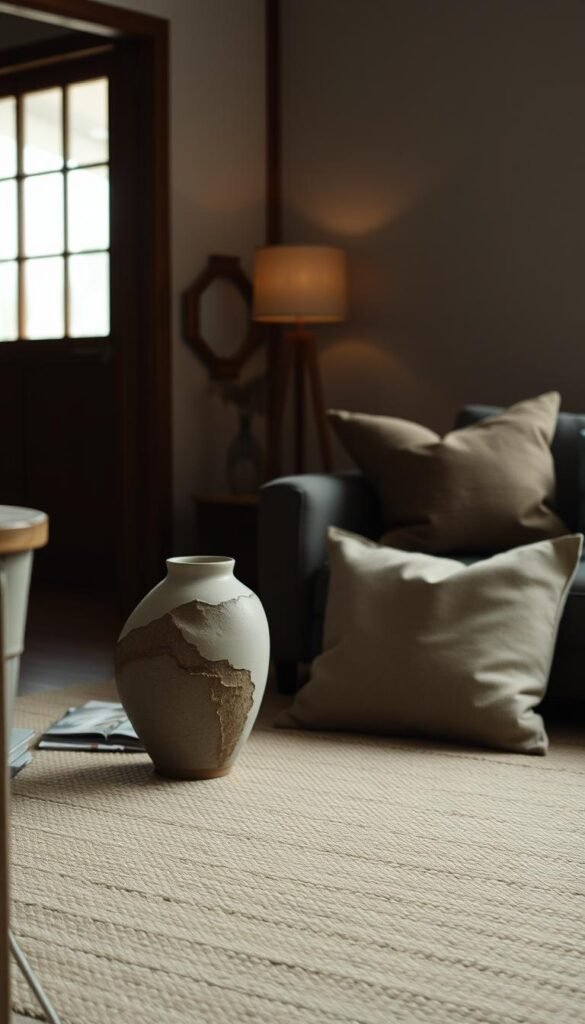
Discover the profound beauty that comes from embracing life’s natural imperfections in your home design. Wabi-Sabi is a Japanese philosophy that finds elegance in authenticity and aging. It celebrates the unique character that develops over time.
This approach values handmade items with slight irregularities. Think textured ceramic vases or distressed wood furniture. These pieces add wonderful character and lived-in charm to your space.
Incorporate this philosophy through carefully chosen elements. A handwoven rug adds organic texture underfoot. Reclaimed wood consoles from Arhaus bring history and warmth.
Imperfect pieces carry emotional value that mass-produced items lack. They create uniqueness and personal connection in your living area. Your room feels more inviting through these authentic touches.
Choose items with natural variations for visual interest. Look for aged patinas on wood surfaces. Embrace the subtle cracks in ceramic pieces.
“Perfection is achieved not when there is nothing more to add, but when there is nothing left to take away.”
Focus on craftsmanship and quality when selecting these pieces. Handmade items show artisanal skill and attention. They become cherished elements in your home.
A distressed sideboard makes an excellent statement piece. Irregular pottery adds artistic flair to shelves. These elements embody the Wabi-Sabi spirit beautifully.
This approach reduces pressure for flawless perfection. Your space becomes more personal and relaxed. You create an environment that feels truly lived-in.
Shop for vintage or artisanal pieces to find unique items. Local markets often offer wonderful discoveries. These one-of-a-kind finds add soul to your design.
Wabi-Sabi complements minimalism by focusing on meaning. It values substance over superficial perfection. Your choices become more intentional and thoughtful.
Embracing imperfection adds depth and character to your living space. It creates a home that tells your unique story. You build an environment with genuine warmth and soul.
11. Creating a Strong Connection to Nature Indoors
Your home becomes a sanctuary when it embraces the natural world around you. This approach transforms your living area into a peaceful retreat. You create an environment that feels both grounded and serene.
Biophilia represents our innate human need to connect with nature. This principle forms the core of authentic design philosophy. It fosters deep tranquility throughout your personal space.
Large windows serve as your primary connection to the outdoors. They flood your room with beautiful natural light throughout the day. This illumination creates ever-changing patterns that enhance your mood.
Choose minimal window coverings to maintain this valuable connection. Sheer linen curtains from brands like RYB HOME filter light gently. Bamboo blinds offer another excellent option for privacy without sacrificing brightness.
Natural materials bring organic warmth into your design scheme. Wood surfaces develop character over years of use. Stone elements add timeless texture and earthly presence.
Consider incorporating authentic touches like indoor rock gardens. These miniature landscapes create focal points of natural beauty. Wooden shoji screens provide functional separation with traditional elegance.
Position your furniture to maximize views of outdoor greenery. Arrange seating areas facing windows or garden spaces. This simple placement decision enhances your daily connection to nature.
Health benefits from this approach are both mental and physical. Reduced stress levels come from regular nature exposure. Improved mood follows increased natural light absorption.
Enhance your ambiance with natural scents through essential oil diffusers. Cedarwood brings earthy forest aromas into your space. Eucalyptus adds fresh, clean notes that uplift your environment.
This connection supports sustainability through conscious material choices. Renewable resources like bamboo minimize environmental impact. You create a home that respects both personal wellbeing and planetary health.
Integrating nature remains essential for truly calming living spaces. Your room achieves perfect balance between simplicity and organic warmth. You experience daily comfort through this meaningful connection.
12. The Art of Japandi: Choosing Wall Decor and Artwork

Your walls become canvases for serene expression in this balanced aesthetic. They offer opportunities to showcase personality without creating visual noise. The right choices enhance your room’s peaceful atmosphere beautifully.
Wall decor should complement rather than dominate your space. Select pieces that reflect nature’s simplicity and organic forms. Abstract prints or Japanese calligraphy work wonderfully for this purpose.
Choose artwork with muted tones that align with your color scheme. Soft grays, warm beiges, and earthy accents create harmony. Great Big Canvas offers excellent nature-inspired options that reinforce outdoor connections.
Framing choices matter significantly in this design approach. Simple black or wooden frames maintain cohesion with neutral palettes. They provide clean boundaries without distracting ornamentation.
Consider creating your own abstract art for personal touch. This DIY approach adds meaningful uniqueness to your space. Use natural pigments and simple compositions for best results.
Hang pieces at eye level for optimal viewing experience. This placement creates natural engagement with your artwork. Group items sparingly to maintain impact and avoid clutter.
“Art should comfort the disturbed and disturb the comfortable.”
Leave generous negative space around each piece. This breathing room allows artwork to stand out powerfully. Your walls feel curated rather than crowded.
Select items that evoke calm through their subject matter. Landscapes, botanical studies, or simple patterns work beautifully. Each piece should contribute to your room’s tranquil vibe.
Remember that quality surpasses quantity in wall decor. One significant piece often makes stronger statements than many small items. Your choices should feel intentional and purposeful.
This thoughtful approach to wall art completes your harmonious design. It adds personal expression while maintaining visual serenity. Your space becomes truly reflective of balanced living.
13. Final Textile Touches: Rugs, Pillows, and Throws
Soft fabrics complete your space with warmth and tactile appeal. They add the final layer that makes your room feel truly inviting and complete.
Textiles bring cohesion to your overall design scheme. They connect different elements through color and texture harmony. Your living area gains both comfort and visual unity.
Choose natural materials for authentic warmth underfoot and overhead. Jute rugs add earthy texture while remaining durable. Wool throws provide exceptional warmth during cooler evenings.
Linen pillows offer breathable comfort with subtle texture. The Adelina Velvet Pillow from Anthropologie introduces luxury through touch rather than pattern. These items enhance your home without overwhelming the senses.
Stick to neutral colors that complement your existing palette. Soft grays, warm beiges, and earthy tones work beautifully. This approach maintains visual calm throughout your space.
Mix different textures for interest without color variation. Pair a chunky knit throw with smooth leather seating. Layer a nubby rug beneath sleek wooden furniture.
Textiles serve practical functions beyond aesthetic appeal. Throws provide warmth for cozy evenings reading. Rugs help define different zones within open living areas.
This layered approach works especially well in cooler climates. You maintain minimalism while adding necessary warmth. Your room feels comfortable year-round.
Select quality pieces that will age gracefully over time. Natural fibers develop character with use and care. Your textiles become more beautiful as they become part of daily living.
Final textile touches complete your harmonious design. They tie everything together with comfort and style. Your space achieves perfect balance between beauty and function.
14. The Role of Scent in Crafting a Serene Atmosphere
Your sense of smell plays a powerful role in how you experience your home. It creates an invisible layer that enhances your overall comfort. This subtle element completes your tranquil environment beautifully.
Natural scents transform your space into a true sanctuary. They connect you to the outdoors while promoting deep relaxation. Your room gains another dimension of peaceful living.
Choose fragrances that evoke nature’s calming essence. Cedarwood brings forest freshness indoors. Sandalwood offers warm, earthy notes that ground your space.
Eucalyptus introduces clean, uplifting aromas. These scents align perfectly with biophilic design principles. They reinforce your connection to the natural world.
Select high-quality options like Diptyque Paris candles. Their Santal fragrance uses sustainable ingredients. You avoid synthetic smells that can feel overwhelming.
Placement ensures subtle fragrance throughout your area. Reed diffusers work well in entryways. They welcome you with gentle scent upon arrival.
Candles create beautiful ambiance on coffee tables. Their flickering light adds visual warmth too. You engage multiple senses simultaneously.
Consider seasonal variations for year-round harmony. Earthy tones complement autumn’s changing colors. Fresh scents match spring’s renewal energy.
“Perfume is the art that makes memory speak.”
Psychological benefits make scent selection meaningful. Certain fragrances reduce anxiety effectively. Others enhance mindfulness and mental clarity.
Always avoid overpowering fragrances in your design. Subtlety maintains the minimalist vibe you want. Your space feels peaceful without sensory overload.
This approach completes your harmonious living environment. It adds the final touch that makes your home feel truly curated. You experience deeper relaxation through thoughtful scent choices.
| Scent Type | Best Seasons | Ideal Placement |
|---|---|---|
| Woody (Sandalwood) | Fall/Winter | Living areas, bedrooms |
| Fresh (Eucalyptus) | Spring/Summer | Entryways, bathrooms |
| Earthy (Cedarwood) | Year-round | Meditation spaces, studies |
Natural materials in diffusers and candles matter too. Soy wax burns cleaner than paraffin. Reed diffusers use sustainable wood sticks.
Your scent choices should feel intentional and purposeful. They become part of your daily relaxation ritual. This layer completes your serene design perfectly.
15. Clever Storage Solutions for a Clutter-Free Room
Creating your perfect space involves thoughtful combination of all elements. You blend simplicity with comfort through careful choices. This approach results in a home that truly reflects your values.
Start by reviewing your overall vision for the area. Consider how each component contributes to harmony. Your selections should work together seamlessly.
Balance remains essential throughout your design process. Mix natural materials with clean lines beautifully. You achieve both visual appeal and practical function.
Remember that personal touches make your space unique. Incorporate items that hold special meaning for you. These elements add soul to your minimalist foundation.
“A house is made of walls and beams; a home is built with love and dreams.”
Lighting plays a crucial role in setting the mood. Layer different sources for flexibility throughout the day. Your room adapts to various activities and times.
Textiles provide the final layer of warmth and comfort. Choose natural fabrics that feel inviting to touch. These elements make your design feel complete.
| Design Element | Key Consideration | Implementation Tip |
|---|---|---|
| Color Palette | Neutral foundation | Use warm undertones throughout |
| Furniture Selection | Quality over quantity | Choose multifunctional pieces |
| Textile Layers | Natural materials | Mix textures for interest |
| Lighting Scheme | Layered approach | Include dimmable options |
| Personal Touches | Meaningful items | Display cherished objects |
Regular maintenance keeps your space looking its best. Simple cleaning routines preserve your investment. You enjoy a beautiful environment daily.
This holistic approach creates lasting satisfaction. Your home becomes a true reflection of balanced living. You experience both beauty and function every day.
Remember that perfection isn’t the ultimate goal. Authenticity and comfort matter more than flawless appearance. Your space should feel lived-in and loved.
Final touches complete your personal sanctuary. You’ve created an environment that supports your wellbeing. Enjoy the peaceful atmosphere you’ve designed.
16. Bringing It All Together: Your Personal Japandi Sanctuary
Your home reflects your journey toward balance and peace. Each choice you made builds a space that feels uniquely yours. It combines simplicity with warmth in perfect harmony.
Start with one element that speaks to you most. Maybe it’s clearing clutter or choosing natural materials. Build gradually as you discover what truly matters.
Remember, this style celebrates personal touches within its framework. Your favorite items add soul to the clean foundation. They make the design feel authentically yours.
Enjoy the process without pressure for perfection. This approach values meaning over flawless appearance. Your sanctuary grows more beautiful with time.
Share your results with others who appreciate thoughtful design. Their insights might inspire your next steps. Together, we create homes that nurture happier living.