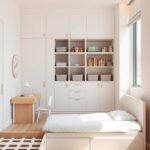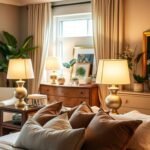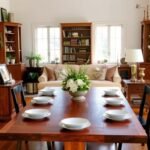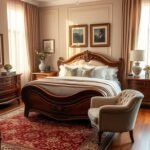
Welcome to your guide on creating a beautiful space that blends different eras. We will show you how to combine unique finds with comfortable new items.
This approach brings character and function to your home. You can avoid common mistakes that make spaces feel cluttered or dated.
Learn from real design journeys, like moving from too much nostalgia to a balanced look. We cover everything from color choices to picking the right sofa and chairs.
Our tips work for beginners and experts alike. Transform your interior into a place that feels both curated and cozy.
Express your personal style while keeping things practical. By the end, you’ll mix items from various times with confidence.
Understanding the Vintage Modern Aesthetic
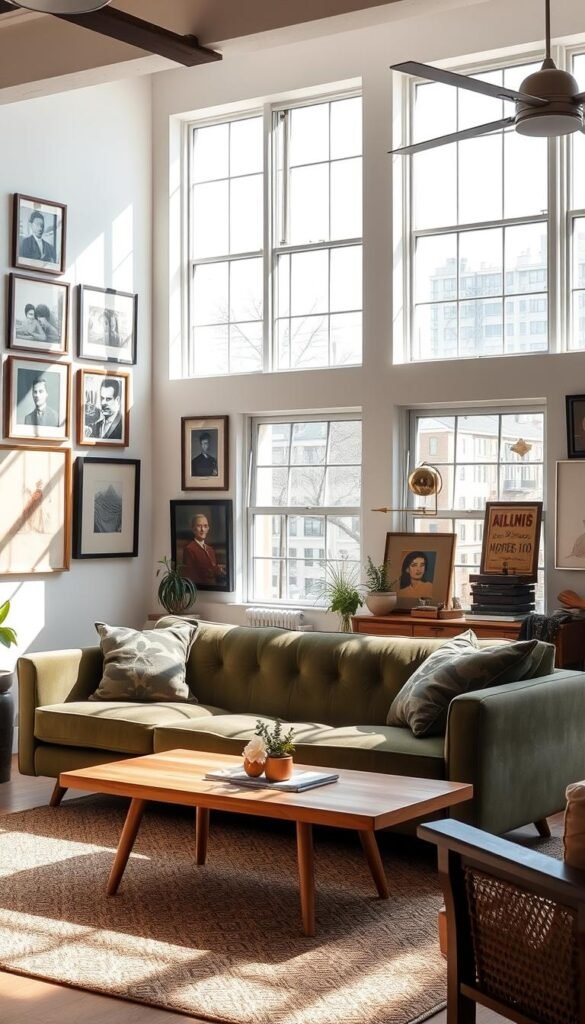
Before you start decorating, it helps to know what this look truly means. It’s more than just putting old and new items in one space. It’s about creating harmony between different times.
What Does “Old Meets New” Really Mean?
This phrase describes a thoughtful blend. You combine items with history and pieces with current function. The goal is a home that feels both unique and comfortable.
Think of it as storytelling through your furniture and decor. Each choice should add to the overall feel without confusion.
Why the Mix Creates Such a Compelling Style
Contrast is key here. Pairing a sleek sofa with a weathered coffee table adds visual interest. This balance makes your interior dynamic and engaging.
You get the best of both worlds: character from the past and comfort from the present. Your space becomes inviting and full of personality.
Learning from Mistakes: A Cautionary Tale on Overdoing It
Designer Emily Henderson once filled her apartment with too many old items. A visitor called it a “thrift store.” She learned that balance is crucial.
Her 2010 living area had too many colors and felt crammed. Without enough modern elements, the room lost its function.
Curate with purpose. Ensure every piece has a role. Stick to a cohesive color story to avoid clutter.
This style isn’t about strict rules. It’s about creating a home that reflects you—without the chaos.
Lay Your Foundation with a Cohesive Color Palette
Your palette choices will determine how well your diverse collection of furnishings works together visually. Color creates harmony between items from different periods.
This approach ensures your space feels intentional rather than accidental. It’s the secret to a curated look that flows beautifully.
The Power of the Two-to-Three Color Rule
Limit your palette to just two or three colors. This prevents visual chaos when blending eras.
Designer Emily Henderson proves this works. She sticks to consistent schemes like blues and greens.
This strategy makes disparate items feel connected. Your room will look purposeful and well-planned.
Choosing Your Base Neutrals and Accent Hues
Start with neutral bases like white, beige, or gray. These tones anchor your space beautifully.
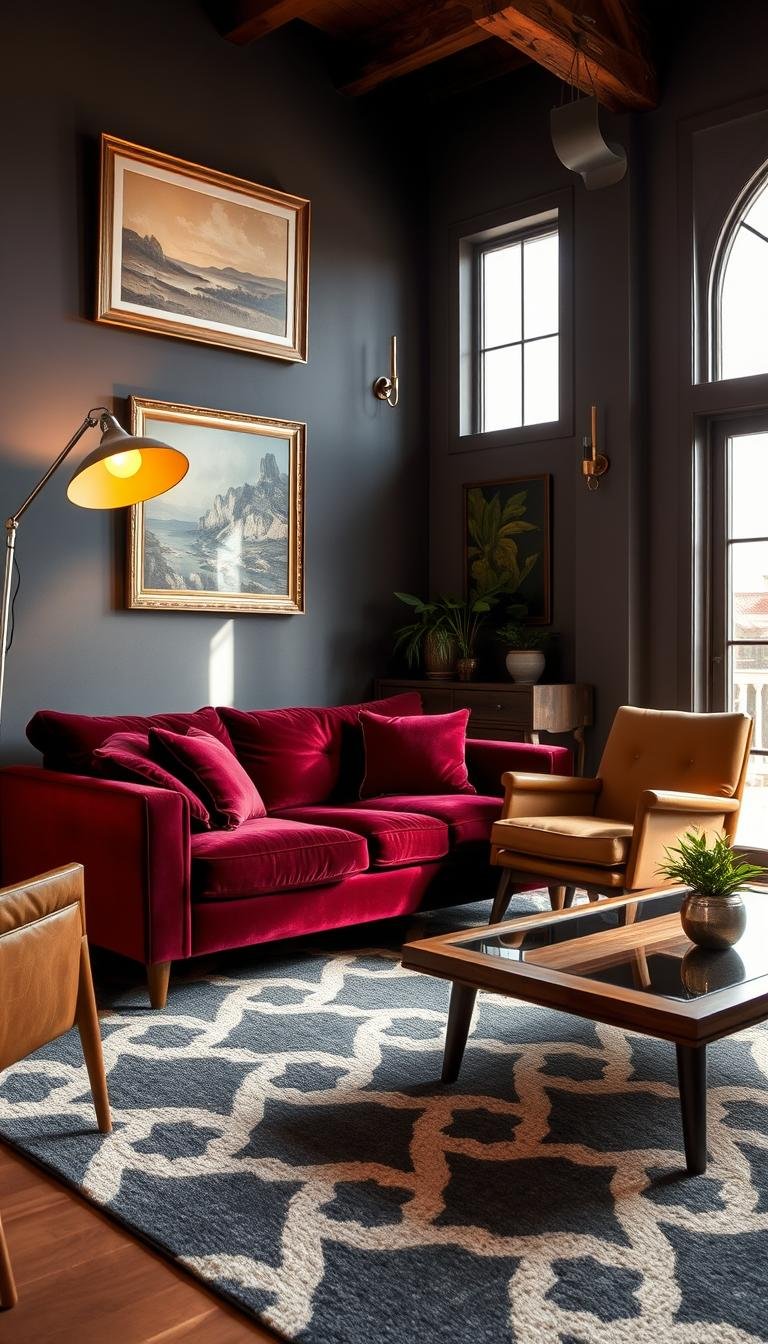
Add depth with accent colors like navy blue or emerald green. They provide richness without overwhelming.
Warm wood tones paired with white create classic appeal. Gray and brown combinations add sophisticated depth.
How Color Acts as the Unifying Bridge Between Eras
Color connects old and new pieces seamlessly. A vintage rug with soft pastels can complement modern pillows.
Your palette should reflect the emotional direction you want. Cool tones like blues bring tranquility.
Warm earth tones create energy in social spaces. Use mood boards to visualize how colors work together.
This approach ensures harmony before you start decorating. It’s the bridge that makes different times feel like they belong together.
The Golden Rule: Mastering the 80/20 Balance
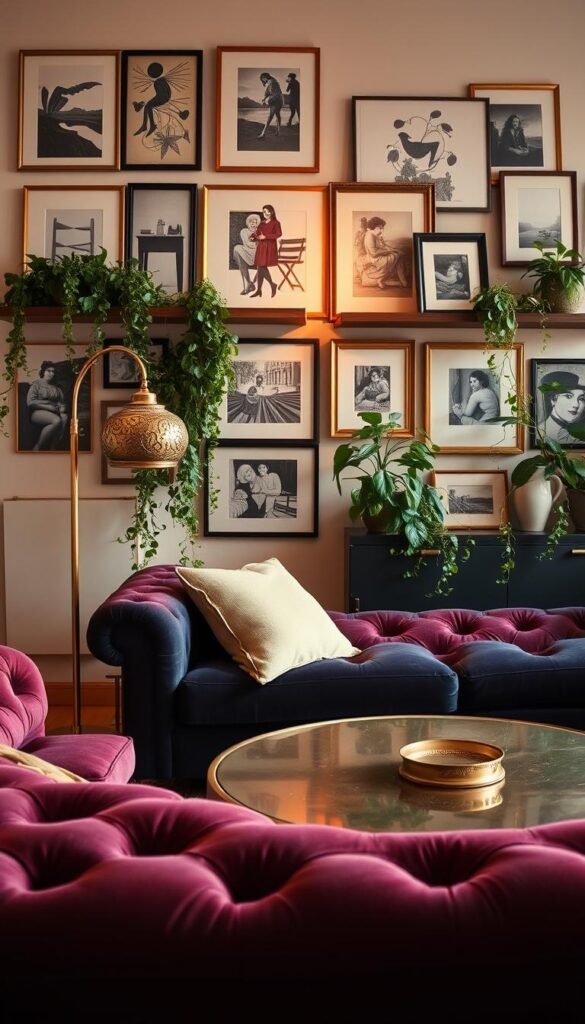
Now that you’ve established your color foundation, let’s explore the magic formula professionals use. This simple ratio creates harmony between different eras in your home.
It prevents any single style from dominating your space. You achieve a look that feels both collected and contemporary.
Why 80% Modern Base and 20% Vintage Accents Works
Think of your room as a story. The modern pieces form the main narrative—comfortable and functional. Vintage items become the colorful highlights.
This approach ensures your space remains practical for daily living. You avoid the pitfalls of an overly nostalgic environment.
Designer Emily Henderson explains:
“Modern pieces offer better comfort and function, especially for key items like sofas. Vintage elements bring soul and character without sacrificing livability.”
Distributing Vintage Pieces for Maximum Impact
Spread your cherished finds throughout the room. Don’t cluster them in one corner. This creates visual interest everywhere you look.
Try these placement strategies:
- Place a vintage lamp on a contemporary side table
- Hang antique art above a modern sofa
- Use an old wooden bowl on a new coffee table
Group items by purpose rather than age. Vintage books beside a current reading chair makes logical sense. It also looks stylish.
Avoiding the “Thrift Store” Look with Strategic Curation
Quality matters more than quantity. Choose each piece for its craftsmanship and design appeal. Not just because it’s old.
Pair weathered items with sleek modern elements. This contrast elevates both styles. Your space feels intentional rather than accidental.
Remember—every piece should earn its place. If it doesn’t serve a purpose or bring joy, it might not belong. This selective approach prevents clutter.
You create a home that tells your unique story. One that balances comfort with character beautifully.
Selecting Your Statement Vintage Anchor Piece
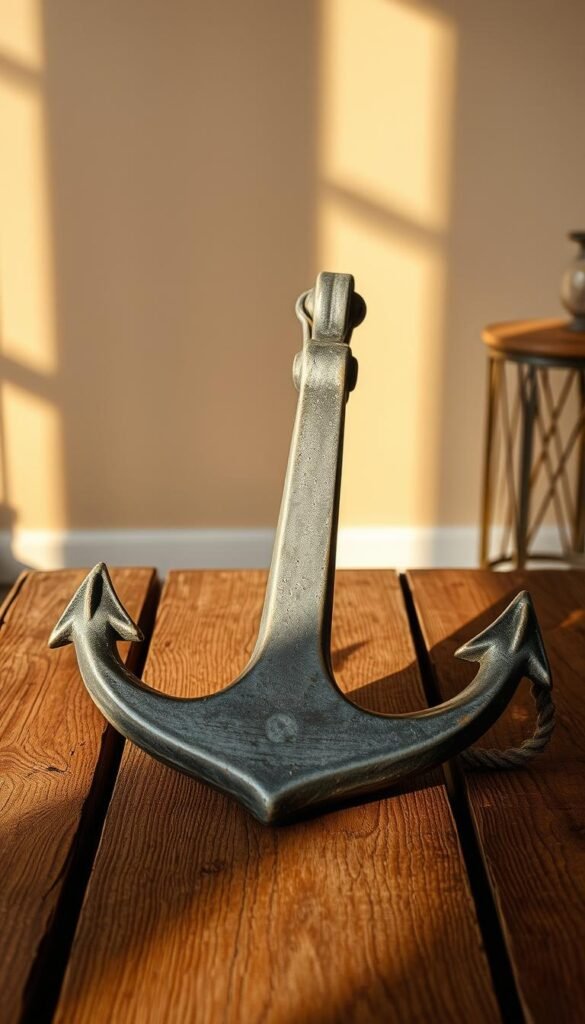
Every great design begins with a focal point. This anchor piece sets the tone for your entire space. It becomes the heart of your room’s story.
Choosing one standout item creates instant direction. You build around this cherished find rather than decorating randomly.
What Makes a Great Focal Point
Look for items with strong character and history. A mid-century coffee table with rich wood grain works beautifully. So does an antique mirror with unique details.
These pieces naturally draw attention. They spark conversation and add soul to your interior.
Art makes another excellent anchor. A large painting with interesting colors can inspire your whole palette.
Positioning Your Anchor Against a Modern Backdrop
Place your special find against a simple background. A sleek white wall makes vintage furniture pop. Contemporary elements provide perfect contrast.
This approach ensures your anchor stands out beautifully. It feels intentional rather than accidental.
Designer Emily Henderson often uses this technique. She positions antique art above modern sofas for maximum impact.
Letting Your Favorite Find Guide the Room’s Direction
Your anchor piece should influence other choices. Let its color story inspire your overall scheme. Use its materials to guide your texture selections.
This creates natural harmony throughout your space. Everything feels connected and purposeful.
Start with one strong vintage element. Then select complementary modern items. This ensures your mix feels curated rather than random.
Your home becomes a reflection of your personal journey. It balances history with contemporary comfort perfectly.
Strategically Mixing Furniture Styles and Eras
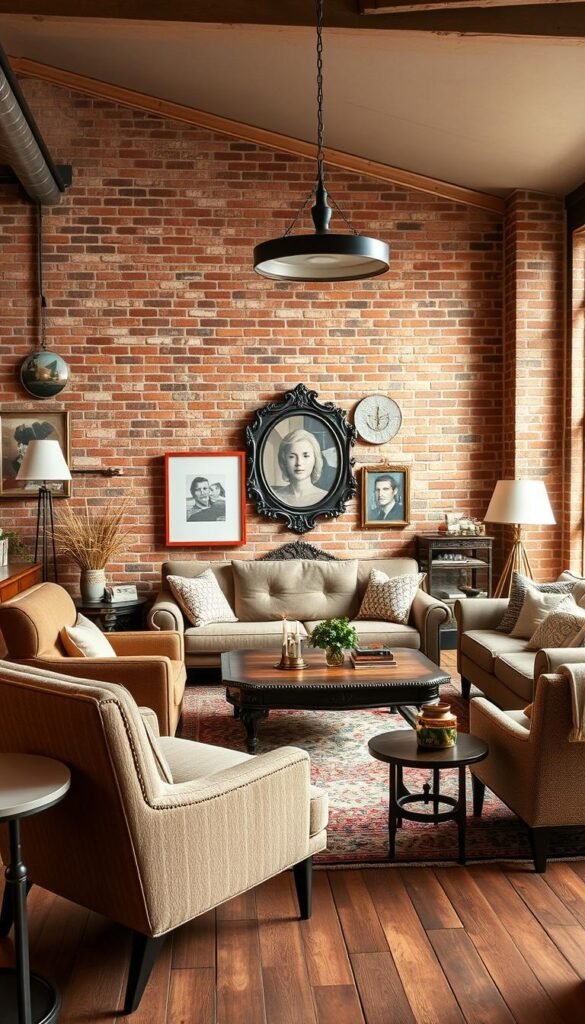
Creating harmony between different periods requires thoughtful arrangement. The magic happens when you blend shapes, prioritize comfort, and group with purpose.
This approach transforms your space into a cohesive story. You’ll achieve that perfect balance between history and present-day living.
Pairing Curves with Straight Lines for Visual Interest
Combine curved vintage furniture with straight-lined modern pieces. This creates dynamic visual interest throughout your space.
A rounded mid-century chair beside a angular contemporary table works beautifully. The contrast makes both elements stand out.
This balance prevents any single style from dominating. Your interior feels both collected and intentional.
Prioritizing Comfort and Function in Key Upholstered Pieces
Always choose comfort for items you use daily. Modern pieces often provide better support for seating.
Designer Emily Henderson shares:
“I learned that vintage sofas might look great but lack comfort. Now I use contemporary options for main seating and vintage for accent pieces.”
Test any older upholstered items before buying. Ensure they meet your daily needs for relaxation.
Grouping by Function and Color, Not Just by Period
Arrange your furniture by purpose rather than age. This creates logical flow throughout your room.
Try these smart grouping ideas:
- Place vintage books beside a modern reading chair
- Use an antique lamp on a contemporary side table
- Group art by color rather than creation date
This approach ensures everything feels connected. Your space becomes both beautiful and functional.
You’ll enjoy the best of both worlds—historical charm and present-day comfort. Your home will reflect your unique story without overwhelming the senses.
Incorporate Depth and Character with Layered Textures
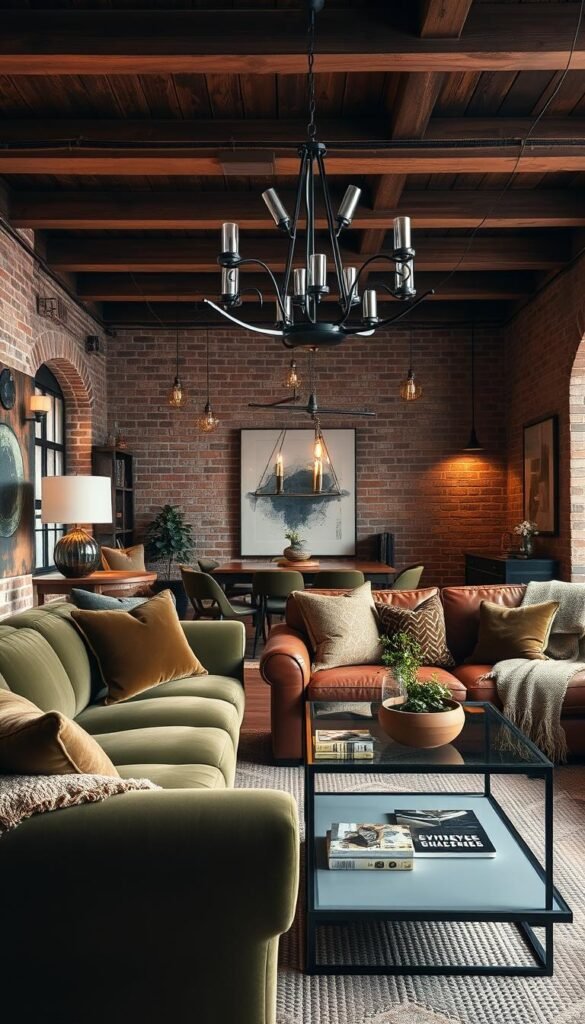
Texture plays a vital role in making your home feel complete. It adds richness that color alone cannot achieve. This layer brings warmth and personality to your space.
Thoughtful texture combinations make your interior feel inviting. They create visual interest without adding clutter. You achieve a multi-dimensional look that feels both curated and comfortable.
Contrasting Smooth and Rough Surfaces
Combine different surfaces for dynamic appeal. Pair sleek glass with distressed wood. This creates visual tension that feels intentional.
A polished metal table beside a rustic leather chair works beautifully. The contrast makes both pieces stand out. Your space gains depth and character.
Designer Emily Henderson often uses this technique. She pairs contemporary elements with textured vintage finds.
Bridging Eras with Strategic Textile Choices
Textiles help blend different periods seamlessly. Modern fabrics on older furniture create harmony. They soften hard lines and add comfort.
Try these simple ideas:
- Drape a contemporary throw over an antique sofa
- Add plush pillows to vintage seating
- Layer rugs for added warmth underfoot
These choices make your home feel cohesive. They bridge the gap between old and new effortlessly.
Mixing Metals and Natural Materials for a Curated Look
Combine different materials for balanced appeal. Warm brass with cool chrome creates interest. Natural elements like wood and linen add organic warmth.
This approach prevents your design from feeling flat. It introduces variety while maintaining balance. Your interior feels collected over time.
| Material Type | Vintage Examples | Modern Pairings | Visual Effect |
|---|---|---|---|
| Metals | Brass lamps | Chrome fixtures | Warm-cool contrast |
| Woods | Reclaimed tables | Sleek chairs | Natural texture |
| Textiles | Wool blankets | Linen pillows | Layered comfort |
| Surfaces | Distressed leather | Glass tops | Tactile interest |
Focus on quality materials that tell a story. Each piece should contribute to the overall feel. This creates an environment that welcomes both conversation and relaxation.
For more inspiration on blending materials, explore this guide on mixing vintage and modern decor items.
Lighting and Art: The Finishing Touches That Tie It All Together
Your space is almost complete. Now let’s focus on the final details that bring everything into harmony. Lighting and artwork are the secret ingredients that make your design feel intentional and polished.
These elements work together to create mood and connection. They bridge gaps between different periods effortlessly.
Think of them as the jewelry for your room. The right choices elevate your entire aesthetic.
Choosing Modern Lighting to Highlight Vintage Decor
Select sleek, minimalist fixtures to illuminate your cherished finds. They provide clean illumination without visual competition.
Recessed lights or simple pendants work beautifully. They create a bright, airy atmosphere that makes older items shine.
Designer Emily Henderson often uses this approach. She lets contemporary fixtures highlight special antique pieces.
This balance ensures your lighting supports rather than dominates. Your vintage treasures become the stars.
Using Contemporary Art to Complement Vintage Color Stories
Modern artwork can beautifully echo your existing palette. Abstract pieces with matching hues create visual harmony.
Look for art that shares colors with your rug or upholstery. This creates a thoughtful connection between eras.
Your walls become a gallery that tells your unique story. Everything feels connected and purposeful.
For more inspiration on blending periods, explore this guide on vintage modern interior design.
How a Vintage Lamp Can Add Instant Soul to a Modern Space
An antique lamp brings warmth and history to contemporary settings. It serves both function and character in one piece.
Place it beside a sleek sofa or on a simple table. The contrast makes both elements feel special.
Emily Henderson frequently uses older lighting for this purpose. She says:
“A vintage lamp adds instant soul to any room. It’s both practical and packed with personality.”
These final touches transform your space from ordinary to extraordinary. They complete your curated, collected home perfectly.
Practical Room-by-Room Application Tips
Now let’s explore how to apply these principles throughout your house. Each area serves different purposes and needs a tailored approach.
You’ll learn how to adapt the blend for various functions. This ensures every corner feels both beautiful and practical.
The Living Room: Anchoring with Statement Seating and Tables
Your gathering space benefits from bold combinations. Start with one standout vintage furniture piece as your anchor.
A mid-century coffee table or wooden credenza works beautifully. Pair it with comfortable contemporary seating for daily use.
Designer Emily Henderson often uses this strategy. She combines older tables with plush modern sofas.
This creates visual interest while maintaining comfort. Your space becomes perfect for entertaining and relaxation.
The Bedroom: Balancing Intimacy, Comfort, and Sophistication
Sleeping areas require a softer approach. Focus on creating a tranquil retreat that still shows personality.
Combine a sleek bed frame with antique nightstands. Add vintage lamps for warm, inviting lighting.
This mix brings character without sacrificing restful energy. Your bedroom feels both curated and cozy.
Stick to a calm color palette here. Softer hues promote better sleep and relaxation.
The Kitchen & Bath: Adding Vintage Charm Without Sacrificing Function
These practical spaces need smart solutions. Incorporate historical elements that don’t interfere with daily use.
Try an antique mirror in the bathroom or a farmhouse sink in the kitchen. These pieces add soul while maintaining functionality.
Emily Henderson’s kitchen features a vintage island. It provides extra storage and prep space while adding visual interest.
Remember—modern appliances should remain the workhorses. Let vintage items serve as decorative accents.
This approach ensures your hardworking rooms stay efficient. They still reflect your unique style beautifully.
Where to Hunt for Quality Vintage Pieces
Finding the right items is key to your design success. The hunt itself can be an adventure full of discovery. You learn to spot treasures that others might overlook.
This process helps you build a collection with true character. Each find adds personality to your home.
Best Sources for Unique Finds
Explore different places to uncover special items. Flea markets offer one-of-a-kind discoveries. Estate sales often feature well-preserved pieces from entire homes.
Online platforms like Etsy provide access to global sellers. You can find rare furniture without leaving your house.
Designer Emily Henderson found amazing chairs at Goodwill. She paid between $15 and $100 for them. These affordable finds became beautiful after reupholstering.
What to Look For: Assessing Quality and Condition
Check each item carefully before purchasing. Look for solid construction and durable materials. Good patina adds character without excessive damage.
Prioritize structurally sound items. For upholstered pieces, consider reupholstery costs. This ensures comfort and longevity.
Choose elements that fit your color palette. Avoid anything that might clash with your modern base. This maintains balance in your space.
Questions to Ask Before You Buy
Always gather important information before purchasing. Ask about the item’s history and previous repairs. Knowing its story adds meaning to your design.
Confirm exact measurements to ensure proper fit. Consider how each piece will function in your room.
Emily Henderson advises:
“The best finds tell a story and add soul. Choose what personally resonates with you.”
This thoughtful approach builds a meaningful collection. Your home becomes a reflection of your unique journey.
Embracing the Journey to Your Curated, Collected Home
Your journey to a home that tells your story begins with small steps. This process evolves as you discover pieces that speak to you personally.
Celebrate how old and new elements create spaces full of meaning. Your choices reflect your unique path and preferences.
Remember that balance keeps your interior feeling intentional. The 80/20 rule and cohesive colors prevent overwhelm.
Learn from experience but don’t fear experimentation. Each find adds character while modern items provide daily comfort.
This approach creates a lived-in feel that avoids sterility or clutter. Your home becomes both stylish and perfectly functional.
Keep refining your selections over time. Prioritize quality, cohesion, and what brings you genuine joy.
Ultimately, you create an inviting space that feels authentically yours. It welcomes life while honoring beautiful design.