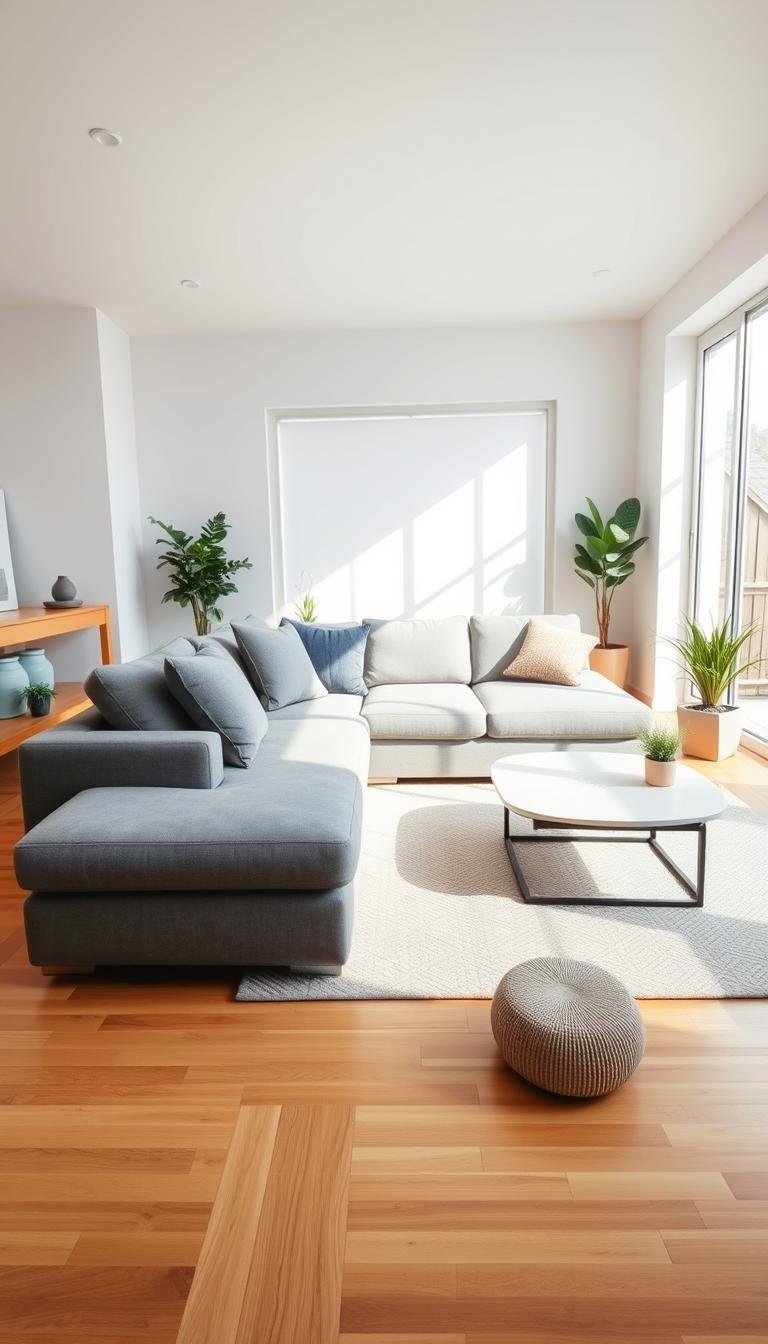
Choosing the perfect centerpiece for your home can transform your entire space. A neutral-toned sofa offers incredible versatility that works with countless design styles.
This adaptable furniture piece serves as a timeless foundation. Whether you love boho flair or mid-century modern aesthetics, this hue complements various looks beautifully.
The color’s enduring popularity means your investment will stay stylish for years. You can easily update accessories as trends change while keeping your main seating area.
From light charcoal to deep slate tones, these shades create a perfect backdrop. They allow you to personalize your area with colorful accents and textured layers.
Discover how to achieve both sophisticated elegance and warm comfort in your home. This guide will show you creative ways to build around this versatile anchor piece.
Why a Gray Sectional is Your Living Room’s Best Friend
Imagine having one furniture piece that effortlessly adapts to your changing tastes. A neutral-toned sofa offers this incredible flexibility in your home.
These versatile pieces serve as the perfect foundation for any design approach. Whether you prefer clean lines or ornate details, this anchor accommodates both beautifully.
The practical benefits extend beyond mere aesthetics. Mid-tone upholstery cleverly conceals everyday wear from pets and family life. Your space maintains a fresh appearance with minimal effort.
There’s a psychological comfort to these soothing tones. They create serene environments where you can truly unwind after long days.
Your color palette options become wonderfully diverse. Pair with earthy neutrals for calm sophistication or bold patterns for energetic vibes.
Quality sofas represent smart long-term investments. Their timeless appeal ensures they remain stylish through evolving trends.
This centerpiece effortlessly ties together diverse elements in your space. It provides cohesion while allowing your personal style to shine through accessories and accents.
Mastering the Modern & Cozy Color Palette
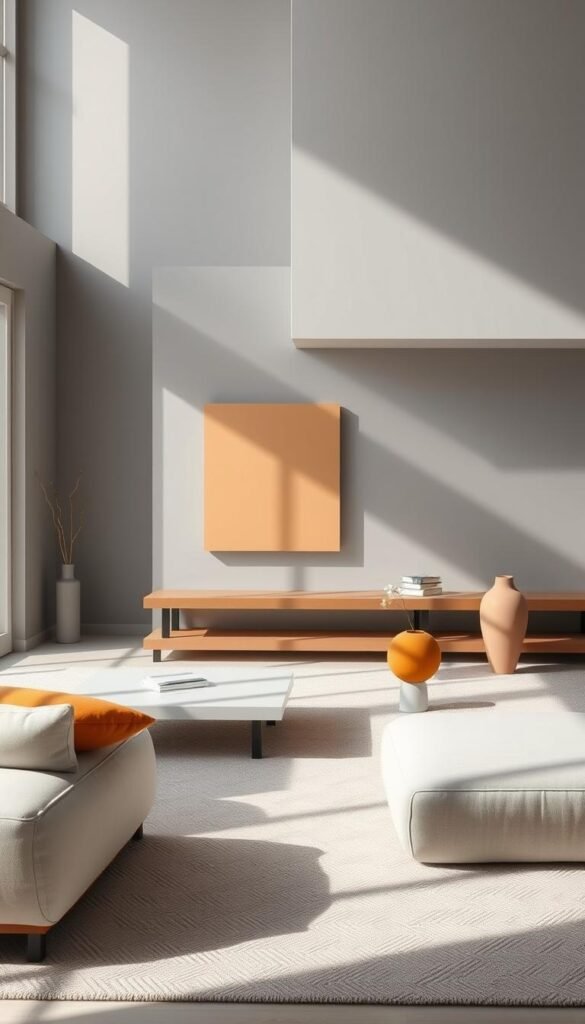
The magic of a well-designed space lies in its color harmony and balance. Your neutral foundation serves as the perfect canvas for creative expression. Thoughtful palette choices transform your area from ordinary to extraordinary.
Creating Contrast with Light and Dark
Visual interest comes from playing with light and dark tones. A deep charcoal sofa against pale walls creates stunning depth. This approach adds dimension without overwhelming your space.
Consider pairing light upholstery with darker accent pieces. The interplay creates a dynamic yet balanced atmosphere. Your eyes naturally move through the room, appreciating each element.
A medium-gray, velvet sofa helps ground your space just a touch. It provides the perfect anchor between bold and subtle elements. This balance makes your area feel both intentional and inviting.
Building a Harmonious Neutral Foundation
Layering different shades prevents your space from looking flat. Combine various tones of beige, cream, and gray for richness. This creates a cohesive, tonal look that feels both sophisticated and warm.
A cream-colored area rug makes sunny spaces even brighter. It reflects light beautifully while adding softness underfoot. This foundation allows vibrant art and textiles to truly pop.
Your neutral base should complement rather than compete. Choose tones that work together in harmony. The rest of your decor will build upon this stable foundation.
Introducing Pops of Color for Personality
Strategic accents bring life and energy to your neutral backdrop. Colorful pillows and artwork create focal points throughout the space. These elements showcase your personal style without commitment.
Consider seasonal color rotations to keep things fresh. Bright hues for summer, warmer tones for fall. This approach maintains interest while your main pieces remain constant.
Add a luxurious velvet throw for texture and warmth. Position it casually over your sofa or favorite chairs. This creates an inviting look that says “come sit and stay awhile.”
Your coffee table becomes a perfect spot for color displays. Rotate decorative books, trays, and objects seasonally. This subtle change refreshes your entire atmosphere effortlessly.
Choosing the Perfect Gray Sectional for Your Space
Finding the right sofa transforms how you experience your home daily. Your seating should match both your lifestyle and room dimensions perfectly.
Start by measuring your available area carefully. Note window placements, door swings, and traffic patterns. This ensures your new piece fits beautifully without crowding.
Consider different configurations based on your needs. An L-shape works well for corner placements and conversation areas. U-shaped designs offer ample seating for larger families.
Chaise styles provide excellent leg support for relaxation. They create inviting spots for reading or afternoon naps. Choose left or right orientations based on your room layout.
Understanding Gray Undertones
Gray hues vary significantly in their base tones. Warm versions contain subtle brown or taupe notes. These work wonderfully with wood finishes and earthy palettes.
Cooler shades have blue or green undertones. They pair elegantly with black white schemes and metallic accents. Your existing decor helps determine the best match.
Test swatches in your actual light conditions throughout the day. Northern light makes colors appear cooler than southern exposure. Evening artificial lighting also changes perceptions.
Fabric Choices for Real Life
Your household activities guide material selection. Performance fabrics resist stains and wear beautifully. They’re ideal for homes with children or pets.
Velvet adds luxury and depth to your details. It feels soft underhand and develops character over time. This material works well in adult-focused spaces.
Linen offers casual elegance and breathability. It wrinkles naturally, adding textural interest. Leather provides durability and develops a rich patina.
| Fabric Type | Best For | Maintenance Level | Average Cost |
|---|---|---|---|
| Performance Fabric | Families, Pets | Easy | $$ |
| Velvet | Formal Spaces | Medium | $$$ |
| Linen | Casual Settings | Medium | $$ |
| Leather | Durability | Low | $$$$ |
Always test comfort levels before purchasing. Sit down and lie back just like you would at home. Check cushion firmness and back support adequacy.
Consider reversible cushions for longer wear. Ask about frame construction and warranty details. Hardwood frames last longer than particle board alternatives.
Your investment should bring joy for many years. Quality pieces maintain their comfort and appearance. They become beloved parts of your daily life.
Budget wisely for this important purchase. Good furniture costs more initially but lasts longer. You save money over time through reduced replacement needs.
Look for sales during holiday weekends. Many stores offer financing options too. Your perfect sofa awaits within reach.
Strategic Furniture Layouts for Flow and Function
Your room’s arrangement impacts how you move and interact daily. Smart placement creates harmony between beauty and practicality.
Think beyond simply pushing pieces against walls. Creative positioning adds depth and improves circulation patterns.
Good flow makes your space feel larger and more inviting. It guides movement naturally between different functional zones.
Angling for Views and Conversation
Position your main seating to capture beautiful outdoor scenery. Angling toward windows maximizes natural light exposure.
Create intimate conversation areas by facing pieces toward each other. This arrangement encourages comfortable interaction.
Leave adequate walking space around each furniture grouping. About three feet allows easy passage without crowding.
Consider traffic patterns when arranging your pieces. Main walkways should remain clear and unobstructed.
Defining Zones in an Open-Concept Room
Use area rugs to anchor different functional spaces visually. A large rug under your seating area defines that zone clearly.
Position your sofa to create natural divisions between areas. Facing away from the kitchen establishes separate spaces.
Add a slim console table behind your sofa for definition. This creates an intentional boundary while adding surface space.
Lighting helps differentiate areas within open layouts. Pendant lights over a dining table mark that distinct zone.
Varying ceiling heights or paint tones can separate spaces. These subtle changes create division without physical barriers.
Your coffee table becomes a central gathering point. Choose proportions that balance your seating arrangement perfectly.
Wood accents add warmth while helping define different areas. A bookshelf or screen can create visual separation.
Flexible layouts adapt to various activities and gatherings. Lightweight chairs can be moved for different occasions.
Textural Layering: The Secret to a Cozy Feel
Texture transforms your space from flat to fascinating with simple tactile additions. This approach creates depth that makes your area feel more inviting and complete.
Instead of relying solely on color contrasts, fabric combinations add richness. They provide visual interest through varied surfaces and materials.
Mixing Plush and Woven Fabrics
Combining different materials creates wonderful tactile variety. Your main seating piece becomes richer when paired with contrasting textiles.
Velvet or chenille upholstery works beautifully with linen accents. Boucle and jute-blend pillows add natural texture against smooth surfaces.
Wool throws introduce warmth during cooler months. Lightweight cotton works perfectly for summer styling rotations.
Balance is key when mixing multiple textures. Choose one dominant material and complement with secondary options.
The Art of the Throw Blanket and Pillow Pile
Thoughtful arrangements make your space both stylish and functional. Start with larger foundation pillows against the back cushions.
Layer smaller decorative pieces in front for depth. Mix square and lumbar shapes for visual interest.
Draping techniques vary based on your desired aesthetic. Casual folds create relaxed, lived-in vibes.
Neatly folded blankets suggest more structured elegance. Both approaches work well depending on your overall style.
Seasonal rotations keep your space feeling fresh year-round. Switch between heavier winter weights and lighter summer fabrics.
Practical maintenance ensures your textiles stay beautiful. Most decorative pieces feature removable covers for easy cleaning.
Spot clean heavier items like wool blankets professionally. Regular fluffing keeps pillows looking their best.
Your Guide to the Perfect Complementary Rug
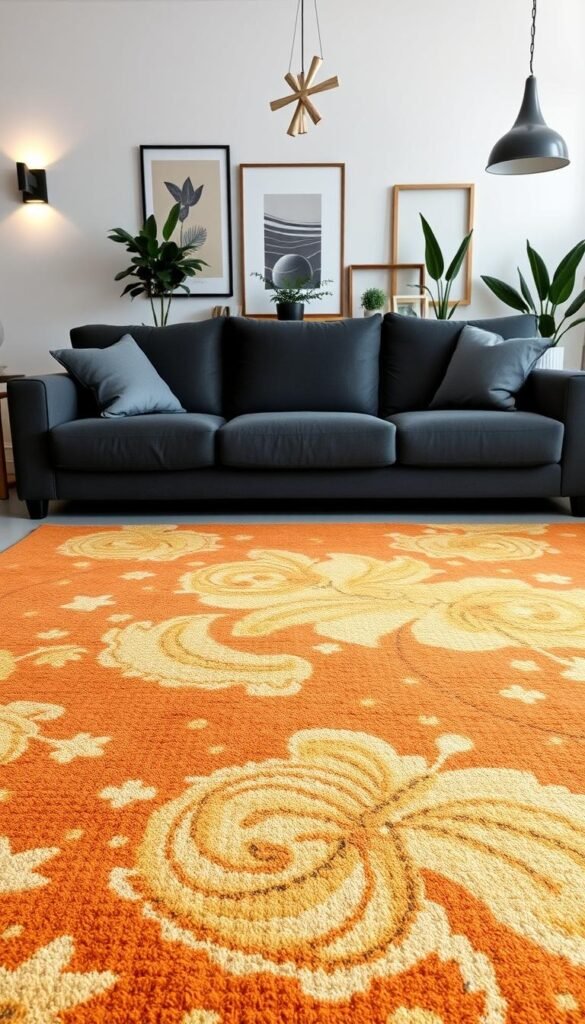
The right floor covering transforms your seating area into a complete, inviting environment. It anchors your furniture while adding warmth and personality underfoot.
Your rug serves as the foundation that ties everything together beautifully. This essential piece creates visual harmony between different elements in your space.
Selecting the proper size ensures your seating arrangement feels balanced. The front legs of your sofa should rest comfortably on the rug’s surface.
This creates a unified look that defines the conversation area clearly. Leave equal border space around the perimeter for proportional appeal.
Color coordination enhances your overall design scheme beautifully. Neutral rugs provide a soft backdrop for bold accent pieces.
Patterned options add visual interest when paired with solid upholstery. Consider complementary tones that work with your existing palette.
Material choices impact both aesthetics and practicality. Wool offers natural durability and luxurious texture underfoot.
Synthetic fibers provide excellent stain resistance for busy households. Natural materials like jute bring organic texture to your design.
Pattern mixing creates depth when done thoughtfully. Pair subtle geometric designs with textured upholstery fabrics.
Large-scale patterns make bold statements in spacious rooms. Smaller motifs work wonderfully in compact areas.
Proper placement ensures your rug enhances the room’s flow. Center it within your seating arrangement for balanced appeal.
Allow adequate walking space around all edges for comfortable movement. This prevents tripping hazards while maintaining visual harmony.
Functional benefits extend beyond mere decoration. Thick pile provides cushioning for comfortable standing and walking.
Sound absorption creates a quieter, more peaceful atmosphere. Thermal insulation keeps floors warmer during cooler months.
Maintenance keeps your investment looking fresh for years. Regular vacuuming prevents dirt from embedding deep into fibers.
Professional cleaning restores brightness to high-traffic areas. Rotate periodically to ensure even wear across the entire surface.
Your rug ultimately anchors the entire furniture arrangement beautifully. It creates cohesion between different pieces in your space.
This foundation piece completes the look while adding comfort underfoot. You’ll appreciate both the aesthetic and practical benefits daily.
Selecting Accent Chairs That Enhance Your Sectional
Finding the perfect companion seats creates harmony in your seating arrangement. The right choices bring balance and personality to your space.
Accent chairs should complement your main sofas without competing. They add visual interest while maintaining overall cohesion.
Consider scale when pairing with larger furniture pieces. Your chairs should feel proportional to the main seating area.
Oversized options can overwhelm a room. Too-small chairs might get lost visually. Aim for balanced proportions that feel intentional.
Different styles work wonderfully with neutral foundations. Modern sleek designs create contemporary contrast. Traditional comfortable options add classic charm.
Leather armchairs introduce rich texture against soft upholstery. Cane-backed designs bring elegant lightness to the arrangement.
Fabric coordination creates seamless transitions between pieces. Match tones rather than exact shades for depth.
Consider a velvet accent chair for luxurious texture. This material adds sophistication and tactile interest.
Functional features suit different needs. Swivel chairs facilitate conversation. Recliners offer ultimate relaxation.
Stationary options provide timeless appeal. Choose based on how you use your space daily.
Arrangement tips create inviting conversation areas. Position chairs facing your main seating at comfortable distances.
Angle pieces slightly toward each other for natural flow. This encourages interaction while maintaining open space.
Use accent seats to introduce contrasting colors strategically. A bold hue adds personality without overwhelming.
Textural differences create visual depth. Smooth leather against nubby fabric adds dimension beautifully.
Balance visual weight between large and small elements. Pair substantial sectionals with equally substantial chairs.
Lighter designs work well with more delicate pieces. The goal is harmonious proportion throughout.
Your remaining decor should complement these choices. A cozy throw adds the perfect finishing touch.
The rest of your accessories should enhance without competing. Let your chairs shine as intentional additions.
| Chair Style | Best For | Visual Impact | Comfort Level |
|---|---|---|---|
| Modern Sleek | Contemporary Spaces | High Contrast | Medium |
| Traditional Armchair | Classic Interiors | Warm Blending | High |
| Swivel Chair | Conversation Areas | Functional Focus | Medium-High |
| Accent Recliner | Relaxation Zones | Subtle Statement | Very High |
| Cane-Backed | Lightness Needed | Elegant Detail | Medium |
Test comfort before committing to any selection. Sit in chairs exactly as you would at home.
Consider arm height and seat depth for your comfort. These details impact daily enjoyment significantly.
Your perfect accent chairs await discovery. They will complete your space beautifully while adding function.
Coffee Table and Side Table Pairings That Work
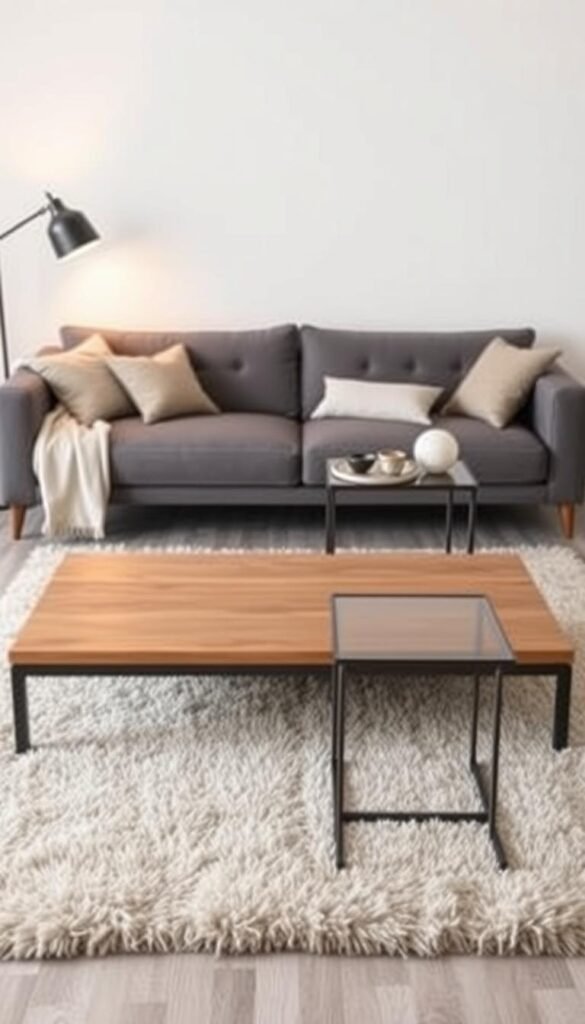
The perfect tables transform your seating area from functional to fabulous. They provide both practical surfaces and visual harmony around your main seating piece.
Your choices should balance aesthetics with everyday needs. Consider how you use your space for entertaining or relaxation.
Material selection creates wonderful textural contrast. A walnut piece enhances deep neutral upholstery beautifully.
This natural wood brings warmth against cool tones. The rich grain patterns add organic interest to your design.
Balancing Scale and Proportion
Proper sizing ensures your furniture arrangement feels intentional. Your central surface should relate well to surrounding pieces.
A large seating area needs substantial table support. Opt for solid wood or marble construction for visual weight.
Measure carefully before making any purchase. The ideal height sits slightly below your seat cushion level.
This creates comfortable access for drinks and snacks. Allow about eighteen inches between pieces for easy movement.
Oversized options can dominate a smaller room. Too-small tables might get lost visually. Aim for proportional balance throughout.
Mixing Shapes: Curves vs. Straight Lines
Combining different forms adds dynamic energy to your space. Angular sofas pair wonderfully with rounded tables.
This contrast softens sharp edges beautifully. Circular designs facilitate conversation flow around the arrangement.
Rectangular pieces echo clean-lined upholstery shapes. They create cohesive modern aesthetics when matched properly.
Oval options offer the best of both worlds. They provide soft edges with substantial surface area.
Your side tables should complement the main center piece. Repeat materials or finishes for family resemblance.
Functional considerations impact daily enjoyment. Storage options keep remotes and magazines neatly contained.
Durable surfaces withstand frequent use beautifully. Glass tops maintain visual lightness in compact spaces.
Metallic bases add reflective accents against matte fabrics. They catch the light beautifully throughout the day.
Your final arrangement should serve your lifestyle perfectly. Test traffic flow around all pieces before finalizing.
These details complete your seating area beautifully. They provide both style and function for years.
Lighting Ideas to Set the Right Mood
Great lighting transforms your space from ordinary to extraordinary with just the flip of a switch. It creates atmosphere and functionality throughout your entire home.
Think about how you use each part of your room daily. Different activities need different lighting approaches for comfort.
Layering three types makes your space both beautiful and practical. Ambient lighting provides overall illumination for the whole area.
Task lighting focuses on specific spots like reading nooks. Accent lighting highlights artwork or architectural details.
Your neutral furniture benefits from thoughtful illumination. Proper lighting enhances its tones rather than washing them out.
Warm white bulbs around 2700-3000K work best. They add cozy warmth without making colors look dull.
Cool white light can make your space feel sterile. Always test bulbs in your actual room before deciding.
Dimmers give you ultimate control over mood settings. Lower lights for movie nights or brighten for gatherings.
Smart systems let you adjust settings from your phone. Program scenes for different times of day automatically.
Place fixtures strategically throughout your seating arrangement. Floor lamps work well beside sofas for reading light.
Table lamps on side surfaces provide soft ambient glow. They create pools of light that make spaces feel intimate.
Pendant lights over central areas define functional zones. They draw the eye downward for focused illumination.
Wall sconces save space while adding decorative interest. They work beautifully flanking artwork or mirrors.
Track lighting offers flexible directional options. Adjust heads to highlight specific points around your room.
Reflective surfaces amplify natural and artificial light. Mirrors opposite windows bounce sunlight deeper inside.
Glass tables and metallic accents catch and spread illumination. They prevent light absorption in darker areas.
Window treatments should maximize daylight hours. Sheer curtains diffuse light while maintaining brightness.
Choose lamp shades that complement your overall design. Linen diffuses light softly while maintaining modern appeal.
Paper shades create crisp contemporary aesthetics. Fabric options add texture and warmth to your scheme.
Energy-efficient LEDs last years while saving money. They come in various color temperatures for perfect tones.
Your lighting choices should balance style and sustainability. Beautiful fixtures can also be environmentally friendly.
| Lighting Type | Best Placement | Bulb Temperature | Control Options |
|---|---|---|---|
| Ambient Lighting | Ceiling/General Area | 2700-3000K | Dimmer Switches |
| Task Lighting | Reading Seating Areas | 3000-3500K | Individual Switches |
| Accent Lighting | Artwork/Walls | 2700K | Spotlight Dimmers |
| Natural Enhancement | Window Adjacent Areas | Daylight | Window Treatments |
Experiment with different combinations until it feels right. Your perfect lighting scheme awaits discovery.
Wall Art and Decor That Makes a Statement
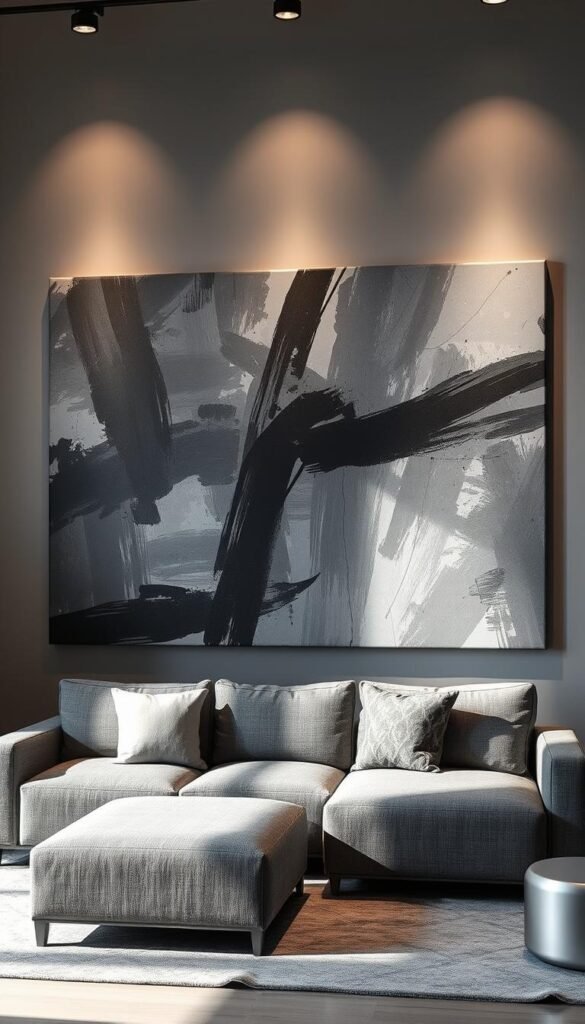
Your walls offer the perfect canvas to express your unique personality. Thoughtful artwork transforms your space from simply furnished to truly curated.
A neutral sofa provides an excellent backdrop for bold artistic statements. You can experiment with different styles without overwhelming your foundation.
Choosing a Focal Point Artwork
Scale matters when selecting your main piece. Your artwork should relate proportionally to your furniture and wall space.
For larger walls above seating, consider one substantial piece. This creates a strong focal point that draws the eye immediately.
Black and white photography adds sophisticated contrast. Abstract pieces with dramatic elements work beautifully against deeper tones.
Your selection should complement rather than compete. Choose art that enhances your existing color palette and style.
Echoing Colors and Shapes for Cohesion
Create visual harmony through thoughtful color connections. Pull hues from your throw pillows or other accessories into your artwork.
This creates a cohesive look throughout your entire space. Your eyes move smoothly from one element to another.
Shape repetition adds another layer of harmony. Angular furniture pairs well with geometric art patterns.
Softer curved pieces complement organic artistic forms. These subtle connections make your design feel intentional.
Gallery walls offer wonderful opportunities for personal expression. Mix different sizes and frame styles for dynamic interest.
Maintain balance through consistent spacing between pieces. Use similar mat colors or frame finishes to unite diverse artworks.
Your arrangement should feel collected over time. Include personal photographs alongside purchased art for storytelling.
Budget-friendly options abound for creative decorators. Printable art websites offer affordable high-quality reproductions.
DIY projects let you create truly unique pieces. Frame fabric swatches or create your own abstract paintings.
Thrift stores often hide amazing artistic treasures. Look for interesting frames that you can repurpose with new art.
Placement height affects how you experience your artwork daily. Center pieces at eye level when seated for optimal viewing.
Leave adequate space between your sofa top and artwork bottom. This prevents a cramped feeling and allows proper appreciation.
Lighting enhances your artistic displays dramatically. Use picture lights or well-positioned lamps to highlight special pieces.
Mixing styles creates depth and personality in your room. Combine abstract paintings with traditional landscapes for eclectic charm.
Black and white photography adds graphic contrast against colorful textiles. This balance keeps your space feeling fresh and engaging.
Your art should ultimately reflect what you love most. Choose pieces that spark joy and tell your unique story.
Incorporating Natural Elements with Wood and Greenery
Nature’s elements bring soul and vitality to your carefully curated space. They transform sterile environments into welcoming sanctuaries that breathe life.
Organic materials soften contemporary designs beautifully. They add warmth and texture that makes your area feel lived-in and loved.
Wood tones create wonderful harmony with neutral upholstery. Rich walnut or light oak complement various gray shades perfectly.
These natural grains add visual interest against smooth fabrics. The contrast feels both intentional and effortlessly organic.
Your coffee table becomes a stunning focal point in walnut. It enhances deeper tones while adding functional surface space.
Consider side tables in complementary wood finishes. They create cohesion throughout your seating arrangement.
Rattan and jute introduce additional textural variety. These materials work wonderfully for baskets and decorative accents.
Stone elements bring earthy sophistication to your design. Marble or travertine offer beautiful natural patterning.
Greenery transforms your space with vibrant energy. Plants purify air while adding dynamic visual appeal.
Choose low-maintenance varieties that thrive indoors. Snake plants and pothos tolerate various light conditions beautifully.
ZZ plants handle occasional neglect with grace. They maintain lush appearance with minimal watering needs.
Place larger floor plants beside your main seating. This creates beautiful framing for your conversation area.
Smaller specimens work perfectly on surfaces throughout. Group them for greater visual impact when space allows.
Mix live plants with high-quality artificial options. This ensures year-round greenery without constant maintenance.
Modern faux plants look remarkably realistic today. They provide always-perfect foliage without any care requirements.
Biophilic design principles enhance your wellbeing naturally. Connecting with nature reduces stress and improves mood.
These elements create spaces that feel both refreshing and grounding. You’ll enjoy the psychological benefits daily.
Proper maintenance keeps everything looking its best. Dust wood surfaces regularly with appropriate cleaners.
Use coasters under drinks to protect your table tops. This prevents water rings and heat damage over time.
Water plants according to their specific needs. Most prefer thorough watering followed by complete drying.
Rotate pots occasionally for even growth patterns. This prevents leaning toward light sources over time.
Your velvet throw adds the perfect finishing touch to this natural scheme. Drape it casually over your favorite chairs.
The rest of your decor should enhance these organic elements. Let nature’s beauty take center stage in your design.
Using Metallic Accents for a Touch of Refinement
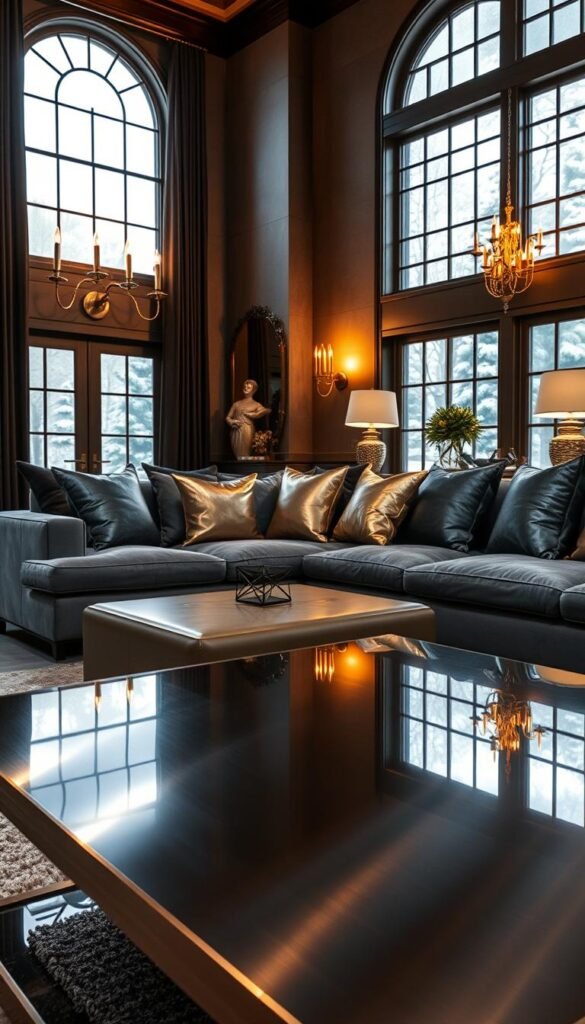
Metallic elements elevate your neutral foundation with polished sophistication. These shiny details add visual interest and depth to your overall design.
Your sofa’s versatility allows various metal finishes to shine beautifully. Brass, gold, and black iron create stunning contrasts against soft upholstery.
Warm metals like gold or brass introduce cozy elegance. They work wonderfully with deeper charcoal tones for rich contrast.
Cooler silvers and chromes complement lighter shades perfectly. These pair elegantly with modern minimalist aesthetics.
Strategic placement ensures balanced refinement throughout your area. Consider these key locations for metallic touches:
- Lighting fixtures create beautiful focal points
- Table legs add subtle shine at ground level
- Decorative objects introduce sparkle on surfaces
- Hardware provides functional elegance
Mix different finishes for layered sophistication. Combine brass lamps with chrome accent pieces for dynamic interest.
Your coffee table offers excellent metallic opportunities. Gold legs add warmth against wood or glass tops.
Natural materials balance shiny elements beautifully. Wood grains and stone textures ground metallic sparkle.
Consider maintenance for everyday living spaces. Some finishes require regular polishing to maintain brilliance.
Powder-coated options resist tarnishing over time. These work well in high-humidity environments.
Reflective surfaces amplify both natural and artificial light. They make your space feel brighter and more open.
Start with smaller metallic introductions if unsure. Gradually add more pieces as your confidence grows.
Your metallic furniture accents should feel intentional. They complete your design with polished perfection.
Creative Storage Solutions Near Your Seating
Smart storage keeps your space organized while maintaining beautiful aesthetics. These clever ways to store essentials blend seamlessly with your decor.
Your storage should feel like a natural extension rather than an afterthought. It bridges function and style perfectly in your living area.
Stylish Console Tables Behind the Sofa
A console table placed behind your main seating serves dual purposes beautifully. It creates a visual bridge between your furniture and the room.
This versatile piece offers surface space for decorative displays. Stack art books or place a sculptural lamp for added personality.
Choose consoles with drawers or open shelving for hidden organization. They keep clutter controlled without sacrificing style.
Consider the table’s proportions relative to your furniture. It should complement rather than compete with your main pieces.
Decorative Baskets and Shelving
Baskets introduce wonderful texture while providing practical storage solutions. They corral blankets, pillows, and entertainment items neatly.
Woven materials like rattan or seagrass add organic warmth. These natural elements blend beautifully with various design styles.
Built-in shelving enhances your walls without overwhelming the space. It creates display opportunities while keeping essentials accessible.
Use baskets on open shelves for a tidy appearance. This approach combines open and closed storage beautifully.
Multi-functional furniture offers hidden compartments for organization. Ottomans with storage interiors work perfectly for this purpose.
Your storage solutions should define spaces in open-concept layouts. They create visual separation while maintaining flow.
Keep organizational systems simple and intuitive. You’ll appreciate how everything has its place yet remains within reach.
Gray Sectional Living Room Ideas for Every Architectural Style
Your home’s architecture guides your design choices in wonderful ways. A neutral sofa becomes the perfect bridge between different eras and styles.
This versatile piece adapts beautifully to various structural elements. It creates harmony between traditional features and contemporary comfort.
Complementing Modern Lines
Clean architectural details call for equally crisp furnishings. Your seating should enhance rather than compete with sharp angles.
Choose low-profile designs with straight edges and minimal detailing. This creates visual continuity with your home’s structural elements.
Monochromatic schemes work beautifully in these spaces. Add texture through materials rather than dramatic color changes.
Metallic accents pick up on chrome or steel finishes elsewhere. They create subtle connections throughout your entire room.
Your furniture arrangement should emphasize open space and flow. Position pieces to highlight interesting architectural features.
Softening Traditional Spaces
Older homes often feature elaborate moldings and detailed woodwork. Your contemporary sofa provides wonderful contrast to these classic elements.
It creates balance between historic charm and modern comfort. The neutral tone respects traditional aesthetics while feeling current.
Add plush throw pillows for extra softness against formal architecture. These textiles introduce comfort and casual elegance.
Drape a luxurious blanket over one corner for added warmth. This simple touch makes formal spaces feel more inviting.
Your lighting choices should complement both old and new elements. Mix traditional fixtures with contemporary lamps for balanced appeal.
Working with existing features makes your design feel intentional. Highlight beautiful fireplaces or built-in shelving through careful placement.
Angle your seating to frame rather than block architectural details. This creates natural sightlines to your home’s special characteristics.
Budget-friendly updates enhance your space dramatically. Fresh paint on trim work makes everything look crisp and coordinated.
Your neutral foundation allows architectural elements to shine. It provides the perfect backdrop for your home’s unique personality.
Final Touches: Curating Your Space with Intention
Thoughtful editing transforms your area from decorated to deeply personal. Curating means selecting pieces with purpose rather than filling every surface.
This approach creates spaces that truly reflect your personality. Each object should have meaning or bring you joy.
Visual rhythm develops through repeating shapes throughout your space. A round ceramic bowl on your coffee table might inspire spherical vases elsewhere.
This repetition guides the eye naturally across the room. The effect feels intentional rather than random.
Color echoes create another layer of harmony. Pull hues from artwork into throw pillows or decorative objects.
Material repetition adds textural consistency. Wood tones might appear in your table, frames, and decorative bowls.
Meaningful objects tell your personal story beautifully. Display items collected from travels or family heirlooms.
These pieces spark conversation and connection. They make your space uniquely yours rather than generic.
Balance minimalism with collected charm carefully. Too sparse feels cold, while too crowded appears chaotic.
Edit your displays until they feel just right. Remove one piece if things start feeling busy.
Group objects in odd numbers for visual impact. Three or five items create more dynamic arrangements.
Vary heights within your groupings for interest. Use books or stands to elevate smaller pieces.
Seasonal refreshes keep your space feeling current. Swap pillow covers and rotate decorative objects.
This approach avoids complete redecorating costs. Small changes make big impacts throughout your area.
Create focal points that draw the eye intentionally. A striking artwork or sculptural object commands attention.
Negative space provides visual breathing room. Empty surfaces allow your eyes to rest between elements.
Your accent chairs become part of this curated story. A velvet piece adds luxurious texture among your selections.
The light should enhance your carefully chosen details. Proper illumination makes everything look its absolute best.
These final touches complete your personalized sanctuary. They transform your house into a true home.
| Curating Technique | Visual Effect | Implementation Tip |
|---|---|---|
| Shape Repetition | Creates rhythm and flow | Use round forms in bowls, vases, and lamps |
| Color Echoing | Builds cohesion | Pull hues from art into accessories |
| Meaningful Objects | Adds personal story | Display travel souvenirs or family pieces |
| Grouped Arrangements | Enhances visual impact | Use odd numbers and varying heights |
| Negative Space | Provides visual rest | Leave some surfaces completely empty |
Bringing Your Modern & Cozy Living Room Vision to Life
Creating your dream space starts with a clear plan. Begin by prioritizing key pieces like your main seating and coffee table.
Work within your budget by implementing changes in phases. Start with foundational furniture before adding decorative accents.
Consider professional help for complex layouts or custom solutions. For simpler updates, DIY approaches can be both rewarding and cost-effective.
Your design should evolve with your personal taste over time. Allow room for new wood pieces or different color tones as your style develops.
Troubleshoot common challenges like awkward room shapes or lighting issues. Use area rugs to define zones and mirrors to enhance natural light.
Remember that your space should reflect your unique personality. Trust your instincts and create an area that truly feels like home.
Want personalized advice? Take our style quiz for expert guidance tailored to your space.