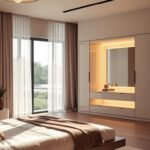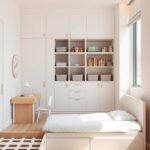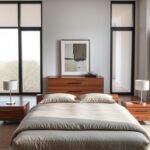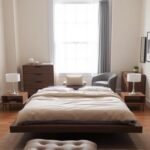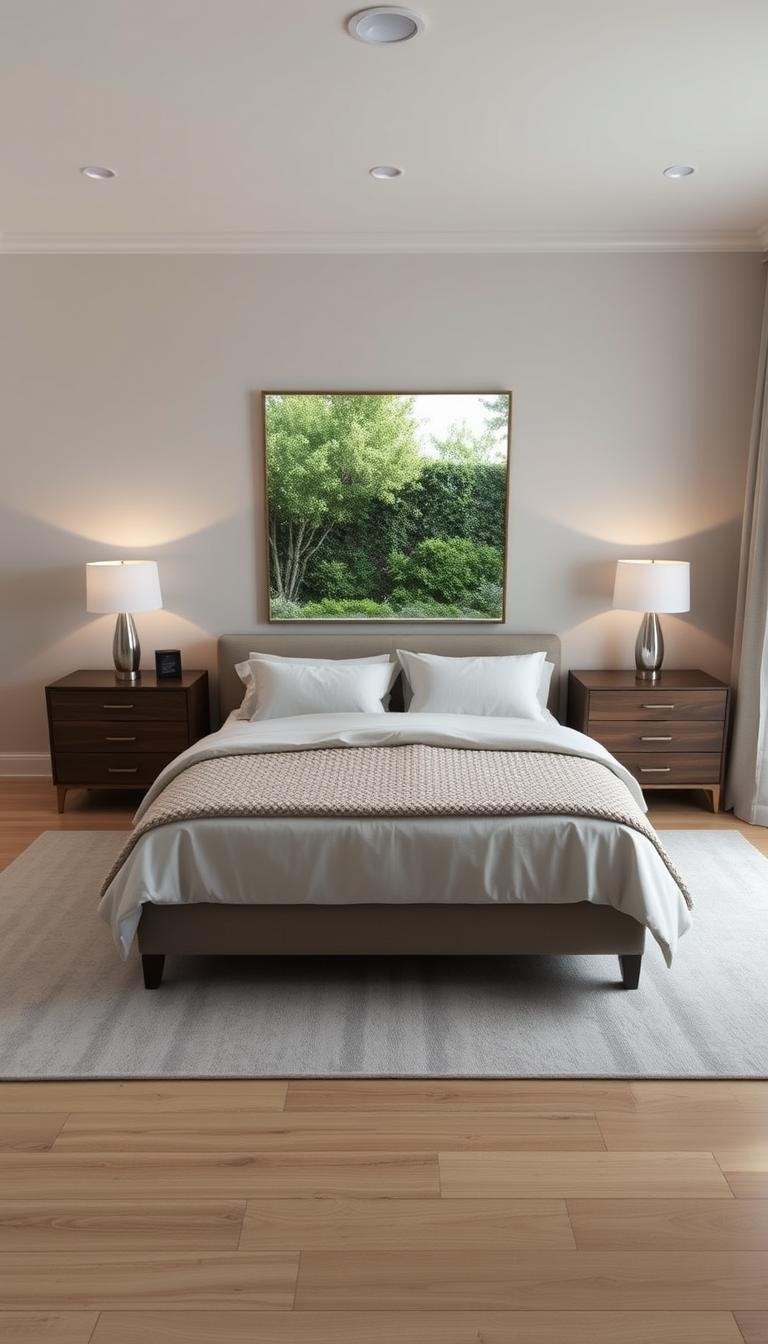
Your bedroom should be your personal sanctuary. A well-planned bedroom furniture layout transforms this space into a comfortable retreat.
Many people struggle with arranging their room. They face challenges with awkward spaces or pieces that don’t fit right.
This guide offers practical tips to simplify your design process. We’ll walk through measuring your space and understanding your needs.
A great layout balances aesthetics with functionality. It should reflect your personal style while making the room work for you.
We’ll explore smart ideas for multi-functional spaces. With careful planning, you can create a bedroom you truly love.
Understanding Your Bedroom’s Potential
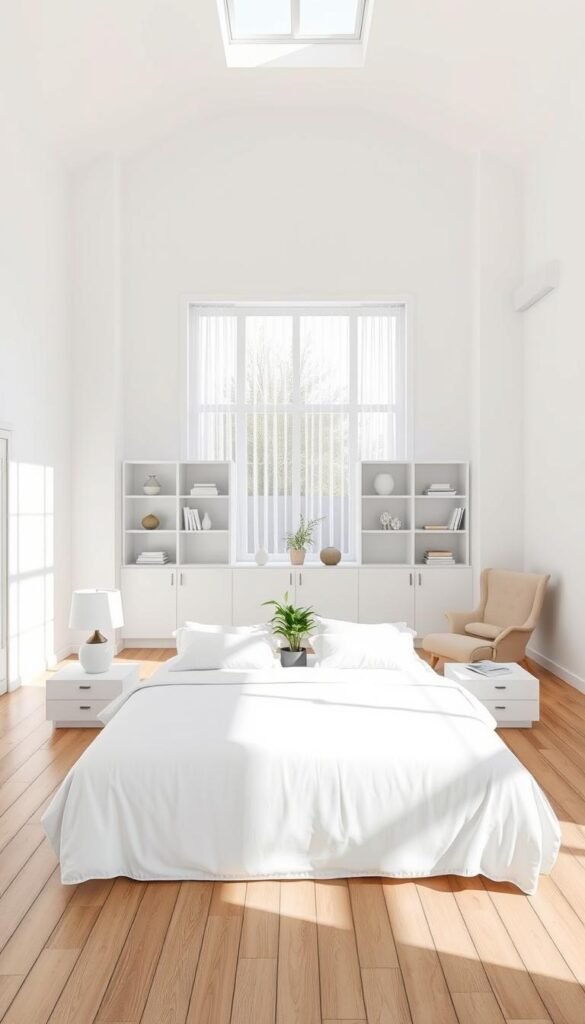
That room where you rest each night possesses unique characteristics that define its possibilities. Every space has its own personality based on size, shape, and architectural features.
The average American bedroom measures approximately 132 square feet. This typically fits a queen-sized bed and essential storage pieces comfortably.
Consider how you actually use your personal retreat. Do you need space for reading, working, or watching television? Your lifestyle needs significantly impact your layout decisions.
Architectural elements play a crucial role in your design approach. Windows, door placements, and closet locations determine furniture arrangement possibilities.
Natural light sources affect both mood and furniture placement. Storage areas influence how you organize your space efficiently.
Even challenging rooms with unusual shapes can become functional sanctuaries. The right approach transforms limitations into creative opportunities.
Think about the atmosphere you want to create. Peaceful retreats often feature soft colors and clear pathways. Energetic spaces might incorporate brighter accents and multiple activity zones.
“Every room has hidden potential waiting to be unlocked through thoughtful assessment.”
Before making changes, carefully evaluate your existing features. Note electrical outlets, heating vents, and permanent fixtures that affect your layout.
Some spaces serve multiple purposes beautifully. A reading nook near a window or a compact workspace demonstrates smart utilization.
Understanding your room’s assets creates a solid foundation for successful planning. This knowledge guides your furniture selection and arrangement strategy.
Step 1: Measure Your Room and Key Features
Getting started with your design project begins with accurate measurements. This crucial first step prevents costly mistakes and ensures everything fits perfectly.
Precise measurements form the foundation of your entire layout. They help you avoid ordering pieces that won’t work in your space.
Essential Elements to Measure
Grab a tape measure and notebook before you begin. You’ll want to record these important dimensions:
- Overall room length and width
- Doorway openings and window placements
- Existing furniture sizes if you’re keeping pieces
- Distance from walls to permanent fixtures
- Ceiling height and any architectural features
Don’t forget to measure your closet and bathroom entry if they connect to your sleeping area. These spaces affect your overall flow.
Consider future needs when recording dimensions. You might upgrade your bed size or add storage options later.
Accounting for Door Swings and Outlets
Functional details make or break your room’s usability. Standard doors typically need 36 inches of width with a 3-foot swing area.
Mark all electrical outlets and heating vents on your sketch. These elements determine where you can place lamps, charging stations, and electronics.
Always leave at least 24 inches of clear space around your bed. This ensures comfortable movement and accessibility.
Here’s a quick checklist for your measuring session:
- Measure twice to confirm accuracy
- Note all door swing directions
- Mark outlet and vent locations
- Include ceiling features in your notes
- Sketch a simple floor plan with dimensions
“Measure twice, cut once” applies perfectly to furniture arrangement. Taking time now saves frustration later.
Your nightstands should fit comfortably beside your bed with walking space remaining. Make sure there’s room for drawers to open fully.
This careful approach guarantees your new pieces will enhance rather than clutter your personal retreat. Accurate measurements create endless possibilities for your perfect layout.
Step 2: Define How You Use Your Bedroom
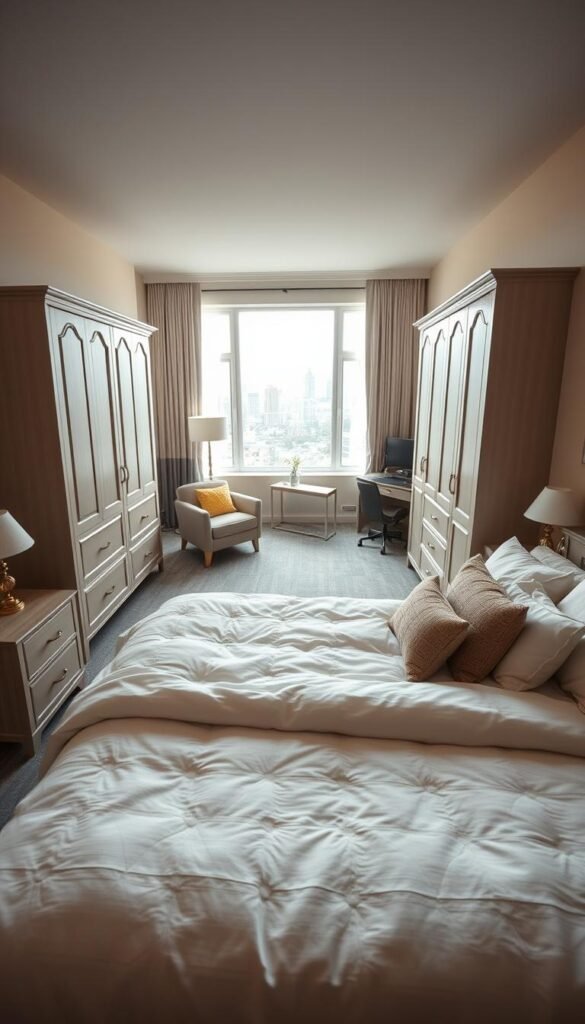
Your bedroom serves different roles throughout your day – identify them for better design. This thoughtful approach ensures your space truly supports your lifestyle.
Take time to reflect on your daily routines. Do you watch television, read books, or work from this room? Maybe it doubles as a play area for children.
Each activity requires specific furniture arrangements. Television viewing works best with the screen facing your bed. Reading needs proper lighting and comfortable seating.
Your sleeping area might accommodate pets too. Designate a specific place for their beds and things.
Couples often benefit from symmetrical layout options. Single people enjoy more flexible arrangements for their personal spaces.
Lifestyle factors significantly impact your decisions. Children and pets need consideration when planning your bedroom functions.
“The most successful rooms serve their inhabitants’ actual needs rather than idealized versions.”
Create a reading nook near windows for natural light. Position televisions at the optimal viewing point from your bed.
Avoid overcrowding your sanctuary with unnecessary furniture. Too many things can disrupt your relaxation and peace.
List your must-have functions before shopping. This clarity guides your furniture selection process beautifully.
Consider including a bench if you frequently use the space for dressing. Small ideas like this make big differences.
These practical tips help you create a personalized retreat. Your way of living should dictate your room’s arrangement.
This approach gives you a clear sense of direction. Make sure your final plan reflects how you actually use the room.
Thoughtful planning transforms ordinary spaces into perfect personal retreats. Your bedroom should work seamlessly with your daily life.
Step 3: Establish the Focal Point and Place Your Bed
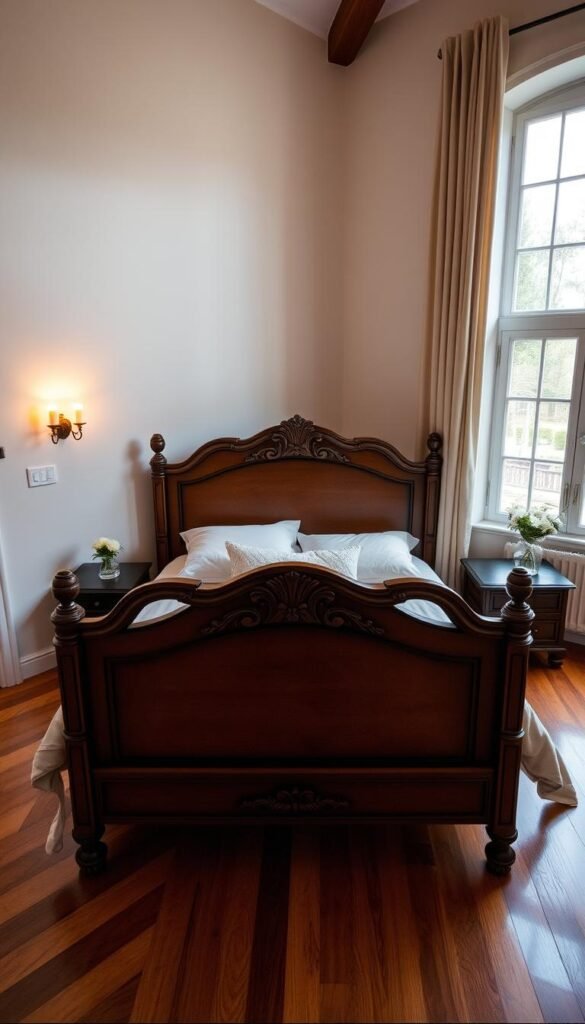
Your sleeping area’s arrangement starts with proper bed positioning. This piece naturally becomes the room’s center of attention due to its size and purpose.
Placing it first helps organize other items around it. This approach creates a harmonious flow throughout your space.
Consider what you see when entering the room. The bed should create an inviting view rather than block important features.
Your sleeping spot deserves careful consideration. Its position affects both functionality and overall atmosphere.
Choosing the Best Wall for Your Bed
The longest wall often works perfectly for bed placement. This creates balance and maximizes available floor space.
Positioning opposite the entrance creates immediate visual impact. This arrangement makes your sleeping area feel welcoming.
According to bed wall experts, king-size beds need at least 12 feet of wall space. Queen sizes require approximately 10 feet for comfortable placement.
| Bed Size | Minimum Wall Length | Nightstand Space |
|---|---|---|
| King | 12′-4″ | 30″ each side |
| Queen | 10′-4″ | 24″ each side |
| Full | 9′-4″ | 22″ each side |
| Twin | 7′-4″ | 20″ each side |
Small rooms might need creative solutions. Try placing your bed on a shorter wall in narrow spaces.
Always consider door swings and pathways. Leave enough room for comfortable movement around your sleeping area.
Considering Views and Symmetry
Symmetry creates peaceful energy in your personal retreat. Matching nightstands and lamps achieve beautiful balance.
Positioning between windows offers natural framing. This technique enhances both light and visual appeal.
Wake up to pleasant views whenever possible. Avoid facing blank walls or cluttered areas.
“The bed’s placement sets the emotional tone for the entire room. Get this right and everything else falls into place.”
Architectural features enhance your design. Fireplaces or columns can complement your bed’s position beautifully.
Ensure natural light sources remain accessible. Don’t block windows with tall headboards or poorly placed furniture.
Your final arrangement should feel both practical and peaceful. Trust your instincts about what feels right in your space.
Step 4: Explore Proven Bedroom Layout Options
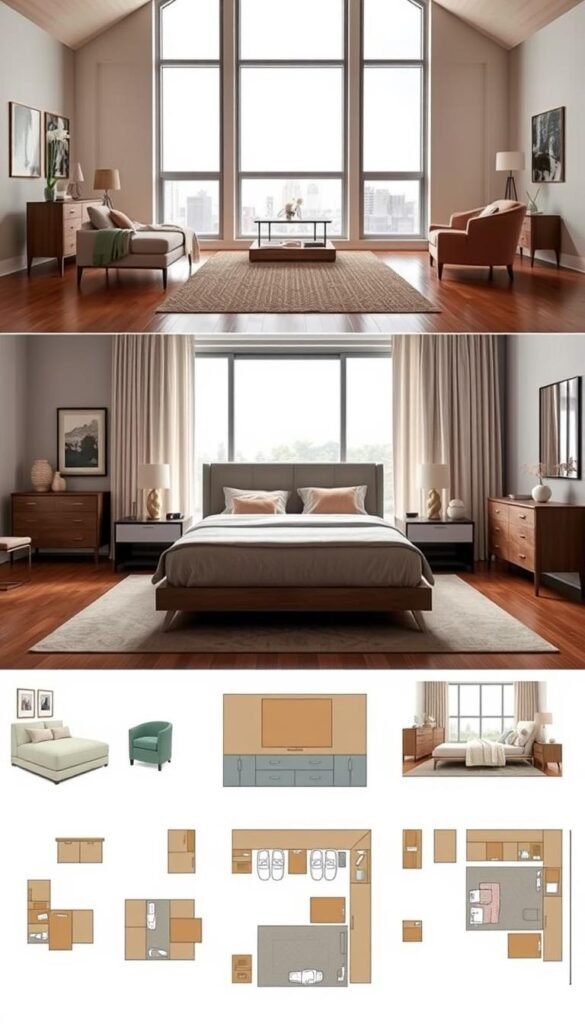
Now comes the fun part! Discover layout options that transform your personal space into a functional retreat. Each design serves different needs and room sizes.
You’ll find five reliable arrangements here. Pick one that matches your lifestyle and available square footage.
The Grand Suite Layout
Spacious bedrooms deserve this luxurious approach. It includes multiple pieces like chairs, benches, and ample storage.
The Griffith Park design shows how well this works. You can modify it by removing items if your space feels crowded.
Large rooms benefit from furniture groupings. Create separate zones for sleeping, dressing, and relaxing.
The Simple and Symmetrical Layout
Small rooms shine with this elegant solution. It uses few pieces to achieve beautiful balance.
Emily’s LA bedroom demonstrates perfect symmetry. Matching nightstands and lamps create harmonious energy.
This arrangement maximizes limited square footage. Every piece serves multiple purposes efficiently.
The His-and-Hers Dresser Layout
Couples often love this practical solution. Two dressers provide personal storage and visual symmetry.
Place them on opposite walls or the same wall. This maintains balance while giving each person their own space.
You can mix dresser sizes if needed. The important thing is creating equal storage for both people.
The Reading Nook Layout
Book lovers appreciate this cozy addition. Incorporate a comfortable chair near a window or nightstand.
Julie’s use of a vintage chair shows smart planning. Good light makes this spot perfect for evening reading.
Position your nook where natural light floods in. Add a small table for your books and reading glasses.
The Dresser-and-Chair Combo Layout
This clever arrangement maximizes functionality. Place a chair next to the dresser on the same wall.
It creates a perfect dressing area or quiet corner. The chair provides seating while complementing the storage piece.
Choose a chair that fits your room’s style. This small addition makes big improvements to daily routines.
Remember your room’s dimensions when selecting a layout. The sq ft: furniture ratio prevents overcrowding or emptiness.
| Layout Type | Ideal Room Size | Key Furniture Pieces | Best For |
|---|---|---|---|
| Grand Suite | 200+ sq ft | Bed, 2 nightstands, bench, chair, dresser | Spacious master bedrooms |
| Simple Symmetrical | 100-150 sq ft | Bed, 2 nightstands, dresser | Small rooms and studios |
| His-and-Hers | 150-200 sq ft | Bed, 2 nightstands, 2 dressers | Couples needing equal storage |
| Reading Nook | Any size | Bed, nightstand, comfortable chair | Book lovers and relaxation |
| Dresser-Chair Combo | 120-180 sq ft | Bed, nightstand, dresser with chair | Practical dressing areas |
These ideas help you create a personalized retreat. Your living way should guide your final decision.
Trust your instincts about what feels right. The best layout makes your space both beautiful and functional.
Step 5: Arrange the Rest of Your Furniture
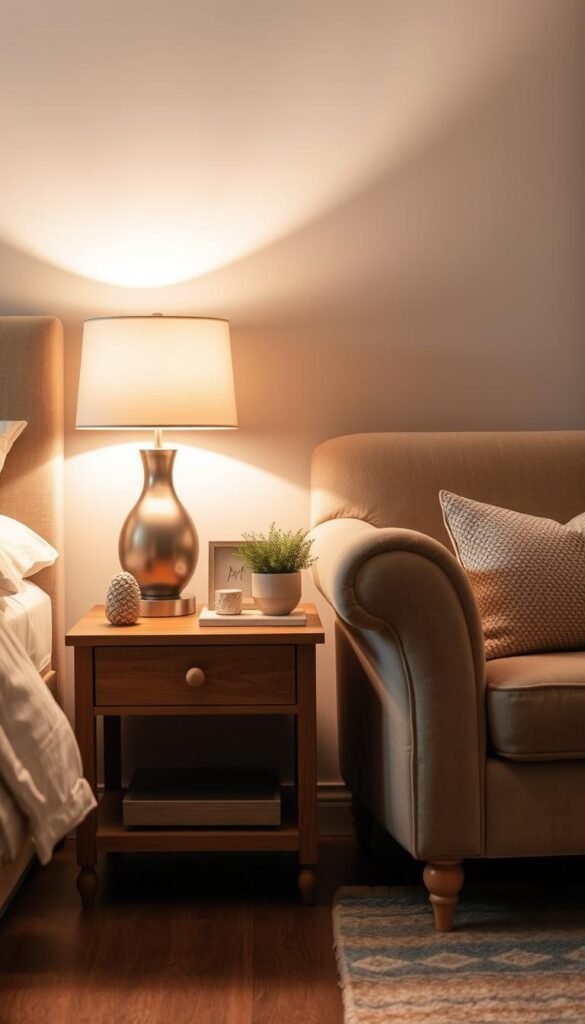
With your bed positioned perfectly, it’s time to complete your room’s arrangement. This stage brings everything together for a functional and beautiful space.
Your remaining pieces should complement your sleeping area. They add storage, seating, and personality to your personal retreat.
Selecting Nightstands and Storage
Choose nightstands that match your bed’s height and style. This creates visual harmony on either side.
The ideal height sits level with your mattress top. This makes reaching for things easy during the night.
Consider your storage needs when selecting pieces. Drawers or shelves keep essentials organized and hidden.
If your closet space is limited, add a dresser or chest. These pieces provide extra room for clothing and linens.
Here’s what to consider for your nightstands:
- Surface area for lamps and nighttime essentials
- Drawer space for personal items
- Style that complements your headboard
- Proportionate size to your bed
Your storage solutions should work with your existing space. Don’t overcrowd the room with too many pieces.
Incorporating Seating: Benches and Chairs
Adding seating enhances your room’s functionality. It creates spots for dressing, relaxing, or reading.
A bench at the foot of your bed serves multiple purposes. Use it for putting on shoes or extra blanket storage.
Chairs near windows create perfect reading nooks. Position them to catch natural light during the day.
I once debated adding a bench for extra seating. The decision transformed my morning routine completely.
Consider these seating placement tips:
- Benches work well at the bed’s end
- Chairs fit nicely in corners or near windows
- Ottomans can serve as both seating and storage
- Always leave walking space around seating areas
Your seating should feel inviting and comfortable. Choose pieces that match your room’s overall style.
Create distinct zones within your space. Separate areas for sleeping, dressing, and relaxing.
This approach keeps your room organized and functional. Each zone serves a specific purpose in your daily life.
Thoughtful furniture arrangement enhances both beauty and practicality. Your space should work seamlessly for your needs.
“Good design is finding that perfect balance between form and function in every piece you choose.”
Make sure each piece serves a real purpose in your room. Avoid filling space with unnecessary furniture.
Your final layout should feel both comfortable and intentional. Every item should contribute to your perfect personal retreat.
Step 6: Ensure Clear Pathways and Good Flow
Creating smooth movement through your personal retreat transforms how you experience the space. Proper flow makes your room feel larger and more functional.
Clear paths prevent accidents and frustration. They let you move easily between your bed, closet, and bathroom.
Leave at least 24 inches around your bed for comfortable walking. This clearance gives you space to make your bed and access nightstands.
Standard doors need about 3 feet for their swing area. Never block these natural pathways with furniture or storage.
Your room should have a natural circulation pattern. Think about how you move through it during your daily routine.
Good flow reduces visual clutter and stress. It creates a peaceful environment where everything has its place.
Here are essential clearance tips to remember:
- Maintain 30 inches between large pieces
- Keep pathways to doors completely clear
- Allow drawer and door openings full movement
- Create multiple routes in shared bedrooms
Arranging your furniture with flow in mind saves time each morning. You can get ready quickly without obstacles.
Experts recommend keeping paths to essential areas unobstructed. This way you never struggle to reach important things.
Consider using floor planning software before moving furniture. These tools help you visualize movement patterns.
“A well-flowing room feels instinctively right – you move through it without thinking about the layout.”
In shared spaces, accommodate multiple users comfortably. Each person needs clear access to their storage and sleeping areas.
The right flow creates a wonderful sense of ease and organization. Your room becomes both practical and enjoyable.
Make sure your final arrangement prioritizes movement and accessibility. This approach guarantees your perfect personal retreat.
Choosing Materials and Finishes for Your Furniture
The materials you select for your pieces affect both durability and style. Your choices create the foundation for your room’s overall atmosphere.
Different options work better for various lifestyles and preferences. Consider maintenance needs and visual appeal when making decisions.
Your personal retreat deserves pieces that match your daily routine. Some materials handle busy households better than others.
Think about how each piece will function in your space. Nightstands need different qualities than dressers or seating.
Pros and Cons of Common Materials
Four primary materials dominate bedroom furniture selections. Each offers unique benefits and considerations.
Solid wood brings timeless beauty to any space. It stands up well to daily use and develops character over time.
This classic choice requires regular maintenance to preserve its finish. It typically costs more than other options.
Engineered wood provides affordable solutions for budget-conscious shoppers. Its lightweight nature makes rearranging easier.
This material may not withstand heavy use as well as solid alternatives. It works perfectly for pieces receiving less wear.
Metal frames offer sleek, modern aesthetics for contemporary spaces. Their sturdy construction ensures long-lasting performance.
Some people find metal feels cold compared to warmer materials. It pairs beautifully with industrial or minimalist designs.
Upholstered pieces add softness and texture to your personal retreat. They create comfortable seating and elegant headboards.
Fabric surfaces need regular cleaning to maintain their appearance. They work best in adult-only spaces or low-traffic areas.
| Material Type | Best For | Durability | Maintenance Level | Style Matches |
|---|---|---|---|---|
| Solid Wood | Heirloom pieces, dressers | Very High | Moderate | Traditional, farmhouse |
| Engineered Wood | Nightstands, accent pieces | Medium | Low | Modern, transitional |
| Metal | Bed frames, shelving | High | Very Low | Industrial, contemporary |
| Upholstered | Headboards, seating | Medium-High | High | Cozy, luxurious |
Finishes dramatically alter the appearance of your pieces. Stains enhance natural wood grain while paints offer color options.
Consider your existing decor when selecting finishes. Matching wood tones creates cohesion throughout your space.
His-and-hers dressers often look best with identical materials and finishes. This approach maintains visual harmony.
Your lifestyle should guide your material decisions. Busy households benefit from easy-clean surfaces and durable construction.
Children’s rooms need wipeable surfaces and rounded corners. Adult spaces can accommodate more delicate materials.
“The right materials balance beauty with practicality, creating pieces that serve you well for years.”
Light-colored finishes make small rooms feel more spacious. Darker tones add richness and sophistication to larger areas.
Consider how natural light affects your finish choices. North-facing rooms benefit from warmer tones to counter cool light.
Mix materials thoughtfully for visual interest. A metal bed frame pairs nicely with wood nightstands and an upholstered bench.
Your final selections should reflect your personal taste while meeting practical needs. The perfect combination enhances both function and style.
Thoughtful material choices ensure your furniture remains beautiful and functional for years. They complete your perfect personal retreat.
Incorporating Feng Shui Principles for a Peaceful Space
Ancient wisdom meets modern comfort in your personal retreat. Feng Shui offers timeless ideas for creating harmony and balance.
This practice focuses on energy flow throughout your space. It transforms ordinary rooms into serene sanctuaries.
Feng Shui principles work beautifully with any design style. They enhance both aesthetics and positive energy.
Your sleeping area becomes more restful with these simple adjustments. Small changes make big differences in daily life.
Key Feng Shui Bedroom Tips
Start with cleanliness and organization in your personal room. Clutter blocks positive energy from flowing freely.
Keep surfaces clear and storage organized. This creates a calm atmosphere for relaxation.
Position your bed diagonally from the entrance door. This placement offers security and better energy balance.
You can see the door without being directly in line with it. This arrangement promotes peaceful sleep.
Choose natural materials like wood for furniture pieces. Wooden headboards bring grounding energy to your sleeping space.
Soft neutral colors create soothing environments for rest. Avoid bright, stimulating shades near your bed.
Light blues, gentle greens, and warm neutrals work perfectly. These hues support relaxation and rejuvenation.
Mirror placement requires careful consideration in any bedroom. Avoid positioning mirrors facing your bed.
According to Feng Shui expert Victor Cheung, mirrors can disrupt sleep patterns when reflecting the bed. Place them on closet doors or adjacent walls instead.
Here are essential Feng Shui principles to remember:
- Maintain clear pathways for energy flow
- Choose calming colors for walls and bedding
- Incorporate natural elements like plants or crystals
- Keep electronics away from your sleeping area
“Good Feng Shui creates a sanctuary where energy flows smoothly, promoting rest and relationship harmony.”
Implement these changes gradually for best results. Focus on one principle at a time rather than overwhelming yourself.
This thoughtful way of arranging your room brings numerous benefits. You’ll notice improved sleep quality and overall well-being.
Make sure your final layout supports both form and function. The right energy flow enhances your daily life beautifully.
These ancient tips help create a truly peaceful personal retreat. Your space should feel balanced and rejuvenating.
Finalizing Your Perfect Bedroom Layout Plan
Your layout plan brings everything together for a space that truly works for you. Use floor plan software to visualize your ideas before buying anything. This step ensures your pieces fit perfectly and flow well.
Start with essential items like your bed and nightstands. Add other furniture gradually to avoid overcrowding the room. This approach keeps your space functional and peaceful.
Review your measurements, usage needs, and pathway clearance one last time. Make sure your plan balances style with daily function. Trust your instincts and personalize the layout to reflect your taste.
A well-planned bedroom enhances relaxation and daily routines. Your final arrangement should feel both beautiful and practical for years of enjoyment.