Your child’s personal space should be more than just a place to sleep. It’s a world of imagination, comfort, and growth. This guide helps you create a room that sparks creativity while being practical for everyday use.
We’ve gathered inspiring concepts to suit various tastes and needs. From nature-themed retreats to sophisticated setups, there’s something for every family. These suggestions focus on making the most of your available space.
You’ll discover clever storage solutions, cozy reading corners, and fun sleeping arrangements. Many of these concepts can adapt as your child grows. This ensures the room remains functional for years to come.
For additional inspiration, check out these creative room decorating ideas from design experts. Let’s transform your child’s special area into a sanctuary everyone will enjoy!
Why Your Child’s Bedroom Design Matters More Than You Think
A thoughtfully arranged personal area does much more than provide a place to rest. It shapes daily experiences and supports development in ways that might surprise you. Let’s explore how intentional choices in this special space can make a big difference.
Spark Creativity and Imagination
Vibrant patterns and themes turn empty walls into springboards for adventure. Think botanical prints or playful motifs that invite storytelling. These elements encourage your little one to dream up new worlds right at home.
Designers often use wallcoverings from brands like House of Hackney to create precious environments. Such details transform a simple room into a catalyst for creative play. This approach turns everyday moments into opportunities for fun and learning.
Create a Personal Sanctuary
Every child needs a retreat where they feel truly safe and comfortable. Cozy additions like canopy beds or reading nooks offer this security. These features help your young one express their unique personality.
Themed spaces with personalized decor provide a strong sense of ownership. This makes the area their own special haven. It becomes a place where they can unwind, explore, and just be themselves.
Maximize Functionality in Your Space
Smart furniture choices keep the area organized and spacious. Multifunctional pieces like bunk beds with built-in storage serve multiple purposes. They save precious square footage while keeping essentials handy.
Built-in desks and clever organizers help maintain order. Washable paints from quality brands make cleanup simple. These practical solutions reduce clutter and stress for the whole family.
Involving your child in decisions fosters pride in their environment. Choose ageless accents that will remain appealing as they grow. This creates a room that adapts along with their changing needs and tastes.
Investing time in these design aspects pays off tremendously. You’re not just decorating a room—you’re nurturing development and happiness. The result is a space that supports your child’s journey every day.
1. Embrace the Power of Statement Wallpaper
Transform your little one’s space with a single design choice that makes everything else shine. Wallpaper creates instant personality and becomes the room’s centerpiece. It sets the mood for play, rest, and everything in between.
Go Floor-to-Ceiling for Maximum Impact
Covering all surfaces creates a immersive experience. This approach makes small areas feel larger and more intentional.
Designer Meta Coleman used this technique with nature-themed patterns. Her work shows how covering angles creates magical environments.
Botanical and Floral Patterns for a Sweet Feel
Nature-inspired designs bring timeless charm to any space. Brands like Soane offer beautiful options like their Wild Tulip pattern.
These motifs create garden-like atmospheres that feel both fresh and classic. They work well for various ages and personal tastes.
How to Choose a Pattern That Grows With Your Child
Select versatile designs that won’t feel outdated quickly. Nature themes and fairytale prints from brands like Schumacher adapt well.
Consider neutral bases with changeable accent colors. Avoid overly juvenile patterns that might not appeal in later years.
Test samples in your actual lighting before committing. Colors change throughout the day, affecting the room’s overall feel.
Choose quality materials that clean easily and last. This ensures your investment continues working for your family.
Involve your child in the selection process when appropriate. Their excitement about the pattern makes the space more personally meaningful.
Well-chosen wallpaper becomes the foundation for everything else. It allows simpler furniture and fewer accessories, creating calm, organized environments.
2. The Canopy Bed: Sophisticated and Youthful Magic
Transform your child’s sleeping area into an enchanting retreat with one magical element. A canopy bed instantly creates a special atmosphere that balances elegance with youthful spirit. This classic piece brings both style and function to any personal space.
Designer Eric Hughes demonstrates this perfect blend in his work. He combines an Amber Interiors canopy bed with custom daybed elements. The result is a cozy environment that feels both refined and playful.
Creating a Dreamy Focal Point
A canopy bed naturally becomes the center of attention in any room. It draws the eye upward and creates vertical interest. This makes the entire space feel more intentional and complete.
Design experts like Ramsey Lyons use this feature to establish whimsical themes. The structure itself suggests fantasy and adventure. Your child will love having their own little castle or secret hideaway.
Consider positioning the bed against a focal wall for maximum effect. Add complementary lighting like Ralph Lauren wall lamps nearby. These touches enhance the magical atmosphere while providing practical illumination.
Selecting Fabrics for Your Canopy
Your fabric choice determines both the look and longevity of the canopy. Durable yet elegant materials work best for active young ones. Brands like Holland & Sherry and Schumacher offer excellent options.
Neutral-colored fabrics provide flexibility as your child grows. You can easily update the look with new accessories over time. This approach saves money while keeping the space feeling fresh.
Consider these popular canopy fabric options:
| Fabric Type | Best For | Maintenance Level | Style Impact |
|---|---|---|---|
| Cotton blends | Everyday use | Easy care | Casual, airy feel |
| Sheer voile | Light, dreamy looks | Gentle washing | Ethereal quality |
| Heavy drapes | Privacy needs | Professional cleaning | Dramatic statement |
| Patterned prints | Themed rooms | Varies by material | High visual interest |
For a personalized touch, add pom-pom trims or colorful accents. These small details make the space feel specially crafted for your child. They also allow for easy updates as tastes change.
Remember that canopy beds work with various design themes. From fairytale princess rooms to minimalist spaces, they adapt beautifully. The key is selecting fabrics that complement your overall vision.
This timeless piece offers both privacy and a sense of enclosure. It creates a comforting sanctuary for sleep and imaginative play. Your investment will continue to bring joy for years to come.
Many options exist for different budgets and skill levels. Simple DIY kits make this project accessible to most families. Custom builds allow for perfect tailoring to your specific space.
A well-chosen canopy bed truly adds magic and functionality. It becomes the heart of a room that grows along with your child.
3. Space-Saving and Fun: The Ultimate Bunk Bed Setup
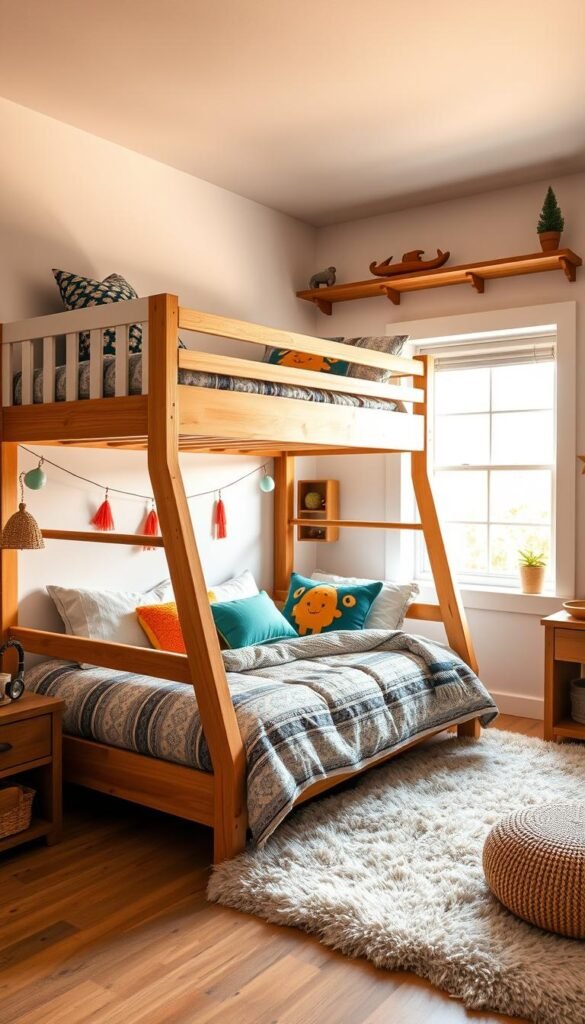
Bunk beds offer incredible versatility for any child’s personal area. They maximize floor space while creating exciting sleeping arrangements. These setups encourage imaginative play and provide practical solutions for growing families.
Many designs include built-in storage or study areas. This makes them perfect for rooms with limited square footage. You’ll find options that work beautifully in various settings and themes.
Classic Twin Bunks for Siblings
Traditional twin bunks create wonderful shared spaces for brothers and sisters. Brands like Oeuf offer beautifully coordinated designs that fit various room aesthetics. These beds promote bonding and teach valuable sharing skills.
The vertical design saves considerable floor space for other activities. Many models feature safety rails and sturdy construction. This ensures peace of mind while your little ones sleep and play.
Triple-Deckers and Trundles for Sleepovers
For families who frequently host guests, expanded options work wonderfully. Harp Design Co. created innovative triple-decker bunks that sleep multiple people. These custom solutions make sleepovers exciting and comfortable.
Trundle beds provide additional sleeping space that stores neatly underneath. Andrew Howard’s designs incorporate clever storage for bedding and personal items. Your home becomes the favorite destination for friends and cousins.
Styling Bunks With Themes: Forest, Underwater, and Winter
Thematic elements transform functional beds into magical environments. Forest themes might include rope ladders and tree-inspired details. Underwater concepts could feature bubble lights and blue color schemes.
Winter themes often incorporate white accents and cozy textiles. Commune designed beautiful bunks with denim wallcoverings for mountain retreats. These immersive settings stimulate creativity and make bedtime adventures.
Safety remains paramount with any elevated sleeping arrangement. Always secure units properly to walls and follow manufacturer guidelines. Choose models with appropriate guardrails and secure ladders.
Involve your children in selecting their preferred theme and accessories. Themed bedding, decorative decals, and special lighting enhance the experience. Blackout curtains add privacy and improve sleep quality.
“Bunk beds become more than sleeping spaces—they’re castles, spaceships, and secret hideouts that grow with your children.”
These versatile furniture pieces adapt to various room sizes and layouts. From compact spaces to generous play areas, they deliver functionality and fun. The right setup creates cherished memories and practical solutions.
4. Craft a Cozy Reading Nook They’ll Adore
Every young person deserves a special corner where stories come alive. This dedicated spot becomes a sanctuary for imagination and quiet moments. It’s where adventures begin and dreams take flight.
A well-designed reading area encourages a lifelong love of books. It provides comfort while making the most of your available square footage. Let’s explore how to create this magical retreat.
The Perfect Spot for a Daybed or Comfy Chair
Choose a quiet area with good natural light for your reading retreat. A window alcove or unused corner works perfectly. Kalon Studios daybeds offer excellent options for comfortable seating.
Ensure the seating fits your child’s size for maximum comfort. Smaller chairs or cushioned benches create an inviting atmosphere. This makes the space feel specially designed for them.
Integrating Built-In Bookshelves
Custom shelves keep favorite stories organized and within reach. Frame the nook with built-in storage for a seamless look. This approach maximizes functionality while maintaining clean lines.
Indigo Ochre Design demonstrates how shelves can become part of the decor. Their work shows how books themselves add color and personality. Accessible storage encourages independent reading habits.
Lighting and Textiles for a Snug Vibe
Soft lighting creates the perfect atmosphere for getting lost in books. Table lamps with warm bulbs provide gentle illumination. This reduces eye strain while adding cozy ambiance.
Plush textiles make the area extra inviting. Throw pillows and soft rugs add comfort and warmth. Choose washable fabrics that withstand frequent use.
Consider these elements for your reading nook:
- Adjustable reading lamps for proper light control
- Machine-washable pillow covers for easy maintenance
- Textured rugs that define the space comfortably
- Blackout curtains for creating a focused environment
Jessie Schuster’s design uses blue striped wallpaper to enhance the cozy vibe. This shows how wall treatments can complement the overall feeling. The right combination makes the area feel like a hidden retreat.
Involve your child in personalizing their special corner. Let them select favorite books for display or choose accent pillows. This creates ownership and makes the space truly theirs.
Themed approaches work beautifully for reading areas. Nature-inspired decor with botanical prints creates a garden feel. Minimalist setups with neutral colors offer calm sophistication.
These nooks often serve multiple purposes throughout the day. They become nap spots, play areas, or quiet thinking spaces. This versatility makes them valuable additions to any room.
“A well-designed reading nook doesn’t just store books—it stores memories, sparks imagination, and creates a lifetime love of stories.”
This special corner promotes literacy while providing a comfortable retreat. It becomes a place where your child can unwind and explore new worlds. The investment pays off in cherished moments and developing skills.
5. Innovative Storage Solutions That Disappear
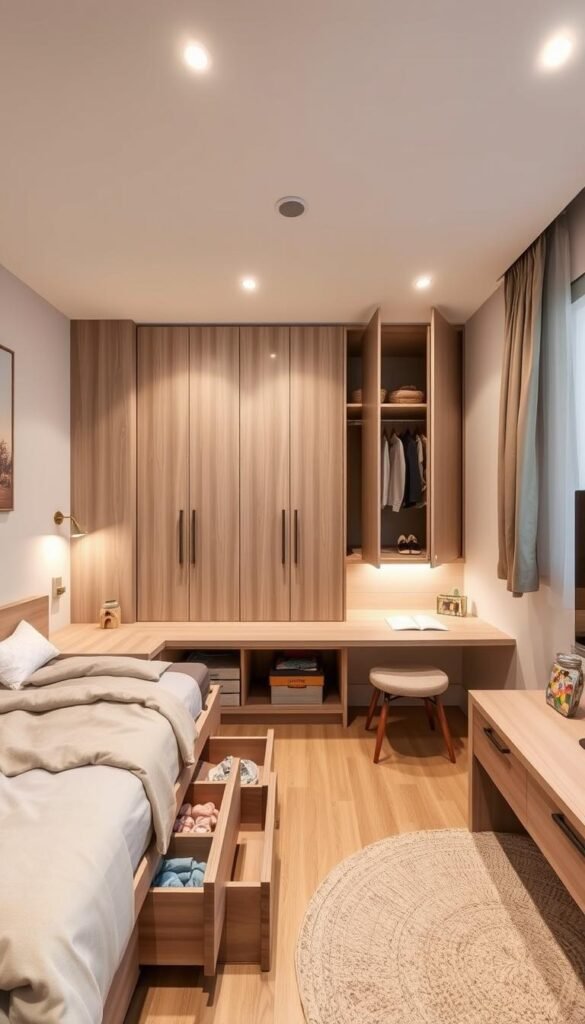
Smart storage transforms cluttered spaces into organized havens. These clever solutions keep essentials handy while maintaining clean aesthetics. You’ll love how they maximize every inch of available area.
Window Seats With Hidden Compartments
Window seats offer dual functionality that every family appreciates. They provide cozy seating while hiding away toys and supplies. Pappas Miron demonstrates this beautifully with their stylish designs.
These built-in solutions often feature lift-up tops or front drawers. The Sister Parish printed ceiling adds extra charm to the space. Your child gains a special spot for reading or daydreaming.
Choose durable materials that withstand daily use and play. Soft-close mechanisms prevent pinched fingers during adventures. This creates a safe environment for your little ones.
Built-In Storage Under and Around Beds
Beds offer incredible potential for hidden organization. Andrew Howard’s designs showcase drawers tucked neatly underneath. These keep clothes and toys organized without sacrificing floor space.
Trundle beds provide extra sleeping space when friends visit. They slide away conveniently when not in use. This approach works wonderfully for bunk bed configurations too.
Consider these popular under-bed storage options:
| Storage Type | Best For | Space Required | Accessibility |
|---|---|---|---|
| Drawer units | Clothing storage | 6-12 inches height | Easy daily access |
| Trundle beds | Guest sleeping | 8-14 inches height | Occasional use |
| Open shelves | Book storage | 4-8 inches height | Very accessible |
| Lift-up storage | Seasonal items | 12-18 inches height | Infrequent access |
Themed storage integrates functionality with decor beautifully. Cube-inspired shelves work for Rubik’s cube themes. Race track-themed bins make cleanup part of the fun.
Involve your child in organization habits from an early age. Accessible storage encourages independent tidying after playtime. Color-coded bins help younger children learn sorting skills.
Wipeable surfaces and durable materials withstand active use. These features ensure your investment lasts through many years of fun.
Hidden compartments create seamless looks throughout the room. They allow the space to feel more intentional and spacious. Every item finds its proper home without visual clutter.
“Smart storage doesn’t just organize space—it organizes life, creating calm environments where imagination can flourish.”
Multifunctional pieces maximize utility in every corner. A window seat becomes both storage and reading nook. Under-bed drawers keep essentials handy without extra furniture.
These innovative solutions maintain order while supporting creative play. They help create rooms that work beautifully for the whole family.
6. Playful and Themed Lighting Fixtures
Light transforms any area from ordinary to extraordinary. The right fixtures create mood, spark imagination, and add personality. They turn a simple room into a magical environment where dreams come alive.
Thoughtful lighting choices make your child’s personal space more inviting. They provide both function and fantasy in equal measure. This balance creates an atmosphere that supports various activities throughout the day.
Pom-Pom Lamps and Lanterns for Fun
Pom-pom lamps bring instant joy to any setting. Their textured shades cast playful patterns across walls and ceilings. These fixtures create a cheerful atmosphere that encourages creativity.
Wicker lanterns offer natural texture and warm glow. They work beautifully in neutral spaces needing a fun touch. Both options add personality without overwhelming other decor elements.
Consider placing these lights beside reading nooks or play areas. Their soft illumination creates cozy corners for quiet time. This approach makes the room feel more inviting and special.
Bubble Lights and Starry Night Projectors
Thematic lighting takes room design to another level. Bubble lamps create underwater magic with their floating effect. Star projectors transform ceilings into twinkling night skies.
These fixtures stimulate imagination during play and bedtime. They turn ordinary moments into extraordinary adventures. Your child will love their room’s magical atmosphere.
LED options provide safety through cool operation and energy efficiency. Dimmable features allow adjustment from bright play to soft sleep settings. This versatility makes them practical for daily use.
Position lighting to enhance room themes and functions. Task lighting works well above activity areas and reading spots. Ambient fixtures create overall mood throughout the space.
Visual Comfort offers sophisticated options like Ralph Lauren wall lamps. These provide style alongside functionality in any setting. DIY projects allow personalization that reflects your child’s unique tastes.
“The right lighting doesn’t just illuminate a room—it illuminates imagination, turning everyday spaces into worlds of wonder.”
Involve your child in selecting their favorite fixtures. This creates ownership and ensures they love their special environment. Themed lighting becomes a focal point that adds character without clutter.
These playful elements transform rooms with minimal effort. They add both magic and practicality to your design. Your investment creates a space that supports dreams and daily life.
7. Dedicated Zones for Play and Performance
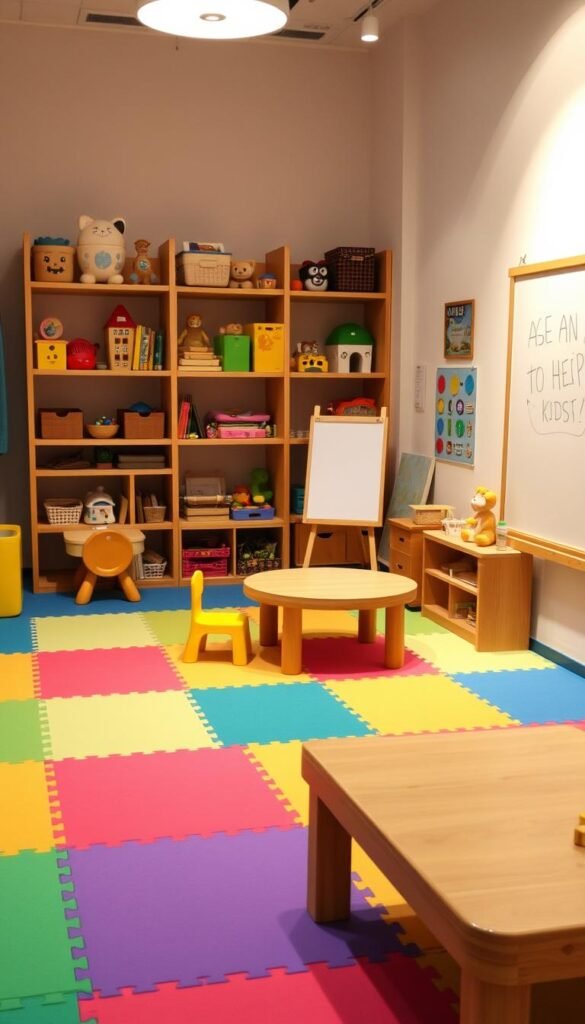
Special areas for activities transform ordinary rooms into dynamic environments. These zones encourage creativity while keeping everything organized. They make the most of your available square footage beautifully.
Designer Phillip Sides shows how thoughtful layouts support various interests. His work includes curtained stages for musical practice and performances. This approach creates focused spaces within larger rooms.
Creating a Mini Stage for Imaginative Play
Performance areas spark wonderful pretend adventures. Use curtains to define the space and absorb sound. Carpets add comfort and help with noise control.
Phillip Sides’ designs demonstrate this concept perfectly. His curtained stages work for guitar practice or small productions. This setup encourages confidence and self-expression.
Consider these elements for your performance zone:
- Heavy curtains for defining the performance area
- Soft carpets for comfort and sound absorption
- Adjustable lighting to set different moods
- Storage for props and costume pieces nearby
Themed approaches make these areas extra special. A Barbie dreamhouse setup might include costume racks. Race track themes could feature starting line markings.
Modular stages offer flexibility for various activities. Foldable options save space when not in use. This versatility makes them practical for daily life.
Designing a Ballerina’s Practice Corner
Dance areas support physical activity and artistic expression. Mini barres provide proper support for practice. Full-length mirrors help with form and technique.
These corners become beautiful focal points in any room. They encourage discipline while being lots of fun. Your young dancer will cherish their special practice space.
Safety remains important in these active zones. Ensure the area remains clear of potential hazards. Proper flooring prevents slips during practice sessions.
Consider these ballerina corner essentials:
| Element | Function | Space Needed | Skill Level |
|---|---|---|---|
| Wall-mounted barre | Practice support | 24-36 inches wide | Beginner to advanced |
| Full-length mirror | Form correction | 18-24 inches wide | All levels |
| Non-slip flooring | Safety during movement | Area size varies | Essential for all |
| Storage for shoes | Organization | Small shelf space | All dancers |
These dedicated areas grow with your child’s interests. A dance corner might later become a music practice space. Performance areas can transform into study nooks.
Organization keeps everything functional and safe. Storage for props and equipment maintains order. This approach reduces clutter while supporting hobbies.
Specialized zones help develop focus and passion. They turn rooms into nurturing environments for growth. Your investment encourages active, imaginative play beautifully.
“Dedicated activity areas don’t just organize space—they organize imagination, creating environments where passions can flourish and skills can grow.”
These thoughtful additions make rooms truly multifunctional. They support learning, play, and personal development. The result is a space that works wonderfully for your family.
8. Personalize the Space With Their Artwork
Your child’s creative expressions deserve more than just refrigerator display. Transforming their artwork into permanent decor elements creates a deeply personal environment. This approach celebrates their unique perspective while adding meaningful charm to the area.
Turning Doodles Into Textiles and Wallcoverings
Artist Kiki Slaughter demonstrated this beautiful approach perfectly. She transformed her children’s drawings into custom textiles and wallcoverings. This method turns simple sketches into professional-looking decor elements.
Several services now specialize in converting artwork into home accents. Companies like Spoonflower allow you to upload images for printing on fabric. This creates custom curtains, pillows, or even wallpaper featuring your child’s creations.
DIY methods offer another approach for crafty families. Use fabric markers on plain textiles or create stencils from favorite drawings. These projects become fun activities that result in unique room decorations.
Consider these durable material options for personalized items:
| Material Type | Best Use | Cleaning Method | Longevity |
|---|---|---|---|
| Cotton canvas | Pillow covers, wall art | Machine washable | Excellent durability |
| Vinyl wallpaper | Accent walls | Wipe clean | Years of use |
| Polyester blends | Curtains, bedding | Gentle cycle | Colorfast quality |
| Laminated prints | Placemats, coasters | Damp cloth wipe | Stain resistant |
Displaying Their Masterpieces Proudly
Create rotating galleries that showcase new artwork regularly. Magnetic boards or clip systems allow easy updates without damage. This keeps the display fresh and exciting for your young artist.
Professional framing elevates special pieces to art status. Jake Longstreth’s screenprint approach shows how displayed artwork adds personal touch. Choose simple frames that complement rather than compete with the art.
Digital frames offer modern solutions for artwork rotation. These devices can display hundreds of pieces in slideshow format. They save space while keeping all creations accessible for viewing.
Color coordination creates cohesive looks throughout the area. Match frame colors to other decor elements like bedding or rugs. This approach makes the artwork feel integrated rather than added later.
“When children see their creativity valued through display, it nurtures self-esteem and encourages continued artistic exploration.”
Involving your child in the selection process builds excitement. Let them choose which pieces to feature and where to place them. This creates genuine ownership of their special environment.
These personalized touches often become the most cherished elements. They transform generic spaces into truly unique environments. The result is a room that grows alongside your child’s developing talents.
This approach proves surprisingly cost-effective compared to store-bought decor. It adds character without significant financial investment. Most importantly, it creates a space that truly reflects its young occupant.
9. Incorporate Heirloom and Multigenerational Furniture
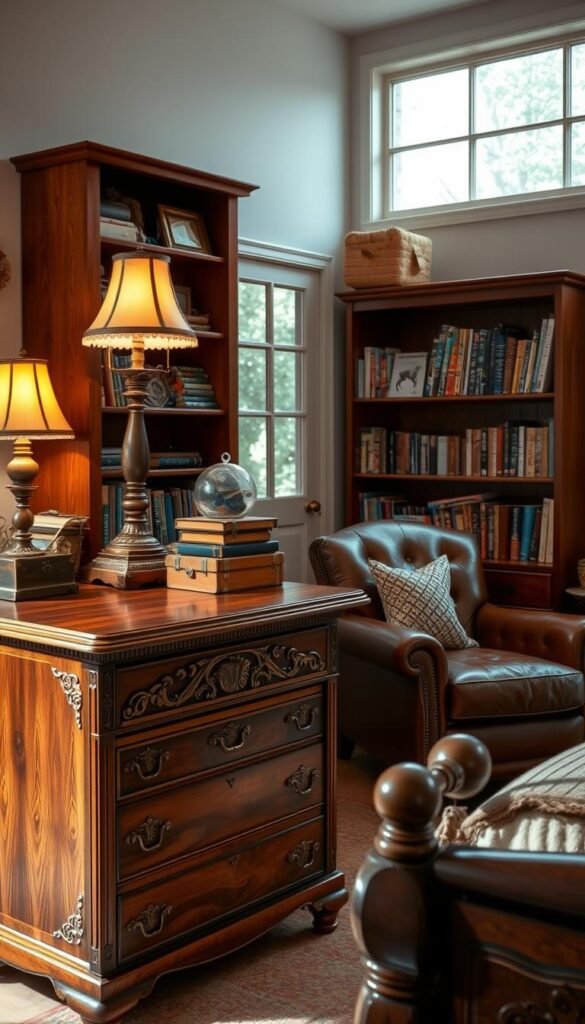
Blending family history with modern functionality creates spaces rich with meaning and practicality. These timeless pieces add character while supporting your child’s daily adventures.
Designer Chauncy Boothby demonstrates this approach beautifully. He used a bed passed down through four generations, pairing it with nautical wallpaper for a classic yet playful look.
Mixing Old and New for Character
Combining antique treasures with contemporary elements creates truly unique personal areas. This approach adds depth and personality that new furniture alone cannot achieve.
Heirloom pieces bring stories and sustainability into your environment. They reduce waste while creating a timeless design that grows with your family.
Pair antique items with modern accents for balanced appeal. Try nautical wallpaper or vibrant textiles alongside traditional furniture. This creates fresh looks while honoring tradition.
Low-to-the-Ground Beds for Easy Transitions
Low-profile sleeping arrangements offer safety and independence for growing children. These setups ease the transition from cribs to big-kid beds beautifully.
Reduced height minimizes fall risks during nighttime movements. It also makes the sleeping area accessible for independent use. Your little one can climb in and out without assistance.
This practical approach builds confidence while ensuring comfort. It creates a secure environment for rest and play.
Consider these maintenance options for cherished furniture pieces:
| Method | Best For | Time Investment | Skill Level |
|---|---|---|---|
| Light refinishing | Surface refresh | 2-4 hours | Beginner friendly |
| Complete reupholstery | Fabric updates | 6-8 hours | Professional recommended |
| Hardware replacement | Functional updates | 1-2 hours | DIY possible |
| Protective coating | Long-term preservation | 3-5 hours | Intermediate skill |
Share the stories behind special pieces with your child. This fosters connection to family history and values. It transforms furniture into meaningful conversation starters.
Mixing styles creates versatile spaces that adapt easily. You can update accents as trends change without replacing core pieces. This approach saves money over time.
“Heirloom furniture doesn’t just fill a room—it fills it with stories, creating spaces where past and present beautifully coexist.”
These cherished pieces add depth and personality to any area. They create environments that feel both unique and deeply personal. Your investment becomes part of your family’s ongoing story.
10. Fun With Symmetry and Matching Pairs
Creating a harmonious environment for multiple young ones can be both fun and functional. Symmetry brings visual balance while ensuring fairness between siblings. This approach transforms shared spaces into peaceful retreats everyone enjoys.
Robert Couturier demonstrated this beautifully in a Gramercy Park townhouse. His mirrored layout for twins created perfect balance throughout the area. This smart design prevents conflicts over favorites and promotes sharing.
Mirrored Layouts for Twins’ Rooms
Mirroring furniture and decor creates instant fairness in shared spaces. Each child receives identical elements from beds to storage solutions. This approach eliminates arguments about who got the better arrangement.
The aesthetic appeal of symmetry makes the area feel organized and spacious. Everything appears intentional and well-planned. This visual harmony reduces clutter and creates a calming atmosphere.
Consider these elements for a perfectly mirrored layout:
- Identical sleeping arrangements with matching bedding sets
- Symmetrical lighting fixtures on either side of the room
- Duplicate storage units placed opposite each other
- Matching window treatments for balanced natural light
This approach works wonderfully in various room sizes and shapes. It maximizes functionality without sacrificing style. Your space becomes both practical and visually pleasing.
Canopy Beds and Matching Desks
E&A Interiors created magical green lacquered canopy beds for a cohesive look. Matching pieces like these create unity throughout the space. Each child enjoys their own special yet identical area.
Coordinated furniture sets promote harmony and togetherness. They make the room feel intentionally designed rather than randomly assembled. This creates a sophisticated look that grows with your children.
Consider these popular matching furniture combinations:
| Furniture Pair | Functionality | Space Efficiency | Style Impact |
|---|---|---|---|
| Canopy beds | Sleeping privacy | Vertical space use | Magical, elegant |
| Matching desks | Study areas | Wall placement | Organized, intentional |
| Twin dressers | Clothing storage | Against walls | Balanced, neat |
| Bookshelf pairs | Book display | Corner placement | Symmetrical, tidy |
Personalize symmetric designs with individual touches for each child. Let them choose their own artwork or accent colors. This maintains fairness while respecting each personality.
Involve both children in the design process whenever possible. This ensures everyone feels happy with the final choices. It fosters cooperation and shared ownership of their special space.
Matching pairs can be cost-effective when purchasing duplicates. Many retailers offer discounts for buying multiple identical items. This simplifies shopping and decoration decisions too.
“Symmetry in shared spaces doesn’t just create visual balance—it creates emotional balance, ensuring every child feels equally valued and accommodated.”
These strategies work beautifully for creating peaceful twin rooms. They transform potential conflict zones into harmonious retreats. The result is a space that supports both individuality and togetherness.
11. Textural Layers for a Touchable Experience
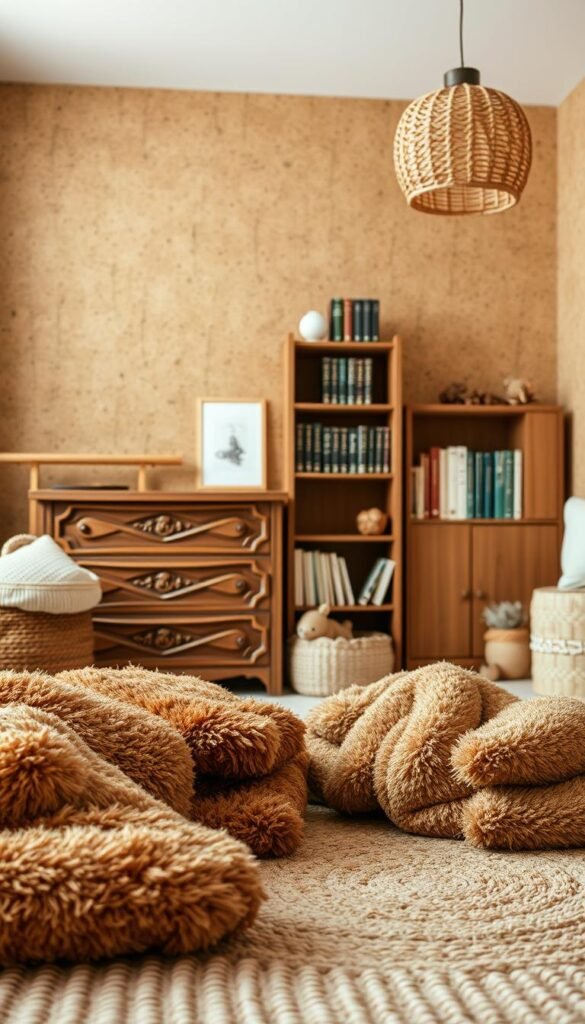
Every surface in your child’s special area offers opportunities for comfort and discovery. Thoughtful textural choices transform ordinary spaces into sensory-rich environments. These elements invite touch and create cozy atmospheres for daily adventures.
Plush Rugs, Bean Bags, and Throw Pillows
Soft floor coverings provide warmth and comfort underfoot. Becca Interiors demonstrates how cushioned rugs create inviting play surfaces. These additions make the entire area feel more welcoming and safe.
Bean bags offer flexible seating that adapts to various activities. They become perfect spots for reading or quiet time. Throw pillows add bursts of color and softness to any seating area.
Choose machine-washable fabrics for easy maintenance. This ensures your textiles stay fresh through years of use. Your space remains hygienic and beautiful with minimal effort.
Woven Baskets and Natural Fiber Accents
Natural materials bring organic charm and tactile interest to any theme. Woven baskets provide stylish storage while adding rustic appeal. They work beautifully in Scandinavian or nature-inspired settings.
These elements encourage environmental awareness through their sustainable nature. They align with modern values while providing practical function. Your child learns about eco-friendly choices through daily interaction.
Consider these popular natural fiber options for your space:
| Material Type | Primary Use | Durability | Style Contribution |
|---|---|---|---|
| Seagrass baskets | Toy storage | Very durable | Coastal, natural vibe |
| Jute rugs | Floor covering | Moderate wear | Textured, earthy feel |
| Rattan accessories | Decor accents | Long-lasting | Bohemian charm |
| Cotton rope details | Trim, handles | Excellent strength | Nautical influence |
Textural layers stimulate sensory development during play and relaxation. Different surfaces encourage exploration through touch. This supports cognitive growth while making the area more engaging.
Combine various textures with colors and patterns for rich visual interest. This approach creates environments that delight multiple senses. Your child enjoys a space that feels both comforting and exciting.
Use textural elements to define specific zones within the room. A soft rug marks the play area clearly. Storage baskets create organized toy corners that encourage tidiness.
Involve your child in selecting textures they find appealing. This personalizes their environment and increases connection to the space. They’ll love contributing to decisions about their special area.
These thoughtful additions create warm, inviting atmospheres that support tactile learning. They transform functional spaces into cozy retreats for growing minds.
“Textural layers don’t just decorate a room—they create experiences, turning everyday spaces into opportunities for sensory discovery and comfort.”
Durable, washable materials ensure long-term enjoyment of these elements. Your investment continues to provide comfort and beauty for years. The result is a space that truly supports your child’s development and happiness.
12. A Dedicated Homework and Study Station
A special area for learning transforms your child’s personal environment into a space that supports both education and creativity. This focused corner helps develop concentration skills while keeping supplies organized and accessible. It becomes a place where schoolwork feels less like a chore and more like an engaging activity.
Designer Eric Olsen created brilliant study zones with custom pendants and elongated desks. His approach shows how functionality can blend beautifully with style. These setups work wonderfully for single children or multiple students sharing the area.
Creating a Focused Corner in the Room
Choose a quiet spot away from high-traffic areas for optimal concentration. Room dividers or bookshelves can create visual separation from play zones. This physical distinction helps young minds switch into study mode more easily.
Consider the room’s natural lighting when positioning the study area. North-facing windows provide consistent, glare-free light perfect for reading and writing. If windows aren’t available, strategic artificial lighting creates similar benefits.
Adjustable desks grow along with your child’s changing needs. Start with lower surfaces for coloring activities in early years. Gradually transition to proper desk height as schoolwork demands increase.
Ample Lighting and Organized Supplies
Proper illumination reduces eye strain during reading and writing tasks. Custom pendants like those in Eric Olsen’s designs offer both style and function. They provide focused light exactly where needed for various activities.
Organizational systems keep supplies tidy and within easy reach. Drawer dividers, pencil cups, and paper trays maintain order effortlessly. Labeled containers help younger children find materials independently.
Consider these essential elements for an effective study area:
| Element | Primary Function | Age Appropriateness | Space Requirements |
|---|---|---|---|
| Adjustable desk | Work surface | All ages | 24-36 inches wide |
| Task lighting | Focused illumination | All ages | Small footprint |
| Storage drawers | Supply organization | All ages | Under-desk or wall-mounted |
| Comfortable chair | Proper seating support | All ages | Standard chair size |
Themed elements make learning more engaging and personal. Travel-inspired spaces might incorporate map wallcoverings or globe accents. Minimalist designs often feature quiet colors that promote concentration.
Ergonomics play a crucial role in maintaining comfort during study sessions. Child-sized furniture prevents strain and encourages proper posture. Adjustable components accommodate growth over several years.
Involve your child in organizing their supplies and decorating their space. This teaches responsibility while making the area more personally meaningful. They’ll take greater pride in maintaining their special learning environment.
The study station can serve multiple purposes throughout the day. It becomes an arts and crafts center during creative time. This versatility maximizes the area’s utility beyond homework hours.
Well-designed study corners support academic success while fitting seamlessly into room decor. They create environments where learning becomes a natural, enjoyable part of daily life. Your investment pays off in developed skills and cherished routines.
“A dedicated study area doesn’t just organize supplies—it organizes minds, creating spaces where focus comes naturally and learning becomes joyful.”
These thoughtful setups grow alongside your child’s educational journey. They transform from simple coloring stations to sophisticated work areas. The result is a space that supports development at every stage.
13. Themed Rooms Based on Their Passions
Your child’s special area becomes a world of adventure when it reflects their unique interests. These personalized environments spark imagination and make daily activities more engaging. Creating a space centered around their current passions brings joy and excitement to their world.
The right theme transforms ordinary rooms into magical places for play and rest. It encourages learning through interactive elements and decorative touches. This approach makes the area truly their own special haven.
Race Track Rugs and Car-Themed Decor
Young racing enthusiasts adore interactive floor coverings that spark imaginative play. These rugs often feature colorful roadways and cityscapes for toy vehicles. They create an engaging environment where stories unfold during playtime.
Car-themed accessories add fun details throughout the space. Think steering wheel bookshelves or traffic light night lights. These elements support their interest while providing practical function.
Consider these popular racing theme components:
| Element | Primary Function | Play Value | Durability |
|---|---|---|---|
| Interactive rugs | Floor play surface | High engagement | Stain-resistant materials |
| Vehicle storage | Toy organization | Part of play scenario | Sturdy construction |
| Racing bedding | Sleeping area decor | Theme continuation | Machine washable |
| Wall decals | Visual interest | Background stories | Removable adhesive |
Travel-Themed Maps and Globe Accents
Budding explorers love discovering the world through decorative educational elements. Wall maps become beautiful focal points that teach geography naturally. They spark curiosity about different places and cultures.
Globe accents and suitcase storage bins reinforce the adventure theme. These pieces combine learning with practical organization. Your young traveler develops knowledge while enjoying their special space.
Involve your child in marking places they’ve visited or want to explore. This personal touch makes the decor more meaningful and educational.
Fairytale Castles and Sky-Themed Ceilings
Dreamy environments capture magical feelings through creative design elements. Castle-themed play areas become kingdoms for imaginative adventures. These setups encourage storytelling and creative role-playing.
Sky-inspired ceilings with glow-in-the-dark stars create enchanting nighttime atmospheres. Cloud murals and celestial motifs add whimsy to sleeping areas. These features make bedtime something to look forward to.
Balance intense themes with neutral areas for visual rest. This approach ensures the space doesn’t feel overwhelming. It also allows for easier updates as interests evolve over time.
Removable decals and themed bedding make updates simple and affordable. These temporary elements let you refresh the look without major changes. Your child’s space can grow along with their developing interests.
Involve your young one in selecting their favorite theme and accessories. Their excitement about the decor makes the area more personally meaningful. The result is a space that truly reflects their unique personality.
“When a room mirrors a child’s passions, it becomes more than a space—it becomes a launchpad for dreams, learning, and endless imagination.”
Themed storage solutions and lighting enhance both function and fantasy. Race car bins or treasure chest toy boxes add to the overall experience. These thoughtful touches complete the immersive environment.
Passion-themed rooms create personalized spaces that inspire daily joy. They transform ordinary areas into extraordinary worlds for growing minds.
14. Bringing It All Together for Your Family
Creating a special area for your little ones combines practical solutions with personal touches. Each concept we’ve shared helps build a room that grows alongside your child. Mix and match elements that fit your home and budget.
Involving young ones in choices fosters pride in their space. Select washable materials and adaptable layouts for easy updates. Start with one change and expand over time.
Timeless foundations with changeable accents offer lasting appeal. Your effort creates an environment where memories form and dreams flourish. The result is truly worth it.
Share your own room transformations with our community. We love seeing how families personalize spaces for their children.