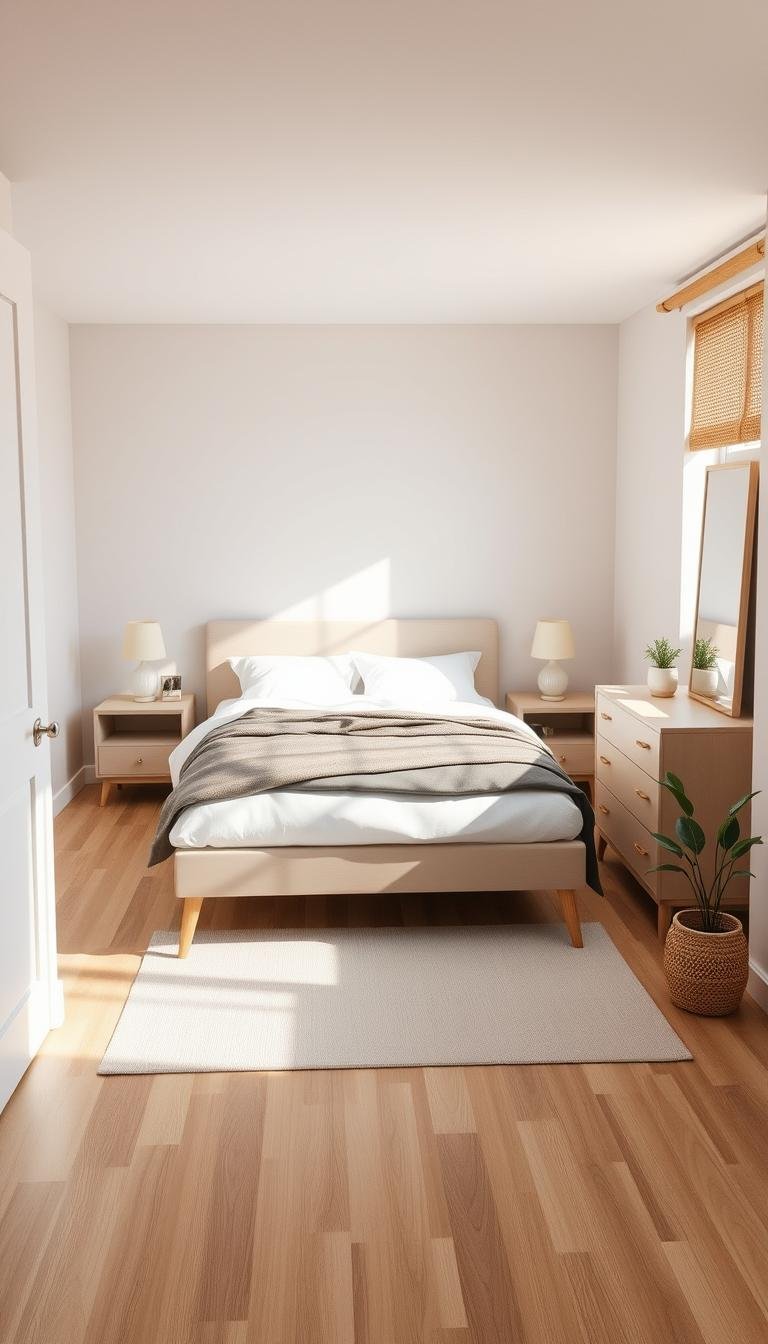
Are you tired of feeling cramped in your cozy sleeping area? You can transform even the tiniest space into a functional retreat with smart planning.
Compact rooms offer unique opportunities for creativity. With the right approach, you can turn limitations into personalized solutions that reflect your style.
This comprehensive guide walks you through every step. You’ll learn how to measure your area properly and select pieces that fit perfectly.
We’ll share expert tips from professional organizers and interior designers. These practical strategies help you avoid common mistakes with different floor plans.
Your sleeping quarters can feel both spacious and inviting. Discover how proper arrangement and clever storage solutions make all the difference in your home.
Get ready to create a room that works perfectly for your needs. Let’s begin this exciting journey toward a more organized and beautiful personal space!
Understanding the Fundamentals of Small Bedroom Layouts
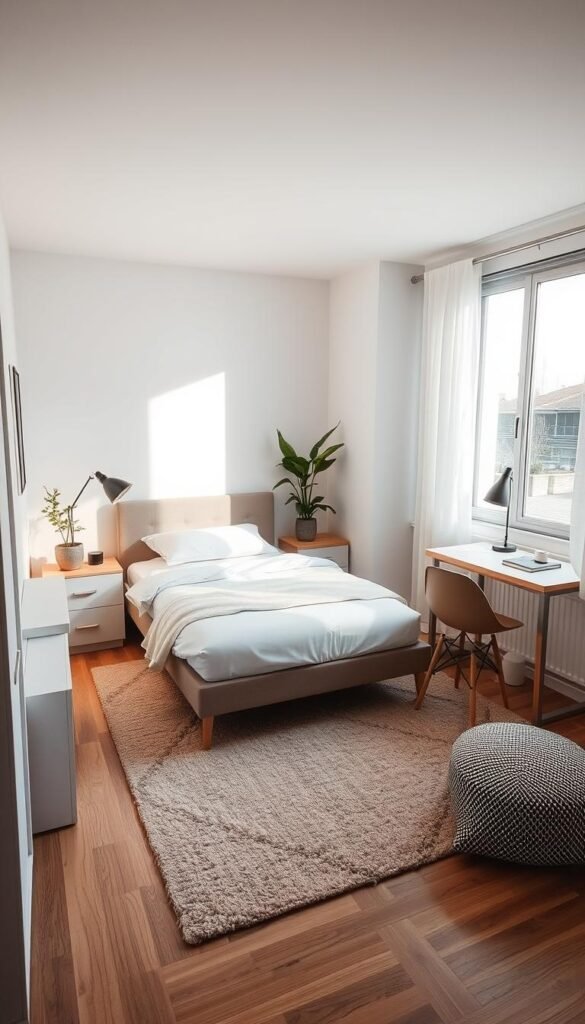
Getting your cozy sleeping area just right starts with mastering some basic principles. These foundation concepts help you create a comfortable environment that works perfectly for your needs.
Why Proper Layout Matters in Compact Spaces
Thoughtful arrangement makes your area feel more open and inviting. A chaotic setup can make even a decent-sized space feel cramped and uncomfortable.
Professional organizers emphasize that symmetry creates visual calm. Balanced placement helps your eyes move smoothly around the room without feeling overwhelmed.
Good planning prevents that cluttered sensation many people experience. You’ll enjoy your personal retreat more when everything has its proper place.
Measuring Your Space: The First Essential Step
Grab a tape measure and document your exact dimensions before making any decisions. The average American sleeping quarters measure about 132 square feet.
Note all architectural features that affect your options:
- Standard doors require 36 inches width with 3-foot clearance
- Mark heating vents and electrical outlets
- Record window heights and ceiling measurements
Graph paper or digital planners help visualize different arrangements. This prevents buying pieces that won’t fit your specific area.
Common Challenges and How to Overcome Them
Limited square footage tops the list of concerns for most people. Vertical storage solutions create extra space without consuming precious floor area.
Multipurpose pieces serve several functions simultaneously. A storage ottoman provides seating while hiding blankets, for example.
Awkward room shapes require creative thinking. Sometimes placing your bed diagonally maximizes available walking space.
Matching storage bins maintain visual consistency throughout your area. This professional organizer tip keeps your space looking tidy and intentional.
Understanding these fundamentals sets the stage for your successful transformation. You’ll create a functional environment that feels both spacious and welcoming.
Strategic Bed Placement for Maximum Impact
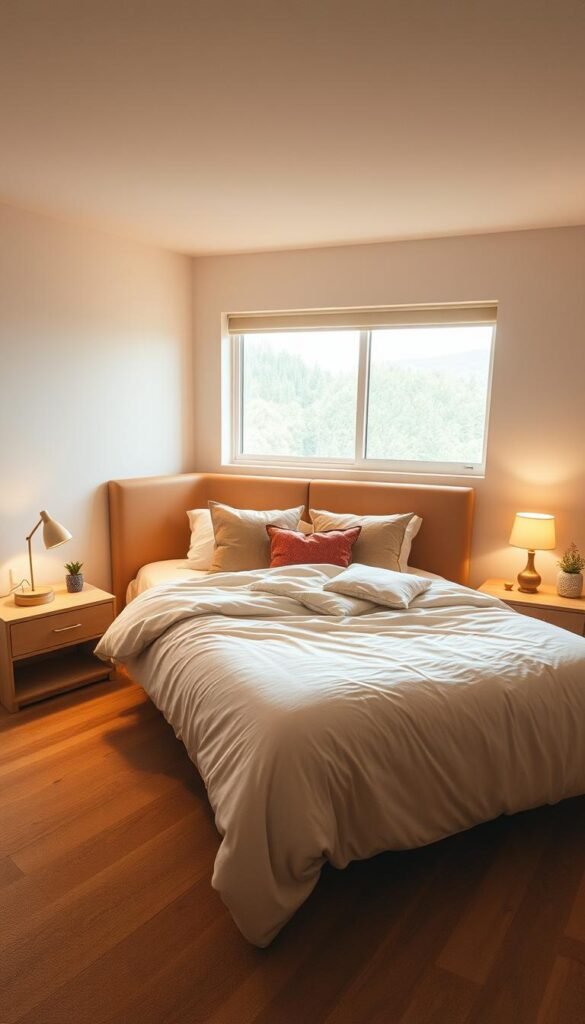
Your sleeping sanctuary’s arrangement starts with one crucial decision. Where you position your main piece sets the tone for everything else.
This choice affects both functionality and visual appeal. Smart positioning creates better flow and makes your area seem larger.
Centering Your Bed for Optimal Symmetry
Placing your bed centered on the main wall creates perfect balance. This approach gives you equal access from both sides.
You’ll appreciate having matching nightstands with lamps. This symmetrical look brings calm and order to your personal retreat.
Leave at least two feet of walking space around three sides. This clearance makes your room feel more open and accessible.
Alternative Placement Options for Tight Spaces
Sometimes you need creative solutions for limited square footage. Pushing your bed against a wall saves valuable floor space.
Consider using an overhead shelf instead of traditional tables. This clever approach keeps essentials within reach without crowding.
If sharing your space, avoid corner placement whenever possible. This arrangement can make the area feel cramped and unbalanced.
Considering Doorways and Windows in Your Layout
Always check how doors swing open before finalizing your plan. You never want blocked access or awkward maneuvering.
Natural light matters more than you might realize. Keep windows clear to maintain brightness and airy feelings.
In long, narrow rooms, position your bed against the shorter wall. This creates better proportion and improves traffic flow.
Your main piece should highlight attractive architectural features. Frame nice views or accent walls for maximum visual impact.
Smart Storage Solutions That Save Space
Master the art of maximizing every inch through strategic storage solutions. Your compact sleeping area can feel surprisingly spacious when you implement these clever approaches.
Organization becomes your best friend in limited square footage. The right techniques create visual calm while keeping essentials accessible.
Multipurpose Furniture: The Space-Saving Secret
Choose pieces that serve multiple functions simultaneously. A captain’s bed with built-in drawers eliminates the need for a separate dresser.
Consider a storage ottoman at the foot of your bed. It provides extra seating while hiding blankets or seasonal items.
Select nightstands with drawers instead of open shelves. This approach reduces visual clutter while keeping items organized.
Some creative options include desks that double as bedside tables. These innovative pieces maximize functionality without consuming extra floor space.
Vertical Storage Techniques You Haven’t Considered
Look upward to discover untapped potential in your area. Wall-mounted shelves create valuable storage without using precious floor real estate.
Hanging organizers offer clever solutions for various needs. Over-the-door racks work perfectly for shoes, accessories, or cleaning supplies.
Tall, narrow chests provide ample storage in minimal footprint. They draw the eye upward, making your ceiling appear higher.
Professional organizers recommend using your walls creatively. Mounting items keeps surfaces clear and maintains an open feeling.
Creative Under-Bed Storage Ideas
Don’t overlook the valuable real estate beneath your sleeping surface. Wheeled bins slide out easily for convenient access to stored items.
These containers work beautifully for out-of-season clothing or extra linens. Choose matching bins to maintain a cohesive aesthetic throughout your space.
Some beds offer built-in storage solutions with hydraulic lifts. These innovative designs provide generous hidden compartments.
Even standard bed frames can accommodate low-profile containers. Measure carefully to ensure everything fits perfectly beneath your frame.
Remember that effective organization transforms how your area feels. Reducing visual clutter creates immediate spaciousness and promotes relaxation.
Focus on selecting a few functional pieces rather than many small items. This approach prevents that crowded sensation many people experience.
Your storage solutions can also serve as decorative elements. Stylish baskets or decorative boxes add personality while keeping things tidy.
Choosing the Right Furniture Scale and Proportion
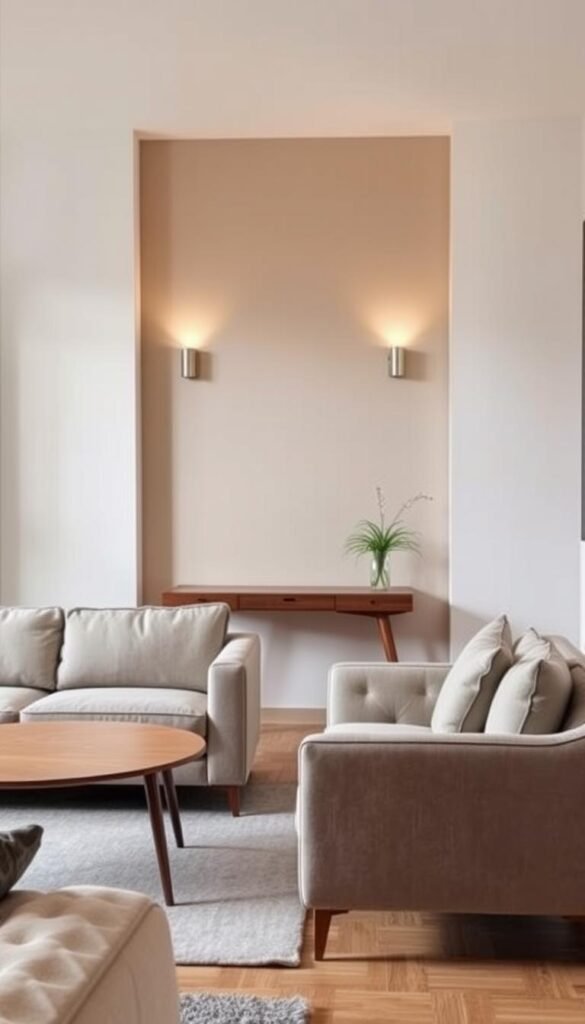
Getting your pieces just right transforms how your area functions and feels. Proper sizing creates harmony throughout your personal retreat.
Everything should work together in perfect balance. You’ll love how intentional choices make your space seem larger and more inviting.
Why “Apartment-Sized” Furniture Makes a Difference
Specially designed pieces fit perfectly in compact areas. These options maximize functionality without overwhelming your floor plan.
Manufacturers create these items with limited square footage in mind. You gain storage and style without sacrificing precious walking room.
Consider a slim-profile dresser instead of a standard depth model. This smart choice provides ample storage while maintaining clear pathways.
Balancing Large Statement Pieces with Minimalism
A dramatic bed frame can become your room’s beautiful focal point. Balance this with simpler surrounding elements to prevent visual overload.
Keep other surfaces clean and uncluttered when using bold pieces. This approach lets your standout item shine without creating chaos.
Professional designers often recommend the “one statement piece per room” rule. This strategy maintains visual interest without crowding.
The Art of Selecting Proportionate Nightstands
Your bedside tables should complement rather than compete with your bed. Choose widths approximately half your mattress size for perfect proportion.
Consider wall-mounted options if floor space is extremely limited. These clever solutions keep essentials within reach without consuming valuable real estate.
Some creative homeowners use a small desk as a combined workspace and nightstand. This dual-purpose approach maximizes functionality in tight quarters.
Remember that scale affects both aesthetics and practicality. Properly sized pieces create better flow and accessibility throughout your area.
Focus on selecting items that serve multiple needs simultaneously. A storage ottoman provides seating while hiding extra blankets or pillows.
Measure everything carefully before making final decisions. This prevents bringing home pieces that disrupt your carefully planned arrangement.
Your choices should enhance rather than complicate your daily routine. Thoughtful sizing makes your space both beautiful and perfectly functional.
Lighting Techniques to Expand Your Space Visually
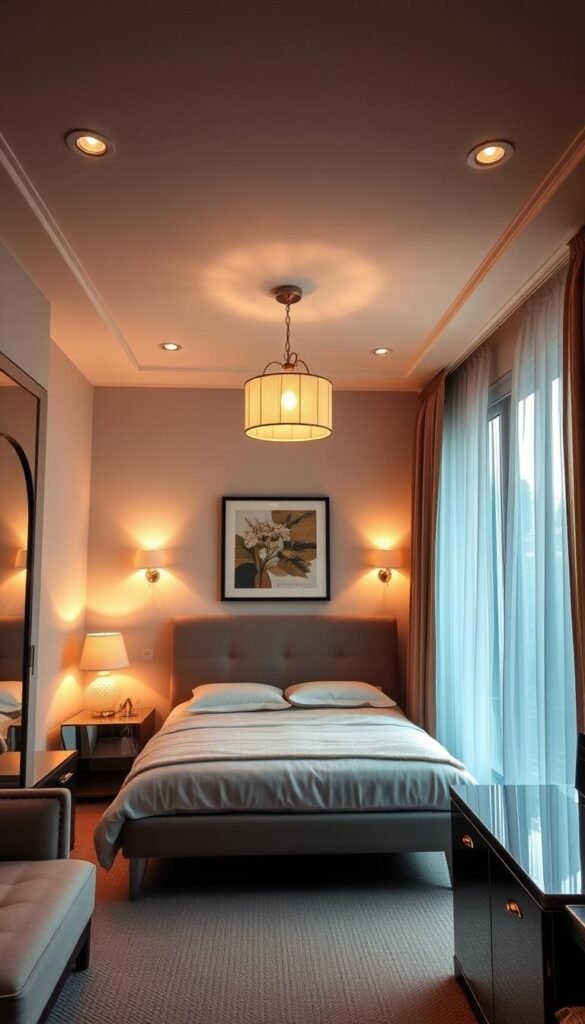
Transform your cozy sleeping quarters with smart illumination strategies. Proper lighting creates the illusion of spaciousness while enhancing functionality.
You can make your area feel brighter and more open. These techniques work wonders in compact environments.
Maximizing Natural Light Through Strategic Placement
Keep your windows completely unobstructed by furniture placement. This allows maximum sunlight to flood your personal retreat.
Position mirrors directly across from glass openings. They reflect both light and outdoor views, doubling the visual impact.
Choose sheer window treatments instead of heavy fabrics. These maintain privacy while permitting beautiful natural illumination.
Lighter wall colors help bounce light around your area. This creates an airy atmosphere that feels more expansive.
Artificial Lighting Solutions for Compact Areas
Wall-mounted fixtures save valuable floor space. Sconces provide excellent illumination without consuming surface area.
Consider recessed lighting for clean, streamlined aesthetics. These fixtures disappear into your ceiling while providing ample brightness.
Dimmable options offer wonderful flexibility. You can adjust intensity based on your needs throughout the day.
Table lamps with slender bases work perfectly on nightstands. They deliver task lighting without overwhelming your surfaces.
Using Mirrors to Amplify Light and Space
Strategic mirror placement creates dramatic visual expansion. Position them to reflect both natural and artificial light sources.
Consider placing mirrors above your bedside tables. This approach makes your walls appear more distant.
Full-length options on closet doors work beautifully. They multiply light while providing practical functionality.
Mirrored furniture pieces serve dual purposes. They provide storage while enhancing brightness throughout your area.
Remember that lighting affects both mood and perception. Proper illumination makes your environment feel more inviting and spacious.
Layer different light sources for optimal results. Combine ambient, task, and accent lighting for perfect functionality.
Avoid dark colors that absorb precious illumination. These can make your quarters feel smaller and less welcoming.
Hang window treatments near your ceiling line. This clever trick creates the illusion of taller walls and more volume.
Your lighting choices should highlight architectural features. Properly illuminated spaces feel more intentional and beautifully designed.
Color and Décor Strategies for Spacious Feel
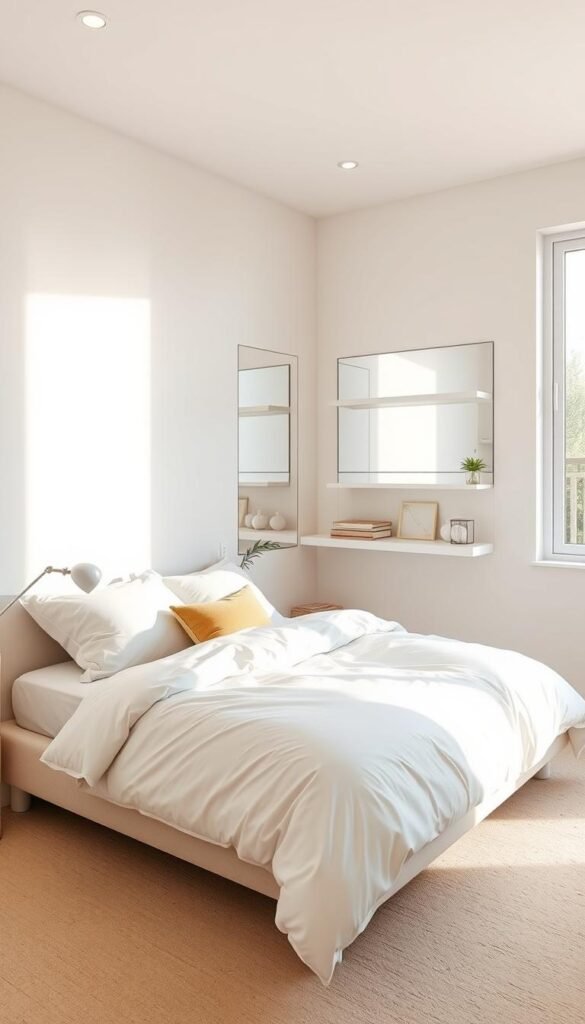
Your color palette and decorative choices dramatically impact how your personal retreat appears. These visual elements can either open up your environment or make it feel more confined.
Smart selections create an inviting atmosphere that seems larger than its actual measurements. You’ll love how these simple adjustments transform your entire area.
How Color Choices Affect Perceived Space
Light hues work wonders for creating an airy, open feeling. Soft blues, gentle greens, and pale grays make walls appear to recede.
These cool tones reflect natural and artificial illumination beautifully. Your space feels brighter and more expansive instantly.
Darker colors absorb light and create cozy intimacy. While perfect for some atmospheres, they can visually shrink your area.
Consider an accent wall if you love deeper shades. This approach adds personality without overwhelming your room.
Creating Visual Continuity Through Coordinated Tones
Maintain harmony by selecting a cohesive color scheme throughout. Match your bedding, walls, and decorative elements for seamless flow.
This continuity prevents visual interruptions that make areas feel disjointed. Your eyes move smoothly around the space without stopping abruptly.
Professional designers often recommend the 60-30-10 rule. Choose a dominant shade, secondary color, and accent tone for perfect balance.
Extend your palette to include storage solutions and textiles. Matching bins and baskets maintain your chosen aesthetic while keeping things organized.
Strategic Artwork Placement for Maximum Impact
Select pieces that reflect your personality and bring you joy. Meaningful artwork transforms your space into a true personal sanctuary.
Place larger pieces above your bed or on a focal wall. This creates a dramatic statement without cluttering your surfaces.
Avoid numerous small items that create visual noise. Instead, choose a few well-sized pieces that command attention appropriately.
Consider the scale of your artwork relative to your wall space. Oversized pieces can make a powerful style statement when balanced properly.
Horizontal orientations emphasize width, while vertical pieces draw the eye upward. This clever trick enhances the perception of spaciousness.
Patterns offer another fantastic way to manipulate visual perception. Vertical stripes on walls or area rugs create height illusion.
Organic designs in wall coverings distract from room boundaries. These flowing patterns break up constriction feelings beautifully.
Don’t forget your fifth wall – the ceiling above you. Painting it a contrasting color adds unexpected interest and dimension.
A lighter ceiling shade makes your room feel taller instantly. This professional designer trick works wonders in compact spaces.
Minimal décor enhances the spacious feel significantly. Choose a few statement pieces rather than many small items.
Every decorative element should serve a purpose or bring joy. This approach prevents that cluttered sensation many people experience.
Your color and décor choices should reflect your personal style while maximizing perceived space. A cohesive scheme transforms your area into a stylish retreat.
For additional inspiration on making your space work perfectly, explore these small bedroom design tips from interior experts.
Your Comprehensive Small Bedroom Furniture Design Layout Guide
You’ve learned the essential principles for creating a functional and beautiful personal retreat. Now let’s put everything together into a complete action plan.
This final roadmap ensures your project flows smoothly from concept to completion. You’ll avoid common pitfalls while creating a space that truly works for your lifestyle.
Step-by-Step Planning Process
Begin with precise measurements of your entire area. Document every dimension including ceiling height and window placements.
Create a list of essential pieces you need for daily comfort. Prioritize items that serve multiple functions to maximize your square footage.
Sketch your arrangement using graph paper or digital tools. Many free online planners help visualize different configurations before purchasing anything.
Consider traffic patterns between doorways, closets, and other access points. Maintain clear pathways throughout your personal sanctuary.
Common Layout Mistakes to Avoid
Overcrowding ranks as the most frequent error people make. Too many items create visual chaos and physical obstruction.
Ignoring vertical storage potential wastes valuable real estate. Look upward for clever solutions that keep floors clear and accessible.
Poorly scaled pieces disrupt harmony and flow. Oversized furniture makes areas feel cramped and uncomfortable.
Blocking natural light sources diminishes brightness and cheerfulness. Keep windows uncovered to maintain an airy atmosphere.
Adapting Layouts for Different Room Shapes
Square spaces work beautifully with symmetrical arrangements. Center your main piece on the primary wall for balanced aesthetics.
Rectangular areas benefit from zone planning techniques. Create distinct sections for sleeping, dressing, and relaxation activities.
Irregular shapes require creative thinking and flexibility. Sometimes diagonal placement maximizes functionality in awkward corners.
Consider Feng Shui principles for enhanced tranquility. Position your sleeping surface diagonally from the entrance when possible.
Wooden headboards promote grounding energy according to these ancient practices. Avoid placing mirrors directly facing your resting area.
Soft neutral colors throughout create calming visual continuity. These hues make walls appear to recede, enhancing spaciousness.
Your comprehensive plan ensures every decision supports both beauty and function. You’ll create a welcoming environment that perfectly suits your needs.
Remember that online visualization tools provide valuable previews. These resources help prevent costly mistakes before implementation.
Prioritize comfort and practicality over purely decorative choices. Your daily experience matters more than temporary trends.
This complete guide empowers your successful transformation. You’ll enjoy a beautifully organized retreat that feels both spacious and inviting.
Bringing Your Dream Small Bedroom to Life
You now have all the tools to transform your compact sleeping area into a functional and stylish retreat. Start by measuring your space and creating a detailed plan.
Remember to use vertical storage, multipurpose pieces, and strategic lighting. These techniques maximize every inch while keeping your area feeling open and inviting.
Your personal sanctuary should reflect your unique style and needs. Don’t hesitate to seek inspiration from interior designers or online resources if you need fresh ideas.
Patience and creativity are your best allies in this rewarding journey. Even the tiniest room can become your perfect cozy haven with the right approach.
Share your success stories and continue exploring new ways to enhance your home. Your dream space is within reach—start planning today!