Welcome to your ultimate guide for designing a beautiful and organized personal sanctuary. We’ll show you how to transform any space into a dream area that combines style with smart functionality.
Good organization creates a calm, serene environment where your child can truly thrive. It reduces daily stress and creates a more peaceful home atmosphere for everyone.
Discover creative solutions that maximize every inch of your available area. These systems work in various layouts, from spacious rooms to cozy nooks.
You’ll learn how to implement organization that grows with your child’s changing needs. The result will be a special place that reflects unique personality while keeping clutter at bay.
1. Why Pretty and Practical Storage Matters for Your Girl’s Room
When designing your child’s personal haven, both beauty and functionality play crucial roles. The right approach transforms chaos into calm while creating a space your daughter truly enjoys.
Children’s areas often become challenging to maintain organized. Young ones continuously accumulate new possessions while outgrowing old ones. Smart systems help manage this constant flow of items.
Combining visual appeal with practical function creates a special place your child will love using daily. She’s more likely to maintain tidiness when she enjoys her environment’s appearance.
Practical organization reduces daily stress for everyone in the home. Easy-to-use systems make finding and putting away items simple. This eliminates frustration and saves valuable time.
Well-organized spaces contribute to a calmer atmosphere. Reduced visual clutter promotes better relaxation and sleep quality. Your child benefits from a peaceful retreat.
“Organization isn’t about perfection; it’s about efficiency, reducing stress and clutter, saving time and money, and improving your overall quality of life.”
Choosing solutions that grow with your child offers long-term value. You’ll avoid constant reorganization as her needs evolve. This approach saves money over time.
Involving your daughter in selecting storage options fosters responsibility. She develops ownership pride in maintaining her area. This collaborative approach reduces tidiness battles.
Visual elements significantly impact mood and comfort. Attractive organization solutions make the space feel special. Your child feels proud showing her room to friends.
Systems that work for both parent and child create household harmony. Everyone understands where things belong. This shared understanding reduces daily conflicts.
Many storage pieces serve dual purposes as decorative elements. Beautiful baskets, shelves, and bins enhance the room’s overall design. Functionality meets style seamlessly.
Practical organization minimizes visual chaos in the area. Less clutter means more mental peace for your child. She can focus better on play, reading, and rest.
| Pretty Storage Features | Practical Storage Benefits |
|---|---|
| Color-coordinated bins and baskets | Easy access to frequently used items |
| Decorative boxes with patterns | Clear visibility of contents |
| Attractive shelving units | Optimized use of vertical space |
| Styled containers with lids | Protection for delicate supplies |
| Matching organizational accessories | Consistent system throughout room |
The ideal approach balances attractive design with smart functionality. This combination creates a space that works beautifully while encouraging your child’s participation in maintaining order.
2. Declutter First: The Essential Foundation for Any Organized Space
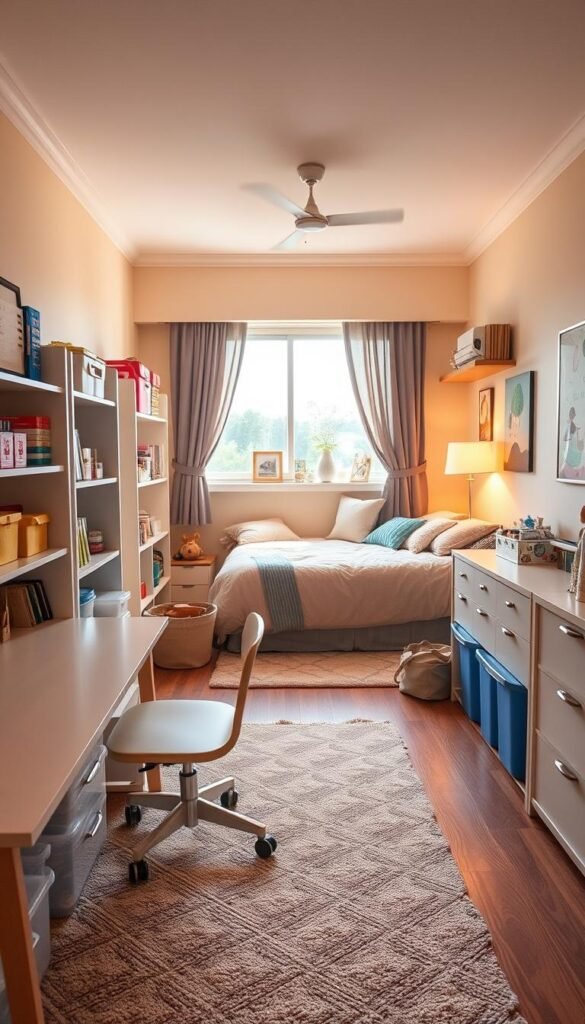
Before adding any new storage solutions, clearing out unnecessary items creates the perfect foundation for organization. This initial step transforms overwhelming areas into manageable spaces ready for smart systems.
Children’s areas accumulate possessions rapidly as interests change and growth occurs. Regular clothing rotation becomes necessary thanks to quick growth spurts. Seasonal changes and holidays present ideal opportunities for major clearing sessions.
How to Make Decluttering a Manageable Routine
Establishing a consistent approach prevents the task from feeling overwhelming. Many families find success with biannual major sessions around season changes.
Start by making the first pass through items yourself during quiet time. Remove anything broken, unusable, or clearly outgrown. This preliminary filtering creates a more manageable selection for joint decision-making.
The “keep, donate, trash” system simplifies choices for everyone involved. This clear categorization makes the process straightforward and less emotional.
- Keep: Current favorites, regularly used items, and seasonal essentials
- Donate: Gently used possessions that others could enjoy
- Trash: Broken, stained, or incomplete items beyond repair
Regular maintenance prevents accumulation from becoming overwhelming again. Quick monthly check-ins help maintain order between major sessions.
Involving Your Child in the Process
Include your kid in decisions about what stays and what goes. This collaborative approach fosters responsibility and ownership of their space.
Frame the experience positively rather than as a chore. Focus on making room for new adventures and creating a peaceful environment. Celebrate progress and decisions made together.
Handle sentimental items with special care and understanding. Designate a memory box for treasures that are hard to part with immediately. This honors emotions while maintaining organizational goals.
Your child develops valuable decision-making skills through this process. They learn to evaluate what truly matters to them. The experience becomes educational rather than just practical.
Starting with a cleared space makes implementing any system more effective. You can see exactly what storage solutions your room truly needs. This approach saves time, money, and frustration in the long run.
3. Maximize Closet Space with a Double Hanging Bar System
Transform your child’s closet into a highly functional area with a simple yet brilliant solution. Adding a second hanging bar instantly doubles your hanging capacity without taking up additional floor space.
This smart approach works wonders for shared rooms or children with extensive clothing collections. You create designated zones for different garments or multiple users.
Installing a Second Clothes Bar
You don’t need a complete closet overhaul to achieve this organizational upgrade. Many homeowners successfully install an additional bar using basic tools and materials.
Start by measuring your closet’s interior dimensions carefully. Note the height from the floor and distance between side walls. These measurements ensure your new bar fits perfectly.
Ready-made systems like IKEA’s BOAXEL offer convenient installation options. These kits include all necessary components for straightforward setup. They provide adjustable solutions that grow with your child’s needs.
For a DIY approach, gather these essential items:
- Measuring tape for accurate dimensions
- Level to ensure proper alignment
- Drill for secure mounting
- Appropriate brackets and hardware
- Clothing rod cut to your measured length
Position the lower bar at a height your child can easily reach. Typically, placing it 36-42 inches from the floor works well for young users. The upper bar should accommodate longer items like dresses and coats.
Benefits for Accessibility and Ownership
This system empowers your child to manage their wardrobe independently. Younger children can reach their clothing without assistance. They learn valuable self-care skills through this accessibility.
Designated hanging areas foster a sense of ownership and responsibility. Your child understands exactly where their garments belong. This clarity makes tidiness easier to maintain.
The double bar approach reduces visual clutter significantly. Organized hanging space creates a calmer environment. Everything remains visible and easily accessible.
This solution adapts beautifully to various room configurations. Whether you have a walk-in closet or compact space, it maximizes vertical storage potential. You optimize every inch of available area.
| Standard Single Bar | Double Bar System |
|---|---|
| Limited hanging capacity | Doubled storage potential |
| Adult-height accessibility only | Child-friendly lower level |
| Mixed clothing types together | Designated sections for organization |
| Frequent overcrowding issues | Ample space for proper hanging |
| Difficulty maintaining order | Clear system for tidiness |
Safety remains paramount when installing additional hardware. Ensure all brackets are securely mounted to support clothing weight. Regularly check for stability as your child uses the system.
This organizational method creates a sustainable approach to clothing management. Your home benefits from reduced clutter and improved efficiency. Your child gains confidence through independent dressing routines.
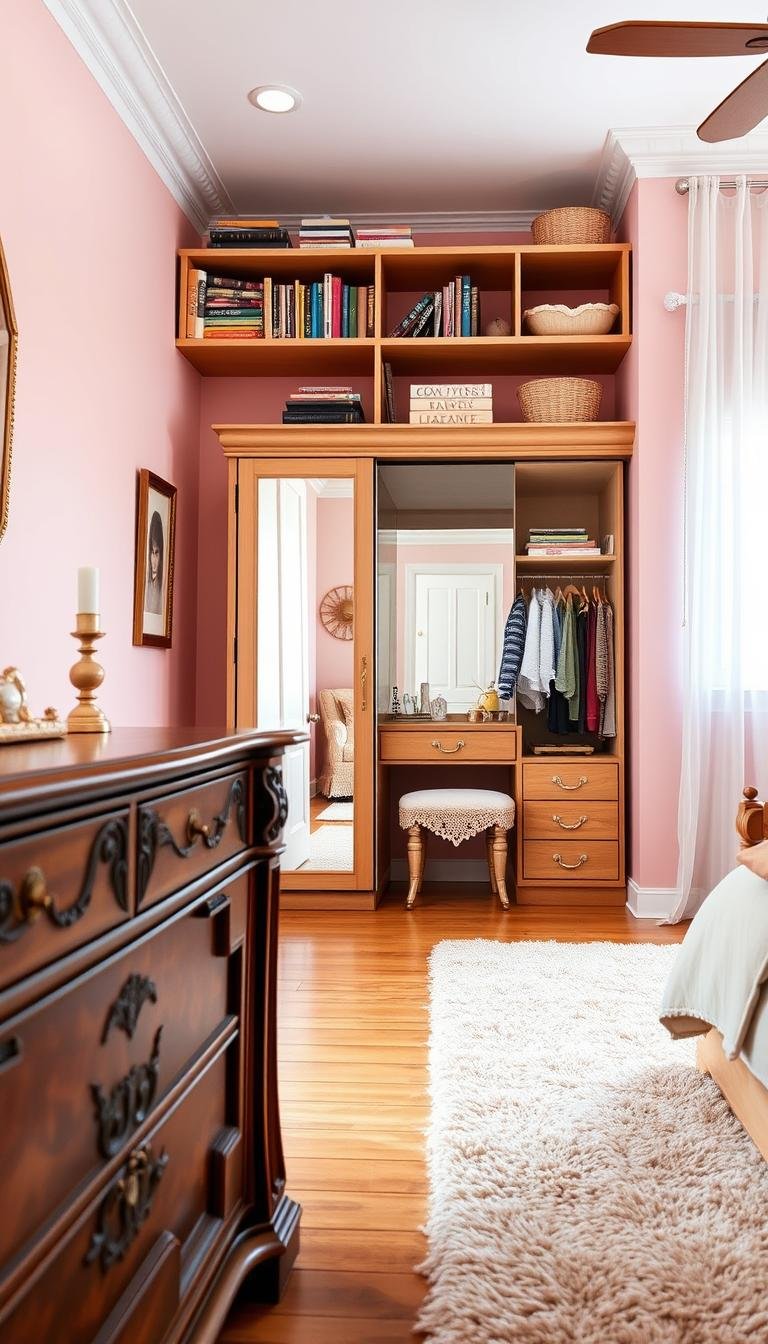
4. Tuck the Dresser into the Closet to Free Up Floor Space
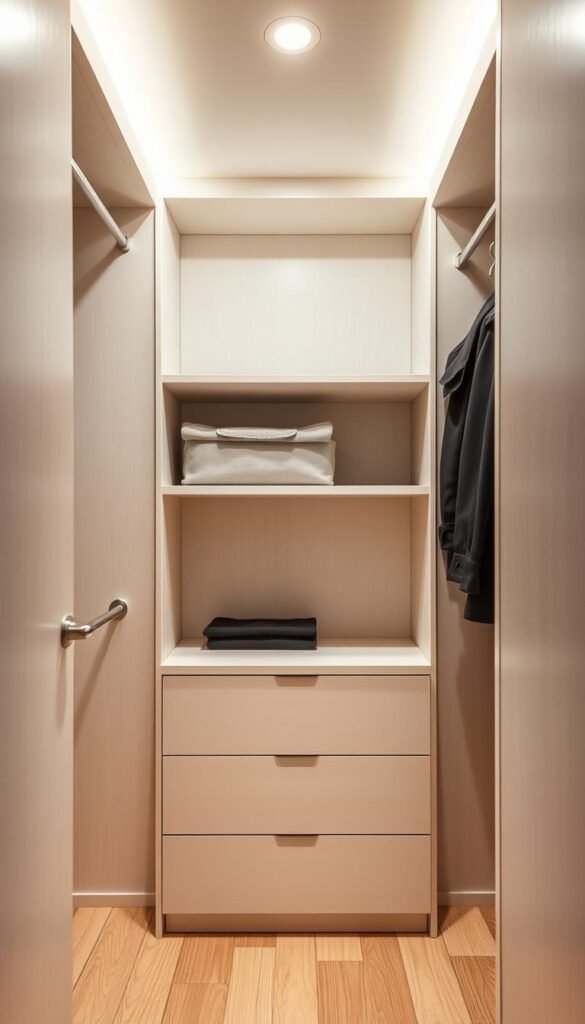
Discover a clever way to maximize your child’s room layout. Moving the dresser into the closet creates valuable open floor area in the main space.
Children’s clothing tends to be shorter than adult garments. This leaves unused vertical space at the closet bottom. You can transform this dead zone into functional storage.
Measuring your closet interior ensures proper fit. Check width, depth, and height dimensions carefully. Allow clearance for drawers to open fully.
Consolidating clothing storage creates an organized system. Everything stays in one convenient location. This reduces clutter throughout the room.
You gain valuable square footage for other uses. The extra floor space allows for more play area. It could also accommodate additional furniture pieces.
Consider ventilation when placing furniture in enclosed spaces. Ensure adequate air circulation around the dresser. This prevents moisture buildup and maintains fabric freshness.
Organize drawers for maximum efficiency:
- Top drawers: Socks, underwear, and accessories
- Middle drawers: Shirts, pants, and everyday wear
- Bottom drawers: Seasonal items and less frequently used clothing
Good lighting becomes essential in closet dresser areas. Install LED strips or battery-operated lights. These illuminate contents and make selection easier.
This setup works wonderfully for shared rooms. Each child gets their own designated dresser space. It creates personal organization within a communal area.
Maintain your closet-dresser combination with regular tidying. Schedule quick weekly checks to keep everything organized. The system remains functional and clutter-free.
You’ll appreciate how this simple change transforms the entire room. It creates a more open, spacious feeling throughout the area. Your home benefits from smarter organization.
5. Utilize Pretty Baskets and Open Bins for Easy Toy Access
Open containers transform how children interact with their belongings. They create a system that actually gets used instead of ignored.
Your child will naturally put things away when the process feels effortless. Simple solutions work better than complicated systems that require multiple steps.
Choosing the Right Styles for Your Decor
Select containers that complement your existing color scheme and theme. Natural materials like woven seagrass or cotton canvas add warmth.
Consider the overall aesthetic when picking basket textures and finishes. Matte finishes often work better than glossy surfaces for a cozy feel.
Mix different sizes for visual interest and practical needs. Small bins handle little pieces while larger ones accommodate bulkier items.
Why Lids Can Hinder Tidiness
Lid-free containers remove barriers to consistent use. Your child can quickly toss items inside without struggling with closures.
Open tops make contents visible at a glance. This helps kids find what they need without digging through multiple containers.
The simplicity encourages independent clean-up. Even young children can manage this system successfully.
Labeling helps maintain organization without complicating the system. Use picture labels for pre-readers and word labels for older kids.
Rotate basket contents as interests change. This keeps the system fresh and relevant to current play preferences.
Incorporate these solutions throughout the space. Use them on shelves, under the bed, and inside closet areas.
The right approach reduces daily clutter significantly. Your home feels more peaceful when everything has its place.
Choose materials based on what they’ll hold. Soft fabric bins work well for stuffed animals and dress-up clothes.
Sturdier plastic or woven options better handle building blocks and art supplies.
This method encourages responsibility through accessibility. Your child learns valuable habits that last a lifetime.
The system grows with changing needs and preferences. It remains functional through different developmental stages.
6. Create a Dedicated Display Shelf for Treasures and Collections
Give your child’s cherished collections a proper home with a dedicated display area. This smart solution transforms scattered items into an organized showcase while maintaining room order.
Designated shelves solve the problem of treasures piling up on surfaces. They create boundaries that keep special pieces contained yet visible. Your space stays neat while honoring your kid’s favorite things.
This approach respects your child’s collections while maintaining overall organization. It shows that you value their interests too. The system creates harmony between personal expression and tidy living.
Several shelving options work beautifully for display purposes. Floating shelves offer a clean, modern look that saves floor space. Bookcase ledges provide depth for larger items and collections.
Built-in units create a custom, integrated appearance in your room. They maximize wall use while looking like part of the original design. Each option offers different benefits for various space needs.
Position shelves at child-friendly heights for easy access and enjoyment. Your kid should reach their treasures without assistance. This encourages independent play and collection management.
Organize collections creatively to enhance visual appeal. Group items by category, color, or theme for a cohesive look. This turns the display into a decorative feature that adds personality.
Display limits actually help children curate their most special items. They learn to choose what truly matters to them. This process develops decision-making skills and appreciation for quality over quantity.
Installation varies based on your wall type and room configuration. Drywall requires appropriate anchors for secure mounting. Plaster walls may need special consideration for hardware selection.
Consider adding lighting to highlight special collections and create ambiance. LED strip lights underneath shelves make items glow beautifully. Battery-operated puck lights offer flexible placement options.
This solution reduces arguments about clutter while honoring your child’s treasures. Everyone wins when there’s a designated place for special items. The system maintains peace while celebrating individuality.
Regular maintenance keeps display areas organized and dust-free. Schedule quick weekly wipe-downs during cleaning routines. Involve your child in this process to maintain their investment in the system.
| Shelving Type | Best For | Installation Difficulty |
|---|---|---|
| Floating Shelves | Small collections, limited space | Moderate (requires wall mounting) |
| Bookcase Ledges | Books, larger items, deep collections | Easy (often bracket-mounted) |
| Built-In Units | Permanent displays, custom looks | Advanced (may require professional help) |
| Modular Systems | Growing collections, flexible arrangements | Easy to Moderate (varies by system) |
The right display solution brings joy and order to your space. It transforms clutter into curated collections that tell your child’s unique story. This approach creates a room that works beautifully while celebrating what matters most.
7. Implement Under-Bed Storage with Roll-Out Bins and Baskets
Unlock hidden potential in your child’s area with smart under-bed solutions. This often-overlooked zone offers valuable square footage for keeping things tidy.
Roll-out containers transform difficult-to-reach areas into accessible organization zones. They make retrieving stored possessions simple and frustration-free.
This approach works wonderfully in compact areas where every inch counts. You maximize your available floor space without adding bulky furniture.
The system keeps belongings out of sight yet within easy reach when needed. It reduces visual clutter while maintaining practical accessibility.
What to Store Under the Bed
Focus on items used occasionally rather than daily necessities. Seasonal clothing rotation becomes effortless with this method.
Extra bedding and pillows fit perfectly in these low-clearance spaces. They remain fresh and ready for overnight guests or special occasions.
Consider these perfect candidates for under-bed organization:
- Seasonal apparel: Winter coats, summer swimwear, or holiday outfits
- Special occasion items: Costumes, formal wear, or party decorations
- Memory keepsakes: Art projects, childhood memorabilia, or photo albums
- Rotation toys: Playthings that get cycled in and out of regular use
- Extra linens: Spare sheets, comforters, or guest bedding sets
Storing infrequently used possessions here keeps daily areas clutter-free. Your main space feels more open and peaceful.
Choosing Functional and Aesthetic Bins
Measure your bed’s clearance before selecting containers. Allow enough room for smooth rolling and easy access.
Wheels make retrieving bins much simpler than lifting heavy containers. Look for sturdy casters that glide smoothly on your flooring.
Choose materials that complement your existing decor style. Woven baskets add natural texture while plastic bins offer durability.
Clear sides help identify contents without opening each container. This saves time during seasonal rotations or item retrieval.
Consider these features when selecting your under-bed solutions:
- Low profile design: Fits comfortably beneath most standard bed frames
- Smooth gliding wheels: Ensures easy access even when fully loaded
- Secure lids: Protects contents from dust while maintaining clean appearance
- Durable materials: Withstands regular use and supports substantial weight
- Attractive finishes: Complements your room’s color scheme and style
Label each container clearly for quick identification. Use picture labels for younger children and written labels for older kids.
This organization method keeps your home running smoothly. Everything has its designated place while remaining accessible.
8. Incorporate Functional Decor with Wall Pockets and Hooks
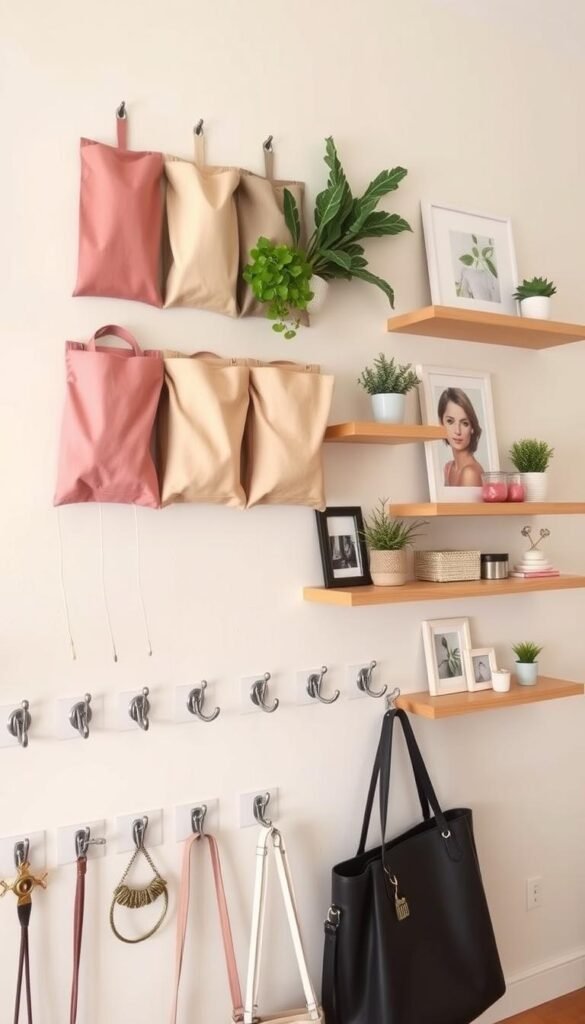
Transform your walls into smart organizational tools that combine style with purpose. These solutions add personality while keeping essentials within easy reach.
Wall systems create visual interest without consuming valuable floor space. They turn empty surfaces into functional areas that serve daily needs.
Adding Hooks for Frequently Used Items
Hook systems make tidiness effortless for everyone in your home. They require less effort than hangers, encouraging consistent use.
Position hooks at child-friendly heights for independent access. Your kid can manage their belongings without assistance.
Choose creative designs that reflect personal interests. Airplane hooks or animal shapes add playful charm to any space.
Install hooks in strategic locations throughout the area:
- Behind doors: Perfect for bags and jackets
- Near entry points: Ideal for frequently worn items
- At bedside: Great for robes and next-day outfits
Command hooks offer damage-free installation on various surfaces. They work beautifully on doors and closet interiors.
Using Wall Pockets as a Nightstand Alternative
Wall pockets provide clever storage in compact areas. They serve as excellent alternatives when floor space is limited.
These systems keep bedtime essentials organized and accessible. Reading materials, glasses, and small treasures stay within arm’s reach.
Select pockets with multiple compartments for different item types. This prevents everything from jumbling together.
Consider these perfect uses for wall pocket organization:
- Bedside reading books and magazines
- Small electronics and charging cables
- Personal care items and medications
- Writing supplies and notepads
Coordinate pocket styles with your existing decor theme. Choose colors and patterns that complement the overall design.
Regular maintenance keeps these systems functional and attractive. Schedule quick weekly checks to remove clutter.
“The easier we make our systems for household members, the more likely they’ll follow through with organization.”
These wall solutions reduce clutter on floors and other surfaces. Everything has its designated place while remaining visible.
Your home benefits from improved organization and visual appeal. These systems grow with changing needs and preferences.
9. Adopt the File Folding Method for Drawer Organization
Transform how you handle clothing storage with a revolutionary folding technique. This simple approach changes everything about drawer organization for children’s garments.
The file method works by standing folded items vertically rather than stacking them horizontally. This creates a neat filing system where everything remains visible at a glance.
How File Folding Saves Space and Reduces Mess
Traditional stacking creates hidden items that get forgotten and messy. The vertical approach eliminates digging through piles to find what you need.
Your child can see all their options without disrupting the entire drawer. This maintains order while making selection simple and independent.
The method maximizes available space within each compartment. You’ll fit more items comfortably without overcrowding.
Here’s why this system works particularly well for young ones learning to dress themselves:
- Complete visibility: No more buried favorites or forgotten pieces
- Easy access: Items slide out smoothly without disturbing others
- Natural organization: Categories stay separated and orderly
- Independence building: Children manage their own choices confidently
Start with basic t-shirts to master the technique. Lay the garment flat and fold sides toward the center. Then fold in thirds from bottom to top, creating a compact rectangle.
Pants require a slightly different approach. Fold legs together neatly, then fold in half or thirds depending on drawer depth.
Organize folded items by category within each drawer. Group short sleeves, long sleeves, pants, and pajamas separately.
Use drawer dividers to maintain sections if needed. These help keep categories from mixing together over time.
The system handles laundry cycles beautifully. Simply fold clean items and file them back into their designated spots.
Seasonal changes become straightforward with this method. Rotate clothing in and out while maintaining the same organized system.
Some garments work better with slight variations. Bulkier sweaters might need different folding techniques than lightweight tees.
Adjust the method based on your drawer dimensions. Deeper drawers might accommodate taller folds while shallow ones need compact versions.
If items tend to tip over, try these simple solutions:
- Fill the drawer completely to support vertical positioning
- Use shallower containers within deeper drawers
- Fold items to similar sizes for better stability
The initial time investment pays off in long-term organization benefits. You’ll spend less time searching and rearranging later.
This approach reduces visual clutter while maximizing functionality. Your space stays neat and efficient.
Children appreciate the simplicity and independence this system offers. They become active participants in maintaining their organization.
The file folding method transforms ordinary storage into an efficient, child-friendly system. It creates order that actually works for daily life.
10. Designate Zones for Sleeping, Playing, and Getting Dressed
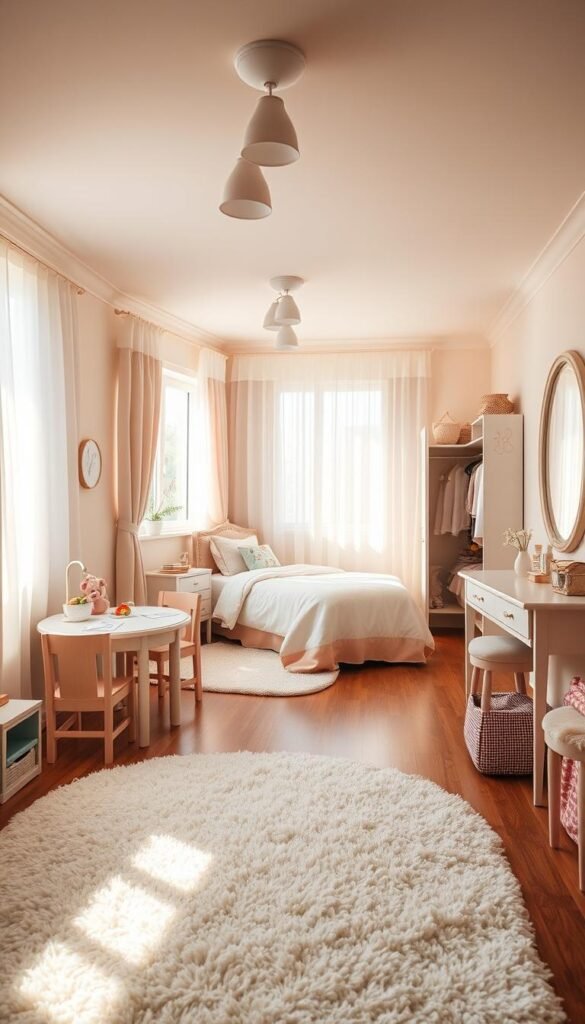
Creating activity zones transforms any room into a highly functional space that stays organized naturally. This approach works beautifully in homes where one room serves multiple purposes throughout the day.
Zoning helps children mentally transition between different activities like rest and play. Each area has its own purpose and storage solutions. This system reduces clutter by giving every item a designated home.
Using Furniture to Define Room Zones
Your existing furniture naturally creates boundaries within the space. Beds instantly mark sleeping areas while tables define activity zones. This method maintains an open feel while providing clear organization.
Position furniture to create logical flow between different zones. Keep dressing areas near closets and play spaces open for movement. Reading nooks benefit from quiet corners with good lighting.
Consider these smart zoning strategies for various room sizes:
- Small rooms: Use multi-functional furniture like storage beds or fold-down tables
- Shared spaces: Create personal zones for each child using room dividers or shelving units
- Odd layouts: Work with architectural features like alcoves or angled walls
Visual boundaries make zoning even more effective. Area rugs define spaces beautifully while adding comfort and style. Different lighting types help set the mood for each activity zone.
Color schemes can reinforce your zoning strategy. Paint accent walls or use colorful storage solutions. This creates visual cues that help children understand each area’s purpose.
Storage solutions should match each zone’s specific needs. Keep art supplies in the creative area and books in reading nooks. Everything remains conveniently located where it gets used most.
The time-saving benefits become apparent quickly. No more searching for items across the entire room. Each activity has its dedicated space with all necessary materials.
This system adapts beautifully as your child grows and interests change. Zones can evolve from play areas to study spaces. The organizational foundation remains solid through different stages.
Involve your child in creating and maintaining these special zones. They’ll take pride in their organized space. The result is a room that works perfectly for everyone in the home.
11. The Best Girls Bedroom Storage Ideas That Look Pretty Use Vertical Space
When floor space becomes limited, look to your walls for creative organization opportunities. Vertical solutions maximize your available area without crowding the room.
This approach keeps floor space clear for play and movement. Your child enjoys more room for activities while everything stays organized.
Installing Shelving Units and Book Ledges
Shelving units transform empty walls into functional storage areas. They create valuable space for books, treasures, and daily essentials.
Consider different shelving options based on your needs. Bookcases offer deep storage for larger items. Floating shelves provide a clean, modern look.
Built-in units create custom solutions that maximize your specific wall space. They integrate seamlessly with your room’s design.
Book ledges make reading materials accessible for young children. They can see covers clearly and reach books independently.
Installation varies based on your wall type and weight requirements. Drywall needs appropriate anchors for secure mounting.
Always consider weight capacity when loading shelves. Distribute items evenly to maintain stability and safety.
Considering a Pegboard for Small Accessories
Pegboard systems organize small accessories beautifully. They keep everything visible and within easy reach.
Customize your pegboard with different hook styles and containers. Paint it to match your room’s color scheme for added appeal.
This solution works perfectly for art supplies and small treasures. Everything has its designated place while remaining accessible.
Use clear containers on hooks for tiny items like beads or buttons. Labels help maintain organization as collections grow.
Pegboards adapt to changing needs over time. You can rearrange hooks and containers as interests evolve.
Safety remains paramount with wall-mounted storage. Ensure all installations are secure and appropriate for your child’s age.
Regular maintenance keeps vertical systems organized and dust-free. Quick weekly wipe-downs maintain cleanliness and order.
Vertical storage solutions grow with your child’s changing needs. They provide long-term organization that adapts through different stages.
12. Choose a Nightstand with Drawers for Hidden Storage
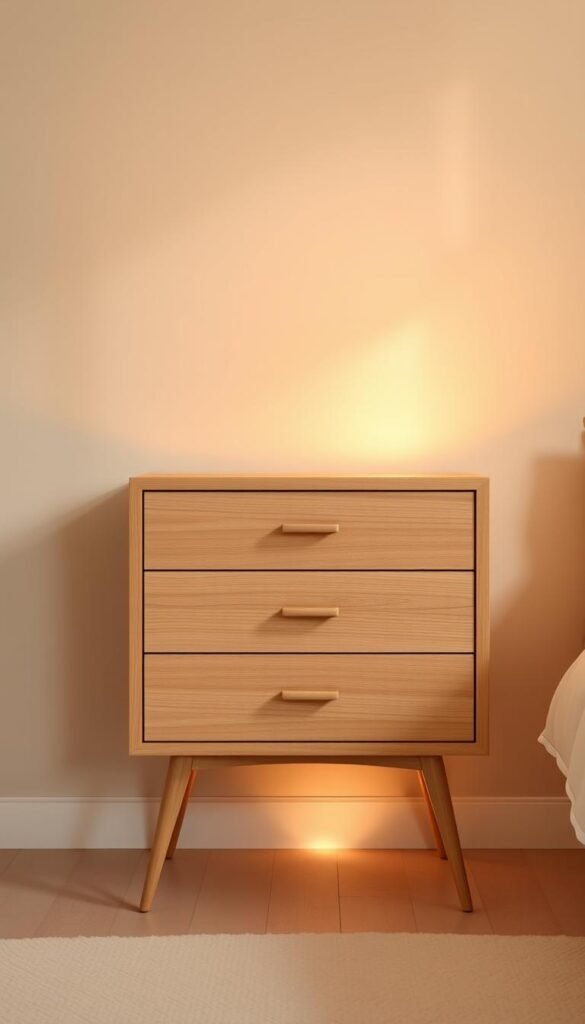
A bedside table with concealed compartments transforms your child’s sleeping area. This smart solution keeps essentials nearby while maintaining a clean appearance.
Nightstands with drawers provide valuable hidden storage in compact spaces. They create designated homes for bedtime necessities without visual clutter.
Selecting the right piece depends on your available space and needs. Measure the area beside the bed carefully before shopping. Consider both width and depth for proper fit.
Look for nightstands offering sufficient drawer space while fitting your constraints. Multiple smaller compartments often work better than one large drawer. This allows better organization of different items.
Common bedside essentials work perfectly in these hidden spaces. Keep reading materials, small treasures, and personal care items within easy reach. Everything stays accessible yet out of sight.
Proper drawer systems prevent surfaces from becoming cluttered. Your child develops better habits when everything has its place. The room maintains a peaceful atmosphere.
For smaller spaces, consider creative alternatives to traditional nightstands. Wall-mounted shelves with baskets offer similar functionality. Small carts with drawers provide mobile solutions.
Safety remains crucial when selecting bedside furniture. Choose stable pieces that won’t tip easily. Round edges prevent bumps and injuries.
Coordinate the nightstand style with your overall decor theme. Matching finishes create a cohesive look throughout the space. Your child enjoys a beautifully designed environment.
Maximize drawer space with smart organization strategies. Use dividers to separate different categories of stuff. Small containers keep tiny items from getting lost.
Accessible bedside storage supports independence during routines. Your kid can manage their own bedtime preparations. This builds confidence and responsibility.
Regular maintenance keeps drawers organized and functional. Schedule quick weekly checks to remove unnecessary clutter. The system remains efficient long-term.
“Smart storage solutions should work so seamlessly that they become invisible to daily life while remaining perfectly functional.”
This approach reduces visual chaos while keeping essentials handy. Your child’s space stays beautiful and practical. Everyone enjoys a more organized home.
13. Repurpose Furniture for Double-Duty Functionality
Get creative with furniture you already own to maximize your child’s space. This smart approach saves money while adding clever organization throughout the room.
Many pieces serve multiple purposes with simple adjustments. You transform ordinary furniture into extraordinary solutions. This method works beautifully in compact areas.
Using a Bookcase in the Closet for Toys
Transform unused closet space into a hidden play zone. Chelsea from Two Twenty One demonstrates this brilliant concept. A standard bookcase fits perfectly inside most closets.
This system keeps toys organized yet out of sight when not in use. Your main area stays clutter-free while everything remains accessible. The closet becomes a multifunctional space.
Measure your closet interior before selecting a bookcase. Ensure proper clearance for doors to close completely. Adjustable shelves accommodate various toy sizes.
Safety remains crucial with this setup. Secure the bookcase to wall studs for stability. This prevents tipping during enthusiastic play sessions.
Turning a Dresser into a Changing Table
Emily Henderson’s nursery solution showcases brilliant repurposing. She placed a changing pad atop an existing dresser. This creates a functional station without buying new furniture.
The dresser drawers provide convenient storage for essentials. Keep diapers, wipes, and clothing within arm’s reach. Everything stays organized in one central location.
Choose a dresser with appropriate height for comfortable use. The top should sit at waist level for easy access. This prevents strain during frequent changes.
Secure the changing pad properly to prevent sliding. Use anti-slip mats or safety straps for added security. Your baby stays safe during diaper changes.
Other creative repurposing ideas include:
- Shelves as room dividers: Create separate zones while providing display space
- Storage benches: Offer seating while hiding toys and supplies inside
- Ladder shelves: Provide vertical storage with a decorative touch
Multifunctional furniture supports better organization through designated spaces. Each item serves specific purposes while reducing overall clutter. Your home benefits from this efficient approach.
“The most functional spaces often come from reimagining what we already own rather than constantly acquiring new pieces.”
Customization makes repurposed furniture match your decor perfectly. Paint pieces to coordinate with your color scheme. Add decorative hardware for personal flair.
Regular maintenance keeps these systems working beautifully. Check stability periodically as your child grows. The furniture adapts to changing needs over time.
14. Bringing It All Together for a Tidy and Beautiful Room
You’ve now explored smart ways to create an organized, functional space. These systems work together to keep your child’s area neat and welcoming.
Start with one area at a time to avoid overwhelm. Celebrate small victories as you implement each new organization method. Your kid will enjoy participating when it feels like a fun project.
Maintain your systems with quick weekly check-ins. Rotate items as interests change and needs evolve. This keeps everything fresh and relevant.
Remember that good habits develop over time. Your child learns responsibility through accessible, easy-to-use storage solutions. These skills benefit them throughout life.
A well-organized home reduces daily stress for everyone. It creates harmony and makes daily routines smoother. Enjoy your beautiful, functional space together!