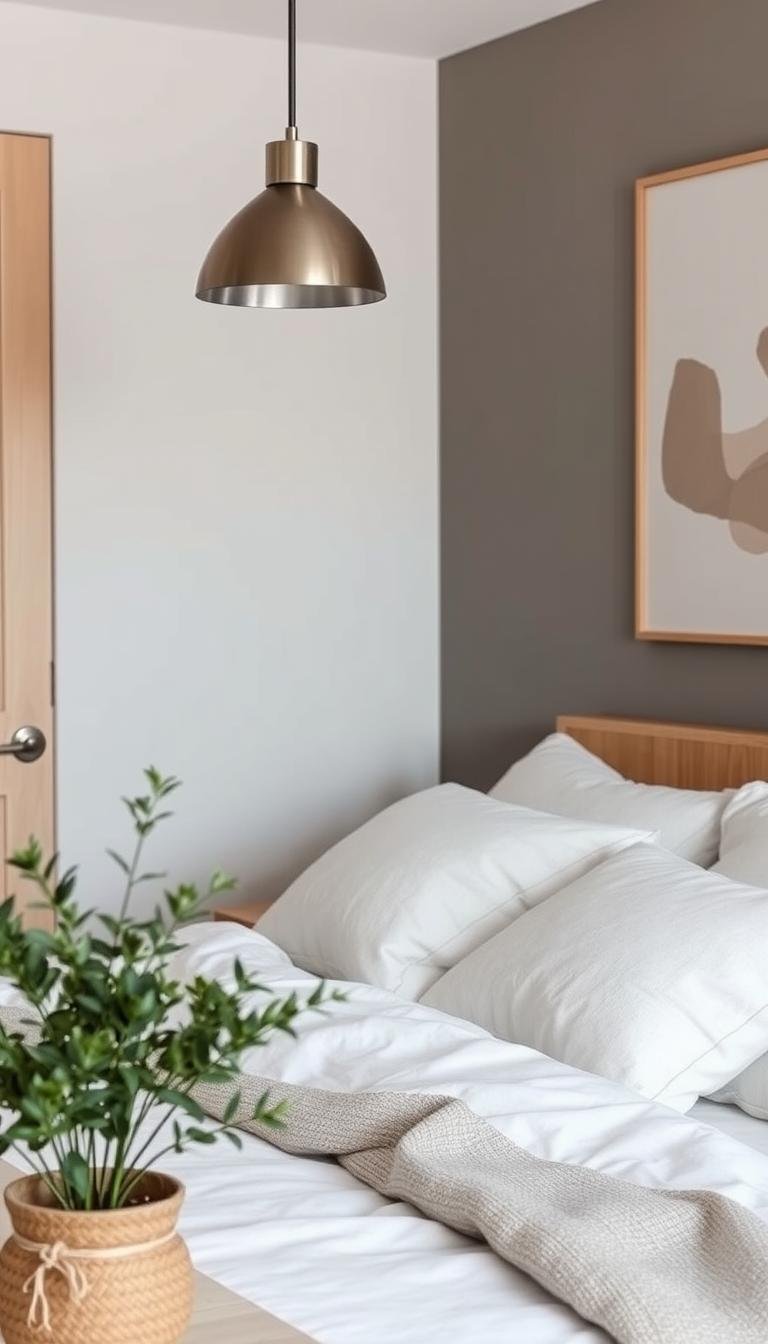
Welcome to your complete guide for creating the perfect neutral sleeping space. We’ll show you how to transform your personal retreat into a serene sanctuary.
Many people think neutral tones are boring. But they actually create the most inviting and stylish environments when done right.
These soft, natural colors work with many design styles. They allow for endless layering of textures and tones in your personal space.
This approach creates a calming atmosphere that feels both timeless and cozy. Your room becomes the ultimate escape from daily stress.
Get ready to discover practical tips and inspiring ideas. We’ll help you create a space full of character and sophisticated elegance.
You’ll learn how subtle contrasts and thoughtful lighting add depth. Carefully selected pieces bring warmth to your neutral retreat.
Embrace the journey of creating a space that reflects your personal style. The result is a thoughtfully layered sanctuary you’ll love.
1. Introduction: Crafting Your Serene Beige Retreat
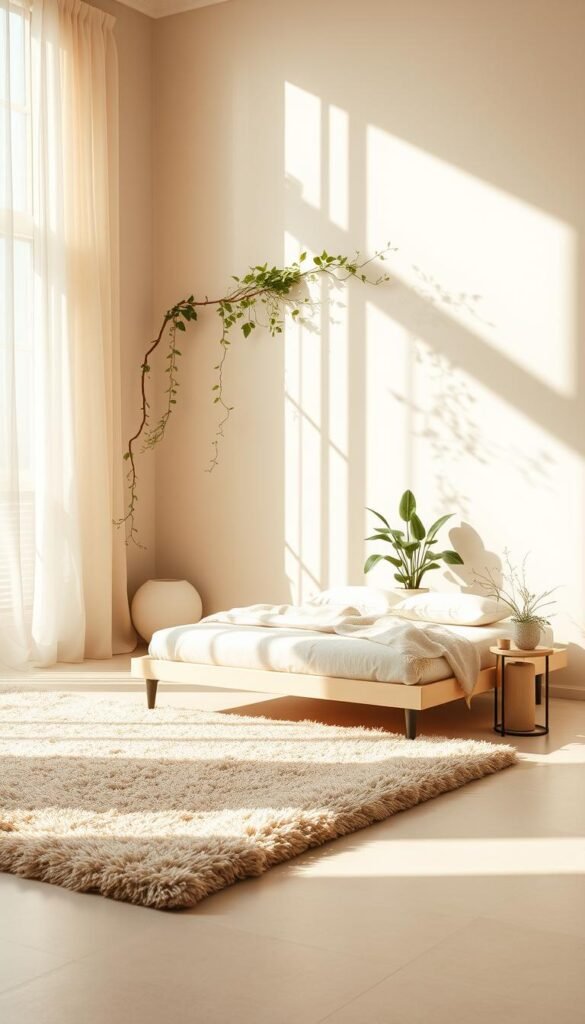
Your journey to a calming personal oasis begins with thoughtful consideration of color undertones. The secret to making your space feel intentional lies in how these subtle variations interact with natural light throughout the day.
Understanding warm versus cool undertones transforms your entire atmosphere. Warm tones create inviting coziness that welcomes you home. Cool tones bring refined contemporary elegance to your personal sanctuary.
These subtle temperature shifts create completely different perceptions. Even shades that technically fall under the same color category can feel worlds apart. This attention to detail prevents your space from feeling flat or monotonous.
Testing multiple paint swatches at different times is absolutely crucial. Morning light reveals different qualities than evening artificial lighting. Natural daylight shows the truest representation of how colors will appear in your space.
You can intentionally mix undertones for perfect balance. If your walls lean warm, bring in cooler neutrals through bedding or furniture. This creates sophisticated contrast without visual clash.
Small design choices make a significant impact. Quilted duvets with crisp white sheets add beautiful dimension. Textured pillows in mixed tones prevent monotony while maintaining harmony.
Paying close attention to these subtle differences creates effortless sophistication. Your space becomes more than just another neutral interior. It transforms into a thoughtfully layered retreat that reflects your personal style.
These foundational choices set the stage for everything that follows. They ensure your sanctuary feels both timeless and personally meaningful. The result is a space that truly serves as your peaceful escape.
2. The Foundation: Choosing Your Beige Wall Color

Your wall color sets the entire mood for your personal sanctuary. It’s the canvas upon which all other elements will build.
Selecting the perfect shade requires understanding how light affects color throughout the day. Natural light reveals the truest character of your chosen tones.
Warm Undertones vs. Cool Undertones
Warm undertones create an inviting atmosphere that feels cozy and welcoming. These shades often have hints of yellow, peach, or pink.
Cool undertones bring sophisticated elegance to your space. They typically feature gray, blue, or green bases that feel fresh and modern.
Mixing both undertones creates beautiful depth and dimension. This approach prevents your room from feeling one-dimensional.
“The right wall color doesn’t just decorate your space—it transforms how you experience it every day.”
Testing Swatches in Your Light
Always test paint samples on your actual walls before committing. Colors look dramatically different in various lighting conditions.
Observe samples during morning, noon, and evening hours. Artificial lighting at night changes how colors appear to your eye.
Consider how your wall color interacts with flooring and textiles. A cohesive color story creates harmony throughout your entire space.
| Light Condition | Warm Undertones | Cool Undertones |
|---|---|---|
| Morning Light | Appears softer, more golden | Shows crisp, clean character |
| Afternoon Sun | Becomes richer, more intense | Maintains calm, steady presence |
| Evening Artificial Light | Feels cozier, more intimate | Appears more muted, sophisticated |
Your final choice should feel right in all lighting conditions. Trust your instincts—the color that makes you feel most at peace is the perfect one.
3. Grounding the Space: Selecting the Perfect Neutral Area Rug
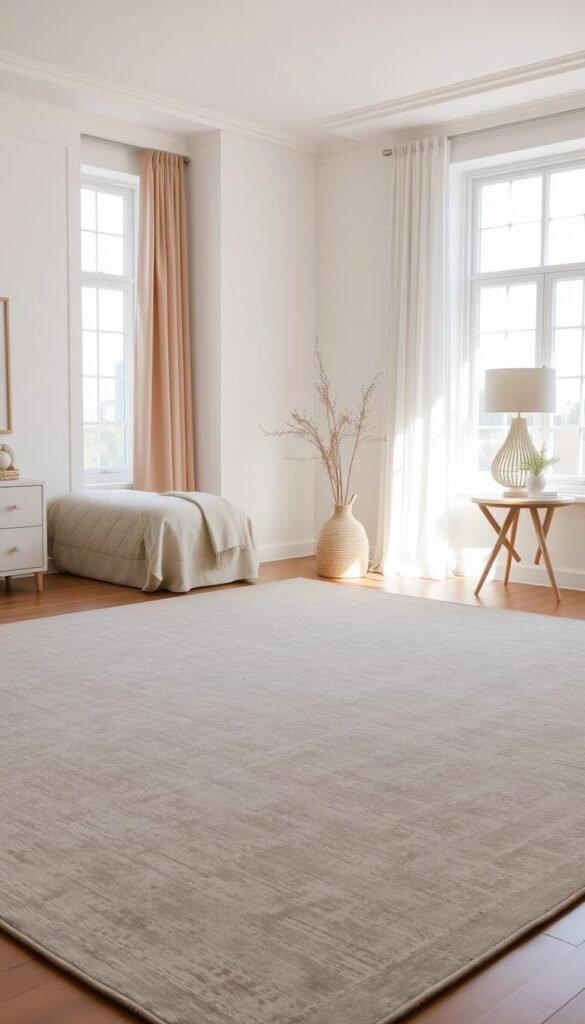
Your floor covering plays a crucial role in defining the comfort and style of your personal retreat. The right rug anchors your entire layout while adding warmth underfoot.
Neutral floor coverings create a seamless flow between furniture pieces. They allow other elements in your space to shine without competing for attention.
Consider size and placement carefully. Your rug should extend beyond the sides of your bed for balanced proportions. This creates a unified foundation for your entire sleeping area.
Plush and Textured Rugs for Coziness
Soft, high-pile rugs transform your morning experience. Stepping onto plush carpeting feels like a gentle welcome each day.
Textured varieties add visual interest through subtle patterns. Loop piles and cut piles create dimension without bold colors.
These cozy options work beautifully with upholstered headboard designs. They enhance the luxurious feel of tufted or padded styles.
Natural Fiber Rugs for an Organic Feel
Jute, sisal, and seagrass rugs bring nature’s texture indoors. Their earthy tones complement neutral color schemes perfectly.
These materials introduce wonderful tactile variety. They pair exceptionally well with rattan or cane furniture pieces.
Natural fiber options support a relaxed, organic design approach. They create casual elegance that feels both current and timeless.
| Rug Type | Best For | Maintenance Level |
|---|---|---|
| Plush Wool | Maximum comfort underfoot | Medium – requires regular vacuuming |
| Textured Polyester | Durability and stain resistance | Low – easy spot cleaning |
| Jute/Sisal | Natural aesthetic and texture | Medium – avoid moisture |
| Cotton Flatweave | Lightweight and washable options | Low – machine washable |
Your rug selection should complement your overall vision. It works with your wall color and furniture to create harmony.
The perfect foundation makes your space feel complete and intentional. It’s the finishing touch that ties everything together beautifully.
4. The Centerpiece: Investing in a Statement Beige Headboard
The right headboard transforms your bed from functional furniture into a stunning focal point. This central element establishes the design direction for your entire personal sanctuary.
Your headboard choice creates visual impact while providing comfortable support. It works beautifully with your chosen bedding to create a cohesive look.
Upholstered and Tufted Designs
Upholstered headboards bring luxurious comfort to your sleeping space. They offer soft padding for reading or relaxing against.
Tufted designs add elegant texture through button details. This creates visual interest without overwhelming your neutral palette.
These styles pair wonderfully with crisp white bedding for contrast. The clean lines complement plush textures beautifully.
Consider velvet or linen fabrics for different feels. Both materials work well with various tones in your space.
Natural Material Headboards (Rattan, Cane)
Rattan and cane headboards introduce organic texture to your room. They create a relaxed, breezy feeling that feels both current and timeless.
These natural materials allow light to filter through beautifully. This creates lovely shadow patterns throughout the day.
Pair these headboards with textured throws and pillows for balance. The combination feels both sophisticated and casually elegant.
Natural material headboards work with various white bedding options. They create a harmonious blend of textures and materials.
Your headboard becomes the foundation for your entire bedding ensemble. Choose one that reflects your personal style and comfort needs.
5. The Art of Layering Bedding in Beige Tones
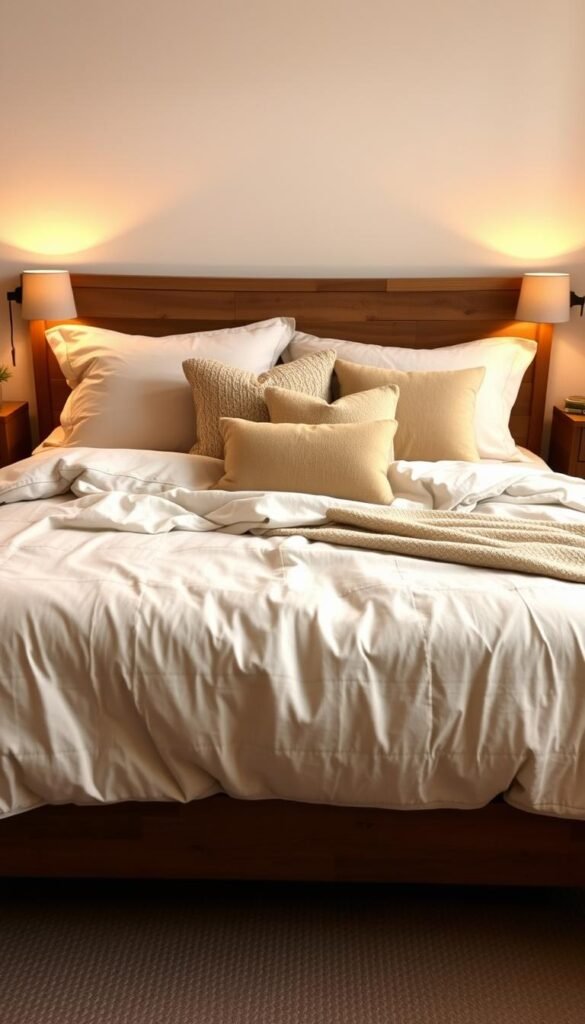
Building beautiful bedding layers starts with understanding how textures and tones work together. This approach creates depth and dimension that transforms your sleeping area.
Thoughtful layering makes your space feel both luxurious and inviting. It’s about creating visual interest while maintaining harmony throughout.
Crisp White Sheets as a Base
Begin with high-quality white sheets as your foundation. This clean base allows other elements to shine beautifully.
White bedding creates wonderful contrast against softer tones. It makes your entire ensemble feel fresh and well-maintained.
Choose cotton or linen for breathable comfort. These natural materials work with various design styles seamlessly.
Textured Beige Duvets and Quilts
Add a textured duvet or quilt in soft, earthy tones. These pieces introduce wonderful visual interest through their fabric patterns.
Quilted designs create beautiful dimension across your bed surface. They work beautifully with your crisp white foundation.
Consider matelassé or waffle weaves for added texture. These details prevent your space from feeling flat or monotonous.
Now comes the fun part – adding decorative elements. Strategic pillow and blanket placement transforms your bed into a magazine-worthy focal point.
Mix different pillow sizes for professional styling. Combine standard shams with smaller accent pieces for balanced proportions.
Vary your pillow materials for dimensional appeal. Try velvet, linen, and cotton textures that complement each other beautifully.
An uneven number of throw pillows creates the most appealing arrangement. Three works perfectly for most bed sizes.
Chunky knit blankets add wonderful warmth and texture. Drape one casually across the foot of your bed for effortless style.
Faux fur throws introduce luxurious softness to your ensemble. They create cozy appeal while maintaining your neutral palette.
These final touches make your space feel complete and intentional. They’re both functional comfort elements and decorative accents.
6. Adding Dimension with Throw Pillows and Blankets
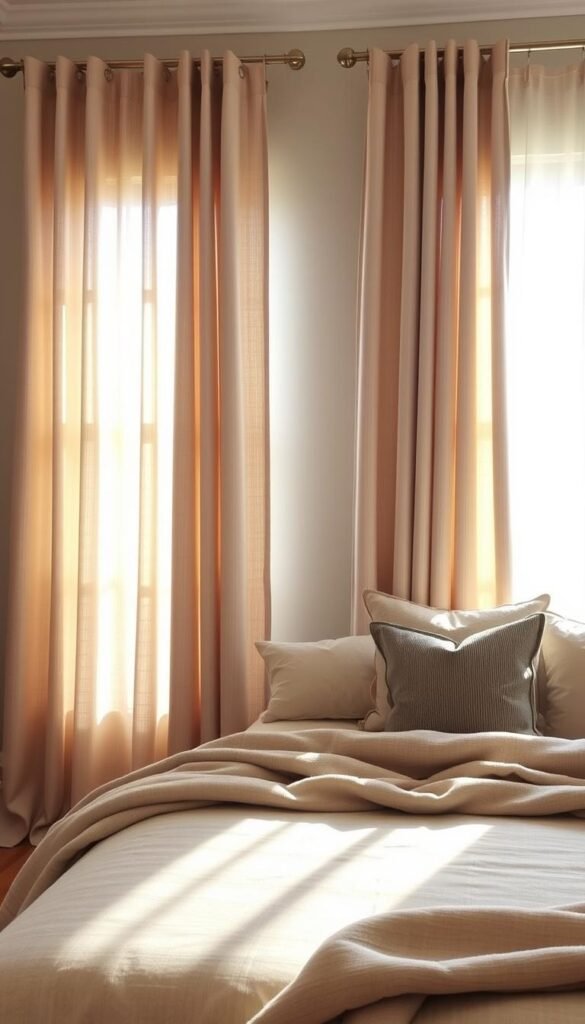
Your window treatments work magic in transforming your personal space’s atmosphere. They control natural light while adding beautiful texture to your design.
Sheer white curtains create an airy, dreamy quality throughout your room. They filter sunlight gently, giving your space a soft glow.
These lightweight fabrics maintain privacy while letting natural light shine through. They create a relaxed, breezy vibe that feels both fresh and calming.
Mixing Pillow Sizes and Textures
Linen curtains in soft neutral tones add warmth and depth to your area. Their natural texture complements various design elements beautifully.
These window treatments block harsh sunlight when you need rest. They also contribute significantly to your overall aesthetic vision.
Choose slightly darker neutral curtains for sophisticated dimension. Taupe-leaning shades create beautiful depth against lighter wall colors.
Chunky Knit and Faux Fur Throws
When your bed sits before a window, coordination matters most. Select curtains that complement your bedding palette perfectly.
Window treatments introduce wonderful texture through material choices. Linen, cotton, and sheer fabrics each bring unique qualities.
Curtains frame your windows while adding soft movement to your design. They create visual interest without overwhelming your neutral scheme.
The right window treatments can make your room feel larger. Strategic light control creates an airy, spacious atmosphere.
Balance privacy needs with your aesthetic goals through layered approaches. Sheer curtains under heavier drapes offer both function and style.
“Great window treatments don’t just cover windows—they sculpt light and define the entire mood of your space.”
This thoughtful touch completes your serene sanctuary beautifully. Your windows become integrated design elements rather than just functional features.
7. Window Treatments for a Soft, Diffused Light
Window coverings transform how light enters your personal space. They create atmosphere while serving practical needs for privacy and light control.
The right treatments sculpt sunlight into soft, inviting patterns. They add texture and movement to your design without overwhelming your palette.
Sheer White Curtains for Airiness
Sheer white curtains filter sunlight beautifully throughout the day. They create a dreamy, ethereal quality that feels both fresh and calming.
These lightweight fabrics maintain privacy while maximizing natural light. They work wonderfully with various design styles from modern to traditional.
Sheer curtains add soft movement to your space. They catch breezes gently, creating dynamic visual interest.
Linen Beige Curtains for Warmth
Linen curtains in soft neutral tones add wonderful texture and warmth. Their natural weave complements organic materials like wood and rattan.
These treatments block harsh sunlight when you need rest. They create a cozy, intimate atmosphere during evening hours.
Linen’s subtle texture adds depth without bold patterns. It works beautifully with your overall decor scheme.
Consider curtain length carefully for professional styling. Floor-length treatments create elegant vertical lines that enhance room height.
Layer sheer and solid curtains for maximum flexibility. This approach offers both light filtering and blackout capabilities.
Your window treatments should complement other textile elements. Coordinate with bedding and accent pillows for cohesive appeal.
“The right window treatment doesn’t just cover glass—it transforms how you experience light and space throughout the day.”
Curtain hardware contributes to your overall aesthetic. Choose simple rods in finishes like brushed gold or matte black.
These finishing touches complete your window treatment installation beautifully. They add subtle sophistication without overwhelming your design.
Your windows become integrated design features rather than functional necessities. They contribute significantly to your serene sanctuary’s atmosphere.
8. Incorporating Texture Through Decor Accents
Your final layer of design comes through carefully chosen decorative pieces. These elements add personality and tactile interest to your personal space.
Textured accents prevent your room from feeling flat or one-dimensional. They create visual depth while maintaining your serene color story.
Thoughtful placement makes each piece feel intentional. Your selections should complement rather than compete with your overall design.
Ceramic Vases and Sculptural Objects
Ceramic pieces bring wonderful texture through their glazed surfaces. They catch light beautifully throughout the day.
Choose vases with interesting shapes and subtle color variations. These become sculptural elements on your nightstand or dresser.
Matte finishes create soft visual interest against glossy surfaces. This contrast adds sophistication without bold colors.
Place a single stem in a beautiful vase for simple elegance. This approach feels curated rather than cluttered.
Woven Baskets and Trays
Woven elements introduce natural texture to your space. They work beautifully with other organic materials.
Baskets provide stylish storage solutions while adding visual appeal. Use them to organize blankets or magazines.
Wooden trays corral smaller items on surfaces. They create order while contributing to your design story.
These functional pieces serve dual purposes in your room. They’re both practical and decorative.
| Accent Type | Texture Contribution | Placement Ideas |
|---|---|---|
| Ceramic Vases | Glossy or matte surfaces | Nightstand, dresser top |
| Sculptural Objects | Three-dimensional interest | Shelves, floating shelves |
| Woven Baskets | Natural fiber texture | Floor, under side tables |
| Wooden Trays | Grain patterns | Dresser top, ottoman |
9. The Impact of Architectural Details and Molding
You’ve journeyed through creating a space that balances serenity with personal style. Your attention to undertones, textures, and lighting has transformed your room into a true retreat.
This neutral palette offers endless possibilities for your personal expression. Whether you prefer modern minimalism or cozy layered comfort, these ideas help create intentional design.
Your master bedroom now reflects both visual appeal and comforting relaxation. It’s a timeless sanctuary that welcomes you home each day.
Enjoy your beautifully designed space that offers both style and peace. This is your personal oasis crafted with care and creativity.