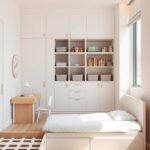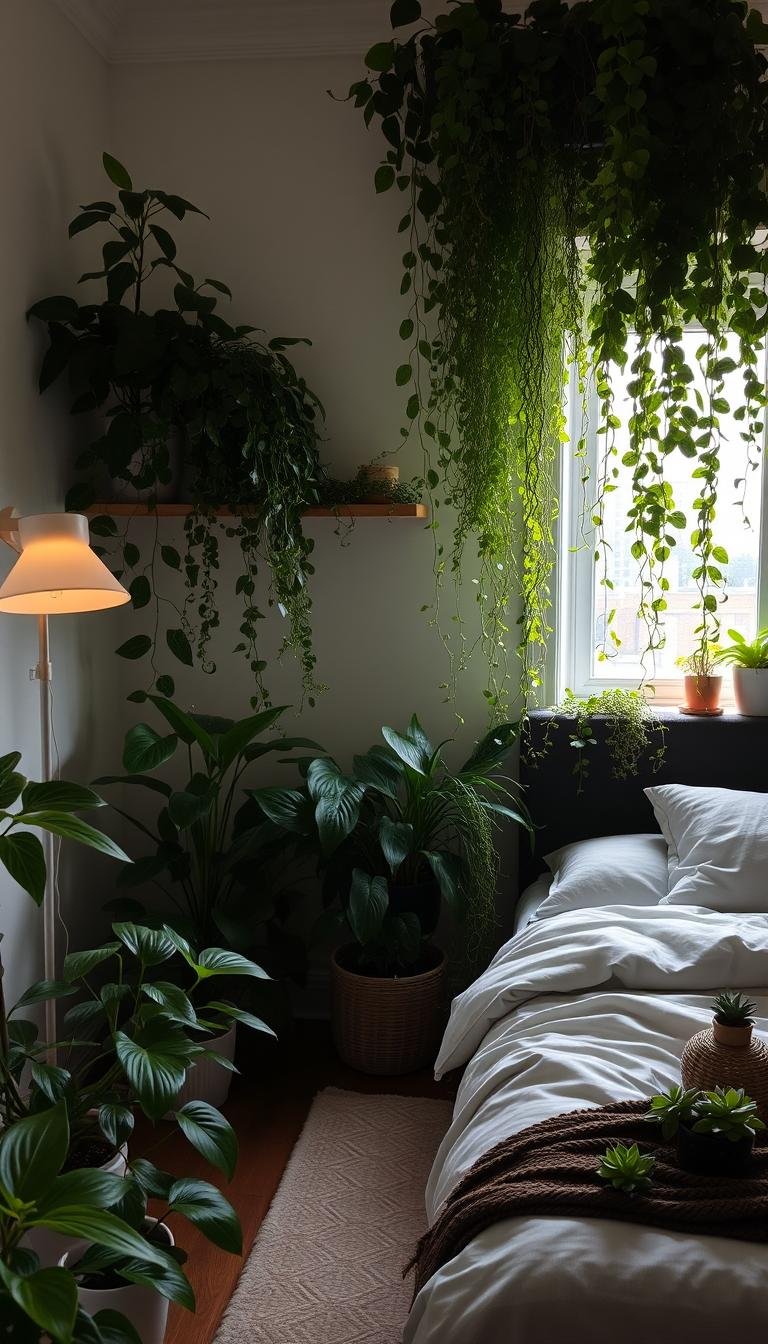
Imagine transforming your personal space into a fresh, vibrant sanctuary. Greenery can bring life to any room while working hard behind the scenes.
These natural elements serve dual purposes. They create visual appeal while actively improving your air quality.
Even small additions make a big impact on your room’s atmosphere. You’ll notice better sleep and a more serene environment.
Our guide shows how easy it is to get started. You’ll find practical ideas that work for any space and skill level.
Let’s explore how to create your perfect wellness-focused retreat with simple, effective touches of nature.
Why Your Bedroom Needs Plants for Better Sleep and Air Quality
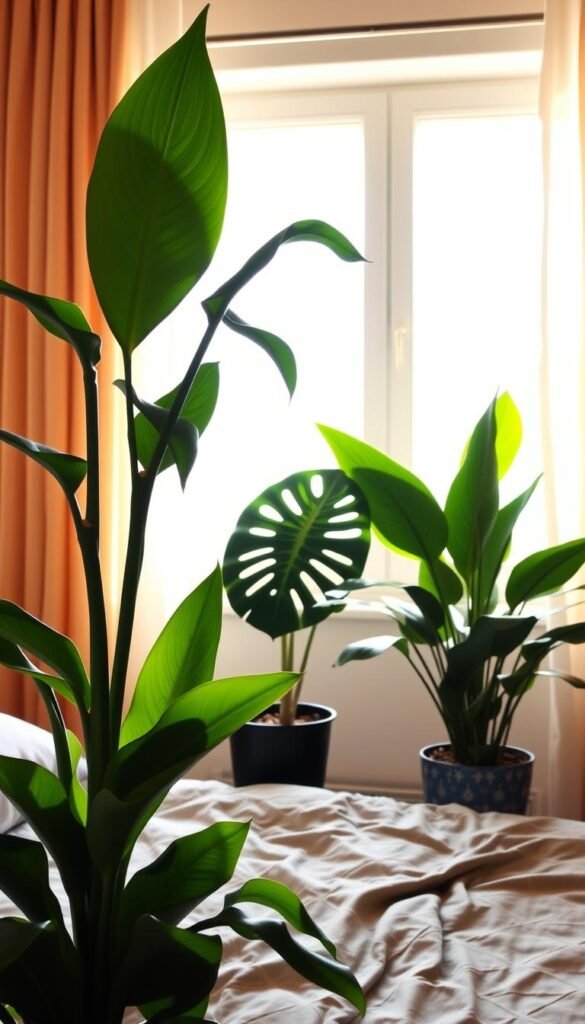
Scientific research reveals how greenery revolutionizes indoor environments. These natural companions work tirelessly to enhance your wellbeing while you rest.
The Science Behind Plants and Air Purification
NASA’s Clean Air Study demonstrated how certain species remove toxins from enclosed spaces. They found that common varieties can eliminate up to 87% of airborne pollutants within 24 hours.
Plants absorb harmful substances through their leaves and roots. They break down chemicals like formaldehyde and benzene into harmless compounds.
This natural filtration system operates continuously. Your green companions work even when you’re asleep, creating cleaner breathing environments.
Different species offer varying purification capabilities. Some excel at removing specific toxins while others boost oxygen production.
The cumulative effect of multiple green companions creates a healthier atmosphere. Research suggests 2-3 medium-sized specimens per 100 square feet provide optimal air cleaning benefits.
How Greenery Impacts Your Sleep Patterns
Natural oxygen production during nighttime hours supports restful sleep. Certain species release oxygen at night rather than during daylight hours.
This process increases oxygen levels in your sleeping space. Higher oxygen concentrations promote deeper, more restorative rest cycles.
The psychological effects of living greenery reduce stress hormones. Visual connections to nature lower cortisol levels and calm nervous system activity.
Natural humidity regulation through transpiration prevents respiratory discomfort. Moisture release maintains ideal humidity levels for comfortable breathing.
Soothing fragrances from flowering varieties encourage relaxation. These natural aromas can lower heart rate and prepare your body for sleep.
Creating a microclimate with multiple green elements supports overall sleep quality. The combined effects work synergistically to enhance your nightly rest experience.
Choosing the Right Plants for Your Sleeping Space
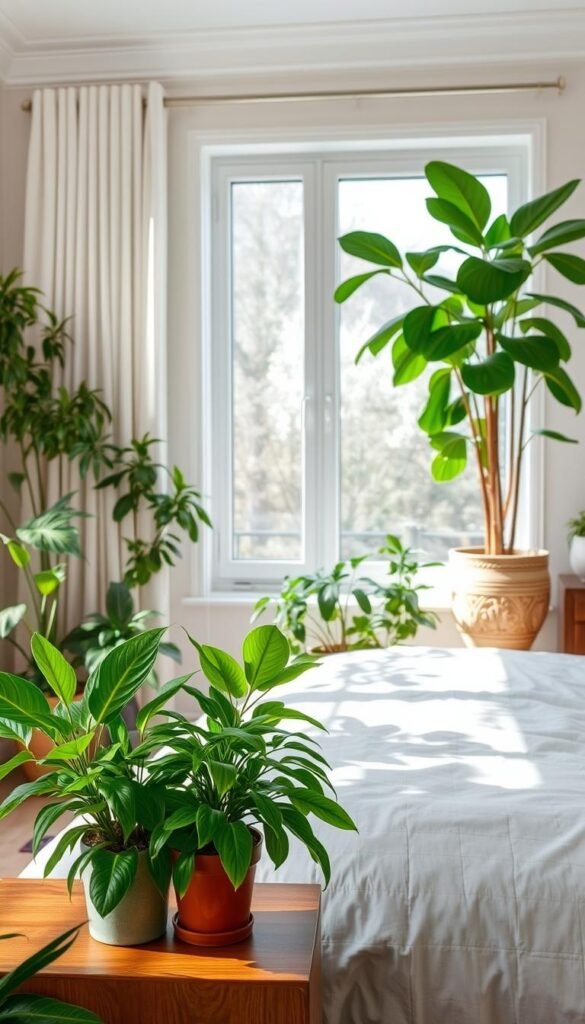
Finding the perfect green companions starts with understanding your room’s unique conditions. You’ll want to match specimens to your light availability, lifestyle needs, and design preferences.
Begin by observing how sunlight moves through your space throughout the day. Notice which areas receive direct light versus those staying mostly shaded.
This assessment helps you make informed decisions about placement. You’ll avoid placing sun-loving varieties in dark corners where they won’t thrive.
Low-Light Champions for Darker Bedrooms
Some spaces receive minimal natural illumination. Fortunately, many varieties adapt beautifully to these conditions.
Snake plants stand out as exceptional low-light performers. Their striking vertical leaves add architectural interest while purifying air.
ZZ plants bring glossy, dark green foliage to dim corners. They store water in their roots, making them incredibly drought-tolerant.
Peace lilies offer elegant white blooms alongside air-cleaning benefits. They’ll even droop slightly when thirsty, telling you exactly when they need water.
Pet-Safe Options for Animal Lovers
Your furry friends’ safety comes first when selecting greenery. Many common varieties can cause discomfort if nibbled by curious pets.
Spider plants make fantastic pet-friendly choices. Their arching leaves and baby plantlets create visual appeal without risk.
Areca palms bring tropical vibes with feathery, non-toxic fronds. They’re particularly effective at humidifying dry air.
Calatheas showcase stunning patterned leaves in various colors. Their movement throughout the day adds dynamic interest to your space.
Low-Maintenance Varieties for Busy Lifestyles
Not everyone has time for frequent plant care routines. Luckily, some specimens thrive on occasional attention.
Pothos vines trail beautifully from shelves or hang gracefully. They tolerate irregular watering and various light conditions.
Chinese evergreen offers colorful leaf patterns with minimal demands. It adapts to different environments without fuss.
These resilient choices forgive occasional forgetfulness. They maintain their beauty even when your schedule gets hectic.
Always research toxicity before introducing new greenery. Many common varieties can harm pets if ingested, so choose carefully.
Consider your room’s temperature patterns too. Most tropical varieties prefer consistent warmth away from drafty windows.
Mix different textures and growth habits for visual balance. Combine upright specimens with trailing varieties for dimensional interest.
Your selections should complement your existing design aesthetic. From modern minimalism to cozy boho, there’s always a perfect plant match.
Transform Your Nightstand with Oxygen-Boosting Plants
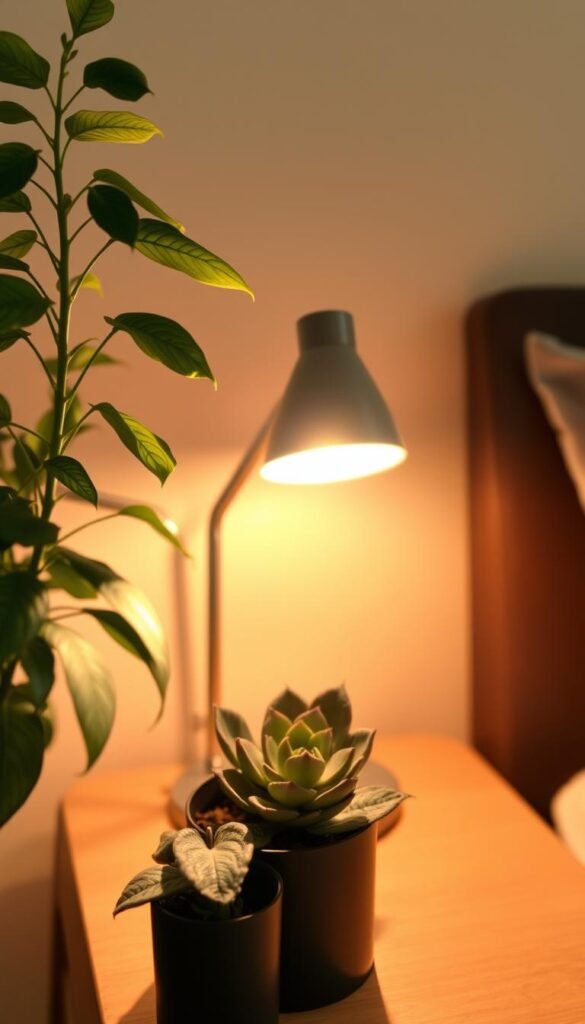
Your nightstand offers the perfect canvas for small green additions. These compact companions bring both beauty and function to your sleeping area.
Choosing the right specimens transforms this small surface into a wellness station. You’ll enjoy cleaner air and visual appeal right beside your bed.
These petite varieties work while you rest. They filter air and release oxygen throughout the night.
Best Compact Plants for Small Surfaces
Space-conscious selections make ideal nightstand companions. Their modest size fits perfectly without crowding essential items.
Snake plants stand tall with striking vertical leaves. They thrive in indirect light and require minimal watering.
Aloe vera offers soothing gel within its plump leaves. This succulent prefers bright light but adapts to various conditions.
Peace lilies showcase elegant white blooms against dark green foliage. They indicate thirst by drooping slightly.
Chinese evergreen displays beautiful patterned leaves. Its silver and green markings add visual interest.
Prayer plants fold their leaves upward at night. This fascinating movement creates daily wonder.
Philodendron Birkin features glossy leaves with creamy stripes. It grows slowly, maintaining its compact form.
“A small plant on your nightstand connects you to nature before sleep and upon waking. This simple habit enhances your daily rhythm.”
Pot Selection for Nightstand Aesthetics
Your container choice significantly impacts overall appearance. Select materials that complement your existing style.
Ceramic pots provide timeless elegance with various glaze options. They offer weight stability for top-heavy specimens.
Seagrass baskets introduce natural texture and warmth. These woven containers allow for easy plant removal during watering.
Modern metal planters suit contemporary design schemes. Their sleek lines create clean visual statements.
Consider size proportions relative to your nightstand surface. Oversized containers overwhelm while tiny pots get lost.
| Plant Type | Light Needs | Water Frequency | Special Feature |
|---|---|---|---|
| Snake Plant | Low to Bright Indirect | Every 2-3 Weeks | Releases Oxygen at Night |
| Aloe Vera | Bright Indirect | Every 3 Weeks | Air-Purifying Properties |
| Peace Lily | Medium Indirect | Weekly | Shows When Thirsty |
| Chinese Evergreen | Low to Medium | Every 1-2 Weeks | Colorful Patterned Leaves |
Combine functional items with your green additions creatively. Use trays to group smaller items around your plant.
Rotate specimens occasionally to ensure even light exposure. Most varieties prefer bright, indirect illumination.
Water carefully to avoid damaging nightstand surfaces. Always use saucers or waterproof liners inside decorative pots.
Morning greenery provides psychological benefits immediately upon waking. This natural connection starts your day positively.
If light proves insufficient, consider supplemental lighting options. Small grow lights can discreetly support photosynthesis.
Regular dusting keeps leaves functioning optimally for air purification. Wipe gently with damp cloth every few weeks.
Create Vertical Interest with Hanging Plant Displays
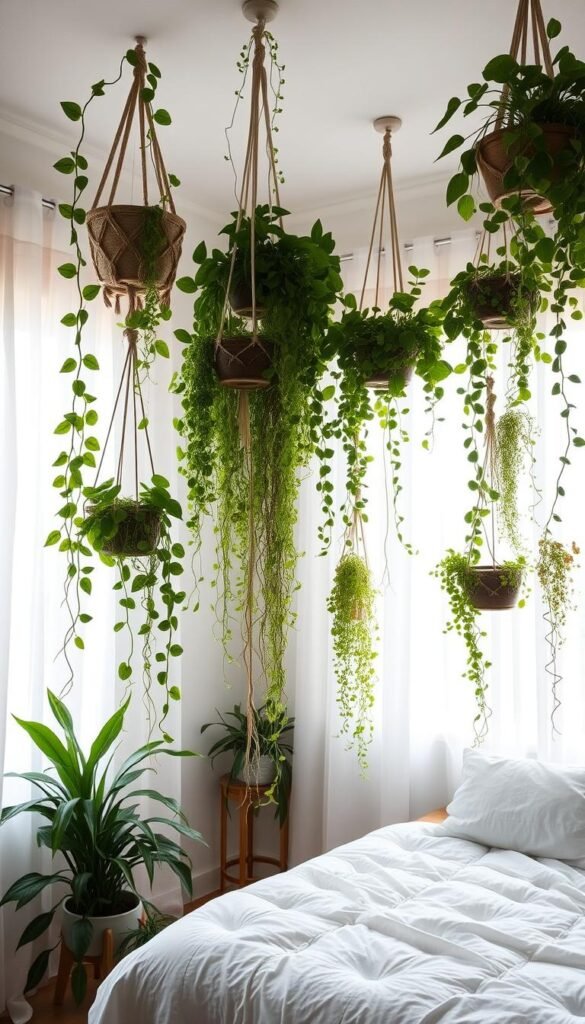
When floor space feels limited, look upward for creative solutions. Suspended greenery adds dimension without sacrificing precious surface area.
These floating arrangements create dynamic visual movement. They draw the eye upward while keeping your surfaces clear and functional.
Choosing Cascading Plants for Height
Select varieties that naturally trail downward for maximum impact. Their flowing forms create beautiful living curtains.
Golden Pothos develops long vines that cascade beautifully. Its heart-shaped leaves bring cheerful color to any space.
English Ivy offers classic elegance with delicate trailing stems. It adapts well to various light conditions.
String of Pearls creates unique visual interest with bead-like foliage. Its unusual appearance makes a striking statement.
Consider these additional trailing options:
- Sweetheart Vine – produces long cascading vines
- Wax Plant (Hoya) – features thick leaves and star-shaped flowers
- Arrowhead Vine – develops trailing habit over time
Macramé Hanger Styles and Installation Tips
Choose hanging systems that complement your aesthetic while providing security. Various options suit different design preferences.
Macramé hangers add bohemian charm with intricate knot work. They allow for easy height adjustment as your greenery grows.
Ceiling hooks provide minimalist solutions for modern spaces. Install them directly into ceiling joists for maximum security.
Wall-mounted brackets offer alternative placement options. They work well near windows or in corners.
“The right hanging system transforms ordinary greenery into floating art. Safety and style should always work together.”
Follow these installation guidelines:
- Locate ceiling joists using a stud finder
- Choose hooks rated for at least twice your plant’s weight
- Use wall anchors for drywall installations
- Check hardware regularly for security
Position your hanging displays where they receive adequate indirect light. Most trailing varieties prefer bright but filtered illumination.
Create visual interest by varying hanging heights throughout your space. Stagger lengths from short to long for dimensional appeal.
Water carefully since elevated positions can make maintenance challenging. Use a small step stool for easy access when needed.
Rotate specimens periodically to ensure even growth on all sides. This prevents lopsided development.
Combine different trailing varieties for textural contrast. Mix leaf shapes and growth patterns for visual richness.
These suspended arrangements can define areas within larger spaces. They create natural room dividers without permanent structures.
Troubleshoot common issues like uneven growth by adjusting light exposure. Move specimens closer to light sources if needed.
Remember that hanging displays require slightly different care routines. Check soil moisture more frequently as elevated positions dry faster.
Maximize Natural Light with Window Sill Arrangements
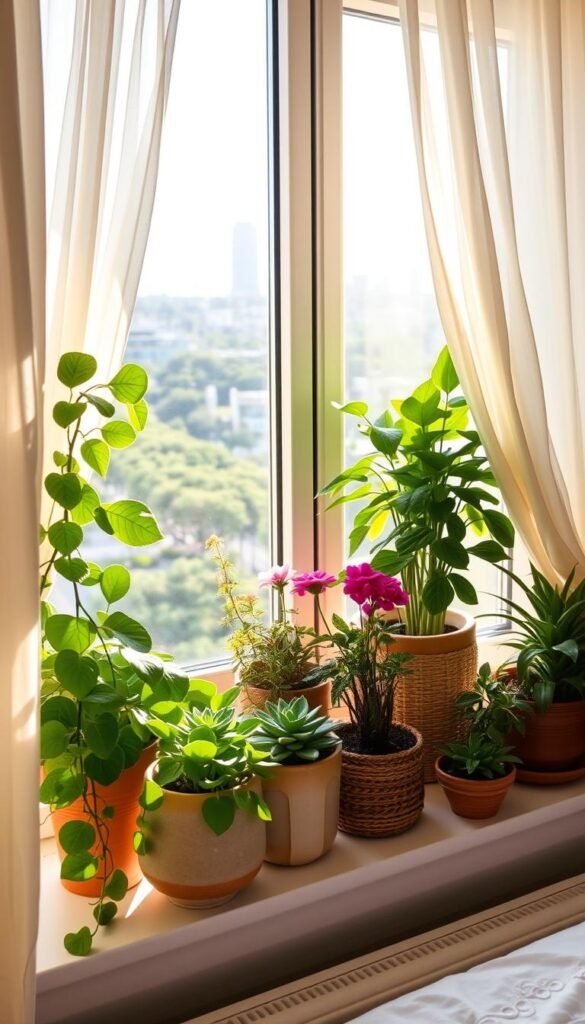
Your window sill offers untapped potential for creating a vibrant green display. This sunny spot provides ideal conditions for many varieties to thrive while enhancing your room’s aesthetic.
Strategic placement here maximizes sunlight exposure throughout the day. You’ll notice healthier growth and more vibrant foliage with proper positioning.
Sun-Loving Plants for Bright Windows
Certain species flourish in bright conditions near windows. Rubber Plants develop large, glossy leaves that purify air effectively.
Herbs like basil and mint thrive on sunny sills while offering fresh aromas. Boston Ferns prefer consistent moisture and bright, indirect light.
Umbrella Fig Trees make dramatic statements with their broad leaves. They appreciate bright locations but avoid direct afternoon sun.
Pepper Elder varieties add texture with their trailing growth habit. They adapt well to various light conditions near windows.
Assess your window’s direction for optimal placement. South-facing windows receive the most intense light throughout the day.
East-facing options offer gentle morning sun perfect for many varieties. West-facing locations provide strong afternoon light that may require filtering.
North-facing windows work well for species preferring lower light levels. Chinese Evergreen tolerates these conditions beautifully.
Create tiered arrangements using stands or small shelves. This allows all greenery to receive adequate light without crowding.
Rotate specimens weekly to ensure even growth on all sides. This prevents lopsided development toward the light source.
Protect against excessive direct sunlight that causes leaf burn. Sheer curtains filter intense rays while maintaining brightness.
Monitor for signs of stress like yellowing or crispy edges. Adjust placement if you notice any damage from too much light.
Creating Cohesive Display Trays
Woven pots and rattan trays create unified presentations. These natural materials complement your greenery’s organic beauty.
Handmade wicker storage baskets offer rustic charm while containing water drainage. Choose sizes that fit your sill space comfortably.
Mix heights and shapes for visual interest without monotony. Combine upright growers with trailing varieties for dimensional appeal.
Use waterproof liners inside decorative containers. This protects your sill from moisture damage during watering.
Consider temperature fluctuations near windows. Drafts can affect some species more than others during colder months.
Move sensitive varieties away from glass during extreme weather. This prevents damage from temperature extremes.
Combine functional window treatments with your displays. Roman shades or bamboo rolls provide light control while complementing nature themes.
Your arrangements can serve as natural privacy screens. They allow light transmission while creating visual barriers.
Troubleshoot common issues like rapid drying. Window locations often experience faster soil moisture evaporation.
Check water needs more frequently than other placements. The combination of light and warmth accelerates drying cycles.
“A well-curated window display brings the outside in while maximizing your available light. Thoughtful arrangement turns functional space into living art.”
Make sure your selections match the specific conditions of each window. This ensures long-term health and visual appeal for your green companions.
Make a Statement with Tall Floor Plants
Elevate your personal retreat with commanding green companions that reach toward the ceiling. These towering specimens transform overlooked areas into dynamic focal points.
Their vertical presence draws the eye upward while softening hard edges. You create living sculptures that purify air and enhance your room’s acoustics.
Strategic placement turns empty corners into intentional design elements. These green giants work as natural room dividers in open layouts.
Best Large Plants for Empty Corners
Select varieties that match your available space and light conditions. Consider mature height and growth habits before making your choice.
Fiddle Leaf Fig makes a dramatic statement with its large, violin-shaped leaves. It prefers bright, indirect light and consistent watering routines.
Rubber Plant features thick, glossy leaves that shine in medium light. Its upright growth habit fits perfectly in narrow spaces.
Bird of Paradise brings tropical flair with its banana-like leaves. This stunning specimen eventually produces exotic flowers.
Other excellent choices include:
- Corn Plant – tolerates lower light with striped foliage
- Dumb Cane – offers variegated patterns on broad leaves
- Umbrella Tree – creates canopy-like coverage
Measure your corner’s dimensions before selecting. Leave at least two feet between your specimen and surrounding furniture.
Consider growth rate when making your selection. Some varieties quickly outgrow their designated space.
Complementary Planter Styles for Different Decor
Your container choice significantly impacts the overall aesthetic. Select materials that enhance your existing design theme.
Modern spaces shine with sleek ceramic or metallic planters. Their clean lines complement contemporary furniture beautifully.
Handwoven baskets introduce organic texture to bohemian schemes. These natural materials bring warmth and craftsmanship.
Traditional rooms benefit from detailed pottery or classic urns. Their timeless elegance matches conventional furnishings.
Always ensure proper drainage for your green companions. Use saucers to protect floors from water damage.
Scale your planter to both the specimen and the space. Oversized containers overwhelm while small pots look insignificant.
“The right floor plant transforms dead space into living art. It brings nature’s grandeur indoors while improving your environment.”
Rotate your specimens weekly to ensure even growth. This prevents leaning toward light sources in corner placements.
Supplement natural light with grow lights if needed. Position them above your greenery for optimal coverage.
Water thoroughly but infrequently, allowing soil to dry between sessions. Large containers retain moisture longer than small pots.
Dust leaves regularly to maintain photosynthetic efficiency. Wipe gently with damp cloth to keep foliage glowing.
Use accent lighting to highlight your statement pieces at night. Uplighting creates dramatic shadows and emphasizes texture.
These living elements absorb sound, reducing echo in your space. Their broad leaves soften ambient noise for quieter relaxation.
Troubleshoot leaning growth by staking temporarily. Adjust light exposure if you notice uneven development.
Your towering greenery becomes an instant conversation starter. It demonstrates your commitment to both design and wellbeing.
Incorporate Greenery into Your Shelving Units
Your bookshelves and floating shelves provide excellent opportunities for creative green displays. These surfaces allow you to integrate nature seamlessly into your existing storage solutions.
Strategic placement here adds life to vertical spaces that often feel static. You’ll create dynamic visual interest while maintaining full functionality.
These arrangements work particularly well in areas with good illumination. The right selections thrive while enhancing your overall aesthetic.
Trailing Plants for Dynamic Bookshelf Displays
Certain varieties excel at creating beautiful cascading effects. Their natural growth habits bring movement and texture to shelving.
Spider plants develop long stems with baby plantlets. These graceful arches soften hard edges beautifully.
Philodendron varieties like Sweetheart Vine produce elegant trailing vines. Their heart-shaped leaves add romantic charm.
English Ivy offers classic sophistication with delicate stems. It adapts well to various light conditions on shelves.
Consider these additional excellent choices:
- Boston Fern – features elegant trailing fronds
- Pothos – develops long vines that cascade beautifully
- Arrowhead Vine – develops trailing habit over time
- Wax Plant (Hoya) – produces thick leaves and star-shaped flowers
Combine different textures and growth patterns for visual richness. Mix fine foliage with broader leaves for contrast.
Mixing Plants with Decorative Elements
Integrate your green companions with other shelf items creatively. This approach creates cohesive, personalized displays.
Position specimens near books with complementary colors. The natural green provides beautiful contrast against colorful spines.
Use woven storage baskets as plant containers. These natural materials add texture while containing water drainage.
Handcrafted rattan trays create unified presentations. They allow easy movement for watering and cleaning.
Wooden candle holders add warmth beside living elements. Their organic materials complement natural themes.
“The most inviting shelves balance living elements with personal treasures. This combination tells your unique story while bringing nature indoors.”
Create focal points by grouping items intentionally. Place a striking specimen beside special photographs or collectibles.
Vary heights across different shelf levels for dimensional appeal. Use stands to elevate smaller specimens when needed.
Rotate arrangements seasonally to maintain fresh interest. This prevents visual stagnation over time.
Ensure adequate light reaches all shelving levels. Upper shelves typically receive more illumination than lower ones.
Choose varieties according to their position on the unit. Light-loving types belong on top shelves near windows.
Shade-tolerant selections work better on lower levels. They thrive with less direct exposure.
Supplement natural light with discreet lighting options. Small LED strips can provide extra illumination where needed.
Protect surfaces from water damage during maintenance. Always use waterproof liners inside decorative containers.
Water carefully to avoid spills on wood surfaces. Remove specimens for watering when possible.
Check soil moisture regularly as shelving positions dry faster. Elevated locations experience quicker evaporation.
Dust leaves frequently to maintain optimal health. Clean foliage photosynthesizes more efficiently.
Troubleshoot limited growing space by occasional pruning. Trim back vigorous growers to maintain desired size.
Rotate specimens weekly for even growth development. This prevents leaning toward light sources.
Your shelving displays become living art that evolves over time. They demonstrate how functionality and beauty can coexist beautifully.
Wall-Mounted Planters for Space-Efficient Decor
Transform blank wall spaces into thriving green ecosystems with mounted displays. These innovative solutions maximize your vertical real estate while keeping surfaces clear.
Vertical arrangements create stunning visual impact without sacrificing precious floor area. You gain additional growing space while enhancing your room’s aesthetic appeal.
Air Plants and Ferns for Vertical Gardens
Certain varieties excel in wall-mounted environments. Their growth habits and care needs suit vertical installations perfectly.
Air plants require no soil and attach to various surfaces. They absorb moisture through their leaves, making them ideal for creative displays.
Staghorn ferns create dramatic living sculptures with their antler-like fronds. They mount beautifully on wooden plaques or in specialized baskets.
Small pothos varieties adapt well to vertical growth. Their trailing vines develop beautiful length over time.
Bird’s nest ferns tolerate lower light conditions effectively. Their ripple-edged leaves add texture to wall arrangements.
Boston ferns bring softness and air-purifying benefits. Their feathery fronds create movement in your vertical garden.
Creating Artistic Wall Arrangements
Design cohesive displays that function as living art installations. Combine different species for visual interest and varied textures.
Choose mounting systems that match your decor style. Options include:
- Modular living wall panels for extensive coverage
- Individual geometric planters for scattered arrangements
- Magnetic containers for metal surfaces
- Macramé hangers for bohemian flair
“Vertical gardens transform unused wall space into functional art. They demonstrate how beauty and practicality can coexist beautifully.”
Installation requires careful planning for security and irrigation. Follow these steps for successful mounting:
- Locate wall studs using a stud finder
- Choose hardware rated for your planter’s weight when saturated
- Consider drip irrigation systems for larger installations
- Test stability before adding your green companions
Watering vertical arrangements requires special consideration. Use long-spout watering cans or remove planters for hydration.
Maintenance access ensures long-term health. Position arrangements where you can easily reach them for care.
These living walls improve air quality throughout your space. Their elevated position allows for better air circulation and purification.
Troubleshoot common issues like uneven drying. Wall-mounted specimens may require more frequent watering than surface plants.
Rotate arrangements periodically for balanced growth. This prevents specimens from leaning toward light sources.
Your vertical garden becomes a conversation-starting focal point. It showcases your innovative approach to integrating nature into your personal space.
Design a Cozy Plant Nook with Cluster Planting
Transform an unused corner into your personal green sanctuary. Grouping multiple specimens creates a lush focal point that enhances your room’s atmosphere.
This approach maximizes visual impact while improving air quality. You’ll enjoy a mini-ecosystem that purifies and beautifies simultaneously.
Combining Textures and Heights Effectively
Create visual harmony through thoughtful arrangement. Mix upright, bushy, and trailing varieties for dimensional interest.
Place taller specimens like Snake Plant toward the back. Their sword-shaped leaves provide vertical structure.
Medium-height options like ZZ Plant fill the middle layer. Their glossy foliage adds reflective quality.
Trailing varieties like Pothos soften edges with cascading vines. Their variegated leaves introduce movement.
Use elevation tools to create layered displays:
- Wooden stools add rustic charm while raising smaller pots
- Woven stands provide natural texture and varying heights
- Floating shelves create multiple levels for different varieties
Rotate arrangements periodically for balanced growth. This ensures all sides receive adequate indirect light.
Choosing Complementary Plant Varieties
Select species that thrive under similar conditions. This simplifies care while ensuring all specimens remain healthy.
Peace Lily offers elegant white blooms against dark green leaves. It indicates thirst by slightly drooping.
Chinese Evergreen brings patterned foliage with silver markings. It tolerates lower light conditions beautifully.
Consider these successful combinations:
| Primary Plant | Complementary Choices | Light Requirements | Special Considerations |
|---|---|---|---|
| Snake Plant | ZZ Plant, Pothos | Low to Bright Indirect | Drought-tolerant grouping |
| Peace Lily | Chinese Evergreen, Ferns | Medium Indirect | Higher humidity preference |
| Pothos | Spider Plant, Philodendron | Bright Indirect | Fast-growing combination |
Position your nook where it receives appropriate illumination. Most clusters prefer bright, filtered light without direct sun.
Ensure adequate air circulation between specimens. Proper spacing prevents pest issues and promotes healthy growth.
Water according to each variety’s needs. Grouping moisture-loving types together simplifies maintenance.
Create microclimates by misting humidity-loving varieties. This mimics their natural environment for optimal health.
“The most successful plant nooks feel intentionally casual. They should appear effortlessly lush rather than perfectly arranged.”
Incorporate seating to enjoy your green retreat. A small chair or floor cushions create inviting reading spots.
Use natural materials like rattan trays and wicker baskets. These elements enhance the organic feel while providing function.
Your plant cluster can define areas within larger spaces. It creates natural room divisions without permanent structures.
Troubleshoot common issues like uneven growth by rotating specimens. Address pest problems immediately with natural solutions.
This living arrangement evolves beautifully over time. It becomes a dynamic element that grows with your personal style.
Subtle Touches: Plants at the Foot of Your Bed
The space at the foot of your bed offers a perfect spot for adding natural charm. This often-overlooked area can become a small green oasis that enhances your room’s atmosphere.
Choosing the right green companions here creates a soft, natural frame for your sleeping area. They add life without crowding your space or creating obstacles.
These low-profile additions work quietly through the night. Many varieties release oxygen after dark, supporting better air quality while you rest.
Low-Profile Plants That Thrive in Limited Light
This location typically receives less direct sunlight than other areas. Fortunately, several varieties flourish in these conditions.
ZZ Plant stands out with its glossy, dark green leaves. It stores water in its roots, making it incredibly drought-tolerant.
Snake Plant grows upright with striking vertical patterns. It releases oxygen at night and requires minimal attention.
Cast Iron Plant lives up to its name with incredible durability. Its broad, dark leaves add texture to your space.
Calathea varieties showcase beautiful patterned foliage. Their leaves often feature pink, white, or silver markings.
These selections stay compact and won’t overwhelm your area. Their modest size prevents tripping hazards while maintaining clear pathways.
Incorporating Natural Fiber Planters
Your container choice significantly enhances the overall aesthetic. Natural materials bring warmth and texture to your space.
Woven rattan baskets introduce organic charm to any style. Their neutral tones complement various color schemes beautifully.
Handmade ceramic pots offer artisanal quality with unique glazes. Each piece brings individual character to your arrangement.
Seagrass containers provide lightweight yet sturdy options. Their natural texture pairs well with living elements.
Consider these planter pairing suggestions:
- Modern spaces: Smooth ceramic with matte finishes
- Rustic themes: Rough-textured woven baskets
- Bohemian styles: Macramé-wrapped pots with tassels
- Minimalist schemes: Simple terracotta with clean lines
Always use waterproof liners inside natural fiber containers. This protects both your planter and flooring from moisture damage.
Ensure your selections receive adequate indirect light. Rotate them occasionally for balanced growth if light seems limited.
Water according to each variety’s specific needs. Most low-light types prefer drying out between water sessions.
Create miniature gardens by grouping several small pots together. Use a tray to unify them while protecting your floor.
This placement makes your green companions easily visible from bed. You’ll enjoy their beauty first thing each morning.
Troubleshoot limited light by occasionally moving specimens to brighter areas. Just a few hours weekly can maintain their health.
“The foot of your bed becomes a natural focal point with thoughtful greenery. These quiet additions enhance your space without demanding attention.”
Match these elements with other green touches throughout your room. Consistent materials and varieties create cohesive design statements.
Your carefully chosen additions transform functional space into intentional design. They demonstrate how small touches make significant impacts.
Elevate Your Dresser with Elegant Plant Styling
Your dresser top becomes a canvas for sophisticated green touches. These carefully chosen additions bring life while keeping surfaces functional and beautiful.
Refined Plants for Console Tables
Select elegant varieties that complement your space. Orchids offer exotic blooms with minimal care needs.
Lucky Bamboo brings minimalist charm with upright growth. Peace Lilies show elegant white flowers against dark leaves.
Chinese Evergreen displays sophisticated leaf patterns. These choices thrive with indirect light and regular attention.
Creating Balanced Arrangements with Accessories
Combine your green companions with decorative trays and natural fiber boxes. This creates harmony without clutter.
Consider height and texture when arranging items. Taller specimens work well behind smaller accessories.
Ensure proper light reaches your dresser top. Rotate pots occasionally for even growth.
Water carefully to protect wooden surfaces. Use saucers to prevent moisture damage.
Find more inspiration for modern arrangements that blend style and function perfectly.