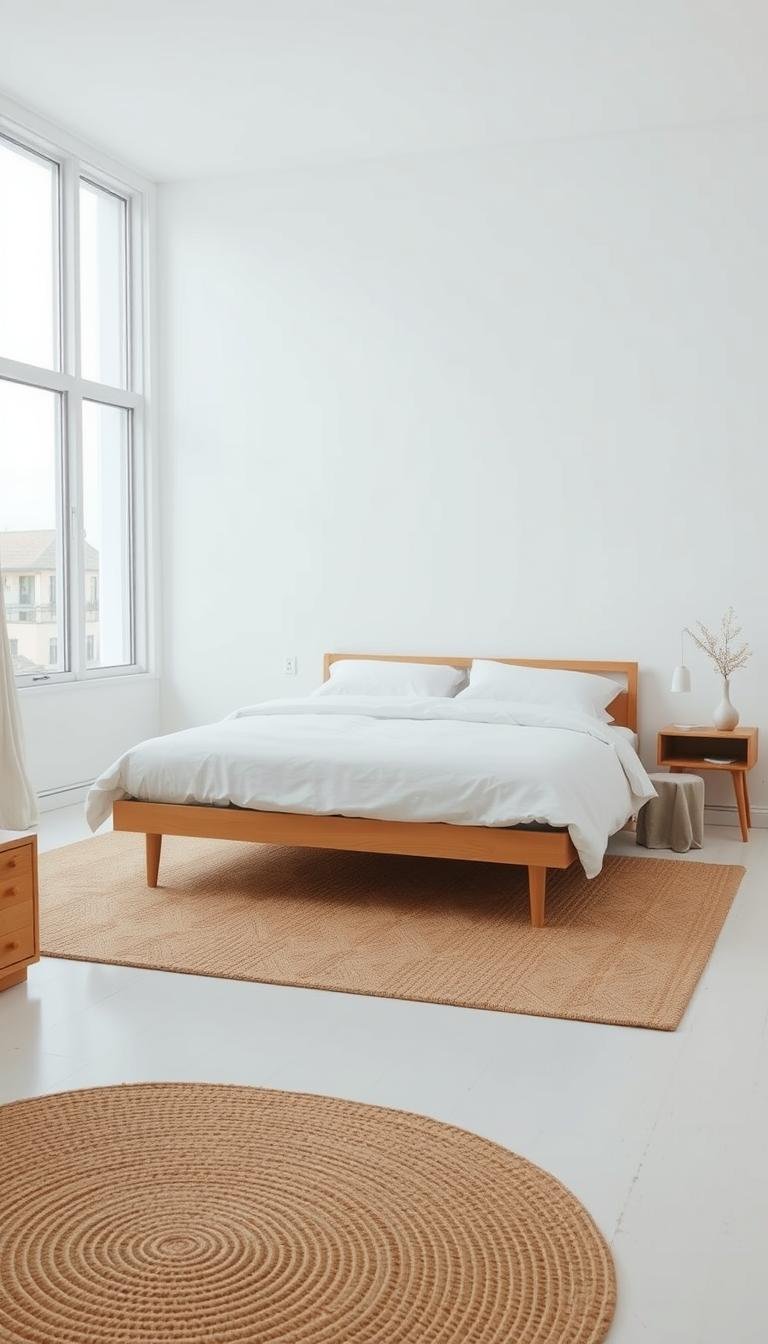
Welcome to your journey toward creating a peaceful retreat that combines style with simplicity. Your sleeping space should be a sanctuary where you can truly unwind and recharge.
Discover how clean, intentional design can transform your room into a serene haven. You’ll learn practical approaches that reflect your personal taste while maintaining functionality.
Explore how the right choices can make your area feel more spacious and organized. These trending concepts can significantly improve your quality of sleep and daily life.
Get inspired to create a living environment that promotes relaxation and reduces visual clutter. You’ll find the perfect balance between aesthetic appeal and practical functionality in your personal space.
Understanding Minimalist Bedroom Design Principles
Designing your personal retreat starts with understanding core principles. These ideas help you create a peaceful environment that works for your lifestyle.
What Defines a Minimalist Bedroom Space
A truly minimalist area focuses on simplicity and purpose. Every item serves a function or brings you joy. This approach creates a calm atmosphere free from visual noise.
You’ll notice clean lines, uncluttered surfaces, and thoughtful organization. The style emphasizes quality over quantity in your choices.
Different Approaches to Minimalism: From Austere to Casual
People interpret minimalism in various ways that suit their needs. Some prefer extremely sparse arrangements with just essential items.
Others incorporate more elements while maintaining a clean aesthetic. Your personal version should reflect how you actually live and rest.
| Approach | Key Features | Best For |
|---|---|---|
| Austere | Mattress on floor, bare essentials | Those wanting ultimate simplicity |
| Moderate | Neutral walls, simple furniture | Balancing comfort and minimalism |
| Casual | Limited palette, focused decor | People who want some personal touches |
The Philosophy Behind Minimalist Living Spaces
This design philosophy draws from various cultural traditions. Each offers unique perspectives on creating harmonious environments.
Feng shui from China emphasizes energy flow and balance. Danish hygge focuses on cozy comfort and well-being.
Swedish lagom means “just the right amount.” Japanese hodo-hodo translates to “just enough.” These ideas help you create a space that feels right for your life.
Applying these principles transforms how you experience your room daily. You’ll focus on what truly matters in your living environment.
Starting With a Clean Slate: Decluttering Your Sanctuary
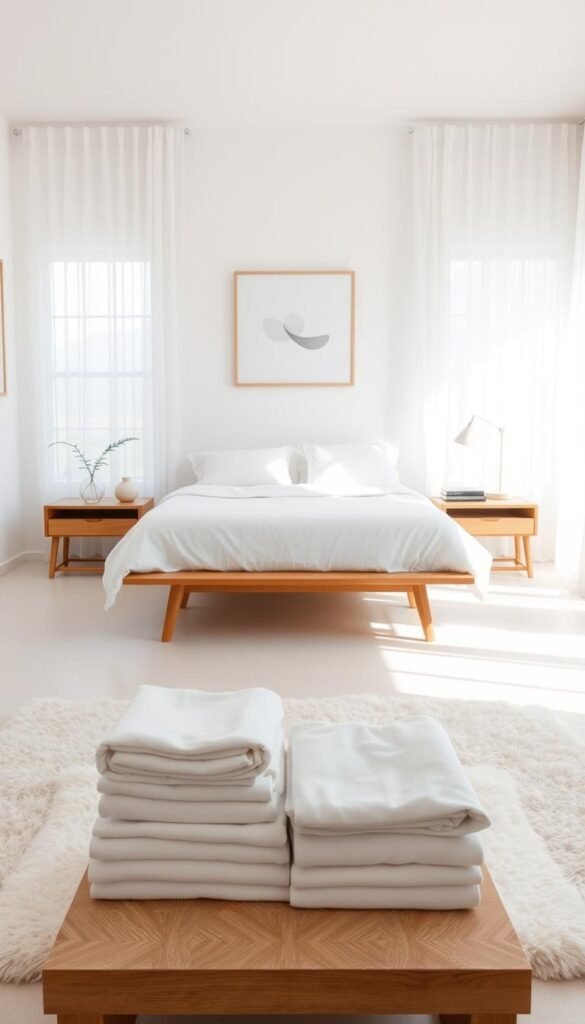
Creating your peaceful retreat begins with clearing out what doesn’t belong. This fresh start lets you build from a truly blank canvas.
The Essential Decluttering Process
Begin by removing everything from your sleeping area. This might feel overwhelming, but it’s the most effective way to see what you truly own.
Sort items into three categories: keep, donate, and discard. Be honest about what you actually use versus what just takes up space.
Interior designer Rushda Hakim suggests asking yourself a simple question about each item: “Does this spark joy?” This Marie Kondo-inspired approach helps you make thoughtful decisions.
Only bring back items that serve a purpose or bring genuine happiness. This creates a foundation for your transformed space.
Finding Homes for Everything You Keep
Every item you choose to keep needs a proper place. Designated spots prevent clutter from accumulating again.
Consider these storage solutions:
- Utilize closet organizers for clothing and accessories
- Choose nightstands with drawers for bedside necessities
- Select a bed frame with built-in storage compartments
- Use attractive boxes or baskets for smaller items
This systematic approach maintains those clean lines you want to achieve. Everything has its place, creating visual calm.
Regular tidying becomes part of your routine when organization systems work well. Your sanctuary stays peaceful and functional every day.
Choosing Your Minimalist Color Palette
Your color choices create the foundation for your entire space. They set the mood before you even add furniture or accessories.
The right palette makes your room feel balanced and inviting. It can make small spaces appear larger and create harmony throughout your interior.
Neutral Foundations for Serene Spaces
Start with neutral tones for your main surfaces. These create a calm background that won’t overwhelm your senses.
Think beyond pure white when selecting your foundation colors. Designer Rushda Hakim advises against “going all-white with everything” to avoid sterile-looking spaces.
Consider warm neutrals like cream, beige, or light gray. These shades add warmth while maintaining a clean aesthetic.
Even slight warmth in paint color makes a huge difference. Your room will feel more inviting without losing its simple style.
Incorporating Subtle Color Accents
Add personality through carefully chosen accent colors. These should complement rather than compete with your neutral foundation.
Look to your existing art for inspiration, as Anita Dawson demonstrates. Pull one or two colors from favorite pieces to create cohesion.
Designer Ezz Wilson uses warm tones like rusty orange successfully. These colors create restful spaces when used in moderation.
Try accent colors on a single wall or through smaller decor items. This approach adds interest without overwhelming your design.
When to Embrace Bold Color Statements
Sometimes a strong color choice makes the perfect statement. The key is using bold colors intentionally and sparingly.
Consider a dramatic wall color if you have ample natural light. Darker shades can create a cozy, cocoon-like effect.
Use bold colors in areas where you want to create focus. An accent wall behind your bed makes a strong visual impact.
Remember that less is more when working with vibrant hues. Let one bold element shine rather than competing colors.
Your color choices should reflect your personal taste while maintaining balance. The right palette makes your space feel uniquely yours yet perfectly peaceful.
Selecting Essential Furniture With Purpose
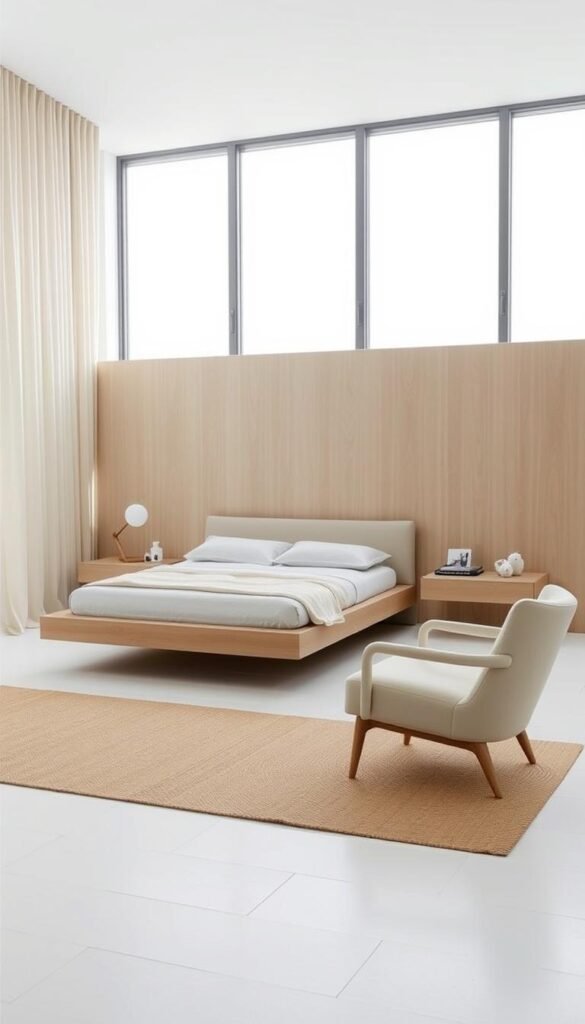
Your furniture selections create the foundation for daily comfort and visual harmony. Each piece should serve clear functions while contributing to your overall aesthetic vision.
Focus on items that combine beauty with practical utility. This approach ensures your space remains both functional and visually appealing.
The Bed: Centerpiece of Your Sanctuary
Your bed serves as the room’s focal point and primary comfort zone. Choose a frame that reflects your personal style while providing sturdy support.
The Brownstone Boys demonstrate how sculptural modern beds can anchor entire spaces. These pieces become artistic statements while maintaining clean principles.
Luis Laplace recommends larger frames for rooms with high ceilings. “A substantial bed frame adds volume and presence without overwhelming the space” he notes.
Consider both form and function when selecting your perfect bed. The right choice enhances both your comfort and room’s overall design.
Nightstands That Serve Without Cluttering
Nightstands should provide utility without adding visual noise. Look for designs that offer storage while maintaining sleek profiles.
Kristin Fine uses barely-there custom solutions that blend seamlessly with walls. These discreet pieces keep essentials handy without dominating the space.
Consider materials and proportions that complement your bed frame. The right nightstand enhances functionality while preserving clean lines.
Storage Solutions That Disappear Visually
Effective storage maintains organization without attracting attention. Choose pieces that blend into your overall design scheme.
Nicole Franzen suggests “invisible” furniture like lucite or acrylic options. These materials seem to disappear while providing practical function.
Dressers with clean lines can work well if they don’t become clutter magnets. Built-in solutions often provide the most seamless integration.
Every storage piece should serve multiple purposes while maintaining aesthetic appeal. This approach keeps your space organized and visually calm.
Strategic Lighting for Atmosphere and Function
Light transforms how you experience your personal space throughout the day. The right approach combines natural brightness with artificial sources for perfect harmony.
You can create different moods while maintaining clean aesthetics. Thoughtful choices enhance both beauty and practical use in your room.
Maximizing Natural Light in Your Bedroom
Natural light makes any area feel more open and inviting. Large windows become your best asset for creating airy spaces.
Sarah Solis recommends strategic mirror placement to amplify sunlight. “Large-scale mirrors reflect light beautifully while adding visual interest” she notes.
Keep window treatments simple to allow maximum light penetration. Sheer curtains maintain privacy without blocking precious sunlight.
Position your bed to take advantage of morning or evening light. This simple adjustment changes how your space feels at different times.
Choosing Statement Lighting That Complements Minimalism
Your lighting fixtures should enhance rather than overwhelm your design. Elaine Santos demonstrates how oversized pieces can make dramatic statements.
Tiered chandeliers draw attention upward in rooms with tall ceilings. These fixtures become focal points without adding visual clutter.
Victoria Ninette prefers frosted globe lighting for subtle elegance. “These pieces create soft illumination that works day and night” she explains.
Select fixtures that match your overall aesthetic through finish and form. Blackened brass offers sophisticated cohesion when used throughout your space.
Creating Mood With Dimmable Options
Dimmable lighting gives you complete control over atmosphere. You can adjust brightness to match different activities and times.
Install dimmer switches for overhead lights and bedside lamps. This flexibility lets you create the perfect ambiance for reading or relaxing.
Layer different light sources throughout your room. Combine overhead lighting with task lamps and accent lights for full functionality.
Warm white bulbs create cozy evening environments. Cooler tones work better for morning routines and getting ready.
Your lighting should adapt to your needs throughout the day. The right setup makes your space feel both practical and personally tailored.
Textural Elements That Add Depth Without Clutter
Thoughtful texture selection transforms flat surfaces into engaging experiences. You can create visual richness without adding unnecessary items to your personal area.
The right textures make your environment feel more complete and inviting. They add personality while maintaining clean principles throughout your design.
Incorporating Subtle Wall Textures
Wall treatments can add significant character without overwhelming your space. Studio Diaa demonstrates this beautifully with planked walls in whitewashed pine.
This approach creates gentle visual interest across large surfaces. The texture adds depth while keeping the overall feel serene and cohesive.
Erin Roberts Design offers another creative solution. They use macramé fiber art instead of traditional artwork for added texture.
This alternative brings tactile qualities to your walls without visual clutter. The piece becomes both functional art and textural element.
Bedding Materials That Offer Visual Interest
Your sleeping surface provides excellent opportunities for textural variety. The right bedding materials create both visual and tactile appeal.
Jin Chen of Ecru Studio masters this approach beautifully. They mix shapes and textures with curving lamps, round wool cushions, and silk rectangular pillows.
This combination creates artistic, vivid spaces within monochromatic palettes. Each piece contributes to the overall sensory experience.
Consider these material combinations for your bedding:
- Linen duvet covers with cotton sheets
- Wool throws over silk pillowcases
- Knit blankets with smooth woven bedspreads
These contrasts add depth while maintaining your clean aesthetic.
Natural Textures From Wood and Fibers
Natural materials bring organic warmth into your personal environment. They create connection to nature while enhancing serenity.
Reena Simon incorporates these elements thoughtfully. Wood light fixtures and rough sawn wood flooring bring earthy textures indoors.
These natural elements add character without competing with your design. They provide visual interest that feels authentic and grounding.
Consider these natural texture sources:
| Material Type | Design Application | Visual Effect |
|---|---|---|
| Reclaimed Wood | Flooring or accent wall | Adds warmth and history |
| Natural Fibers | Rugs or wall hangings | Creates softness and texture |
| Stone Elements | Nightstand tops or accessories | Adds organic variation |
| Woven Materials | Baskets or light fixtures | Provides tactile interest |
Each material brings unique qualities to your room. They work together to create a space that feels both designed and naturally inviting.
The Art of Minimalist Wall Treatments
Your walls offer incredible potential to define your personal sanctuary’s character. They serve as the canvas where your design vision comes to life through thoughtful material choices.
Selecting the right wall treatments creates depth and personality without clutter. These decisions significantly impact how your space feels and functions daily.
You can achieve remarkable results with specialized paints and coverings. These options add visual interest while maintaining clean, intentional aesthetics.
Limewash and Specialty Paints for Dimension
Limewash paint creates beautiful, textured results that age gracefully over time. This technique produces subtle variations that make walls feel organic and artistic.
Designer Elisa Baran demonstrated this approach in influencer Alisha Marie’s personal space. The limewash finish served as art itself, eliminating need for additional artwork.
Specialty paints offer similar dimensional qualities with different application methods. These products create movement and depth through color variation and texture.
Consider these benefits when exploring dimensional paint options:
- Creates unique, one-of-a-kind surfaces that cannot be replicated
- Adds visual interest without patterns or bold colors
- Works beautifully with natural light throughout the day
- Provides an artistic foundation that stands on its own
Textured Wallpaper Options for Warm Minimalism
Textured wallcoverings bring luxurious warmth to your interior design. Designer Rushda Hakim recommends materials like silk, grasscloth, and vinyl for minimalist spaces.
These options add tactile quality without overwhelming visual simplicity. The right textured wallpaper creates subtle sophistication throughout your room.
Natural fiber wallcoverings particularly excel at adding organic character. They introduce warmth while maintaining clean, intentional design principles.
Explore these textured wallpaper materials for your space:
| Material Type | Visual Effect | Best Application |
|---|---|---|
| Silk | Subtle sheen and luxury | Feature walls or entire rooms |
| Grasscloth | Natural texture and variation | Accent walls or smaller spaces |
| Vinyl Textures | Modern patterns and durability | High-traffic areas or rentals |
| Flocked Designs | Tactile velvet-like surface | Creating cozy, intimate spaces |
When to Embrace Pattern Drenching
Pattern drenching involves using the same design throughout your walls and ceiling. This technique creates surprisingly serene, cohesive backgrounds.
Designer Wendy Labrum demonstrated this effectively with taupe gingham design. The consistent pattern created unified, calm environment that felt complete.
This approach works particularly well in smaller spaces where consistency enhances flow. It makes your room feel intentionally designed and thoughtfully curated.
Pattern drenching effectively “wipes the slate clean” visually. It provides enough interest without competing with other elements in your space.
Your wall treatments should complement rather than dominate your overall design. The right choices create harmony between all elements in your personal sanctuary.
Window Treatments That Enhance Minimalist Aesthetics
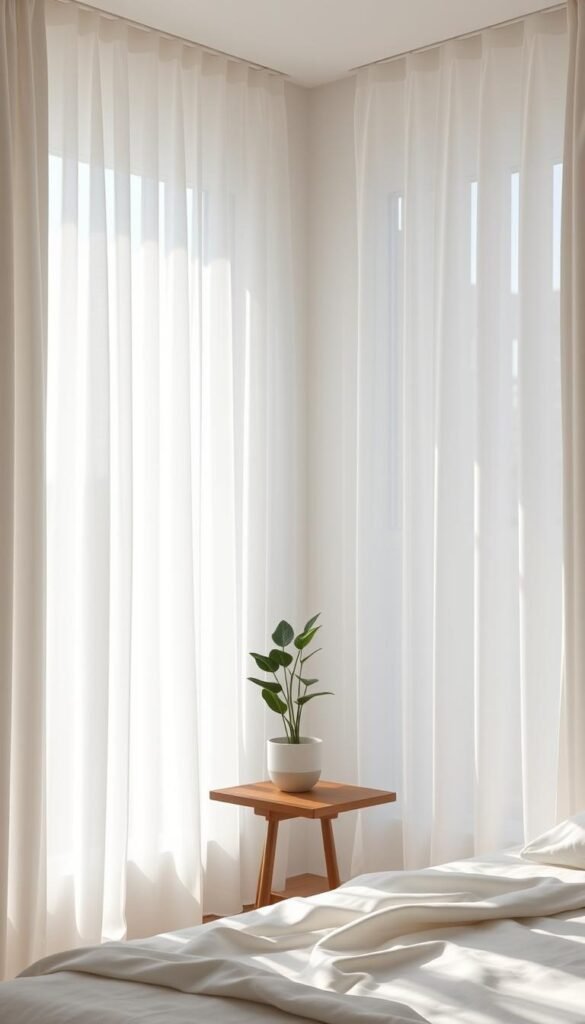
Your window choices dramatically affect both light and atmosphere. They frame your view while controlling privacy and brightness throughout the day.
You can achieve elegance through simple, intentional decisions. The right approach balances beauty with practical function in your personal area.
Discover how various treatments transform your interior feel. Each option offers unique benefits for different situations and preferences.
Floor-to-Ceiling Drapery for Height and Elegance
Full-length curtains create impressive visual impact in any room. They draw the eye upward, making ceilings appear higher than they actually are.
Krista Hermanson Design & Construction demonstrates this beautifully. They use cream-hued curtains to increase volume and create cozy environments.
Choose materials that complement your overall design style. Flowy fabrics add movement while maintaining clean lines.
Consider these drapery characteristics for your space:
- Light-filtering fabrics for soft, diffused illumination
- Neutral tones that blend with your wall color
- Simple hardware that doesn’t distract from the overall look
- Custom lengths that precisely meet floor and ceiling
This treatment adds sophistication without overwhelming your aesthetic. It creates beautiful focal points while serving practical purposes.
Bare Windows: When Less Really Is More
Sometimes the best treatment is no treatment at all. Unadorned windows maximize natural light and highlight architectural features.
Hilary Walker and Ashley Maddox prove this approach works beautifully. Their geometric windows remain bare behind beds, creating clean lines.
This works particularly well with interesting window shapes or frames. The windows themselves become artistic elements in your design.
Bare windows suit these situations perfectly:
- Rooms with beautiful outdoor views worth highlighting
- Spaces with architectural windows that deserve attention
- Areas where maximum sunlight is desired throughout the day
- Modern interiors where clean lines dominate the style
This minimalist approach keeps your space feeling open and airy. It celebrates simplicity while serving functional needs.
Studio Plow offers another wonderful option for casual spaces. They use breezy drapery in modern San Francisco townhouses for informal elegance.
Your window treatments should reflect how you actually use your room. They affect both the functionality and visual appeal of your entire space.
The right choice makes your area feel complete and intentionally designed. You’ll enjoy perfect balance between light, privacy, and style.
Thoughtful Art and Decor Selection
Your personal area gains character through carefully chosen visual elements. The right selections add personality without creating visual noise.
Every piece should contribute to your overall design while maintaining calm. You create a space that feels both personal and peaceful.
Choosing Pieces That Speak Quietly
Select artwork that complements rather than dominates your interior. Elaine Santos demonstrates this beautifully with landscape pieces hung unadorned.
These unframed works create a casual, integrated look. They add visual interest without overwhelming your space.
Liz Dutton offers another creative solution for personal collections. She turns book spines inward to avoid visual clutter from different covers.
This approach maintains your love for reading while keeping clean lines. Your room feels organized yet personally meaningful.
Fiber Art and Textural Wall Pieces
Consider alternative options beyond traditional artwork. Fiber art adds texture without busy patterns or colors.
Erin Roberts Design uses macramé pieces instead of conventional art. These textural elements create warmth and interest on your walls.
This approach works wonderfully in monochromatic spaces. It provides visual variation through material rather than color.
You might explore woven wall hangings or textile art. These pieces bring softness and organic character to your design.
The Unframed Art Approach
Going frameless creates a more integrated, casual feel. Your artwork becomes part of the wall rather than standing apart.
This technique works particularly well with photographic prints or drawings. The pieces feel like natural extensions of your space.
Consider mounting artwork directly onto your walls. You achieve a seamless look that maintains visual calm.
This approach lets your art speak for itself without additional elements. The focus remains on the piece rather than its presentation.
Your decor choices should reflect your personality while maintaining serenity. Thoughtful selection creates a space that feels uniquely yours yet perfectly peaceful. For more inspiration on balancing decor elements, explore these minimalist bedroom ideas that demonstrate how small, intentional pieces can transform a room.
Bedding and Linens for Minimalist Comfort
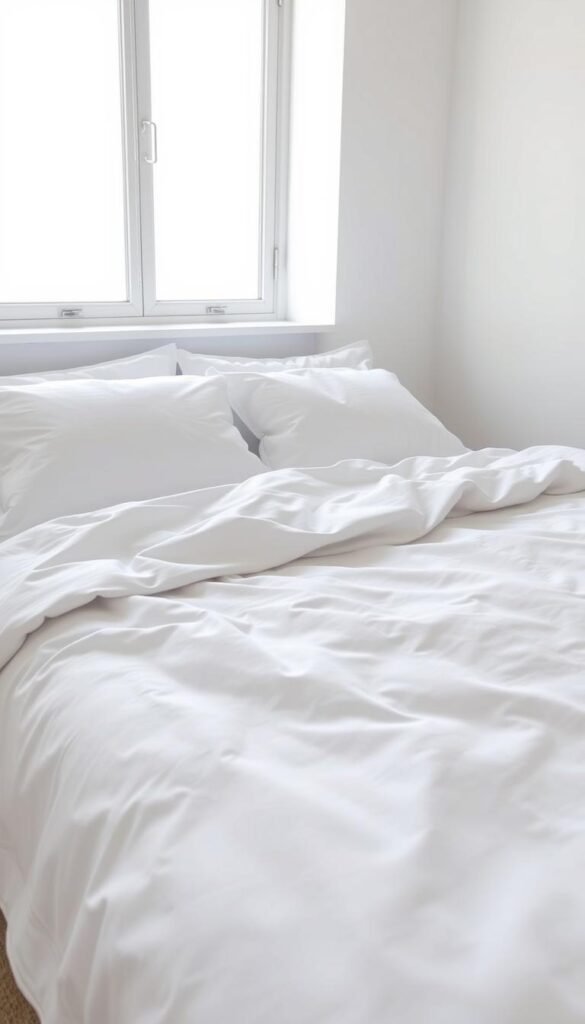
Your sleeping surface becomes the ultimate expression of comfort and style. The right choices transform your bed into a sanctuary within your sanctuary.
Quality bedding enhances both your physical comfort and visual harmony. You create an inviting retreat that reflects your personal aesthetic.
Simple Yet Luxurious Bed Making
Tali Roth Design demonstrates elegant simplicity with velvet coverlets. They avoid pillow piles and frilly linens for clean sophistication.
This approach maintains visual calm while offering ultimate comfort. Your bed becomes a statement piece through understated elegance.
Focus on these elements for luxurious simplicity:
- One quality coverlet instead of multiple blankets
- Two to three pillows maximum for streamlined look
- Neat hospital corners for crisp, tailored appearance
- Regular fluffing and smoothing to maintain polished feel
Natural Materials That Enhance Serenity
Reena Simon selects bedding from organic fibers for peaceful environments. These materials connect your space with nature’s calming influence.
Natural fabrics offer both comfort and environmental benefits. They create healthier sleeping conditions while maintaining aesthetic appeal.
Consider these natural material options:
- Organic cotton for breathable, soft comfort
- Linen for temperature regulation and texture
- Silk for luxurious feel and hypoallergenic properties
- Wool for natural warmth and moisture wicking
Color Coordination With Your Overall Palette
Ezz Wilson introduces rust-colored duvets to prevent sparse feelings. These accents add warmth without disrupting visual harmony.
Your bedding should complement your existing color scheme. This creates cohesive design throughout your entire room.
Pull colors from your walls or artwork for perfect coordination. This technique ensures everything works together beautifully.
Your bedding choices significantly impact how your space feels. The right combination creates both visual appeal and physical comfort.
Incorporating Natural Elements Gracefully
Bringing nature indoors creates a soothing atmosphere that enhances your personal retreat. These organic touches add warmth and life without overwhelming your clean aesthetic.
You can achieve beautiful balance through thoughtful selection and placement. Natural elements connect your space with the calming influence of the outdoors.
Simple Florals and Greenery That Complement
Plants and flowers bring vitality to your environment when chosen carefully. Casa Marcelo demonstrates perfect harmony with intentional pampas grass arrangements.
These soft, feathery pieces add texture without distracting from oak elements. The look maintains serenity while introducing organic interest.
Choose plants that suit your lighting conditions and maintenance preferences. Single stems in simple vessels often make stronger statements than crowded arrangements.
Wood Tones That Lighten Your Space
Wood finishes significantly impact how your room feels. Marie Flanigan selects pale or whitewashed options for airy, unadorned feelings.
These light tones prevent heavy visual weight in your design. They create warmth without darkening your space.
Consider these wood characteristics for your room:
| Wood Type | Visual Effect | Best Application |
|---|---|---|
| White Oak | Light, neutral tone | Furniture and flooring |
| Ash | Pale, subtle grain | Accent pieces and decor |
| Maple | Smooth, consistent look | Built-ins and storage |
| Bamboo | Light, sustainable option | Accessories and textiles |
Natural Materials Throughout Your Design
Integrating organic elements creates cohesive, harmonious appeal. Reena Simon masterfully incorporates wood light fixtures and natural material pillows.
Rough sawn wood flooring brings earthy texture indoors. These choices work together to establish organic character.
Designer Abigail M. Horace recommends thoughtful accessorizing with natural materials. “Natural elements create connection and calm in any space” she observes.
Consider these ways to incorporate nature throughout your room:
- Stone or ceramic accessories on surfaces
- Woven baskets for storage solutions
- Natural fiber rugs underfoot
- Organic cotton or linen textiles
Each piece contributes to a space that feels both designed and naturally inviting. Your room gains character through these thoughtful additions.
Architectural Features to Highlight
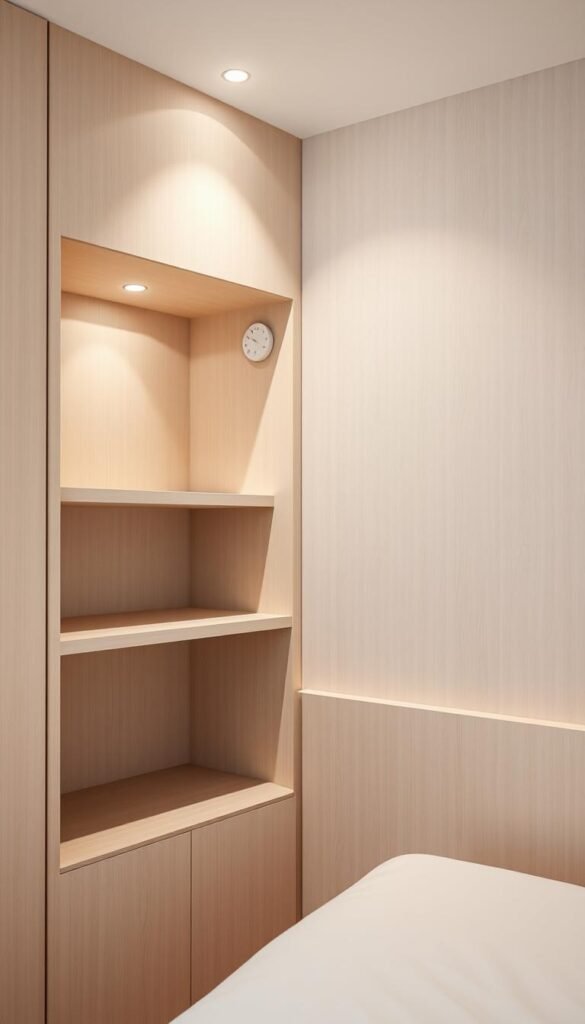
Your room’s built-in elements offer incredible opportunities to enhance your interior design. These structural details create natural character without adding clutter or unnecessary items.
You can draw attention to existing features that make your space special. This approach celebrates what’s already there rather than covering it up.
Emphasizing Tall Ceilings and Unique Structures
High ceilings give your room an airy, expansive feel. Elaine Santos shows how to make the most of this valuable feature.
She uses architectural details or oversized lighting to draw the eye upward. This technique makes your space feel even more grand and impressive.
Eddie Maestri of Maestri Studio creates amazing focal points with inset nooks. These built-in features make your bed the star of the show.
You might highlight exposed beams or unusual ceiling shapes. These elements add character without requiring additional decoration.
Using Molding for Subtle Dimension
Molding adds elegant detail while maintaining clean lines. Amy Knerr demonstrates beautiful applications for any room.
She uses box molding painted the same hue as walls for subtle dimension. This creates texture without disrupting color cohesion.
Consider these molding options for your space:
| Molding Type | Visual Effect | Best Placement |
|---|---|---|
| Crown Molding | Elegant transition between walls and ceiling | Rooms with standard or high ceilings |
| Picture Rail | Functional and decorative element | Mid-height on walls for hanging art |
| Wainscoting | Textured lower wall treatment | Lower third of walls for protection |
| Baseboards | Finished look between floor and wall | Bottom of all walls in room |
Each type adds its own special touch to your interior design. They create depth while keeping your look clean and intentional.
Graphic Architectural Elements as Focal Points
Some structural features make strong visual statements on their own. Hilary Walker and Ashley Maddox prove this with their geometric windows.
These unique shapes remain unadorned to serve as natural focal points. The windows themselves become the main attraction.
You might have arched doorways or interesting wall angles. These features deserve attention rather than decoration.
Consider highlighting built-in shelves or unusual floor patterns. These elements add graphic interest to your space.
Your architectural features give your room its unique personality. Celebrating them creates a space that feels both designed and authentically yours.
Personal Touches in a Minimalist Framework
Your living area becomes truly yours when you add meaningful elements. These personal touches create warmth while keeping your clean aesthetic intact.
Finding the right balance makes your space feel inviting and uniquely personal. You can express yourself without compromising the peaceful atmosphere you’ve created.
Subtle Nods to Your Hobbies and Interests
You can incorporate your passions in ways that complement your overall design. Erin Kelly shows how to reference favorite activities without creating visual noise.
Consider displaying a single meaningful item from your hobby collection. This approach keeps your space personal yet organized.
Liz Dutton offers a clever solution for book lovers. She turns spines inward to maintain her collection while avoiding cover clutter.
This technique preserves your personal interests without overwhelming your visual space. Your room feels curated rather than crowded.
Choosing Items That Truly Spark Joy
Marie Kondo’s philosophy helps you select pieces that genuinely enhance your life. Each item should contribute positively to your daily experience.
Ask yourself whether each potential addition brings real happiness. This thoughtful approach ensures everything in your space has purpose.
Designer Rushda Hakim emphasizes creating warm, inviting environments. “Homes should feel lived-in and personal, not sterile or cold” she notes.
Your selections should reflect what makes you feel most comfortable and content. This creates a space that truly supports your well-being.
Balancing Personality With Simplicity
You can express your unique character while maintaining clean principles. The key lies in careful selection and intentional placement.
Consider these approaches for adding personal elements:
| Element Type | Implementation Method | Visual Impact |
|---|---|---|
| Personal Collections | Display single representative pieces | Subtle personal reference |
| Favorite Colors | Use in small accents or textiles | Personal palette integration |
| Meaningful Art | Choose one focal piece per wall | Focused personal expression |
| Hobby References | Incorporate through functional items | Practical personal touch |
Each choice should enhance rather than dominate your design. Your space remains peaceful while reflecting your unique personality.
The right balance creates an environment that feels both designed and authentically yours. You’ll enjoy a space that truly represents who you are.
Creating Functional Zones Within Your Bedroom
Your sleeping area can serve multiple purposes while maintaining its peaceful atmosphere. Clever spatial planning helps you create distinct areas for different activities.
You’ll discover how to establish separate zones without physical barriers. These techniques maintain openness while providing designated spaces for various needs.
Designing a Dedicated Reading Nook
A cozy reading corner offers the perfect escape within your personal retreat. You can create this special area with just a few thoughtful elements.
Choose a comfortable chair that invites relaxation and extended reading sessions. Position it near natural light sources for optimal illumination.
Add a small side table for your current book and a reading lamp. This creates a complete setup without overwhelming your space.
Your reading nook should feel inviting yet integrated with the overall design. Select pieces that complement your existing furniture and color scheme.
Bed Alcoves and Defined Sleeping Spaces
Architectural features can naturally define your sleeping area. Eddie Maestri demonstrates this beautifully with elegant arch nooks in heritage homes.
These built-in elements create a sense of privacy and separation. Your bed becomes a focal point within its own defined space.
Even without existing architectural features, you can create similar effects. Strategic furniture placement and lighting can simulate this cozy feeling.
“A well-defined sleeping area enhances both comfort and visual appeal” notes Maestri. This approach makes your room feel more intentional and restful.
Minimalist Workspace Integration
Many people need a functional work area within their sleeping space. You can achieve this without compromising the serene atmosphere.
Choose a compact desk that fits seamlessly with your other furniture. Wall-mounted options save floor space and maintain clean lines.
Keep your work surface clear when not in use. This maintains the uncluttered look essential to peaceful environments.
Consider these integration strategies:
- Use matching materials and finishes for cohesion
- Position the desk to maximize natural light
- Incorporate hidden storage for work supplies
- Use room dividers that don’t block light or movement
Your workspace should feel like a natural part of the room. Proper integration maintains both functionality and visual harmony.
Maintaining Your Minimalist Bedroom Sanctuary
Keeping your personal retreat organized requires consistent effort and smart systems. You’ll discover how simple routines preserve the peaceful atmosphere you’ve created.
Regular maintenance prevents clutter from returning to your space. These habits ensure your room always feels fresh and intentional.
Daily Habits for Clutter-Free Living
Small daily actions make a big difference in your living environment. Designer Rushda Hakim emphasizes starting with beautiful, curated pieces that naturally discourage distractions.
Develop a simple evening routine to tidy your space. Put items back in their designated places before sleeping.
Keep surfaces clear by limiting what stays out daily. This approach maintains clean lines and visual calm.
Consider these daily practices:
- Make your bed each morning to establish order
- Put clothes away immediately after changing
- Clear nightstands of unnecessary items daily
- Do a quick five-minute tidy before leaving the room
Regular Editing of Your Space
Periodic reassessment keeps your belongings aligned with your needs. Hakim recommends paring down belongings to only those that “spark joy,” referencing Marie Kondo’s philosophy.
Schedule monthly reviews of your clothing and personal items. Ask yourself if each piece still serves a purpose or brings happiness.
Seasonal changes offer perfect opportunities for editing. Evaluate what works and what no longer fits your lifestyle.
This ongoing process prevents accumulation of unnecessary things. Your space remains functional and personally meaningful.
Seasonal Refreshes Without Accumulation
You can update your room’s look without adding clutter. Focus on simple changes that enhance rather than complicate.
Textiles offer easy seasonal updates. Swap lightweight linens for warmer fabrics as temperatures change.
Natural elements like seasonal branches or simple florals provide fresh touches. These organic additions bring life without permanent commitment.
Consider these refresh strategies:
| Season | Update Ideas | Visual Impact |
|---|---|---|
| Spring | Lighter bedding, fresh flowers | Airy, renewed feeling |
| Summer | Sheer curtains, cotton textiles | Cool, breezy atmosphere |
| Fall | Wool throws, warm-toned accents | Cozy, inviting environment |
| Winter | Heavier blankets, soft lighting | Warm, nest-like comfort |
These small changes keep your space feeling current without accumulation. You maintain visual interest while preserving clean principles.
For more inspiration on maintaining your organized retreat, explore these minimalist bedroom design tricks that demonstrate effective maintenance strategies.
Your consistent efforts will preserve the peaceful sanctuary you’ve created. These habits ensure your room always feels like the perfect retreat.
Embracing Your Perfectly Curated Minimalist Retreat
Your personal sanctuary journey leads to a space that truly reflects your unique character. Designers like Rushda Hakim emphasize how a calm, serene environment fosters mental peace and daily relaxation.
This approach to living extends beyond your four walls into your daily routine. You’ll appreciate having a dedicated area to unwind and clear your mind each evening.
Your retreat balances aesthetic appeal with practical functionality beautifully. It becomes your perfect snuggle spot for recharging and finding clarity.
Celebrate this ongoing process of refining your personal haven. Your thoughtfully designed space supports a lifestyle of intention and tranquility.