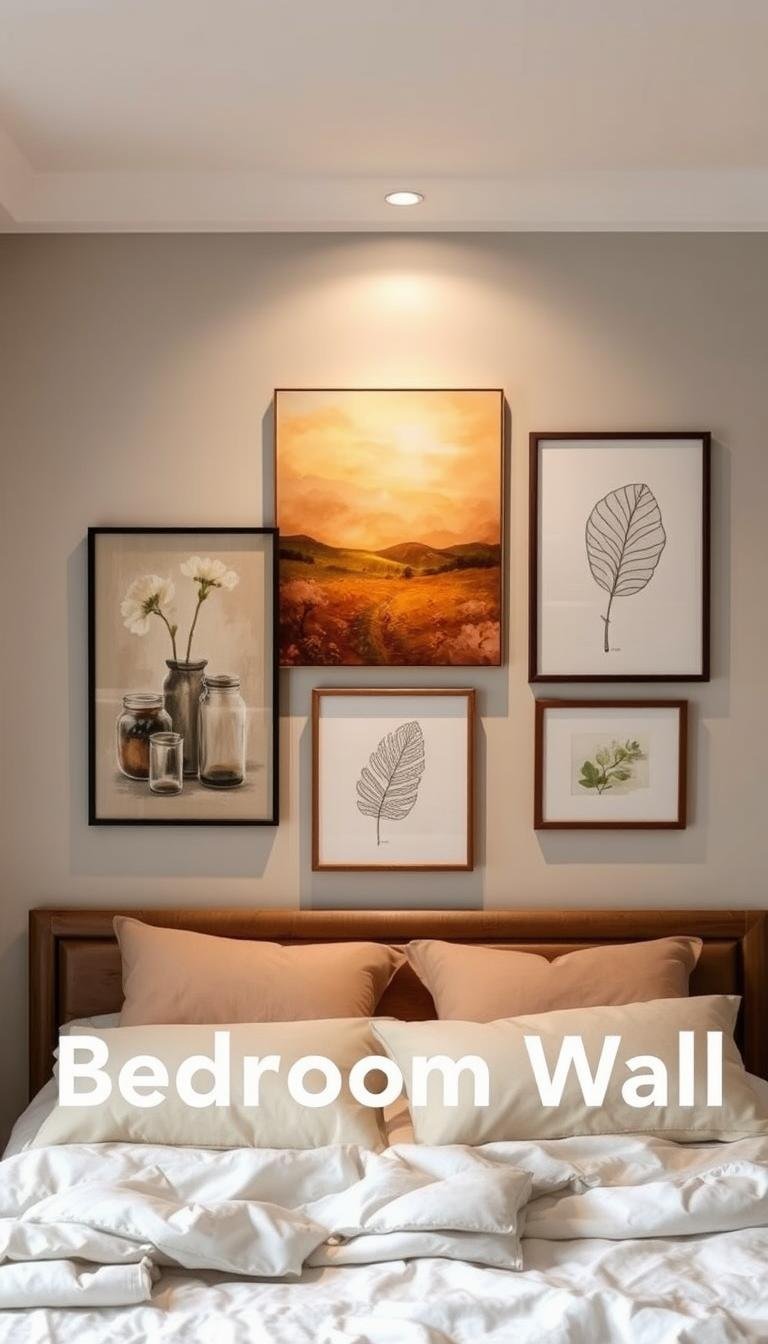
Choosing the right wall decor for your personal space is a joyful experience. It lets you express your unique style and create a relaxing retreat.
This guide covers everything from emotional impact to practical tips. You’ll learn how to avoid common mistakes and achieve a professional look.
Whether you’re a DIY enthusiast or hiring help, this article is for you. We focus on proportion, framing, and smart placement.
Think of your room as an oasis. The right artwork can set a peaceful tone and become a beautiful focal point.
Upcoming sections will explore specific dos and don’ts. Take your time and enjoy creating a space you truly love.
Why the Art Above Your Bed Matters More Than You Think
Your personal sanctuary deserves thoughtful consideration. The visual elements you choose directly impact your daily experience.
This focal point influences both your evenings and mornings. It creates an emotional connection to your personal environment.
Creating a Mood for Rest and Relaxation
Soothing visuals prepare your mind for quality sleep. Gentle colors and peaceful themes work best here.
Nature scenes and soft abstracts often create calm feelings. They help lower stress after long days.
Bright, energetic pieces might keep you awake. Consider placing those on opposite walls instead.
The First Thing You See: Setting the Room’s Tone
Your morning view sets your day’s emotional foundation. Positive imagery can inspire better mornings.
Choose pieces that make you feel happy and peaceful. Personal photographs or meaningful prints work well.
Test how different pieces look during various daylight hours. Notice how artificial lighting changes their appearance too.
| Art Type | Morning Effect | Evening Effect | Recommended Placement |
|---|---|---|---|
| Nature Scenes | Calm awakening | Peaceful relaxation | Above sleeping area |
| Abstract Pieces | Creative inspiration | Mental stimulation | Opposite wall |
| Personal Photos | Positive memories | Comforting familiarity | Above sleeping area |
| Bold Colors | Energy boost | Possible overstimulation | Other room areas |
Your selection should complement existing color schemes. Consider how natural and artificial light affects each piece.
Remember that this is your personal retreat. Choose what brings you genuine joy rather than following trends.
Small changes can dramatically transform your space’s atmosphere. Take time to find what truly resonates with you.
Don’t Underestimate the Emotional Power of Your Art Choices
Visual elements in your personal space do more than fill empty walls. They actively shape your emotional experience every day.
Every art piece communicates feelings through colors and subjects. In your sleeping area, this emotional impact becomes particularly important.
Cool colors like blues and greens naturally create calm feelings. Warm tones like reds and oranges tend to energize instead.
Choose works that personally resonate while supporting peace. Your final view before sleep directly impacts rest quality.
Place energetic pieces on opposite walls or other areas. This lets you enjoy them without sleep disruption.
“The right visual elements can transform a room from merely functional to truly restorative.”
Consider the story behind each selection. Personal connections enhance comfort and happiness in your environment.
Seasonal or changeable works keep your space feeling fresh. They maintain restful vibes while offering variety.
Avoid overly busy or chaotic designs above your sleeping area. These can subconsciously increase stress levels.
Trust your instincts about what feels calming to you. Emotional responses to visual elements are highly personal.
Remember that your home decor serves as a powerful self-expression tool. It significantly contributes to your overall well-being.
Do: Curate a View from Bed That Promotes Peace
Thoughtfully arranging your visual elements for optimal viewing while lying down enhances tranquility. This approach transforms your personal space into a true sanctuary.
Position calming works directly across from or above your sleeping area. Landscapes and minimalist designs work particularly well here.
This strategy lets you place vibrant pieces elsewhere in the room. You can enjoy bold statements without compromising rest quality.
Create visual hierarchy with your most peaceful pieces in key sightlines. Symmetry and balance in placement enhance the sense of order.
Consider sight angles from different positions in your bed. Test how each arrangement looks from various viewpoints.
Works with negative space or soft textures contribute to serenity. They create breathing room for your eyes and mind.
Experiment with different arrangements before finalizing your choice. Temporary hanging methods let you test options easily.
A peaceful view reduces stress and improves overall satisfaction. Your environment should support relaxation and rejuvenation.
| Viewing Position | Recommended Art Type | Placement Strategy | Emotional Impact |
|---|---|---|---|
| Directly above bed | Minimalist designs | Centered alignment | Immediate calm |
| Opposite wall | Landscape scenes | Eye-level placement | Expansive peace |
| Side walls | Personal photos | Grouped arrangements | Comforting familiarity |
| Room corners | Bold statements | Angled viewing | Controlled energy |
Remember that your goal is harmonious environment design. Every piece should work together to create restful atmosphere.
Trust your instincts about what feels truly calming to you. Personal resonance matters more than following trends.
Small adjustments can dramatically improve your viewing experience. Take time to find what brings you genuine peace.
How to Hang Artwork Above a Bed: A Step-by-Step Guide
Getting your decor placement just right makes all the difference. Proper installation ensures both visual appeal and safety in your personal space.
Follow these practical techniques for perfect results. You’ll create a balanced look that feels intentionally designed.
For Beds With a Headboard: Getting the Height Right
Start by measuring six to ten inches above your headboard. A hand’s width (about seven inches) makes a quick visual guide.
Always center your piece over the sleeping area. This creates symmetry and visual balance in your design.
Use proper hardware based on your wall type and the item’s weight. Drywall requires anchors for heavier pieces.
For precise placement:
- Measure the headboard width first
- Mark your desired height with pencil
- Use a level to ensure straight hanging
- Double-check measurements before drilling
Your final piece should span about two-thirds of the headboard width. This proportion creates harmonious visual relationships.
For Beds Without a Headboard: Creating a Virtual Anchor
Create an imaginary headboard using propped pillows. Measure fourteen to sixteen inches above your mattress.
This placement prevents accidental bumps while maintaining visual appeal. Center your decor exactly over the sleeping area.
Consider the total width of your arrangement. It should cover sixty to eighty percent of the bed’s span.
For safety and precision:
- Use anchors appropriate for your wall material
- Mark hanging points with tape before drilling
- Enlist help for larger installations
- Avoid adhesive hooks for heavy items
Proper hanging techniques ensure your decor feels integrated with your space. For more detailed measurements, see this guide on hanging wall decor.
Take your time during installation. Small adjustments create big improvements in your final result.
Don’t Hang Art That Is Wider Than Your Bed or Headboard
Getting your proportions right makes your space feel balanced and intentional. An oversized piece can throw off your entire room’s harmony.
When your wall decor extends beyond your furniture, it creates a top-heavy appearance. This makes your room feel cluttered and visually uncomfortable.
Your sleeping area should remain the focal point of your space. An artwork that’s too wide competes for attention instead of complementing.
Always measure your furniture width before selecting any piece. Choose items that stay within those measurements for best results.
This principle applies throughout your home design. Sofas, consoles, and other furniture follow the same proportional rules.
Gallery walls or intentional asymmetry can sometimes break this rule. But generally, maintaining proportion creates the most harmonious look.
When uncertain, use the two-thirds guideline for ideal width. This ensures your selection enhances rather than overwhelms your space.
Preview your placement with paper templates or digital tools. This helps you visualize how proportions work in your actual room.
Proper sizing contributes to a professionally styled environment. Every element should work together seamlessly.
Your goal is visual cohesion where nothing feels out of place. Balanced dimensions create that perfectly put-together feeling.
| Furniture Type | Recommended Art Width | Proportion Guideline | Visual Effect |
|---|---|---|---|
| Standard Bed | 50-66 inches | Two-thirds rule | Balanced focal point |
| Headboard | Match headboard width | Equal or slightly less | Integrated look |
| Sofa | 50-75% of sofa width | Three-quarters maximum | Coordinated grouping |
| Console Table | Same width or slightly less | Mirror proportions | Unified presentation |
Remember that your wall decor should enhance your furniture. It should never dominate or compete with your existing pieces.
Trust your eyes when assessing proportions. Sometimes measurements need slight adjustments for perfect visual balance.
Your space should feel harmonious and intentionally designed. Proper width selection makes this achievable for everyone.
Do: Follow the Two-Thirds Rule for Perfect Proportion
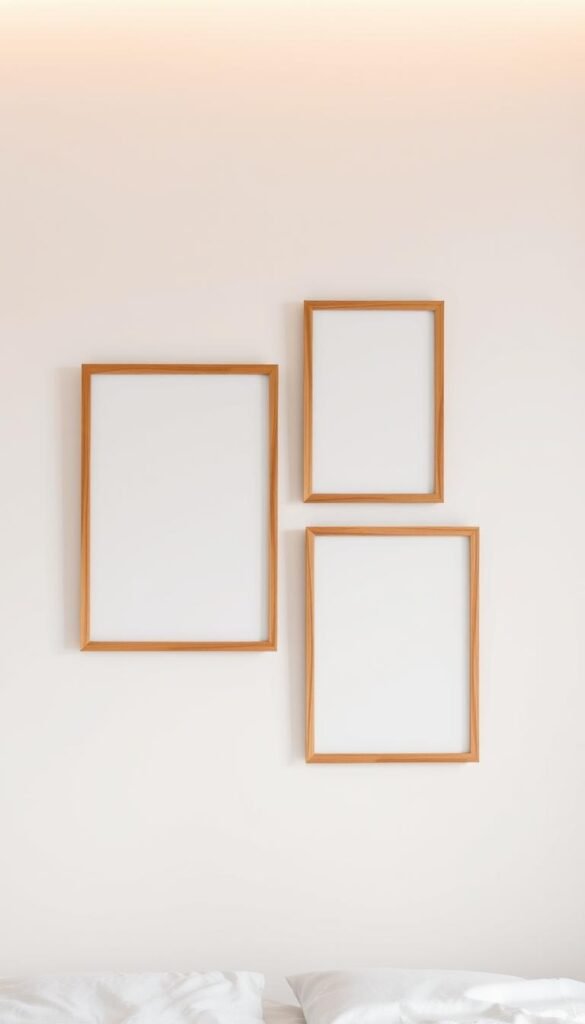
Mastering proportions is the secret to gallery-worthy wall arrangements. The two-thirds rule gives you a reliable framework for sizing your decor perfectly.
Your wall piece should span 60-80% of your furniture’s width. This creates ideal visual balance without overwhelming your space.
Imagine a triangle above your sleeping area. Your art should fit comfortably within this shape for cohesion.
Use this guideline when unsure about sizing. It works for single items and grouped collections alike.
For larger bed sizes, consider portrait-oriented works. These often provide better proportion than landscape formats.
The rule remains flexible though. Trust your instincts when a collection naturally fits your wall.
Always measure before purchasing any design element. Confirm it meets the two-thirds criterion for your specific furniture.
Proper proportion makes your decor feel intentional. It integrates seamlessly with your overall room aesthetic.
Combine smaller pieces into gallery walls when needed. Together they can achieve the ideal collective width.
Following this simple rule prevents common sizing mistakes. You’ll avoid pieces that feel too small or overwhelmingly large.
- Measure your furniture width first
- Calculate 60-80% of that measurement
- Choose art within that range
- Use paper templates to visualize placement
- Adjust for personal preference when needed
Your space will feel professionally designed when proportions align. The two-thirds rule makes this achievement accessible to everyone.
Avoid the Tiny Art Trap: Why Size Is Crucial
Choosing the right scale for your wall decor transforms your entire room. A piece that’s too small loses its impact and fails to anchor your space properly.
Think of your wall as a canvas waiting for a statement. Tiny artworks can get lost and look insignificant instead of creating a focal point.
Small pieces often make walls feel empty and unbalanced. They reduce visual impact and leave your design feeling incomplete.
Avoid using a single small piece unless you’re intentionally incorporating negative space. Group smaller artworks into a gallery wall instead.
This approach lets multiple pieces work together to achieve sufficient scale. They create collective visual weight that commands attention.
Larger artwork makes a stronger statement in your personal area. It becomes an immediate focal point that enhances your room’s design.
Size should always relate to your furniture’s scale. A king-sized sleeping area needs larger pieces than a twin-sized one.
Proper sizing ensures your decor enhances rather than diminishes your space. It contributes to perceived balance and harmony throughout the room.
Use mock-ups or digital apps to test artwork size before hanging. This helps you avoid commitment to pieces that don’t work proportionally.
Avoiding the tiny art trap creates a more polished and intentional look. Your choices should feel deliberate and well-considered.
“Scale is the secret ingredient that separates amateur decor from professional design.”
Remember that size directly affects your room’s overall atmosphere. The right proportions create visual comfort and satisfaction.
Your wall decor should feel integrated with your entire space. Everything works together to create a harmonious environment you’ll love.
Do: Scale Your Artwork to Command the Space
Making your wall decor feel perfectly proportioned creates instant visual harmony. The right size transforms your personal area from ordinary to extraordinary.
Choose a piece that spans about two-thirds of your furniture’s width. This creates balanced proportions that feel intentionally designed.
Large artwork makes a powerful statement as a focal point. It draws attention and adds dramatic impact to your entire room.
Always measure your wall area before selecting any decor. Consider both your sleeping area dimensions and room proportions.
For smaller pieces, create a gallery wall that collectively achieves the ideal width. This lets multiple works combine into one impactful display.
Proper scaling ensures your decor doesn’t get lost among other elements. It maintains visual importance within your overall design scheme.
Consider ceiling height and wall proportions when choosing dimensions. Taller rooms can handle vertically oriented pieces beautifully.
“Scale is the silent language of good design – when it’s right, you feel it before you see it.”
Well-proportioned artwork creates a sense of luxury and completeness. Your space feels thoughtfully curated rather than accidentally decorated.
Consult interior design resources for specific size recommendations. Many offer helpful calculators based on room dimensions.
Commanding your space with properly scaled decor makes your environment more inviting. It achieves that professional, balanced aesthetic everyone desires.
Remember that scale remains fundamental to successful interior design. Your choices should feel deliberate and well-considered.
Don’t Hang Your Art Too High or Too Low
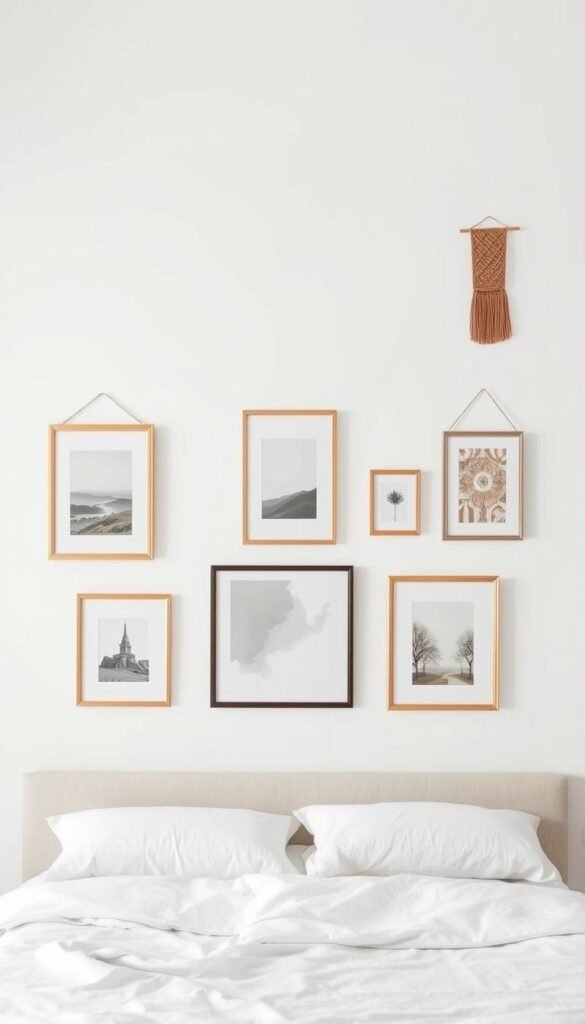
Finding the perfect height for your wall decor makes a huge difference. Proper placement creates visual harmony and protects your investment.
Hanging too high creates a disconnected look. Your piece feels separate from your sleeping area instead of integrated.
It becomes hard to appreciate from lying down. You lose that cozy, connected feeling in your personal space.
Going too low brings practical problems. Your decor risks bumping against pillows or heads.
This can damage both your wall and your art. It also interferes with daily activities like making your bed.
The sweet spot sits 6-8 inches above your headboard or mattress. This gap provides safety and visual balance.
For beds without headboards, measure from the top mattress edge. Use propped pillows as a reference point for consistency.
This height integrates your decor with your sleeping area beautifully. It becomes part of your overall design rather than an afterthought.
Always use a tape measure and level for precision. Mark your spots lightly with pencil before any drilling.
Check sightlines from both sitting and lying positions. Ensure optimal viewing from all angles you’ll experience.
Small height adjustments can dramatically improve your room’s look. Take time to find that perfect placement.
“Proper height placement transforms wall decor from merely decorative to fundamentally integrated.”
Correct hanging enhances both functionality and aesthetics. Your space feels intentionally designed and completely harmonious.
Do: Find the Sweet Spot 6-8 Inches Above the Bed
Getting your hanging height just right transforms how your space feels. That perfect gap creates both safety and visual harmony.
Keep your favorite piece six to eight inches above your sleeping area. This spacing prevents accidental bumps during rest or daily activities.
Your design stays protected while maintaining beautiful integration. This distance makes your decor feel intentionally chosen.
Measure from your headboard top or mattress edge for accuracy. Use a tape measure to ensure consistent placement.
Larger works should maintain this clearance at their bottom edge. This prevents overcrowding while keeping visual balance.
Gallery walls benefit from uniform height across all pieces. Consistency creates professional-looking results.
Test your placement with removable hooks or paper templates. This lets you adjust before making permanent decisions.
Proper height contributes to a polished, worry-free environment. Everything feels cohesive and thoughtfully arranged.
Double-check your measurements to avoid common mistakes. Small adjustments make big differences in final appearance.
For more detailed guidance, explore this resource on ideal placement techniques.
Your personal area deserves that perfectly curated feeling. The right height makes all elements work together beautifully.
Don’t Choose Just Any Frame for Your Artwork
Your framing choice makes a powerful statement about your personal style. The right border can transform your favorite piece into a true masterpiece.
Many people overlook this crucial finishing touch. They focus on the image itself but forget how the frame completes the presentation.
Common Framing Mistakes to Avoid
Cheap frames often diminish your investment. They can make even expensive pieces look temporary or poorly considered.
Matching wood tones exactly sometimes creates visual conflict. Your frame should complement rather than compete with existing furniture.
Never treat framing as an afterthought. This final detail deserves careful consideration in your overall design plan.
Poor framing choices can detract from your artwork’s beauty. They may make your display look amateurish rather than professional.
Select frames that elevate your pieces instead of hiding them. Choose colors and materials that let your artwork shine brightly.
Balance frame tones with your furniture without overpowering. Lightweight frames often keep focus on the art itself.
Dark frames work beautifully with black-and-white pieces. They create dramatic contrast that enhances monochromatic works.
Remember that frames are part of your complete home decor. They should be chosen thoughtfully to integrate with your space.
Consider matting or custom framing for better integration. These options help your piece feel purposefully placed.
Quality framing protects your investment and enhances longevity. It’s both a functional and aesthetic choice for your walls.
“The frame is the final signature on your artwork – it should complement without competing.”
Your framing decision deserves as much attention as the art selection. This careful approach creates a polished, cohesive look.
Do: Select a Frame That Complements Both Art and Decor
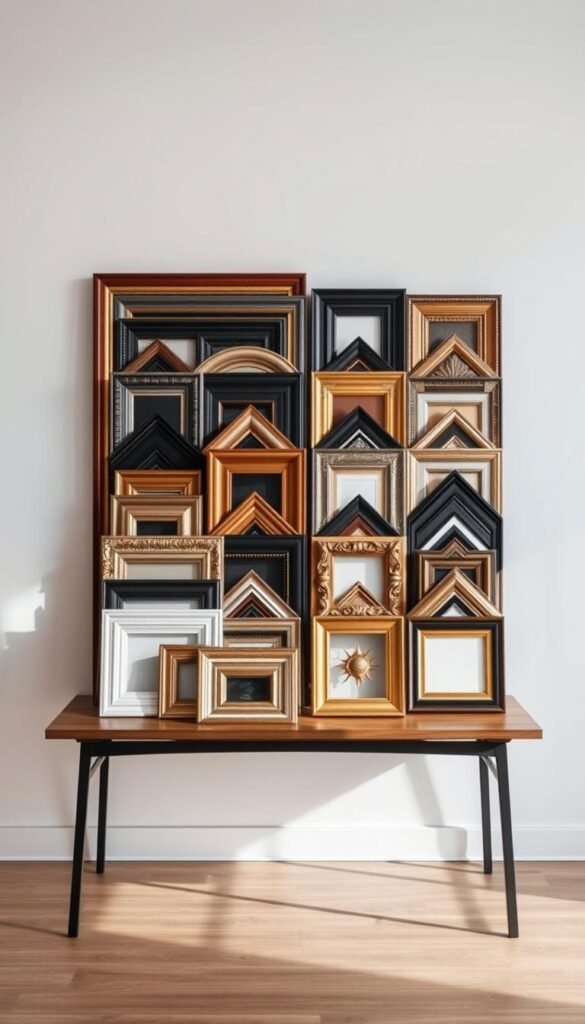
Your frame choice completes your visual presentation beautifully. It bridges your favorite piece with your room’s overall aesthetic.
Think of framing as the final polish on your display. The right border enhances rather than competes with your selection.
Lighter frames often let your work take center stage. They create subtle boundaries that focus attention inward.
Darker borders highlight dramatic elements beautifully. They work particularly well with monochromatic pieces.
Match frame tones to your existing furniture for cohesion. But always prioritize what makes your piece shine brightest.
“The perfect frame doesn’t shout – it whispers enhancement while letting the art speak volumes.”
Custom framing offers wonderful flexibility for your space. Matting adjustments can better integrate colors and proportions.
Consider your room’s overall style when choosing materials. Modern spaces might prefer sleek metals while rustic rooms suit natural woods.
Well-chosen framing makes your display feel intentional. It transforms your wall into a curated gallery experience.
Browse online resources for endless inspiration. Professional framers offer expert advice on materials and styles.
Remember that frames serve both beauty and function. They protect your investment while elevating your home decor.
The right completion transforms good into exceptional. Your perfect frame awaits discovery.
Don’t Space Pieces in a Gallery Wall Too Far Apart
Creating a cohesive gallery display requires careful attention to spacing. When you leave too much room between your pieces, the arrangement feels disconnected rather than unified.
Excessive gaps make your collection appear fragmented. Instead of one beautiful composition, it looks like several isolated items thrown together.
Maintain just 2-3 inches between each piece for perfect harmony. This tight spacing creates visual flow across your entire gallery wall.
Your eye moves smoothly from one work to the next. The arrangement feels intentional and professionally designed.
Always plan your layout before hanging anything. Lay pieces on the floor or use digital tools to visualize spacing.
“Proper spacing transforms individual pieces into one powerful statement that commands attention beautifully.”
Consistent gaps prevent a busy or cluttered appearance. Your display maintains clean lines and organized elegance.
Start from the center and work outward for balanced symmetry. Use a level and measuring tape for precision placement.
Smaller pieces might need slightly closer spacing. Larger works can handle the full 3-inch gap comfortably.
Well-spaced arrangements integrate beautifully with your sleeping area. They add visual interest without overwhelming your space.
Remember that cohesion creates impact. Your carefully curated collection deserves presentation that does it justice.
Do: Create Cohesion with 2-3 Inches Between Pieces
Proper spacing transforms individual artworks into a unified visual statement that commands attention. Maintaining just 2-3 inches between your gallery wall pieces creates that perfect cohesive look.
This specific distance allows each element to stand out while contributing to the overall design. Your collection feels intentionally arranged rather than randomly placed.
Use paper templates or cutouts to plan your arrangement before hanging. This ensures precision and helps you visualize the final result.
Consistent spacing creates a professional appearance that feels thoughtfully designed. Maintain equal distances both horizontally and vertically for perfect balance.
This cohesion makes your display a beautiful focal point rather than a distraction. Consider themes and colors when arranging for visual harmony.
Digital tools like Spoak’s gallery wall builder can simplify your planning process. They help you experiment with different layouts virtually.
Adjust spacing slightly for very large or small pieces to maintain proportion. The goal is visual balance across your entire arrangement.
A unified gallery wall enhances your personal space with aesthetic appeal. It adds that professional touch that makes your environment special.
| Piece Size | Recommended Spacing | Visual Effect | Arrangement Tip |
|---|---|---|---|
| Small (under 12″) | 2 inches | Intimate grouping | Cluster in symmetrical patterns |
| Medium (12-24″) | 2.5 inches | Balanced cohesion | Use as anchor pieces |
| Large (over 24″) | 3 inches | Dramatic statement | Center placement works best |
| Mixed sizes | 2-3 inches (adjusted) | Dynamic interest | Maintain visual weight balance |
Remember that your gallery should feel like one complete composition. The right spacing achieves this beautiful unity effortlessly.
“Consistent spacing is the invisible framework that turns separate pieces into one harmonious display.”
Your wall deserves that professionally curated appearance. Thoughtful arrangement makes all the difference in your final result.
Don’t Feel Limited to Traditional Framed Art
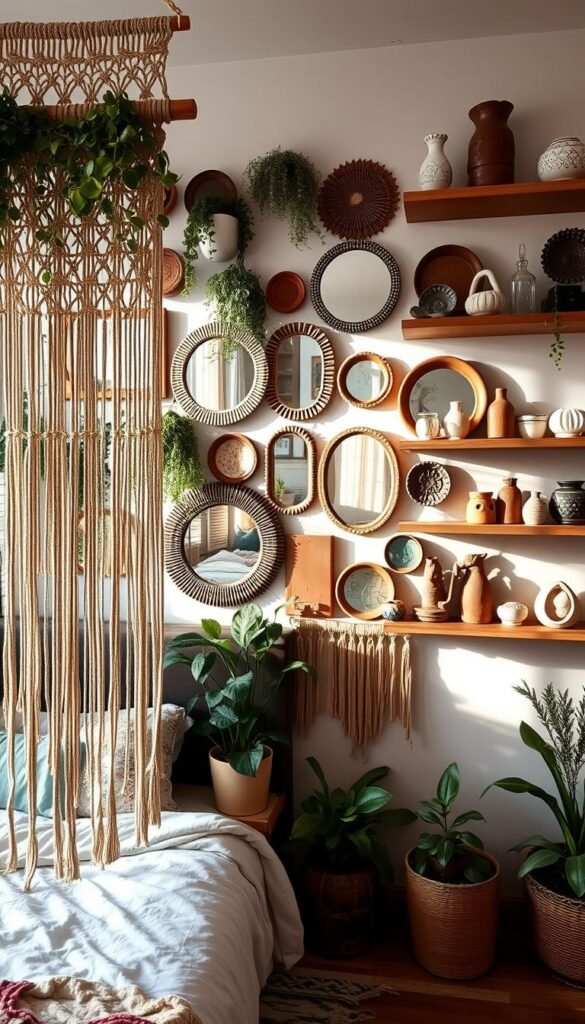
Your walls offer a canvas for endless creative expression beyond conventional pieces. While classic framed art works beautifully, many exciting alternatives exist.
Exploring different wall decor types lets you personalize your space uniquely. Textiles, architectural elements, and mixed media create stunning visual interest.
Boho and minimalist styles particularly benefit from unconventional choices. These approaches often feel more authentic to your personal aesthetic.
Consider your room’s overall vibe when selecting pieces. Unconventional decor should complement rather than clash with your existing design.
Mixing media creates dynamic, layered looks that feel curated. This approach adds depth and personality to your environment.
Breaking from tradition makes your space feel innovative and custom. You create something truly unique that reflects your individuality.
Research various decor types to discover what resonates with your style. Many options prove more affordable or DIY-friendly than traditional pieces.
Your goal remains expressing personal taste while enhancing your room’s character. Thoughtful choices create spaces that feel genuinely yours.
| Alternative Type | Best For Styles | Visual Impact | Installation Tips |
|---|---|---|---|
| Textile Hangings | Boho, Eclectic | Soft texture, warmth | Use curtain rods or decorative hooks |
| Wall Murals | Modern, Minimalist | Dramatic statement | Professional installation recommended |
| Architectural Elements | Industrial, Rustic | Structural interest | Secure properly to studs |
| Mixed Media Displays | Eclectic, Personal | Layered complexity | Plan layout before installation |
Remember that rules exist to be broken creatively. Your personal space deserves design choices that bring you genuine joy.
“The most memorable spaces often feature unexpected elements that surprise and delight the viewer.”
Trust your instincts when exploring beyond traditional boundaries. Your unique perspective creates the most meaningful environments.
Do: Explore Creative Alternatives for Wall Decor
Your walls deserve more than standard framed pieces. Creative options let you express personal style in fresh, exciting ways.
These alternatives often bring texture and dimension to your space. They transform plain surfaces into dynamic design elements.
Many options prove easier to change than traditional artwork. This flexibility lets you refresh your look without major commitments.
Always consider your room’s overall style when selecting. Your choices should enhance rather than clash with existing decor.
Tapestries and Textiles for a Boho Vibe
Fabric hangings introduce wonderful texture and movement. They create softness that contrasts beautifully with hard surfaces.
Choose tapestries with patterns that reflect your personality. These pieces often feature nature motifs or geometric designs.
Macrame and woven items offer handmade charm. Their organic feel brings warmth and character to any space.
Textile works particularly suit relaxed, eclectic interiors. They add color without permanent changes to your walls.
Installation remains simple with decorative rods or hooks. You can easily switch pieces with seasons or moods.
Using the Wall Itself as Art
Architectural treatments transform surfaces into featured elements. Wood paneling or molding creates beautiful visual interest.
Shiplap and board-and-batten add rustic charm. These options work wonderfully in various design styles.
Consider paint techniques like color blocking or stenciling. These DIY approaches offer complete customization.
Functional elements like sconces combine light with decoration. Shelves provide display space while enhancing visual appeal.
These permanent options require more commitment than temporary pieces. Choose treatments that align with long-term preferences.
| Alternative Type | Best Room Styles | Installation Difficulty | Visual Impact |
|---|---|---|---|
| Textile Hangings | Boho, Eclectic | Easy | Soft texture, color |
| Macrame/Woven | Organic, Handmade | Moderate | Tactile interest |
| Wood Paneling | Rustic, Traditional | Advanced | Architectural detail |
| Paint Treatments | All styles | Variable | Custom color/pattern |
| Functional Decor | Modern, Practical | Moderate | Lighting/display |
Remember that maintenance matters with alternative decor. Some options require more cleaning or care than traditional pieces.
Your personal space should reflect what brings you joy. Creative wall treatments offer wonderful opportunities for self-expression.
“The most personal spaces often feature unexpected elements that tell unique stories through design.”
Experiment with different options before committing fully. Temporary installations let you test what works best for your environment.
Your walls await transformation into something truly special. Embrace creativity and make your space uniquely yours.
The Best Types of Wall Art to Hang Above Your Bed
Discovering the perfect visual elements for your personal space brings joy and personality. Your selection should reflect your unique taste while creating a peaceful atmosphere.
Many wonderful options exist beyond traditional choices. Each type offers different emotional benefits and visual appeal.
Beloved Art Prints and Canvas Work
Reproductions let you enjoy famous works without the high cost. They bring museum-quality design into your personal environment.
Canvas pieces add wonderful texture and depth to your walls. Their stretched appearance creates a professional, gallery-like feel.
Custom prints allow complete personalization of your space. You can choose colors and subjects that perfectly match your style.
Many online services offer affordable reproduction options. You can find everything from classic masters to contemporary artists.
Personal and Meaningful Family Photos
Nothing creates warmth like cherished family memories displayed beautifully. These personal touches make your space truly yours.
Black and white conversions often create elegant, timeless displays. They reduce visual clutter while maintaining emotional impact.
Consider creating a cohesive gallery of special moments. Uniform framing helps multiple picture selections feel intentional.
Your favorite memories deserve beautiful presentation. They become daily reminders of love and connection.
Maps, Shelves, and Other Unique Displays
Vintage maps inspire wanderlust and nostalgic feelings. They become conversation starters while adding visual interest.
Floating shelves offer both decoration and functionality. You can display small plants, books, or decorative objects.
Textile hangings introduce softness and texture to your walls. Macrame and woven items bring handmade charm to your space.
Mixed media artwork creates dynamic, layered looks. These unique piece selections reflect individual personality.
“The most meaningful spaces feature elements that tell personal stories and spark daily joy.”
Always choose what resonates with your heart rather than following trends. Your personal sanctuary should reflect your authentic self.
Mix different types while maintaining a cohesive color scheme. This approach adds depth without creating visual chaos.
Consider materials that complement your existing decor. Canvas brings texture while metal offers modern flair.
Your final selection should bring you happiness every time you see it. Trust your instincts when creating your perfect space.
Common Bedroom Art Mistakes and How to Avoid Them
Creating your perfect space involves more than just choosing beautiful pieces. Avoiding common installation errors ensures both safety and visual harmony in your personal environment.
Many people rush the hanging process without proper planning. Taking time to consider these factors prevents disappointment and potential hazards.
Hanging Unsafe or Overly Heavy Items
Your safety should always come first when decorating. Heavy objects pose serious risks if not properly secured.
Glass-fronted pieces require extra caution in sleeping areas. Accidental impacts could cause dangerous breakage.
Always check the weight capacity of your hanging hardware. Standard picture hooks often handle less than twenty pounds.
For heavier items, use screw-in anchors or toggle bolts. These provide much stronger support for substantial pieces.
Consider consulting professionals for valuable or very heavy works. They ensure proper installation that protects your investment.
Choosing the Wrong Size, Shape, or Style
Proportion problems create visual discomfort in your space. An incorrectly sized piece can throw off entire room balance.
Too-small selections leave awkward empty wall space. They fail to create the focal point your area deserves.
Oversized works overwhelm furniture and feel imposing. They dominate rather than complement your environment.
Style mismatches make your space feel disjointed. Your selections should harmonize with existing decor elements.
Overcrowding with too many pieces creates visual chaos. This approach feels cluttered rather than curated.
| Common Mistake | Potential Problem | Recommended Solution | Visual Impact |
|---|---|---|---|
| Heavy items improperly hung | Safety hazard, potential damage | Use appropriate anchors and hardware | Secure, professional appearance |
| Wrong size selection | Poor proportion, empty space | Follow two-thirds width guideline | Balanced, intentional look |
| Style mismatch | Disjointed, incohesive feel | Choose complementary colors/themes | Harmonious, integrated design |
| Overcrowding | Visual clutter, confusion | Limit pieces, maintain breathing room | Clean, curated appearance |
| Poor planning | Placement errors, multiple holes | Use paper templates before installation | Precise, professional results |
Always measure your space before making any selections. Paper templates help visualize how pieces will actually look.
Consider your room’s overall color scheme and style. Your choices should enhance rather than compete with existing elements.
Proper planning prevents most common installation errors. Taking time upfront saves frustration and rework later.
“The difference between good and great design often lies in avoiding simple mistakes through careful planning.”
Remember that both safety and aesthetics matter equally. Your perfect space should be both beautiful and worry-free.
Trust your instincts about what feels right for your environment. Personal satisfaction remains the ultimate goal.
Don’t Feel Obligated to Fill Every Blank Space
Empty walls can be just as powerful as decorated ones in your personal sanctuary. Leaving some areas bare creates breathing room for your eyes and mind.
Negative space enhances the minimalist aesthetic many people love. It reduces visual clutter and promotes a sense of calm throughout your room.
Intentional emptiness highlights your favorite design elements beautifully. Your furniture and lighting become more noticeable when they’re not competing with crowded walls.
This approach works particularly well in smaller rooms. It creates an illusion of more space and prevents that closed-in feeling.
Choose quality over quantity when selecting your art. One meaningful piece often makes a stronger statement than several smaller ones.
Focus on finding that perfect single work that truly speaks to you. Let it shine against a clean, uncluttered background.
“Empty space is not nothingness – it’s a powerful design element that gives everything else room to breathe and be appreciated.”
Your wall doesn’t need to tell every story at once. Sometimes the most powerful statements come from what you choose not to display.
This minimalist approach creates a curated, intentional look. It shows thoughtful consideration rather than random decoration.
Remember that negative space is an active design choice. It contributes significantly to your room’s overall peaceful atmosphere.
| Room Size | Recommended Wall Coverage | Visual Effect | Design Approach |
|---|---|---|---|
| Small (under 120 sq ft) | 20-30% coverage | Spacious feeling | One focal piece |
| Medium (120-200 sq ft) | 30-40% coverage | Balanced emptiness | Single statement wall |
| Large (over 200 sq ft) | 40-50% coverage | Intentional curation | Grouped elements |
| Any size with high traffic | 25-35% coverage | Calm organization | Minimalist selection |
Trust your instincts about what feels right for your personal environment. Sometimes less truly delivers more impact and satisfaction.
Your space should reflect your preferences above all else. Embrace the power of emptiness when it serves your vision.
Do: Embrace Negative Space for a Minimalist Look
Less can truly be more when it comes to wall decor. Empty areas create visual breathing room that enhances your overall design.
Negative space makes rooms feel larger and more restful. This approach reduces visual clutter for a calming atmosphere.
Consider using one well-placed piece instead of multiple items. A single focal point creates stronger impact without overcrowding.
Your wall color or texture can serve as the main decor. Beautiful paint finishes or architectural details often stand alone beautifully.
This minimalist style emphasizes whatever you choose to display. Your selections become more noticeable and impactful.
Maintenance becomes simpler with fewer items to clean or adjust. Your space stays tidy with minimal effort.
“Minimalism isn’t about deprivation – it’s about curation that brings peace and clarity to your environment.”
Empty areas around gallery walls create sophisticated modern looks. They frame your collections while maintaining calm.
Embracing negative space represents a bold design decision. It creates sophisticated, intentional environments.
Remember that personal preference always comes first. Choose what feels right for your unique vision.
Your Dream Bedroom Awaits: Putting It All Together
Creating your perfect personal retreat is within reach. You’ve learned how thoughtful design choices transform your space into a peaceful oasis.
Remember to choose pieces that spark joy and promote relaxation. Proper sizing and safe hanging ensure both beauty and peace of mind.
Your unique style deserves expression through personalized decor. Mix colors, textures, and arrangements that feel truly yours.
Don’t rush the process—experiment until everything feels just right. This journey of creating your special sanctuary should bring happiness.
Trust your instincts and enjoy making your home reflect who you are. You deserve a space that welcomes you day and night.